


Water Damage Restoration in Falls Church, VA
Water damage doesn’t wait for a convenient time. A burst pipe during a cold snap, a slow leak you didn’t notice behind a vanity, stormwater pushing into a basement, or an overflowing appliance line can turn into a major property problem in hours—not days. When moisture spreads, it doesn’t just soak what you can see. It moves into wall cavities, under floors, behind baseboards, and into insulation, creating conditions that can weaken materials and create unhealthy indoor environments if the structure isn’t dried the right way.
FloodTech USA provides water damage restoration in Falls Church, VA with one goal: stop the loss, remove water, dry the structure completely, and restore safe, stable conditions as efficiently as possible. We focus strictly on water damage restoration for Falls Church homes and businesses—rapid response, detailed moisture detection, professional extraction, controlled drying, careful monitoring, and a restoration plan built around what your property actually needs.
Falls Church has a unique mix of building styles, lot elevations, stormwater patterns, and aging infrastructure. That local reality matters. A historic home with older plaster, lath, or original hardwood behaves differently than a newer build with engineered products and modern assemblies. A garden-level basement near a slope can face repeated seepage risk during heavy rain. A retail space with layered flooring and a busy customer area can’t afford downtime. The right restoration approach depends on the structure, the water source, and how far the moisture has traveled.
WHY FLOODTECH USA?
WE’RE HERE FOR YOU
24 HOURS A DAY, 7 DAYS A WEEK.

What “Water Damage Restoration” Really Means
Water damage restoration is more than removing puddles and setting a few fans. A complete water damage restoration project is a structured process designed to:
- Identify the source and scope of water intrusion
- Determine the water category and handling requirements
- Remove standing water quickly to reduce ongoing absorption
- Find hidden moisture in walls, subfloors, ceilings, and assemblies
- Dry the structure using controlled airflow and dehumidification
- Monitor moisture until target levels are met and stable
- Prevent secondary damage like warping, swelling, delamination, odors, and microbial growth related to lingering moisture
- Prepare the affected areas for repair and return the property to a safe condition
In Falls Church, where seasonal weather swings and older construction are common, the difference between “it looks dry” and “it is dry” is often the difference between a clean recovery and a recurring problem.
Why Fast Response Matters in Falls Church Properties
Time is not a friendly variable with water damage. Even clean water can become more problematic the longer it sits. Materials absorb moisture at different rates, and some assemblies trap it in ways that aren’t obvious. When water reaches porous materials, it spreads through capillary action—moving outward and upward, not just down.
When water damage is addressed quickly and professionally, you’re more likely to:
- Reduce how much drywall and insulation must be removed
- Preserve wood flooring and trim that might otherwise deform permanently
- Avoid moisture reaching electrical components and creating hazards
- Shorten drying time and overall disruption
- Lower the chance of persistent odor issues
- Minimize the risk of moisture-related microbial growth
When water is allowed to linger, the restoration scope expands. Floors can cup or crown, cabinets can swell, subfloors can soften, and wall assemblies can trap moisture long enough to become a long-term issue.
Common Causes of Water Damage in Falls Church, VA
Water damage in Falls Church often comes from a few repeat patterns. Knowing the most common sources helps you spot early warning signs and respond faster.
Plumbing Failures and Pipe Breaks
Older supply lines, worn fittings, corrosion, shifting connections, and winter freezes can all lead to sudden pipe breaks or slow leaks that go unnoticed until damage is visible. A small drip in a wall can saturate insulation and framing long before a stain appears.
Roof Leaks and Storm Intrusion
Roof leaks often start small—flashing gaps, damaged shingles, compromised penetrations, or aging roof materials. Water may travel along rafters and framing before it appears on a ceiling, which can make the origin seem “mysterious” unless inspected carefully.
Appliance Malfunctions and Supply Line Leaks
Washing machines, dishwashers, refrigerators with ice makers, and water heaters are common sources. Supply lines can fail, drain hoses can loosen, and pans can overflow. Water heaters can leak slowly or rupture quickly, affecting multiple rooms.
HVAC Condensate and Drain Line Issues
Condensation is normal, but it has to drain properly. Clogged drain lines, cracked pans, or drain failures can release water into ceilings, closets, or utility areas. Over time, repeated minor leakage can damage drywall and flooring layers.
Basement Water Intrusion and Groundwater Pressure
During heavy rainfall, water may push through foundation cracks, window wells, or joints. Some Falls Church properties experience hydrostatic pressure issues that lead to basement seepage, particularly in low-lying areas or where exterior grading and drainage don’t move water away effectively.
Overflow and Accidental Water Events
Overflowing tubs, sinks, and toilets can release significant water quickly—especially if a drain clogs or a fixture is left running. Even “small” overflows can travel under flooring and into adjacent rooms.
Warning Signs You May Have Hidden Water Damage
Not all water damage announces itself with standing water. If you notice any of the following, moisture may be present behind surfaces:
- Soft or “spongy” spots in flooring
- Warping, buckling, cupping, or crowning wood floors
- Baseboards separating from walls or swelling at corners
- Paint bubbling, peeling, or discoloration on walls/ceilings
- Musty or damp odors that persist after cleaning
- Visible staining near windows, around plumbing fixtures, or at ceiling edges
- Unexplained increases in water bills
- A room that suddenly feels more humid or “clammy” than usual
If you suspect hidden moisture, professional moisture detection is the safest path forward. Drying what you can see while moisture remains trapped behind a wall is a common reason water damage problems resurface later.
What to Do Immediately After Water Damage
Your first steps can reduce damage and improve safety. If water intrusion occurs:
Prioritize Safety First
- If water is near electrical outlets, appliances, or a panel, avoid entering the area until power is safely addressed.
- Watch for slipping hazards and weakened flooring or ceilings.
- If ceilings are bulging or sagging, avoid standing beneath them.
Stop the Water Source If You Can
- Shut off the main water valve if a supply line is leaking and you can do so safely.
- If it’s an appliance, shut off the appliance supply valve if accessible.
- If it’s storm intrusion, reduce entry points where possible without putting yourself at risk.
Limit Spread Where Safe
- Move small items, rugs, and valuables out of wet areas.
- Place towels or barriers to reduce water movement into adjacent rooms.
- Avoid running your HVAC system if you suspect water has entered ducts or mechanical spaces.
Call for Professional Water Damage Restoration
Rapid extraction and professional drying are the core of successful water damage restoration. The earlier drying begins, the better your odds of preventing deeper absorption into building assemblies.
Emergency Water Damage Response in Falls Church
FloodTech USA responds quickly to water damage emergencies in Falls Church, VA. A proper emergency response is designed to:
- Assess water source and affected areas
- Determine what materials are wet and how far moisture has spread
- Begin immediate extraction to stop ongoing absorption
- Establish a drying plan tailored to the structure and materials
- Start controlled drying and dehumidification as soon as possible
- Set expectations clearly so you know what happens next
Emergency response isn’t just speed—it’s speed with the right sequence. Extracting water without planning for trapped moisture and airflow can leave residual moisture that becomes a longer-term issue.
Professional Water Extraction and Water Removal
Standing water is the most urgent target because it continues to soak materials. FloodTech USA uses professional extraction equipment appropriate for the water volume, location, and access.
Why Extraction Quality Matters
Even after surface water is removed, moisture can remain beneath flooring, behind baseboards, and in subfloor layers. Effective extraction reduces drying time and helps prevent:
- Delamination of layered flooring systems
- Swelling of trim and cabinetry edges
- Migration of water into neighboring rooms
- Odor development caused by damp porous materials
Water Handling and Safety Protocols
Water type affects handling and cleaning requirements. Regardless of source, water is treated seriously. The extraction approach includes attention to safe containment and appropriate removal methods so the affected areas can be stabilized for drying.
Moisture Detection in Walls, Floors, and Ceilings
In Falls Church properties, hidden moisture is a frequent complication—especially in multi-level homes, townhomes, and buildings with finished basements. Water moves in ways that can surprise property owners, traveling along framing, pipes, or seams.
FloodTech USA uses professional moisture detection methods to locate moisture in:
- Drywall and plaster assemblies
- Subfloors beneath hardwood, tile, or laminate
- Insulation and wall cavities
- Ceiling assemblies under bathrooms or HVAC units
- Lower wall sections where water wicks upward
The goal is to avoid “drying the room” and instead dry the structure—including the parts you can’t see.
Structural Drying and Dehumidification
Drying is where water damage restoration succeeds or fails. Drying isn’t just about air movement. It’s about balancing airflow, temperature, and humidity to pull moisture out of materials and keep it moving into the air so dehumidifiers can remove it.
Air Movement for Evaporation
Strategically placed air movers help moisture evaporate from wet surfaces and materials. Placement matters. Too much airflow in the wrong spot can spread moisture-laden air into unaffected spaces, while too little can slow drying and leave pockets damp.
Dehumidification for Moisture Removal
As water evaporates into the air, humidity rises. If humidity stays high, evaporation slows down and materials stay wet longer. Commercial-grade dehumidification helps remove moisture from the air, keeping the drying environment stable and effective.
Moisture Monitoring and Documentation
Drying should be measured, not guessed. Moisture readings are taken to confirm progress and determine when materials have returned to acceptable moisture content. Monitoring also helps identify “stubborn” pockets of moisture that need additional focus.
Falls Church Building Materials and How Water Affects Them
Falls Church includes older homes, mid-century builds, and newer construction—often within the same neighborhood. Materials vary, and water impacts each differently.
Wood Framing, Subfloors, and Structural Lumber
Wood absorbs moisture, swells, and can warp. If wood stays wet, it can lose strength and stability over time. Subfloors may soften or swell at seams, and framing can hold moisture deep inside, requiring careful drying and monitoring.
Drywall and Wall Systems
Drywall often loses structural integrity when wet. It can swell, crumble, or sag, and it can wick water upward several inches or more. Wet drywall can also trap moisture in wall cavities, which is why moisture detection and controlled removal are sometimes necessary.
Hardwood Flooring and Trim
Hardwood is sensitive to moisture changes. Water can cause boards to cup, crown, or separate. The extent depends on how quickly water was removed, how long it sat, and whether moisture reached the subfloor. Proper drying conditions and measured moisture monitoring are essential when trying to preserve hardwood.
Tile and Stone Assemblies
Tile and stone surfaces may resist water on top, but moisture can migrate through grout lines and into underlayment or subfloor layers. Adhesives can weaken, and subfloor swelling can create lippage or loosened tiles later if the structure isn’t dried thoroughly.
Concrete, Masonry, and Foundations
Concrete and masonry are porous. They can absorb water and transmit moisture, especially under hydrostatic pressure. Even when surfaces appear dry, moisture can remain inside, contributing to persistent dampness if the drying plan doesn’t account for it.
Insulation and Hidden Cavities
Insulation can trap moisture and reduce drying efficiency if it remains saturated. Wet insulation can also keep cavities damp longer, which is why restoration planning focuses on drying feasibility and whether removal is necessary for the structure to fully dry.
Categories of Water Damage and Why They Matter
Not all water is the same. Water category influences safety, cleaning requirements, and what materials can be saved.
Category 1: Clean Water
Clean water originates from a sanitary source, such as a supply line leak. It can still cause major damage, but it begins with fewer contamination concerns. The priority is fast extraction and thorough drying before the water picks up contaminants.
Category 2: Gray Water
Gray water contains a level of contamination that requires careful handling—often from appliances or certain overflows. It may require more extensive cleaning steps and may limit what porous materials can be salvaged depending on exposure time.
Category 3: Black Water
Black water is heavily contaminated and poses serious health risks, often associated with sewage or external flooding. Restoration protocols become significantly more strict, and affected porous materials often require removal. Safety and sanitation become central priorities alongside drying.
Why Categories Can Change Quickly
Water can become more contaminated over time as it sits, travels through materials, and collects debris. That’s one reason immediate action matters: what might start as a manageable clean water event can become more complicated if delayed.
Why Ignoring Water Damage Is a Serious Risk
Water damage is one of those problems that often gets worse quietly. Even when the visible water is gone, moisture can keep working behind surfaces.
Structural Degradation
Persistent moisture can weaken framing, soften subfloors, and compromise fasteners and joints. Over time, small deformities become larger repairs.
Odors and Indoor Comfort Problems
Damp materials can produce lingering odors. A “musty” smell is often a sign that moisture remains somewhere it shouldn’t.
Increased Scope and Cost
Early restoration may focus on extraction and drying. Delayed restoration often involves more removal of materials, longer drying cycles, and more repairs.
Safety Concerns
Water around electrical systems can create shock risks. Wet materials can also create slipping hazards and structural instability, especially in ceilings or compromised floors.
Residential Water Damage Restoration in Falls Church
When water damage hits a home, the disruption is personal. FloodTech USA approaches residential water damage restoration with a focus on clear communication and careful work practices, while staying centered on the essentials: extraction, drying, and restoring safe conditions.
Common Residential Water Damage Situations
- Basement seepage after heavy rain
- Burst pipes during cold weather
- Slow leaks under sinks and behind toilets
- Water heater leaks and failures
- Washing machine supply line failures
- Roof leaks that travel into ceilings and walls
How We Protect the Living Space During Restoration
Water damage restoration can be disruptive, but it doesn’t have to be chaotic. A professional plan includes staging equipment thoughtfully, focusing drying where it’s needed, and monitoring progress so the home returns to stable conditions as efficiently as possible.
Restoring Confidence After a Water Event
Homeowners often worry about what they can’t see. That’s why moisture detection and documented drying goals matter. Knowing the structure has been properly dried helps prevent repeated issues and reduces the chance of unpleasant surprises later.
Commercial Water Damage Restoration in Falls Church
Businesses in Falls Church need restoration work that respects operations, safety, and timelines. Water damage can affect inventory, flooring systems, offices, customer areas, and back-of-house utility spaces.
Common Commercial Concerns
- Keeping customers and staff safe around wet areas
- Reducing downtime and disruption
- Drying complex assemblies (multi-layer floors, drop ceilings, wall systems)
- Preventing moisture migration into adjacent suites or tenant spaces
- Coordinating access and work timing when operations must continue
A Practical Restoration Approach for Businesses
Commercial restoration requires planning: targeted extraction, controlled drying, and consistent monitoring. The objective is to stabilize the property quickly while restoring safe, usable conditions with minimal operational impact whenever possible.
Understanding the Water Damage Restoration Timeline
Every water loss is different, but the overall restoration timeline typically follows the same phases.
Initial Response and Assessment
Once water damage is identified, the earliest phase focuses on understanding scope, locating moisture, and building a drying plan.
Extraction and Water Removal
Removing standing water is usually immediate. The amount of water and the complexity of affected spaces influence how long this step takes.
Drying and Dehumidification
Drying commonly takes several days, depending on materials, humidity, and how far moisture spread. Drying is monitored and adjusted based on readings—not guesswork.
Ongoing Monitoring
Daily or scheduled monitoring confirms drying progress and helps determine when equipment can be removed.
Repairs and Rebuild Preparation
Once the structure is dry and stable, the property is ready for repairs to return it to pre-damage condition. The complexity of repairs varies widely depending on what was affected.
Water Damage Prevention for Falls Church Property Owners
Not all water damage is preventable, but many water losses start with small vulnerabilities. Prevention reduces risk and can limit severity when problems occur.
Plumbing Awareness and Maintenance
- Know where your main shut-off valve is
- Watch for slow leaks, corrosion, or damp cabinet interiors
- Replace aging supply lines proactively, especially on appliances
Cold-Weather Pipe Protection
- Insulate exposed pipes in basements, crawl spaces, and exterior walls
- Seal drafts around pipe penetrations
- Maintain indoor heat during freezing periods to reduce pipe risk
Roof and Drainage Attention
- Inspect roof and flashing periodically
- Clean gutters and ensure downspouts move water away from the foundation
- Address pooling water near exterior walls and low points
Basement Risk Reduction
- Monitor for seepage after heavy rains
- Address foundation cracks early
- Keep window wells clear and properly draining where applicable
Prevention doesn’t replace restoration when a loss occurs, but it can reduce how often emergencies happen—and how severe they become.
Why Choose FloodTech USA for Water Damage Restoration in Falls Church, VA
FloodTech USA focuses on water damage restoration with a process built around real-world results:
Fast, Focused Response
Water damage is time-sensitive. A prompt response helps reduce secondary damage and stabilizes the property sooner.
Thorough Drying, Not Just Surface Drying
We prioritize moisture detection and measured drying so hidden moisture isn’t left behind.
Professional Equipment and Proven Methods
Commercial-grade extraction, airflow, and dehumidification support effective drying in real structures—not just open rooms.
Clear Communication
Property owners deserve to know what’s happening, what the next step is, and what progress looks like. Restoration is less stressful when you’re informed.
Local Familiarity with Falls Church Conditions
From older housing stock to storm patterns and basement realities, local experience helps anticipate the places water likes to hide.
Hidden Water Damage: Signs You Should Never Ignore
Hidden water damage is one of the most destructive problems a property owner can face. Unlike obvious flooding or a burst pipe that releases visible water into a room, hidden moisture often works quietly behind walls, under flooring, and above ceilings. By the time surface symptoms appear, structural materials may already be saturated, weakened, or deteriorating.
Understanding the subtle warning signs of hidden water damage is critical. The earlier you recognize the problem, the more effective and less invasive water damage restoration will be. Ignoring these early indicators can lead to more extensive repairs, higher restoration costs, and long-term structural and indoor air quality concerns.
Why Hidden Water Damage Is So Dangerous
Water doesn’t stay in one place. It spreads through porous materials, follows gravity, and moves along framing, pipes, and seams. When moisture becomes trapped in enclosed spaces, it creates ongoing damage that may not be visible for days or even weeks.
Professional water damage restoration focuses not just on what you can see, but on identifying and drying moisture in concealed areas. Without proper detection and drying, hidden water can continue to compromise your property long after the initial leak or intrusion stops.
Subtle Visual Signs of Hidden Water Damage
Hidden water damage often reveals itself through small visual changes. These changes may seem minor at first, but they should never be ignored.
Discoloration on Walls or Ceilings
One of the most common indicators of hidden moisture is staining. Yellow, brown, or copper-colored spots on ceilings or walls can signal water intrusion from above or within a wall cavity.
Even small stains may indicate that moisture has traveled along framing or drywall before surfacing. Water damage restoration professionals use moisture detection tools to determine how far the water has spread beyond the visible mark.
Peeling, Bubbling, or Cracking Paint
When moisture becomes trapped behind painted surfaces, it weakens the bond between paint and the wall. You may notice bubbling, blistering, flaking, or peeling paint in isolated areas.
This is often a sign that drywall or plaster behind the surface is damp. Simply repainting the area does not solve the problem. Proper water damage restoration requires locating the source and drying the affected materials completely.
Warped or Buckling Flooring
Flooring materials are highly sensitive to moisture. Hardwood may cup or crown, laminate may swell and separate at the seams, and vinyl flooring may lift at the edges.
These changes can occur even if you never see standing water. Hidden leaks from appliances, plumbing lines, or subfloor seepage can cause gradual deformation. Addressing the issue quickly through professional water damage restoration may prevent permanent structural floor damage.
Unusual Odors That Indicate Moisture
Sometimes the first sign of hidden water damage is not visual at all.
Persistent Musty Smells
A damp, musty odor that lingers despite cleaning is a strong indication of trapped moisture. This smell often develops when materials such as drywall, wood, or insulation remain wet over time.
Odors may be more noticeable in enclosed spaces like closets, basements, or under staircases. Water damage restoration professionals can identify the moisture source and implement targeted drying to eliminate both the water and the odor.
Increased Humidity in One Area
If a specific room feels consistently humid or clammy compared to the rest of the property, hidden moisture may be present. Trapped water raises humidity levels in confined areas, creating an uncomfortable indoor environment.
Professional restoration teams measure moisture levels in walls, floors, and air to confirm whether hidden water damage is affecting the space.
Structural Changes You Should Never Ignore
Hidden water damage doesn’t just affect surface materials. It can weaken structural components over time.
Soft or Spongy Walls
Press gently against walls near plumbing fixtures, windows, or ceilings below bathrooms. If the surface feels soft or slightly spongy, the drywall may be saturated.
Soft drywall loses structural integrity and can crumble or collapse if the moisture issue continues. Immediate water damage restoration is essential to prevent further deterioration.
Sagging Ceilings
A sagging ceiling is a serious warning sign. Water pooling above drywall can cause it to bow or bulge. In extreme cases, trapped water may cause the ceiling to collapse.
This situation requires urgent professional intervention. Water damage restoration specialists can safely remove trapped water, dry the area, and assess structural stability.
Baseboards Pulling Away from Walls
Water often wicks upward from the floor into drywall. As drywall absorbs moisture, it can swell and push baseboards outward.
If you notice gaps forming between baseboards and walls, especially in areas near bathrooms or kitchens, hidden water damage may be present behind the surface.
Plumbing-Related Warning Signs
Plumbing systems are one of the most common sources of hidden water damage.
Unexplained Increase in Water Bills
A sudden spike in your water bill without increased usage may indicate a hidden leak inside walls or beneath flooring. Even a slow drip can release gallons of water over time.
Water damage restoration professionals often work alongside plumbers to locate and address hidden supply line leaks before structural damage worsens.
Sounds of Running Water
If you hear faint dripping, trickling, or rushing water when fixtures are off, there may be a concealed leak inside a wall or ceiling.
Ignoring these sounds can allow water to spread further into surrounding materials. Early detection makes water damage restoration more straightforward and less invasive.
Basement and Foundation Warning Signs
Basements and lower levels are especially vulnerable to hidden water damage.
Efflorescence on Concrete Walls
A white, powdery residue on foundation walls is called efflorescence. It forms when water moves through concrete and leaves mineral deposits behind.
While the residue itself is not harmful, it indicates that moisture is penetrating the foundation. Professional assessment helps determine whether structural drying or additional water damage restoration is needed.
Damp Carpeting or Padding
If carpet feels damp along the edges or in specific areas, moisture may be seeping from beneath. Basement leaks, slab cracks, or plumbing failures can introduce water below the surface.
Drying carpet alone is not sufficient if the subfloor remains wet. Proper water damage restoration involves addressing all affected layers.
The Risks of Ignoring Hidden Water Damage
Hidden water damage does not resolve on its own. Over time, continued moisture exposure can lead to:
- Structural weakening of framing and subfloors
- Deterioration of drywall and insulation
- Persistent odors
- Electrical hazards if wiring becomes exposed to moisture
- Increased repair costs due to delayed action
Prompt water damage restoration helps limit these risks and preserves the integrity of the property.
How Professional Water Damage Restoration Addresses Hidden Moisture
Effective restoration begins with comprehensive moisture detection. Professionals use specialized equipment to locate water inside walls, ceilings, and flooring assemblies.
Advanced Moisture Detection
Moisture meters and thermal imaging tools identify damp areas that are not visible to the eye. This allows restoration teams to focus drying efforts precisely where needed.
Controlled Structural Drying
Once hidden moisture is identified, air movers and dehumidifiers are strategically placed to remove water from structural materials. Drying is monitored regularly to ensure moisture levels return to safe standards.
Prevention of Secondary Damage
Thorough water damage restoration reduces the risk of long-term structural problems and helps maintain a stable indoor environment.
Don’t Wait to Act
Hidden water damage rarely improves with time. The longer moisture remains inside walls and floors, the more extensive the restoration process becomes.
Recognizing the early warning signs and seeking professional water damage restoration immediately can protect your property from escalating damage. If you notice stains, odors, warped materials, or unexplained moisture, it is always safer to investigate promptly rather than assume the issue is minor.
Water may be silent, but its effects are not. Taking hidden water damage seriously is the first step toward preserving the safety, stability, and value of your property.
The True Cost of Delayed Water Damage Restoration
Water damage rarely stays the same from one day to the next. What begins as a small leak under a sink, a minor roof drip, or a thin layer of water on the basement floor can quickly escalate into a major structural and financial problem. Delaying professional water damage restoration allows moisture to spread, materials to deteriorate, and repair costs to rise dramatically.
Many property owners hesitate at first. The damage may appear minor, or life simply gets busy. However, water damage is progressive. The longer it goes unaddressed, the more complex and expensive the restoration process becomes. Understanding the true cost of delayed water damage restoration can help property owners make informed decisions before a manageable issue becomes a major loss.
How Water Damage Progresses Over Time
Water damage follows a predictable pattern. It spreads outward and downward, absorbs into porous materials, and increases humidity levels inside the structure.
The First 24 Hours
Within hours, water begins soaking into drywall, insulation, flooring, and wood framing. Paint may start to blister, and wood can begin swelling. If water is not extracted quickly, moisture migrates deeper into structural assemblies.
Prompt water damage restoration during this phase often involves straightforward extraction and drying. Materials may still be salvageable, and structural damage may be minimal.
24 to 72 Hours
After one to three days, moisture levels remain elevated, and materials continue absorbing water. Drywall may begin to soften, warp, or crumble. Flooring may buckle or separate. Odors can start to develop as damp materials sit enclosed.
At this stage, water damage restoration may require removal of some affected materials. Drying times increase, and restoration becomes more involved.
Beyond 72 Hours
After several days, damage compounds. Structural components may weaken, finishes deteriorate significantly, and indoor air quality declines due to prolonged dampness. Restoration now likely includes demolition, extensive drying, and more complex repairs.
The difference between immediate and delayed water damage restoration can mean the difference between drying and rebuilding.
Structural Repair Costs Increase Dramatically
One of the most significant financial consequences of delayed water damage restoration is structural damage.
Damage to Wood Framing and Subfloors
Wood absorbs moisture quickly. When saturated, it swells, warps, and can lose strength. Over time, prolonged moisture exposure weakens structural integrity.
Early water damage restoration may dry and stabilize framing before permanent damage occurs. Delayed action often results in replacement of subfloors, joists, and framing members, which significantly increases repair costs.
Drywall and Insulation Replacement
Drywall is highly vulnerable to water. It absorbs moisture, loses structural integrity, and may need removal if drying is delayed. Insulation behind walls can trap moisture, prolonging the drying process and increasing the likelihood of removal.
Replacing drywall and insulation throughout multiple rooms is far more expensive than early extraction and controlled drying.
Flooring Replacement
Hardwood, laminate, and engineered flooring materials react poorly to prolonged moisture exposure. Boards may cup, crown, or delaminate.
When water damage restoration begins quickly, flooring can sometimes be saved through proper drying. When restoration is delayed, entire sections often require replacement, increasing both material and labor expenses.
Hidden Moisture Creates Hidden Expenses
Water damage is rarely limited to visible areas. Moisture travels behind walls, under cabinets, and beneath flooring.
Secondary Spread
As water migrates, it affects adjacent rooms and structural cavities. A small leak in one area can eventually impact multiple spaces if not addressed promptly.
Water damage restoration professionals use advanced moisture detection tools to identify hidden dampness. Without early intervention, the affected area expands, increasing the scope and cost of restoration.
Electrical and Mechanical Damage
Moisture exposure can corrode wiring, outlets, and mechanical components. Even if systems appear functional initially, long-term moisture can reduce reliability and create safety concerns.
Repairing or replacing electrical components adds another layer of expense that might have been avoided with timely water damage restoration.
Increased Labor and Restoration Time
Time directly affects the complexity of the restoration process.
Extended Drying Cycles
When water sits for extended periods, materials become more saturated. Heavily saturated materials require longer drying times and additional equipment.
Prolonged restoration increases labor costs and may extend displacement from the property.
Demolition and Reconstruction
Delayed water damage restoration often requires removal of structural and finish materials. Demolition increases labor, disposal costs, and reconstruction timelines.
Early response typically focuses on preservation. Delayed response often shifts to replacement.
Impact on Indoor Environment and Comfort
The financial cost of delayed water damage restoration is significant, but the impact on daily comfort and usability is also important.
Persistent Odors
Damp materials develop musty odors over time. These odors can linger even after visible water is gone.
Eliminating persistent smells may require additional cleaning and treatment measures that increase overall restoration costs.
Reduced Property Usability
As damage spreads, rooms may become unsafe or unusable. Flooring may feel unstable, ceilings may sag, and walls may weaken.
The longer restoration is postponed, the longer the disruption lasts.
Insurance and Financial Complications
Delays can also create complications related to insurance coverage and documentation.
Potential Coverage Challenges
Many insurance policies require property owners to take reasonable steps to prevent further damage. Delayed response may be viewed as failure to mitigate loss.
Prompt water damage restoration demonstrates proactive action and may help avoid disputes related to coverage.
Increased Out-of-Pocket Expenses
When damage expands due to delay, costs may exceed coverage limits. What could have been a moderate claim may become a substantial financial burden.
Acting quickly helps contain the loss and reduce unexpected expenses.
Property Value and Long-Term Financial Impact
Water damage can affect more than immediate repair costs.
Decreased Market Value
Unresolved or poorly addressed water damage can reduce property value. Buyers may be cautious about properties with a history of water issues.
Professional water damage restoration protects long-term value by ensuring the structure is thoroughly dried and restored.
Future Repair Risks
Moisture left behind can cause recurring issues months later. Secondary repairs are often more disruptive and expensive than addressing the problem properly the first time.
Delaying restoration increases the likelihood of future maintenance costs.
The Cost Comparison: Immediate vs. Delayed Restoration
When water damage is addressed immediately, costs often focus on:
- Water extraction
- Structural drying
- Minor repairs
When restoration is delayed, costs often expand to include:
- Demolition and removal of materials
- Structural repairs
- Flooring replacement
- Extended drying equipment rental
- Increased labor hours
- Potential system replacements
The longer the delay, the greater the financial impact.
Why Immediate Water Damage Restoration Is the Smart Choice
Water damage restoration is not just about drying visible water. It is about protecting the structure, reducing risk, and stabilizing the environment before damage compounds.
Faster Recovery
Quick response shortens restoration timelines and minimizes disruption.
Lower Overall Costs
Addressing water damage early prevents widespread structural deterioration and reduces material replacement.
Greater Peace of Mind
Knowing the structure has been properly dried and restored reduces uncertainty about hidden damage.
Don’t Let Time Increase the Price
Water damage does not improve with time. Each passing day allows moisture to spread deeper into the structure, increasing the scope of work required for restoration.
The true cost of delayed water damage restoration includes higher repair expenses, longer disruption, potential insurance complications, and long-term structural risks. Acting immediately when water damage is discovered is the most cost-effective and responsible decision a property owner can make.
Prompt professional water damage restoration protects your property, your finances, and the long-term stability of your home or business.
Serving Falls Church Neighborhoods and Surrounding Areas
Falls Church is a compact city with diverse property types—single-family homes, condos, townhomes, mixed-use buildings, and commercial corridors. Water damage doesn’t discriminate by building type. FloodTech USA provides water damage restoration across Falls Church, responding to the needs of both residents and business owners with solutions tailored to the structure and the situation.
Frequently Asked Questions About Water Damage Restoration
How quickly should water damage be addressed?
Water damage should be addressed immediately. The sooner restoration begins, the better the outcome and the lower the risk of secondary damage.
Can water damage cause mold?
Yes. Mold can begin growing within 24 to 48 hours if moisture is not properly removed. Professional drying and moisture control are essential.
Do you handle both small leaks and major flooding?
Yes. FloodTech USA handles water damage restoration projects of all sizes, from minor leaks to large-scale flooding events.
Is water damage restoration different from cleanup?
Yes. Cleanup involves removing water and debris, while restoration includes drying, repairing damage, and returning the property to a safe condition.
Do you work with homeowners and businesses?
Absolutely. We provide both residential and commercial water damage restoration services in Falls Church, VA.
Contact FloodTech USA for Water Damage Restoration in Falls Church, VA
If your property has experienced water damage, don’t wait. FloodTech USA is ready to help with professional water damage restoration in Falls Church, VA. We respond quickly, extract water efficiently, locate hidden moisture, and dry the structure thoroughly to help protect your property from further damage.
Contact FloodTech USA today to schedule an assessment and take the first step toward restoring your home or business safely and confidently.
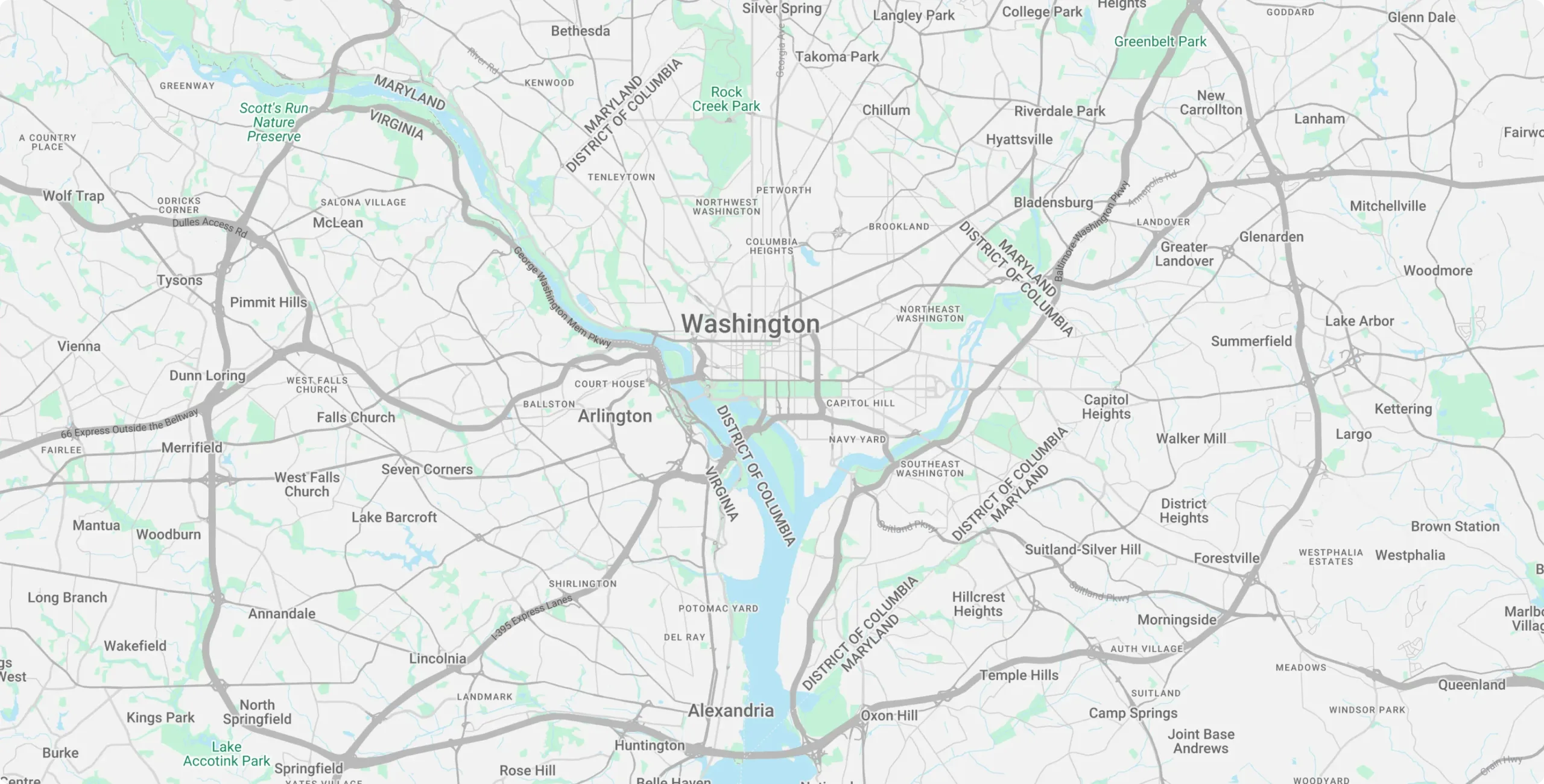
AREAS WE SERVE
At FloodTech USA, we specialize in comprehensive solutions for all your water-related concerns. From precision leak detection and water damage repair to mold remediation, sealing, resurfacing, and full-scale restoration services—our certified team delivers dependable results with unmatched professionalism.
PROTECTING PROPERTY, RESTORING PEACE OF MIND
At FloodTech USA, our team of certified home and commercial restoration specialists brings over 30 years of combined expertise in water damage mitigation, mold remediation, fire and smoke restoration, and structural recovery. Every technician on our crew is fully trained, licensed, and committed to delivering prompt, professional, and compassionate service during your most difficult times.
We know that emergencies don’t wait for business hours. That’s why our restoration services are available around the clock—24 hours a day, 7 days a week, 365 days a year. Whether it’s a burst pipe in the middle of the night or fire damage over a holiday weekend, we’re ready to respond immediately to protect your property and begin the recovery process without delay.