
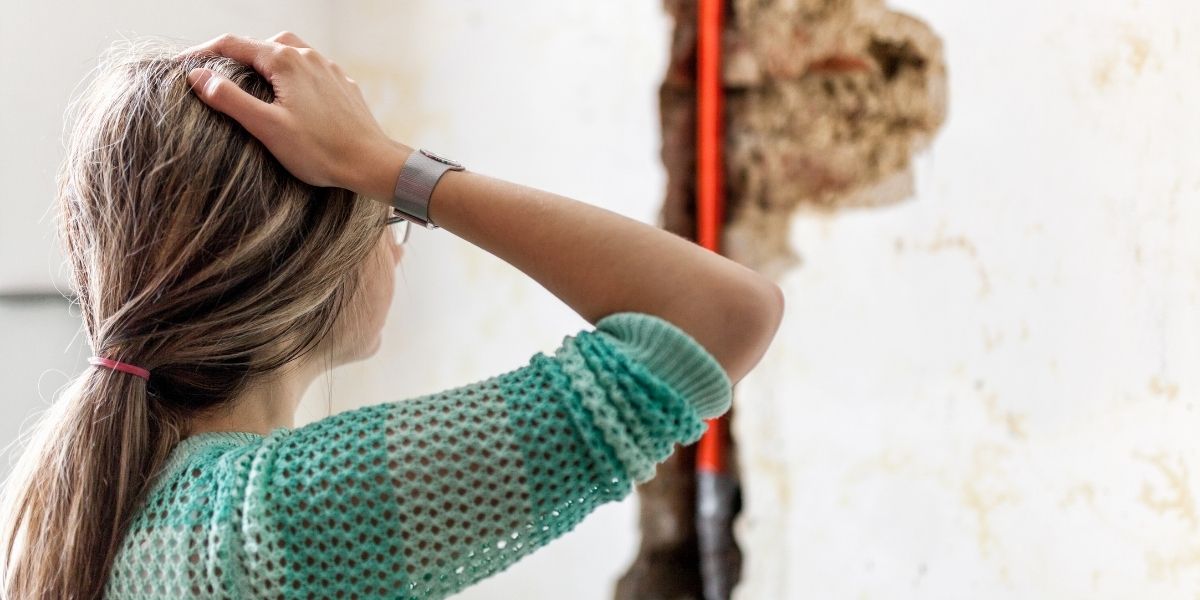
Water damage can strike unexpectedly, causing significant disruption to your life. Whether it’s the result of a burst pipe, a heavy storm, or a malfunctioning appliance, water damage can lead to major losses if not handled properly and immediately. The key to minimizing damage and restoring your property is taking swift action. Understanding what steps to take right after water damage happens is essential for protecting your home and belongings. In this expert guide, we will outline the crucial steps to take immediately after water damage, ensuring that you act quickly to prevent further harm.
If you need assistance, water damage restoration services in Tysons Corner, VA, can provide professional help to minimize further damage and begin the recovery process efficiently.
1. Ensure Safety First
The first thing you need to do when dealing with water damage is to make sure you and your family are safe. Water can cause electrical hazards, and standing water may also present risks like slips and falls. Turn off the power to the affected areas, especially if water has come into contact with electrical outlets, appliances, or wiring. If the water is from a known source like a burst pipe, turn off the main water valve to prevent more flooding.
After addressing potential electrical hazards, make sure the area is safe to enter. If the water levels are deep or the structure has been compromised, it’s essential to avoid entering the building until professionals have assessed the situation.
2. Stop the Water Source
If the water damage is from a leak or burst pipe, your next step is to stop the water flow. If you haven’t already turned off the main water supply, do so now. For leaks, try to locate the source and close any valves that are feeding the leak, or use a temporary seal like a patch or tape until professional help arrives. Water damage restoration services in Tysons Corner, VA, are equipped to help identify and fix the source of the leak, ensuring no further water is introduced to the area.
3. Remove Standing Water
Water can seep into walls, carpets, and furniture, causing long-term damage if left standing for too long. The next immediate step is to remove as much water as possible. You can use a pump, wet/dry vacuums, or towels to soak up the water. The faster you act, the better your chances are of minimizing long-term damage to the building’s structure and your personal belongings. If the flooding is significant, professional restoration companies can bring in large, industrial-grade equipment to extract water from your property quickly.
4. Dry the Area Thoroughly
After standing water is removed, it’s crucial to dry out the area completely. This is especially important to prevent mold and mildew growth, which can start within 24 to 48 hours of water exposure. Open windows and doors to allow fresh air in, and use fans or blowers to circulate air in the affected areas. Dehumidifiers are also useful for removing excess moisture from the air. If you need additional help, flood damage restoration services in Tysons Corner, VA can bring in specialized drying equipment to speed up the drying process, ensuring your property returns to a safe, dry state quickly.
5. Salvage and Clean Personal Belongings
Water damage often leads to ruined belongings, especially in the case of flooded basements or areas with standing water. Personal items like furniture, clothing, and electronics may be salvageable if addressed immediately. Start by removing them from the water’s reach and begin cleaning and drying them. For items like carpets and upholstered furniture, professional cleaning may be necessary to remove moisture, stains, and bacteria.
If the damage is severe, it may be best to discard materials that cannot be cleaned or restored, such as insulation or mold-prone porous materials. The quicker you act, the more likely you are to save valuable items. Professional restoration services can also guide you through the process, offering cleaning and sanitization services for delicate belongings.
6. Check for Structural Damage
Water can wreak havoc on a building’s structural integrity, particularly if left untreated. Check for signs of warping, cracking, or sagging in the floors, walls, and ceilings. Structural damage can compromise the safety of your home, so it’s essential to assess it carefully. Professional water damage restoration services will have the expertise to spot potential risks, such as weakened foundations or load-bearing walls, and can take steps to address them before they worsen.
7. Monitor for Mold Growth
Even after drying your property, mold can develop quickly in areas that remain damp. Keep an eye out for signs of mold growth, which may include musty odors, discoloration, or visible mold spots. Mold thrives in moisture-rich environments and can spread rapidly, causing additional health hazards. Use mold-resistant products, and continue using dehumidifiers and fans to keep the area dry. If you notice signs of mold or mildew, it’s essential to consult professionals for mold remediation to handle the issue properly.
Water damage can be overwhelming, but knowing what to do immediately can help limit the damage and speed up the restoration process. By following these essential steps, ensuring safety, stopping the water flow, removing standing water, drying the area thoroughly, salvaging personal belongings, checking for structural damage, and monitoring for mold, you can effectively address water damage and protect your property. For expert assistance and reliable solutions, water damage restoration services in Tysons Corner, VA are available to ensure a thorough and efficient recovery. For fast, professional help with your water damage restoration, contact FloodTech USA today.
Faq’s
Q1. What is the first step after water damage occurs?
Ensure safety first: turn off electricity to wet areas and stop the water source, like shutting off the main valve, to prevent further flooding and hazards.
Q2. Can water damage lead to mold if ignored?
Yes. Moisture left behind can allow mold to begin growing within 24–48 hours, which can cause health risks and structural damage if not dried and treated.
Q3. How soon should I call a restoration company?
Call a professional restoration company as soon as possible, ideally right after ensuring safety, so they can begin water extraction and drying and prevent hidden damage.
Q4. What should I do with wet belongings?
Move wet personal items to a dry space quickly, clean and air-dry salvageable things, and discard porous materials that can’t be fully restored.
Q5. What safety steps should I take after water damage?
Turn off electricity in affected areas, avoid contaminated water, wear protective gear, and ensure the area is safe before entering to prevent shocks, slips, and exposure risks.