



Flooded Basement Cleanup & Water Damage Restoration in Fairfax, VA
A flooded basement is one of the most stressful and destructive problems a property owner in Fairfax, VA can experience. Whether caused by heavy rain, sump pump failure, burst pipes, sewer backups, or foundation leaks, basement flooding can quickly lead to serious structural damage, mold growth, and costly repairs if not addressed immediately.
FloodTech USA provides professional flooded basement cleanup and water damage restoration in Fairfax, VA. Our team responds 24/7 to remove standing water, dry structural components, prevent mold growth, and fully restore basements to a safe and functional condition. Basement flooding is never just a surface issue. Water often seeps into framing, insulation, subflooring, and foundation materials, creating hidden damage that requires specialized equipment and professional expertise.
If your basement has flooded, fast action is critical. The sooner water is extracted and moisture is controlled, the greater the chance of minimizing structural damage and reducing restoration costs.
WHY FLOODTECH USA?
WE’RE HERE FOR YOU
24 HOURS A DAY, 7 DAYS A WEEK.

Why Flooded Basements Are So Common in Fairfax, VA
Fairfax homes face unique risks when it comes to basement flooding. The area’s seasonal storms, fluctuating groundwater levels, aging infrastructure, and mix of older and newer construction all contribute to water intrusion risks.
Heavy Rainfall and Stormwater Overload
Northern Virginia experiences periods of intense rainfall, especially during spring and summer storms. When storm drains and soil become saturated, water pressure builds around foundations. This hydrostatic pressure forces water through cracks, foundation joints, and basement walls.
Even homes that have never flooded before can experience sudden basement water intrusion during unusually heavy rainfall.
Sump Pump Failures
Many Fairfax homes rely on sump pumps to redirect groundwater away from the foundation. When sump pumps fail due to power outages, mechanical issues, or overwhelmed systems, basements can flood rapidly.
Without immediate water damage restoration, sump pump failures often lead to widespread saturation of flooring, drywall, and stored belongings.
Foundation Cracks and Structural Gaps
Over time, foundation materials naturally shift and settle. Small cracks may form in concrete walls or floors, creating entry points for groundwater. While these cracks may seem minor, they can allow significant water intrusion during storms.
Burst or Leaking Pipes
Basements often contain water heaters, supply lines, and plumbing systems. A burst pipe in a basement can release hundreds of gallons of water in a short period of time. Because basements are below grade, water tends to pool and spread quickly.
Sewer Backups
During heavy rainfall, municipal sewer systems can become overwhelmed. When this happens, sewage may back up into basement drains, creating not only water damage but also contamination risks that require professional cleanup and sanitization.
The Immediate Dangers of a Flooded Basement
Basement flooding creates multiple layers of risk beyond visible water accumulation.
Structural Damage
Water weakens wood framing, subfloors, and load-bearing components. Prolonged moisture exposure can lead to warping, rot, and deterioration that compromise structural integrity.
Electrical Hazards
Basements often house electrical panels, outlets, and wiring. Water contact with electrical systems creates serious safety risks and may require inspection by qualified professionals during the restoration process.
Mold Growth
Mold can begin developing within 24 to 48 hours of water exposure. Basements, which are naturally more humid, provide an ideal environment for mold growth if moisture is not properly removed.
Damage to Personal Belongings
Stored furniture, boxes, appliances, and sentimental items are often located in basements. Rapid professional cleanup increases the chance of salvaging belongings.
24/7 Emergency Flooded Basement Cleanup in Fairfax
FloodTech USA provides round-the-clock emergency response for flooded basements in Fairfax, VA. When you call, our team mobilizes quickly to minimize further damage.
What Happens During Emergency Response
Upon arrival, we assess the extent of flooding, identify the water source, and determine the category of water involved. Safety is the first priority. If necessary, we coordinate electrical shutoffs and ensure the area is safe to enter.
Immediate steps include:
- Stopping the water source if possible
- Removing standing water
- Evaluating structural saturation
- Documenting damage for insurance purposes
Rapid intervention reduces the overall scope of water damage restoration.
Professional Basement Water Extraction
Standing water must be removed quickly to prevent further absorption into structural materials.
High-Powered Extraction Equipment
We use commercial-grade pumps and extraction units designed to remove large volumes of water efficiently. This equipment reaches into low areas, corners, and uneven surfaces common in basements.
Removing Water from Finished and Unfinished Basements
Whether your basement is finished with drywall and flooring or unfinished with exposed framing and concrete, our team tailors the extraction process to the specific materials involved.
Prompt water removal significantly reduces drying time and limits structural deterioration.
Structural Drying and Dehumidification for Basements
After visible water is extracted, hidden moisture remains within walls, flooring systems, insulation, and foundation materials. Proper structural drying is essential.
Moisture Mapping
We use moisture meters and thermal imaging to identify damp areas behind walls, under flooring, and within framing.
Controlled Drying Systems
Strategically placed air movers promote evaporation, while industrial dehumidifiers remove moisture from the air. This controlled process prevents uneven drying, which can damage materials.
Daily moisture monitoring ensures all affected materials reach safe moisture levels before repairs begin.
Cleaning and Sanitizing a Flooded Basement
If the floodwater involves gray or black water contamination, additional cleaning procedures are required.
Disinfection Procedures
We apply professional-grade antimicrobial treatments to eliminate bacteria and contaminants. Porous materials that cannot be safely cleaned may be removed and replaced.
Odor Removal
Basement flooding often leaves musty odors caused by trapped moisture and microbial growth. Advanced deodorization techniques neutralize odors at their source.
Repair and Restoration After Basement Flooding
Water damage restoration does not end when drying is complete. FloodTech USA provides full repair services to restore your basement.
Common Basement Repairs
- Drywall removal and replacement
- Flooring repair or installation
- Insulation replacement
- Trim and baseboard restoration
- Ceiling repairs
- Structural framing repairs if needed
Our goal is to return your basement to its pre-loss condition safely and efficiently.
Finished Basement Water Damage Restoration
Finished basements require specialized restoration techniques to preserve structural and aesthetic components.
Protecting Framing and Insulation
Wet insulation often must be removed to allow wall cavities to dry properly. Trapped moisture behind finished walls can lead to mold growth if not addressed.
Flooring Considerations
Carpet, laminate, hardwood, and tile flooring each respond differently to water exposure. We evaluate whether materials can be salvaged or require replacement.
Unfinished Basement Flood Cleanup
Unfinished basements may appear easier to clean, but structural materials can still sustain significant damage.
Concrete and Masonry Drying
Concrete absorbs water and releases it slowly. Professional drying ensures foundation walls and floors do not retain hidden moisture.
Protecting Structural Supports
Wood joists and sill plates are especially vulnerable to prolonged dampness. Early drying prevents rot and structural compromise.
Preventing Future Basement Flooding in Fairfax
While not all basement flooding can be prevented, certain steps reduce risk.
Regular Plumbing Inspections
Inspect supply lines, water heaters, and valves regularly for leaks or corrosion.
Foundation Maintenance
Seal visible cracks and ensure proper grading around the home directs water away from the foundation.
Sump Pump Maintenance
Test sump pumps regularly and consider installing battery backups to prevent failure during power outages.
Insurance Assistance for Flooded Basements
FloodTech USA works with insurance carriers to support the claims process.
We provide:
- Detailed documentation
- Moisture readings
- Photographs
- Written restoration plans
This documentation helps streamline claim approval and reduce delays.
Why Professional Water Damage Restoration Is Essential
Attempting DIY basement cleanup often leaves hidden moisture behind. Household fans and dehumidifiers are not sufficient for large-scale water extraction and structural drying.
Professional water damage restoration ensures:
- Complete moisture detection
- Proper water categorization
- Safe removal of contaminated materials
- Prevention of mold growth
- Long-term structural protection
Basement flooding requires specialized equipment and expertise to prevent recurring damage.
Serving All of Fairfax, VA
FloodTech USA provides flooded basement cleanup and water damage restoration throughout Fairfax and surrounding communities. Whether you live in an older home with a traditional foundation or a newer property with a finished basement, our team understands the specific challenges local properties face.
What to Do Immediately After Your Basement Floods
A flooded basement can happen without warning. Heavy rain, sump pump failure, burst pipes, sewer backups, or foundation leaks can quickly turn a dry lower level into a water-filled space. In those first moments, it is easy to feel overwhelmed. However, what you do immediately after your basement floods can significantly reduce damage, lower restoration costs, and protect your home’s structural integrity.
Basement flooding is not just about removing visible water. Moisture seeps into walls, subfloors, insulation, framing, and foundation materials. Without proper water damage restoration and cleanup, hidden dampness can lead to mold growth, wood rot, and long-term structural problems. Acting quickly and following the right steps is critical.
Prioritize Safety Before Entering the Basement
Safety must always come first after a basement flood. Standing water can present serious hazards.
Shut Off Electricity if It Is Safe to Do So
If water levels are high or have reached electrical outlets, appliances, or your breaker panel, do not enter the basement until power has been safely disconnected. Water and electricity create a life-threatening combination. If you cannot safely access your breaker panel, contact your utility provider or emergency services for assistance.
Avoid Contact With Contaminated Water
Not all floodwater is clean. Basement flooding caused by sewer backups or heavy storms may contain bacteria and contaminants. Avoid direct skin contact and wear protective gear such as waterproof boots and gloves if entry is necessary.
Professional flooded basement cleanup crews use proper safety equipment and follow industry guidelines when dealing with contaminated water.
Identify and Stop the Water Source
Once the area is safe to access, determine the source of the flooding if possible.
Burst or Leaking Pipes
If a plumbing line has burst, shut off the main water supply immediately. Stopping the flow of water prevents additional damage and reduces the overall scope of water damage restoration.
Sump Pump Failure
If your sump pump failed, check for power issues or mechanical malfunctions. However, do not attempt major repairs while standing water remains present.
Storm or Groundwater Intrusion
If heavy rainfall caused the flooding, stopping the water source may not be immediately possible. In these cases, focus on limiting further damage and contact professional flooded basement cleanup services quickly.
Document the Damage for Insurance Purposes
Before moving or removing items, document the scene thoroughly.
Take Photos and Videos
Capture clear photos and videos of standing water, damaged belongings, affected walls, and flooring. This documentation will be important when filing an insurance claim.
Create an Inventory of Damaged Items
Make a list of personal belongings, furniture, and appliances affected by the flood. Avoid discarding items until your insurance adjuster has reviewed the damage unless they pose a safety risk.
Professional water damage restoration companies also provide detailed documentation to support your claim.
Call a Professional Flooded Basement Cleanup and Water Damage Restoration Company
One of the most important steps after a basement floods is contacting professionals immediately.
Why Professional Help Is Critical
Basement flooding often involves more damage than what is visible. Water seeps into wall cavities, under flooring, and into insulation. Household fans and small dehumidifiers cannot remove this hidden moisture effectively.
Professional flooded basement cleanup teams use:
- High-powered water extraction equipment
- Industrial air movers
- Commercial dehumidifiers
- Moisture meters and thermal imaging
Rapid response significantly reduces the risk of mold growth and structural deterioration.
Remove Standing Water Quickly
The longer water remains in your basement, the more damage it causes.
Professional Water Extraction
Water damage restoration professionals use commercial pumps and extraction units to remove large volumes of water efficiently. This equipment can handle deep pooling and reach difficult corners and low areas common in basements.
Avoid DIY Pumping Without Proper Equipment
Using small shop vacuums or rental pumps may not remove water thoroughly. Incomplete extraction allows moisture to remain trapped in structural materials.
Remove and Protect Belongings
After standing water is removed, focus on salvaging personal belongings.
Move Items to a Dry Area
Relocate salvageable items to a clean, dry space. Elevate furniture and boxes off damp surfaces.
Separate Wet and Dry Materials
Porous materials such as cardboard, fabric, and paper absorb water quickly. These items may require specialized drying or may not be salvageable if heavily saturated.
Professional restoration teams often provide content cleaning and pack-out services to protect valuable items during the drying process.
Begin Structural Drying Immediately
Water damage does not stop when standing water is removed. Structural drying is essential to prevent hidden moisture problems.
Moisture Detection
Restoration professionals perform moisture mapping to identify damp areas behind walls and under flooring. Basements are especially prone to hidden moisture due to their below-grade location.
Controlled Drying Process
Industrial air movers promote evaporation, while dehumidifiers remove excess moisture from the air. This controlled approach ensures even drying and prevents secondary damage such as cracking or warping.
Drying typically takes several days depending on the severity of flooding and the materials involved.
Remove Damaged Materials When Necessary
Some materials cannot be safely restored after basement flooding.
Wet Insulation
Insulation that becomes saturated often needs removal to allow wall cavities to dry properly.
Damaged Drywall and Flooring
Drywall that has absorbed significant water may lose structural integrity. Flooring materials such as carpet padding often require replacement.
Professional flooded basement cleanup ensures that only unsalvageable materials are removed, minimizing unnecessary demolition.
Clean and Sanitize the Area
If the flooding involved gray or black water contamination, thorough cleaning and disinfection are required.
Antimicrobial Treatments
Restoration professionals apply antimicrobial agents to eliminate bacteria and prevent mold growth.
Odor Removal
Musty odors often linger after basement flooding. Professional deodorization treatments neutralize odors at their source rather than masking them.
Monitor for Mold Growth
Basements are naturally humid environments, making them especially vulnerable to mold after flooding.
Watch for Musty Smells or Visible Growth
Even after drying appears complete, monitor the space for signs of mold such as discoloration, persistent odors, or increased humidity.
Professional water damage restoration includes ongoing moisture monitoring to ensure safe conditions.
Begin Repairs and Restoration
Once drying and cleanup are complete, repairs can begin.
Restore Walls and Flooring
Replace drywall, insulation, baseboards, and flooring as needed. Ensure structural framing is fully dry before installing new materials.
Address the Root Cause
Fix plumbing issues, repair foundation cracks, or upgrade sump pump systems to reduce the risk of future flooding.
Why Immediate Action Matters After a Basement Flood
Every hour that passes increases the risk of:
- Mold growth
- Structural weakening
- Electrical hazards
- Higher repair costs
Prompt professional flooded basement cleanup and water damage restoration reduce long-term damage and help return your basement to a safe, usable condition.
Protecting Your Home After Basement Flooding
A flooded basement can feel overwhelming, but taking the right steps immediately makes a significant difference. Prioritize safety, stop the water source, document damage, and contact professional water damage restoration experts without delay.
Basement flooding is not just about removing water—it is about thoroughly drying structural materials, preventing mold growth, and restoring your home’s integrity. Acting quickly protects your investment, your health, and your peace of mind.
Mold Risks After Basement Flooding in Fairfax, VA
A flooded basement is already a serious problem, but what happens after the water is removed can be even more damaging. In Fairfax, VA, basement flooding often creates the perfect environment for mold growth. Without proper flooded basement cleanup and professional water damage restoration, hidden moisture can lead to widespread mold contamination in a matter of days.
Basements are naturally more humid than upper levels of a home. When standing water enters the space due to heavy rain, sump pump failure, burst pipes, or sewer backups, moisture seeps into walls, flooring, insulation, and structural framing. Even after visible water is extracted, dampness often remains inside materials. That lingering moisture fuels mold growth, which can compromise structural integrity and indoor air quality.
Understanding mold risks after basement flooding—and acting quickly—can prevent long-term damage and expensive remediation.
Why Basements in Fairfax Are Vulnerable to Mold After Flooding
Fairfax homes often include finished or partially finished basements that serve as living spaces, storage areas, or home offices. When these spaces flood, the combination of porous materials and limited airflow increases the likelihood of mold growth.
High Humidity Levels
Northern Virginia experiences humid summers, and basements naturally retain moisture due to their below-grade location. After flooding, humidity levels spike dramatically. If not controlled through professional water damage restoration, excess moisture lingers in the air and within building materials.
High humidity alone can support mold growth, but when combined with saturated drywall, wood framing, or carpeting, mold colonies can develop rapidly.
Porous Building Materials
Finished basements often contain drywall, insulation, carpeting, wood trim, and subflooring. These materials absorb water quickly. Once saturated, they provide an organic food source for mold spores.
Without thorough flooded basement cleanup and structural drying, these materials can remain damp long after the surface appears dry.
How Quickly Mold Can Develop After Basement Flooding
One of the most alarming aspects of mold growth is how quickly it can begin.
Mold Growth Timeline
Under ideal conditions, mold can begin developing within 24 to 48 hours after water exposure. If a flooded basement is not professionally dried within that timeframe, the risk increases significantly.
First 24 Hours
Moisture spreads through walls and flooring. Mold spores already present in the environment begin settling on damp surfaces.
24 to 48 Hours
Spores begin forming colonies in hidden areas such as behind drywall, under carpet padding, and inside insulation.
After 72 Hours
Mold growth becomes more established and can begin spreading through air movement within the basement and HVAC system.
This timeline highlights why immediate water damage restoration is critical after a flooded basement.
Hidden Areas Where Mold Commonly Develops
Mold growth after basement flooding is often hidden from view.
Behind Drywall and Paneling
Water that wicks up drywall can remain trapped inside wall cavities. Even if the lower portion of drywall feels dry to the touch, internal moisture may persist.
If wet insulation is not removed during flooded basement cleanup, it can hold moisture against framing, accelerating mold growth.
Under Carpet and Padding
Carpet padding absorbs water like a sponge. If not promptly removed, mold can develop beneath the surface and spread unnoticed.
Wooden Framing and Sill Plates
Structural wood components in basements are especially vulnerable. Prolonged moisture exposure can lead not only to mold growth but also to wood rot and structural weakening.
Professional water damage restoration includes moisture mapping to identify these hidden damp areas before mold spreads further.
Health Risks Associated With Mold After Basement Flooding
Mold growth is not just a structural issue—it can also impact occupant health.
Respiratory Irritation
Mold spores released into the air can cause coughing, sneezing, and throat irritation. Individuals with asthma or allergies may experience more severe symptoms.
Increased Allergy Symptoms
Persistent mold exposure can trigger allergic reactions such as itchy eyes, congestion, and skin irritation.
Compromised Indoor Air Quality
A musty odor in the basement often indicates microbial growth. As mold spreads, spores circulate throughout the home, affecting indoor air quality beyond the basement level.
Prompt flooded basement cleanup and water damage restoration reduce these health risks by eliminating moisture sources before mold colonies expand.
Structural Damage Caused by Mold Growth
Mold does more than discolor surfaces—it actively breaks down organic materials.
Wood Decay and Rot
When mold grows on wood framing, it contributes to the breakdown of wood fibers. Over time, this weakens load-bearing components and increases the need for structural repairs.
Drywall Deterioration
Mold feeds on the paper backing of drywall. Once mold colonization becomes extensive, drywall often requires removal and replacement.
Flooring Damage
Subfloors exposed to prolonged moisture can soften and warp. Mold growth beneath flooring systems often necessitates removal of both surface materials and underlying supports.
Professional water damage restoration focuses on drying structural components thoroughly to prevent these long-term consequences.
Why DIY Drying Is Not Enough After Basement Flooding
Many homeowners attempt to handle basement flooding using household fans or rental dehumidifiers. While these efforts may help reduce surface moisture, they rarely address hidden dampness.
Incomplete Moisture Removal
Without professional moisture detection equipment, it is nearly impossible to determine whether framing, insulation, and subfloors are fully dry.
Surface dryness does not guarantee internal dryness. Hidden moisture creates ongoing mold risks even after the area appears restored.
Lack of Antimicrobial Treatment
Professional flooded basement cleanup includes the application of antimicrobial treatments to prevent microbial growth. DIY efforts often overlook this critical step.
The Role of Professional Water Damage Restoration in Mold Prevention
Preventing mold after basement flooding requires a comprehensive restoration approach.
Immediate Water Extraction
Removing standing water quickly reduces the amount of moisture absorbed into structural materials.
Moisture Mapping and Monitoring
Restoration professionals use moisture meters and thermal imaging to locate hidden damp areas. Ongoing monitoring ensures materials reach safe moisture levels before repairs begin.
Controlled Structural Drying
Industrial air movers and dehumidifiers create a balanced drying environment. This prevents uneven drying and minimizes the risk of trapped moisture.
Removal of Unsalvageable Materials
Wet insulation, saturated carpet padding, and compromised drywall are often removed during flooded basement cleanup to eliminate moisture reservoirs.
By addressing moisture thoroughly, professional water damage restoration dramatically reduces mold risk.
Long-Term Consequences of Ignoring Mold After Basement Flooding
Failing to address mold promptly can lead to significant consequences.
Escalating Remediation Costs
Small mold issues can quickly become large-scale contamination problems. Extensive mold growth requires more invasive removal procedures and higher costs.
Ongoing Structural Deterioration
Mold-related wood decay and material breakdown weaken structural integrity over time.
Reduced Property Value
Homes with unresolved mold issues may face challenges during resale inspections. Proper water damage restoration protects both structural stability and market value.
Protecting Your Fairfax Home After a Flooded Basement
Basement flooding is disruptive, but the mold risks that follow can be even more damaging if ignored. Acting quickly with professional flooded basement cleanup and water damage restoration is the most effective way to protect your home.
By removing standing water promptly, thoroughly drying structural components, applying antimicrobial treatments, and monitoring moisture levels, you significantly reduce the likelihood of mold growth.
In Fairfax, VA, where humidity and seasonal storms increase moisture risks, proactive and professional restoration is essential. Addressing mold risks immediately after basement flooding not only preserves your home’s structural integrity but also safeguards the health and comfort of everyone inside.
The Cost of Flooded Basement Water Damage Restoration in Fairfax, VA
A flooded basement is more than an inconvenience. It can quickly become a major financial concern for homeowners in Fairfax, VA. From standing water and soaked drywall to damaged flooring and hidden mold growth, basement flooding often requires professional water damage restoration to properly clean, dry, and repair the space.
One of the first questions property owners ask after discovering a flooded basement is: how much will this cost? The answer depends on several factors, including the source of the flooding, how long the water was present, the size of the basement, and the types of materials affected. Understanding what influences the cost of flooded basement cleanup and water damage restoration can help you make informed decisions and take action quickly to reduce long-term expenses.
What Impacts the Cost of Flooded Basement Restoration
No two flooded basements are the same. Restoration costs vary based on the extent of damage and the complexity of cleanup.
The Source of the Water
The category of water involved significantly affects the cost of restoration.
Clean water from a burst pipe or supply line typically requires water extraction and drying but may involve less intensive cleaning. Gray water from washing machine overflows or sump pump failures may contain contaminants that require additional sanitization. Black water from sewer backups or storm flooding involves hazardous contamination and demands specialized protective equipment, thorough disinfection, and disposal of porous materials.
The more contaminated the water, the more extensive the flooded basement cleanup process becomes.
The Depth and Duration of Flooding
A few inches of water for a short period is very different from several feet of water sitting for multiple days. The longer water remains, the more it penetrates structural materials.
Extended exposure increases the likelihood of:
- Saturated insulation
- Warped framing
- Subfloor damage
- Mold growth
Delays in professional water damage restoration almost always increase total restoration costs.
Size and Layout of the Basement
The square footage of the affected area directly impacts cost.
Unfinished Basements
Unfinished basements with exposed concrete floors and minimal finished materials may require less demolition. However, structural components like sill plates and framing can still absorb moisture and require professional drying.
Finished Basements
Finished basements in Fairfax often include drywall, carpeting, wood trim, built-in cabinetry, and even full bathrooms. When these materials become saturated, they may require removal and replacement. Finished basements generally involve higher restoration costs due to the added materials and labor required.
Complex layouts with multiple rooms, storage areas, and mechanical spaces also increase labor time and drying requirements.
Breakdown of Flooded Basement Water Damage Restoration Costs
While every situation is unique, restoration costs generally fall into several categories.
Emergency Water Extraction
The first step in flooded basement cleanup is removing standing water. Professional water extraction involves commercial-grade pumps and vacuums capable of handling large volumes of water quickly.
Costs depend on the amount of water present and accessibility of the basement. Rapid extraction reduces further structural damage and lowers overall expenses.
Structural Drying and Dehumidification
After visible water is removed, structural drying begins. Industrial air movers and dehumidifiers run continuously for several days to eliminate hidden moisture.
Drying costs are influenced by:
- The number of affected rooms
- Types of materials involved
- Humidity levels
- Duration of equipment operation
Proper drying is essential. Incomplete drying often leads to mold growth and significantly higher costs later.
Demolition and Removal of Damaged Materials
Some materials cannot be salvaged after basement flooding.
Drywall and Insulation Removal
Drywall that absorbs significant water often loses structural integrity. Wet insulation traps moisture and must typically be removed to allow framing to dry.
Flooring and Carpet Removal
Carpet padding usually requires replacement after flooding. Hardwood, laminate, or engineered flooring may also need removal depending on the level of saturation.
The extent of material removal directly affects labor and disposal costs.
Cleaning and Sanitization
If the flooded basement involves gray or black water contamination, professional cleaning and disinfecting are required.
This includes:
- Application of antimicrobial treatments
- Surface disinfection
- Odor removal procedures
Contaminated materials may require specialized disposal according to health regulations.
Mold Remediation (If Needed)
If mold develops due to delayed cleanup, additional remediation costs are added.
Mold remediation may involve:
- Containment barriers
- HEPA air filtration
- Removal of contaminated materials
- Post-remediation verification
Prompt water damage restoration helps prevent these additional expenses.
Repairs and Reconstruction
After drying and cleanup, repairs begin. This phase can vary widely in cost depending on how much of the basement requires rebuilding.
Common repair expenses include:
- Reinstalling drywall and insulation
- Replacing flooring
- Painting and finishing
- Replacing trim and baseboards
- Structural framing repairs if necessary
Finished basements typically require more extensive reconstruction than unfinished spaces.
Hidden Costs of Delayed Restoration
One of the most important factors influencing total cost is how quickly restoration begins.
Increased Structural Damage
Water that remains in contact with wood framing can lead to rot and structural weakening. Repairing structural damage is significantly more expensive than addressing moisture early.
Electrical System Repairs
Basements often house electrical panels and wiring. Prolonged exposure to water can cause corrosion and safety hazards that require licensed electrical repairs.
Decreased Property Value
Homes with a history of unresolved water damage or mold may face lower resale value. Professional flooded basement cleanup with proper documentation protects your investment.
Insurance and Flooded Basement Restoration Costs
Many homeowners in Fairfax rely on insurance coverage to offset restoration costs.
Coverage Depends on the Cause
Insurance policies typically cover sudden and accidental water damage, such as burst pipes. However, groundwater flooding may require separate flood insurance coverage.
Understanding your policy details is critical. Professional water damage restoration companies provide documentation and moisture readings that support insurance claims.
Importance of Documentation
Detailed records of damage, photographs, and restoration steps help streamline the claims process. Working with experienced professionals reduces disputes and delays.
Why Professional Restoration Is More Cost-Effective Long Term
Some homeowners attempt DIY basement cleanup to save money. While it may seem economical initially, improper drying often leads to greater expenses.
Hidden Moisture Remains
Without moisture meters and industrial equipment, hidden dampness may remain in walls and subfloors. This leads to mold growth and repeat damage.
Repeat Repairs
Incomplete flooded basement cleanup often results in recurring problems that require additional demolition and repairs.
Professional water damage restoration addresses the root of the issue, reducing the risk of ongoing costs.
Preventing Future Basement Flooding Costs
While not all flooding can be prevented, proactive steps can reduce the likelihood of future restoration expenses.
Maintain Sump Pumps
Regularly test sump pumps and consider installing battery backups to prevent failure during power outages.
Inspect Plumbing Systems
Routine inspections can identify small leaks before they cause significant damage.
Seal Foundation Cracks
Addressing visible cracks in foundation walls reduces groundwater intrusion risk.
Investing in preventative maintenance is far less expensive than repeated water damage restoration.
Protecting Your Fairfax Home and Budget
The cost of flooded basement water damage restoration in Fairfax, VA varies depending on the severity of flooding, contamination level, materials involved, and how quickly action is taken. While restoration may seem costly, delaying professional intervention often results in far greater expenses.
Immediate flooded basement cleanup, thorough structural drying, and proper repairs protect both your home’s structural integrity and your financial investment. Professional water damage restoration ensures that hidden moisture is eliminated, mold risks are reduced, and your basement is safely restored to its pre-loss condition.
When facing a flooded basement, acting quickly is the most effective way to control costs and protect your property for the long term.
Frequently Asked Questions About Flooded Basement Cleanup in Fairfax, VA
How quickly should a flooded basement be cleaned up?
Immediately. The first 24 hours are critical for preventing mold growth and minimizing structural damage.
Can I use a shop vacuum to remove basement water?
Small amounts of water may be manageable temporarily, but professional extraction equipment is necessary for thorough removal and proper drying.
How long does basement water damage restoration take?
Water extraction typically occurs within the first day. Drying may take several days depending on the extent of damage. Repairs follow once moisture levels are stabilized.
Will my insurance cover flooded basement cleanup?
Coverage depends on your policy and the cause of flooding. We assist with documentation to support your claim.
Is mold always a concern after basement flooding?
Yes. Basements are naturally humid environments. Without proper drying and antimicrobial treatment, mold growth can occur quickly.
Call FloodTech USA for Flooded Basement Cleanup in Fairfax, VA
A flooded basement can feel overwhelming, but fast professional action makes all the difference. FloodTech USA provides expert flooded basement cleanup and water damage restoration in Fairfax, VA with 24/7 emergency response.
From water extraction and structural drying to full repairs and restoration, our team handles every step of the process. If your basement has flooded, do not wait. Immediate professional water damage restoration protects your home, your health, and your investment.
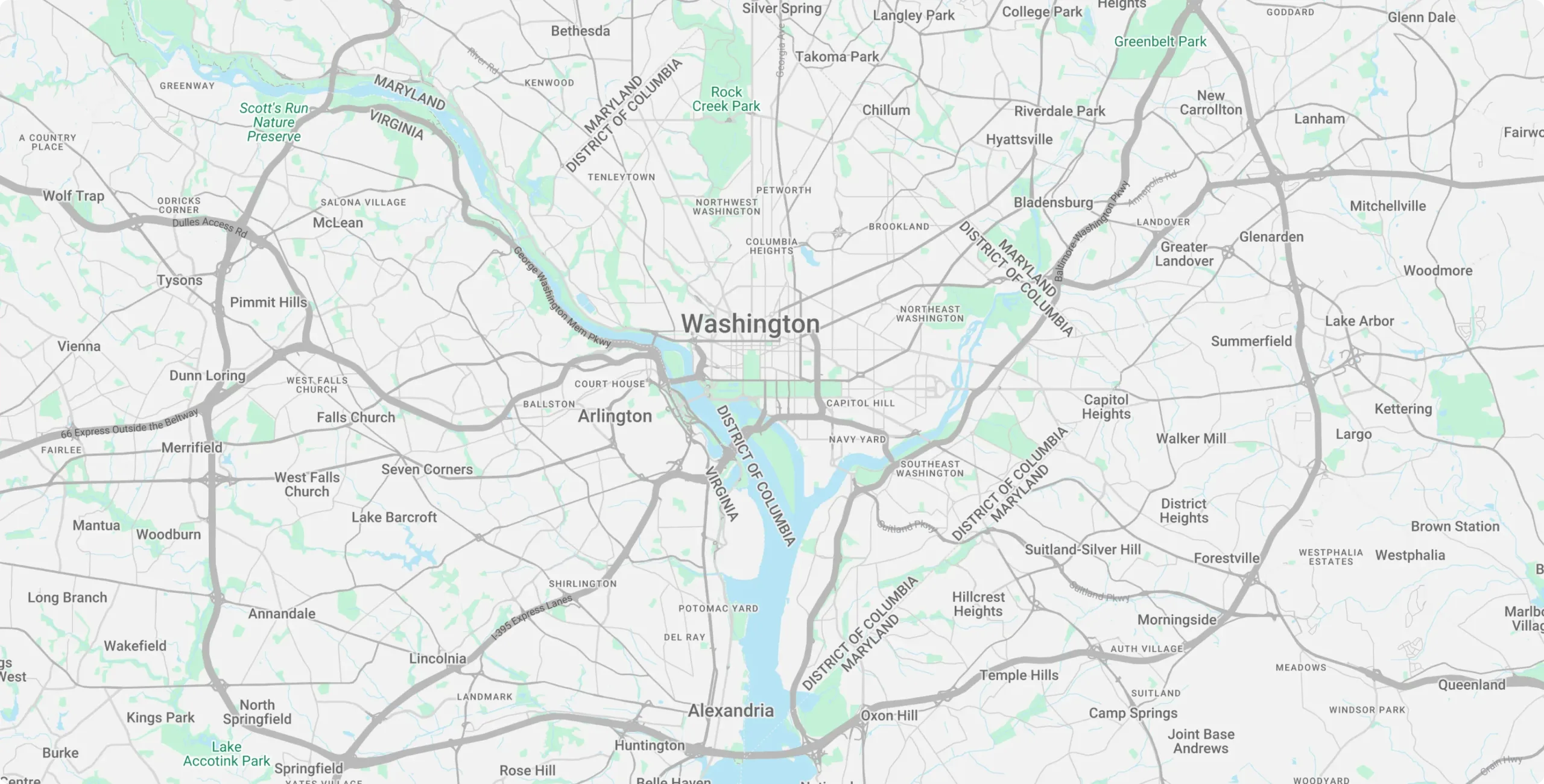
AREAS WE SERVE
At FloodTech USA, we specialize in comprehensive solutions for all your water-related concerns. From precision leak detection and water damage repair to mold remediation, sealing, resurfacing, and full-scale restoration services—our certified team delivers dependable results with unmatched professionalism.

PROTECTING PROPERTY, RESTORING PEACE OF MIND
At FloodTech USA, our team of certified home and commercial restoration specialists brings over 30 years of combined expertise in water damage mitigation, mold remediation, fire and smoke restoration, and structural recovery. Every technician on our crew is fully trained, licensed, and committed to delivering prompt, professional, and compassionate service during your most difficult times.
We know that emergencies don’t wait for business hours. That’s why our restoration services are available around the clock—24 hours a day, 7 days a week, 365 days a year. Whether it’s a burst pipe in the middle of the night or fire damage over a holiday weekend, we’re ready to respond immediately to protect your property and begin the recovery process without delay.