



Flooded Basement Cleanup and Water Damage Restoration in Chevy Chase, MD
A flooded basement is one of the most stressful property emergencies a homeowner can face. In Chevy Chase, MD, where heavy rainstorms, aging plumbing systems, and finished basements are common, basement flooding can happen quickly and cause significant structural damage. Whether caused by stormwater intrusion, a burst pipe, sump pump failure, or foundation seepage, a flooded basement requires immediate professional water damage restoration to prevent long-term consequences.
FloodTech USA provides professional flooded basement cleanup and water damage restoration services in Chevy Chase, MD. Our team focuses specifically on basement water removal, structural drying, moisture detection, and complete restoration. We understand how water behaves below ground level and how quickly it can compromise framing, insulation, flooring, and foundation materials. Our goal is not only to remove standing water but to fully restore the affected space safely and thoroughly.
Basement flooding is never just surface-level. Water spreads into wall cavities, under flooring systems, and along foundation seams. Without proper water damage restoration, hidden moisture can lead to mold growth, wood rot, and structural weakening. Fast, professional response protects both your property and your long-term investment.
WHY FLOODTECH USA?
WE’RE HERE FOR YOU
24 HOURS A DAY, 7 DAYS A WEEK.

Why Flooded Basements Are Common in Chevy Chase, MD
Chevy Chase properties often include basements that serve as living spaces, storage areas, mechanical rooms, or finished recreation areas. These below-grade spaces are particularly vulnerable to water intrusion for several reasons.
Heavy Rainfall and Stormwater Runoff
Maryland’s seasonal storms can produce intense rainfall in short periods of time. When storm drains become overwhelmed or groundwater levels rise, water can push against foundation walls and seep into basements. Even homes that have never experienced flooding before can suddenly take on water during heavy storms.
Aging Foundations and Drainage Systems
Many homes in Chevy Chase were built decades ago. Over time, foundation materials can develop cracks, mortar joints can deteriorate, and exterior drainage systems may become less effective. Water finds the path of least resistance, and even small foundation gaps can allow steady moisture intrusion.
Sump Pump Failures
Sump pumps are designed to remove groundwater from around the foundation. However, mechanical failure, power outages, or overwhelmed systems can render sump pumps ineffective during heavy rainfall. When this happens, water can accumulate rapidly in basement areas.
Burst or Leaking Pipes
Basements often house water heaters, washing machines, main supply lines, and other plumbing fixtures. A burst pipe or slow leak in these systems can release large volumes of water into the basement before being discovered.
No matter the cause, flooded basement cleanup in Chevy Chase requires a professional water damage restoration approach tailored to below-grade conditions.
Immediate Steps to Take After a Basement Flood
If your basement floods, taking the right steps immediately can reduce damage and improve restoration outcomes.
Ensure Safety First
Standing water can pose electrical hazards. If it is safe to do so, turn off power to the affected area. Avoid entering flooded spaces if electrical outlets or appliances are submerged.
Stop the Source of Water
If flooding is caused by a plumbing issue, shut off the main water supply. If the source is storm-related, professional intervention will focus on water removal and damage mitigation.
Call for Professional Flooded Basement Cleanup
Time is critical. The longer water remains in the basement, the more extensive the damage becomes. Professional water damage restoration teams have the equipment and expertise to remove water quickly and begin controlled drying immediately.
Professional Flooded Basement Water Removal
Removing standing water is the first priority in basement water damage restoration.
High-Powered Extraction Equipment
FloodTech USA uses commercial-grade pumps and extraction systems to remove water from basement floors, carpeting, and structural cavities. Basement flooding often involves large volumes of water, and household vacuums are not sufficient for proper removal.
Addressing Hidden Water Pockets
Water often accumulates in low spots, under built-in features, and behind walls. Professional moisture detection tools identify hidden saturation to ensure complete extraction.
Prompt water removal reduces the risk of structural deterioration and mold growth.
Structural Drying for Basements in Chevy Chase
Basements present unique drying challenges because they are below ground level and often have limited airflow.
Controlled Air Movement
Strategically placed air movers circulate air across wet surfaces to promote evaporation. In basements, airflow must be carefully managed to avoid trapping humidity in confined areas.
Industrial Dehumidification
Dehumidifiers remove moisture from the air, accelerating the drying of framing, subfloors, and foundation materials. Continuous monitoring ensures humidity levels are reduced to safe ranges.
Moisture Mapping and Monitoring
Water damage restoration includes daily moisture readings to confirm that structural materials reach appropriate dryness levels before repairs begin.
Damage to Basement Structures and Materials
Flooded basements can affect a wide range of structural and finished materials.
Framing and Sill Plates
Wood framing near the foundation is especially vulnerable to prolonged moisture exposure. If not dried promptly, it can weaken and develop rot.
Insulation
Wet insulation loses its effectiveness and often requires removal. Trapped moisture inside insulation can lead to mold growth behind walls.
Drywall and Paneling
Drywall absorbs water quickly and may need partial or full replacement depending on saturation levels.
Flooring Systems
Finished basements often include carpet, laminate, tile, or hardwood flooring. Water trapped beneath flooring can damage subfloors and adhesives.
Professional flooded basement cleanup evaluates each material individually to determine whether drying or replacement is necessary.
Mold Prevention After Basement Flooding
Basements are naturally more humid than upper levels of a home. When flooding occurs, mold risk increases significantly.
Rapid Response Is Key
Mold can begin developing within 24 to 48 hours in damp conditions. Immediate water damage restoration reduces this risk.
Antimicrobial Treatments
As part of flooded basement cleanup, antimicrobial solutions may be applied to affected surfaces to prevent microbial growth.
Air Quality Protection
Proper drying and cleaning restore healthy indoor air quality and prevent musty odors.
Cleaning and Sanitizing Flooded Basements
Depending on the source of flooding, cleaning procedures may vary.
Stormwater Intrusion
Stormwater can carry contaminants from soil and outdoor surfaces. Thorough sanitization ensures the basement is safe for occupancy.
Plumbing-Related Flooding
Water from appliance leaks or burst pipes may require additional cleaning to remove debris and bacteria.
Professional flooded basement cleanup ensures all affected surfaces are properly disinfected.
Basement Reconstruction and Repairs
After drying is complete, restoration focuses on rebuilding damaged areas.
Drywall Replacement
Damaged wall sections are removed and replaced once moisture levels are stable.
Flooring Installation
New flooring is installed after subfloors are fully dried and inspected.
Trim and Finish Restoration
Baseboards, doors, and other finishes are restored to return the basement to pre-loss condition.
FloodTech USA manages the full water damage restoration process from mitigation through reconstruction.
Preventing Future Basement Flooding in Chevy Chase
While not all flooding can be prevented, certain measures can reduce risk.
Regular Foundation Inspections
Checking for cracks and sealing them promptly can reduce water intrusion.
Maintaining Sump Pumps
Routine inspection and backup power systems improve reliability.
Proper Drainage Management
Ensuring gutters and downspouts direct water away from the foundation reduces hydrostatic pressure.
Professional water damage restoration teams can provide recommendations based on your property’s specific conditions.
Why Professional Flooded Basement Cleanup Matters
DIY cleanup efforts often leave hidden moisture behind. In basements, where water seeps into structural cavities and under flooring, incomplete drying can lead to recurring issues.
Professional water damage restoration includes:
- Advanced moisture detection
- Commercial extraction equipment
- Controlled drying systems
- Thorough sanitization
- Structural monitoring
This comprehensive approach ensures long-term protection.
Serving Chevy Chase, MD
FloodTech USA provides flooded basement cleanup and water damage restoration throughout Chevy Chase, MD. We understand the construction styles, soil conditions, and environmental factors unique to the area. Our team responds quickly and works efficiently to restore your basement safely and thoroughly.
Mold Risks After Basement Flooding in Chevy Chase, MD
Basement flooding is one of the most serious property emergencies homeowners face in Chevy Chase, MD. While the immediate concern is often standing water and visible damage, one of the most significant long-term risks after a flooded basement is mold growth. Mold can begin developing quickly in damp, enclosed basement environments, especially when water damage restoration is delayed or incomplete.
Flooded basement cleanup is not just about removing water. It requires thorough structural drying, moisture detection, sanitization, and monitoring to prevent mold from taking hold. In Chevy Chase, where many homes have finished basements, aging foundations, and humid seasonal conditions, mold risks increase significantly after any basement water intrusion.
Understanding how mold develops after basement flooding and why professional water damage restoration is essential can help homeowners protect both their property and their health.
Why Basements Are Highly Vulnerable to Mold Growth
Basements are naturally more susceptible to moisture problems than upper levels of a home. When flooding occurs, these risks multiply.
Below-Grade Construction and Limited Ventilation
Basements sit below ground level, surrounded by soil that retains moisture. Even in dry conditions, basements often have higher humidity levels than the rest of the home. After flooding, moisture becomes trapped in wall cavities, subfloors, and foundation materials.
Limited airflow slows evaporation. Without professional flooded basement cleanup and dehumidification, moisture lingers in enclosed spaces where mold thrives.
Porous Building Materials
Many finished basements in Chevy Chase include drywall, insulation, carpeting, wood framing, and composite flooring. These materials absorb water quickly and hold moisture internally.
Once saturated, porous materials provide an ideal environment for mold spores to attach and grow. Even if surfaces appear dry, internal dampness may remain without proper water damage restoration.
How Quickly Mold Can Develop After Basement Flooding
Time is one of the most critical factors following a flooded basement.
Mold Can Begin Within 24 to 48 Hours
Mold spores are naturally present in indoor environments. They only require moisture and organic material to begin growing. After basement flooding, these conditions are immediately present.
Within 24 to 48 hours, mold colonies can begin forming behind walls, beneath flooring, and inside insulation. If water damage restoration does not begin promptly, the risk increases dramatically.
Hidden Growth Behind Walls
In many cases, mold develops inside wall cavities where water soaked insulation and framing. By the time visible mold appears on the surface, hidden growth may already be widespread.
Professional flooded basement cleanup includes moisture mapping to locate and eliminate damp areas before mold spreads.
Common Mold-Prone Areas After Basement Flooding
Floodwater rarely affects only one surface. It spreads through multiple building components, creating numerous potential mold growth zones.
Wall Cavities and Insulation
When floodwater rises or seeps through foundation cracks, drywall and insulation absorb moisture. Insulation, in particular, retains water and dries slowly.
Trapped Moisture Behind Drywall
Even if baseboards appear dry, water may remain inside the wall. Without removing saturated materials during water damage restoration, mold can form unnoticed.
Subfloors and Flooring Systems
Finished basements often include carpet, laminate, tile, or engineered wood flooring. Water can seep underneath these surfaces and saturate the subfloor.
Carpet Padding and Adhesives
Carpet padding is highly absorbent and frequently requires removal after a flooded basement. If left in place, it becomes a breeding ground for mold and bacteria.
Adhesives beneath flooring may also break down, trapping moisture between layers.
Wood Framing and Structural Supports
Wood framing, sill plates, and floor joists absorb water when basement flooding occurs. If moisture levels remain elevated, fungal growth can begin breaking down wood fibers.
Professional water damage restoration ensures that structural components are dried to safe moisture levels before reconstruction begins.
Health Risks Associated with Mold After Basement Flooding
Mold is not only a structural concern but also a health issue.
Respiratory Irritation and Allergic Reactions
Mold spores can become airborne and circulate throughout the home. Exposure may cause:
- Sneezing and nasal congestion
- Coughing and throat irritation
- Headaches
- Eye irritation
Children, older individuals, and those with asthma or weakened immune systems are especially vulnerable.
Persistent Musty Odors
One of the earliest signs of mold growth after a flooded basement is a musty smell. This odor often indicates hidden microbial growth behind walls or under flooring.
Professional flooded basement cleanup addresses both moisture and odor sources to restore healthy indoor air quality.
The Role of Professional Water Damage Restoration in Mold Prevention
Preventing mold after basement flooding requires more than surface drying.
Rapid Water Extraction
Removing standing water immediately reduces the amount absorbed by building materials. High-powered extraction equipment used in professional flooded basement cleanup removes water far more effectively than household tools.
Structural Drying and Dehumidification
Industrial air movers and dehumidifiers are essential for lowering moisture levels in basement environments.
Controlled Humidity Management
Professional water damage restoration teams monitor humidity and moisture readings daily. Drying continues until structural materials reach safe, acceptable levels.
Without proper monitoring, residual moisture may remain even if surfaces feel dry.
Removal of Unsalvageable Materials
In some cases, porous materials such as insulation, carpet padding, and severely saturated drywall must be removed to prevent mold growth.
Targeted removal limits contamination and allows structural components to dry thoroughly.
Signs Mold May Be Developing After Basement Flooding
Homeowners should remain vigilant in the days and weeks following basement flooding.
Persistent Dampness
If areas of the basement feel humid or damp long after cleanup, moisture may still be present.
Discoloration on Walls or Ceilings
Dark spots or irregular staining can indicate mold growth beneath the surface.
Ongoing Odors
A lingering musty smell often signals hidden microbial activity.
If any of these signs appear, professional water damage restoration assessment is recommended immediately.
Why DIY Drying Is Not Enough
Many homeowners attempt to handle flooded basement cleanup using fans and household dehumidifiers. While these methods may help dry surface moisture, they are rarely sufficient for complete structural drying.
Hidden Moisture Remains Undetected
Without moisture meters and thermal imaging equipment, it is impossible to know whether materials inside walls and under floors are fully dry.
Incomplete Drying Leads to Recurring Mold
Covering damp materials with new drywall or flooring traps moisture inside, allowing mold to grow later. This often leads to additional demolition and higher restoration costs.
Professional water damage restoration eliminates guesswork and ensures complete moisture removal.
Protecting Chevy Chase Homes After Basement Flooding
Chevy Chase homes often feature finished basements used as living areas, offices, or recreation spaces. Mold growth in these environments can disrupt daily life and reduce property value.
Prompt flooded basement cleanup protects:
- Structural integrity
- Indoor air quality
- Personal belongings
- Long-term resale value
The key to mold prevention is immediate, professional intervention.
Long-Term Prevention Strategies
While flooding cannot always be prevented, reducing moisture risks after restoration helps protect against future mold growth.
Monitoring Basement Humidity
Maintaining indoor humidity below recommended levels reduces the chance of mold recurrence.
Inspecting Foundations and Drainage Systems
Addressing cracks, sealing entry points, and maintaining proper exterior drainage reduces the likelihood of repeat basement flooding.
Professional water damage restoration teams can provide recommendations specific to your property.
Taking Mold Risks Seriously After Basement Flooding
Mold risks after basement flooding in Chevy Chase, MD should never be underestimated. What begins as standing water can quickly evolve into a hidden microbial problem that affects both structure and health.
Flooded basement cleanup must include thorough water extraction, controlled drying, material evaluation, and ongoing moisture monitoring. Professional water damage restoration ensures that hidden dampness is eliminated before mold has the opportunity to spread.
When basement flooding occurs, fast action and expert restoration are the most effective ways to protect your home from the lasting consequences of mold growth.
The Cost of Flooded Basement Water Damage Restoration in Chevy Chase, MD
A flooded basement is more than an inconvenience. In Chevy Chase, MD, where many homes have finished lower levels and aging foundations, basement flooding can quickly turn into a significant financial burden if not addressed properly. Understanding the cost of flooded basement water damage restoration helps homeowners prepare for potential expenses and recognize the value of fast, professional cleanup.
The cost of flooded basement cleanup varies depending on the source of the water, the extent of structural damage, the materials affected, and how quickly restoration begins. While every situation is unique, one thing remains consistent: delaying professional water damage restoration almost always increases the final cost.
What Factors Influence the Cost of Flooded Basement Cleanup
Flooded basement water damage restoration is not a one-size-fits-all service. Several key variables determine the overall cost.
The Amount of Standing Water
The volume of water in the basement directly impacts extraction time and equipment needs. A few inches of water from a plumbing leak is very different from several feet of stormwater intrusion.
Larger water volumes require:
- High-capacity pumps
- Extended extraction time
- Additional labor
- More intensive drying efforts
The more water present, the more complex and costly the restoration process becomes.
The Duration of Water Exposure
Time is one of the most significant cost factors. A flooded basement addressed within hours is far less expensive to restore than one left untreated for several days.
When water sits:
- Materials absorb deeper moisture
- Mold risk increases
- Structural components weaken
- More materials require removal
Prompt water damage restoration limits the scope of damage and reduces reconstruction needs.
The Source and Category of Water
Not all flooded basement water is equal. The category of water involved plays a major role in determining cleanup costs.
Clean Water from Plumbing Failures
Flooding caused by broken supply lines or appliance leaks generally involves clean water. While still damaging, clean water incidents may allow more materials to be salvaged if addressed quickly.
Contaminated Stormwater or Sewer Backup
Stormwater intrusion or sewer backups introduce contaminated water into the basement. This type of flooding requires:
- Extensive sanitization
- Removal of porous materials
- Specialized protective measures
- Additional labor and disposal
Flooded basement cleanup involving contaminated water is typically more expensive due to safety requirements and material removal.
Structural Components That Impact Restoration Costs
The design and condition of your basement significantly affect overall water damage restoration expenses.
Finished vs. Unfinished Basements
An unfinished basement with exposed concrete floors and minimal drywall is generally less costly to restore than a fully finished living space.
Finished Basement Considerations
Finished basements in Chevy Chase often include:
- Drywall and insulation
- Hardwood or laminate flooring
- Carpeting and padding
- Built-in cabinetry
- Electrical outlets and recessed lighting
Water damage affecting these materials requires careful removal, drying, and reconstruction. The more finished materials involved, the higher the restoration cost.
Foundation and Structural Framing
If flooding affects structural components such as sill plates, framing, or subflooring, repairs become more complex.
Wood framing that absorbs moisture may require:
- Professional drying
- Antimicrobial treatment
- Partial replacement in severe cases
Structural repairs add to the total cost but are essential to maintaining long-term stability.
Equipment and Labor in Flooded Basement Water Damage Restoration
Professional flooded basement cleanup involves specialized equipment and trained technicians.
Water Extraction Equipment
High-powered pumps and commercial extraction units remove standing water quickly. The amount of equipment needed depends on the size of the basement and water volume.
Structural Drying Systems
Air movers and industrial dehumidifiers operate continuously for several days. Proper placement and monitoring ensure materials reach safe moisture levels.
Daily Moisture Monitoring
Restoration professionals perform ongoing moisture readings to track drying progress. This monitoring ensures drying is thorough and prevents future mold issues.
Equipment rental, setup, and labor all contribute to the overall restoration cost.
Mold Prevention and Remediation Costs
One of the largest financial risks following a flooded basement is mold growth.
Preventive Measures
If water damage restoration begins quickly, antimicrobial treatments and proper drying may prevent mold from developing.
Mold Remediation
If mold growth occurs due to delayed cleanup, remediation becomes necessary. This may include:
- Containment of affected areas
- Removal of contaminated materials
- HEPA air filtration
- Surface cleaning and sanitization
Mold remediation adds to overall costs but is essential for health and structural safety.
Reconstruction and Repair Expenses
Water removal and drying are only part of the flooded basement restoration process. Rebuilding damaged areas accounts for a significant portion of total cost.
Drywall Replacement
Saturated drywall typically requires removal up to a certain height. New drywall must be installed, taped, finished, and painted.
Flooring Replacement
Carpet, laminate, or engineered wood flooring often cannot be salvaged after prolonged exposure. Replacement costs depend on material type and square footage.
Electrical and Mechanical Repairs
If electrical outlets, wiring, or HVAC components are affected, licensed professionals may need to perform repairs or replacements.
The more extensive the damage, the higher the reconstruction cost.
Insurance Coverage and Out-of-Pocket Costs
Many homeowners in Chevy Chase wonder how much insurance will cover after a flooded basement.
Coverage Depends on the Cause
Water damage from sudden plumbing failures is often covered by homeowners insurance. However, storm-related flooding may require separate flood insurance coverage.
Understanding your policy is critical when evaluating potential out-of-pocket expenses.
Documentation and Professional Estimates
Professional water damage restoration companies provide detailed documentation, including moisture readings and itemized repair estimates. This documentation supports insurance claims and helps ensure accurate reimbursement.
The Hidden Cost of Delayed Restoration
One of the most important considerations is the financial impact of waiting to address a flooded basement.
Increased Material Damage
Moisture spreads quickly through wall cavities and under flooring. Delayed action often results in:
- Additional drywall removal
- Subfloor replacement
- Structural repairs
- Mold remediation
These secondary damages significantly increase overall restoration costs.
Reduced Property Value
Unresolved water damage can affect home resale value. Buyers and inspectors often look for signs of previous basement flooding.
Professional flooded basement cleanup protects both immediate living conditions and long-term investment.
Why Professional Flooded Basement Cleanup Is Worth the Cost
While the cost of flooded basement water damage restoration in Chevy Chase, MD varies, professional intervention provides long-term value.
Thorough Moisture Detection
Advanced moisture mapping ensures that hidden dampness is eliminated before reconstruction begins.
Prevention of Recurring Issues
Incomplete drying can lead to recurring mold growth and structural deterioration. Professional water damage restoration reduces the risk of repeat damage.
Efficient Project Management
From water extraction to reconstruction, a coordinated restoration process reduces downtime and ensures the basement is safely restored.
Investing in Proper Basement Water Damage Restoration
A flooded basement is an unexpected expense, but addressing it correctly the first time prevents much higher costs later. The overall price of flooded basement cleanup in Chevy Chase depends on water volume, duration, contamination level, materials affected, and structural damage.
Fast action and professional water damage restoration help limit damage, protect structural integrity, and preserve property value. While costs vary, the investment in thorough restoration provides long-term peace of mind and prevents the financial strain of recurring or worsening damage.
When basement flooding occurs, understanding the factors that influence restoration costs empowers homeowners to make informed decisions and prioritize professional cleanup that protects their home for years to come.
How to Prevent Basement Flooding in Chevy Chase, MD Homes
Basement flooding is one of the most common and costly property emergencies homeowners face in Chevy Chase, MD. With seasonal storms, aging infrastructure, and many homes featuring below-grade living spaces, the risk of a flooded basement is real. While professional flooded basement cleanup and water damage restoration are critical when water intrusion occurs, prevention remains the most effective strategy for protecting your home.
Preventing basement flooding requires understanding how water enters below-grade spaces and taking proactive steps to minimize vulnerabilities. Even small improvements in drainage, maintenance, and monitoring can significantly reduce the likelihood of major water damage restoration needs.
Why Chevy Chase Homes Are Vulnerable to Basement Flooding
Chevy Chase neighborhoods feature a mix of historic and mid-century homes, many with finished basements used as living areas, offices, or recreation spaces. These basements are particularly susceptible to water intrusion for several reasons.
Heavy Rainfall and Storm Events
Maryland experiences intense rainstorms throughout the year. When rainfall exceeds drainage capacity, groundwater levels rise and hydrostatic pressure builds against foundation walls. This pressure can force water through small cracks or porous materials.
Aging Foundations and Drainage Systems
Older homes may have foundation walls with deteriorating mortar joints or small fractures that develop over time. Exterior drainage systems such as French drains and downspouts may also degrade, increasing the risk of a flooded basement.
Understanding these risk factors allows homeowners to implement targeted prevention strategies before professional water damage restoration becomes necessary.
Improve Exterior Drainage Around the Foundation
Proper exterior drainage is one of the most effective defenses against basement flooding.
Maintain Gutters and Downspouts
Gutters and downspouts are designed to carry rainwater away from the home’s foundation.
Keep Gutters Clear of Debris
Leaves and debris can clog gutters, causing water to overflow and pool near the foundation. Regular cleaning reduces this risk.
Extend Downspouts Away from the Home
Downspouts should discharge water at least several feet away from foundation walls. Extensions or splash blocks help redirect runoff and reduce hydrostatic pressure.
Grade Soil Away from the Foundation
The soil surrounding your home should slope away from the foundation to prevent water accumulation.
If grading has settled over time, adding compacted soil to create proper slope can significantly reduce water intrusion risk.
Inspect and Maintain Foundation Integrity
Foundations serve as the primary barrier between groundwater and your basement.
Seal Foundation Cracks Promptly
Even small cracks can allow water seepage during heavy rainfall.
Monitor for New Cracks
Routine inspections help identify minor fractures before they widen. Professional sealing prevents water from entering and reduces the likelihood of needing flooded basement cleanup.
Waterproof Exterior Foundation Walls
In some cases, professional waterproofing solutions may be recommended to protect homes with recurring moisture issues. Waterproof coatings and drainage membranes add another layer of defense against basement flooding.
Maintain and Upgrade Sump Pump Systems
Sump pumps are essential in many Chevy Chase homes, especially those with known groundwater concerns.
Test Sump Pumps Regularly
Sump pumps should be tested periodically to ensure proper operation.
Install Battery Backup Systems
Power outages often accompany severe storms. A battery backup system ensures the sump pump continues functioning even during electrical failures.
Inspect Discharge Lines
Ensure that sump pump discharge lines are clear and directing water safely away from the home. Blocked or frozen discharge pipes can cause water to flow back into the basement.
Proper sump pump maintenance significantly reduces the risk of emergency water damage restoration.
Address Interior Plumbing Risks
Not all flooded basements are caused by stormwater. Interior plumbing failures are also common sources of basement water damage.
Inspect Water Supply Lines and Appliances
Basements often house water heaters, washing machines, and main plumbing lines.
Replace Aging Hoses and Connections
Old rubber supply hoses can crack or burst. Replacing them with reinforced lines helps prevent unexpected leaks.
Install Leak Detection Devices
Water sensors placed near appliances and plumbing fixtures can alert homeowners to leaks before significant flooding occurs.
Early detection reduces the need for extensive flooded basement cleanup and structural drying.
Improve Basement Waterproofing Measures
Taking additional waterproofing steps can further protect against water intrusion.
Install Interior Drainage Systems
Interior drainage systems collect and channel water toward sump pumps before it spreads across the basement floor.
Consider Professional Assessment
Homes with repeated moisture issues may benefit from a professional evaluation to determine the best waterproofing solutions.
Use Moisture-Resistant Building Materials
When finishing or renovating a basement, consider moisture-resistant drywall, flooring, and insulation materials. These materials are less susceptible to damage if minor water intrusion occurs.
Monitor Basement Humidity Levels
Even without visible flooding, high humidity levels can create conditions similar to water damage.
Use Dehumidifiers
Maintaining appropriate indoor humidity reduces condensation and moisture buildup in below-grade spaces.
Watch for Warning Signs
Persistent musty odors, damp walls, or minor staining may indicate early moisture problems. Addressing these signs promptly can prevent major flooded basement cleanup later.
Develop an Emergency Response Plan
Despite preventive efforts, unexpected events can still lead to basement flooding. Having a plan reduces response time and limits damage.
Know Where to Shut Off Water and Power
Understanding how to quickly shut off the main water supply and electricity to affected areas increases safety during emergencies.
Contact Professional Water Damage Restoration Immediately
Fast professional intervention is critical. Rapid water extraction and structural drying significantly reduce mold growth and structural deterioration.
Flooded basement cleanup performed within the first 24 hours is far more effective and less costly than delayed restoration.
The Financial Benefits of Prevention
Preventive maintenance often costs far less than extensive water damage restoration.
Avoiding Structural Repairs
Addressing drainage, foundation, and plumbing issues early prevents long-term structural weakening.
Protecting Finished Basement Investments
Many Chevy Chase homeowners invest heavily in finished basements. Preventing flooding protects flooring, drywall, cabinetry, and personal belongings.
Professional flooded basement cleanup and reconstruction can be expensive. Prevention minimizes the likelihood of these costs.
When Professional Evaluation Is Necessary
If your basement has experienced minor seepage, dampness, or prior flooding, a professional inspection can identify vulnerabilities.
Water damage restoration specialists can:
- Assess drainage systems
- Identify moisture-prone areas
- Recommend waterproofing improvements
- Provide guidance on sump pump upgrades
Proactive evaluation helps homeowners avoid future emergencies.
Protecting Chevy Chase Homes from Basement Flooding
Preventing basement flooding in Chevy Chase, MD requires consistent maintenance, attention to drainage, and prompt action when warning signs appear. While no system is entirely flood-proof, thoughtful preparation significantly reduces risk.
Professional flooded basement cleanup and water damage restoration are essential when flooding occurs. However, the most effective strategy is to stop water intrusion before it begins.
By maintaining gutters, inspecting foundations, servicing sump pumps, upgrading plumbing components, and monitoring moisture levels, homeowners can protect their basements from costly and disruptive flooding events.
A dry basement is not just about comfort. It protects structural integrity, indoor air quality, and long-term property value. Taking preventive steps today reduces the likelihood of emergency water damage restoration tomorrow, ensuring your Chevy Chase home remains safe, secure, and resilient against future water intrusion.
Frequently Asked Questions About Flooded Basement Cleanup in Chevy Chase, MD
How quickly should I address a flooded basement?
Immediately. The first 24 hours are critical to prevent mold growth and structural damage.
Can a flooded basement cause structural damage?
Yes. Prolonged moisture exposure can weaken framing, subfloors, and foundation components if not properly dried.
Is it safe to enter a flooded basement?
Standing water can pose electrical hazards. It is best to wait for professional assessment, especially if outlets or appliances are submerged.
How long does basement water damage restoration take?
Water extraction may take hours, while structural drying typically requires several days depending on severity.
Will my insurance cover flooded basement cleanup?
Coverage depends on the cause of flooding and your specific policy. Professional documentation supports the claims process.
Call FloodTech USA for Flooded Basement Cleanup in Chevy Chase, MD
A flooded basement can quickly become a major structural and health concern. FloodTech USA provides professional flooded basement cleanup and water damage restoration in Chevy Chase, MD with 24/7 emergency response.
From water removal and structural drying to full basement reconstruction, our team handles every stage of the restoration process. When your basement floods, fast and professional action makes all the difference.
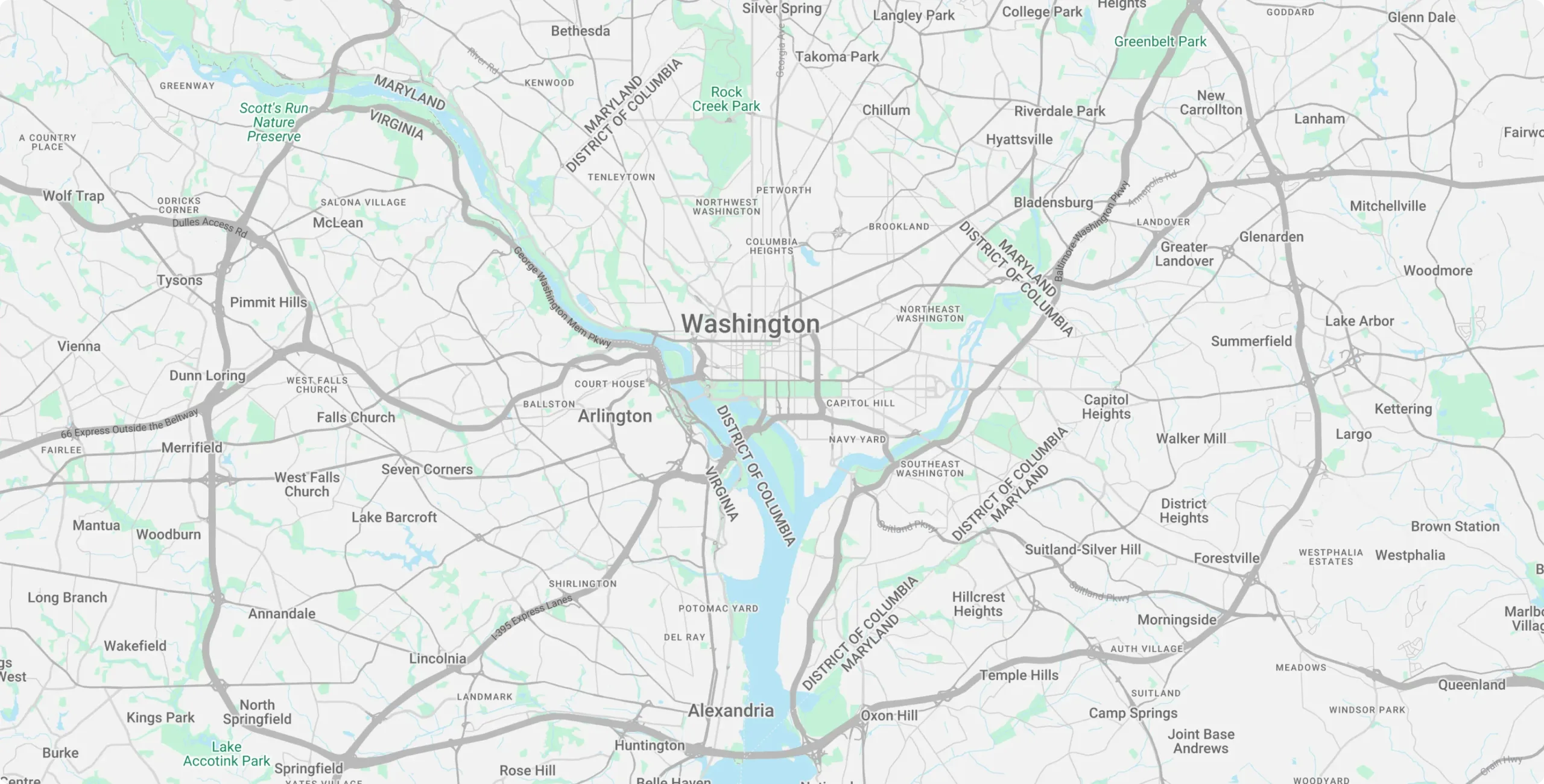
AREAS WE SERVE
At FloodTech USA, we specialize in comprehensive solutions for all your water-related concerns. From precision leak detection and water damage repair to mold remediation, sealing, resurfacing, and full-scale restoration services—our certified team delivers dependable results with unmatched professionalism.

PROTECTING PROPERTY, RESTORING PEACE OF MIND
At FloodTech USA, our team of certified home and commercial restoration specialists brings over 30 years of combined expertise in water damage mitigation, mold remediation, fire and smoke restoration, and structural recovery. Every technician on our crew is fully trained, licensed, and committed to delivering prompt, professional, and compassionate service during your most difficult times.
We know that emergencies don’t wait for business hours. That’s why our restoration services are available around the clock—24 hours a day, 7 days a week, 365 days a year. Whether it’s a burst pipe in the middle of the night or fire damage over a holiday weekend, we’re ready to respond immediately to protect your property and begin the recovery process without delay.