


Water Damage Restoration in Oakton, VA
Water damage can disrupt every part of a property in a matter of minutes. Whether caused by a burst pipe, appliance failure, basement flooding, or storm-related intrusion, excess water spreads quickly and penetrates deep into building materials. Without immediate and professional attention, what begins as a localized issue can escalate into widespread structural damage, mold growth, and costly repairs.
FloodTech USA specializes exclusively in water damage restoration in Oakton, VA. Our team provides rapid emergency response, professional water extraction, advanced structural drying, moisture detection, cleanup, and full restoration services. We focus on protecting homes and businesses from further damage while restoring properties safely and efficiently.
Oakton properties often feature finished basements, hardwood flooring, custom cabinetry, and detailed interior finishes. These materials are highly susceptible to water intrusion and require careful, knowledgeable handling. Our restoration approach is designed to preserve structural integrity, minimize material loss, and return properties to pre-damage condition as quickly as possible.
When water damage strikes, immediate action is critical. FloodTech USA is available 24/7 to respond to water emergencies throughout Oakton, VA.
WHY FLOODTECH USA?
WE’RE HERE FOR YOU
24 HOURS A DAY, 7 DAYS A WEEK.

Restoring a Safe Living and Working Environment After Water Damage in Oakton, VA
Water damage restoration is about more than repairing a building; it is about making the property safe to occupy again. Even after standing water has been removed, hidden moisture can weaken building materials, create unpleasant odors, and increase the risk of mold growth if not properly addressed. Professional water damage restoration in Oakton VA includes thorough moisture detection, structural drying, sanitation, and careful monitoring to ensure the affected areas are safe before normal daily activities resume. Whether you need residential water damage restoration in Oakton VA following a burst pipe or commercial water damage restoration in Oakton VA after a plumbing failure or storm damage, every step of the restoration process is designed to protect occupants as well as the property itself. FloodTech USA provides dependable water damage restoration Oakton Virginia property owners can trust by delivering complete restoration solutions that help restore comfort, safety, and peace of mind.
Comprehensive Water Damage Restoration Services in Oakton
Water damage restoration is not a single-step process. It involves assessment, water removal, moisture detection, drying, cleaning, and repairs. Each stage must be completed thoroughly to prevent long-term complications.
Emergency Water Removal
Standing water can saturate floors, walls, and structural components within hours. Our team uses professional-grade extraction equipment to remove water quickly and efficiently from affected areas. Fast water removal helps prevent additional absorption and reduces the risk of secondary damage.
Advanced Moisture Detection
Water does not remain confined to visible surfaces. It travels behind drywall, under flooring, into insulation, and through framing materials. We use moisture meters and thermal imaging technology to detect hidden moisture that could otherwise go unnoticed.
Identifying concealed moisture is essential for complete water damage restoration. Without proper detection, trapped moisture can lead to ongoing structural issues and mold growth.
Structural Drying and Dehumidification
After extraction, the drying process begins. Industrial air movers and commercial dehumidifiers are strategically placed to remove moisture from building materials and the surrounding air.
Drying is carefully monitored and adjusted to ensure even and thorough moisture removal. This step is critical for protecting wood framing, subfloors, drywall, and other structural components from long-term damage.
Water Damage Cleanup and Sanitization
Water intrusion often leaves behind contaminants, debris, and residue. Once drying is complete, affected areas are cleaned and sanitized to restore a safe indoor environment.
The level of cleaning required depends on the source of the water and the extent of exposure. Our goal is to ensure the property is clean, safe, and ready for repairs or reconstruction.
Repair and Restoration
Water damage can weaken drywall, flooring, trim, cabinetry, and structural materials. After mitigation is complete, we perform necessary repairs to restore the affected areas.
Our water damage restoration services in Oakton include replacing damaged drywall, repairing flooring, restoring structural elements, and returning the property to its original condition.
Common Causes of Water Damage in Oakton, VA
Understanding the causes of water damage helps property owners respond quickly and reduce risk.
Burst or Leaking Pipes
Plumbing failures are one of the most frequent causes of water damage in Oakton homes and businesses. Aging pipes, high water pressure, corrosion, and freezing temperatures can all lead to pipe bursts or leaks.
When pipes fail, water can spread rapidly through walls, ceilings, and flooring.
Water Heater Failures
Water heaters can leak due to corrosion, loose connections, or tank failure. When a water heater ruptures, large volumes of water may flood surrounding areas, damaging floors and walls.
Appliance Leaks
Dishwashers, washing machines, and refrigerators rely on water supply lines that can loosen or deteriorate over time. A small supply line failure can release significant water before it is discovered.
Basement Flooding
Basements are particularly vulnerable to water intrusion. Heavy rainfall, foundation cracks, drainage problems, and sump pump failures can all contribute to basement flooding in Oakton properties.
Roof Leaks
Damaged shingles, flashing failures, or aging roofing materials can allow water to enter during storms. Roof leaks often go unnoticed until water stains or ceiling damage becomes visible.
Overflowing Fixtures
Sinks, toilets, and bathtubs can overflow due to clogs or user error, quickly soaking nearby flooring and walls.
No matter the source, fast response is essential to limit damage.
The Importance of Immediate Water Damage Restoration
Time plays a critical role in the severity of water damage.
The First 24 Hours
Within hours, water begins soaking into porous materials such as drywall, wood, and carpet. Furniture and belongings absorb moisture, and structural components begin to weaken.
24 to 48 Hours
If moisture remains, mold growth may begin. Materials such as drywall and insulation can deteriorate, requiring removal.
After 48 Hours
Structural damage worsens. Odors develop, mold spreads, and contamination increases. Restoration becomes more complex and costly.
Immediate professional water damage restoration in Oakton significantly reduces long-term damage and overall repair costs.
How Water Affects Building Materials
Different materials react differently to moisture exposure.
Wood and Framing
Wood absorbs water quickly, leading to swelling, warping, and potential rot. Prolonged exposure compromises structural strength.
Drywall
Drywall is highly absorbent. Once saturated, it loses structural integrity and may require removal.
Hardwood Flooring
Hardwood floors can cup, buckle, and separate when exposed to moisture. Rapid drying increases the chances of salvaging flooring materials.
Carpet and Padding
Carpet absorbs water rapidly and holds moisture in the padding beneath. Without thorough drying, mold growth is likely.
Insulation
Wet insulation loses effectiveness and can trap moisture within wall cavities.
Concrete
Concrete is porous and absorbs moisture, contributing to ongoing humidity problems if not properly dried.
Professional water damage restoration ensures each material is addressed appropriately.
Categories of Water Damage
Water damage is classified into categories based on contamination level.
Clean Water
Clean water originates from sanitary sources such as supply lines or sink overflows without contaminants. While initially less hazardous, clean water can quickly become contaminated if not addressed promptly.
Gray Water
Gray water contains contaminants such as detergents or organic matter. It may originate from appliance overflows or certain plumbing failures. Proper cleaning and disinfection are required.
Black Water
Black water is highly contaminated and may contain sewage or harmful bacteria. This category requires specialized safety measures and extensive cleaning procedures.
Correct classification ensures safe and effective restoration.
The Water Damage Restoration Process in Oakton
Understanding the restoration process helps property owners know what to expect.
Inspection and Assessment
Technicians evaluate the extent of damage, identify the water source, and determine moisture spread.
Water Extraction
Standing water is removed using professional equipment.
Moisture Mapping
Hidden moisture is identified to ensure complete drying.
Drying and Dehumidification
Air movers and dehumidifiers are placed strategically and monitored daily.
Cleaning and Sanitizing
Affected areas are cleaned and disinfected.
Repairs and Restoration
Damaged materials are repaired or replaced to restore the property.
Each step is essential for complete water damage recovery.
Residential Water Damage Restoration in Oakton
Water damage in a home can be overwhelming. FloodTech USA works closely with homeowners to restore kitchens, bathrooms, basements, living spaces, and entire properties affected by water intrusion.
We prioritize clear communication, fast response, and careful handling of personal property. Our goal is to restore comfort and safety as quickly as possible.
Commercial Water Damage Restoration in Oakton
Water damage can disrupt operations and cause financial loss. Businesses require fast, efficient restoration to minimize downtime.
FloodTech USA provides commercial water damage restoration for offices, retail spaces, and multi-unit properties in Oakton. We work efficiently to restore operations while maintaining safety and professionalism.
What Happens If Water Damage Is Ignored
Ignoring water damage can result in:
Structural Weakening
Moisture compromises framing, flooring, and support systems.
Mold Growth
Unaddressed moisture creates ideal conditions for mold development.
Increased Repair Costs
Delays often lead to more extensive repairs.
Electrical Hazards
Water exposure can damage wiring and create fire risks.
Reduced Property Value
Unresolved water damage affects resale value and buyer confidence.
Professional restoration prevents these long-term consequences.
Preventing Future Water Damage in Oakton Properties
While not all water damage is preventable, proactive maintenance reduces risk.
Routine Plumbing Inspections
Checking pipes, valves, and supply lines helps identify potential failures.
Monitoring Appliances
Regular inspection of water-connected appliances reduces leak risk.
Roof Maintenance
Routine roof inspections prevent leaks.
Drainage Management
Ensuring proper water flow away from foundations reduces basement flooding risk.
Early Leak Detection
Monitoring water usage and watching for signs of leaks helps catch issues early.
Prevention combined with fast response protects property value.
Hidden Water Damage: Signs You Should Never Ignore
Water damage is not always dramatic or immediately visible. While flooding and burst pipes create obvious emergencies, hidden water damage can quietly develop behind walls, beneath flooring, and inside ceilings for weeks or even months. By the time visible symptoms appear, structural deterioration and mold growth may already be underway. Recognizing the early warning signs of concealed moisture is critical to preventing costly repairs and protecting the health and safety of your property.
Water damage restoration professionals often find that the most severe structural problems begin with small, overlooked leaks. Understanding what to watch for allows property owners to act quickly and minimize long-term damage.
Why Hidden Water Damage Is So Dangerous
Hidden moisture spreads silently. Water naturally travels along the path of least resistance, seeping into porous materials such as drywall, wood framing, insulation, and subflooring. Because these materials absorb moisture internally, surfaces may appear dry even while damage continues beneath them.
When water remains trapped, it weakens structural components, reduces material integrity, and creates an ideal environment for mold growth. The longer moisture is allowed to linger, the more extensive and expensive the restoration process becomes.
Moisture Spreads Beyond the Original Source
A small plumbing leak under a sink may not stay confined to that area. Water can move downward into cabinetry, through subfloors, and into lower-level ceilings. Similarly, a slow roof leak may travel along rafters before appearing as a ceiling stain several feet away from the actual entry point.
Professional water damage restoration relies on advanced moisture detection tools to trace water back to its source and identify the full extent of the spread.
Structural Materials Deteriorate Over Time
Wood framing begins to swell and warp when exposed to ongoing moisture. Drywall softens and loses structural integrity. Metal components corrode. Adhesives weaken. Flooring materials begin to separate or buckle.
These changes may start subtly but worsen progressively. Ignoring early warning signs allows deterioration to continue unchecked.
Subtle Visual Signs of Hidden Water Damage
Many early indicators of water damage are visual but easy to dismiss. Paying close attention to small changes in your property can prevent larger problems.
Discoloration on Walls or Ceilings
Water stains often appear as yellowish, brown, or copper-colored patches on ceilings and walls. Even small discolorations may signal ongoing moisture intrusion.
Expanding or Changing Stains
If a stain grows in size, darkens, or reappears after drying, it likely indicates an active leak rather than a past issue. Immediate water damage restoration is necessary to locate and correct the source.
Bubbling or Peeling Paint
Paint and wallpaper may bubble, blister, or peel when moisture accumulates beneath the surface. Trapped water causes materials to separate from the substrate.
These changes are often mistaken for cosmetic flaws, but they frequently indicate concealed moisture within the wall.
Warped or Buckling Flooring
Hardwood, laminate, and vinyl flooring can warp or lift when exposed to hidden moisture. Boards may cup, edges may rise, or seams may separate.
Even slight unevenness in flooring should not be ignored. Moisture beneath the surface can spread across large areas before becoming fully visible.
Musty Odors and Air Quality Changes
One of the earliest signs of hidden water damage is a persistent musty smell. Odors develop when moisture creates conditions for mold and bacterial growth.
Persistent Damp Smell
If a room smells damp despite cleaning and ventilation, moisture may be trapped behind walls, under flooring, or within insulation.
Odors That Intensify Over Time
An odor that becomes stronger during humid weather or after rainfall suggests an active moisture issue. Professional water damage restoration teams use moisture meters and thermal imaging to pinpoint hidden damp areas.
Increased Allergy or Respiratory Symptoms
Hidden moisture often leads to mold growth. Mold spores can circulate through HVAC systems and affect indoor air quality.
Occupants may experience coughing, sneezing, headaches, or worsening allergy symptoms without realizing moisture is the underlying cause. Addressing hidden water damage improves both structural safety and indoor health.
Unexplained Increases in Water Bills
A sudden rise in water usage without a clear explanation may signal a hidden plumbing leak.
Silent Pipe Leaks Behind Walls
Small pinhole leaks inside walls can release water continuously without visible pooling. Over time, this moisture saturates insulation and framing.
Monitoring Your Water Meter
Turning off all fixtures and checking the water meter can reveal ongoing leaks. If the meter continues moving, water may be escaping somewhere within the plumbing system.
Early detection prevents widespread damage and reduces restoration costs.
Changes in Structural Integrity
Subtle structural shifts often indicate prolonged moisture exposure.
Soft or Spongy Spots
Floors that feel soft underfoot or walls that yield when pressed may contain water-damaged materials.
Moisture weakens structural components, making them less stable and potentially unsafe.
Cracks or Separation
Water can cause expansion and contraction within materials. As wood swells and dries repeatedly, cracks may form in drywall or along seams.
While some cracking may be normal settling, sudden or expanding cracks combined with other moisture signs should be evaluated promptly.
Ceiling Sagging or Bulging
Ceilings that sag or bulge are a serious warning sign. Water accumulating above drywall can cause it to weaken and bow downward.
Risk of Collapse
If water continues to collect, ceilings may eventually collapse. This poses safety risks and significantly increases restoration costs.
Immediate professional water damage restoration is critical when ceiling deformation is observed.
Basement and Crawl Space Warning Signs
Lower levels are especially vulnerable to hidden water damage.
Efflorescence on Foundation Walls
White, powdery residue on basement walls indicates moisture penetration through concrete. This mineral buildup is left behind as water evaporates.
Persistent Dampness
Even if standing water is not visible, ongoing dampness in basements or crawl spaces can signal drainage or foundation issues that require attention.
Professional drying and moisture control are essential to prevent structural deterioration.
Mold Growth as a Secondary Indicator
Visible mold often confirms the presence of hidden water damage.
Small Spots That Spread
Dark or greenish spots on walls, ceilings, or baseboards may indicate moisture behind the surface.
Hidden Mold Colonies
Mold often grows inside wall cavities where moisture remains undetected. Surface cleaning alone does not resolve the underlying issue.
Water damage restoration professionals address both moisture removal and contamination cleanup to prevent recurrence.
Why Professional Water Damage Restoration Is Essential
Hidden water damage requires more than surface-level repairs. Simply painting over stains or replacing visible drywall does not eliminate moisture trapped deeper within the structure.
Advanced Moisture Detection
Restoration specialists use professional-grade moisture meters, infrared cameras, and hygrometers to identify hidden damp areas accurately.
Controlled Drying and Dehumidification
Industrial air movers and dehumidifiers are strategically placed to remove moisture from structural materials and the surrounding air.
Thorough Structural Evaluation
Professionals assess the integrity of framing, subfloors, insulation, and other materials to determine what can be restored and what requires replacement.
This comprehensive approach ensures the property is safe, dry, and fully restored.
The Cost of Ignoring Hidden Water Damage
Overlooking early warning signs often leads to:
- Structural rot and wood decay
- Mold remediation expenses
- Extensive drywall and flooring replacement
- Electrical hazards
- Decreased property value
Addressing hidden moisture early significantly reduces both financial and structural impact.
Taking Action at the First Sign
Water damage rarely resolves on its own. Even minor symptoms deserve prompt evaluation.
If you notice discoloration, odors, warped materials, or unexplained moisture, seeking professional water damage restoration immediately can prevent further deterioration. Early intervention protects structural integrity, improves indoor air quality, and ensures that small issues do not become major reconstruction projects.
Hidden water damage is dangerous precisely because it is easy to overlook. Recognizing and responding to subtle warning signs is the most effective way to safeguard your property and maintain a safe, healthy environment.
The True Cost of Delayed Water Damage Restoration
Water damage rarely stays contained. What may begin as a small leak under a sink or a minor ceiling stain can quickly evolve into a widespread structural issue when not addressed immediately. Many property owners delay water damage restoration because the problem seems minor, manageable, or inconvenient to deal with at the moment. Unfortunately, postponing professional restoration often results in significantly higher financial, structural, and health-related costs.
Understanding the true cost of delayed water damage restoration highlights why immediate action is always the most cost-effective and protective decision.
Water Spreads Faster Than You Think
Water is highly invasive. It moves through porous building materials, follows gravity, and seeps into hidden cavities. Within minutes, it can penetrate drywall, insulation, flooring, and structural framing.
The First Few Hours Matter
During the first several hours after water intrusion, moisture begins saturating nearby materials. Hardwood floors absorb water and start swelling. Drywall becomes soft. Carpet padding holds moisture beneath the surface.
Rapid Absorption Increases Damage
The longer water remains in contact with materials, the deeper it penetrates. Once water soaks into structural components, drying becomes more complex and time-consuming. Immediate water damage restoration limits this absorption and reduces material loss.
Escalating Structural Damage
Delaying water damage restoration allows moisture to compromise the integrity of a building’s structure.
Wood Rot and Framing Weakness
Wood framing is particularly vulnerable to prolonged moisture exposure. When saturated for extended periods, wood begins to swell, warp, and eventually rot. Structural beams and floor joists lose strength, potentially affecting the stability of walls and floors.
Compromised Load-Bearing Components
If water damage spreads to load-bearing structures, repairs may require partial reconstruction. What could have been resolved with drying and minor repairs may escalate into major structural work.
Drywall and Ceiling Deterioration
Wet drywall quickly loses structural integrity. It may sag, crumble, or separate from studs. Ceilings affected by hidden water accumulation can bulge and eventually collapse.
Replacing large sections of drywall and ceiling materials is significantly more expensive than addressing moisture early.
Flooring Replacement Costs
Hardwood floors may cup, buckle, or permanently warp if moisture is not removed promptly. Laminate and engineered flooring often separate at seams once water penetrates beneath the surface.
Delaying restoration often means full floor replacement rather than localized repairs.
Mold Growth and Remediation Expenses
One of the most significant costs associated with delayed water damage restoration is mold growth.
Mold Can Begin Within 24 to 48 Hours
Moisture trapped inside walls, under flooring, or within insulation creates the perfect environment for mold. Once mold begins growing, it spreads quickly through spores carried in the air.
Hidden Colonies Spread Undetected
Mold often develops behind walls and beneath surfaces, making it difficult to detect until the infestation is widespread. At that point, remediation requires containment, removal of contaminated materials, and specialized cleaning procedures.
Mold remediation can dramatically increase restoration costs compared to early water extraction and drying.
Health-Related Costs
Mold exposure can lead to respiratory irritation, allergic reactions, and other health concerns. For individuals with asthma or compromised immune systems, the risks are even greater.
Medical expenses, temporary relocation costs, and extended cleanup procedures add to the financial burden of delayed action.
Increased Labor and Equipment Time
Water damage restoration becomes more complex when moisture has had time to spread.
Extended Drying Periods
Fresh water damage may require only a few days of controlled drying. However, when water sits for an extended period, materials become deeply saturated, requiring additional equipment and longer drying times.
Multiple Drying Phases
Severely affected areas may require removal of drywall, insulation, or flooring before drying can be completed. This adds labor hours and increases overall project duration.
Larger Areas of Impact
What may have started as a localized leak can expand into adjacent rooms, lower levels, or hidden structural cavities. Restoration teams must then address a much broader area, increasing both labor and material costs.
Damage to Electrical and Mechanical Systems
Delaying water damage restoration also increases the likelihood of damage to electrical systems and mechanical components.
Electrical Hazards
Moisture that reaches wiring, outlets, or panels can cause corrosion and short circuits. Damaged electrical systems may require inspection, repair, or replacement before power can safely be restored.
Fire Risks
Corroded or compromised wiring poses fire hazards. Electrical repairs can add significant costs that might have been avoided with earlier intervention.
HVAC Contamination
If water reaches ductwork or HVAC components, mold and contaminants may spread throughout the building. Cleaning and sanitizing these systems increases restoration expenses and prolongs downtime.
Insurance Complications
Another hidden cost of delayed water damage restoration involves insurance coverage.
Mitigation Requirements
Most insurance policies require property owners to take reasonable steps to mitigate damage. Delaying restoration may be viewed as neglect, potentially reducing coverage.
Documentation Challenges
The longer damage is left untreated, the more difficult it becomes to determine the original cause and extent. This can complicate claims and slow reimbursement.
Acting promptly supports a smoother claims process and demonstrates responsible property management.
Business Interruption and Productivity Loss
For commercial properties, the cost of delay extends beyond physical repairs.
Extended Downtime
Water damage can disrupt operations, forcing temporary closure. Delaying professional restoration often lengthens the downtime required to fully restore the space.
Revenue Loss
Lost business hours, canceled appointments, and interrupted services translate directly into financial losses. Prompt water damage restoration minimizes operational disruption.
Decreased Property Value
Unresolved or poorly addressed water damage can significantly reduce property value.
Visible Damage and Staining
Water stains, warped flooring, and structural issues make properties less attractive to potential buyers or tenants.
Disclosure Requirements
In many cases, past water damage must be disclosed during property transactions. A history of extensive or poorly managed water damage may impact resale value.
Professional and timely restoration protects long-term investment value.
Secondary Damage to Personal Property
Furniture, electronics, documents, and sentimental belongings are all vulnerable to moisture exposure.
Irreversible Damage
When water sits for extended periods, porous materials absorb moisture beyond recovery. Upholstery, paper products, and wooden furnishings may become unsalvageable.
Restoration vs. Replacement
Early water damage restoration increases the likelihood of salvaging belongings. Delays often result in full replacement costs.
Emotional and Psychological Impact
While financial costs are significant, the emotional toll of delayed water damage restoration should not be overlooked.
Prolonged Stress
Living or working in a damp, damaged environment creates ongoing anxiety. Unpleasant odors, visible damage, and health concerns affect comfort and peace of mind.
Uncertainty About Safety
Concerns about mold, structural stability, and hidden moisture can cause continued worry until the problem is fully resolved.
Prompt restoration restores both physical safety and emotional reassurance.
The Financial Comparison: Early Action vs. Delay
When water damage is addressed immediately, restoration typically involves:
- Rapid water extraction
- Targeted structural drying
- Limited material removal
- Shorter project timelines
When delayed, restoration may require:
- Mold remediation
- Structural reconstruction
- Full flooring replacement
- Electrical repairs
- Extended labor and equipment use
The difference in cost can be substantial. What might have been a manageable repair can escalate into a major renovation.
Why Immediate Water Damage Restoration Is Always the Smart Choice
Water damage does not improve with time. Moisture continues spreading, materials continue deteriorating, and risks continue increasing.
Professional water damage restoration focuses on rapid response, thorough moisture detection, controlled drying, and complete repairs. Acting at the first sign of water intrusion minimizes structural impact, reduces financial burden, and protects occupant health.
The true cost of delayed water damage restoration is far greater than the cost of immediate professional intervention. Quick action preserves structural integrity, protects property value, and ensures that minor issues do not evolve into major disasters.
How Hidden Water Damage Impacts Structural Integrity Over Time
Hidden water damage is one of the most destructive forces affecting residential and commercial properties. Unlike visible flooding or obvious pipe bursts, concealed moisture often develops slowly behind walls, under flooring, above ceilings, and inside structural cavities. Because it remains unseen, it frequently goes untreated for extended periods. During that time, water quietly weakens structural components, compromises building materials, and increases the complexity and cost of restoration.
Understanding how hidden water damage affects structural integrity over time highlights the importance of immediate professional water damage restoration.
The Nature of Hidden Water Intrusion
Water does not need to pour into a property to cause severe damage. Even small leaks can have long-term consequences.
Slow Leaks Create Long-Term Exposure
A minor plumbing leak inside a wall may release only a small amount of water each day. However, continuous moisture exposure allows materials to remain damp indefinitely. This ongoing saturation is more damaging than a short-term spill that is dried quickly.
Moisture Accumulates in Layers
Water seeps through drywall into insulation and wood framing. It may continue traveling downward into subfloors and structural supports. Because surfaces often dry faster than internal materials, the problem can remain hidden while damage progresses beneath the surface.
Professional water damage restoration relies on advanced moisture detection tools to identify these concealed pockets before structural failure occurs.
Wood Framing and Structural Decay
Wood is one of the most commonly used structural materials in residential and commercial construction. It is also highly vulnerable to prolonged moisture exposure.
Swelling and Warping
When wood absorbs water, it expands. Repeated cycles of moisture absorption and drying cause wood to warp and distort. Studs, beams, and joists may shift slightly, affecting alignment within walls and floors.
Loss of Load-Bearing Strength
Over time, persistent moisture breaks down the cellular structure of wood. As decay sets in, load-bearing capacity diminishes. This can compromise the stability of walls, ceilings, and floors.
Rotting wood may appear intact externally while deteriorating internally. Without professional inspection and water damage restoration, weakened framing can go unnoticed until structural problems become severe.
Connection Point Failures
Structural components are joined together with fasteners, adhesives, and connectors. When wood swells or decays, these connection points loosen.
Nails and screws may lose grip as surrounding wood softens. Metal connectors can corrode when exposed to constant moisture. These subtle failures reduce the overall strength and resilience of the structure.
Drywall and Ceiling Compromise
Drywall is highly porous and absorbs water quickly. Hidden leaks inside walls or above ceilings often saturate drywall panels.
Softening and Sagging
As drywall absorbs moisture, it softens and loses rigidity. Ceilings may begin to sag under the weight of trapped water. Walls may feel spongy or unstable when pressed.
Risk of Collapse
In severe cases, ceilings weakened by prolonged moisture can collapse unexpectedly. This not only increases repair costs but also poses serious safety risks.
Water damage restoration professionals assess drywall integrity and remove compromised sections to prevent further deterioration.
Hidden Mold Within Wall Cavities
Moist drywall creates an ideal environment for mold growth. Mold colonies can spread inside wall cavities, further degrading materials and affecting indoor air quality.
Addressing moisture quickly through professional drying and dehumidification prevents long-term contamination and structural damage.
Subfloor and Flooring System Damage
Hidden water often travels beneath visible flooring surfaces.
Subfloor Saturation
Subfloors, typically made of plywood or oriented strand board, absorb moisture when water penetrates through seams or edges of flooring materials.
Over time, saturated subfloors begin to swell and lose structural strength. This may cause uneven floors, soft spots, or squeaking sounds.
Progressive Weakening
As subfloor materials deteriorate, they may no longer support finished flooring properly. Hardwood boards can loosen, tile may crack, and laminate can separate.
Early water damage restoration limits subfloor exposure and increases the likelihood of preserving structural components.
Foundation and Concrete Moisture Impact
While concrete appears solid and durable, it is porous and capable of absorbing water.
Moisture Migration Through Concrete
Hidden water intrusion in basements or slab foundations allows moisture to move through concrete walls and floors. Over time, this leads to persistent dampness and gradual weakening.
Freeze-Thaw Expansion
In climates with temperature fluctuations, absorbed moisture can freeze and expand within concrete. Repeated freeze-thaw cycles cause cracking and surface deterioration.
Although concrete deterioration may develop slowly, it can eventually affect structural stability and require extensive repairs.
Insulation and Structural Support Systems
Insulation inside walls and ceilings plays a key role in maintaining energy efficiency. When hidden water damage saturates insulation, it becomes compressed and ineffective.
Moisture Retention and Prolonged Exposure
Wet insulation traps moisture against wood framing and drywall. This extended contact accelerates decay and mold growth.
Increased Humidity Levels
Persistent damp insulation contributes to elevated indoor humidity, which affects surrounding structural materials and encourages further deterioration.
Removing saturated insulation is often necessary during water damage restoration to prevent ongoing structural compromise.
Metal Corrosion and Fastener Degradation
Water intrusion does not only affect wood and drywall. Structural systems often include metal components.
Rust Formation
When metal fasteners, brackets, and connectors are exposed to moisture, rust begins forming. Corrosion weakens these components over time.
Reduced Structural Stability
As metal components degrade, their ability to hold structural elements securely in place diminishes. This may not be immediately visible but gradually reduces the building’s overall integrity.
Professional restoration includes evaluating hidden areas for corrosion and replacing compromised components.
Long-Term Settlement and Shifting
Hidden water damage can contribute to subtle structural movement over time.
Soil and Foundation Moisture Imbalance
Excess moisture around a foundation can cause soil expansion. As soil shifts, foundation walls may crack or move slightly.
Uneven Structural Stress
Small shifts in the foundation place uneven stress on walls, framing, and flooring systems. Over time, this stress can lead to cracks, misaligned doors and windows, and additional structural concerns.
Water damage restoration often includes addressing the source of moisture intrusion to prevent recurring foundation problems.
Compounding Damage Over Months and Years
The most concerning aspect of hidden water damage is its cumulative effect.
Minor Damage Becomes Major Repair
A small leak left untreated for months may eventually require:
- Structural framing replacement
- Subfloor reconstruction
- Extensive drywall removal
- Mold remediation
- Foundation repairs
What might have been resolved with targeted drying can evolve into a large-scale renovation.
Increased Restoration Complexity
The longer moisture remains, the more widespread the damage becomes. Restoration teams must remove more materials, apply more extensive drying processes, and conduct deeper structural evaluations.
The Role of Professional Water Damage Restoration
Hidden water damage cannot be addressed with surface-level repairs alone.
Advanced Moisture Detection Technology
Water damage restoration professionals use moisture meters, infrared imaging, and hygrometers to detect moisture inside walls, under floors, and within ceilings.
Controlled Structural Drying
Industrial air movers and dehumidifiers are placed strategically to remove moisture from structural materials without causing additional stress.
Comprehensive Structural Assessment
Restoration experts evaluate framing, subfloors, insulation, and fasteners to determine the extent of damage and prevent future issues.
This comprehensive approach protects structural integrity and ensures that hidden moisture is fully eliminated.
Protecting Structural Integrity Through Early Intervention
Structural systems are designed to support weight, resist environmental forces, and maintain safety. Hidden water damage gradually undermines these systems when left untreated.
Prompt professional water damage restoration stops moisture migration, preserves structural materials, and prevents long-term deterioration. Acting early reduces repair costs, maintains building stability, and protects both property value and occupant safety.
Hidden water damage may begin quietly, but its impact over time can be severe. Recognizing the risks and responding quickly is the most effective way to safeguard structural integrity and ensure lasting protection.
Why Choose FloodTech USA for Water Damage Restoration in Oakton, VA
Property owners trust FloodTech USA because we provide:
24/7 Emergency Response
Water damage does not wait, and neither do we.
Experienced Restoration Professionals
Our team is trained in advanced water damage restoration techniques.
Advanced Equipment
We use professional-grade extraction, drying, and moisture detection equipment.
Thorough and Detailed Process
We focus on complete moisture removal and full restoration.
Commitment to Customer Care
Clear communication and dependable service guide every project.
Frequently Asked Questions About Water Damage Restoration in Oakton, VA
Contact FloodTech USA for Water Damage Restoration in Oakton, VA
If your home or business has experienced water intrusion, do not delay. FloodTech USA provides fast, professional water damage restoration in Oakton, VA. Our team is ready 24/7 to respond to emergencies, remove water, dry affected areas, and restore your property safely and thoroughly.
Contact FloodTech USA today for immediate assistance with water damage restoration in Oakton, VA.
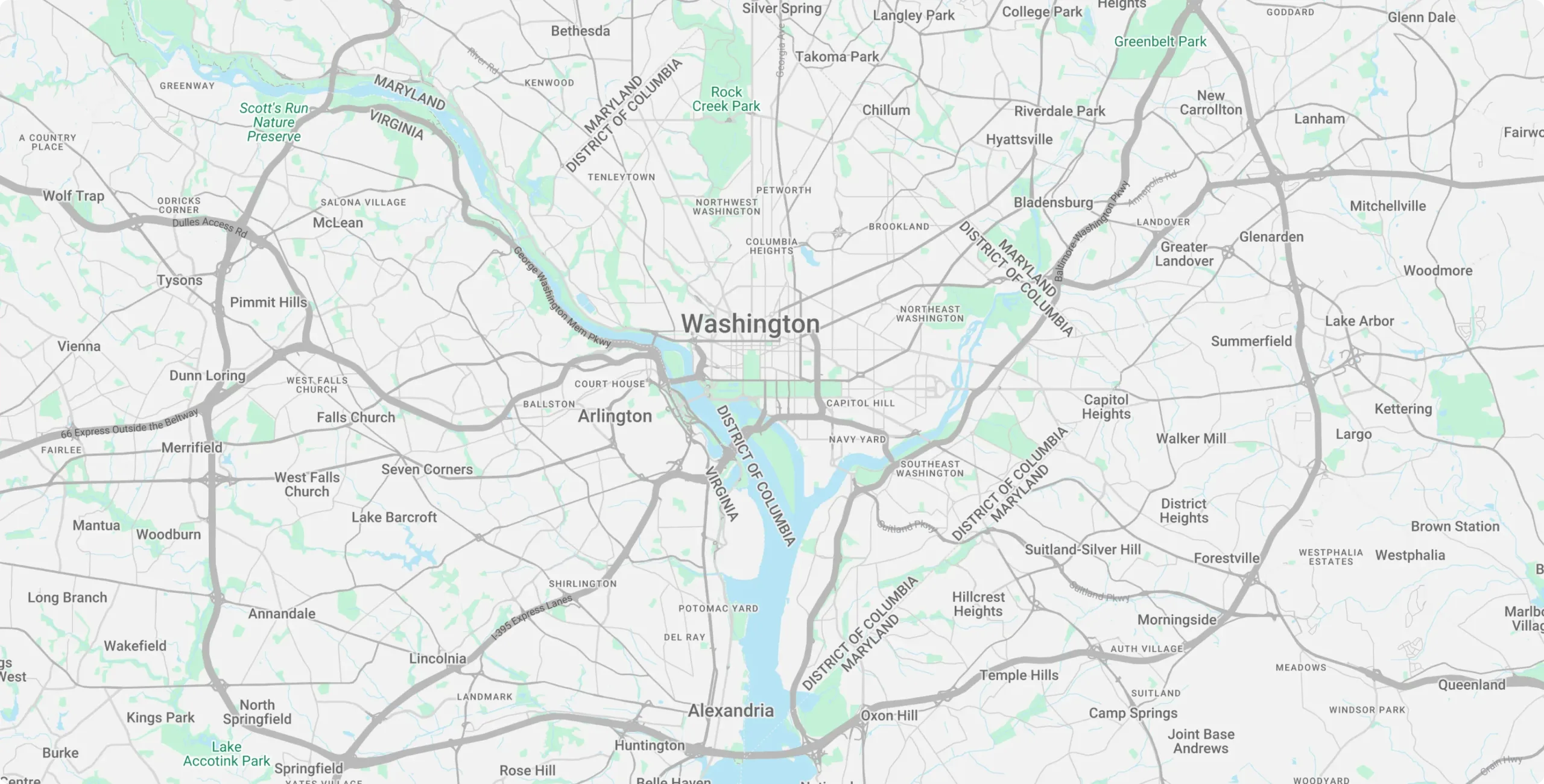
AREAS WE SERVE
At FloodTech USA, we specialize in comprehensive solutions for all your water-related concerns. From precision leak detection and water damage repair to mold remediation, sealing, resurfacing, and full-scale restoration services—our certified team delivers dependable results with unmatched professionalism.

PROTECTING PROPERTY, RESTORING PEACE OF MIND
At FloodTech USA, our team of certified home and commercial restoration specialists brings over 30 years of combined expertise in water damage mitigation, mold remediation, fire and smoke restoration, and structural recovery. Every technician on our crew is fully trained, licensed, and committed to delivering prompt, professional, and compassionate service during your most difficult times.
We know that emergencies don’t wait for business hours. That’s why our restoration services are available around the clock—24 hours a day, 7 days a week, 365 days a year. Whether it’s a burst pipe in the middle of the night or fire damage over a holiday weekend, we’re ready to respond immediately to protect your property and begin the recovery process without delay.