
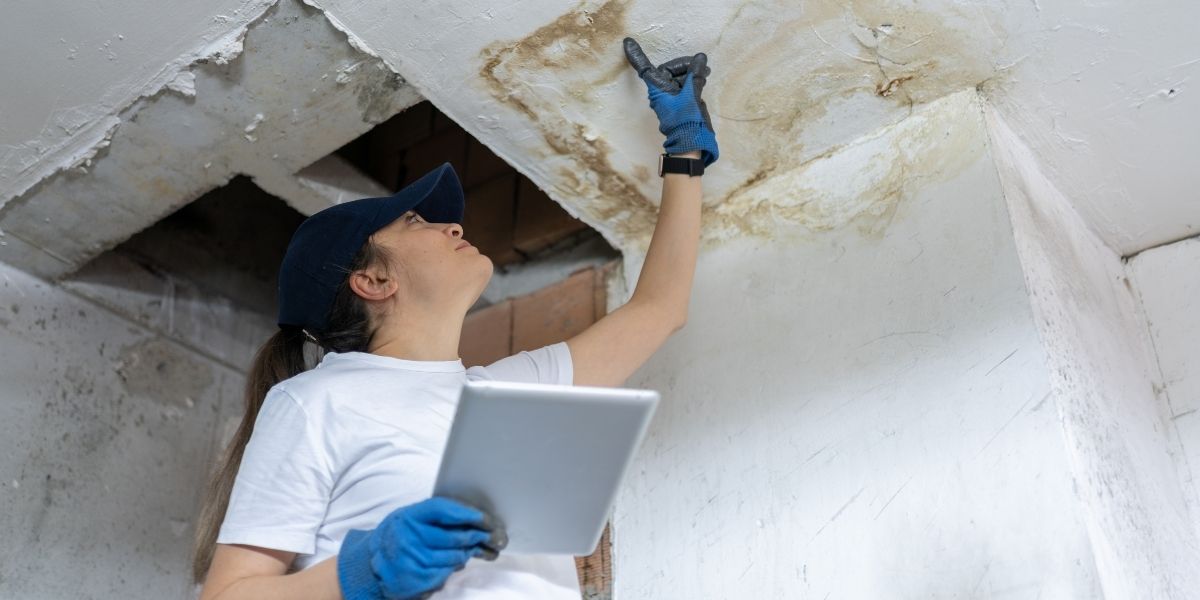
Water damage can catch homeowners off guard. Whether it’s a minor leak from an old pipe or an unexpected appliance overflow, the aftermath often brings stress and uncertainty, especially when you need professional water damage restoration Arlington VA services. Many homeowners wonder if they can handle cleanup on their own or if calling a professional is the smarter and safer option. The truth is that not all water damage is equal. Some situations are manageable with basic tools and time, while others can quickly spiral into structural issues, mold growth, and expensive repairs if not addressed correctly.
Knowing how to assess severity, understand water contamination levels, and identify hidden problem areas gives you better control over the situation. A well-informed decision can protect both your home’s integrity and your family’s health. The key is recognizing the difference between superficial damage and conditions that pose deeper risks, such as moisture behind walls, compromised flooring, or bacterial contamination. With the right guidance, homeowners can take confident steps toward fixing minor issues but also know when the stakes are too high for DIY efforts. The sections below offer a detailed look at how to determine what you can safely handle and when expert help becomes essential for long-term safety and stability.
Assessing the Extent of the Damage
The first step in deciding between DIY or professional help is evaluating how widespread the damage is. Small, contained puddles caused by a brief appliance leak are often manageable. However, if water has spread into multiple rooms, is pooling in hard-to-reach areas, or has been sitting for several hours or longer, the risk of hidden structural concerns grows. Water can seep into subflooring, insulation, and wall cavities faster than many homeowners realize. If you’re unsure how far moisture has traveled, a professional assessment is usually the safest choice.
Understanding the Category of Water
Not all water is safe to handle. Clean water from a supply line is the only type generally suitable for DIY cleanup. Gray water—such as washing machine discharge—contains contaminants and requires caution. Black water, which includes sewage backups or floodwater from outdoors, is hazardous. It carries bacteria and chemicals that pose significant health risks. Any situation involving gray or black water should be handled by trained technicians using specialized protective gear and sanitation equipment, such as our sewage cleanup Sterling VA team.
Evaluating the Risk of Mold Growth
Mold can begin forming within 24 to 48 hours after moisture exposure. DIY methods rarely extract moisture from materials deeply enough to stop mold before it develops. Professionals use industrial-grade drying tools, moisture meters, and containment techniques to prevent spores from spreading. If moisture has been present for more than a day, or if you notice a musty odor, visible spotting, or dampness behind surfaces, professional restoration is strongly recommended.
Checking for Structural Damage
Water can weaken drywall, wooden beams, flooring, and even electrical systems. DIY repairs may overlook subtle signs such as soft spots in floors, buckling walls, or sagging ceilings. These indicators often point to structural instability that requires a trained specialist to safely correct. Attempting repairs without proper knowledge can lead to long-term damage and even personal injury.
Access to Proper Equipment
Basic home tools usually cannot match the effectiveness of commercial extraction units, high-capacity dehumidifiers, and air movers used by restoration companies. These machines remove moisture much faster and more thoroughly than household fans or shop vacuums. If you’re dealing with more than a gallon or two of water, or if the affected materials are slow-drying surfaces like carpet padding or insulation, professional-grade equipment is essential for preventing long-term issues.
Cost Considerations and Long-Term Savings
DIY cleanup may seem cost-effective initially, but hidden moisture or improper drying often leads to mold, odors, and structural deterioration that result in higher costs later. Professionals don’t just dry visible surfaces; they ensure the entire affected area is restored to safe conditions. Many homeowners find that early expert intervention saves significant time, stress, and money by preventing additional repairs down the line.
Water damage can be overwhelming, but making the right decision about how to handle it can protect both your home and your peace of mind. While small, contained incidents involving clean water may be within your ability to repair, anything more widespread, contaminated, or prolonged requires professional attention. Hidden moisture, mold risk, and potential structural issues make expert intervention the safest path in many cases. Professionals have the training, tools, and experience needed to restore your home thoroughly and safely, helping prevent long-term complications and unexpected expenses. If you’re unsure about the severity of your situation or want to ensure your property is fully protected, reaching out to a trusted restoration provider is the best step forward. For reliable support and rapid response, contact FloodTech USA to get your home back to a clean and secure condition.
Faq’s
Q1. Need Professional Water Damage Restoration in the USA?
Yes. Professional water damage restoration ensures complete drying, prevents mold growth, protects your home’s structure, and restores your property safely and efficiently after water damage.
Q2. What is water damage restoration?
Water damage restoration is the process of removing water, drying affected areas, preventing mold, and repairing damage caused by leaks, floods, or burst pipes.
Q3. Need professional water damage restoration in USA cost?
Costs vary based on damage severity, water type, and area size. On average, professional water damage restoration in the USA ranges from a few hundred to several thousand dollars.
Q4. Restoration company for water damage?
A water damage restoration company specializes in water removal, drying, mold prevention, and structural repairs using professional equipment and trained technicians to restore your property safely.
Q5. Service Pro Water Damage Restoration?
Service Pro Water Damage Restoration offers professional cleanup, drying, mold prevention, and property restoration services, helping homeowners recover quickly from water damage emergencies.