



Flooded Basement Cleanup & Water Damage Restoration in Arlington, VA
A flooded basement is one of the most stressful and damaging situations a property owner in Arlington, VA can face. Whether caused by heavy rainfall, burst pipes, foundation leaks, sump pump failure, or sewer backups, basement flooding can escalate quickly. What begins as standing water on the floor can rapidly turn into structural damage, mold growth, electrical hazards, and costly repairs if not handled properly.
FloodTech USA provides professional flooded basement cleanup and water damage restoration in Arlington, VA. Our team responds 24/7 to remove standing water, dry structural components, prevent mold growth, and fully restore affected basement areas. We understand that basements are not just storage spaces. In many Arlington homes, basements serve as finished living areas, home offices, rental units, or critical utility zones. Protecting these spaces requires a thorough, professional restoration approach.
Flooded basement restoration is not simply about pumping out water. It involves moisture detection, controlled structural drying, sanitization, and reconstruction to ensure long-term safety and stability. Our process is designed to eliminate hidden moisture, prevent secondary damage, and restore your basement to pre-loss condition.
WHY FLOODTECH USA?
WE’RE HERE FOR YOU
24 HOURS A DAY, 7 DAYS A WEEK.

Why Flooded Basements Are Common in Arlington, VA
Arlington’s geography, housing styles, and seasonal weather patterns make basement flooding a recurring issue for many property owners.
Heavy Rainfall and Storm Drain Overload
Severe storms can overwhelm municipal drainage systems. When storm drains back up, groundwater levels rise and pressure builds against foundation walls. Even minor cracks can allow water to seep into basements.
Older neighborhoods in Arlington may have aging drainage systems that are not equipped to handle sudden downpours. When rainfall exceeds system capacity, water often finds the lowest point—your basement.
Foundation Cracks and Hydrostatic Pressure
Hydrostatic pressure occurs when saturated soil around a foundation pushes moisture inward. Over time, foundation walls can develop cracks that allow groundwater intrusion. Even hairline cracks can admit significant water during storms.
Basements built decades ago may not include modern waterproofing systems, increasing their vulnerability to flooding.
Sump Pump Failures
Sump pumps are designed to remove groundwater from around foundations. However, power outages, mechanical failure, or clogged discharge lines can cause sump pumps to stop functioning when they are needed most.
Without a working sump pump, basements can flood rapidly during heavy rain.
Burst Pipes and Plumbing Leaks
Basements often house water heaters, main water lines, and laundry connections. A burst pipe or leaking appliance can release large amounts of water quickly, flooding the basement floor and soaking walls and subfloors.
Winter freezing temperatures in Arlington can also cause pipes to expand and rupture, leading to sudden basement flooding.
Sewer Backups
During severe storms, municipal sewer systems can become overloaded. When this happens, wastewater may back up through basement drains. Sewer backups require specialized cleanup due to contamination risks.
Regardless of the cause, immediate professional flooded basement cleanup is essential.
The Dangers of a Flooded Basement
Basement flooding creates more than inconvenience. It poses serious risks to both property and health.
Structural Damage
Basements support the entire structure of a home. When water saturates foundation walls, support beams, and subfloor systems, structural integrity can be compromised.
Prolonged moisture exposure weakens wooden framing and corrodes metal fasteners. Over time, this can lead to sagging floors, cracked walls, and shifting structural components.
Mold Growth
Basements are naturally prone to humidity. When flooding occurs, moisture becomes trapped in porous materials such as drywall, insulation, and wood framing. Mold can begin developing within 24 to 48 hours.
Professional water damage restoration includes thorough drying and antimicrobial treatments to prevent mold growth.
Electrical Hazards
Basements often contain electrical panels, outlets, and wiring. Standing water increases the risk of short circuits and electrical shock.
Flooded basement cleanup must prioritize safety, including evaluation of electrical systems before restoration work proceeds.
Contamination Risks
If basement flooding involves sewer backup or groundwater intrusion, contaminants may be present. Bacteria, pathogens, and debris require professional sanitization procedures.
Proper protective equipment and disinfection methods are critical during cleanup.
24/7 Emergency Flooded Basement Cleanup in Arlington, VA
FloodTech USA provides 24/7 emergency response for flooded basements in Arlington. Rapid action significantly reduces damage and restoration costs.
Immediate Response Steps
When our team arrives, we:
- Assess the source and category of water
- Shut off water supplies if necessary
- Evaluate structural safety
- Begin water extraction immediately
The first priority is stopping further water intrusion and stabilizing the environment.
Professional Water Extraction for Flooded Basements
Standing water must be removed quickly to prevent deeper saturation of structural materials.
We use commercial-grade pumps and extraction units to remove water from:
- Concrete floors
- Carpeted basement areas
- Finished living spaces
- Utility rooms
- Crawlspaces connected to basements
Rapid extraction reduces absorption into drywall, insulation, and framing.
Moisture Mapping and Structural Drying
Removing visible water is only the first step. Moisture often remains hidden inside walls and subfloors.
Advanced Moisture Detection
We use moisture meters and thermal imaging to identify hidden damp areas. This ensures no moisture pockets are overlooked.
Controlled Drying Process
Our drying system includes:
- High-powered air movers
- Industrial dehumidifiers
- Daily moisture monitoring
- Humidity control
Proper drying prevents long-term damage and reduces mold risk.
Cleaning and Sanitization
Flooded basements often contain contaminants. Even clean water incidents require sanitization to prevent microbial growth.
For contaminated water events, we:
- Remove affected porous materials
- Disinfect structural surfaces
- Apply antimicrobial treatments
- Neutralize odors at the source
Our goal is to restore a safe, healthy environment.
Restoration of Finished Basements
Many Arlington homeowners have invested in finished basements that include:
- Bedrooms
- Home offices
- Entertainment rooms
- Rental units
Flooded basement restoration may require:
- Drywall replacement
- Flooring repair or installation
- Insulation replacement
- Painting and trim restoration
We handle the entire process from cleanup through reconstruction.
Preventing Future Basement Flooding
While not all flooding can be prevented, certain steps reduce risk.
Foundation Maintenance
Regular inspection and sealing of foundation cracks helps limit water intrusion.
Sump Pump Inspection
Routine maintenance and battery backups improve reliability during storms.
Proper Drainage
Ensuring gutters and downspouts direct water away from the foundation reduces hydrostatic pressure.
Professional restoration also includes identifying contributing factors to help minimize future risk.
The Cost of Delaying Flooded Basement Cleanup
Waiting to address basement flooding often leads to:
- Increased structural damage
- Extensive mold remediation
- Replacement of flooring and framing
- Higher insurance complications
- Reduced property value
Prompt professional cleanup significantly reduces total repair costs.
The Cost of Flooded Basement Water Damage Restoration in Arlington, VA
A flooded basement can quickly become one of the most expensive and disruptive problems a homeowner in Arlington, VA will face. Whether the flooding is caused by heavy rainfall, sump pump failure, burst pipes, or sewer backup, the financial impact depends largely on how quickly professional water damage restoration begins and how extensive the damage becomes.
Understanding the cost of flooded basement water damage restoration helps property owners prepare for potential expenses and make informed decisions. While every situation is different, several consistent factors influence pricing, including the amount of water involved, the category of water, the size of the basement, and the materials affected.
Prompt professional flooded basement cleanup is always more cost-effective than delayed action. The longer water sits, the more it spreads into structural materials, increasing repair complexity and total restoration costs.
What Influences the Cost of Flooded Basement Restoration
No two flooded basements are identical. Restoration costs in Arlington vary based on several key elements.
Extent of Water Intrusion
The volume of water present at the time of discovery significantly affects pricing. A few inches of standing water requires extensive extraction, drying, and potentially material removal. If flooding reaches multiple rooms or utility areas, labor and equipment needs increase accordingly.
In Arlington homes with finished basements, water often affects drywall, flooring, and insulation, which raises restoration costs compared to unfinished concrete basements.
Duration of Exposure
The length of time water remains in the basement directly impacts structural damage. Water that is removed within hours typically causes less harm than water left for days.
Prolonged moisture exposure allows:
- Wood framing to swell and weaken
- Subfloor materials to soften
- Mold growth to begin
- Electrical components to corrode
The longer the delay, the more comprehensive and costly the water damage restoration process becomes.
Type and Category of Water
The source of flooding also plays a major role in determining cleanup costs.
Clean Water Incidents
Flooding from a broken supply line or water heater generally requires extraction and drying without extensive contamination cleanup. While still serious, clean water incidents are typically less expensive than contaminated water losses.
Gray or Black Water Contamination
If basement flooding involves sewer backups or groundwater intrusion, restoration costs increase significantly. Contaminated water requires removal of porous materials, advanced sanitization, and strict safety protocols. Disposal fees and protective measures add to overall expenses.
In Arlington, sewer backups during heavy storms are not uncommon, making professional cleanup essential for health and safety.
Breakdown of Flooded Basement Restoration Costs
Flooded basement water damage restoration involves several phases, each contributing to the total cost.
Emergency Water Extraction
The first step in flooded basement cleanup is removing standing water. Commercial-grade pumps and extraction equipment are used to eliminate water quickly.
Costs during this phase depend on:
- Depth of water
- Size of affected area
- Accessibility of basement
- Equipment required
Basements with limited access or multiple levels may require additional labor and equipment time.
Moisture Mapping and Structural Drying
After extraction, hidden moisture must be located and removed. This involves professional moisture detection tools such as thermal imaging and moisture meters.
Equipment and Monitoring
Industrial air movers and dehumidifiers are strategically placed throughout the basement. These machines typically operate continuously for several days.
The cost of this phase depends on:
- Number of drying units required
- Duration of drying process
- Daily monitoring visits
- Humidity control needs
Arlington’s humid climate can sometimes extend drying times, particularly in summer months.
Removal of Damaged Materials
In finished basements, certain materials often require removal after flooding.
These may include:
- Wet drywall
- Saturated insulation
- Damaged carpeting and padding
- Warped laminate or engineered flooring
- Baseboards and trim
The more materials affected, the higher the restoration cost. Early intervention may reduce the amount of demolition required.
Cleaning and Sanitization
If contamination is present, thorough cleaning and disinfection are necessary. Professional-grade antimicrobial treatments eliminate bacteria and reduce mold risk.
Costs increase if:
- Sewage contamination is involved
- Odor removal treatments are required
- Extensive surface disinfection is needed
Proper sanitization ensures the basement is safe for occupancy after restoration.
Repairs and Reconstruction
Once drying is complete, repairs begin. Reconstruction costs vary widely based on the level of finishing in the basement.
Unfinished Basements
Unfinished basements with concrete floors and exposed framing typically involve lower reconstruction costs. In some cases, drying and minor repairs may be sufficient.
Finished Basements
Finished basements often include drywall partitions, built-in cabinetry, flooring systems, and electrical components. Restoration may require:
- Drywall installation and finishing
- Flooring replacement
- Painting and trim work
- Insulation replacement
The more customized the space, the higher reconstruction costs can be.
Average Cost Ranges in Arlington, VA
While exact pricing varies, flooded basement water damage restoration in Arlington typically falls within broad ranges.
Minor flooding with minimal material damage may cost several thousand dollars. Moderate flooding affecting finished areas can range significantly higher depending on materials and drying time. Severe contamination involving sewage backups or structural damage can increase costs substantially.
Because Arlington property values and construction standards are often higher than national averages, restoration costs may reflect local labor and material pricing.
The Cost of Delaying Professional Cleanup
Attempting DIY cleanup or delaying professional restoration often results in higher long-term expenses.
Mold Remediation Costs
If hidden moisture is not fully removed, mold growth may develop within days. Mold remediation adds another layer of cost beyond standard water damage restoration.
Structural Repairs
Water that remains trapped in framing and subfloor systems can weaken structural integrity. Repairing rotted wood or compromised support beams is significantly more expensive than early drying.
Electrical System Damage
Flooded basements frequently contain electrical panels and wiring. Corrosion caused by moisture may require professional electrical repairs or replacement.
Prompt flooded basement cleanup prevents these escalating costs.
Insurance and Flooded Basement Restoration
Insurance coverage for flooded basements in Arlington depends on the source of water and policy terms.
Covered Events
Sudden pipe bursts or appliance failures are often covered under homeowner policies. Professional documentation from water damage restoration providers supports claim approval.
Flood Insurance Considerations
Groundwater intrusion from heavy storms may require separate flood insurance coverage. Understanding your policy before a flooding event occurs is critical.
Professional restoration companies provide detailed moisture readings, photographs, and repair estimates to assist with insurance claims.
Why Professional Water Damage Restoration Is Worth the Investment
While flooded basement cleanup can represent a significant expense, professional restoration protects long-term property value and safety.
Proper Equipment and Expertise
Commercial drying equipment, moisture mapping technology, and trained technicians ensure complete mitigation. DIY approaches often fail to remove hidden moisture, leading to recurring issues.
Faster Recovery Timeline
Professional restoration teams work efficiently to minimize disruption and restore livable space quickly.
Long-Term Protection
Thorough drying and sanitization prevent mold growth, structural weakening, and ongoing moisture problems.
In Arlington’s competitive housing market, maintaining a dry, structurally sound basement protects resale value and buyer confidence.
Protecting Your Arlington Home from Future Costs
While not all basement flooding can be prevented, certain measures can reduce risk and potential restoration expenses.
Regular inspection of sump pumps, foundation walls, and drainage systems helps identify vulnerabilities. Installing battery backup systems for sump pumps provides protection during power outages. Ensuring proper grading and gutter drainage reduces hydrostatic pressure against foundation walls.
Preventative maintenance is always less expensive than major flooded basement restoration.
Investing in Professional Flooded Basement Cleanup in Arlington, VA
The cost of flooded basement water damage restoration in Arlington depends on the severity of flooding, materials affected, and speed of response. While restoration expenses can vary, prompt professional cleanup consistently reduces total costs and prevents long-term structural damage.
Flooded basements are more than an inconvenience. They pose serious risks to structural integrity, indoor air quality, and property value. Professional water damage restoration ensures that standing water is removed, hidden moisture is eliminated, and affected materials are properly restored.
In Arlington, VA, where many homes feature finished basements used as living spaces, early professional intervention is the most effective way to control costs and protect your investment.
How to Prevent Basement Flooding in Arlington, VA Homes
Basement flooding is a recurring concern for many homeowners in Arlington, VA. Between heavy seasonal storms, aging infrastructure, hydrostatic pressure, and plumbing failures, flooded basements can happen quickly and without warning. While professional flooded basement cleanup and water damage restoration are critical after a loss occurs, prevention is always the most cost-effective strategy.
Understanding why basements flood and taking proactive steps to protect your home can significantly reduce the risk of water intrusion. In Arlington, where many homes feature finished basements used as living spaces, rental units, or storage areas, preventing flooding is essential to protecting both property value and structural integrity.
Why Basement Flooding Happens in Arlington
Preventing basement flooding starts with understanding the local risk factors that contribute to water intrusion.
Heavy Rainfall and Stormwater Overload
Arlington experiences intense rainstorms throughout the year, particularly during late spring and summer. When rainfall exceeds the capacity of storm drains, water accumulates around foundations. This creates hydrostatic pressure that forces moisture through cracks or porous foundation walls.
Even homes that have never flooded before can experience basement water intrusion during unusually heavy storms.
Aging Foundations and Drainage Systems
Many Arlington neighborhoods include homes built decades ago. Older properties may lack modern waterproofing systems, perimeter drains, or foundation coatings. Over time, concrete foundations develop small cracks that allow groundwater to seep inside.
Additionally, older drainage systems may not handle today’s storm volumes effectively.
Sump Pump Failures
Sump pumps are designed to remove groundwater from around the foundation before it enters the basement. However, mechanical failure, clogged discharge lines, or power outages can render them ineffective when they are needed most.
When sump pumps fail during heavy rain, basement flooding can occur rapidly.
Exterior Prevention Strategies
Protecting your basement from flooding begins outside the home. Controlling how water flows around your property is essential to minimizing risk.
Maintain Proper Grading Around the Foundation
The ground around your home should slope away from the foundation. If soil settles over time and begins sloping inward, rainwater will collect near basement walls instead of draining away.
Correcting Improper Slope
Adding soil to create a gentle outward slope helps direct water away from the home. Even a small adjustment can significantly reduce hydrostatic pressure during storms.
Regularly inspect the grading around your foundation to ensure it remains effective.
Keep Gutters and Downspouts Clear
Clogged gutters cause rainwater to overflow and pool near the foundation.
Extend Downspouts Away from the Home
Downspouts should discharge water at least several feet away from the foundation. Extensions or splash blocks help direct runoff safely away from basement walls.
Regular gutter cleaning, especially during fall and spring, reduces the risk of overflow-related flooding.
Install or Maintain Exterior Drainage Systems
Perimeter drains and French drains are designed to redirect groundwater away from foundations.
Inspect Drainage for Blockages
Over time, debris, soil, or root intrusion can clog drainage systems. Periodic inspection ensures they function properly during heavy rainfall.
If your Arlington home does not have exterior drainage, consulting a professional about installation may reduce future flooded basement risks.
Interior Flood Prevention Measures
While exterior controls are critical, interior systems also play a major role in preventing basement flooding.
Maintain and Test Your Sump Pump
A functioning sump pump is one of the most effective defenses against basement flooding.
Perform Routine Testing
Homeowners should test sump pumps regularly by pouring water into the sump pit to ensure the pump activates and discharges properly.
Install a Battery Backup System
Power outages frequently occur during severe storms. A battery backup sump pump ensures continued operation if electricity is interrupted.
Routine maintenance, including clearing debris from the pit and discharge line, helps maintain reliability.
Install a Backwater Valve
Backwater valves prevent sewage from flowing backward into basement drains during heavy storms.
Protection Against Sewer Backups
In areas where municipal systems become overwhelmed, a backwater valve can significantly reduce the risk of contaminated water entering the basement.
Sewer backups require extensive flooded basement cleanup and sanitization, so prevention is especially important.
Seal Foundation Cracks
Small cracks in foundation walls can admit surprising amounts of water during heavy rain.
Professional Crack Sealing
Epoxy or polyurethane injection sealing helps prevent groundwater intrusion. Professional assessment ensures all vulnerable areas are properly addressed.
Regular inspection of foundation walls allows homeowners to identify developing cracks early.
Plumbing Maintenance to Prevent Basement Flooding
Many flooded basements in Arlington result from interior plumbing failures rather than exterior water intrusion.
Inspect Water Heaters and Supply Lines
Basements commonly house water heaters and main water supply lines.
Replace Aging Hoses and Connections
Flexible supply lines to appliances such as washing machines should be inspected regularly and replaced if worn. A ruptured hose can release significant water in minutes.
Proactive plumbing maintenance reduces the likelihood of sudden basement flooding and the need for emergency water damage restoration.
Monitor for Slow Leaks
Small, undetected leaks can gradually saturate basement walls and floors.
Signs of hidden plumbing issues include:
- Unexplained increases in water bills
- Persistent musty odors
- Minor discoloration on walls
Addressing leaks early prevents more extensive flooded basement cleanup later.
Protecting Finished Basements
Finished basements present additional risks because of the materials involved.
Choose Moisture-Resistant Materials
When remodeling or finishing a basement, select materials designed to withstand moisture exposure.
Waterproof Flooring Options
Tile or sealed concrete flooring performs better than carpet in flood-prone areas.
Mold-Resistant Drywall
Moisture-resistant drywall and insulation reduce the likelihood of mold growth if minor water intrusion occurs.
These choices can minimize damage and reduce restoration costs if flooding happens.
Seasonal Maintenance Checklist
Preventing basement flooding requires consistent maintenance throughout the year.
Spring and Summer
- Clean gutters and inspect downspouts
- Test sump pump operation
- Check grading around foundation
- Inspect foundation walls for cracks
Fall
- Remove leaves from drainage systems
- Ensure sump pump discharge lines are clear
- Inspect plumbing connections
Winter
- Insulate exposed pipes to prevent freezing
- Monitor for ice dams that may cause water intrusion
Consistent seasonal inspections reduce the risk of unexpected flooding.
When Prevention Fails: The Importance of Professional Flooded Basement Cleanup
Even with the best preventative measures, basement flooding can still occur. When it does, immediate professional water damage restoration is essential.
Rapid Water Extraction
Standing water must be removed quickly to prevent deeper structural saturation.
Moisture Mapping and Drying
Professional moisture detection ensures hidden damp areas are identified and dried thoroughly.
Mold Prevention
Antimicrobial treatments and controlled drying prevent mold growth following flooding.
Prompt flooded basement cleanup significantly reduces long-term repair costs and structural damage.
Long-Term Protection for Arlington Homes
Basement flooding can threaten both structural integrity and property value. In Arlington, where homes often feature finished lower levels used as living space, prevention is especially important.
Taking proactive steps such as maintaining drainage systems, testing sump pumps, sealing foundation cracks, and inspecting plumbing helps minimize risk. Investing in preventative measures is far less expensive than extensive flooded basement water damage restoration.
When flooding does occur, professional cleanup and restoration ensure that moisture is completely removed and structural components are protected.
By combining preventative maintenance with rapid professional response when needed, Arlington homeowners can protect their basements from flooding and reduce the likelihood of costly water damage restoration in the future.
What to Do Immediately After Your Basement Floods
A flooded basement can happen suddenly and without warning. Whether caused by heavy rainfall, sump pump failure, burst pipes, or sewer backup, the first few hours after discovering basement flooding are critical. Acting quickly can significantly reduce structural damage, lower restoration costs, and minimize health risks.
Flooded basement water damage restoration is most effective when immediate steps are taken to control the situation. Knowing what to do—and what not to do—can make a major difference in the outcome of your cleanup and recovery process.
Prioritize Safety Before Entering the Basement
Safety should always be your first concern after discovering a flooded basement.
Turn Off Electricity If It Is Safe to Do So
Water and electricity are extremely dangerous together. If water levels are high and outlets or appliances are submerged, do not enter the basement until power is shut off. If you cannot safely access your electrical panel, contact a professional electrician or emergency services for assistance.
Never walk into standing water if there is any risk of live electrical current.
Avoid Contact With Contaminated Water
Not all basement floodwater is clean. Water from sewer backups or storm runoff may contain bacteria and harmful contaminants. Avoid direct contact and wear protective gloves and boots if entry is necessary.
If contamination is suspected, professional flooded basement cleanup is required to safely sanitize the area.
Identify and Stop the Source of Water
Stopping the flow of water prevents additional damage.
Shut Off the Main Water Supply
If the flooding is caused by a burst pipe or plumbing failure, immediately shut off the home’s main water valve. This can significantly limit the volume of water entering the basement.
Assess Storm or Groundwater Intrusion
If heavy rainfall caused the flooding, you may not be able to immediately stop water from entering. However, you can check that sump pumps are functioning and ensure discharge lines are not clogged.
Stopping or slowing the source of water is a crucial first step in effective water damage restoration.
Contact a Professional Flooded Basement Restoration Company
One of the most important actions you can take is calling a professional water damage restoration company immediately.
Why Immediate Professional Help Matters
Flooded basement cleanup requires specialized equipment and expertise. The longer water remains, the more it saturates structural materials.
Professional restoration teams provide:
- Emergency water extraction
- Moisture mapping
- Industrial drying equipment
- Sanitization services
- Structural repairs
Prompt professional intervention reduces the risk of mold growth and structural deterioration.
Document the Damage for Insurance
Before major cleanup begins, take photographs and videos of the affected areas if it is safe to do so.
Capture Visible Damage
Photograph:
- Standing water levels
- Damaged walls and flooring
- Affected furniture and belongings
- Appliances or mechanical systems impacted
This documentation supports insurance claims and helps streamline the restoration process.
Begin Water Removal If It Is Safe
If flooding is minor and there are no electrical hazards, limited water removal can begin while waiting for professionals.
Remove Standing Water Carefully
For shallow water levels, wet/dry vacuums or pumps can be used. However, extensive flooding requires commercial extraction equipment.
Attempting to remove large volumes of water without professional equipment may be ineffective and time-consuming.
Remove Wet Items From the Basement
Move salvageable belongings, furniture, and personal items to a dry area.
Elevate Items Off the Floor
Place items on blocks or dry surfaces to prevent further absorption. Porous materials such as cardboard boxes and fabric should be removed quickly, as they retain moisture and promote mold growth.
Professional flooded basement cleanup teams can assist with contents cleaning and restoration.
Prevent Mold Growth Immediately
Mold can begin forming within 24 to 48 hours of water exposure.
Increase Airflow if Possible
If weather permits and there is no contamination risk, open windows and use fans to increase airflow. However, this is only a temporary measure.
Professional water damage restoration includes controlled drying using industrial dehumidifiers to remove hidden moisture.
Avoid Using Heat to Dry the Basement
High heat without proper dehumidification can drive moisture deeper into walls and floors. This may worsen the problem rather than resolve it.
Proper drying requires balanced airflow and humidity control.
Remove Damaged Materials When Necessary
Some materials cannot be salvaged after flooding.
Carpet and Padding
Carpet and padding often absorb large amounts of water. If flooding is significant or contaminated, removal is usually required.
Drywall and Insulation
If drywall has absorbed water above a certain level, it may need to be cut and removed to allow structural drying behind walls.
Professional water damage restoration specialists determine what can be saved and what must be replaced.
Inspect Basement Systems
Flooded basements often contain essential systems that must be evaluated.
HVAC Systems
If heating or cooling components were exposed to water, they should be inspected before use.
Electrical Panels
Electrical panels or outlets exposed to water require professional inspection to prevent fire hazards.
Ensuring these systems are safe is a critical part of the restoration process.
Understand the Restoration Timeline
After immediate response steps are taken, the full flooded basement water damage restoration process begins.
Water Extraction Phase
Standing water is removed using commercial pumps and extraction units.
Structural Drying Phase
Air movers and dehumidifiers operate continuously for several days. Moisture readings are monitored to ensure complete drying.
Cleaning and Sanitization Phase
Disinfection treatments eliminate bacteria and prevent mold growth.
Repair and Reconstruction Phase
Damaged drywall, flooring, insulation, and trim are replaced to restore the basement to pre-loss condition.
Understanding this process helps homeowners know what to expect after initial emergency actions.
Avoid Common Mistakes After Basement Flooding
Certain actions can worsen the situation.
Do Not Ignore Minor Flooding
Even small amounts of water can cause hidden structural damage. Always have moisture levels professionally assessed.
Do Not Delay Calling Professionals
Waiting to see if the basement “dries on its own” often leads to mold growth and higher repair costs.
Do Not Attempt DIY Mold Removal
If mold appears, professional remediation is required to ensure complete removal and prevent spread.
Prepare for Future Prevention
Once cleanup and water damage restoration are complete, consider steps to reduce future flooding risk.
Test and Maintain Sump Pumps
Routine testing ensures they function during heavy storms.
Seal Foundation Cracks
Professional crack sealing reduces groundwater intrusion.
Install Backwater Valves
These prevent sewer backups during municipal system overload.
Preventative measures combined with professional restoration protect long-term property value.
Acting Quickly Protects Your Home
The moments immediately following basement flooding are critical. Prioritizing safety, stopping the source of water, documenting damage, and contacting professional flooded basement cleanup services significantly reduce long-term consequences.
Water damage restoration is not just about removing visible water. It involves identifying hidden moisture, preventing mold growth, and restoring structural integrity. Acting quickly protects your home, your health, and your financial investment.
If your basement floods, do not wait. Immediate action combined with professional restoration ensures a faster recovery and a safer, fully restored space.
Why Choose Professional Flooded Basement Restoration
Flooded basement cleanup requires specialized equipment and experience.
DIY methods often fail to remove hidden moisture. Household fans and dehumidifiers cannot match commercial drying systems.
Professional water damage restoration ensures:
- Complete moisture removal
- Proper sanitization
- Documentation for insurance
- Prevention of recurring issues
In Arlington homes, where property values are high, thorough restoration protects long-term investment.
Serving All of Arlington, VA
FloodTech USA provides flooded basement cleanup throughout Arlington, including:
- Ballston
- Clarendon
- Rosslyn
- Crystal City
- Shirlington
- Lyon Village
- Pentagon City
Our team understands local building styles and drainage challenges.
Frequently Asked Questions About Flooded Basements in Arlington, VA
What should I do immediately after discovering a flooded basement?
Turn off electricity to the affected area if safe to do so and avoid entering standing water. Contact a professional flooded basement restoration company immediately for emergency service.
How long does flooded basement cleanup take?
Water extraction may take several hours. Structural drying typically requires three to five days depending on the extent of damage.
Will my insurance cover flooded basement restoration?
Coverage depends on the source of water and your policy. We assist with documentation to support your claim.
Can mold grow after basement flooding?
Yes. Mold can begin growing within 24 to 48 hours if moisture is not properly removed. Professional drying significantly reduces this risk.
Can you restore finished basements?
Yes. We provide full water damage restoration including drywall, flooring, insulation, and trim replacement to return finished basements to pre-loss condition.
Call FloodTech USA for Flooded Basement Cleanup in Arlington, VA
A flooded basement requires immediate professional attention. FloodTech USA provides trusted flooded basement cleanup and water damage restoration in Arlington, VA with 24/7 emergency response.
From water extraction and structural drying to full repairs, we handle every step of the restoration process. If your basement has flooded, do not wait. Fast action protects your home, your health, and your investment.
Contact FloodTech USA today for professional flooded basement cleanup in Arlington, VA.
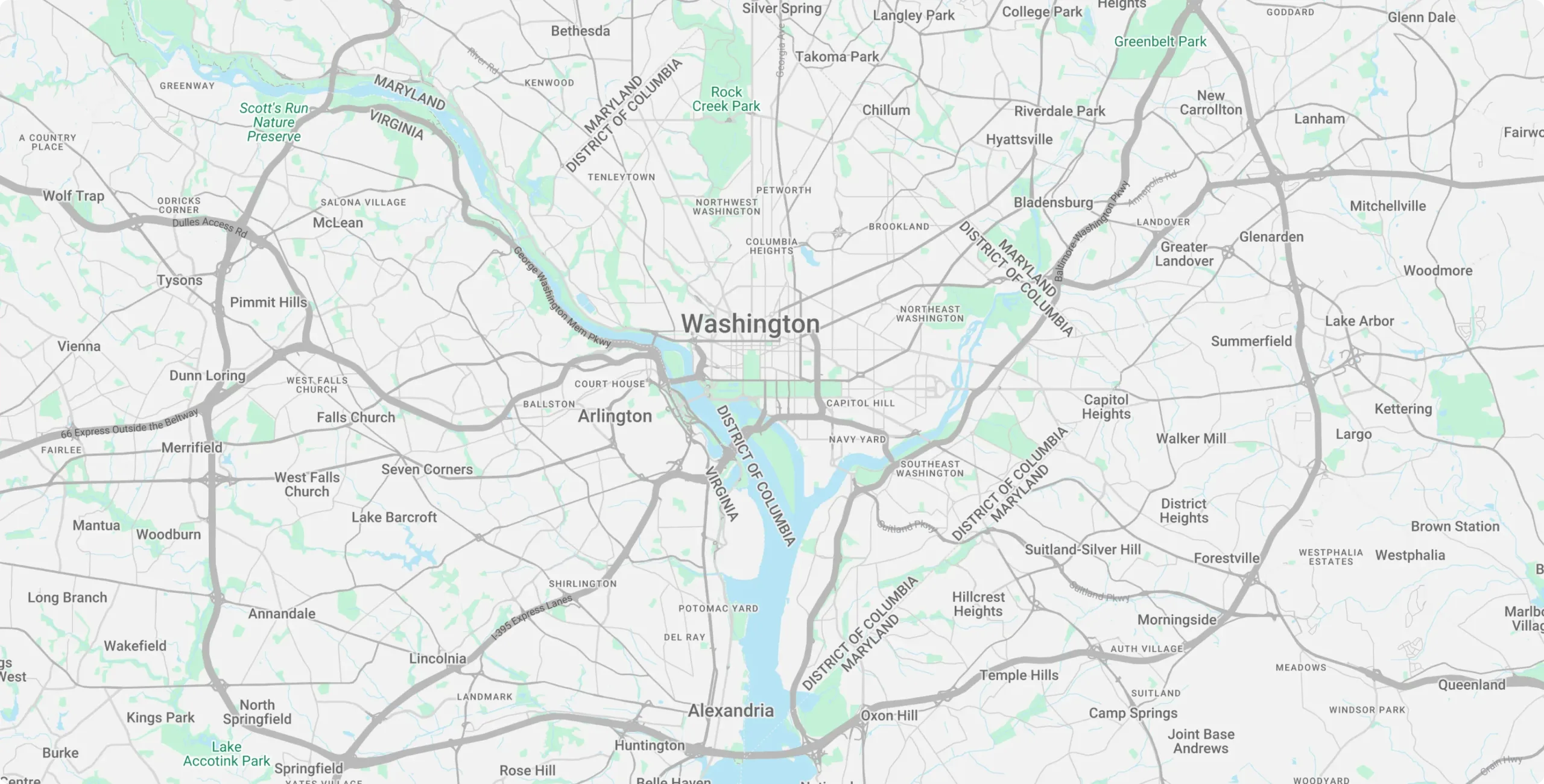
AREAS WE SERVE
At FloodTech USA, we specialize in comprehensive solutions for all your water-related concerns. From precision leak detection and water damage repair to mold remediation, sealing, resurfacing, and full-scale restoration services—our certified team delivers dependable results with unmatched professionalism.
PROTECTING PROPERTY, RESTORING PEACE OF MIND
At FloodTech USA, our team of certified home and commercial restoration specialists brings over 30 years of combined expertise in water damage mitigation, mold remediation, fire and smoke restoration, and structural recovery. Every technician on our crew is fully trained, licensed, and committed to delivering prompt, professional, and compassionate service during your most difficult times.
We know that emergencies don’t wait for business hours. That’s why our restoration services are available around the clock—24 hours a day, 7 days a week, 365 days a year. Whether it’s a burst pipe in the middle of the night or fire damage over a holiday weekend, we’re ready to respond immediately to protect your property and begin the recovery process without delay.