



Flooded Basement Cleanup and Water Damage Restoration in Ashburn, VA
A flooded basement is one of the most stressful and destructive problems a property owner in Ashburn, VA can experience. Whether caused by heavy rain, sump pump failure, burst pipes, groundwater intrusion, or plumbing backups, basement flooding can quickly escalate from a minor inconvenience to a major structural and financial issue.
FloodTech USA provides professional flooded basement cleanup and water damage restoration in Ashburn, VA. Our focus is simple: remove the water quickly, dry the structure thoroughly, prevent mold growth, and restore your basement safely and completely. We understand that basements in Ashburn homes serve many purposes—finished living areas, storage spaces, home gyms, offices, and mechanical rooms. When flooding occurs, it disrupts your daily life and threatens both your property and personal belongings.
Basement flooding is not just about removing standing water. It requires a structured water damage restoration process that addresses hidden moisture, structural materials, air quality, and long-term prevention. Our team is trained, equipped, and ready to respond 24/7 to flooded basement emergencies throughout Ashburn.
WHY FLOODTECH USA?
WE’RE HERE FOR YOU
24 HOURS A DAY, 7 DAYS A WEEK.

Why Flooded Basements Are So Common in Ashburn, VA
Ashburn’s rapid residential growth, mixed soil conditions, seasonal storms, and varying foundation types all contribute to basement flooding risks. Many homes in Ashburn include finished basements with drywall, insulation, carpet, hardwood flooring, and built-in cabinetry—materials that are highly vulnerable to water damage.
Heavy Rainfall and Stormwater Runoff
Intense storms can overwhelm drainage systems and increase hydrostatic pressure around foundations. When soil becomes saturated, water pushes against basement walls and floors. Even small cracks in concrete foundations can allow water to seep inside.
In neighborhoods with sloped lots or compacted clay soil, runoff may accumulate near foundation walls. Without proper drainage, this water finds its way into basements.
Sump Pump Failure
Many Ashburn homes rely on sump pumps to remove groundwater from below the foundation. If the pump fails due to power outages, mechanical malfunction, or clogged discharge lines, water can quickly accumulate and flood the basement.
Sump pump failures often happen during storms—exactly when they are needed most.
Burst Pipes and Plumbing Failures
Basements commonly house water heaters, washing machines, main water lines, and plumbing connections. A burst pipe or failed water heater can release hundreds of gallons of water in a short time.
Winter temperature fluctuations in Ashburn can also cause frozen pipes to rupture, leading to sudden basement flooding.
Foundation Cracks and Structural Gaps
Over time, foundation walls may develop cracks due to settling or soil movement. These cracks can allow water to seep into the basement during heavy rain or high groundwater conditions.
Professional flooded basement cleanup includes identifying these entry points to reduce future risks.
The Immediate Dangers of a Flooded Basement
A flooded basement presents both short-term and long-term risks.
Structural Damage
Water weakens drywall, framing, insulation, subflooring, and support structures. Prolonged exposure can cause warping, rot, and deterioration.
Mold Growth
Mold can begin developing within 24 to 48 hours after water exposure. Basements are naturally more humid than upper levels, which increases the risk of rapid microbial growth.
Electrical Hazards
Water in a basement may come into contact with electrical panels, outlets, or appliances. This creates serious safety hazards that must be addressed before cleanup begins.
Damage to Personal Belongings
Furniture, storage boxes, electronics, and sentimental items are often stored in basements. The longer water remains, the greater the likelihood of permanent damage.
24/7 Emergency Flooded Basement Cleanup in Ashburn
When your basement floods, time is critical. FloodTech USA provides 24/7 emergency flooded basement cleanup services in Ashburn, VA to limit damage and begin restoration immediately.
Step 1: Emergency Assessment and Safety Evaluation
Upon arrival, our team assesses the source of water, determines the category of water (clean, gray, or black), and identifies safety risks. If necessary, we coordinate power shut-off and ensure the area is safe for entry.
Step 2: Rapid Water Extraction
Standing water is removed using commercial-grade pumps and high-powered extraction equipment. Fast water removal significantly reduces the amount of moisture absorbed by structural materials.
Step 3: Removal of Unsalvageable Materials
Flooded basement cleanup often requires removal of saturated carpet, padding, insulation, drywall, and baseboards. Removing damaged materials allows hidden structural areas to dry properly.
Structural Drying and Dehumidification
After extraction, the most important phase of flooded basement water damage restoration begins: structural drying.
Industrial Air Movers and Dehumidifiers
We strategically place air movers to circulate air across wet surfaces and industrial dehumidifiers to remove moisture from the air. This controlled process accelerates evaporation and reduces humidity levels.
Moisture Mapping and Monitoring
Using moisture meters and thermal imaging, we monitor drying progress daily. Drying continues until structural materials reach acceptable moisture levels.
Proper drying prevents:
- Wood rot
- Mold growth
- Warped framing
- Persistent odors
Cleaning, Sanitization, and Odor Removal
Flooded basements often contain contaminated water, especially if flooding involves sewage backups or groundwater intrusion.
Disinfection of Affected Areas
We clean and sanitize all exposed surfaces using professional-grade antimicrobial solutions. This helps eliminate bacteria and prevent microbial growth.
Odor Neutralization
Basement flooding can leave behind musty or unpleasant odors. We use deodorization techniques that neutralize odors at the source rather than masking them.
Basement Water Damage Repairs and Reconstruction
FloodTech USA provides full restoration services after flooded basement cleanup.
Common Basement Repairs Include
- Drywall installation and finishing
- Insulation replacement
- Flooring repair or replacement
- Trim and baseboard installation
- Painting and refinishing
Whether your basement is unfinished or fully finished, our goal is to restore it to pre-damage condition.
Finished Basements Require Specialized Restoration
Finished basements in Ashburn often include:
- Media rooms
- Bedrooms
- Home offices
- Bathrooms
- Kitchenettes
These areas contain layered materials that trap moisture. Professional water damage restoration ensures subfloors, framing, and wall cavities are thoroughly dried before reconstruction begins.
Preventing Future Basement Flooding
While not all flooding can be prevented, certain steps reduce risk.
Drainage Improvements
Ensuring proper grading around the foundation helps direct water away from the home.
Sump Pump Maintenance
Regular testing and maintenance of sump pumps reduce the likelihood of failure.
Crack Sealing
Professional inspection and sealing of foundation cracks can limit groundwater intrusion.
FloodTech USA can identify vulnerabilities during the restoration process and provide guidance for long-term protection.
The Cost of Ignoring Basement Water Damage
Delaying flooded basement cleanup can lead to:
- Structural framing replacement
- Mold remediation
- Flooring system reconstruction
- Increased insurance claim complications
- Reduced property value
Prompt professional water damage restoration significantly reduces long-term repair costs.
Mold Risks After Basement Flooding in Ashburn VA
Basement flooding in Ashburn, VA is more than a temporary inconvenience. While standing water and visible damage often receive immediate attention, one of the most serious threats begins after the water appears to be gone: mold growth. Mold risks increase dramatically following a flooded basement, especially when water damage restoration and cleanup are delayed or incomplete.
Ashburn homes frequently include finished basements with drywall, carpet, insulation, wood framing, and stored belongings. These materials are highly absorbent and provide the ideal environment for mold to develop after water intrusion. Understanding the mold risks associated with basement flooding—and why professional flooded basement cleanup is essential—can help homeowners protect both their property and their health.
Why Mold Develops So Quickly After Basement Flooding
Mold spores exist naturally in indoor and outdoor air. They remain dormant until they encounter the right conditions: moisture, organic material, and moderate temperatures. A flooded basement provides all three.
Moisture Trapped in Porous Materials
After basement flooding, water does not simply sit on the floor. It soaks into drywall, insulation, carpet padding, wood framing, and subfloors. Even after visible standing water is removed, hidden moisture can remain trapped within structural cavities.
If professional water damage restoration does not include thorough structural drying and moisture mapping, these damp materials create an ideal breeding ground for mold colonies.
Ashburn’s Humid Climate
Ashburn’s seasonal humidity accelerates mold growth. During warmer months, elevated humidity levels make it more difficult for wet materials to dry naturally. Without industrial dehumidifiers and controlled airflow, basements can remain damp for extended periods.
In humid environments, mold can begin growing within 24 to 48 hours after basement flooding.
Common Mold Hotspots in Flooded Basements
Mold does not always grow where it is easily visible. After basement flooding, it often develops in hidden or overlooked areas.
Behind Drywall and Baseboards
When water enters a finished basement, it often wicks up drywall from the bottom. Even if the surface appears dry after cleanup, moisture may remain inside wall cavities.
Insulation Saturation
Wet insulation holds moisture against framing and drywall. If not removed during flooded basement cleanup, insulation becomes a concealed mold reservoir.
Professional water damage restoration typically involves removing water-damaged drywall and insulation to prevent hidden microbial growth.
Under Flooring and Carpet Padding
Carpet and padding absorb water quickly. Even if the surface dries, the padding underneath often retains moisture.
Subfloor Moisture
Water that seeps beneath flooring can saturate plywood or oriented strand board subfloors. These materials lose structural integrity and support mold growth if not properly dried.
Complete flooded basement cleanup includes removal of saturated flooring materials when necessary to ensure proper structural drying.
Basement Ceilings and Upper Wall Cavities
In multi-level Ashburn homes, water from plumbing failures may enter basements from above. This can saturate ceiling cavities and framing between floors.
Hidden moisture in ceiling cavities often goes unnoticed until mold staining or sagging drywall appears.
Health Risks Associated With Basement Mold
Mold growth after basement flooding is not just a structural concern—it can impact indoor air quality and occupant health.
Respiratory Issues
Mold releases spores into the air. These spores can cause coughing, wheezing, nasal congestion, and throat irritation, particularly in individuals with asthma or allergies.
Increased Sensitivity in Children and Older People
Children, older individuals, and those with compromised immune systems are more vulnerable to mold-related health effects. Prolonged exposure to mold spores may worsen respiratory conditions.
Professional water damage restoration and mold prevention reduce airborne spore levels and improve indoor air quality.
Persistent Musty Odors
A musty smell is often one of the first signs of mold growth after basement flooding. Even if visible mold is not present, hidden microbial growth may be occurring behind walls or beneath flooring.
Odor control during flooded basement cleanup addresses both the source of moisture and any developing microbial contamination.
Structural Risks Linked to Mold Growth
Mold does not simply grow on surfaces—it feeds on organic building materials. Over time, this can weaken structural components.
Wood Framing Deterioration
Mold and fungi break down wood fibers when moisture remains present. Prolonged dampness can lead to rot, which compromises load-bearing capacity.
Softened Sill Plates and Joists
Basements often contain sill plates and floor joists that support the upper levels of the home. If these components remain damp after flooding, structural integrity may gradually decline.
Water damage restoration that includes thorough drying protects these critical elements from long-term deterioration.
Drywall and Insulation Breakdown
Mold consumes paper backing on drywall and organic components in insulation. As these materials degrade, walls may weaken and require full replacement.
Prompt flooded basement cleanup prevents small areas of microbial growth from spreading throughout wall systems.
The Dangers of Incomplete Flooded Basement Cleanup
Homeowners sometimes attempt DIY cleanup after basement flooding. While surface water removal is helpful, incomplete drying and lack of moisture detection often leave hidden dampness behind.
Surface Drying Is Not Enough
Fans and household dehumidifiers cannot effectively dry moisture trapped inside walls, subfloors, or structural cavities.
Without professional equipment such as industrial air movers, commercial dehumidifiers, and moisture meters, hidden moisture remains.
Sealing Over Wet Materials
Some homeowners repaint or replace flooring before confirming that materials are fully dry. This traps moisture behind finished surfaces, accelerating mold growth.
Professional water damage restoration ensures materials reach safe moisture levels before reconstruction begins.
How Professional Water Damage Restoration Prevents Mold
FloodTech USA uses a structured approach to flooded basement cleanup in Ashburn, VA designed specifically to prevent mold growth.
Rapid Water Extraction
Removing standing water immediately reduces the amount of moisture absorbed by structural materials.
Strategic Structural Drying
High-powered air movers and dehumidifiers are strategically placed to promote even drying throughout the basement.
Moisture Mapping and Monitoring
Technicians use moisture meters and thermal imaging to detect hidden dampness. Daily monitoring ensures that drying continues until acceptable moisture levels are achieved.
Removal of Unsalvageable Materials
Saturated drywall, insulation, and carpet padding are often removed to eliminate moisture reservoirs that promote mold growth.
Antimicrobial Treatments
Professional antimicrobial applications help reduce microbial activity and prevent future growth in vulnerable areas.
Signs Mold May Be Developing After Basement Flooding
Even after initial cleanup, homeowners should watch for warning signs.
Recurring Musty Smell
Persistent odors often indicate hidden mold growth.
Discoloration on Walls or Ceilings
Dark spots, staining, or fuzzy growth may signal developing mold colonies.
Increased Allergy Symptoms
Unexplained respiratory irritation following basement flooding can be linked to mold exposure.
If any of these symptoms appear, immediate professional inspection is recommended.
Long-Term Protection for Ashburn Homes
Basements in Ashburn often serve as living spaces, storage areas, or mechanical rooms. Protecting them from mold after flooding is essential for maintaining both comfort and property value.
Preventive Maintenance
Regular sump pump testing, proper exterior drainage, and foundation inspections help reduce flooding risks.
Professional Restoration After Every Flood
Even minor basement flooding events should be professionally evaluated. Small amounts of water can cause significant hidden moisture problems.
Water damage restoration is not complete until moisture is eliminated, materials are properly dried, and the risk of mold growth is minimized.
Protect Your Home With Professional Flooded Basement Cleanup in Ashburn, VA
Mold risks after basement flooding in Ashburn, VA are serious and should never be underestimated. Hidden moisture, humid conditions, and absorbent building materials create an environment where mold can spread quickly if not properly addressed.
Professional flooded basement cleanup and water damage restoration go beyond removing visible water. They ensure structural drying, eliminate hidden moisture, and prevent microbial growth that could compromise your home and your health.
If your basement has flooded, immediate professional restoration is the most effective way to prevent mold risks and protect your Ashburn property for the long term.
The Cost of Flooded Basement Water Damage Restoration in Ashburn, VA
A flooded basement in Ashburn, VA can quickly become one of the most expensive home repair situations a property owner faces. Beyond the immediate shock of standing water, there are layered costs tied to water extraction, structural drying, material removal, repairs, and mold prevention. Understanding what influences the cost of flooded basement water damage restoration helps homeowners make informed decisions and avoid long-term financial consequences.
Flooded basement cleanup is not a one-step service. It is a structured restoration process designed to remove water, eliminate hidden moisture, protect structural integrity, and restore the basement to its pre-loss condition. The total cost depends on multiple factors, including the source of water, the size of the basement, the materials affected, and how quickly professional restoration begins.
What Determines the Cost of Flooded Basement Cleanup in Ashburn
No two basement flooding events are identical. The scope and severity of damage play the largest role in determining restoration costs.
Extent of Standing Water
The amount of water present significantly impacts cost. A small plumbing leak affecting part of the basement requires less extraction and drying time than a sump pump failure that floods the entire lower level.
The deeper and more widespread the water intrusion, the more labor, equipment, and time are required for proper water damage restoration.
Duration of Water Exposure
Time is one of the most important cost factors. Water that remains in a basement for several hours causes less structural damage than water that sits for days.
Extended exposure increases:
- Material saturation
- Risk of mold growth
- Structural weakening
- Need for material removal
Prompt professional flooded basement cleanup often reduces overall restoration costs.
Water Category and Contamination Level
The type of water involved in the flooding directly affects cleanup requirements.
Clean Water Damage
Clean water from broken supply lines or appliance failures is typically less costly to restore if addressed quickly. Materials may be salvageable if drying begins immediately.
Gray or Contaminated Water
Water from washing machines, drainage backups, or minor plumbing overflows contains contaminants that require additional cleaning and sanitization.
Black Water and Sewage Backups
Sewage-related flooding significantly increases restoration costs. Black water contains harmful bacteria and pathogens, requiring specialized protective equipment, containment, disinfection, and removal of contaminated materials.
The higher the contamination level, the more extensive and detailed the flooded basement water damage restoration process becomes.
Size and Layout of the Basement
Basement size is a primary factor in restoration pricing. Larger basements require more extraction equipment, more drying units, and longer monitoring periods.
Finished vs. Unfinished Basements
Finished basements in Ashburn often include:
- Drywall and insulation
- Carpet and padding
- Hardwood or laminate flooring
- Bathrooms or kitchenettes
- Built-in cabinetry
These materials increase restoration complexity and cost because they are more susceptible to water damage.
Unfinished basements, while less expensive to restore, still require thorough drying and moisture control to prevent structural damage.
Multi-Room Layouts
Basements divided into multiple rooms or featuring complex layouts require additional labor for material removal, containment, and drying equipment placement.
Structural Drying and Equipment Costs
Professional flooded basement cleanup relies on specialized equipment designed to remove moisture from both air and structural materials.
Water Extraction Equipment
High-powered pumps and commercial extraction units remove standing water quickly. The longer extraction takes, the higher the associated labor costs.
Industrial Dehumidifiers
Dehumidifiers remove moisture from the air to accelerate structural drying. The number of units required depends on basement size and humidity levels.
Air Movers and Monitoring
Air movers circulate air across wet surfaces to promote evaporation. Technicians also perform daily moisture monitoring using moisture meters and thermal imaging.
Equipment rental duration is a significant factor in restoration cost. Larger or heavily saturated basements require longer drying periods.
Material Removal and Reconstruction Costs
Flooded basement water damage restoration often involves removing unsalvageable materials before rebuilding.
Drywall and Insulation Replacement
Water typically wicks upward into drywall. Restoration professionals often remove drywall at least 12 to 24 inches above the water line to ensure complete drying.
Wet insulation must also be removed to prevent hidden mold growth.
Flooring Replacement
Carpet and padding frequently require full replacement after flooding. Hardwood or engineered flooring may need removal if subfloors remain saturated.
Subfloor and Framing Repairs
If water exposure was prolonged, subflooring or framing components may need repair or replacement. Structural repairs increase overall restoration cost but are necessary for long-term stability.
Mold Prevention and Remediation Expenses
Mold prevention is included in professional flooded basement cleanup. However, if mold growth has already begun, remediation increases costs.
Preventive Antimicrobial Treatments
Applying antimicrobial solutions during drying helps prevent mold growth and is typically included in restoration services.
Mold Remediation
If mold colonies are present, additional containment, removal, and cleaning procedures are required. Mold remediation adds labor, materials, and equipment expenses to the project.
Early intervention helps avoid these added costs.
Electrical and Mechanical System Considerations
Basements often house electrical panels, HVAC systems, and water heaters.
Electrical Inspection
If water contacts electrical components, licensed electricians may need to inspect and repair systems before restoration continues.
HVAC Cleaning
Flooding can introduce moisture into ductwork. Cleaning and drying HVAC systems prevents mold growth and odor circulation.
These services may increase restoration costs but are essential for safety and air quality.
Insurance Coverage and Out-of-Pocket Costs
Many Ashburn homeowners rely on insurance to cover flooded basement water damage restoration.
Policy Coverage Variations
Coverage depends on the cause of flooding. Sudden pipe bursts are often covered, while groundwater intrusion may require additional flood insurance.
Professional restoration companies provide documentation, moisture readings, and repair estimates to support insurance claims.
Deductibles and Coverage Limits
Homeowners are typically responsible for deductibles. Understanding policy limits helps anticipate potential out-of-pocket expenses.
Prompt professional cleanup strengthens claim documentation and may reduce disputes.
The Financial Impact of Delayed Restoration
Delaying flooded basement cleanup often leads to significantly higher costs.
Escalating Structural Damage
Moisture left untreated weakens framing, subfloors, and drywall. What begins as minor damage can evolve into major reconstruction.
Mold Remediation Costs
Mold growth increases both health risks and financial burden. Remediation is far more expensive than preventive drying.
Reduced Property Value
Unresolved water damage can affect resale value. Documented professional water damage restoration protects long-term investment.
Cost vs. Value of Professional Restoration
While flooded basement water damage restoration may seem expensive, professional services protect against much greater losses.
Protecting Structural Integrity
Thorough drying preserves load-bearing components and prevents long-term weakening.
Preventing Repeat Damage
Proper moisture mapping and structural drying reduce the risk of recurring problems.
Preserving Finished Basement Spaces
Many Ashburn homeowners invest heavily in finished basements. Professional restoration ensures these spaces are safely and fully restored.
Why Professional Flooded Basement Cleanup Is Worth the Investment
Flooded basement restoration is not simply about removing water—it is about protecting your home’s foundation, structure, and long-term value.
Professional services provide:
- Rapid emergency response
- Advanced moisture detection
- Industrial-grade drying equipment
- Safe removal of damaged materials
- Mold prevention strategies
- Complete reconstruction services
Attempting DIY cleanup often leads to hidden moisture and future expenses.
Protect Your Ashburn Home From Costly Basement Flooding
The cost of flooded basement water damage restoration in Ashburn, VA varies based on severity, contamination level, and material damage. However, the true cost of ignoring or delaying restoration is far greater.
Fast, professional flooded basement cleanup minimizes structural damage, prevents mold growth, supports insurance claims, and restores your home efficiently.
If your basement floods, acting quickly with professional water damage restoration services is the most effective way to control costs and protect your property for years to come.
How to Prevent Basement Flooding in Ashburn, VA Homes
Basement flooding is one of the most disruptive and costly issues homeowners in Ashburn, VA can face. Whether caused by heavy rainfall, sump pump failure, plumbing leaks, or groundwater intrusion, a flooded basement often requires professional water damage restoration and cleanup to fully recover. While emergency flooded basement cleanup is essential when water enters the home, prevention is always the most effective strategy.
Ashburn’s growing neighborhoods, varying soil conditions, seasonal storms, and finished basement designs all contribute to flooding risks. Understanding how basement flooding happens—and how to reduce those risks—can help protect your home from costly water damage restoration in the future.
Why Basement Flooding Is Common in Ashburn Homes
Many homes in Ashburn include partially or fully finished basements. These lower-level spaces often sit below the water table and are naturally vulnerable to groundwater pressure.
Hydrostatic Pressure Around Foundations
After heavy rain, saturated soil expands and increases pressure against foundation walls. This hydrostatic pressure forces water through cracks, gaps, and porous concrete.
Without proper drainage and waterproofing, even small foundation imperfections can allow water to seep into the basement.
Modern Basement Living Spaces
Finished basements with drywall, insulation, carpeting, and hardwood flooring are especially vulnerable. When flooding occurs, these materials absorb water quickly, often requiring professional flooded basement cleanup and reconstruction.
Prevention reduces the likelihood of extensive water damage restoration.
Maintain Proper Exterior Drainage
The first line of defense against basement flooding begins outside the home.
Ensure Proper Grading Around the Foundation
The ground surrounding your home should slope away from the foundation. If soil settles or landscaping changes create low areas, water can pool near foundation walls.
Correcting Negative Grading
Regrading soil so it slopes outward helps direct rainwater away from the structure. This reduces hydrostatic pressure and lowers the risk of water entering the basement.
Professional evaluation can identify drainage concerns before they lead to flooding and costly water damage restoration.
Clean and Maintain Gutters and Downspouts
Clogged gutters prevent proper water flow from the roof.
Extend Downspouts Away From the Home
Downspouts should discharge water at least five to ten feet away from the foundation. Without proper extensions, roof runoff collects near basement walls, increasing seepage risk.
Routine gutter maintenance significantly reduces the chances of a flooded basement during heavy storms.
Protect and Maintain Your Sump Pump System
Sump pumps are critical in preventing groundwater accumulation beneath the foundation.
Test Your Sump Pump Regularly
Homeowners should test sump pumps at least twice per year.
Simulate Water Flow
Pour water into the sump pit to ensure the pump activates properly. Listen for unusual sounds or delayed activation, which may indicate mechanical issues.
If the sump pump fails during a storm, basement flooding can occur rapidly, leading to emergency flooded basement cleanup and water damage restoration.
Install a Battery Backup System
Power outages often accompany severe storms in Ashburn. Without electricity, standard sump pumps stop working.
A battery backup system keeps the pump operating during outages, reducing the likelihood of basement flooding.
Keep Discharge Lines Clear
Blocked or frozen discharge lines prevent water from exiting the property. Regular inspection ensures that water is properly directed away from the foundation.
Inspect and Seal Foundation Cracks
Even small cracks in foundation walls can allow water intrusion.
Conduct Annual Foundation Inspections
Walk around your basement interior and exterior foundation annually to check for cracks or gaps.
Seal Minor Cracks Promptly
Professional crack sealing prevents small issues from becoming major flooding problems. Ignoring foundation cracks increases the risk of hidden moisture and future water damage restoration.
Address Window Well Leaks
Basement windows are common entry points for water.
Ensure window wells are properly drained and covered to prevent rainwater accumulation. Damaged seals or poorly installed window frames should be repaired promptly.
Maintain Plumbing Systems in the Basement
Plumbing failures are a frequent cause of flooded basement cleanup calls in Ashburn.
Inspect Water Heaters and Appliances
Water heaters, washing machines, and utility sinks are often located in basements.
Check for Leaks and Corrosion
Inspect connections, hoses, and fittings regularly. Replace aging supply lines before they fail.
Proactive plumbing maintenance reduces the risk of sudden basement flooding that requires professional water damage restoration.
Insulate Pipes During Winter
Freezing temperatures can cause pipes to burst. Insulating exposed basement pipes reduces this risk and helps prevent emergency flooding situations.
Install Backwater Valves
Sewer backups can cause severe basement flooding.
Prevent Sewer Line Backflow
A backwater valve prevents sewage from flowing back into your basement during heavy rainfall or municipal system overload.
Sewer-related basement flooding often involves contaminated water, which significantly increases restoration complexity and cost. Installing preventative measures reduces the likelihood of hazardous cleanup.
Use Moisture Detection and Monitoring
Early detection of moisture can prevent major flooding.
Install Water Leak Sensors
Water sensors placed near sump pumps, water heaters, and plumbing lines provide early alerts when leaks occur.
Smart Monitoring Systems
Modern smart home systems can notify homeowners of rising water levels or leaks in real time. Early alerts allow for faster response and may prevent the need for full-scale flooded basement cleanup.
Control Basement Humidity
High humidity levels contribute to moisture buildup and increase mold risks after minor water intrusion.
Use Dehumidifiers
A basement dehumidifier helps maintain appropriate humidity levels, especially during Ashburn’s humid summer months.
While dehumidifiers cannot prevent major flooding, they reduce moisture buildup that could worsen water damage if minor leaks occur.
Maintain Exterior Drainage Systems
Homes with French drains or perimeter drainage systems require regular maintenance.
Clear Debris From Drainage Channels
Leaves, dirt, and debris can clog drainage systems, reducing effectiveness.
Routine inspection ensures these systems continue directing water away from the basement foundation.
Act Quickly If Water Intrusion Occurs
Even with preventative measures, water intrusion may still happen.
Do Not Delay Professional Cleanup
If you notice standing water, damp walls, or musty odors, immediate action is critical.
Contact Water Damage Restoration Professionals
Professional flooded basement cleanup includes:
- Rapid water extraction
- Moisture mapping
- Structural drying
- Antimicrobial treatments
- Reconstruction services
Fast intervention minimizes damage and prevents mold growth.
The Financial Benefits of Basement Flood Prevention
Preventative measures are significantly less expensive than full water damage restoration.
Avoid Structural Repairs
Proactive maintenance reduces the likelihood of framing deterioration, drywall replacement, and flooring reconstruction.
Protect Property Value
Documented prevention efforts and prompt response to minor issues help maintain long-term home value in Ashburn’s competitive housing market.
Protect Your Ashburn Home From Basement Flooding
Basement flooding can be overwhelming and costly, but many risks can be minimized with proper maintenance and proactive measures. By maintaining exterior drainage, protecting sump pump systems, sealing foundation cracks, and monitoring plumbing components, homeowners in Ashburn can significantly reduce the likelihood of needing emergency flooded basement cleanup.
However, if flooding does occur, immediate professional water damage restoration is essential. Prompt action ensures complete moisture removal, prevents mold growth, and protects structural integrity.
Preventing basement flooding is always preferable, but having a trusted water damage restoration team ready to respond ensures that your Ashburn home remains protected no matter the circumstances.
Why Ashburn Homeowners Trust FloodTech USA
FloodTech USA provides:
- 24/7 emergency response
- Certified water damage restoration technicians
- Advanced moisture detection equipment
- Complete mitigation and reconstruction services
- Insurance documentation and claim support
We understand Ashburn’s homes, soil conditions, and building styles, allowing us to tailor our restoration approach accordingly.
Frequently Asked Questions About Flooded Basement Cleanup in Ashburn, VA
How quickly should a flooded basement be addressed?
Immediately. The first 24 hours are critical to prevent mold growth and structural damage. Fast water extraction and drying significantly reduce long-term issues.
Can I clean up a flooded basement myself?
Minor water spills may be manageable, but significant flooding requires professional equipment. Hidden moisture often remains behind walls and under floors without professional drying.
How long does flooded basement water damage restoration take?
Water extraction typically happens within hours. Structural drying may take several days depending on the extent of damage. Repairs follow once drying is complete.
Will insurance cover flooded basement cleanup?
Coverage depends on the cause of the flooding and your policy. We provide detailed documentation and moisture readings to support your claim.
Is mold always a concern after basement flooding?
Yes. Basements are prone to humidity, and mold can begin forming within 24 to 48 hours. Professional drying and antimicrobial treatment reduce this risk significantly.
Call FloodTech USA for Flooded Basement Cleanup in Ashburn, VA
A flooded basement can feel overwhelming, but fast professional action makes all the difference. FloodTech USA provides expert flooded basement cleanup and water damage restoration in Ashburn, VA, with 24/7 emergency response and complete structural recovery.
If your basement has flooded, do not wait. Immediate water removal and professional drying are essential to protect your home, your belongings, and your long-term property value.
Contact FloodTech USA today for professional flooded basement water damage restoration in Ashburn, VA.
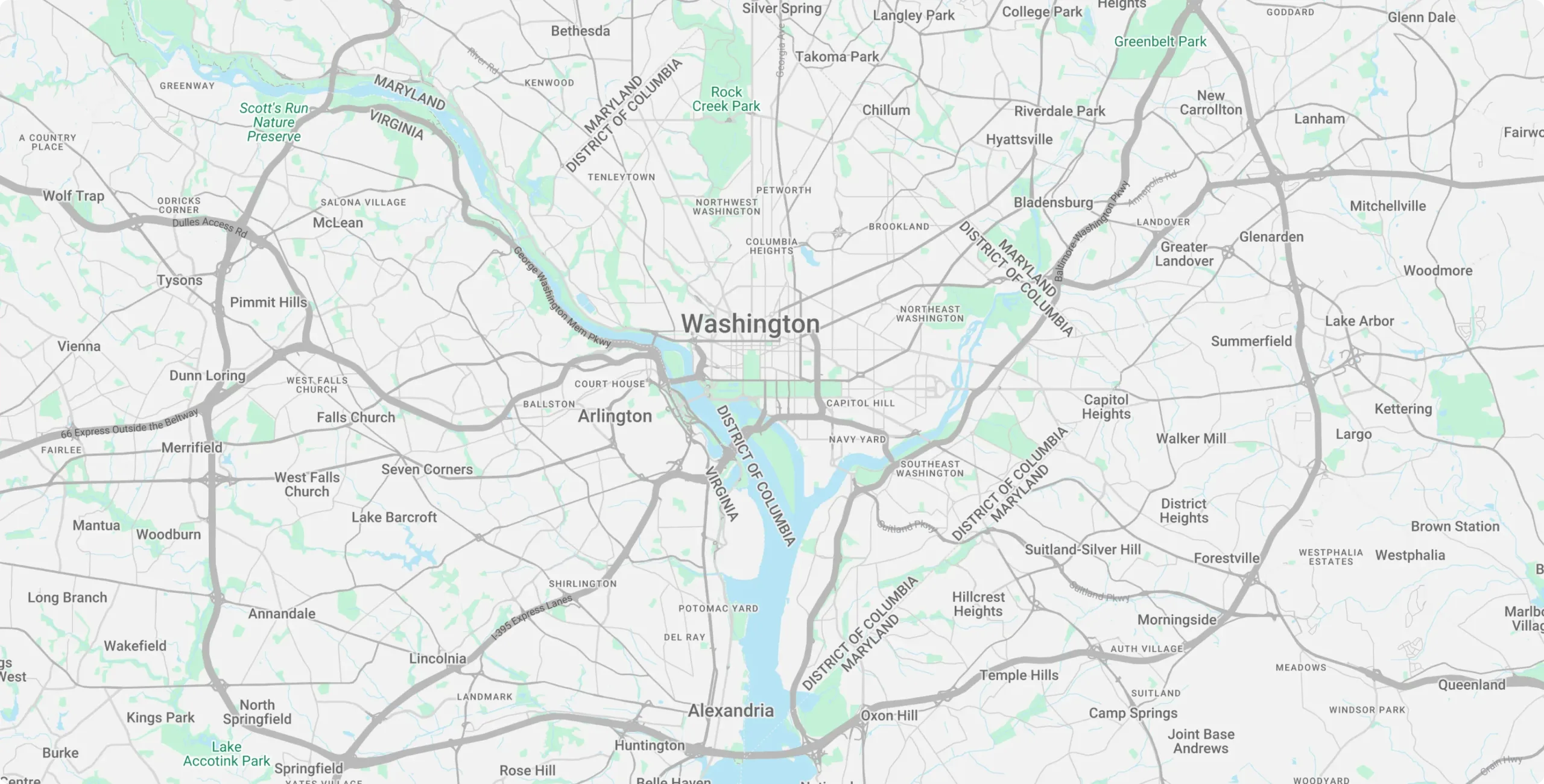
AREAS WE SERVE
At FloodTech USA, we specialize in comprehensive solutions for all your water-related concerns. From precision leak detection and water damage repair to mold remediation, sealing, resurfacing, and full-scale restoration services—our certified team delivers dependable results with unmatched professionalism.

PROTECTING PROPERTY, RESTORING PEACE OF MIND
At FloodTech USA, our team of certified home and commercial restoration specialists brings over 30 years of combined expertise in water damage mitigation, mold remediation, fire and smoke restoration, and structural recovery. Every technician on our crew is fully trained, licensed, and committed to delivering prompt, professional, and compassionate service during your most difficult times.
We know that emergencies don’t wait for business hours. That’s why our restoration services are available around the clock—24 hours a day, 7 days a week, 365 days a year. Whether it’s a burst pipe in the middle of the night or fire damage over a holiday weekend, we’re ready to respond immediately to protect your property and begin the recovery process without delay.