



Flooded Basement Cleanup and Water Damage Restoration in Burke, VA
A flooded basement is one of the most stressful and damaging situations a homeowner in Burke, VA can experience. Whether caused by heavy rainfall, sump pump failure, burst pipes, foundation leaks, or groundwater intrusion, basement flooding can quickly lead to structural damage, mold growth, and costly repairs if not handled properly. When water enters your basement, immediate professional water damage restoration is essential to protect your home’s structure, indoor air quality, and long-term value.
FloodTech USA provides professional flooded basement cleanup and water damage restoration in Burke, VA. Our team responds 24/7 to remove standing water, dry structural materials, prevent mold growth, and restore basements safely and thoroughly. We understand the unique construction styles and drainage challenges in Burke neighborhoods, and we tailor our restoration approach to each property.
Basement flooding is never just about removing visible water. Water seeps into concrete, framing, insulation, drywall, flooring systems, and stored belongings. Without professional moisture detection and controlled drying, hidden dampness can remain long after the surface appears dry. Our comprehensive basement water damage restoration process ensures the job is done right the first time.
WHY FLOODTECH USA?
WE’RE HERE FOR YOU
24 HOURS A DAY, 7 DAYS A WEEK.

Why Flooded Basements Are Common in Burke, VA
Burke, VA experiences seasonal storms, heavy rainfall, and fluctuating groundwater levels that increase the risk of basement flooding. Many homes in Burke include finished basements, partially below-grade living spaces, or crawlspaces that are vulnerable to water intrusion.
Heavy Rainfall and Stormwater Saturation
Sudden downpours can overwhelm exterior drainage systems. When soil around the foundation becomes saturated, hydrostatic pressure builds against basement walls. This pressure forces water through foundation cracks, window wells, and porous concrete.
Even homes that have never experienced flooding before can see water intrusion during unusually heavy storms. Professional flooded basement cleanup in Burke requires identifying both the immediate water and the entry points that allowed it inside.
Sump Pump Failure
Sump pumps are designed to remove groundwater before it rises to basement level. However, they can fail due to power outages, mechanical malfunctions, clogged discharge lines, or lack of maintenance.
When a sump pump fails during a storm, water can accumulate rapidly. In these situations, emergency water damage restoration is critical to prevent extensive structural damage.
Burst Pipes and Plumbing Failures
Basement flooding is not always weather-related. Burst pipes, water heater failures, and broken supply lines frequently cause sudden flooding in lower levels.
A burst pipe can release hundreds of gallons of water in a short time, saturating finished walls, flooring, and insulation. Fast water extraction and drying significantly reduce repair costs.
Foundation Cracks and Aging Construction
Over time, foundations can develop small cracks due to settling, soil movement, or freeze-thaw cycles. These cracks may not cause issues until heavy rain or rising groundwater exposes them.
Water entering through foundation cracks often appears slowly at first, leading homeowners to underestimate the problem. However, repeated moisture exposure weakens structural components and increases mold risk.
What to Do Immediately After Your Basement Floods
When you discover a flooded basement in Burke, VA, quick action can limit damage and protect your safety.
Ensure Safety First
Before entering a flooded basement, consider potential hazards. Water can come into contact with electrical systems, creating serious shock risks. If water levels are high or electrical panels are affected, do not enter the space until power is safely shut off.
If sewage contamination is suspected, avoid contact with the water and call professionals immediately.
Stop the Water Source
If the flooding is caused by a burst pipe or appliance failure, shut off the water supply as quickly as possible. For storm-related flooding, professional intervention may be required to manage incoming water.
Call for Professional Flooded Basement Cleanup
DIY cleanup methods are rarely sufficient for basement flooding. Shop vacuums and household fans cannot remove deep moisture from structural materials.
Professional water damage restoration in Burke includes high-powered extraction equipment, industrial drying systems, and moisture mapping to ensure complete mitigation.
The Flooded Basement Cleanup Process
FloodTech USA follows a structured and thorough process for basement water damage restoration in Burke, VA.
Step 1: Emergency Response and Assessment
Upon arrival, our technicians assess the extent of flooding. We identify:
- The source of the water
- The category of water (clean, gray, or black)
- The depth and spread of standing water
- Affected materials and structural components
Using moisture meters and thermal imaging, we detect hidden dampness behind walls and beneath flooring.
Step 2: Water Extraction
Removing standing water is the first priority. We use commercial-grade pumps and extraction units to remove water quickly from:
- Basement floors
- Carpeted areas
- Subfloor systems
- Utility rooms
- Storage spaces
Rapid extraction reduces the amount of water absorbed into structural materials.
Step 3: Removal of Unsalvageable Materials
Certain materials may not be salvageable after basement flooding. Depending on the water category and saturation level, we may remove:
- Waterlogged drywall
- Saturated insulation
- Carpet padding
- Severely warped flooring
Removing damaged materials allows proper airflow and prevents mold growth.
Step 4: Structural Drying and Dehumidification
Basements are especially prone to lingering moisture because they are below grade and naturally cooler. We use industrial air movers and dehumidifiers to dry:
- Concrete walls
- Wood framing
- Subfloors
- Support beams
Moisture levels are monitored daily to ensure complete drying.
Step 5: Cleaning and Sanitization
If flooding involves gray or black water, professional cleaning and disinfection are critical. We apply antimicrobial treatments to eliminate bacteria and prevent microbial growth.
Odor removal treatments neutralize musty smells often associated with basement flooding.
Step 6: Repairs and Basement Restoration
Once drying is complete, we begin reconstruction. This may include:
- Drywall installation and finishing
- Flooring replacement
- Trim and baseboard restoration
- Painting
- Reinstallation of fixtures
Our goal is to restore your Burke basement to its pre-damage condition safely and efficiently.
Structural Risks of Ignoring Basement Flooding
Failing to address a flooded basement properly can lead to serious long-term issues.
Foundation Damage
Repeated water intrusion weakens concrete and mortar joints. Over time, this can cause cracking and structural instability.
Wood Rot and Framing Weakness
Moisture absorbed by wood framing can lead to rot and decay. Structural beams and sill plates are especially vulnerable in basement environments.
Mold Growth
Basements provide the dark, damp conditions mold thrives in. Mold growth not only damages materials but affects indoor air quality throughout the home.
Electrical Hazards
Water exposure to basement wiring, outlets, or electrical panels can create fire risks and system failures.
Professional water damage restoration eliminates these risks by ensuring thorough drying and inspection.
Finished Basement Water Damage in Burke, VA
Many homes in Burke feature finished basements used as living spaces, offices, or recreation rooms. Flooding in these areas can be especially disruptive.
Finished basements often contain:
- Drywall partitions
- Carpeting or hardwood flooring
- Insulation
- Built-in cabinetry
- Furniture and electronics
Water can quickly compromise these materials. Prompt flooded basement cleanup reduces the likelihood of full reconstruction.
Preventing Future Basement Flooding
While not all flooding can be prevented, certain measures can reduce risk.
Regular Sump Pump Maintenance
Test sump pumps annually and ensure discharge lines remain clear.
Inspect Foundation and Exterior Drainage
Check for visible cracks and ensure gutters and downspouts direct water away from the foundation.
Install Backflow Prevention
Backwater valves can reduce the risk of sewer backups during heavy storms.
Professional restoration teams can also identify vulnerabilities during cleanup and provide guidance for future protection.
Why Burke Homeowners Trust Professional Flooded Basement Cleanup
Flooded basements require specialized expertise. Professional water damage restoration ensures:
- Complete water removal
- Accurate moisture detection
- Mold prevention
- Structural protection
- Proper documentation for insurance
Attempting partial or DIY cleanup often leads to hidden moisture and recurring problems.
Insurance Support for Basement Flooding
We assist Burke homeowners with documentation, moisture readings, and detailed estimates to support insurance claims. Clear reporting helps streamline the claims process and reduce delays.
What to Do Immediately After Your Basement Floods
Discovering a flooded basement can be overwhelming. Whether caused by heavy rain, a burst pipe, sump pump failure, or a sewer backup, basement flooding requires fast and strategic action. The first few hours are critical in determining how much damage occurs and how extensive the water damage restoration process will be. Acting quickly can reduce structural damage, prevent mold growth, and lower overall repair costs.
Basements are especially vulnerable because they are below grade, surrounded by soil, and often contain plumbing lines, HVAC systems, electrical panels, and finished living spaces. Water spreads quickly in these environments and can seep into framing, insulation, subfloors, and foundation walls. Knowing what to do immediately after your basement floods can make a significant difference in protecting your home.
Step One: Prioritize Safety Before Entering the Basement
Before taking any action, ensure that it is safe to enter the flooded area. Water and electricity are a dangerous combination, and basements often house electrical panels and outlets.
Turn Off Electrical Power if Necessary
If water levels are high or have reached outlets, appliances, or the electrical panel, do not enter the basement until power has been shut off. Contact a licensed electrician or your utility company if you are unsure how to safely disconnect power.
Standing water can conduct electricity, creating serious shock hazards. Your safety must come first before beginning any flooded basement cleanup efforts.
Watch for Structural Instability
If you notice sagging ceilings, cracked foundation walls, or severe water pressure against basement walls, exercise caution. Structural components may have been weakened by water intrusion. If you suspect instability, contact a professional water damage restoration company immediately.
Step Two: Identify and Stop the Source of Water
Once it is safe to do so, determine where the water is coming from. Stopping the source is essential to prevent continued flooding.
Shut Off the Main Water Supply
If the flooding is caused by a burst pipe, leaking water heater, or plumbing failure, shut off the main water valve immediately. This will prevent additional water from entering the basement.
Address Storm-Related Flooding
If heavy rainfall or groundwater intrusion is the cause, you may not be able to stop the water source directly. In these cases, professional flooded basement cleanup teams use pumps and extraction equipment to manage incoming water while assessing drainage issues.
Check the Sump Pump
If your basement has a sump pump, verify that it is functioning properly. Power outages or mechanical failure often contribute to basement flooding. If the pump is not working, avoid attempting complex repairs and contact a professional.
Step Three: Call for Professional Flooded Basement Cleanup
One of the most important steps after discovering a flooded basement is contacting a professional water damage restoration company. While it may be tempting to begin cleanup on your own, basements require specialized equipment and moisture detection tools.
Professional flooded basement cleanup includes:
- High-powered water extraction
- Moisture mapping
- Industrial drying systems
- Structural inspections
- Mold prevention treatments
Delaying professional restoration increases the risk of hidden moisture and long-term structural damage.
Step Four: Remove Standing Water Quickly
If it is safe and water levels are low, you may begin limited water removal while waiting for professionals to arrive. However, household wet vacuums and mops are rarely sufficient for significant flooding.
Why Fast Water Extraction Matters
The longer water sits, the deeper it penetrates into porous materials such as drywall, wood framing, and insulation. Rapid extraction reduces the amount of water absorbed into structural components and shortens drying time.
Professional water damage restoration teams use commercial-grade pumps and extraction units that remove water far more efficiently than consumer equipment.
Step Five: Remove and Protect Belongings
If possible, remove items from the flooded area to prevent further damage.
Move Furniture and Valuables
Elevate or relocate furniture, electronics, and personal belongings to dry areas of the home. Avoid placing items on damp surfaces where moisture can continue spreading.
Avoid Handling Contaminated Water
If the flooding involves gray water (from appliances or drains) or black water (from sewage backups), avoid direct contact. Contaminated water contains harmful bacteria and pathogens that require professional cleaning and sanitization.
Flooded basement cleanup involving contaminated water should always be handled by trained restoration professionals.
Step Six: Begin Ventilation and Air Circulation Carefully
While waiting for professional help, improving airflow can help reduce humidity levels slightly. However, this should not replace professional drying.
Open Windows if Weather Permits
If outdoor humidity is lower than indoor humidity, opening windows can allow some ventilation. However, during rainy or humid weather, this may worsen moisture conditions.
Avoid Relying Solely on Household Fans
Standard fans may move air but do not remove moisture from building materials. Professional water damage restoration uses industrial dehumidifiers to extract moisture from the air and structural components.
Step Seven: Document the Damage
Proper documentation is important for insurance purposes and restoration planning.
Take Photos and Videos
Capture images of standing water, damaged materials, and affected belongings before cleanup begins. This documentation supports insurance claims and helps restoration professionals assess the scope of damage.
Keep Records of Damaged Items
Create a list of damaged property, including furniture, electronics, and stored items. Accurate documentation helps streamline the claims process.
Step Eight: Avoid Premature Repairs
One of the most common mistakes homeowners make after a flooded basement is attempting cosmetic repairs before proper drying is complete.
Do Not Cover Wet Materials
Painting over water stains or reinstalling flooring before structural drying can trap moisture inside walls and subfloors. This leads to mold growth and material failure.
Professional water damage restoration ensures that materials reach safe moisture levels before reconstruction begins.
Step Nine: Understand the Risk of Mold Growth
Basements provide the dark, damp environment mold thrives in. Mold can begin growing within 24 to 48 hours of water exposure.
Hidden Moisture Increases Mold Risk
Even if surfaces appear dry, moisture may remain trapped inside wall cavities or beneath flooring. Professional moisture mapping detects hidden dampness and prevents mold development.
Early Restoration Prevents Secondary Damage
Fast flooded basement cleanup significantly reduces the likelihood of mold remediation, which can add considerable cost and time to the restoration process.
Step Ten: Allow Professionals to Complete Structural Drying
Proper structural drying is the foundation of effective water damage restoration.
Industrial air movers and dehumidifiers are strategically placed to:
- Dry concrete foundation walls
- Remove moisture from wood framing
- Dry subfloors and support beams
- Reduce indoor humidity levels
Daily moisture readings confirm progress and ensure complete drying before repairs begin.
What Happens If You Delay Basement Flood Cleanup
Ignoring or delaying flooded basement cleanup can lead to serious consequences.
Structural Deterioration
Prolonged moisture weakens wood framing, subfloors, and foundation materials.
Electrical Hazards
Water exposure to wiring increases fire risks and system failures.
Increased Restoration Costs
The longer water remains, the more extensive repairs become. Early professional water damage restoration minimizes long-term expenses.
Protecting Your Home After Basement Flooding
A flooded basement is more than an inconvenience. It is a serious event that requires immediate action and professional attention. Knowing what to do in the first hours can protect your home’s structural integrity and reduce long-term damage.
Prioritize safety, stop the water source, contact a professional water damage restoration company, and avoid incomplete DIY drying efforts. Fast, thorough flooded basement cleanup ensures that hidden moisture is eliminated, mold is prevented, and your basement is restored safely and completely.
When handled properly, even significant basement flooding can be resolved efficiently. Acting quickly and relying on experienced restoration professionals gives your home the best chance for full recovery.
What to Do Immediately After Your Basement Floods
Discovering a flooded basement can be overwhelming. Whether caused by heavy rain, a burst pipe, sump pump failure, or a sewer backup, basement flooding requires fast and strategic action. The first few hours are critical in determining how much damage occurs and how extensive the water damage restoration process will be. Acting quickly can reduce structural damage, prevent mold growth, and lower overall repair costs.
Basements are especially vulnerable because they are below grade, surrounded by soil, and often contain plumbing lines, HVAC systems, electrical panels, and finished living spaces. Water spreads quickly in these environments and can seep into framing, insulation, subfloors, and foundation walls. Knowing what to do immediately after your basement floods can make a significant difference in protecting your home.
Step One: Prioritize Safety Before Entering the Basement
Before taking any action, ensure that it is safe to enter the flooded area. Water and electricity are a dangerous combination, and basements often house electrical panels and outlets.
Turn Off Electrical Power if Necessary
If water levels are high or have reached outlets, appliances, or the electrical panel, do not enter the basement until power has been shut off. Contact a licensed electrician or your utility company if you are unsure how to safely disconnect power.
Standing water can conduct electricity, creating serious shock hazards. Your safety must come first before beginning any flooded basement cleanup efforts.
Watch for Structural Instability
If you notice sagging ceilings, cracked foundation walls, or severe water pressure against basement walls, exercise caution. Structural components may have been weakened by water intrusion. If you suspect instability, contact a professional water damage restoration company immediately.
Step Two: Identify and Stop the Source of Water
Once it is safe to do so, determine where the water is coming from. Stopping the source is essential to prevent continued flooding.
Shut Off the Main Water Supply
If the flooding is caused by a burst pipe, leaking water heater, or plumbing failure, shut off the main water valve immediately. This will prevent additional water from entering the basement.
Address Storm-Related Flooding
If heavy rainfall or groundwater intrusion is the cause, you may not be able to stop the water source directly. In these cases, professional flooded basement cleanup teams use pumps and extraction equipment to manage incoming water while assessing drainage issues.
Check the Sump Pump
If your basement has a sump pump, verify that it is functioning properly. Power outages or mechanical failure often contribute to basement flooding. If the pump is not working, avoid attempting complex repairs and contact a professional.
Step Three: Call for Professional Flooded Basement Cleanup
One of the most important steps after discovering a flooded basement is contacting a professional water damage restoration company. While it may be tempting to begin cleanup on your own, basements require specialized equipment and moisture detection tools.
Professional flooded basement cleanup includes:
- High-powered water extraction
- Moisture mapping
- Industrial drying systems
- Structural inspections
- Mold prevention treatments
Delaying professional restoration increases the risk of hidden moisture and long-term structural damage.
Step Four: Remove Standing Water Quickly
If it is safe and water levels are low, you may begin limited water removal while waiting for professionals to arrive. However, household wet vacuums and mops are rarely sufficient for significant flooding.
Why Fast Water Extraction Matters
The longer water sits, the deeper it penetrates into porous materials such as drywall, wood framing, and insulation. Rapid extraction reduces the amount of water absorbed into structural components and shortens drying time.
Professional water damage restoration teams use commercial-grade pumps and extraction units that remove water far more efficiently than consumer equipment.
Step Five: Remove and Protect Belongings
If possible, remove items from the flooded area to prevent further damage.
Move Furniture and Valuables
Elevate or relocate furniture, electronics, and personal belongings to dry areas of the home. Avoid placing items on damp surfaces where moisture can continue spreading.
Avoid Handling Contaminated Water
If the flooding involves gray water (from appliances or drains) or black water (from sewage backups), avoid direct contact. Contaminated water contains harmful bacteria and pathogens that require professional cleaning and sanitization.
Flooded basement cleanup involving contaminated water should always be handled by trained restoration professionals.
Step Six: Begin Ventilation and Air Circulation Carefully
While waiting for professional help, improving airflow can help reduce humidity levels slightly. However, this should not replace professional drying.
Open Windows if Weather Permits
If outdoor humidity is lower than indoor humidity, opening windows can allow some ventilation. However, during rainy or humid weather, this may worsen moisture conditions.
Avoid Relying Solely on Household Fans
Standard fans may move air but do not remove moisture from building materials. Professional water damage restoration uses industrial dehumidifiers to extract moisture from the air and structural components.
Step Seven: Document the Damage
Proper documentation is important for insurance purposes and restoration planning.
Take Photos and Videos
Capture images of standing water, damaged materials, and affected belongings before cleanup begins. This documentation supports insurance claims and helps restoration professionals assess the scope of damage.
Keep Records of Damaged Items
Create a list of damaged property, including furniture, electronics, and stored items. Accurate documentation helps streamline the claims process.
Step Eight: Avoid Premature Repairs
One of the most common mistakes homeowners make after a flooded basement is attempting cosmetic repairs before proper drying is complete.
Do Not Cover Wet Materials
Painting over water stains or reinstalling flooring before structural drying can trap moisture inside walls and subfloors. This leads to mold growth and material failure.
Professional water damage restoration ensures that materials reach safe moisture levels before reconstruction begins.
Step Nine: Understand the Risk of Mold Growth
Basements provide the dark, damp environment mold thrives in. Mold can begin growing within 24 to 48 hours of water exposure.
Hidden Moisture Increases Mold Risk
Even if surfaces appear dry, moisture may remain trapped inside wall cavities or beneath flooring. Professional moisture mapping detects hidden dampness and prevents mold development.
Early Restoration Prevents Secondary Damage
Fast flooded basement cleanup significantly reduces the likelihood of mold remediation, which can add considerable cost and time to the restoration process.
Step Ten: Allow Professionals to Complete Structural Drying
Proper structural drying is the foundation of effective water damage restoration.
Industrial air movers and dehumidifiers are strategically placed to:
- Dry concrete foundation walls
- Remove moisture from wood framing
- Dry subfloors and support beams
- Reduce indoor humidity levels
Daily moisture readings confirm progress and ensure complete drying before repairs begin.
What Happens If You Delay Basement Flood Cleanup
Ignoring or delaying flooded basement cleanup can lead to serious consequences.
Structural Deterioration
Prolonged moisture weakens wood framing, subfloors, and foundation materials.
Electrical Hazards
Water exposure to wiring increases fire risks and system failures.
Increased Restoration Costs
The longer water remains, the more extensive repairs become. Early professional water damage restoration minimizes long-term expenses.
Protecting Your Home After Basement Flooding
A flooded basement is more than an inconvenience. It is a serious event that requires immediate action and professional attention. Knowing what to do in the first hours can protect your home’s structural integrity and reduce long-term damage.
Prioritize safety, stop the water source, contact a professional water damage restoration company, and avoid incomplete DIY drying efforts. Fast, thorough flooded basement cleanup ensures that hidden moisture is eliminated, mold is prevented, and your basement is restored safely and completely.
When handled properly, even significant basement flooding can be resolved efficiently. Acting quickly and relying on experienced restoration professionals gives your home the best chance for full recovery.
The Cost of Flooded Basement Water Damage Restoration in Burke, VA
A flooded basement can quickly become one of the most expensive home emergencies a property owner in Burke, VA faces. The cost of flooded basement water damage restoration depends on several factors, including the source of the water, how long it remained, the materials affected, and how quickly professional cleanup begins. While many homeowners initially focus on visible water removal, the true cost of restoration is often tied to hidden moisture, structural drying, mold prevention, and necessary repairs.
Understanding what influences the cost of flooded basement cleanup helps Burke homeowners make informed decisions and avoid expensive long-term damage. Acting quickly and hiring a professional water damage restoration company can significantly reduce overall expenses by preventing structural deterioration and mold growth.
What Determines the Cost of Flooded Basement Restoration
Every flooded basement is different. Restoration costs vary depending on the severity and scope of damage.
The Amount of Standing Water
The depth and volume of water in the basement directly impact cleanup costs. A minor leak affecting a small area will require less extraction and drying than several inches of water covering the entire basement floor.
More water means:
- Longer extraction time
- Increased drying equipment usage
- Greater risk of material saturation
- More extensive structural impact
Professional flooded basement cleanup in Burke uses commercial-grade pumps and extraction systems, and the scale of the operation influences overall cost.
Duration of Water Exposure
How long the basement remains flooded significantly affects restoration expenses. Water that sits for several hours causes less damage than water that remains for days.
Prolonged exposure leads to:
- Deep saturation of framing and subfloors
- Mold growth within 24 to 48 hours
- Structural weakening
- Damage to insulation and drywall
The longer the delay in starting water damage restoration, the higher the likelihood of additional repairs.
The Type of Water Involved
The category of water present in the basement is one of the most important cost factors.
Clean Water Flooding
Clean water typically comes from burst supply lines, water heater leaks, or appliance failures. While still damaging, clean water poses fewer health risks if addressed quickly.
Flooded basement cleanup involving clean water may require:
- Water extraction
- Structural drying
- Minor material removal
- Preventive antimicrobial treatment
Because contamination is minimal, restoration costs are often lower if mitigation begins immediately.
Gray Water Intrusion
Gray water comes from sources like washing machines, sinks, or sump pump failures. This water may contain bacteria or contaminants and requires more extensive cleaning.
Additional procedures may include:
- Removal of porous materials
- Professional disinfection
- Protective safety measures
- Odor control treatments
These added steps increase restoration costs.
Black Water or Sewage Backup
Black water flooding is the most serious and costly scenario. It involves sewage backups or heavily contaminated floodwater.
Flooded basement water damage restoration in these cases requires:
- Full containment of affected areas
- Removal of contaminated materials
- Deep cleaning and sanitization
- Specialized protective equipment
- Strict disposal protocols
Because of health risks and material removal requirements, black water restoration is typically the most expensive category.
The Size and Layout of the Basement
The square footage and configuration of the basement significantly influence restoration costs.
Larger Basements Require More Equipment
A larger basement means:
- More extraction time
- Additional drying equipment
- Increased labor hours
- Higher energy consumption
Finished basements often have multiple rooms, partitions, and concealed spaces that complicate drying efforts.
Finished vs. Unfinished Basements
Unfinished basements with exposed concrete and framing are generally less expensive to restore. There are fewer materials to remove and replace.
Finished basements often contain:
- Drywall
- Insulation
- Flooring systems
- Built-in cabinets
- Trim and baseboards
Flooded basement cleanup in finished spaces typically requires more demolition and reconstruction, increasing overall costs.
Structural Drying and Moisture Detection Costs
One of the most important aspects of flooded basement water damage restoration is structural drying.
Industrial Drying Equipment
Professional restoration companies use:
- High-powered air movers
- Commercial dehumidifiers
- Moisture meters
- Thermal imaging cameras
The number of days equipment is required impacts the total cost. Proper drying is critical to prevent mold and structural damage.
Hidden Moisture Challenges
Basements in Burke often include below-grade walls and foundation materials that retain moisture longer than upper-level areas. Thorough moisture mapping ensures that hidden dampness is addressed before reconstruction begins.
Skipping this step may reduce immediate costs but increases the risk of future repairs.
Mold Prevention and Remediation Expenses
Mold growth is one of the biggest cost drivers after basement flooding.
Early Intervention Reduces Mold Risk
If professional water damage restoration begins quickly, mold prevention measures such as antimicrobial treatments can be applied before contamination spreads.
Mold Remediation Increases Costs
If mold has already developed, additional remediation services are required. These may include:
- Containment barriers
- HEPA filtration systems
- Removal of contaminated materials
- Post-remediation verification
Preventing mold through fast flooded basement cleanup is significantly more cost-effective than full remediation.
Repair and Reconstruction Costs
Once drying is complete, restoration moves into the repair phase.
Drywall and Insulation Replacement
Saturated drywall and insulation often require removal. Replacement costs depend on how much material was affected.
Flooring Restoration
Hardwood, laminate, or carpeted flooring may need repair or replacement. Subfloor damage can add to costs if moisture has compromised structural layers.
Electrical and Mechanical Repairs
If basement flooding affects electrical panels, outlets, or HVAC systems, licensed professionals may need to inspect and repair components.
The extent of reconstruction directly impacts total restoration costs.
Insurance and Coverage Considerations
Insurance coverage plays a major role in determining out-of-pocket costs.
Sudden vs. Gradual Damage
Many homeowner policies cover sudden and accidental water damage, such as burst pipes. However, gradual leaks or certain types of flooding may not be covered.
Flood Insurance Policies
Groundwater intrusion or storm-related flooding may require separate flood insurance coverage.
Professional flooded basement cleanup companies assist Burke homeowners by providing detailed documentation, moisture readings, and repair estimates to support claims.
The Cost of Delaying Flooded Basement Cleanup
One of the most important financial considerations is the cost of waiting.
Escalating Structural Damage
Moisture that remains untreated weakens wood framing, subfloors, and foundation components.
Increased Mold Growth
Delays increase the likelihood of mold, which significantly raises restoration costs.
Extended Repair Timelines
The longer water sits, the more materials become unsalvageable. Early water damage restoration minimizes demolition and reconstruction expenses.
Why Professional Water Damage Restoration Is Cost-Effective
While professional flooded basement cleanup may seem expensive initially, it often saves money in the long run.
Thorough Moisture Removal Prevents Recurring Problems
Incomplete drying leads to future repairs and additional expenses. Professional restoration ensures the basement is fully dried before reconstruction begins.
Protecting Property Value
Burke homes represent significant financial investments. Proper documentation and professional water damage restoration protect resale value and prevent inspection concerns.
Protecting Your Investment After Basement Flooding
The cost of flooded basement water damage restoration in Burke, VA depends on many factors, but one thing remains consistent: fast action reduces overall expense. Immediate professional intervention limits water absorption, prevents mold growth, and minimizes structural damage.
Basement flooding is never a minor issue. From water extraction to structural drying and reconstruction, every step of the restoration process contributes to the final cost. Investing in professional flooded basement cleanup ensures the job is done thoroughly, protecting both your home and your long-term financial investment.
When handled quickly and correctly, even significant basement flooding can be restored efficiently. Acting fast is the most effective way to control costs and prevent lasting damage.
Frequently Asked Questions About Flooded Basements in Burke, VA
How quickly should I address a flooded basement?
Immediately. Water can begin causing structural damage and mold growth within 24 to 48 hours. Fast professional cleanup significantly reduces long-term issues.
Can I use household fans and dehumidifiers to dry my basement?
Household equipment is not powerful enough to dry structural materials thoroughly. Professional water damage restoration uses industrial systems designed for basement environments.
Is basement flooding always covered by insurance?
Coverage depends on your policy and the source of water. Sudden pipe bursts may be covered, while certain flood-related events may require separate flood insurance.
How long does flooded basement cleanup take?
Water extraction typically occurs within the first day. Drying can take several days depending on severity. Repairs follow once materials are fully dry.
Will I need to replace everything in my basement?
Not always. Many materials can be salvaged if professional water damage restoration begins quickly. Early response increases the chances of saving structural components and finishes.
Call FloodTech USA for Flooded Basement Cleanup in Burke, VA
A flooded basement can feel overwhelming, but fast, professional action makes all the difference. FloodTech USA provides 24/7 flooded basement cleanup and water damage restoration in Burke, VA.
From emergency water extraction to complete basement reconstruction, our team ensures your home is restored safely and thoroughly. If your basement has flooded, do not wait. Immediate professional restoration protects your property, your health, and your peace of mind.
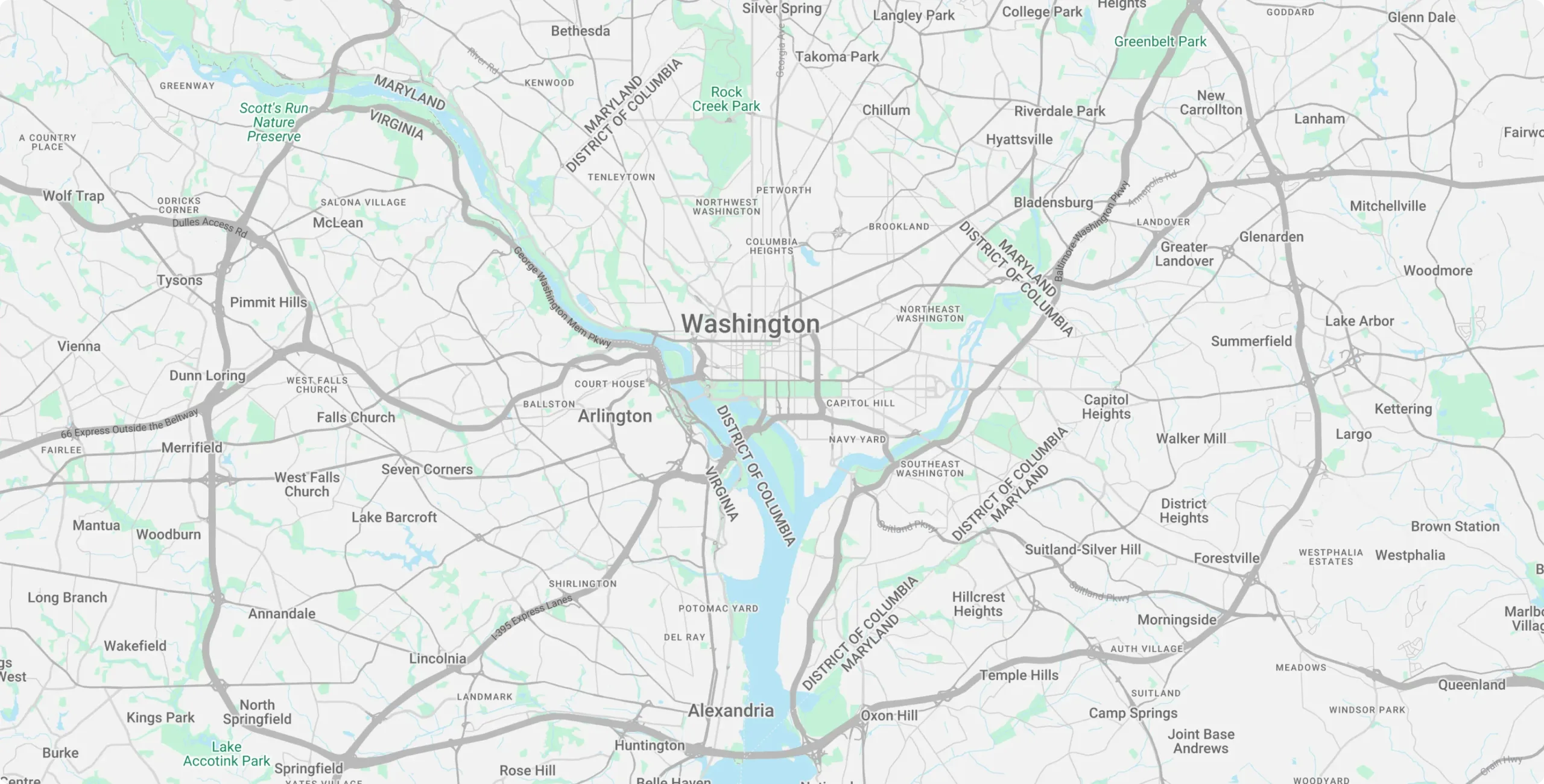
AREAS WE SERVE
At FloodTech USA, we specialize in comprehensive solutions for all your water-related concerns. From precision leak detection and water damage repair to mold remediation, sealing, resurfacing, and full-scale restoration services—our certified team delivers dependable results with unmatched professionalism.

PROTECTING PROPERTY, RESTORING PEACE OF MIND
At FloodTech USA, our team of certified home and commercial restoration specialists brings over 30 years of combined expertise in water damage mitigation, mold remediation, fire and smoke restoration, and structural recovery. Every technician on our crew is fully trained, licensed, and committed to delivering prompt, professional, and compassionate service during your most difficult times.
We know that emergencies don’t wait for business hours. That’s why our restoration services are available around the clock—24 hours a day, 7 days a week, 365 days a year. Whether it’s a burst pipe in the middle of the night or fire damage over a holiday weekend, we’re ready to respond immediately to protect your property and begin the recovery process without delay.