



Flooded Basement Cleanup and Water Damage Restoration in Chantilly, VA
A flooded basement is one of the most stressful and destructive problems a property owner can face. In Chantilly, VA, heavy rainfall, aging sump pump systems, foundation cracks, burst pipes, and groundwater pressure can quickly turn a basement into a water-filled disaster zone. Whether the flooding is minor or severe, immediate professional flooded basement cleanup and water damage restoration are essential to prevent structural damage, mold growth, and long-term property loss.
Basements are particularly vulnerable because they sit below grade, making them the lowest point in a home or building. Water naturally flows downward, which means any plumbing failure, stormwater intrusion, or drainage issue often ends up in the basement. Without rapid response and professional drying, water spreads into walls, flooring, insulation, and structural supports.
Our team provides 24/7 flooded basement cleanup in Chantilly, VA, focusing specifically on water removal, structural drying, and full basement water damage restoration. We understand the soil conditions, weather patterns, and construction styles common in Chantilly neighborhoods, allowing us to tailor restoration solutions that address both immediate damage and long-term moisture prevention.
WHY FLOODTECH USA?
WE’RE HERE FOR YOU
24 HOURS A DAY, 7 DAYS A WEEK.

Why Flooded Basements Are Common in Chantilly, VA
Chantilly’s climate and development patterns create conditions where basement flooding is not uncommon. Seasonal storms, sudden downpours, and occasional winter freezes all increase risk.
Heavy Rainfall and Storm Drainage Limitations
Northern Virginia experiences intense rainstorms, especially during spring and summer. When rainfall exceeds drainage capacity, water can accumulate around foundations and seep into basements through cracks or weak points.
Improper grading around a home can direct water toward the foundation rather than away from it. Over time, hydrostatic pressure builds against basement walls, forcing moisture inside.
Sump Pump Failures
Many homes in Chantilly rely on sump pumps to remove groundwater. When sump pumps fail due to power outages, mechanical malfunctions, or clogged discharge lines, basements can flood quickly.
A sump pump that has not been maintained may not activate when needed most, resulting in significant water damage within hours.
Burst and Frozen Pipes
Winter temperatures in Chantilly can drop low enough to freeze exposed pipes. When frozen pipes thaw, they may burst and release large volumes of water into basement areas.
Finished basements are particularly vulnerable because water can soak into drywall, insulation, and flooring before being detected.
Sewer Backups
Although less common, sewer line backups can cause basement flooding. This type of water is contaminated and requires specialized cleanup and sanitization procedures during water damage restoration.
Immediate Steps to Take When Your Basement Floods
A flooded basement is overwhelming, but the first steps you take can significantly impact the extent of damage.
Prioritize Safety
Before entering a flooded basement:
- Turn off electricity to affected areas if safe to do so
- Avoid contact with standing water, especially if contamination is suspected
- Wear protective gear if entering the space
If water levels are high or electrical hazards are present, wait for professionals.
Stop the Water Source
If the flooding is caused by a plumbing failure, shut off the main water supply immediately. If stormwater intrusion is ongoing, avoid attempting temporary repairs during active rainfall.
Call for Professional Flooded Basement Cleanup
Time is critical. Professional water damage restoration teams have the equipment and expertise to remove water quickly and begin structural drying before damage worsens.
The Flooded Basement Cleanup Process
Flooded basement cleanup in Chantilly requires a structured, professional approach. Simply removing visible water is not enough.
Inspection and Moisture Mapping
The restoration process begins with a thorough inspection. Technicians assess:
- Water depth and extent
- Type of water involved
- Materials affected
- Structural integrity
Moisture meters and thermal imaging tools are used to identify hidden saturation in walls, floors, and framing.
Water Extraction
High-powered pumps and extraction equipment remove standing water efficiently. Rapid extraction minimizes absorption into building materials.
Even shallow water can cause extensive damage if left untreated. Professional-grade equipment removes water far more effectively than household vacuums or fans.
Removal of Unsalvageable Materials
Depending on the extent of flooding, certain materials may require removal:
- Saturated carpet and padding
- Damaged drywall
- Wet insulation
- Warped baseboards
Removing compromised materials allows structural components to dry properly.
Structural Drying and Dehumidification
After water removal, industrial air movers and dehumidifiers are strategically placed to dry the basement thoroughly.
Basements often have limited airflow, which slows natural drying. Professional drying equipment accelerates evaporation and prevents mold growth.
Daily moisture readings ensure that drying goals are met before repairs begin.
Cleaning and Sanitization
Floodwater may carry bacteria, debris, and contaminants. Cleaning and disinfecting affected areas restores safe conditions.
If the flooding involved contaminated water, additional sanitization and odor control procedures are implemented.
Repairs and Reconstruction
Once drying is complete, the restoration phase begins. This may include:
- Replacing drywall
- Installing new flooring
- Repairing framing
- Repainting and finishing
The goal is to restore the basement to its pre-loss condition safely and efficiently.
Special Considerations for Finished Basements
Finished basements are common in Chantilly homes. These spaces often include bedrooms, offices, media rooms, and storage areas.
When finished basements flood, damage is typically more extensive due to:
- Insulated wall systems
- Carpeted flooring
- Electrical outlets and fixtures
- Built-in cabinetry
Water can become trapped inside wall cavities, making professional moisture mapping essential. Attempting to dry finished basements without removing affected materials often leads to hidden mold growth.
Structural Risks of Untreated Basement Flooding
Ignoring or delaying flooded basement cleanup can lead to serious structural issues.
Wood Rot and Framing Deterioration
Floor joists, sill plates, and support beams can weaken when exposed to prolonged moisture. Over time, this compromises the structural stability of the entire home.
Foundation Damage
Repeated water intrusion increases hydrostatic pressure against foundation walls. This can cause cracking, shifting, or bowing.
Mold Growth
Basements are naturally humid environments. When combined with floodwater, they create ideal conditions for mold growth within 24 to 48 hours.
Professional water damage restoration reduces mold risk by ensuring complete drying and antimicrobial treatment.
Preventing Future Basement Flooding
While not all flooding can be prevented, certain measures reduce risk.
Regular Sump Pump Maintenance
Inspect and test sump pumps annually. Consider installing battery backup systems to protect against power outages.
Proper Exterior Drainage
Ensure gutters and downspouts direct water away from the foundation. Maintain proper grading around the home.
Foundation Crack Repairs
Seal visible cracks promptly to prevent water seepage.
Professional Inspections
If your basement has flooded before, periodic inspections can identify lingering moisture or developing vulnerabilities.
Commercial Basement Flood Cleanup in Chantilly
Basement flooding is not limited to residential properties. Commercial buildings in Chantilly may have below-grade storage areas, mechanical rooms, or office space vulnerable to water intrusion.
Commercial flooded basement cleanup focuses on:
- Minimizing business interruption
- Protecting inventory and equipment
- Rapid structural drying
- Thorough documentation for insurance claims
Fast response helps businesses resume operations quickly.
Insurance Support for Flooded Basement Restoration
Navigating insurance claims after a flooded basement can be confusing. Documentation is critical.
Professional water damage restoration teams provide:
- Detailed moisture readings
- Photographs of affected areas
- Itemized repair estimates
- Direct communication with adjusters when necessary
This helps streamline the claims process and avoid unnecessary delays.
Why Professional Flooded Basement Cleanup Is Essential
DIY cleanup methods often fail to address hidden moisture. Surface drying does not guarantee structural dryness.
Professional flooded basement cleanup in Chantilly, VA ensures:
- Complete water extraction
- Accurate moisture detection
- Controlled drying
- Mold prevention
- Proper structural repairs
Acting quickly protects your property’s safety and value.
Serving Chantilly, VA and Surrounding Areas
We provide flooded basement cleanup and water damage restoration services throughout Chantilly, including residential neighborhoods and commercial districts.
Our team understands local construction types, soil conditions, and drainage patterns that influence basement flooding in the area.
How to Prevent Basement Flooding in Chantilly, VA Homes
Basement flooding is one of the most common and costly forms of water damage in Chantilly, VA. With seasonal storms, fluctuating groundwater levels, freezing winter temperatures, and aging infrastructure, homeowners face ongoing risks. While professional flooded basement cleanup and water damage restoration are critical after a flood occurs, prevention is always the best first line of defense.
A flooded basement does not just damage flooring and drywall. It can weaken structural supports, destroy personal belongings, create mold growth, and significantly increase restoration costs. By understanding why basements flood in Chantilly and implementing proactive measures, homeowners can dramatically reduce the likelihood of water intrusion and the need for extensive water damage restoration.
Why Basements Flood in Chantilly, VA
Before focusing on prevention, it is important to understand the primary causes of basement flooding in this region.
Heavy Rainfall and Stormwater Saturation
Chantilly experiences strong thunderstorms throughout the year, especially during spring and summer. When the ground becomes saturated, excess water increases hydrostatic pressure against foundation walls. This pressure forces moisture through cracks, porous concrete, and weak foundation points.
Even homes that have never flooded before can experience sudden water intrusion during intense rain events.
Sump Pump Failure
Many Chantilly homes rely on sump pump systems to remove groundwater from below the foundation. If a sump pump fails due to mechanical issues, power outages, or lack of maintenance, water can quickly accumulate in the basement.
Plumbing Failures
Burst pipes, leaking water heaters, or failed appliance supply lines are common sources of basement flooding. Finished basements are especially vulnerable because water spreads rapidly through insulated walls and flooring systems.
Understanding these risks allows homeowners to implement prevention strategies that reduce the need for emergency flooded basement cleanup.
Maintain and Upgrade Your Sump Pump System
A properly functioning sump pump is one of the most important defenses against basement flooding.
Test Your Sump Pump Regularly
Homeowners should test sump pumps at least once or twice a year, especially before storm season. Pouring water into the sump pit should activate the pump automatically.
If the pump fails to turn on or drains slowly, professional servicing is necessary.
Install a Battery Backup System
Power outages often occur during severe storms in Chantilly. Without electricity, a sump pump cannot function. Installing a battery backup system ensures the pump continues working even during blackouts, significantly reducing flood risk.
Consider a Secondary Pump
In high-risk homes, installing a secondary sump pump provides added protection. If the primary pump fails or becomes overwhelmed, the backup system activates automatically.
Proactive sump pump maintenance can prevent major flooded basement cleanup and water damage restoration costs.
Improve Exterior Drainage Around Your Home
Water management outside the home is just as important as interior systems.
Ensure Proper Grading
The soil around your home should slope away from the foundation. Improper grading allows rainwater to pool near basement walls, increasing hydrostatic pressure.
If water consistently collects near the foundation, regrading the soil may be necessary.
Extend Downspouts Away from the Foundation
Gutters and downspouts should direct water at least several feet away from the home. Short or disconnected downspouts allow water to accumulate near the basement walls.
Installing downspout extensions is an affordable and effective prevention measure.
Keep Gutters Clean
Clogged gutters overflow during heavy rain, causing water to cascade down exterior walls and seep into foundation cracks. Regular gutter cleaning reduces this risk.
Preventing exterior water buildup significantly lowers the likelihood of needing professional flooded basement cleanup.
Seal Foundation Cracks and Vulnerable Entry Points
Even small cracks in foundation walls can allow water intrusion.
Inspect Foundation Walls Annually
Walk around the exterior of your home and inspect foundation walls for visible cracks. Interior basement walls should also be examined for signs of moisture or staining.
Professional Crack Sealing
Small cracks can often be sealed with waterproof materials, but larger structural cracks may require professional evaluation. Addressing these issues early prevents long-term water damage restoration costs.
Install Window Well Covers
Basement windows located below grade are common entry points for water. Installing window well covers helps prevent rainwater and debris from accumulating and leaking inside.
Protect Plumbing Systems in the Basement
Plumbing failures are a leading cause of basement flooding in Chantilly homes.
Insulate Pipes in Cold Weather
Frozen pipes can burst and release significant water into the basement. Insulating exposed pipes reduces freezing risk during winter months.
Inspect Water Heaters and Appliances
Regularly check water heaters, washing machines, and other basement appliances for signs of leaks or corrosion. Replacing aging hoses and supply lines can prevent sudden water damage.
Routine maintenance reduces the likelihood of emergency flooded basement cleanup due to plumbing failures.
Install a Backwater Valve
Sewer backups can cause contaminated water to flood basements. Installing a backwater valve prevents sewage from flowing back into the home during heavy rain events.
This preventative measure is especially valuable in areas of Chantilly with older sewer infrastructure.
Use Basement Waterproofing Solutions
For homes with recurring moisture issues, additional waterproofing measures may be beneficial.
Interior Drainage Systems
Interior perimeter drains collect groundwater and direct it to the sump pump system. This reduces pressure against foundation walls.
Exterior Waterproofing Membranes
In some cases, applying waterproof membranes to exterior foundation walls provides long-term protection against moisture intrusion.
While these systems require investment, they can significantly reduce the need for future water damage restoration.
Monitor Humidity Levels
Even without visible flooding, high humidity levels in basements can contribute to moisture problems.
Use a Dehumidifier
Maintaining indoor humidity between 30 and 50 percent helps prevent condensation buildup and mold growth.
Watch for Warning Signs
Musty odors, peeling paint, or damp spots may indicate developing moisture problems. Early detection allows for prompt intervention before a full flooded basement cleanup becomes necessary.
What to Do If Flooding Still Occurs
Even with preventative measures, no home is completely immune to flooding. When water enters the basement, immediate action is essential.
Avoid DIY Drying Mistakes
Homeowners often attempt to use household fans or small dehumidifiers. While these may help dry surfaces, they do not remove moisture trapped inside walls and subfloors.
Incomplete drying can lead to hidden mold growth and structural damage.
Call for Professional Flooded Basement Cleanup
Professional water damage restoration teams use:
- High-capacity extraction equipment
- Moisture meters and thermal imaging
- Industrial dehumidifiers
- Structural drying systems
Rapid response prevents minor flooding from turning into a major reconstruction project.
The Cost of Ignoring Prevention
Preventative maintenance is far less expensive than full water damage restoration.
Structural Damage
Prolonged water exposure weakens wood framing, damages subfloors, and compromises foundation stability.
Mold Growth
Mold can begin forming within 24 to 48 hours after flooding. Remediation adds significant cost and complexity to restoration efforts.
Increased Insurance Complications
Insurance claims may become more complicated if damage is linked to neglected maintenance issues.
By investing in preventative measures, homeowners reduce the risk of large-scale flooded basement cleanup and long-term repair costs.
Protecting Your Chantilly Home Long-Term
Basement flooding in Chantilly, VA is a serious risk, but it is not inevitable. Through regular maintenance, proper drainage management, plumbing inspections, sump pump upgrades, and foundation sealing, homeowners can dramatically lower their chances of water intrusion.
While professional flooded basement cleanup and water damage restoration are essential when disaster strikes, proactive prevention provides the strongest protection. Taking steps today to safeguard your basement helps preserve structural integrity, protect personal belongings, and avoid costly repairs in the future.
A dry basement is not just about comfort. It is about protecting your home’s foundation, ensuring safe indoor air quality, and maintaining long-term property value. By understanding the causes of basement flooding and implementing effective prevention strategies, Chantilly homeowners can minimize risk and reduce the need for emergency restoration services.
What to Do Immediately After Your Basement Floods
A flooded basement is overwhelming. Whether caused by heavy rain, sump pump failure, burst pipes, or sewer backup, water in your basement can quickly damage flooring, walls, personal belongings, and structural components. Acting quickly and correctly in the first few hours can dramatically reduce the need for extensive water damage restoration and costly repairs.
Flooded basement cleanup requires more than just removing visible water. Moisture spreads rapidly into hidden spaces, and improper handling can create safety risks. Knowing what to do immediately after your basement floods helps protect your home, your health, and your long-term investment.
Step One: Prioritize Safety Before Entering
Your first concern should always be safety. Floodwater can create serious hazards that are not immediately visible.
Turn Off Electricity to the Affected Area
If it is safe to do so, shut off power to the basement from your main electrical panel. Water and electricity are extremely dangerous together. Never step into standing water if electrical outlets, wiring, or appliances are submerged.
If you cannot safely access the breaker panel, contact a professional before entering the flooded area.
Avoid Contact With Contaminated Water
Not all floodwater is clean. Water from sewer backups, groundwater intrusion, or appliance overflows may contain bacteria and contaminants. Avoid direct contact and wear protective boots and gloves if entry is necessary.
If you suspect sewage contamination, do not attempt DIY cleanup. Professional flooded basement cleanup is essential in these cases.
Step Two: Identify and Stop the Water Source
Stopping the source of water prevents additional damage and reduces restoration costs.
Shut Off the Main Water Supply
If the flooding is caused by a burst pipe or plumbing failure, turn off the main water valve immediately. This can prevent hundreds of gallons of additional water from entering the basement.
Address Sump Pump Failure
If your sump pump has failed during a storm, check for obvious issues such as power loss or clogged discharge lines. However, avoid making extensive repairs during active flooding conditions.
Even after the source is stopped, water damage restoration is necessary to address moisture that has already spread.
Step Three: Document the Damage
Before beginning cleanup, document the situation for insurance purposes.
Take Photos and Videos
Capture clear images of:
- Standing water levels
- Damaged flooring and walls
- Affected furniture and belongings
- Visible structural damage
Proper documentation supports your insurance claim and helps restoration professionals assess the situation accurately.
Step Four: Call for Professional Flooded Basement Cleanup
Time is critical after a basement floods. Professional water damage restoration teams have specialized equipment that removes water and dries structures far more effectively than household tools.
Why Professional Equipment Matters
Industrial-grade pumps and extraction systems remove water quickly. High-powered air movers and dehumidifiers dry structural materials thoroughly. Moisture meters and thermal imaging devices detect hidden dampness behind walls and under floors.
Attempting to handle flooded basement cleanup with shop vacs and box fans often leaves trapped moisture behind, leading to mold growth and structural damage.
Step Five: Remove Standing Water Quickly
If safe and manageable, removing small amounts of water before professionals arrive may help reduce damage. However, this should only be done if there are no electrical or contamination risks.
Avoid Draining Too Quickly in Severe Flooding
If your basement has experienced significant groundwater flooding, removing water too quickly can cause structural pressure imbalance against foundation walls. Professional guidance is recommended in these cases.
Water extraction is the first major phase of water damage restoration and should be completed as soon as possible.
Step Six: Remove and Protect Belongings
Salvaging personal belongings early can prevent additional loss.
Move Items to a Dry Area
Remove furniture, storage boxes, and personal items from the flooded area. Elevate salvageable belongings off wet floors.
Separate Wet and Dry Items
Keep wet items separate from dry ones to prevent cross-contamination. Porous materials such as cardboard, fabric, and carpeting may not be salvageable if heavily saturated.
Professional restoration companies often provide contents cleaning and pack-out services for valuable items.
Step Seven: Begin Ventilation and Airflow
Improving airflow can slow mold growth while waiting for professional restoration.
Open Windows if Weather Permits
If humidity levels outside are lower than indoors, opening windows may help reduce moisture. However, during humid or rainy conditions, this may worsen the problem.
Use Caution With Household Fans
While fans can circulate air, they are not a substitute for professional drying equipment. Improper airflow may spread contaminants in cases of sewage backup.
Professional flooded basement cleanup includes controlled drying strategies to ensure complete moisture removal.
Step Eight: Remove Wet Materials as Directed
In some situations, removing soaked materials quickly helps prevent mold and structural deterioration.
Carpet and Padding
Saturated carpet padding often requires removal. It retains moisture and promotes microbial growth.
Drywall and Insulation
If water has wicked into drywall more than a few inches, removal may be necessary to allow proper structural drying. This decision should be guided by water damage restoration professionals using moisture readings.
Why Immediate Action Matters
The first 24 to 48 hours after basement flooding are critical.
Mold Growth Begins Quickly
Mold can start developing within 24 hours under the right conditions. Basements are naturally humid environments, making them particularly susceptible.
Professional water damage restoration reduces mold risk by thoroughly drying and treating affected areas.
Structural Damage Increases Over Time
Wood framing absorbs moisture and begins to weaken. Subflooring can soften and warp. Foundation walls may experience increased pressure from trapped water.
Delaying flooded basement cleanup allows these problems to escalate.
Common Mistakes to Avoid After a Basement Flood
Even well-intentioned homeowners can make mistakes that worsen damage.
Do Not Ignore Hidden Moisture
Just because surfaces appear dry does not mean the structure is fully dry. Hidden dampness behind walls and under flooring often requires professional detection tools.
Do Not Use Heat Alone to Dry
Using heaters without dehumidification can drive moisture deeper into building materials. Professional drying requires balanced airflow and humidity control.
Do Not Delay Calling Professionals
Waiting several days before seeking water damage restoration increases repair costs and mold risk significantly.
The Professional Flooded Basement Cleanup Process
Understanding what professionals do can provide peace of mind during a stressful time.
Inspection and Moisture Mapping
Technicians assess the full extent of water intrusion using advanced detection tools.
Water Extraction
Standing water is removed using high-capacity pumps and extraction systems.
Structural Drying
Industrial air movers and dehumidifiers remove moisture from walls, floors, and framing.
Cleaning and Sanitization
Contaminated areas are disinfected to restore safe conditions.
Repairs and Reconstruction
Damaged materials are repaired or replaced once drying is complete.
Protecting Your Home Moving Forward
After cleanup and water damage restoration are complete, preventative measures such as sump pump maintenance, foundation sealing, and improved drainage can reduce future flood risk.
Acting quickly and following the correct steps after your basement floods can significantly limit damage. While the situation may feel overwhelming, prioritizing safety, documenting damage, stopping the water source, and calling for professional flooded basement cleanup ensures that restoration begins properly.
A fast, professional response protects your home’s structure, prevents mold growth, and reduces long-term repair costs. When it comes to basement flooding, immediate action makes all the difference.
What to Do Immediately After Your Basement Floods
A flooded basement is overwhelming. Whether caused by heavy rain, sump pump failure, burst pipes, or sewer backup, water in your basement can quickly damage flooring, walls, personal belongings, and structural components. Acting quickly and correctly in the first few hours can dramatically reduce the need for extensive water damage restoration and costly repairs.
Flooded basement cleanup requires more than just removing visible water. Moisture spreads rapidly into hidden spaces, and improper handling can create safety risks. Knowing what to do immediately after your basement floods helps protect your home, your health, and your long-term investment.
Step One: Prioritize Safety Before Entering
Your first concern should always be safety. Floodwater can create serious hazards that are not immediately visible.
Turn Off Electricity to the Affected Area
If it is safe to do so, shut off power to the basement from your main electrical panel. Water and electricity are extremely dangerous together. Never step into standing water if electrical outlets, wiring, or appliances are submerged.
If you cannot safely access the breaker panel, contact a professional before entering the flooded area.
Avoid Contact With Contaminated Water
Not all floodwater is clean. Water from sewer backups, groundwater intrusion, or appliance overflows may contain bacteria and contaminants. Avoid direct contact and wear protective boots and gloves if entry is necessary.
If you suspect sewage contamination, do not attempt DIY cleanup. Professional flooded basement cleanup is essential in these cases.
Step Two: Identify and Stop the Water Source
Stopping the source of water prevents additional damage and reduces restoration costs.
Shut Off the Main Water Supply
If the flooding is caused by a burst pipe or plumbing failure, turn off the main water valve immediately. This can prevent hundreds of gallons of additional water from entering the basement.
Address Sump Pump Failure
If your sump pump has failed during a storm, check for obvious issues such as power loss or clogged discharge lines. However, avoid making extensive repairs during active flooding conditions.
Even after the source is stopped, water damage restoration is necessary to address moisture that has already spread.
Step Three: Document the Damage
Before beginning cleanup, document the situation for insurance purposes.
Take Photos and Videos
Capture clear images of:
- Standing water levels
- Damaged flooring and walls
- Affected furniture and belongings
- Visible structural damage
Proper documentation supports your insurance claim and helps restoration professionals assess the situation accurately.
Step Four: Call for Professional Flooded Basement Cleanup
Time is critical after a basement floods. Professional water damage restoration teams have specialized equipment that removes water and dries structures far more effectively than household tools.
Why Professional Equipment Matters
Industrial-grade pumps and extraction systems remove water quickly. High-powered air movers and dehumidifiers dry structural materials thoroughly. Moisture meters and thermal imaging devices detect hidden dampness behind walls and under floors.
Attempting to handle flooded basement cleanup with shop vacs and box fans often leaves trapped moisture behind, leading to mold growth and structural damage.
Step Five: Remove Standing Water Quickly
If safe and manageable, removing small amounts of water before professionals arrive may help reduce damage. However, this should only be done if there are no electrical or contamination risks.
Avoid Draining Too Quickly in Severe Flooding
If your basement has experienced significant groundwater flooding, removing water too quickly can cause structural pressure imbalance against foundation walls. Professional guidance is recommended in these cases.
Water extraction is the first major phase of water damage restoration and should be completed as soon as possible.
Step Six: Remove and Protect Belongings
Salvaging personal belongings early can prevent additional loss.
Move Items to a Dry Area
Remove furniture, storage boxes, and personal items from the flooded area. Elevate salvageable belongings off wet floors.
Separate Wet and Dry Items
Keep wet items separate from dry ones to prevent cross-contamination. Porous materials such as cardboard, fabric, and carpeting may not be salvageable if heavily saturated.
Professional restoration companies often provide contents cleaning and pack-out services for valuable items.
Step Seven: Begin Ventilation and Airflow
Improving airflow can slow mold growth while waiting for professional restoration.
Open Windows if Weather Permits
If humidity levels outside are lower than indoors, opening windows may help reduce moisture. However, during humid or rainy conditions, this may worsen the problem.
Use Caution With Household Fans
While fans can circulate air, they are not a substitute for professional drying equipment. Improper airflow may spread contaminants in cases of sewage backup.
Professional flooded basement cleanup includes controlled drying strategies to ensure complete moisture removal.
Step Eight: Remove Wet Materials as Directed
In some situations, removing soaked materials quickly helps prevent mold and structural deterioration.
Carpet and Padding
Saturated carpet padding often requires removal. It retains moisture and promotes microbial growth.
Drywall and Insulation
If water has wicked into drywall more than a few inches, removal may be necessary to allow proper structural drying. This decision should be guided by water damage restoration professionals using moisture readings.
Why Immediate Action Matters
The first 24 to 48 hours after basement flooding are critical.
Mold Growth Begins Quickly
Mold can start developing within 24 hours under the right conditions. Basements are naturally humid environments, making them particularly susceptible.
Professional water damage restoration reduces mold risk by thoroughly drying and treating affected areas.
Structural Damage Increases Over Time
Wood framing absorbs moisture and begins to weaken. Subflooring can soften and warp. Foundation walls may experience increased pressure from trapped water.
Delaying flooded basement cleanup allows these problems to escalate.
Common Mistakes to Avoid After a Basement Flood
Even well-intentioned homeowners can make mistakes that worsen damage.
Do Not Ignore Hidden Moisture
Just because surfaces appear dry does not mean the structure is fully dry. Hidden dampness behind walls and under flooring often requires professional detection tools.
Do Not Use Heat Alone to Dry
Using heaters without dehumidification can drive moisture deeper into building materials. Professional drying requires balanced airflow and humidity control.
Do Not Delay Calling Professionals
Waiting several days before seeking water damage restoration increases repair costs and mold risk significantly.
The Professional Flooded Basement Cleanup Process
Understanding what professionals do can provide peace of mind during a stressful time.
Inspection and Moisture Mapping
Technicians assess the full extent of water intrusion using advanced detection tools.
Water Extraction
Standing water is removed using high-capacity pumps and extraction systems.
Structural Drying
Industrial air movers and dehumidifiers remove moisture from walls, floors, and framing.
Cleaning and Sanitization
Contaminated areas are disinfected to restore safe conditions.
Repairs and Reconstruction
Damaged materials are repaired or replaced once drying is complete.
Protecting Your Home Moving Forward
After cleanup and water damage restoration are complete, preventative measures such as sump pump maintenance, foundation sealing, and improved drainage can reduce future flood risk.
Acting quickly and following the correct steps after your basement floods can significantly limit damage. While the situation may feel overwhelming, prioritizing safety, documenting damage, stopping the water source, and calling for professional flooded basement cleanup ensures that restoration begins properly.
A fast, professional response protects your home’s structure, prevents mold growth, and reduces long-term repair costs. When it comes to basement flooding, immediate action makes all the difference.
Frequently Asked Questions About Flooded Basement Cleanup in Chantilly, VA
How quickly should a flooded basement be addressed?
Immediately. The first 24 hours are critical to prevent mold growth and structural damage. Prompt professional water removal significantly reduces repair costs.
Can I remove the water myself?
Small amounts of water may be manageable, but professional equipment is far more effective at removing water and preventing hidden moisture damage. DIY methods often leave damp materials behind.
How long does flooded basement cleanup take?
Water extraction typically occurs within hours. Structural drying may take several days depending on the extent of flooding. Repairs follow once drying is complete.
Will insurance cover flooded basement restoration?
Coverage depends on the source of the flooding and your policy terms. Professional documentation supports your claim and helps clarify coverage eligibility.
Is mold always a concern after basement flooding?
Yes. Basements are prone to humidity, and mold can begin growing within 24 to 48 hours if moisture is not properly removed. Professional drying and antimicrobial treatments greatly reduce this risk.
Call Now for Flooded Basement Cleanup in Chantilly, VA
A flooded basement can feel overwhelming, but fast, professional response makes all the difference. Our team provides expert flooded basement cleanup and complete water damage restoration in Chantilly, VA.
From emergency water removal to structural drying and full repairs, we handle every step of the process with precision and care. If your basement has flooded, do not wait. Immediate action protects your home, your health, and your long-term investment.
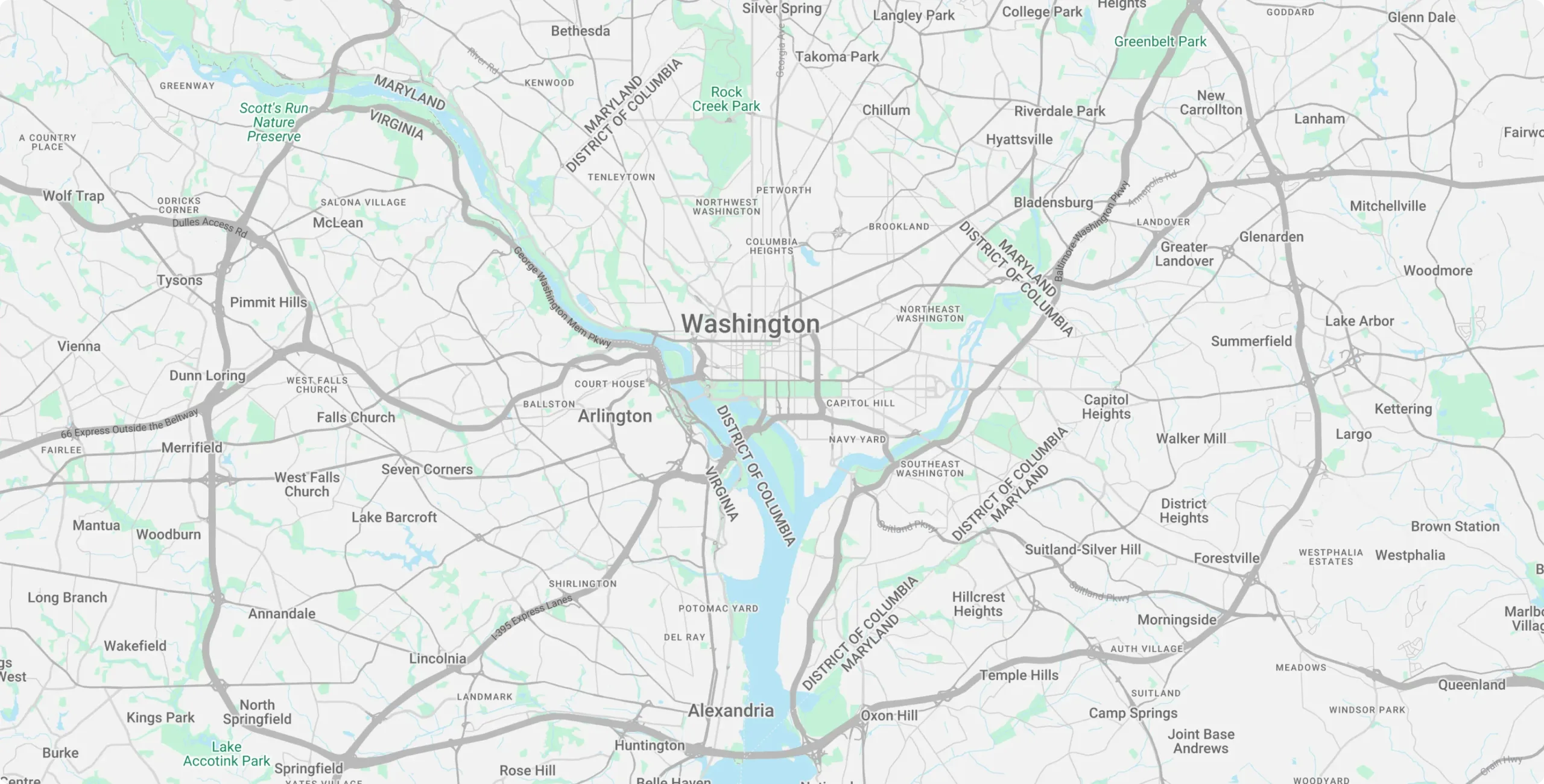
AREAS WE SERVE
At FloodTech USA, we specialize in comprehensive solutions for all your water-related concerns. From precision leak detection and water damage repair to mold remediation, sealing, resurfacing, and full-scale restoration services—our certified team delivers dependable results with unmatched professionalism.

PROTECTING PROPERTY, RESTORING PEACE OF MIND
At FloodTech USA, our team of certified home and commercial restoration specialists brings over 30 years of combined expertise in water damage mitigation, mold remediation, fire and smoke restoration, and structural recovery. Every technician on our crew is fully trained, licensed, and committed to delivering prompt, professional, and compassionate service during your most difficult times.
We know that emergencies don’t wait for business hours. That’s why our restoration services are available around the clock—24 hours a day, 7 days a week, 365 days a year. Whether it’s a burst pipe in the middle of the night or fire damage over a holiday weekend, we’re ready to respond immediately to protect your property and begin the recovery process without delay.