



Flooded Basement Cleanup in McLean, VA
A flooded basement is one of the most stressful and damaging situations a property owner in McLean, VA can face. Whether caused by heavy rain, sump pump failure, burst pipes, groundwater intrusion, or foundation cracks, basement flooding can quickly escalate from standing water to serious structural damage. When water collects below grade, it does not simply disappear. It seeps into concrete, saturates framing, damages flooring, ruins stored belongings, and creates ideal conditions for mold growth.
Professional flooded basement cleanup and water damage restoration in McLean, VA is critical to protecting both the structure and long-term value of your home. Basements are uniquely vulnerable because they sit below ground level, making them susceptible to hydrostatic pressure, drainage failures, and hidden moisture accumulation. Without immediate action and professional drying, what begins as a few inches of water can turn into thousands of dollars in structural repairs.
Our team provides 24/7 emergency flooded basement restoration in McLean, focusing specifically on water extraction, structural drying, moisture mapping, sanitation, and full basement repair. From initial response through final restoration, every step is designed to eliminate water damage at its source and prevent long-term issues.
WHY FLOODTECH USA?
WE’RE HERE FOR YOU
24 HOURS A DAY, 7 DAYS A WEEK.

Why Basements in McLean, VA Are Vulnerable to Flooding
McLean’s landscape, climate patterns, and property styles all contribute to basement water damage risks. Many homes in the area feature finished basements, walk-out lower levels, and extensive square footage below grade. While these spaces add value and living area, they also increase exposure to water intrusion.
Heavy Rainfall and Stormwater Saturation
During intense storms, soil surrounding a foundation becomes saturated. When the ground can no longer absorb water, hydrostatic pressure builds against basement walls. This pressure forces moisture through foundation cracks, cold joints, and porous concrete.
Even homes that have never flooded before can experience basement water damage during unusually heavy rainfall.
Sump Pump Failures
Many McLean homes rely on sump pump systems to remove groundwater. When a sump pump fails due to mechanical malfunction, clogging, or power outage, water can accumulate rapidly. Within minutes, a basement can begin filling with groundwater.
Without emergency flooded basement cleanup, water continues rising and spreading into finished areas.
Foundation Cracks and Structural Gaps
Over time, foundation materials shift due to soil movement and seasonal freeze-thaw cycles. Small cracks allow water to enter gradually. These slow leaks often go unnoticed until significant moisture damage has occurred.
Professional water damage restoration addresses not only visible flooding but also hidden moisture trapped behind finished basement walls.
Burst Pipes in Lower Levels
Basements often house water heaters, supply lines, laundry appliances, and plumbing systems. A burst pipe in a basement can release hundreds of gallons of water in a short period of time. Because basements are below grade, water collects and pools instead of draining away.
The Immediate Dangers of a Flooded Basement
Standing water in a basement presents multiple risks beyond cosmetic damage.
Structural Damage
Water saturates wooden framing, subfloor systems, drywall, and insulation. Over time, this weakens load-bearing components and compromises structural integrity.
Electrical Hazards
Basements often contain electrical panels, outlets, and wiring systems. Water exposure increases the risk of short circuits and fire hazards. Flooded basement cleanup must be performed with safety precautions and power isolation when necessary.
Mold Growth
Basements are naturally more humid than upper levels. When flooding occurs, mold can begin developing within 24 to 48 hours if moisture is not fully removed.
Damage to Finished Living Spaces
Many McLean homes have fully finished basements that include bedrooms, offices, gyms, and entertainment areas. Water intrusion damages flooring, drywall, cabinetry, and personal belongings quickly.
Prompt water damage restoration is essential to minimizing permanent loss.
24/7 Emergency Flooded Basement Cleanup in McLean, VA
When a basement floods, time is critical. Our emergency response team arrives quickly to begin immediate water extraction and stabilization.
Step 1: Safety Assessment
Before cleanup begins, the area is assessed for electrical hazards, structural concerns, and contamination risks. If necessary, utilities are shut off to ensure safe working conditions.
Step 2: Water Extraction
Commercial-grade pumps and extraction equipment are used to remove standing water efficiently. This step prevents further absorption into walls and flooring.
Step 3: Moisture Mapping
Using moisture meters and thermal imaging, technicians determine how far water has traveled into structural materials. This ensures that no hidden moisture is left behind.
Step 4: Structural Drying
Industrial air movers and dehumidifiers are strategically placed to dry framing, concrete, subfloors, and wall cavities. Daily monitoring ensures moisture levels return to safe standards.
Step 5: Cleaning and Sanitization
Depending on the water source, antimicrobial treatments and disinfectants are applied to eliminate bacteria and prevent mold growth.
Step 6: Repairs and Restoration
Once drying is complete, damaged drywall, flooring, insulation, and finishes are repaired or replaced to restore the basement to pre-loss condition.
Types of Flooded Basement Water Damage
Not all basement flooding is the same. Water source classification determines restoration approach.
Clean Water Flooding
Often caused by broken supply lines or appliance failures. While initially less hazardous, clean water quickly becomes contaminated if not addressed promptly.
Gray Water Flooding
Includes water from washing machines, sump pump discharge failures, or certain plumbing backups. Requires sanitization and removal of affected porous materials.
Black Water Flooding
Includes sewage backups or floodwater from outside sources. This type of flooding requires specialized containment, removal of contaminated materials, and thorough disinfection.
Proper categorization is essential for safe flooded basement cleanup.
Finished Basement Water Damage Restoration
Finished basements present additional challenges. Hidden moisture often becomes trapped behind drywall and beneath flooring systems.
Drywall and Insulation Removal
Water-damaged drywall and insulation often require removal to allow framing to dry properly.
Flooring Evaluation
Carpet, padding, laminate, and engineered wood frequently require replacement after flooding. Subfloor moisture levels are carefully measured before reinstalling materials.
Preventing Secondary Damage
Moisture left behind can lead to odors, mold growth, and structural deterioration. Professional water damage restoration ensures complete drying before reconstruction begins.
Long-Term Effects of Untreated Basement Flooding
Ignoring a flooded basement or attempting DIY cleanup can result in serious long-term issues.
Structural Weakening
Prolonged moisture exposure weakens framing and support beams.
Mold Infestation
Basement environments are ideal for mold colonization if moisture is not fully eliminated.
Decreased Property Value
Evidence of past flooding can negatively impact home resale value.
Professional flooded basement restoration protects long-term structural and financial investment.
Preventing Future Basement Flooding in McLean
While not all flooding can be prevented, proactive steps reduce risk.
Regular Sump Pump Maintenance
Testing sump pumps and installing battery backups helps protect against failure during storms.
Foundation Inspections
Identifying and sealing foundation cracks reduces groundwater intrusion.
Proper Drainage Systems
Ensuring gutters and downspouts direct water away from foundations minimizes hydrostatic pressure buildup.
Why Professional Flooded Basement Restoration Matters
Flooded basement cleanup is not simply about removing water. It requires:
- Advanced moisture detection
- Controlled structural drying
- Professional sanitization
- Detailed documentation
- Complete repair and reconstruction
Without professional equipment and expertise, hidden moisture often remains trapped in concrete and framing.
Protecting Structural Integrity
Basements support the entire structure above. Proper drying ensures foundation and framing components maintain strength.
Preventing Recurring Issues
Incomplete drying often leads to repeat flooding damage symptoms, including odors and mold.
Supporting Insurance Claims
Professional documentation helps streamline the insurance claims process.
Flooded Basement Cleanup for Finished and Unfinished Basements
Both finished and unfinished basements require careful water damage restoration.
Unfinished Basements
Even if walls are not finished, water can damage framing, insulation, and foundation materials.
Finished Living Areas
Basements used as living space require thorough restoration to ensure safety and comfort.
Our Flooded Basement Restoration Process in McLean, VA
Our approach is structured and thorough:
- Immediate response and safety evaluation
- High-powered water extraction
- Moisture mapping and structural assessment
- Controlled drying with daily monitoring
- Sanitization and odor removal
- Repairs and reconstruction
- Final inspection and documentation
Every step focuses on eliminating moisture completely and restoring structural integrity.
Serving McLean, VA Homeowners with 24/7 Emergency Response
Flooding rarely happens at convenient times. Our emergency team is available around the clock to respond quickly and begin flooded basement cleanup before damage spreads further.
From small water intrusions to major basement flooding events, professional water damage restoration ensures the property is returned to safe, dry condition.
What to Do Immediately After Your Basement Floods in McLean, VA
A flooded basement in McLean, VA can happen suddenly and without warning. Heavy rainfall, sump pump failure, burst pipes, foundation cracks, or sewer backups can quickly turn a dry lower level into a water-filled space. When this happens, knowing what to do in the first few hours is critical. The actions you take immediately after basement flooding can significantly impact the extent of damage, the cost of repairs, and the success of the water damage restoration process.
Basements are particularly vulnerable because they sit below ground level. Water naturally flows downward, collecting in the lowest part of the home. Without prompt and proper flooded basement cleanup, moisture can spread into structural components, damage finishes, and create conditions for mold growth. Acting quickly and safely is the key to minimizing long-term damage.
Prioritize Safety First
Before entering a flooded basement, safety must be your top concern. Standing water can hide serious hazards.
Turn Off Electricity If Safe to Do So
Water and electricity are a dangerous combination. If water levels are high or you suspect electrical systems have been exposed, do not enter the basement. Shut off power to the affected area from the main breaker panel if it is safe. If the panel itself is in the flooded area, contact a professional immediately.
Electrical hazards are one of the most serious risks during flooded basement cleanup. Never assume it is safe to step into standing water until power is properly addressed.
Avoid Contact With Contaminated Water
Not all basement flooding involves clean water. Water from sewer backups, groundwater intrusion, or storm runoff may contain bacteria, debris, and harmful contaminants. Avoid direct contact and keep children and pets away from the area.
Professional water damage restoration teams use protective equipment and sanitation procedures to safely handle contaminated floodwater.
Stop the Source of the Water
Once safety is addressed, the next step is to stop the source of flooding if possible.
Shut Off the Water Supply
If a burst pipe or appliance failure caused the flooding, locate and shut off the main water valve to prevent further water flow.
Address Sump Pump Failures
If the flooding resulted from a sump pump malfunction, avoid attempting major repairs yourself. Temporary measures may be possible, but professional assistance is often required to restore functionality safely.
Stopping the water source prevents additional accumulation and reduces the scope of water damage restoration needed.
Document the Damage for Insurance
Before beginning cleanup, take clear photos and videos of the flooded basement and all affected belongings. Documentation is important for insurance claims and provides a record of the extent of damage.
Capture Structural and Personal Property Damage
Photograph:
- Standing water levels
- Damaged flooring
- Wet drywall
- Affected furniture
- Appliances
- Stored belongings
This documentation will help support your claim and assist restoration professionals in assessing the situation.
Contact a Professional Flooded Basement Cleanup Company
Time is critical after basement flooding. Professional water damage restoration should begin as soon as possible.
Why Immediate Professional Response Matters
Within the first 24 hours:
- Moisture spreads into walls and subfloors
- Drywall begins absorbing water
- Wood framing swells
- Mold growth can begin
Professional flooded basement cleanup teams use commercial-grade pumps, extraction units, and drying equipment to remove water quickly and thoroughly.
Emergency Water Extraction
Standing water must be removed immediately to prevent further absorption into structural materials. High-powered extraction equipment removes large volumes of water far more effectively than household tools.
Prompt extraction reduces drying time and limits secondary damage.
Remove Wet Items From the Basement
If it is safe, remove wet furniture, boxes, rugs, and belongings from the flooded area.
Separate Salvageable and Unsalvageable Items
Some items may be restored through professional cleaning and drying, while others may be too damaged to save. Avoid placing wet items back into enclosed spaces, as this can trap moisture and promote mold growth.
Water damage restoration professionals can assess contents and recommend appropriate cleaning or disposal.
Begin Drying and Ventilation
After water extraction begins, the drying process is essential.
Avoid Relying on Household Fans Alone
Standard household fans and small dehumidifiers are not designed for structural drying. They may dry surface moisture but often fail to remove hidden dampness inside walls and subfloors.
Professional flooded basement restoration uses industrial air movers and dehumidifiers placed strategically to control humidity and accelerate evaporation.
Moisture Mapping Is Critical
Even if surfaces appear dry, hidden moisture may remain inside framing, insulation, and concrete. Restoration professionals use moisture meters and thermal imaging to detect damp areas that require continued drying.
Incomplete drying is one of the most common causes of recurring basement water damage issues.
Remove Damaged Materials When Necessary
Some materials cannot be salvaged after basement flooding.
Water-Damaged Drywall and Insulation
Drywall and insulation often require removal if saturated. These materials trap moisture and can become breeding grounds for mold.
Professional water damage restoration teams remove damaged sections carefully to allow structural framing to dry properly.
Flooring Assessment
Carpet, padding, laminate, and certain engineered wood products may need replacement if exposed to significant water. Subfloors must be evaluated and dried before new materials are installed.
Sanitize and Disinfect the Area
Flooded basements, especially those affected by groundwater or sewer backups, require thorough cleaning and sanitization.
Eliminate Bacteria and Contaminants
Restoration professionals apply antimicrobial treatments to prevent bacterial growth and reduce the risk of mold development.
Odor control treatments may also be necessary to eliminate musty smells caused by trapped moisture.
Monitor for Signs of Mold
Even after initial cleanup, it is important to watch for mold growth in the days following basement flooding.
Warning Signs Include
- Musty odors
- Visible mold spots
- Increased humidity
- Discoloration on walls
Professional water damage restoration includes monitoring moisture levels to ensure conditions are no longer conducive to mold growth.
Avoid Common Mistakes After Basement Flooding
Certain actions can make the situation worse.
Do Not Ignore Small Amounts of Water
Even minor flooding can cause significant hidden damage if left untreated.
Do Not Seal Wet Surfaces
Painting or sealing damp walls traps moisture inside, leading to structural deterioration and mold growth.
Do Not Delay Professional Help
Waiting even a day can increase restoration costs and expand the affected area.
Understand the Long-Term Impact of Delayed Cleanup
Basement flooding that is not addressed immediately can lead to:
- Structural weakening
- Foundation damage
- Persistent mold problems
- Decreased property value
- Higher insurance claim disputes
Professional flooded basement cleanup protects the integrity of your home and reduces long-term financial impact.
Preparing for Basement Restoration and Repairs
Once drying is complete, reconstruction begins.
Restore Structural Integrity
Damaged drywall, flooring, and finishes are repaired or replaced. Ensuring the structure is fully dry before reconstruction prevents future problems.
Evaluate Preventative Measures
After cleanup, consider improvements such as sump pump backups, improved drainage systems, and foundation sealing to reduce future risk.
Acting Quickly Protects Your McLean Home
A flooded basement in McLean, VA is not just a temporary inconvenience. It is a serious water damage event that can impact your home’s foundation, structure, and indoor air quality. The steps you take immediately after flooding determine how extensive the damage becomes.
Prioritizing safety, stopping the water source, documenting damage, and contacting professional water damage restoration experts are the most important actions you can take. With rapid response and proper flooded basement cleanup, it is possible to restore your basement efficiently and protect your home from long-term structural and health risks.
When basement flooding occurs, immediate action makes all the difference.
Mold Risks After Basement Flooding in McLean, VA
Basement flooding in McLean, VA is more than just a water removal problem. While standing water is the most visible concern, one of the most serious long-term threats following a flooded basement is mold growth. Mold can begin developing quickly after water intrusion, especially in below-grade spaces where humidity levels are naturally higher. Without immediate and thorough flooded basement cleanup and professional water damage restoration, mold can spread behind walls, under flooring, and into structural materials.
McLean homes often feature finished basements used as living areas, home offices, gyms, and entertainment rooms. When these spaces flood, moisture can become trapped in drywall, insulation, wood framing, and flooring systems. If drying is incomplete or delayed, mold risks increase dramatically. Understanding how mold develops after basement flooding—and how professional restoration prevents it—is critical to protecting both property and health.
Why Basements Are Highly Vulnerable to Mold
Basements provide ideal conditions for mold growth even under normal circumstances. After flooding, those conditions become significantly worse.
Below-Grade Humidity Levels
Because basements sit below ground level, they are surrounded by soil that retains moisture. Even in dry weather, humidity levels in basements are typically higher than in upper floors. When flooding occurs, that humidity increases sharply, creating an environment where mold spores can thrive.
Limited Air Circulation
Basements often have fewer windows and less airflow than other areas of the home. After a flooded basement event, trapped moisture lingers in enclosed spaces, especially behind finished walls or under flooring. Without professional drying equipment, this moisture remains long enough for mold colonies to form.
How Quickly Mold Can Develop After Basement Flooding
Time is one of the most critical factors in preventing mold growth.
Mold Growth Timeline
Under the right conditions, mold can begin developing within 24 to 48 hours of water exposure. The timeline accelerates if:
- The basement remains damp
- Standing water is not fully extracted
- Porous materials remain saturated
- Humidity levels stay elevated
Flooded basement cleanup must begin immediately to interrupt this growth cycle. Professional water damage restoration focuses on rapid extraction and controlled structural drying to reduce mold risk.
Hidden Moisture and Delayed Mold Growth
Even if visible water is removed quickly, hidden moisture can remain inside wall cavities, subfloors, and insulation. Mold often begins growing in these concealed areas where homeowners cannot see it.
This is why professional moisture mapping and monitoring are essential parts of basement water damage restoration in McLean.
Common Mold Growth Areas After Basement Flooding
After a flooded basement event, mold tends to develop in predictable locations.
Behind Drywall
Drywall absorbs water rapidly. If not removed or dried properly, moisture becomes trapped behind the surface. Mold can grow on both the paper backing and wooden framing inside the wall cavity.
In finished basements, this is one of the most common and costly areas of mold contamination.
Beneath Flooring Systems
Water often seeps beneath hardwood, laminate, carpet, and vinyl flooring during basement flooding. Subfloor materials remain damp long after the surface appears dry.
If subfloor moisture is not addressed during water damage restoration, mold can grow undetected under finished flooring.
Insulation and Framing
Wet insulation traps moisture against wood framing. Fiberglass, cellulose, and foam insulation all lose effectiveness when saturated and create ideal mold environments.
Professional flooded basement cleanup frequently involves removing water-damaged insulation to allow framing to dry properly.
Stored Belongings
Basements often store boxes, furniture, clothing, and seasonal items. Porous materials like cardboard and fabric absorb moisture quickly and support mold growth within days.
Prompt removal and professional content cleaning reduce contamination risks.
Health Risks Associated With Mold After Basement Flooding
Mold growth following basement flooding is not just a structural issue—it is also a health concern.
Respiratory Irritation
Mold spores can become airborne and circulate throughout the home. Exposure may cause:
- Coughing
- Sneezing
- Nasal congestion
- Throat irritation
Individuals with asthma or allergies may experience more severe symptoms.
Compromised Indoor Air Quality
A musty odor after basement flooding often signals microbial growth. Even if mold is not visible, airborne spores may be present.
Professional water damage restoration includes drying and sanitization procedures that protect indoor air quality.
Structural Risks of Mold Growth
Beyond health concerns, mold can weaken building materials over time.
Wood Deterioration
Certain types of fungi break down wood fibers, reducing strength and stability. If mold growth persists in framing members, structural repairs may be necessary.
Drywall and Finish Damage
Mold stains drywall, damages finishes, and causes materials to deteriorate. Cosmetic repairs alone do not solve the problem if moisture remains behind surfaces.
Comprehensive flooded basement cleanup addresses both visible damage and hidden contamination.
The Role of Professional Water Damage Restoration in Mold Prevention
Preventing mold after basement flooding requires more than surface cleaning. Professional restoration follows a structured process.
Immediate Water Extraction
High-powered extraction equipment removes standing water quickly, limiting the amount of moisture absorbed into materials.
The faster water is removed, the lower the mold risk.
Structural Drying and Dehumidification
Industrial air movers and dehumidifiers reduce moisture content in structural materials. Daily monitoring ensures drying goals are achieved.
Moisture meters and thermal imaging detect hidden damp areas that require additional attention.
Removal of Unsalvageable Materials
In many cases, water-damaged drywall, insulation, and flooring must be removed to eliminate trapped moisture. Attempting to save saturated materials often leads to mold growth later.
Professional flooded basement cleanup focuses on complete mitigation rather than temporary solutions.
Antimicrobial Treatments
As part of water damage restoration, antimicrobial agents may be applied to prevent microbial growth in affected areas.
These treatments supplement drying efforts but do not replace the need for thorough moisture removal.
Signs Mold May Be Developing After Basement Flooding
Even after initial cleanup, it is important to watch for warning signs.
Persistent Musty Odor
A lingering musty smell often indicates hidden mold growth.
Visible Discoloration
Dark spots on walls, baseboards, or ceilings may signal microbial activity.
Increased Humidity
If basement humidity remains elevated after drying, moisture may still be present.
If any of these signs appear, professional inspection is recommended.
Why DIY Cleanup Often Leads to Mold Problems
Homeowners may attempt to clean flooded basements with shop vacuums and household fans. While these tools may remove surface water, they are not sufficient for structural drying.
Incomplete Drying
Surface dryness does not mean internal materials are dry. Hidden moisture remains trapped inside framing and subfloors without professional equipment.
Lack of Moisture Detection
Without moisture meters or thermal imaging, it is impossible to confirm whether drying is complete.
Professional water damage restoration ensures that all affected materials reach safe moisture levels before reconstruction.
Long-Term Consequences of Ignoring Mold Risks
If mold growth after basement flooding is not addressed, consequences can include:
- Extensive remediation costs
- Structural repairs
- Reduced home value
- Insurance claim complications
- Ongoing health concerns
Addressing mold risks early during flooded basement cleanup protects both financial and structural investment.
Protecting Your McLean Home After Basement Flooding
Basement flooding in McLean, VA creates a narrow window of opportunity to prevent mold growth. The first 24 to 48 hours are critical. Immediate professional water extraction, structural drying, and moisture monitoring dramatically reduce the likelihood of mold contamination.
Professional flooded basement cleanup focuses not only on removing visible water but also on eliminating hidden moisture that fuels mold growth. Through advanced drying techniques, material removal when necessary, and thorough sanitization, water damage restoration protects both your home’s structural integrity and indoor air quality.
Mold risks after basement flooding should never be underestimated. Prompt action and professional restoration are the most effective ways to ensure your basement is restored safely, completely, and without long-term complications.
The Cost of Flooded Basement Water Damage Restoration in McLean, VA
A flooded basement in McLean, VA can be overwhelming, not only because of the damage itself but also because of the uncertainty surrounding restoration costs. Basement flooding often affects structural components, flooring systems, drywall, insulation, and personal belongings all at once. Because basements sit below grade and tend to collect water quickly, the scope of damage can escalate within hours. Understanding what influences the cost of flooded basement water damage restoration helps homeowners make informed decisions and act quickly to minimize long-term expenses.
The total cost of flooded basement cleanup and restoration varies depending on several factors, including the source of the water, the depth of flooding, how long water was present, the size of the basement, and whether the space is finished or unfinished. Prompt professional intervention often reduces the overall cost by preventing secondary damage such as mold growth or structural weakening.
Key Factors That Affect Flooded Basement Restoration Costs
No two flooded basements are identical. The overall cost of water damage restoration in McLean depends on the specific conditions present during the loss.
Extent of Water Intrusion
The amount of standing water plays a major role in determining restoration cost. A minor leak affecting one section of the basement requires far less labor and equipment than several inches of groundwater covering the entire floor.
Greater water depth increases:
- Extraction time
- Drying duration
- Risk of structural saturation
- Potential material removal
The faster water extraction begins, the lower the overall damage tends to be.
Duration of Exposure
Time significantly impacts cost. Water left sitting for even 24 to 48 hours can begin soaking into drywall, insulation, framing, and subfloors. The longer materials remain wet, the more likely they are to require removal and replacement.
Prompt flooded basement cleanup reduces labor, drying time, and reconstruction needs.
Type of Water Involved
Water category directly influences restoration scope.
Clean Water
Water from burst pipes or supply lines is generally less hazardous initially. However, even clean water becomes contaminated over time if not removed quickly.
Gray Water
Water from appliances or sump pump failures may contain contaminants that require additional cleaning and sanitization procedures.
Black Water
Sewage backups or storm-related groundwater intrusion require extensive protective measures, removal of contaminated materials, and thorough disinfection. Black water restoration is typically more labor-intensive and costly due to safety requirements and disposal regulations.
Finished vs. Unfinished Basement Restoration Costs
Basement layout plays a significant role in determining the total cost of restoration.
Unfinished Basements
Unfinished basements often contain exposed concrete floors and framing. While structural drying is still necessary, there are fewer finish materials to replace.
Costs in unfinished spaces typically involve:
- Water extraction
- Dehumidification
- Framing drying
- Insulation replacement (if present)
Because fewer finished materials are affected, overall restoration may be less expensive.
Finished Basements
Finished basements in McLean frequently include drywall, carpeting, hardwood flooring, cabinetry, and built-in features. When flooding occurs in these spaces, material removal and reconstruction significantly increase total cost.
Drywall and Insulation Removal
Water-damaged drywall and insulation often require removal to allow framing to dry properly. Cutting and replacing wall sections adds to both labor and material costs.
Flooring Replacement
Carpet and padding are usually unsalvageable after significant flooding. Hardwood or engineered flooring may warp if moisture penetrates underneath. Subfloors must be dried thoroughly before replacement materials are installed.
Finished basements typically involve higher restoration costs due to these additional repair components.
Breakdown of Flooded Basement Restoration Services
Understanding the individual components of flooded basement water damage restoration helps clarify where costs originate.
Emergency Water Extraction
High-powered pumps and extraction units remove standing water. The larger the affected area, the more time and equipment required.
Rapid extraction is critical to controlling further damage.
Moisture Mapping and Inspection
Professional restoration teams use moisture meters and thermal imaging to determine how far water has spread. Accurate assessment ensures all affected areas are addressed and prevents future hidden moisture issues.
This step supports proper drying and helps avoid repeat restoration costs.
Structural Drying and Dehumidification
Industrial air movers and dehumidifiers operate continuously for several days to reduce moisture content in structural materials. The number of units required and the duration of drying directly affect cost.
In McLean’s humid climate, drying conditions must be carefully monitored to ensure complete moisture removal.
Sanitization and Odor Control
Floodwater often introduces bacteria and contaminants. Professional-grade disinfectants and antimicrobial treatments are applied to prevent mold growth.
If odors persist, additional deodorization treatments may be necessary.
Material Removal and Disposal
When materials are too damaged to salvage, they must be removed and disposed of properly. This includes drywall, flooring, insulation, and baseboards.
Labor and disposal fees vary depending on the volume of materials removed.
Reconstruction and Repairs
After drying is complete, reconstruction begins. Costs depend on the scope of rebuilding required. Repairs may include:
- Drywall installation and finishing
- Flooring replacement
- Painting
- Trim and baseboard installation
- Cabinet repairs
The more extensive the flood damage, the more comprehensive the reconstruction phase.
Mold Remediation Costs After Basement Flooding
If drying is delayed or incomplete, mold growth may develop. Mold remediation adds an additional layer of expense to flooded basement restoration.
Professional mold remediation may involve:
- Containment barriers
- HEPA air filtration
- Removal of contaminated materials
- Antimicrobial treatment
- Post-remediation verification
Addressing water damage immediately helps avoid these added costs.
Insurance Coverage and Cost Considerations
Many homeowners in McLean rely on insurance to help cover flooded basement restoration expenses.
Coverage Depends on the Source
Insurance policies often cover sudden and accidental water damage, such as burst pipes. However, flooding from groundwater may require separate flood insurance coverage.
Proper documentation during water damage restoration supports insurance claims and helps prevent disputes.
Deductibles and Out-of-Pocket Expenses
Homeowners are typically responsible for deductibles. The extent of coverage determines how much of the restoration cost is reimbursed.
Working with experienced restoration professionals ensures documentation aligns with insurance requirements.
How Prompt Action Reduces Restoration Costs
The most effective way to control flooded basement restoration expenses is to act immediately.
Limiting Structural Saturation
Quick water extraction prevents moisture from spreading into additional materials.
Reducing Material Removal
The faster drying begins, the more materials can potentially be salvaged.
Preventing Mold Growth
Early intervention eliminates the conditions necessary for mold to develop, avoiding costly remediation.
Delaying professional flooded basement cleanup often leads to significantly higher expenses.
Long-Term Financial Impact of Incomplete Restoration
Attempting DIY cleanup or cutting corners during water damage restoration can result in hidden moisture remaining in structural components.
Over time, this may lead to:
- Structural weakening
- Persistent odors
- Mold growth
- Repeat repairs
- Decreased property value
Comprehensive professional restoration ensures the problem is resolved fully the first time.
Protecting Your Investment in McLean, VA
Homes in McLean represent substantial financial investments. A flooded basement can threaten both structural stability and property value. Understanding the factors that influence restoration cost allows homeowners to make informed decisions and prioritize rapid response.
Flooded basement water damage restoration costs vary depending on severity, water type, and extent of repairs. However, the most important factor is timing. Immediate professional cleanup, moisture detection, structural drying, and proper reconstruction protect both the home and long-term financial investment.
While basement flooding can be costly, prompt and thorough water damage restoration significantly reduces long-term expenses and prevents ongoing complications. Acting quickly and working with experienced restoration professionals ensures your basement is restored safely, completely, and with minimal financial impact.
Frequently Asked Questions About Flooded Basement Cleanup in McLean, VA
How quickly should a flooded basement be cleaned up?
Immediately. The first 24 hours are critical to prevent mold growth and structural damage.
Can I clean up a flooded basement myself?
Small surface water may be manageable, but hidden moisture requires professional equipment to prevent long-term damage.
How long does flooded basement restoration take?
Water extraction and drying typically take several days. Repairs may take longer depending on damage severity.
Will insurance cover flooded basement damage?
Coverage depends on the source of the flooding and your policy. Professional documentation helps support claims.
How do you prevent mold after basement flooding?
Complete structural drying, antimicrobial treatments, and moisture monitoring prevent mold growth.
Call for Flooded Basement Cleanup in McLean, VA
A flooded basement can cause extensive structural damage if not addressed immediately. Professional flooded basement cleanup and water damage restoration in McLean, VA protects your foundation, living space, and long-term property value.
If your basement has flooded, fast action makes all the difference. Contact our team for 24/7 emergency water removal, structural drying, and complete basement restoration services in McLean, VA.
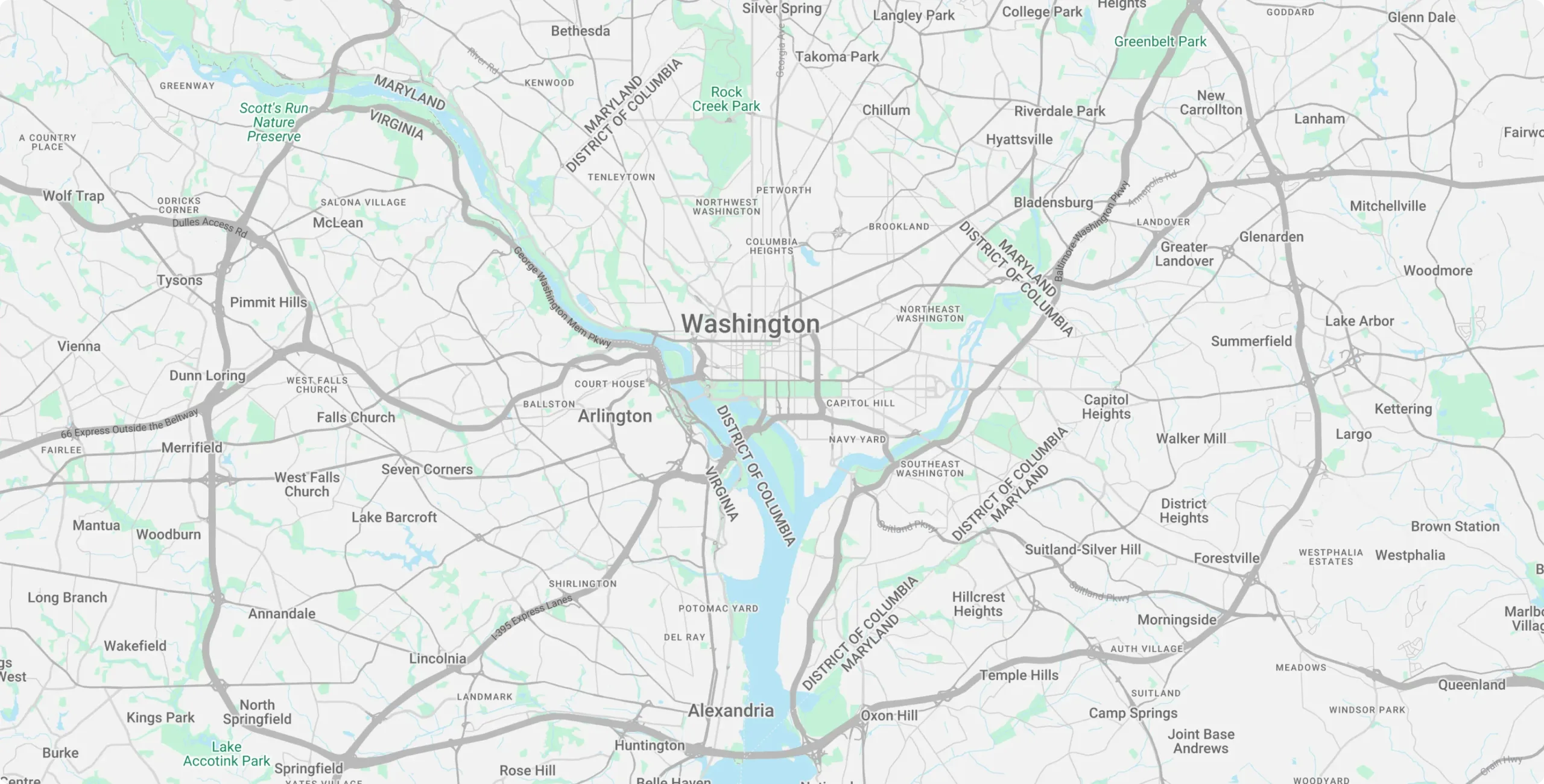
AREAS WE SERVE
At FloodTech USA, we specialize in comprehensive solutions for all your water-related concerns. From precision leak detection and water damage repair to mold remediation, sealing, resurfacing, and full-scale restoration services—our certified team delivers dependable results with unmatched professionalism.

PROTECTING PROPERTY, RESTORING PEACE OF MIND
At FloodTech USA, our team of certified home and commercial restoration specialists brings over 30 years of combined expertise in water damage mitigation, mold remediation, fire and smoke restoration, and structural recovery. Every technician on our crew is fully trained, licensed, and committed to delivering prompt, professional, and compassionate service during your most difficult times.
We know that emergencies don’t wait for business hours. That’s why our restoration services are available around the clock—24 hours a day, 7 days a week, 365 days a year. Whether it’s a burst pipe in the middle of the night or fire damage over a holiday weekend, we’re ready to respond immediately to protect your property and begin the recovery process without delay.