



Flooded Basement Cleanup and Water Damage Restoration in Oakton, VA
A flooded basement is one of the most stressful and destructive problems a homeowner in Oakton, VA can face. Whether caused by heavy rainfall, sump pump failure, burst pipes, foundation cracks, or groundwater intrusion, basement flooding can lead to rapid structural damage, mold growth, ruined belongings, and long-term moisture problems if not handled properly.
In Oakton, where many homes feature finished basements, walk-out lower levels, and below-grade living spaces, water damage can spread quickly and impact flooring, drywall, insulation, electrical systems, and structural framing. Professional flooded basement cleanup and water damage restoration are essential to protect the safety, value, and long-term integrity of your home.
Flooded basement restoration is not just about removing standing water. It requires thorough moisture detection, controlled structural drying, sanitization, and complete repairs to ensure that hidden water does not remain trapped beneath floors or behind walls. When done correctly, professional water damage restoration restores your basement to a safe, dry, and usable condition.
WHY FLOODTECH USA?
WE’RE HERE FOR YOU
24 HOURS A DAY, 7 DAYS A WEEK.

Why Flooded Basements Are Common in Oakton, VA
Oakton homeowners face several environmental and structural factors that increase the risk of basement flooding.
Heavy Rainfall and Storm Events
Northern Virginia frequently experiences intense storms, especially during spring and summer. Sudden downpours can overwhelm drainage systems, saturate soil, and increase hydrostatic pressure around foundations. When pressure builds, water forces its way through foundation cracks, window wells, or below-grade seams.
Basements are the lowest point of the home, making them particularly vulnerable during heavy rain events.
Sump Pump Failures
Many Oakton homes rely on sump pumps to remove groundwater from beneath the foundation. When a sump pump fails due to power outages, mechanical malfunction, or clogged discharge lines, water can quickly accumulate and flood the basement.
Without immediate flooded basement cleanup, standing water can soak into flooring and framing within hours.
Foundation Cracks and Aging Infrastructure
Over time, small foundation cracks can develop due to settling, soil movement, or temperature changes. Even hairline cracks allow water seepage during storms. While the intrusion may seem minor at first, repeated moisture exposure can lead to significant basement water damage.
Burst or Leaking Pipes
Basements often house water heaters, washing machines, and plumbing lines. A burst pipe or slow leak can release hundreds of gallons of water into the basement before being discovered. In finished basements, water may travel behind walls and under flooring before visible signs appear.
The Immediate Dangers of a Flooded Basement
When a basement floods, damage begins almost immediately.
Rapid Material Saturation
Drywall, insulation, carpeting, and wood framing absorb water quickly. Within hours, materials begin to swell and weaken. Hardwood flooring can cup or buckle. Carpet padding becomes saturated and difficult to salvage.
Mold Growth Risk
Mold can begin developing within 24 to 48 hours after water exposure. Basements are naturally more humid than upper levels, creating ideal conditions for microbial growth if water damage restoration is delayed.
Electrical Hazards
Basements often contain electrical panels, outlets, and appliances. Water exposure creates serious safety risks and must be addressed by trained professionals during the flooded basement cleanup process.
Structural Compromise
Prolonged moisture weakens wood framing, subfloors, and support beams. If water damage restoration is not completed thoroughly, hidden moisture may cause long-term deterioration.
Professional Flooded Basement Cleanup in Oakton, VA
Professional flooded basement cleanup follows a structured and controlled process designed to eliminate water, prevent secondary damage, and restore the space safely.
Emergency Water Extraction
The first priority is removing standing water as quickly as possible. Commercial-grade pumps and extraction equipment remove water from floors, carpets, and subfloors.
Fast extraction limits absorption and reduces overall drying time.
Detailed Moisture Inspection
After visible water is removed, restoration professionals conduct a thorough moisture inspection. Using moisture meters and thermal imaging, technicians identify hidden dampness in walls, flooring systems, and structural framing.
In Oakton homes with finished basements, moisture often travels beneath laminate flooring or behind drywall.
Removal of Unsalvageable Materials
Certain materials cannot be safely dried once saturated. Carpet padding, insulation, and severely damaged drywall may require removal to allow proper structural drying.
Selective demolition ensures that only affected materials are removed while preserving unaffected areas.
Structural Drying and Dehumidification
Industrial air movers and dehumidifiers are strategically placed to create consistent airflow and remove moisture from building materials. Daily moisture readings track progress to ensure complete drying.
Drying continues until materials reach acceptable moisture content levels.
Cleaning and Sanitization
Flooded basements may contain contaminated water depending on the source. Cleaning and sanitization eliminate bacteria and odors. Antimicrobial treatments help prevent mold growth.
Repairs and Restoration
Once drying is complete, repairs begin. This may include drywall replacement, flooring installation, painting, and trim restoration. The goal is to return the basement to its pre-damage condition.
Finished Basement Water Damage Restoration
Many Oakton homes feature fully finished basements used as living areas, home offices, gyms, or entertainment spaces. Flooded basement restoration in finished spaces requires additional care.
Protecting Structural Framing
Behind finished walls, wood studs and insulation may be saturated. Professional water damage restoration ensures these hidden components are properly dried or replaced.
Flooring Considerations
Finished basements often include carpet, engineered wood, laminate, or tile flooring. Each material responds differently to water exposure. Restoration professionals assess whether drying is possible or replacement is required.
Preserving Personal Belongings
Basements frequently store furniture, electronics, and personal items. Flooded basement cleanup may include content evaluation and cleaning when salvageable.
Long-Term Consequences of Improper Basement Cleanup
Attempting DIY cleanup or incomplete drying can lead to serious long-term problems.
Hidden Mold Growth
Moisture trapped inside walls or beneath flooring can result in mold that spreads quietly. Mold remediation later becomes far more costly than proper initial water damage restoration.
Structural Weakening
Wood framing exposed to prolonged moisture may develop rot. Subfloors can soften and weaken, requiring reconstruction.
Persistent Odors
Musty smells often indicate residual moisture. Without professional drying and sanitization, odors may linger indefinitely.
Reduced Property Value
Water damage history can affect resale value if not properly documented and restored. Professional flooded basement restoration protects long-term property investment.
Preventing Future Basement Flooding in Oakton
While not all flooding can be prevented, proactive measures reduce risk.
Regular Sump Pump Maintenance
Testing sump pumps regularly and installing battery backups can prevent failures during storms.
Proper Drainage Management
Ensuring gutters and downspouts direct water away from the foundation reduces hydrostatic pressure.
Foundation Inspection
Sealing cracks and addressing minor seepage early can prevent larger flooding events.
Professional Moisture Monitoring
Periodic inspections identify hidden moisture before it becomes a major issue.
The Importance of Fast Response
Time is the most critical factor in flooded basement cleanup. The first 24 hours determine whether materials can be salvaged and whether mold growth can be prevented.
Professional water damage restoration teams respond quickly, stabilize the environment, and implement targeted drying strategies tailored to Oakton homes.
Why Professional Water Damage Restoration Is Essential
Flooded basement cleanup requires more than shop vacuums and fans. Professional equipment, moisture mapping, and industry standards ensure complete restoration.
Water damage restoration specialists:
- Identify hidden moisture
- Use controlled drying techniques
- Prevent mold growth
- Document moisture levels for insurance
- Complete full structural repairs
In Oakton, where many basements serve as valuable living space, proper restoration protects both comfort and investment.
Insurance Assistance for Flooded Basements
Navigating insurance claims after basement flooding can be confusing. Professional restoration companies provide documentation including:
- Photographs of damage
- Moisture readings
- Detailed scope of work
- Repair estimates
This helps streamline the claims process and reduce delays.
How to Prevent Basement Flooding in Oakton VA Homes
Basement flooding is one of the most costly and disruptive issues homeowners in Oakton, VA can face. From heavy storms and sump pump failures to foundation cracks and plumbing leaks, a flooded basement can cause serious structural damage, destroy personal belongings, and require extensive water damage restoration and cleanup. While professional flooded basement cleanup services are essential when water intrusion occurs, prevention remains the most effective way to protect your home.
Oakton homes often feature finished basements used as living areas, offices, gyms, or storage spaces. Because basements sit below ground level, they are naturally more vulnerable to water intrusion. Understanding the causes of basement flooding and taking proactive steps can significantly reduce the risk of needing emergency water damage restoration.
Why Basement Flooding Is Common in Oakton, VA
Before focusing on prevention, it’s important to understand why flooded basements are common in Oakton.
Heavy Rainfall and Stormwater Pressure
Northern Virginia experiences strong seasonal storms that can drop large volumes of rain in a short period of time. When soil becomes saturated, hydrostatic pressure builds against foundation walls. This pressure forces water through cracks, joints, and porous materials, leading to basement water intrusion.
Aging Foundations and Settling
Many Oakton homes have foundations that naturally shift over time due to soil movement and seasonal expansion and contraction. Even small cracks allow groundwater to seep into basements during storms.
Sump Pump Failures
Sump pumps are designed to redirect groundwater away from the home. However, mechanical failure, power outages, or clogged discharge lines can cause sump pumps to stop working when they are needed most. Without backup systems, basements can flood quickly.
Plumbing Failures in Lower Levels
Basements typically house water heaters, washing machines, and plumbing lines. A burst pipe or leaking appliance can release significant amounts of water before homeowners notice.
Understanding these risks allows homeowners to take preventative action and reduce the likelihood of requiring flooded basement cleanup and water damage restoration.
Maintain and Test Your Sump Pump System
A properly functioning sump pump is one of the most important defenses against basement flooding.
Regular Inspection and Testing
Homeowners should test their sump pump at least once every few months. Pouring water into the sump pit should activate the pump automatically. If it does not turn on or fails to discharge water efficiently, professional servicing is necessary.
Routine maintenance ensures that the system operates correctly during heavy rainfall.
Install a Battery Backup System
Power outages frequently occur during major storms in Oakton. Without electricity, a standard sump pump cannot operate. Installing a battery backup system provides protection during outages and significantly reduces the risk of a flooded basement.
Keep the Discharge Line Clear
The discharge line directs water away from the foundation. Blockages caused by debris, ice, or improper grading can prevent water from draining properly. Regularly inspecting and clearing the discharge line helps prevent backup and overflow.
Improve Exterior Drainage Around Your Home
Proper exterior drainage reduces hydrostatic pressure and minimizes the risk of basement flooding.
Extend Downspouts Away from the Foundation
Gutters and downspouts should direct rainwater at least five to ten feet away from the home. If water pools near the foundation, it increases the likelihood of seepage into the basement.
Keep Gutters Clean
Clogged gutters overflow during heavy rain, allowing water to collect around the foundation. Cleaning gutters at least twice a year helps prevent unnecessary water intrusion.
Grade Soil Away from the House
The ground surrounding your home should slope away from the foundation. Improper grading allows water to flow toward basement walls rather than away from them.
Regrading problem areas reduces pressure on foundation walls and lowers the risk of flooding.
Seal Foundation Cracks and Entry Points
Even small cracks in foundation walls can allow water to enter during storms.
Inspect Foundation Walls Annually
Walk around your home and inspect the foundation for visible cracks or gaps. Pay close attention to areas near basement windows and utility penetrations.
Seal Minor Cracks Promptly
Professional foundation sealing can prevent minor cracks from becoming major entry points. Addressing these issues early can help avoid future flooded basement cleanup and water damage restoration.
Install a Backwater Valve
Sewer backups can contribute to basement flooding during heavy rain events.
Prevent Sewage Backflow
A backwater valve prevents sewage from flowing back into your home through floor drains or plumbing fixtures. This is especially important in areas where municipal sewer systems become overwhelmed during storms.
Installing a backwater valve is a preventative measure that reduces the risk of contaminated basement flooding.
Monitor Plumbing and Appliances
Internal plumbing failures are a common cause of flooded basements in Oakton homes.
Inspect Water Heaters and Washing Machines
Regularly check hoses, fittings, and connections for signs of wear or leakage. Replacing old supply lines with braided stainless steel hoses can reduce failure risk.
Install Leak Detection Devices
Smart leak detection systems can alert homeowners to moisture buildup before significant flooding occurs. Early alerts allow for quick intervention and reduced damage.
Manage Basement Humidity Levels
High humidity does not always mean active flooding, but it can indicate moisture intrusion and contribute to long-term damage.
Use Dehumidifiers
Maintaining proper humidity levels in the basement reduces condensation and prevents moisture buildup on walls and floors.
Address Persistent Dampness
If certain areas of the basement consistently feel damp, professional moisture inspection may identify hidden issues before they escalate into full basement flooding.
Protect Finished Basements from Water Damage
Finished basements require additional preventative measures.
Elevate Valuable Items
Store important belongings and electronics off the floor. Shelving systems reduce the risk of damage if minor water intrusion occurs.
Choose Water-Resistant Materials
When remodeling, consider water-resistant flooring and moisture-tolerant materials. These choices can reduce the severity of damage if flooding occurs.
Know When to Call for Professional Inspection
Even with preventative measures, hidden vulnerabilities may exist.
Annual Professional Assessments
Scheduling periodic inspections with a water damage restoration professional can identify early warning signs of potential flooding risks.
Early Detection Saves Money
Addressing minor moisture issues early prevents major flooded basement cleanup and costly reconstruction later.
Why Prevention Still Requires a Restoration Plan
Despite the best preventative efforts, extreme weather events or unexpected plumbing failures can still cause basement flooding. Having a plan in place ensures faster response and minimized damage.
Understand the Importance of Fast Water Damage Restoration
If a flooded basement occurs, immediate water extraction and structural drying are essential. The first 24 hours determine whether materials can be salvaged and whether mold growth can be prevented.
Professional flooded basement cleanup includes:
- Emergency water extraction
- Moisture mapping
- Controlled structural drying
- Sanitization
- Repairs and restoration
Quick action limits long-term structural damage and protects your home’s value.
The Cost of Ignoring Prevention
Failing to take preventative measures can lead to:
- Structural weakening of framing and subfloors
- Mold growth and indoor air quality issues
- Electrical hazards
- Costly reconstruction
- Reduced property value
Preventative maintenance is far less expensive than full-scale water damage restoration after a flooded basement.
Protecting Your Oakton Home from Basement Flooding
Basement flooding in Oakton, VA is a serious concern due to heavy storms, groundwater pressure, aging foundations, and plumbing vulnerabilities. Taking proactive steps such as maintaining sump pumps, improving drainage, sealing cracks, and monitoring plumbing systems can significantly reduce the risk of water intrusion.
However, even with proper prevention, unexpected events can occur. Understanding the importance of professional flooded basement cleanup and water damage restoration ensures that if flooding happens, your home can be restored quickly and safely.
Preventing basement flooding is not just about avoiding inconvenience. It is about protecting your home’s structural integrity, preserving valuable living space, and safeguarding your long-term investment. By combining preventative maintenance with a clear plan for professional water damage restoration, Oakton homeowners can reduce risk and maintain a dry, secure basement for years to come.
What to Do Immediately After Your Basement Floods in Oakton VA
Discovering a flooded basement in your Oakton, VA home can be overwhelming. Whether the water came from a heavy storm, sump pump failure, burst pipe, or appliance leak, the first few hours are critical. Acting quickly and correctly can significantly reduce structural damage, limit mold growth, and lower the overall cost of flooded basement cleanup and water damage restoration.
Basements are particularly vulnerable because they sit below ground level and often contain plumbing systems, HVAC equipment, electrical panels, finished living spaces, and valuable belongings. Immediate action protects both your property and your safety. Understanding the proper steps to take after basement flooding ensures that professional water damage restoration can begin efficiently and effectively.
Step One: Ensure Safety Before Entering the Basement
Safety must always come first when dealing with a flooded basement.
Turn Off Electricity If It Is Safe to Do So
Water and electricity are a dangerous combination. If water levels are high or if outlets, appliances, or electrical panels are submerged, do not enter the basement. Contact a licensed electrician or your utility provider if necessary.
If you can safely access your electrical panel without stepping into water, shut off power to the basement area.
Avoid Contact with Contaminated Water
Not all floodwater is clean. Water from storms, sewer backups, or sump pump failures may contain bacteria and debris. Avoid direct contact and wear protective gloves and boots if entry is necessary.
Professional flooded basement cleanup teams are equipped to handle contaminated water safely during water damage restoration.
Step Two: Identify and Stop the Source of Water
Stopping the source prevents further damage.
Shut Off the Main Water Supply for Plumbing Leaks
If the flooding is caused by a burst pipe or leaking appliance, turn off the main water valve immediately. This limits additional water from entering the basement.
Assess Storm-Related Intrusion
If heavy rain caused the flooding, inspect visible entry points such as window wells or foundation cracks once it is safe. While you may not be able to stop groundwater intrusion immediately, identifying the cause helps restoration professionals address it properly.
Step Three: Call for Professional Flooded Basement Cleanup in Oakton VA
The most important step after ensuring safety is contacting a professional water damage restoration company.
Why Immediate Professional Response Matters
The first 24 hours after a basement flood are critical. Water begins soaking into drywall, insulation, framing, and flooring almost immediately. Mold can begin developing within 24 to 48 hours.
Professional flooded basement cleanup includes:
- Emergency water extraction
- Moisture mapping
- Structural drying
- Sanitization
- Repairs and restoration
Fast response reduces structural damage and prevents long-term complications.
Avoid Relying Solely on DIY Cleanup
While it may be tempting to use shop vacuums or fans, household equipment cannot remove deeply absorbed moisture. Incomplete drying leads to hidden water damage and future mold growth.
Professional water damage restoration teams use industrial pumps, dehumidifiers, and moisture detection equipment to ensure complete drying.
Step Four: Document the Damage for Insurance
Before cleanup begins, proper documentation is important.
Take Photos and Videos
Capture clear images of:
- Standing water
- Damaged flooring and drywall
- Affected furniture and belongings
- Water lines on walls
Documentation supports your insurance claim and provides a record of the flooded basement’s condition before restoration begins.
Avoid Disposing of Items Immediately
Do not discard damaged materials until your insurance adjuster has reviewed them or your restoration company advises you to proceed.
Step Five: Remove Standing Water Quickly
Professional water extraction is a top priority.
Emergency Water Extraction
Restoration professionals use high-powered pumps to remove standing water from:
- Concrete floors
- Carpeting
- Subfloors
- Crawlspaces
Fast extraction reduces the amount of moisture that penetrates structural components.
Prevent Water from Spreading
If possible, block water from moving into unaffected areas by using barriers or towels until professionals arrive.
Step Six: Begin the Structural Drying Process
Once visible water is removed, hidden moisture remains.
Moisture Mapping and Inspection
Restoration technicians use moisture meters and thermal imaging to identify damp areas inside walls and beneath flooring.
In Oakton homes with finished basements, moisture often travels behind drywall and under laminate or hardwood flooring.
Controlled Drying with Industrial Equipment
Strategically placed air movers and dehumidifiers remove moisture from materials and air. Daily monitoring ensures materials reach safe moisture levels before repairs begin.
Proper structural drying prevents mold growth and long-term weakening of framing and subfloors.
Step Seven: Remove Unsalvageable Materials
Certain materials cannot be safely dried.
Carpet and Padding
Flooded carpet padding typically requires removal because it retains moisture and bacteria.
Saturated Drywall and Insulation
Drywall that has absorbed significant water often needs to be cut and replaced to allow proper drying of internal framing.
Selective demolition ensures that only damaged materials are removed while preserving unaffected areas.
Step Eight: Clean and Sanitize the Area
Flooded basements often require professional sanitization.
Disinfection Procedures
Depending on the water source, restoration professionals apply antimicrobial treatments to eliminate bacteria and reduce mold risk.
Odor Removal
Musty odors are common after basement flooding. Professional deodorization treatments neutralize odors at the source rather than masking them.
Step Nine: Begin Repairs and Restoration
After drying and cleaning are complete, repairs restore your basement to its pre-damage condition.
Common Basement Repairs Include
- Drywall replacement
- Flooring installation
- Painting and finishing
- Trim and baseboard replacement
Comprehensive water damage restoration ensures your basement is structurally sound and safe to occupy.
What Not to Do After Basement Flooding
Knowing what to avoid is just as important as knowing what to do.
Do Not Ignore Minor Flooding
Even small amounts of water can cause significant hidden damage over time.
Do Not Turn on HVAC Systems
Running HVAC systems during flooding can spread moisture and contaminants throughout the home.
Do Not Delay Calling Professionals
Waiting too long increases repair costs and mold risk. Immediate action reduces the need for extensive reconstruction.
Long-Term Protection After a Flooded Basement
After restoration is complete, consider preventative measures.
Inspect and Maintain Sump Pumps
Regular testing reduces the likelihood of future flooding.
Improve Drainage Around the Foundation
Ensure gutters and downspouts direct water away from the home.
Schedule Periodic Moisture Inspections
Professional inspections can identify early warning signs before another flooded basement occurs.
Protecting Your Oakton Home After Basement Flooding
A flooded basement in Oakton, VA can be stressful, but taking immediate, organized action protects your home and minimizes long-term damage. Ensuring safety, stopping the water source, documenting damage, and calling for professional flooded basement cleanup are the most important steps you can take.
Professional water damage restoration goes beyond removing water. It involves moisture detection, controlled drying, sanitization, and structural repairs to ensure your basement is fully restored. Acting quickly prevents mold growth, protects structural integrity, and reduces overall restoration costs.
The key to successful recovery after basement flooding is fast response and professional expertise. When handled properly, even significant basement water damage can be restored efficiently and safely, allowing your Oakton home to return to a dry, secure condition.
Mold Risks After Basement Flooding in Oakton VA
Basement flooding in Oakton, VA is more than an inconvenience. Beyond the visible water damage to flooring, drywall, and personal belongings, one of the most serious long-term threats is mold growth. Mold can begin developing within 24 to 48 hours after a flooded basement event if moisture is not properly removed. This is why professional flooded basement cleanup and water damage restoration are essential immediately after water intrusion occurs.
Oakton homes often feature finished basements used as living areas, home offices, gyms, or storage spaces. These environments contain drywall, insulation, carpeting, and wood framing—materials that readily absorb moisture. When basement flooding is not handled with thorough structural drying and sanitization, mold can spread behind walls, under flooring, and within ceiling cavities, leading to health risks and costly structural repairs.
Understanding mold risks after basement flooding helps homeowners take the right steps to protect their property and ensure proper water damage restoration.
Why Basements Are Highly Vulnerable to Mold Growth
Basements naturally create conditions that support mold growth, even before flooding occurs.
Below-Grade Moisture Exposure
Because basements are below ground level, they are exposed to groundwater pressure and soil moisture year-round. After a flood, residual dampness can linger longer in basement environments compared to upper levels of the home.
Limited Ventilation
Basements typically have less airflow than other areas of the house. Poor ventilation slows the drying process, especially if professional dehumidification is not used during flooded basement cleanup.
Organic Building Materials
Common basement materials such as drywall, wood framing, carpet padding, and insulation contain organic components that mold feeds on. Once these materials become saturated, they provide an ideal environment for microbial growth.
How Quickly Mold Can Develop After Basement Flooding
Time is the most critical factor in preventing mold after a flooded basement.
The First 24 to 48 Hours
Mold spores are naturally present in indoor air. When moisture is introduced, spores settle on damp surfaces and begin to grow rapidly. Within 24 to 48 hours, visible mold colonies can begin forming on wet materials.
Professional water damage restoration focuses heavily on rapid water extraction and structural drying to interrupt this growth cycle.
The First Week After Flooding
If moisture remains trapped behind walls or under flooring, mold growth accelerates. Even if surfaces appear dry, hidden moisture can continue feeding mold colonies.
Without professional moisture mapping and controlled drying, mold can spread unnoticed throughout basement cavities.
Hidden Mold Growth After Flooded Basement Events
One of the most concerning aspects of basement flooding is hidden mold development.
Behind Drywall and Insulation
When water saturates basement walls, insulation and framing absorb moisture. Even after surface drying, internal wall cavities may remain damp.
Trapped Moisture in Wall Systems
If drywall is not properly removed or dried during flooded basement cleanup, moisture can become trapped inside the wall assembly. This creates a concealed environment where mold can thrive for weeks or months before visible signs appear.
Under Flooring and Subfloors
Water often seeps beneath carpet, laminate, or engineered flooring in finished basements.
Subfloor Saturation
Plywood and wood subfloors retain moisture and can develop mold underneath finished flooring materials. Without professional water damage restoration, homeowners may not realize mold is present until odors or warping occur.
Health Risks Associated with Mold After Basement Flooding
Mold growth following a flooded basement is not only a structural issue—it also impacts indoor air quality.
Respiratory Irritation and Allergic Reactions
Exposure to mold spores may cause:
- Coughing and sneezing
- Nasal congestion
- Eye irritation
- Skin irritation
Individuals with asthma or allergies may experience more severe symptoms.
Prolonged Indoor Air Contamination
As mold colonies grow, spores circulate through the air. HVAC systems can spread contaminants from the basement to upper levels of the home if the system is running during or after flooding.
Professional flooded basement cleanup includes containment and air filtration to reduce airborne mold exposure.
Structural Damage Caused by Mold Growth
Beyond health risks, mold can compromise structural integrity.
Wood Decay and Material Breakdown
Certain fungi break down wood fibers over time. If framing remains damp, mold and rot can weaken load-bearing components.
Deterioration of Drywall and Insulation
Mold degrades drywall paper backing and insulation materials, making them structurally unstable. Replacement is often required once contamination spreads.
Professional water damage restoration prevents prolonged moisture exposure that leads to these structural issues.
Why DIY Cleanup Often Leads to Mold Problems
Many homeowners attempt to clean up a flooded basement using fans, towels, or household dehumidifiers. While this may remove visible water, it rarely eliminates hidden moisture.
Surface Drying Is Not Enough
Dry surfaces do not guarantee dry internal structures. Without professional moisture meters and thermal imaging, hidden damp areas remain undetected.
Incomplete Removal of Contaminated Materials
Carpet padding, insulation, and porous materials exposed to floodwater may require removal. Attempting to dry these materials instead of replacing them increases mold risk.
Professional water damage restoration teams follow industry standards to determine which materials can be salvaged and which must be removed.
The Role of Professional Water Damage Restoration in Mold Prevention
Preventing mold after basement flooding requires a systematic and controlled restoration approach.
Immediate Water Extraction
Rapid removal of standing water reduces the amount of moisture absorbed by structural components.
Moisture Mapping and Detection
Restoration professionals use specialized equipment to locate hidden moisture behind walls and under flooring. Identifying all affected areas ensures complete drying.
Controlled Structural Drying
Industrial air movers and dehumidifiers remove moisture from both materials and air. Drying continues until moisture levels reach safe standards.
Antimicrobial Treatments
Applying antimicrobial solutions to affected areas reduces the likelihood of mold development during and after the drying process.
Removal of Unsalvageable Materials
If materials are too saturated or contaminated, safe removal prevents mold from spreading to unaffected areas.
Signs of Mold After Basement Flooding
Even after initial cleanup, homeowners should watch for warning signs.
Persistent Musty Odors
A lingering musty smell often indicates hidden mold growth behind walls or under flooring.
Visible Discoloration
Dark spots or patches on drywall, baseboards, or ceilings may signal mold development.
Recurring Humidity Issues
If basement humidity remains elevated after restoration, hidden moisture may still be present.
If any of these signs appear, additional inspection and possible mold remediation may be necessary.
Long-Term Protection for Oakton Homes
After a flooded basement has been properly restored, preventative steps reduce future mold risk.
Maintain Sump Pump Systems
Regular inspection and battery backups reduce the likelihood of future flooding events.
Improve Drainage Around the Foundation
Directing water away from the home reduces hydrostatic pressure and seepage.
Schedule Periodic Moisture Inspections
Professional inspections can identify early signs of moisture intrusion before mold develops.
Protecting Your Oakton Basement from Mold Damage
Mold risks after basement flooding in Oakton, VA are serious and should never be underestimated. The combination of below-grade moisture exposure, limited ventilation, and absorbent building materials creates ideal conditions for mold growth if flooded basement cleanup and water damage restoration are delayed or incomplete.
The key to preventing mold is immediate professional action. Rapid water extraction, thorough moisture mapping, controlled structural drying, and proper sanitization ensure that hidden moisture does not remain trapped inside walls, floors, or framing.
Ignoring mold risks can lead to health concerns, structural weakening, and expensive reconstruction. By investing in professional water damage restoration after a flooded basement, homeowners protect both their property and their long-term well-being.
Basement flooding may be unavoidable during severe storms or unexpected plumbing failures, but mold growth is largely preventable when restoration is handled correctly from the start.
Frequently Asked Questions About Flooded Basement Cleanup in Oakton, VA
How quickly should a flooded basement be cleaned up?
Immediately. The first 24 hours are critical to prevent mold growth and minimize structural damage. Professional water damage restoration should begin as soon as possible.
Can a flooded basement be fully restored?
Yes. With professional water extraction, structural drying, and repairs, most basements can be restored to pre-damage condition if addressed promptly.
How long does flooded basement restoration take?
Water extraction and drying typically take several days. Repairs may take longer depending on the extent of the damage and materials involved.
Will my insurance cover basement flooding?
Coverage depends on the cause of the flooding and your specific policy. Sudden pipe bursts are often covered, while groundwater flooding may require separate flood insurance.
Is mold always a concern after basement flooding?
Mold can develop within 24 to 48 hours if moisture is not fully removed. Proper drying and antimicrobial treatment significantly reduce this risk.
Flooded Basement Cleanup and Water Damage Restoration You Can Trust in Oakton, VA
A flooded basement can feel overwhelming, but professional water damage restoration provides a clear path to recovery. From emergency water extraction to complete structural repairs, flooded basement cleanup in Oakton, VA must be handled thoroughly and efficiently.
Basements are more than storage spaces—they are living areas, offices, and extensions of your home. Protecting them requires fast response, advanced drying equipment, and experienced restoration professionals who understand how moisture behaves in below-grade environments.
When basement flooding occurs, immediate professional water damage restoration ensures your home is returned to a safe, dry, and fully restored condition—protecting your property, your health, and your long-term investment.
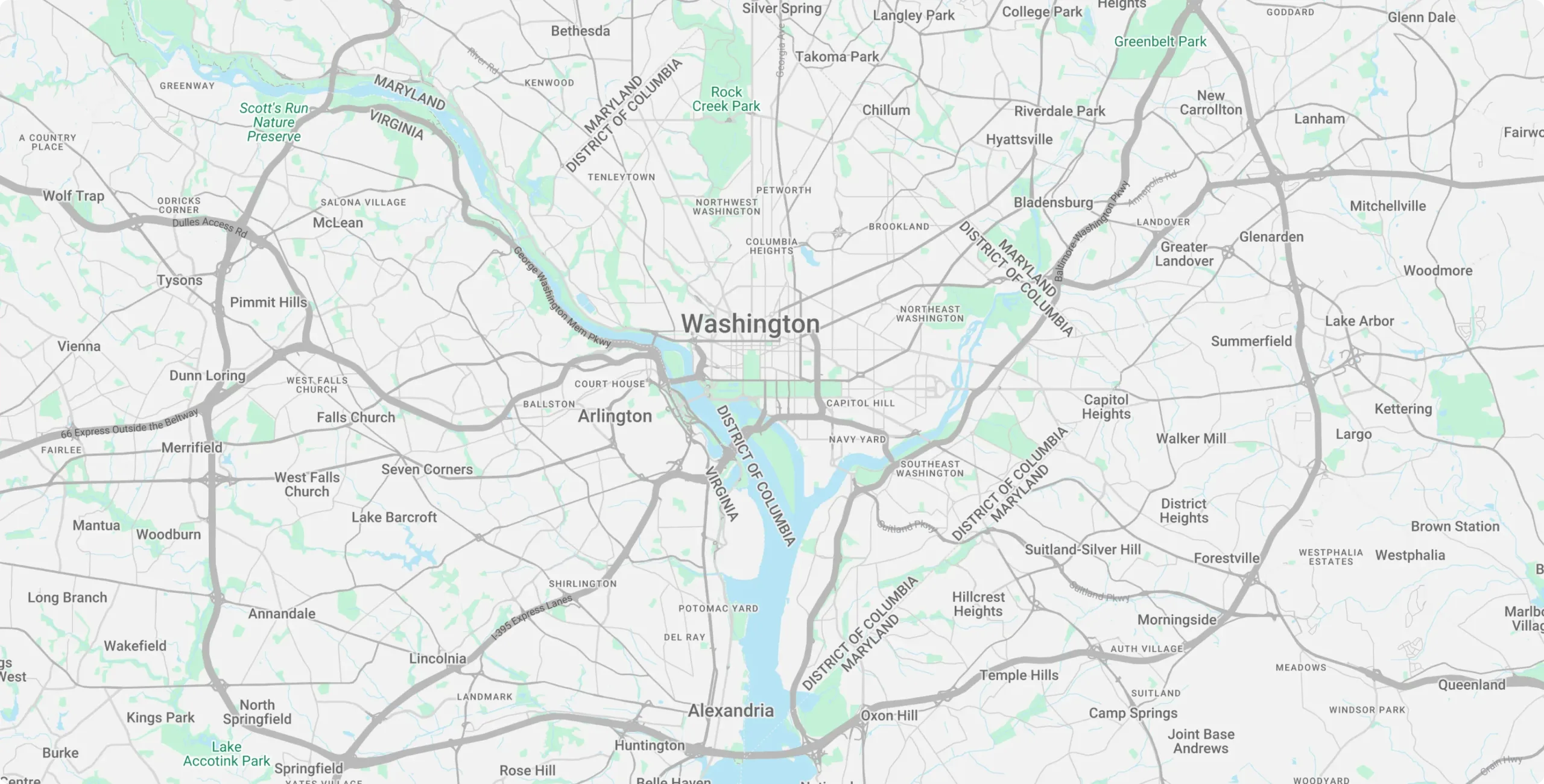
AREAS WE SERVE
At FloodTech USA, we specialize in comprehensive solutions for all your water-related concerns. From precision leak detection and water damage repair to mold remediation, sealing, resurfacing, and full-scale restoration services—our certified team delivers dependable results with unmatched professionalism.

PROTECTING PROPERTY, RESTORING PEACE OF MIND
At FloodTech USA, our team of certified home and commercial restoration specialists brings over 30 years of combined expertise in water damage mitigation, mold remediation, fire and smoke restoration, and structural recovery. Every technician on our crew is fully trained, licensed, and committed to delivering prompt, professional, and compassionate service during your most difficult times.
We know that emergencies don’t wait for business hours. That’s why our restoration services are available around the clock—24 hours a day, 7 days a week, 365 days a year. Whether it’s a burst pipe in the middle of the night or fire damage over a holiday weekend, we’re ready to respond immediately to protect your property and begin the recovery process without delay.