



Flooded Basement Cleanup and Water Damage Restoration in Potomac, MD
A flooded basement is one of the most stressful and destructive issues a property owner in Potomac, MD can face. Whether caused by heavy rainfall, sump pump failure, burst pipes, or foundation seepage, basement flooding requires immediate professional attention. Water in a basement does not simply sit on the surface. It seeps into walls, saturates flooring, compromises structural framing, damages stored belongings, and creates ideal conditions for mold growth.
FloodTech USA provides professional flooded basement cleanup and water damage restoration in Potomac, MD. Our team responds quickly, removes standing water, dries structural materials thoroughly, and restores the basement to a safe, functional condition. Basement flooding requires specialized restoration techniques due to below-grade construction, limited airflow, and higher risk of hidden moisture. We focus specifically on basement water damage mitigation, structural drying, and full restoration.
If your basement in Potomac has flooded, time is critical. The faster water is extracted and moisture is controlled, the lower the risk of long-term structural damage and mold growth.
WHY FLOODTECH USA?
WE’RE HERE FOR YOU
24 HOURS A DAY, 7 DAYS A WEEK.

Why Flooded Basements Are So Common in Potomac, MD
Potomac properties range from large single-family homes with finished basements to luxury estates with extensive lower-level living spaces. Many homes are built on sloped lots or near wooded areas, which can increase water runoff during heavy rain.
Heavy Rain and Stormwater Runoff
Sudden storms can overwhelm drainage systems and saturate soil surrounding foundations. When hydrostatic pressure builds against basement walls, water can force its way through cracks, mortar joints, or porous concrete.
Even well-maintained homes in Potomac can experience basement flooding during intense rain events.
Sump Pump Failures
Sump pumps are designed to prevent groundwater from accumulating around foundations. However, pumps can fail due to power outages, mechanical breakdown, improper installation, or clogged discharge lines.
When a sump pump fails during a storm, basements can flood rapidly.
Foundation Cracks and Seepage
Over time, foundation walls can develop hairline cracks. While these cracks may appear minor, they can allow significant moisture intrusion during prolonged rainfall.
Water entering through foundation cracks often spreads along basement floors and into finished areas.
Burst Pipes in Lower Levels
Basements often contain plumbing lines, water heaters, and HVAC systems. A broken supply line or failed water heater can release a large volume of water into the lower level before the issue is discovered.
In finished basements, this water can saturate drywall, insulation, carpeting, and subflooring.
Sewer Backups
During heavy storms, municipal sewer systems can become overloaded, causing sewage to back up into basement drains. This type of flooding requires specialized cleanup due to contamination risks.
No matter the cause, immediate professional flooded basement cleanup is essential to prevent further damage.
What Happens When a Basement Floods
Basement flooding impacts more than just flooring. Because basements are below grade, they are especially vulnerable to prolonged moisture retention.
Rapid Saturation of Building Materials
Water quickly soaks into drywall, baseboards, insulation, and wood framing. In finished basements, carpeting and padding absorb water like a sponge.
Even unfinished basements are at risk. Concrete walls absorb moisture, and wood support beams can become saturated.
Hidden Moisture Behind Walls
Water often travels behind finished walls and under flooring. What appears to be a shallow surface flood may actually extend into structural cavities.
Without professional moisture mapping, hidden water can remain long after surface drying appears complete.
Mold Growth Within 24 to 48 Hours
Basements are naturally more humid than upper floors. When flooding occurs, elevated moisture levels create ideal conditions for mold growth.
Prompt water damage restoration helps prevent mold from developing and spreading.
Structural Damage Over Time
If left untreated, saturated framing can weaken. Subflooring may soften, and drywall may deteriorate. Repeated moisture exposure can compromise structural integrity.
Professional flooded basement cleanup prevents long-term deterioration.
24/7 Emergency Flooded Basement Cleanup in Potomac
Basement flooding rarely happens at convenient times. That is why FloodTech USA offers 24/7 emergency response in Potomac, MD.
Immediate Assessment and Stabilization
Upon arrival, our team:
- Identifies the source of water
- Stops active leaks if possible
- Assesses water category (clean, gray, or black water)
- Documents damage for insurance purposes
Immediate stabilization helps prevent additional water intrusion.
Rapid Water Extraction
Standing water must be removed quickly to limit absorption into materials. We use commercial-grade pumps and extraction units to remove water efficiently from basement floors and affected areas.
Fast extraction reduces overall drying time and limits secondary damage.
Professional Structural Drying for Flooded Basements
After extraction, structural drying begins. This is one of the most critical phases of basement water damage restoration.
Moisture Mapping and Detection
We use moisture meters and thermal imaging to determine how far water has spread. Basements often contain hidden pockets of moisture behind walls or under flooring.
Industrial Drying Equipment
Our drying process includes:
- High-velocity air movers
- Commercial dehumidifiers
- Negative air machines when necessary
- Continuous moisture monitoring
Because basements have limited natural airflow, controlled drying is essential.
Daily Moisture Monitoring
Drying is not complete until materials reach acceptable moisture levels. We monitor readings daily to ensure proper progress.
Flooded Finished Basement Restoration
Many Potomac homes feature fully finished basements with living areas, bedrooms, home theaters, or gyms. Flooding in these spaces requires careful restoration.
Drywall and Insulation Removal
If drywall becomes saturated, it may need to be removed to allow proper drying of framing and insulation.
Flooring Restoration
Carpet and padding exposed to flooding are often unsalvageable, especially in contaminated water situations. Hardwood and engineered flooring may require specialized drying techniques.
Ceiling and Electrical Inspection
If flooding reaches electrical systems, safety inspections are performed before restoration continues.
Our goal is to restore your finished basement to its pre-damage condition safely and efficiently.
Cleaning and Sanitizing After Basement Flooding
Basement floods often introduce contaminants, especially in cases involving groundwater or sewer backups.
Disinfection Procedures
We apply professional-grade disinfectants to affected surfaces to eliminate bacteria and microbial growth.
Odor Removal
Flooded basements often develop musty or unpleasant odors. We use deodorization treatments that neutralize odors at the source.
Proper cleaning ensures a safe and healthy indoor environment.
Preventing Long-Term Damage After a Flooded Basement
Effective water damage restoration does more than remove water. It protects the structure long-term.
Mold Prevention Measures
Antimicrobial treatments are applied where necessary, and moisture levels are reduced to safe thresholds.
Protecting Structural Framing
Drying wood framing and subflooring quickly prevents rot and structural weakening.
Monitoring Humidity Levels
Basements benefit from ongoing humidity control to reduce future moisture risks.
Insurance Support for Flooded Basement Claims
Basement flooding often results in insurance claims. We provide:
- Detailed documentation
- Moisture readings
- Photographs
- Itemized estimates
Accurate reporting helps streamline the claims process.
Why Professional Flooded Basement Cleanup Is Critical
Attempting DIY cleanup in a flooded basement often leads to incomplete drying and hidden moisture problems.
Professional restoration ensures:
- Proper water categorization
- Safe removal of contaminated materials
- Complete structural drying
- Mold prevention
- Long-term protection
Basement environments require specialized expertise due to limited ventilation and below-grade construction.
Serving Potomac, MD with Expert Flooded Basement Restoration
FloodTech USA proudly serves homeowners throughout Potomac, MD. We understand local soil conditions, home construction styles, and weather patterns that contribute to basement flooding.
From minor water intrusion to significant flooding events, our team provides fast, professional response.
The Cost of Flooded Basement Water Damage Restoration in Potomac, MD
A flooded basement is more than an inconvenience for homeowners in Potomac, MD. It can result in extensive structural damage, destroyed finishes, mold growth, and costly repairs if not addressed immediately. One of the first questions property owners ask after discovering water in their basement is, “How much will this cost to fix?” The answer depends on several factors, including the source of the water, how long it was present, how deeply it penetrated materials, and whether the basement is finished or unfinished.
Flooded basement water damage restoration is not a one-size-fits-all service. Each situation requires a customized approach that includes water extraction, structural drying, cleaning, and repairs. Understanding what influences the cost of basement water damage restoration in Potomac helps homeowners make informed decisions and act quickly to limit long-term expenses.
Why Basement Flooding Costs Vary in Potomac
Basements are unique environments. Because they are below grade, they are more susceptible to groundwater pressure, stormwater intrusion, and moisture retention. In Potomac, where many homes feature large finished basements with living areas, gyms, theaters, or guest suites, the scope of restoration can vary significantly.
Finished vs. Unfinished Basements
The condition and layout of the basement heavily influence restoration costs.
A finished basement typically includes drywall, insulation, flooring, electrical systems, cabinetry, and personal belongings. When flooding occurs in a finished basement, restoration may involve removing and replacing multiple layers of materials.
An unfinished basement, while still vulnerable to damage, may involve fewer materials. However, structural framing, insulation, and stored contents can still be significantly impacted.
Finished basements generally result in higher restoration costs due to the complexity of drying and rebuilding interior spaces.
The Category of Water Involved
Not all floodwater is the same. The type of water entering the basement directly affects cleanup procedures and overall costs.
Clean water from a broken supply line may require standard extraction and drying.
Gray water from washing machine overflows or sump pump failures contains contaminants and requires additional sanitization.
Black water from sewer backups or heavy storm flooding introduces harmful pathogens and requires specialized cleanup, protective measures, and disposal of contaminated materials.
The more contaminated the water, the more extensive the cleanup process and associated costs.
Factors That Impact Flooded Basement Restoration Costs
Every flooded basement situation in Potomac is unique. Several key factors influence the final cost of water damage restoration.
Extent of Water Intrusion
The depth and spread of water are primary cost drivers.
Minor Water Intrusion
If flooding is limited to a small section of the basement and addressed quickly, restoration may involve water extraction and targeted drying.
Widespread Flooding
If several inches of water cover the entire basement floor, the restoration process becomes more complex. Widespread flooding often requires removal of flooring materials, drywall sections, insulation, and potentially subflooring.
The larger the affected area, the more equipment, labor, and time are required.
Duration of Exposure
How long the water remains before professional cleanup begins significantly affects restoration costs.
Immediate Response
If water is removed within hours, structural materials may be salvageable, and mold growth can often be prevented.
Delayed Mitigation
If flooding remains unaddressed for days, materials absorb more moisture. Wood framing may swell, drywall deteriorates, and mold may begin forming. Extended exposure increases demolition needs and labor costs.
Prompt professional flooded basement cleanup in Potomac can substantially reduce overall expenses.
Structural Drying Requirements
Basements are challenging to dry due to limited airflow and higher humidity levels.
Equipment Needs
Professional water damage restoration requires commercial-grade air movers, industrial dehumidifiers, and moisture detection tools. The number of units needed depends on the size of the basement and moisture saturation levels.
Larger or more heavily saturated basements require more equipment and longer drying times.
Moisture Monitoring
Daily moisture readings ensure that structural materials reach acceptable dryness levels. Extended drying periods increase labor and equipment rental costs.
Material Removal and Replacement
Floodwater often damages materials beyond repair.
Drywall and Insulation
Saturated drywall may need to be removed at least several inches above the water line to allow framing to dry. Insulation exposed to contaminated water is typically discarded.
Flooring
Carpet and padding are rarely salvageable after basement flooding. Hardwood, laminate, and engineered flooring may require replacement depending on moisture damage.
Replacing these materials adds to overall restoration costs.
Mold Prevention and Remediation
Basements are naturally prone to higher humidity, making mold growth a significant concern after flooding.
If moisture is not addressed immediately, mold remediation may be required. Mold removal involves containment, cleaning, antimicrobial treatments, and possibly additional demolition.
Preventative drying and antimicrobial application during initial water damage restoration can reduce the likelihood of mold-related expenses.
Average Cost Ranges for Flooded Basement Restoration in Potomac
While exact costs vary, understanding general ranges helps homeowners prepare.
Minor basement flooding with limited water intrusion and minimal material damage may cost a few thousand dollars for extraction and drying.
Moderate flooding involving partial drywall removal, flooring replacement, and structural drying may cost significantly more.
Severe flooding involving black water contamination, extensive demolition, and full basement reconstruction can result in substantial restoration costs.
Because Potomac homes often have larger basement footprints and higher-end finishes, costs can be higher than in smaller properties.
Insurance and Flooded Basement Restoration
Insurance coverage plays an important role in managing restoration expenses.
Coverage Depends on the Cause
Water damage caused by sudden pipe bursts or appliance failures is often covered under standard homeowner policies.
However, groundwater flooding or storm-related water intrusion may require separate flood insurance coverage.
Professional water damage restoration companies provide detailed documentation, including photographs and moisture readings, to support insurance claims.
Working with Insurance Adjusters
Restoration professionals help homeowners navigate the claims process by:
- Providing detailed damage assessments
- Offering itemized repair estimates
- Documenting drying progress
- Communicating directly with adjusters when necessary
Proper documentation helps prevent disputes and delays.
The Cost of Waiting
One of the most expensive mistakes homeowners can make after basement flooding is delaying professional cleanup.
Increased Structural Damage
Moisture left in place continues spreading. Wood framing weakens, subfloors soften, and drywall deteriorates.
Higher Mold Remediation Costs
Mold growth significantly increases restoration complexity and cost. Once mold spreads, containment and specialized removal are required.
Potential Electrical Hazards
Water can reach electrical panels and wiring in basements. Delayed action increases the risk of corrosion and fire hazards.
Immediate flooded basement water damage restoration in Potomac is always more cost-effective than delayed repairs.
How Professional Flooded Basement Cleanup Protects Your Investment
Potomac homes often represent substantial financial investment. Basements may include finished living spaces, storage areas, and essential mechanical systems.
Professional water damage restoration protects:
- Structural integrity
- Indoor air quality
- Property value
- Personal belongings
- Electrical and mechanical systems
Thorough moisture mapping, controlled drying, and targeted repairs prevent long-term structural issues.
Why Professional Restoration Is Worth the Cost
While professional flooded basement cleanup involves upfront expense, it prevents significantly larger costs down the road.
DIY drying methods often leave hidden moisture behind. Household fans and dehumidifiers cannot match the effectiveness of commercial restoration equipment. Incomplete drying leads to recurring problems that require additional repairs.
Professional water damage restoration ensures that the basement is fully dried, sanitized, and restored safely.
Investing in Long-Term Protection
The cost of flooded basement water damage restoration in Potomac, MD depends on multiple variables, but one factor remains constant: early professional intervention reduces overall expenses.
By responding quickly, thoroughly extracting water, properly drying structural materials, and preventing mold growth, homeowners can protect their property and avoid escalating repair costs.
Flooded basements are stressful, but with professional water damage restoration, the damage can be contained, costs can be managed, and your home can be restored to a safe, functional condition.
How to Prevent Basement Flooding in Potomac, MD Homes
A flooded basement can cause extensive structural damage, destroy personal belongings, and lead to costly water damage restoration. In Potomac, MD, where heavy rainstorms, aging infrastructure, and expansive properties are common, basement flooding is a serious concern for homeowners. While professional flooded basement cleanup and water damage restoration services are essential after a flood occurs, prevention is always the most effective strategy.
Taking proactive steps to protect your home can significantly reduce the risk of basement flooding and minimize the need for emergency water damage restoration. Understanding why basements flood in Potomac and implementing targeted prevention measures can help safeguard your home year-round.
Why Basement Flooding Is Common in Potomac
Basements are particularly vulnerable because they are built below ground level. This design exposes them to groundwater pressure, soil saturation, and drainage issues.
Heavy Rainfall and Stormwater
Potomac experiences seasonal storms that can produce intense rainfall in short periods of time. When the ground becomes saturated, excess water builds up around foundation walls. This pressure forces water through cracks, joints, and porous concrete surfaces.
Without proper drainage and waterproofing, even well-built homes can experience basement flooding.
Expansive Soil and Foundation Shifts
Soil conditions in parts of Potomac can expand and contract with moisture changes. Over time, this movement can create small foundation cracks. These openings may seem insignificant but can allow water intrusion during storms.
Regular inspection and maintenance help reduce the risk of water entering through these vulnerabilities.
Aging Drainage Systems
Older homes may have outdated perimeter drains, sump pumps, or sewer lines. When these systems fail or become clogged, basement flooding becomes much more likely.
Understanding these risks is the first step toward preventing a flooded basement and avoiding extensive water damage restoration.
Maintain and Upgrade Your Sump Pump System
A properly functioning sump pump is one of the most important defenses against basement flooding.
Test Your Sump Pump Regularly
Homeowners in Potomac should test their sump pumps at least twice per year and before major storm seasons.
How to Perform a Basic Test
Pour a bucket of water into the sump pit. The pump should activate automatically and discharge water away from the foundation. If it does not turn on, runs continuously, or makes unusual noises, it may require repair or replacement.
Regular testing reduces the risk of mechanical failure during heavy rainfall.
Install a Battery Backup System
Power outages are common during severe storms. If your sump pump relies solely on electricity, it may stop working at the exact moment it is needed most.
A battery backup system ensures continued operation even during power interruptions. This added protection significantly lowers the risk of a flooded basement.
Keep Discharge Lines Clear
The sump pump discharge line carries water away from the foundation. If this line becomes clogged or frozen, water may flow back into the basement.
Ensure that discharge lines are:
- Free from debris
- Properly sloped away from the home
- Extended far enough to prevent water pooling near the foundation
Proper discharge management reduces the likelihood of requiring emergency flooded basement cleanup.
Improve Exterior Drainage Around Your Home
Water that accumulates around the foundation is one of the leading causes of basement flooding.
Maintain Gutters and Downspouts
Clogged gutters cause water to overflow and collect near foundation walls.
Clean Gutters Seasonally
Remove leaves, debris, and sediment from gutters at least twice per year. In wooded areas of Potomac, more frequent cleaning may be necessary.
Extend Downspouts
Downspouts should direct water at least five to ten feet away from the home. Extensions or underground drain lines help prevent water from pooling near the basement walls.
Grade the Soil Away from the Foundation
The soil around your home should slope away from the foundation to encourage proper runoff.
If soil has settled or eroded over time, regrading may be necessary. Even a slight slope adjustment can significantly reduce water pressure against basement walls.
Install Exterior Drainage Systems
In areas prone to recurring flooding, installing French drains or exterior drainage systems may be beneficial. These systems collect and redirect groundwater before it reaches the foundation.
Preventative drainage improvements are often far less expensive than full-scale water damage restoration after a flood.
Seal Foundation Cracks and Vulnerabilities
Small cracks in foundation walls can allow water to enter during heavy rainfall.
Inspect Foundation Walls Annually
Walk around your home and inspect both interior and exterior foundation walls for visible cracks or gaps.
Address Hairline Cracks Promptly
Even small cracks can widen over time. Professional sealing using waterproof materials prevents water infiltration.
Regular maintenance reduces the likelihood of hidden moisture leading to basement flooding.
Waterproof Basement Walls
Applying waterproof coatings or membranes to foundation walls adds an extra layer of protection. Professional waterproofing services can reinforce vulnerable areas and reduce the risk of seepage.
Protect Plumbing Systems in the Basement
Basements often contain water heaters, supply lines, washing machines, and HVAC systems.
Inspect Water Supply Lines
Flexible supply lines connected to appliances can deteriorate over time. Replace aging hoses with reinforced braided steel lines to prevent sudden leaks.
Maintain Water Heaters
Sediment buildup inside water heaters can lead to leaks or tank failure. Annual maintenance and periodic flushing extend the life of the unit.
Proactive plumbing care helps prevent burst pipes and water heater failures that could result in flooded basement cleanup.
Install a Backwater Valve
Sewer backups are a serious cause of basement flooding.
Prevent Sewer Line Reversal
A backwater valve prevents sewage from flowing back into your home during heavy rain when municipal systems become overloaded.
This device is especially important in neighborhoods with older sewer infrastructure. Installing a backwater valve reduces contamination risk and costly black water damage restoration.
Monitor Basement Humidity Levels
While humidity alone does not cause flooding, excessive moisture can worsen minor water intrusion issues.
Use a Dehumidifier
Maintaining basement humidity below 50 percent helps reduce condensation and moisture buildup.
Consistent humidity control also lowers the risk of mold growth if minor leaks occur.
Install Moisture Sensors
Smart moisture detection devices can alert homeowners to small leaks before they become major problems.
Early detection reduces the scope of flooded basement water damage restoration.
Create a Basement Emergency Plan
Even with preventative measures in place, unexpected events can still occur.
Know Where Shut-Off Valves Are Located
In the event of a burst pipe, shutting off the main water supply immediately can limit flooding.
Keep Important Items Elevated
Store valuable belongings off the floor in waterproof containers or on shelving units. This simple step reduces content damage if minor flooding occurs.
Have a Professional Restoration Contact Ready
Knowing who to call for immediate flooded basement cleanup in Potomac saves valuable time during an emergency.
Fast response minimizes structural damage and reduces restoration costs.
The Value of Prevention Over Restoration
Flooded basement water damage restoration can be extensive and costly, especially in large Potomac homes with finished lower levels. While professional restoration services are essential after a flood, prevention remains the most effective strategy.
Proactive maintenance of drainage systems, sump pumps, foundations, and plumbing significantly lowers the risk of basement flooding. Regular inspections and upgrades provide long-term protection.
Protecting Your Potomac Home from Basement Flooding
Basement flooding is stressful, disruptive, and potentially expensive. By understanding common causes and taking preventative action, homeowners in Potomac, MD can greatly reduce the likelihood of experiencing a flooded basement.
While no home is completely immune to severe weather or unexpected plumbing failures, proper maintenance, drainage improvements, and protective systems can minimize risk. Preventative measures not only protect your home but also reduce the need for extensive water damage restoration and cleanup.
If flooding does occur despite these precautions, prompt professional response ensures the damage is contained quickly and effectively. Prevention and preparedness together offer the strongest defense against basement flooding in Potomac homes.
What to Do Immediately After Your Basement Floods in Potomac, MD
Discovering a flooded basement in your Potomac, MD home can be overwhelming. Whether the flooding is caused by heavy rain, sump pump failure, a burst pipe, or a sewer backup, your actions in the first few hours can significantly impact the extent of damage and the overall cost of water damage restoration. Basement flooding requires immediate attention because water spreads quickly, seeps into structural materials, and creates ideal conditions for mold growth.
Knowing what to do right away can help protect your property, reduce structural damage, and make the flooded basement cleanup process more efficient. Acting quickly and contacting professional water damage restoration specialists as soon as possible is the most important step.
Prioritize Safety First
Before entering a flooded basement, safety must be your top concern.
Turn Off Electricity if Safe to Do So
Water and electricity are a dangerous combination. If water levels are high and electrical outlets, appliances, or wiring may be submerged, do not enter the basement. Contact a professional immediately.
If you can safely access your home’s electrical panel without stepping into standing water, shut off power to the affected area. If you are unsure, wait for professionals to assess the situation.
Avoid Contact with Contaminated Water
Floodwater is not always clean. In Potomac, basement flooding can involve groundwater, storm runoff, or even sewage backups. Contaminated water may contain bacteria and harmful pathogens.
Wear protective gear such as rubber boots and gloves if you must enter briefly. However, limit exposure and leave full cleanup to professional flooded basement restoration experts.
Stop the Source of Water If Possible
If the flooding is caused by an internal plumbing issue, shutting off the source can prevent additional damage.
Locate the Main Water Shut-Off Valve
If a burst pipe or appliance failure is the cause, turning off the main water supply can immediately stop the flow. Most homes in Potomac have shut-off valves located near the water meter or where the main line enters the home.
Address Sump Pump Failures
If the sump pump has failed and water continues to accumulate, do not attempt complicated repairs during active flooding. Focus on contacting a professional flooded basement cleanup team that can bring emergency pumping equipment.
Stopping the water source quickly reduces the scope of water damage restoration needed.
Document the Damage for Insurance Purposes
Once safety is secured and the water source is controlled, document the damage thoroughly.
Take Photos and Videos
Capture images of:
- Standing water levels
- Damaged flooring
- Saturated drywall
- Affected furniture and belongings
- Appliances and mechanical systems
Documentation is critical for supporting insurance claims related to flooded basement restoration.
Avoid Disposing of Damaged Items Prematurely
Unless items pose a health hazard, wait until your insurance adjuster or restoration professional evaluates them. Premature disposal can complicate claims.
Contact a Professional Flooded Basement Cleanup Company
One of the most important steps after basement flooding is contacting a professional water damage restoration company in Potomac immediately.
Why Immediate Professional Response Matters
Water damage escalates quickly. Within hours:
- Drywall absorbs moisture
- Wood framing begins to swell
- Carpet padding becomes saturated
- Mold growth risk increases
Professional flooded basement cleanup teams have commercial-grade pumps, extraction units, air movers, and dehumidifiers that remove water and begin structural drying immediately.
The faster restoration begins, the lower the long-term repair costs.
Remove Standing Water Quickly
Professional restoration crews prioritize rapid water extraction.
High-Powered Pumping Equipment
Industrial pumps remove large volumes of water efficiently. This is especially important in Potomac homes with large finished basements where water may cover a wide area.
Specialized Extraction Tools
For shallow water, professional extractors remove moisture from carpets, subfloors, and hard surfaces. Removing standing water quickly limits saturation of structural materials.
Prompt extraction significantly reduces drying time.
Begin Structural Drying Immediately
After visible water is removed, hidden moisture remains inside walls, floors, and framing.
Moisture Mapping and Detection
Restoration professionals use moisture meters and thermal imaging cameras to locate hidden damp areas. Basements are especially prone to concealed moisture due to below-grade construction.
Industrial Air Movers and Dehumidifiers
Professional drying equipment circulates air and removes moisture from structural materials. Because basements have limited natural ventilation, controlled drying is essential.
Daily monitoring ensures that wood framing, subfloors, and drywall reach safe moisture levels.
Proper structural drying prevents long-term damage and reduces the likelihood of mold remediation costs.
Remove Unsalvageable Materials
Depending on the extent of flooding and the type of water involved, certain materials may need to be removed.
Carpet and Padding
Carpet padding is highly absorbent and often cannot be salvaged after flooding. In contaminated water situations, removal is typically required.
Saturated Drywall and Insulation
Drywall may need to be removed several inches above the water line to allow framing to dry properly. Wet insulation should be discarded to prevent mold growth.
Professional flooded basement cleanup ensures that only necessary materials are removed, minimizing reconstruction costs.
Clean and Sanitize the Area
Basement flooding can introduce bacteria, debris, and unpleasant odors.
Disinfection Procedures
Professional restoration teams apply antimicrobial treatments to affected surfaces. This step is particularly important if the flooding involves gray or black water.
Odor Neutralization
Flooded basements often develop musty smells. Deodorization treatments eliminate odors at their source rather than masking them.
Thorough cleaning ensures the basement is safe for future use.
Protect the Rest of Your Home
Flooding in the basement can affect upper levels if moisture spreads.
Isolate the Affected Area
Restoration professionals may use containment barriers to prevent humidity and airborne contaminants from reaching other parts of the home.
Monitor Indoor Air Quality
Proper ventilation and humidity control reduce the risk of secondary damage in unaffected areas.
Understand the Restoration Timeline
Flooded basement water damage restoration does not end with water removal.
Drying Phase
Structural drying typically takes several days depending on saturation levels.
Repair and Reconstruction
Once materials are dry, repairs may include drywall replacement, flooring installation, and repainting. Larger floods may require more extensive reconstruction.
Prompt action shortens the overall restoration timeline.
Avoid DIY Drying Mistakes
Many homeowners attempt to dry flooded basements using household fans and shop vacuums. While well-intentioned, these methods are rarely sufficient.
Surface drying does not eliminate hidden moisture behind walls or beneath flooring. Incomplete drying often leads to mold growth and recurring problems.
Professional water damage restoration ensures thorough mitigation and long-term protection.
Take Preventative Steps After Restoration
Once the basement is restored, consider preventative improvements.
Upgrade Sump Pump Systems
Installing a battery backup reduces the risk of future flooding.
Improve Drainage Around the Home
Ensure gutters, downspouts, and grading direct water away from the foundation.
Install Moisture Monitoring Devices
Early detection systems alert homeowners to leaks before they escalate.
Prevention helps reduce the likelihood of needing future flooded basement cleanup services.
Act Fast to Protect Your Potomac Home
A flooded basement in Potomac, MD requires immediate attention. Acting quickly protects structural integrity, reduces restoration costs, and minimizes disruption to your home.
The most important steps include ensuring safety, stopping the water source, documenting damage, and contacting professional water damage restoration specialists right away.
Flooded basement cleanup is a complex process that involves extraction, structural drying, sanitization, and repairs. With fast professional response, even significant basement flooding can be effectively managed and restored.
Taking the right actions immediately after discovering basement flooding makes all the difference in protecting your property and ensuring a safe, complete recovery.
Frequently Asked Questions About Flooded Basement Cleanup in Potomac, MD
How quickly should a flooded basement be addressed?
Immediately. The first 24 hours are critical to prevent mold growth and structural damage.
Can a flooded finished basement be fully restored?
Yes. With professional water damage restoration, many finished basements can be restored to pre-loss condition depending on the extent of damage.
Is basement floodwater always contaminated?
Not always, but groundwater and sewer backups often contain contaminants. Professional assessment determines proper cleanup procedures.
How long does flooded basement drying take?
Drying typically takes several days, depending on the extent of saturation and materials affected.
Will insurance cover flooded basement cleanup?
Coverage depends on the cause of flooding and your policy. We provide documentation to support your claim.
Call FloodTech USA for Flooded Basement Cleanup in Potomac, MD
A flooded basement can feel overwhelming, but professional help makes all the difference. FloodTech USA provides expert flooded basement cleanup and complete water damage restoration in Potomac, MD.
If your basement has flooded, do not wait. Fast response reduces damage, prevents mold, and protects your home’s structural integrity.
Call now for 24/7 emergency flooded basement cleanup and restoration services in Potomac, MD.
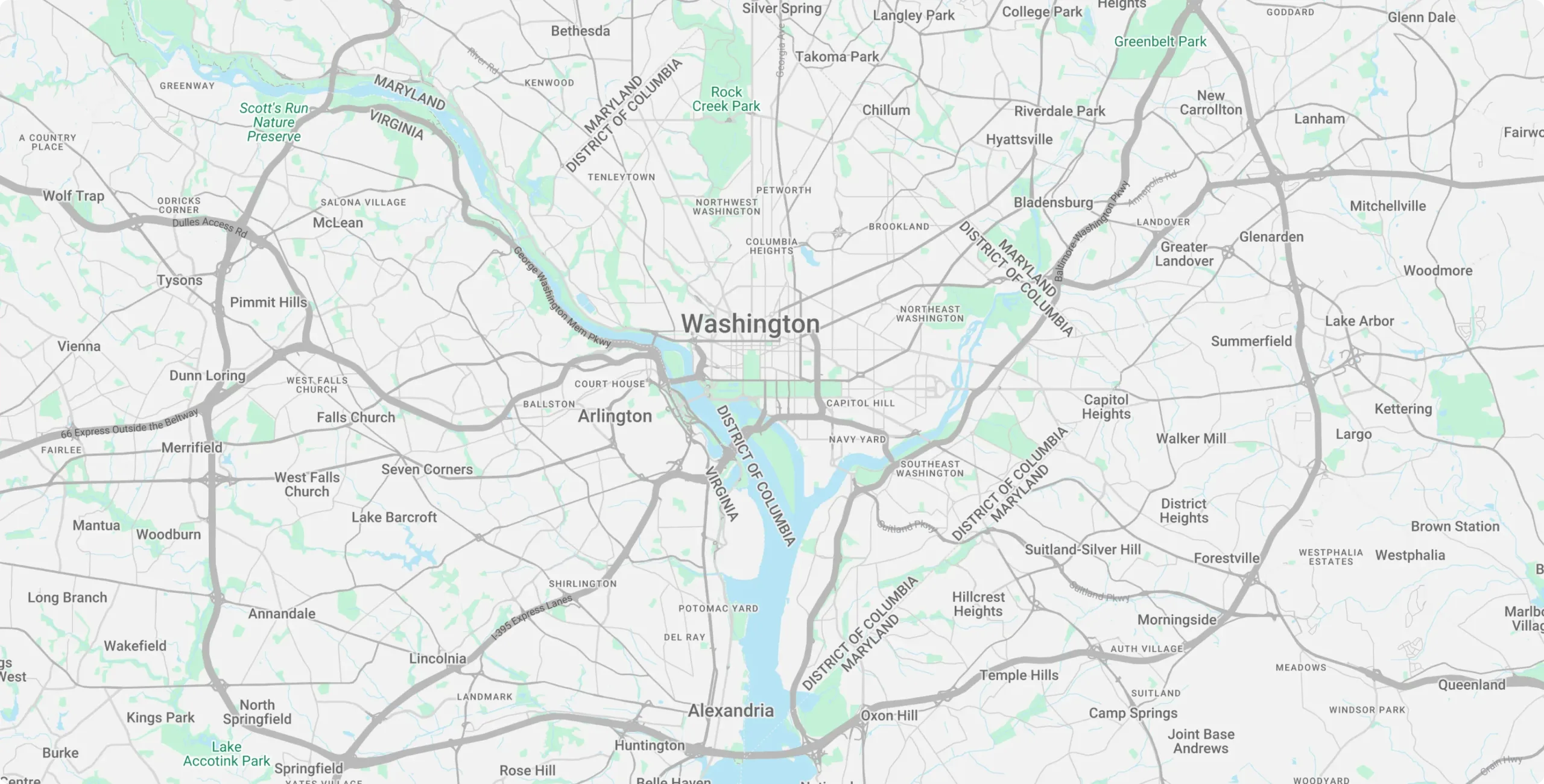
AREAS WE SERVE
At FloodTech USA, we specialize in comprehensive solutions for all your water-related concerns. From precision leak detection and water damage repair to mold remediation, sealing, resurfacing, and full-scale restoration services—our certified team delivers dependable results with unmatched professionalism.

PROTECTING PROPERTY, RESTORING PEACE OF MIND
At FloodTech USA, our team of certified home and commercial restoration specialists brings over 30 years of combined expertise in water damage mitigation, mold remediation, fire and smoke restoration, and structural recovery. Every technician on our crew is fully trained, licensed, and committed to delivering prompt, professional, and compassionate service during your most difficult times.
We know that emergencies don’t wait for business hours. That’s why our restoration services are available around the clock—24 hours a day, 7 days a week, 365 days a year. Whether it’s a burst pipe in the middle of the night or fire damage over a holiday weekend, we’re ready to respond immediately to protect your property and begin the recovery process without delay.