



Flooded Basement Cleanup and Water Damage Restoration in Sterling, VA
A flooded basement is one of the most stressful and destructive problems a property owner in Sterling, VA can face. Whether caused by heavy rain, sump pump failure, burst pipes, groundwater intrusion, or plumbing backups, basement flooding can quickly escalate from standing water to serious structural damage. The longer water remains, the greater the risk of mold growth, foundation issues, electrical hazards, and costly repairs.
FloodTech USA provides professional flooded basement cleanup and water damage restoration in Sterling, VA. Our team responds 24/7 with rapid water extraction, advanced moisture detection, structural drying, and complete restoration services tailored specifically to basement flooding. We understand the construction styles common throughout Sterling neighborhoods and the unique risks that affect below-grade spaces in Northern Virginia.
Basement water damage is not just about removing visible water. It requires a comprehensive restoration process designed to eliminate hidden moisture, protect structural integrity, prevent mold, and restore the space safely and completely. From emergency response to final repairs, our focus is on restoring your basement—and your peace of mind.
WHY FLOODTECH USA?
WE’RE HERE FOR YOU
24 HOURS A DAY, 7 DAYS A WEEK.

Why Flooded Basements Are Common in Sterling, VA
Sterling’s location in Loudoun County brings seasonal weather changes, heavy rainstorms, snowmelt, and humid summers. These conditions, combined with varying soil types and residential development patterns, create a higher risk of basement flooding.
Heavy Rainfall and Storm Drain Overload
During intense storms, stormwater systems can become overwhelmed. Water may pool around foundations and seep through cracks, window wells, or foundation joints. Even homes that have never experienced flooding before can suddenly face basement water intrusion during severe weather events.
Sump Pump Failure
Many Sterling homes rely on sump pumps to protect basements from groundwater accumulation. When a sump pump fails due to power outages, mechanical breakdown, or clogged discharge lines, water can rapidly fill the basement. Without immediate flooded basement cleanup, damage spreads quickly.
Foundation Cracks and Hydrostatic Pressure
Over time, hydrostatic pressure builds around foundation walls. This pressure can force water through even small cracks in concrete or masonry. The result is slow, steady seepage that may go unnoticed until flooring, drywall, or stored belongings are already saturated.
Burst Pipes and Plumbing Failures
Basement areas often house water heaters, washing machines, utility sinks, and exposed plumbing lines. Frozen pipes in winter or aging plumbing systems can rupture, releasing large volumes of water directly into the basement.
Sewer Backups
In certain conditions, municipal sewer systems can back up during heavy rainfall. This introduces contaminated water into basement floor drains, requiring specialized water damage restoration and sanitation procedures.
No matter the cause, immediate professional response is critical to limit damage and reduce long-term costs.
The Dangers of Ignoring a Flooded Basement
Basement flooding is never a minor issue. Even a few inches of water can cause serious structural and health-related problems.
Structural Damage to Foundation and Framing
Water weakens structural components over time. Wood framing absorbs moisture and begins to warp or decay. Subflooring can soften and lose stability. Prolonged moisture exposure may compromise sill plates and support beams.
Mold Growth Within 24 to 48 Hours
Basements are naturally more humid than upper levels. When flooding occurs, conditions become ideal for mold growth. Mold can spread behind drywall, beneath flooring, and inside insulation if not addressed through professional water damage restoration.
Electrical and Safety Hazards
Water in basements often comes into contact with electrical outlets, wiring, and panels. This creates significant safety risks. Power should never be restored to a flooded area until inspected and cleared by professionals.
Damage to Stored Belongings
Basements frequently serve as storage areas for furniture, seasonal decorations, documents, and personal items. Water can permanently damage these contents within hours.
Decreased Property Value
A history of unresolved basement flooding can negatively impact resale value. Buyers and inspectors are trained to look for signs of previous water damage.
Prompt flooded basement cleanup protects both structural integrity and property investment.
24/7 Emergency Flooded Basement Cleanup in Sterling, VA
FloodTech USA provides around-the-clock emergency service for flooded basements in Sterling. Time is the most critical factor in minimizing damage.
Immediate On-Site Assessment
Upon arrival, our technicians assess the source of flooding, determine water category (clean, gray, or black), and evaluate the extent of water spread. Moisture mapping tools help identify hidden dampness behind walls and under flooring.
Rapid Water Extraction
High-powered pumps and extraction units remove standing water quickly. Fast removal limits saturation of structural materials and reduces drying time.
Safety Stabilization
If necessary, we isolate affected areas, shut off water sources, and address immediate safety hazards.
Professional Structural Drying for Basements
After water extraction, thorough drying is essential. Basements are especially prone to trapped moisture due to limited ventilation and below-grade construction.
Industrial Dehumidification
Commercial dehumidifiers remove moisture from the air, accelerating evaporation from wet materials.
Strategic Airflow Placement
Air movers are positioned to create consistent airflow across affected surfaces, including framing, subfloors, and concrete walls.
Moisture Monitoring
Daily moisture readings ensure materials reach acceptable dryness levels before repairs begin.
Improper drying is one of the most common reasons flooded basements experience recurring issues.
Mold Prevention and Remediation After Basement Flooding
Because basements retain moisture longer, mold prevention is a critical part of water damage restoration.
Antimicrobial Treatments
We apply professional-grade antimicrobial solutions to affected materials to inhibit microbial growth.
Removal of Unsalvageable Materials
Water-damaged insulation, drywall, and carpeting that cannot be safely dried are removed to prevent mold development.
Air Quality Protection
HEPA filtration may be used to capture airborne spores and improve indoor air quality during restoration.
Cleaning and Sanitizing Flooded Basement Areas
If floodwater is contaminated, additional cleaning protocols are required.
Gray and Black Water Handling
Water from sewer backups or external flooding requires specialized sanitation procedures. Porous materials exposed to contaminated water are typically removed and replaced.
Odor Neutralization
Musty or sewage-related odors are neutralized at the source using professional deodorization treatments.
Basement Repairs and Reconstruction
Once drying is complete, restoration shifts to repairing and rebuilding damaged areas.
Drywall and Insulation Replacement
Damaged wall systems are restored with new materials that meet current building standards.
Flooring Installation
We repair or replace basement flooring, including tile, laminate, or engineered materials designed for below-grade environments.
Structural Repairs
If framing or support elements were compromised, they are reinforced or replaced to restore stability.
Having mitigation and reconstruction handled by the same team streamlines the process and reduces delays.
Preventing Future Basement Flooding in Sterling
While not all flooding is preventable, certain steps can reduce risk.
Sump Pump Maintenance
Regular inspection and backup battery installation help ensure sump pumps function during storms.
Foundation Inspections
Sealing cracks and improving exterior drainage reduces water intrusion.
Gutter and Downspout Maintenance
Proper water diversion prevents pooling near foundation walls.
Professional water damage restoration companies can also provide moisture assessments to identify potential vulnerabilities.
Why Sterling Homeowners Choose Professional Flooded Basement Cleanup
FloodTech USA combines rapid response, advanced equipment, and local expertise to handle basement flooding efficiently.
What Sets Our Services Apart
24/7 emergency response
Advanced moisture mapping technology
Certified water damage restoration technicians
Complete cleanup and reconstruction
Insurance claim assistance
Local experience in Sterling neighborhoods
Our goal is not only to remove water but to fully restore your basement safely and thoroughly.
How to Prevent Basement Flooding in Sterling VA Homes
Basement flooding is one of the most common and costly property issues homeowners face in Sterling, VA. Heavy rains, rapid snowmelt, sump pump failures, and aging infrastructure can quickly turn a dry basement into a water-damaged space. While professional flooded basement cleanup and water damage restoration are essential after water intrusion occurs, prevention remains the first and most effective line of defense.
Sterling homes often include finished basements used for living space, storage, or utility areas. When flooding happens, damage can extend beyond flooring and drywall to include framing, insulation, electrical systems, and personal belongings. Preventing basement flooding reduces the need for emergency water damage restoration and helps protect both structural integrity and long-term property value.
Understanding the common causes of basement flooding in Sterling and implementing proactive measures can significantly reduce risk.
Why Basement Flooding Happens in Sterling, VA
Before focusing on prevention, it is important to understand why basements flood in this region.
Heavy Rainfall and Stormwater Accumulation
Sterling experiences periods of intense rainfall throughout the year. When the ground becomes saturated, water accumulates around foundations. If drainage systems are inadequate, hydrostatic pressure builds and forces water through cracks or joints in foundation walls.
Sump Pump Malfunctions
Many Sterling homes rely on sump pumps to redirect groundwater away from foundations. When sump pumps fail due to mechanical issues, power outages, or clogged discharge lines, basements can flood rapidly.
Foundation Cracks and Settlement
Over time, small cracks develop in concrete foundations. Even hairline cracks can allow water to seep into the basement under pressure. Without proper sealing and drainage, this seepage can escalate into full flooding events.
Sewer and Drain Backups
Municipal sewer systems can become overwhelmed during heavy storms. When this occurs, water may back up through basement floor drains, requiring professional flooded basement cleanup and sanitation.
Preventing these issues requires a combination of exterior drainage management, interior system maintenance, and early detection strategies.
Maintain Proper Exterior Drainage
The first step in preventing basement flooding is managing water outside the home.
Keep Gutters and Downspouts Clear
Clogged gutters cause rainwater to overflow and pool around the foundation.
Extend Downspouts Away from the Foundation
Downspouts should discharge water at least six to ten feet away from the home. Extensions help direct water away from foundation walls and reduce hydrostatic pressure.
Regular Cleaning Schedule
Gutters should be cleaned at least twice a year and more frequently if trees surround the property. Consistent maintenance reduces the likelihood of overflow during storms.
Grade the Soil Properly
The ground around the foundation should slope away from the home. Improper grading allows water to collect near foundation walls, increasing the risk of seepage.
If soil has settled over time, adding fill dirt and regrading can significantly reduce basement flooding risk.
Install or Maintain Exterior Drainage Systems
French drains, footing drains, and exterior waterproofing membranes provide additional protection against groundwater intrusion. Regular inspection ensures these systems remain effective.
Inspect and Maintain Your Sump Pump
Sump pump failure is one of the leading causes of flooded basement cleanup calls in Sterling.
Test the Sump Pump Regularly
Pouring a bucket of water into the sump pit should activate the pump. If it does not turn on immediately or fails to discharge water effectively, maintenance or replacement may be necessary.
Check Discharge Lines
Ensure discharge lines are clear of debris and directed away from the foundation. Frozen discharge lines during winter can cause pump failure and sudden flooding.
Install a Battery Backup System
Power outages often occur during severe storms, precisely when sump pumps are needed most. A battery backup system keeps the pump operational even if electricity is lost.
Investing in backup protection significantly reduces the risk of emergency water damage restoration due to pump failure.
Seal Foundation Cracks and Vulnerable Entry Points
Water finds the path of least resistance. Small cracks can become significant intrusion points over time.
Inspect Foundation Walls Annually
Look for visible cracks, deteriorating mortar joints, or gaps around utility penetrations.
Professional Crack Repair
Epoxy or polyurethane injections can seal minor cracks effectively. Larger structural cracks should be evaluated by professionals to prevent worsening conditions.
Seal Basement Windows and Window Wells
Improperly sealed window wells allow rainwater to collect and seep inside.
Installing window well covers and ensuring proper drainage prevents water from accumulating around basement windows.
Install a Backwater Valve
Sewer backups are particularly damaging because they involve contaminated water requiring extensive flooded basement cleanup and sanitation.
A backwater valve prevents sewage from flowing back into the home during municipal system overload. This protective device can significantly reduce the severity of basement flooding events.
Monitor Plumbing and Appliances
Basements often house water heaters, washing machines, and utility sinks.
Inspect Supply Lines and Hoses
Rubber washing machine hoses should be replaced with braided steel lines for increased durability. Check connections for signs of wear or corrosion.
Address Small Leaks Immediately
Even minor drips can lead to gradual water accumulation and hidden damage. Early repair prevents larger restoration projects.
Use Water Leak Detection Technology
Modern water detection systems can alert homeowners to leaks before they escalate.
Install Water Alarms
Water sensors placed near sump pumps, water heaters, or floor drains can detect moisture and trigger alerts.
Smart Home Integration
Some systems automatically shut off water supply lines when leaks are detected, preventing widespread basement flooding.
These technologies provide early warning and reduce reliance on emergency flooded basement cleanup services.
Control Indoor Humidity Levels
High humidity does not directly cause flooding but can worsen moisture conditions in basements.
Use Dehumidifiers
Maintaining indoor humidity between 30 and 50 percent reduces condensation and helps prevent moisture buildup.
Improve Ventilation
Ensure basement ventilation systems are functioning properly to prevent damp conditions.
Schedule Professional Basement Inspections
Annual inspections by water damage restoration professionals can identify vulnerabilities before they lead to flooding.
Moisture Mapping and Risk Assessment
Professionals use moisture meters and thermal imaging to detect hidden damp areas and assess potential problem zones.
Preventive Recommendations
Based on inspection findings, homeowners receive guidance on drainage improvements, crack repairs, or system upgrades.
Proactive evaluation reduces the likelihood of needing large-scale water damage restoration.
What to Do If Flooding Still Occurs
Despite preventive efforts, severe storms or unexpected failures can still cause flooding.
Act Quickly
If water enters the basement, contact a professional flooded basement cleanup and water damage restoration company immediately. Rapid response minimizes structural damage and mold growth.
Avoid DIY Electrical Risks
Never enter standing water if electrical systems may be compromised. Safety should always be the first priority.
Document the Damage
Taking photos can assist with insurance claims and restoration documentation.
The Role of Professional Water Damage Restoration
Even with strong prevention strategies, unexpected events can occur. Professional flooded basement cleanup ensures:
- Rapid water extraction
- Advanced structural drying
- Mold prevention
- Thorough cleaning and sanitation
- Complete repair and reconstruction
Early professional intervention protects structural integrity and reduces long-term repair costs.
Protecting Sterling Homes from Basement Flooding
Preventing basement flooding in Sterling, VA requires consistent maintenance, proper drainage management, and early detection. While no system can guarantee complete immunity from severe weather or unexpected failures, proactive measures significantly reduce risk.
By maintaining exterior drainage, inspecting foundation systems, monitoring sump pumps, and addressing plumbing vulnerabilities, homeowners can avoid costly flooded basement cleanup and water damage restoration.
When prevention falls short, fast professional response ensures that your basement is restored safely and thoroughly. Combining preventive care with reliable restoration services provides the strongest protection for Sterling homes against the long-term impact of basement flooding.
Mold Risks After Basement Flooding in Sterling, VA
Basement flooding is one of the most serious property issues homeowners in Sterling, VA can face. While standing water and visible damage often receive immediate attention, one of the most dangerous and costly consequences develops quietly after the water is gone: mold growth. Mold risks increase significantly after a flooded basement, especially when water damage restoration and cleanup are delayed or incomplete.
Sterling’s humid climate, combined with below-grade construction and limited basement ventilation, creates ideal conditions for mold to grow after flooding. Even a small amount of remaining moisture can trigger rapid microbial growth within 24 to 48 hours. Understanding the mold risks associated with flooded basements—and the importance of professional water damage restoration—is critical for protecting your home and health.
Why Basements Are Highly Vulnerable to Mold
Basements naturally have higher humidity levels than upper floors. When flooding occurs, that humidity increases dramatically.
Limited Airflow and Ventilation
Unlike main living areas, basements often lack sufficient airflow. Windows may be small, and HVAC circulation can be limited. This stagnant air slows evaporation and allows moisture to linger in building materials.
Porous Construction Materials
Basement walls and floors frequently include drywall, insulation, wood framing, and subflooring. These materials absorb water quickly. Once saturated, they become ideal breeding grounds for mold if not thoroughly dried.
Concrete and Masonry Retain Moisture
Even though concrete appears solid, it is porous and can absorb water during flooding. Moisture trapped within foundation walls can contribute to prolonged dampness and hidden mold growth.
Professional flooded basement cleanup must address both visible water and hidden moisture to reduce mold risk effectively.
How Quickly Mold Develops After Basement Flooding
One of the most concerning aspects of mold growth is how fast it can begin.
The 24 to 48 Hour Window
Mold spores exist naturally in indoor environments. They only require moisture and organic material to grow. After basement flooding, wet drywall, wood, carpet, and insulation provide the perfect environment.
Within 24 to 48 hours, mold colonies can begin forming on damp surfaces.
Rapid Spread in Humid Conditions
Sterling’s humid summers accelerate mold development. Even after standing water is removed, elevated humidity levels can allow mold to continue spreading.
Professional water damage restoration includes industrial dehumidification to reduce moisture levels quickly and prevent this rapid growth cycle.
Common Areas Mold Grows After Basement Flooding
Mold does not always grow where it is easily visible. In flooded basements, it often spreads behind surfaces and within structural cavities.
Behind Drywall and Paneling
When water saturates drywall, it travels into the wall cavity. Insulation and framing remain damp long after surfaces appear dry. Mold colonies often develop behind walls, making detection difficult without professional moisture mapping.
Beneath Flooring Systems
Finished basements in Sterling may include carpet, laminate, or engineered wood flooring. Water seeps beneath these materials and into subfloors, creating hidden mold growth areas.
Inside Insulation
Fiberglass and cellulose insulation absorb moisture easily. Wet insulation traps water against framing and provides organic material for mold growth.
Around Sump Pump and Utility Areas
Mechanical rooms often remain damp even after cleanup. Persistent moisture around sump pumps, water heaters, and floor drains can lead to localized mold issues.
Thorough flooded basement cleanup and structural drying are necessary to address these high-risk areas.
Health Risks Associated with Mold Exposure
Mold growth is not just a structural concern. It also affects indoor air quality and occupant health.
Respiratory Issues
Mold spores can trigger coughing, sneezing, throat irritation, and asthma flare-ups. Individuals with allergies or respiratory conditions are particularly vulnerable.
Skin and Eye Irritation
Direct contact with mold or prolonged exposure to airborne spores may cause skin rashes or eye irritation.
Increased Risk for Vulnerable Individuals
Children, older residents, and individuals with weakened immune systems are at greater risk of developing more serious health complications.
Professional water damage restoration minimizes these risks by eliminating moisture sources and removing contaminated materials.
Structural Consequences of Mold Growth
Mold does more than discolor surfaces. Over time, it can weaken structural components.
Breakdown of Organic Materials
Mold feeds on organic materials such as wood and drywall paper backing. As it spreads, it breaks down these materials, reducing their structural integrity.
Compromised Framing and Subflooring
Prolonged mold exposure can lead to softening of wood framing and subfloor systems. If left untreated, this may require extensive reconstruction.
Persistent Odors and Air Quality Problems
Even after visible mold is removed, musty odors may remain if moisture has not been fully eliminated. Professional flooded basement cleanup includes deodorization and air filtration to restore indoor air quality.
Why DIY Cleanup Is Not Enough
Homeowners may attempt to clean visible mold with household products, but this approach rarely addresses the root cause.
Surface Cleaning Does Not Eliminate Hidden Moisture
Wiping down affected areas may remove visible mold but does not dry saturated framing or insulation. Mold will likely return if moisture remains.
Improper Drying Traps Moisture
Using household fans or dehumidifiers may not provide sufficient airflow or humidity control. Incomplete drying allows mold to continue spreading behind walls and under floors.
Professional water damage restoration teams use:
- Industrial air movers
- Commercial dehumidifiers
- Moisture meters
- Thermal imaging cameras
These tools ensure complete drying and accurate detection of hidden dampness.
The Role of Professional Flooded Basement Cleanup
Effective mold prevention begins with immediate and thorough flooded basement cleanup.
Rapid Water Extraction
Removing standing water quickly reduces material saturation and shortens drying time.
Moisture Mapping and Monitoring
Technicians use moisture detection tools to identify hidden damp areas and monitor progress throughout the drying process.
Removal of Unsalvageable Materials
Porous materials exposed to contaminated water may need to be removed to prevent mold growth. This includes insulation, carpet padding, and damaged drywall.
Antimicrobial Treatments
Professional-grade antimicrobial applications help inhibit mold development during and after drying.
Preventing Mold After Basement Flooding
While not all flooding is preventable, prompt action significantly reduces mold risks.
Act Within the First 24 Hours
Contacting a professional flooded basement cleanup company immediately after water intrusion is the most effective way to prevent mold.
Control Humidity Levels
After restoration, maintaining basement humidity between 30 and 50 percent helps prevent recurring moisture issues.
Schedule Follow-Up Inspections
Periodic inspections ensure no hidden moisture remains. Early detection prevents future mold outbreaks.
Long-Term Protection for Sterling Homes
Sterling homeowners invest significantly in finished basements for living space and storage. Mold growth after flooding not only threatens structural integrity but can also impact property value.
Professional water damage restoration ensures that basements are not only dried but fully stabilized against future microbial growth. Complete cleanup, structural drying, and mold prevention protect your home’s foundation and indoor environment.
Protect Your Home from Mold After Basement Flooding
Mold risks after basement flooding in Sterling, VA are serious and should never be underestimated. Within days, hidden moisture can lead to widespread microbial growth, structural damage, and health concerns.
The key to preventing mold is rapid and thorough flooded basement cleanup combined with professional water damage restoration. By removing water quickly, identifying hidden moisture, applying antimicrobial treatments, and ensuring complete structural drying, homeowners can avoid long-term consequences.
If your basement floods, do not wait for visible mold to appear. Immediate professional response is the most effective way to protect your home, your health, and your investment from the lasting impact of mold growth.
The Cost of Flooded Basement Water Damage Restoration in Sterling, VA
A flooded basement is one of the most expensive and stressful property emergencies a homeowner in Sterling, VA can experience. Beyond the immediate shock of standing water, the financial impact of flooded basement cleanup and water damage restoration can vary widely depending on the extent of damage, the source of water, and how quickly professional mitigation begins.
Understanding what affects the cost of water damage restoration helps Sterling homeowners make informed decisions and avoid unnecessary long-term expenses. While every flooded basement situation is unique, several consistent factors determine the overall scope and price of cleanup and restoration.
Why Basement Flooding Costs Add Up Quickly
Basements are particularly vulnerable to extensive damage because they often contain multiple systems and materials that are highly susceptible to water.
Below-Grade Construction Complications
Basements are built below ground level, which means water intrusion often involves hydrostatic pressure, groundwater seepage, or stormwater infiltration. These sources can saturate not just flooring but foundation walls, insulation, framing, and subfloors.
Drying below-grade structures takes specialized equipment and more time than drying above-ground spaces, which directly impacts restoration costs.
Finished Basements Increase Restoration Scope
Many homes in Sterling feature finished basements with drywall, flooring, built-in cabinetry, bathrooms, or entertainment areas. When these materials are exposed to flooding, removal and reconstruction costs increase significantly compared to unfinished utility spaces.
The more materials affected, the greater the cleanup, drying, and repair expenses.
Key Factors That Affect Flooded Basement Restoration Costs
The cost of flooded basement water damage restoration in Sterling depends on several important variables.
The Source and Category of Water
Not all floodwater is the same. The type of water involved plays a major role in restoration pricing.
Clean Water Damage
Flooding from broken supply lines or sump pump overflow involving relatively clean water is typically less expensive to remediate. While structural drying is still required, fewer materials may need removal.
Gray Water Contamination
Water from washing machines, dishwasher overflows, or certain plumbing failures contains contaminants. Additional cleaning and disinfection procedures increase labor and material costs.
Black Water or Sewage Backup
Sewer backups and stormwater flooding introduce hazardous contaminants. Black water requires extensive sanitation, removal of porous materials, and strict safety protocols. This significantly raises the cost of flooded basement cleanup.
The higher the contamination level, the more complex and expensive the restoration process becomes.
The Amount of Standing Water
The depth and volume of water directly impact restoration costs.
Minor Water Accumulation
If flooding is limited to a thin layer of water and addressed quickly, water extraction may be straightforward, and fewer materials may be damaged.
Significant Water Depth
Several inches or feet of water require heavy-duty pumping equipment and extended drying time. Deeper flooding typically leads to more saturated framing, insulation, and flooring, increasing repair expenses.
Prompt response reduces overall costs by limiting material saturation.
Duration of Water Exposure
How long water remains in the basement greatly influences restoration pricing.
Immediate Cleanup
When professional flooded basement cleanup begins within the first 24 hours, structural drying can often save materials such as hardwood flooring or drywall.
Delayed Restoration
If water sits for several days, mold growth may begin, and materials may deteriorate beyond repair. Mold remediation, structural reconstruction, and odor control add significant cost to the project.
Quick action is one of the most effective ways to control expenses.
Cost Components of Flooded Basement Cleanup
Understanding the different phases of water damage restoration helps explain where costs originate.
Emergency Water Extraction
The first step involves removing standing water using industrial pumps and extraction units. Pricing depends on the volume of water and accessibility of the basement.
Structural Drying and Dehumidification
After water removal, high-powered air movers and commercial dehumidifiers are used to dry affected areas. Drying may take several days, depending on saturation levels and humidity conditions in Sterling.
Equipment rental duration and labor monitoring costs are key components of this phase.
Moisture Mapping and Monitoring
Professional water damage restoration includes moisture detection using meters and thermal imaging. Daily monitoring ensures materials reach acceptable dryness levels before reconstruction begins.
This technical assessment is essential for preventing hidden moisture problems and recurring damage.
Material Removal and Disposal
If drywall, insulation, carpet, or cabinetry cannot be salvaged, they must be removed and disposed of properly.
Black water situations often require removal of more materials due to contamination risks.
Cleaning and Sanitization
Disinfecting affected areas is critical, especially in gray or black water flooding scenarios. Antimicrobial treatments and odor neutralization services contribute to overall costs.
Mold Remediation
If mold develops due to delayed cleanup, additional containment, removal, and air filtration procedures are required. Mold remediation significantly increases project scope and cost.
Reconstruction and Repairs
After drying is complete, repairs may include:
- Drywall replacement
- Flooring installation
- Painting
- Trim and baseboard repair
- Cabinet replacement
Finished basements with complex layouts or custom finishes typically incur higher reconstruction costs.
Insurance and Flooded Basement Restoration
Insurance coverage plays an important role in determining out-of-pocket expenses.
Homeowners Insurance Policies
Many homeowners policies cover sudden and accidental water damage, such as burst pipes. However, coverage for groundwater flooding or sewer backups may require additional endorsements.
Flood Insurance Policies
Flooding caused by natural disasters often requires a separate flood insurance policy. Understanding policy details before an emergency occurs can prevent financial surprises.
Professional water damage restoration companies assist with documentation, moisture reports, and repair estimates to support insurance claims.
Hidden Costs of Delaying Professional Cleanup
While some homeowners may hesitate to call for professional flooded basement cleanup due to cost concerns, delaying action often results in greater expenses.
Increased Structural Damage
Prolonged moisture exposure weakens framing, subfloors, and foundation elements. Structural repairs are significantly more expensive than early drying.
Mold Growth and Remediation
Once mold spreads behind walls or beneath flooring, containment and remediation add thousands of dollars to the restoration process.
Electrical and Mechanical Repairs
Water exposure can damage electrical systems, HVAC equipment, and appliances. These repair costs add to the total restoration budget.
Early professional intervention minimizes these risks and controls long-term expenses.
Cost vs. Long-Term Value
While flooded basement water damage restoration may seem costly initially, professional cleanup protects long-term property value.
Preventing Recurring Issues
Proper drying and moisture monitoring prevent hidden dampness that could lead to future damage.
Preserving Structural Integrity
Restoring framing, foundation systems, and subfloors ensures the home remains safe and stable.
Maintaining Resale Value
A history of unresolved basement flooding can negatively impact resale value. Documented professional restoration provides reassurance to future buyers.
Why Professional Water Damage Restoration Is Worth the Investment
Professional flooded basement cleanup in Sterling includes specialized equipment, trained technicians, and systematic drying procedures. Attempting DIY restoration often leads to incomplete drying and recurring problems.
Water damage restoration professionals provide:
- Rapid response
- Industrial-grade equipment
- Moisture mapping
- Mold prevention
- Full reconstruction services
Investing in professional restoration ensures the basement is fully dried, sanitized, and repaired correctly the first time.
Managing the Cost of Flooded Basement Restoration in Sterling, VA
The cost of flooded basement water damage restoration in Sterling varies depending on water category, damage extent, and response time. While no homeowner wants to face this situation, understanding the factors involved helps prepare for potential expenses.
The most effective way to control costs is through immediate action. Rapid flooded basement cleanup reduces structural damage, limits mold growth, and shortens drying timelines. Working with experienced water damage restoration professionals ensures thorough mitigation and protects your property from future complications.
Although basement flooding can represent a significant financial challenge, prompt professional restoration preserves your home’s structure, safeguards your health, and protects your long-term investment in your Sterling property.
Frequently Asked Questions About Flooded Basement Cleanup in Sterling, VA
How quickly should a flooded basement be cleaned up?
Immediately. Water should be extracted as soon as possible to prevent structural damage and mold growth. The first 24 hours are critical.
Can I remove basement water myself?
Small amounts of water may seem manageable, but professional equipment is necessary to remove hidden moisture and properly dry structural components.
How long does flooded basement restoration take?
Water extraction typically occurs within hours. Drying may take several days depending on the extent of damage. Repairs follow once materials are fully dry.
Will insurance cover flooded basement cleanup?
Coverage depends on the source of the flooding and your specific policy. We provide detailed documentation to support insurance claims.
Is mold always a concern after basement flooding?
Yes. Basements are especially vulnerable to mold growth due to humidity and limited airflow. Proper drying and antimicrobial treatments significantly reduce this risk.
Call FloodTech USA for Flooded Basement Cleanup in Sterling, VA
A flooded basement requires immediate, professional attention. FloodTech USA provides expert flooded basement cleanup and water damage restoration in Sterling, VA with fast response, advanced drying methods, and complete structural repairs.
If your basement has flooded, do not wait. Contact FloodTech USA 24/7 for emergency service and professional restoration you can trust.
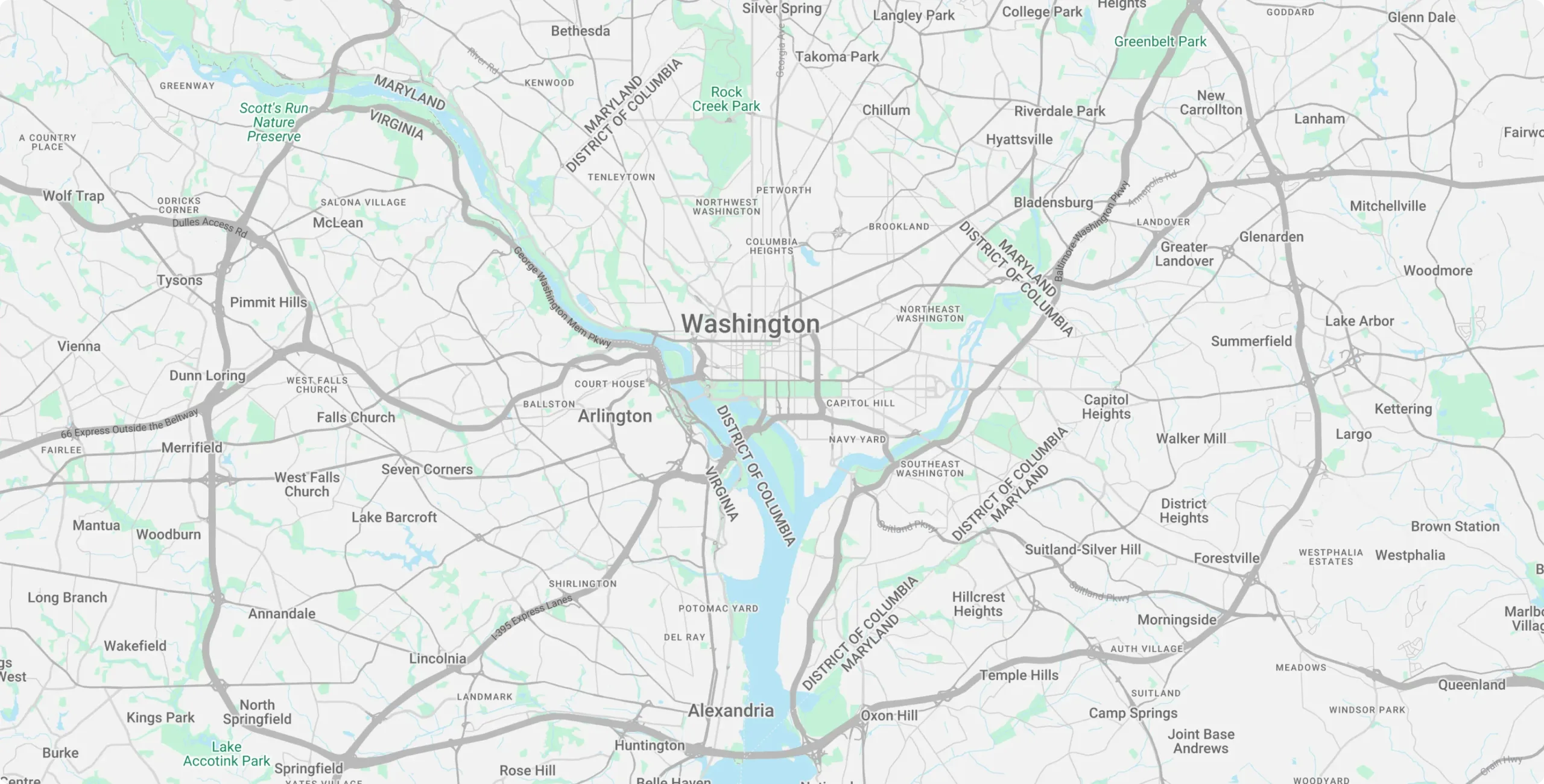
AREAS WE SERVE
At FloodTech USA, we specialize in comprehensive solutions for all your water-related concerns. From precision leak detection and water damage repair to mold remediation, sealing, resurfacing, and full-scale restoration services—our certified team delivers dependable results with unmatched professionalism.

PROTECTING PROPERTY, RESTORING PEACE OF MIND
At FloodTech USA, our team of certified home and commercial restoration specialists brings over 30 years of combined expertise in water damage mitigation, mold remediation, fire and smoke restoration, and structural recovery. Every technician on our crew is fully trained, licensed, and committed to delivering prompt, professional, and compassionate service during your most difficult times.
We know that emergencies don’t wait for business hours. That’s why our restoration services are available around the clock—24 hours a day, 7 days a week, 365 days a year. Whether it’s a burst pipe in the middle of the night or fire damage over a holiday weekend, we’re ready to respond immediately to protect your property and begin the recovery process without delay.