


Mold Mitigation Arlington VA
Mold is rarely something Arlington homeowners or business owners plan for, yet it’s one of the most common and damaging issues facing properties throughout Northern Virginia. It doesn’t announce itself loudly. It develops quietly, often hidden behind walls, beneath flooring, or inside HVAC systems, slowly affecting air quality, structural materials, and the health of those inside.
In a densely populated, fast-paced area like Arlington, VA—where historic homes sit alongside modern condos and mixed-use buildings—mold mitigation is not simply a reaction to visible damage. It is a critical step in protecting property value, maintaining healthy indoor environments, and preventing long-term deterioration.
FloodTech USA provides professional mold mitigation services in Arlington, VA, designed to identify mold at its source, eliminate it safely, and prevent it from returning. Whether mold develops after water damage, persistent humidity, plumbing failures, or unnoticed leaks, FloodTech USA delivers thorough, reliable solutions tailored to Arlington’s unique housing landscape.
WHY FLOODTECH USA?
WE’RE HERE FOR YOU
24 HOURS A DAY, 7 DAYS A WEEK.

What Mold Mitigation Is and Why It Matters
Mold mitigation is the process of identifying, containing, removing, and preventing mold growth inside a building. Unlike surface cleaning or cosmetic treatments, true mold mitigation addresses the underlying moisture conditions that allow mold to grow in the first place.
Mold spores exist naturally in the environment. Outdoors, they are harmless. Indoors, when moisture is present, those spores can attach to building materials and begin multiplying. Once mold establishes itself inside a structure, it can spread rapidly through porous materials and air systems.
Ignoring mold does not make it disappear. In fact, untreated mold almost always spreads, leading to increased damage and health risks over time. Mold mitigation matters because it:
- Stops active mold growth
- Prevents cross-contamination to clean areas
- Improves indoor air quality
- Protects structural materials
- Reduces health risks
- Helps prevent future mold problems
For Arlington property owners, mold mitigation is not optional maintenance—it’s essential protection.
Why Mold Is a Common Problem in Arlington, Virginia
Arlington’s climate and infrastructure create ideal conditions for mold growth. Hot, humid summers, frequent storms, aging plumbing systems, and tightly sealed modern buildings all contribute to moisture retention.
Many Arlington homes feature basements, crawl spaces, shared walls, and complex HVAC systems. Condos and apartment buildings often have moisture issues that originate in neighboring units or shared mechanical systems, allowing mold to spread unnoticed.
Additionally, Arlington’s older housing stock may contain outdated ventilation systems or aging materials that are more vulnerable to moisture intrusion.
Because of these factors, mold mitigation in Arlington often involves identifying hidden sources of moisture that have been present long before symptoms appear.
Common Causes of Mold in Virginia Homes and Businesses
High Humidity Levels
Northern Virginia experiences prolonged periods of high humidity, particularly during spring and summer. When indoor humidity exceeds safe levels, moisture can condense on walls, ceilings, and within insulation.
Without proper ventilation or dehumidification, mold can grow even in the absence of a direct water leak.
Water Damage and Flooding
Heavy rainstorms, flash flooding, and plumbing failures are frequent causes of mold growth in Arlington. Even minor water damage can lead to mold if materials are not dried thoroughly within 24 to 48 hours.
Hidden moisture behind walls or under floors often goes unnoticed until mold becomes widespread.
Plumbing Leaks and Appliance Failures
Slow leaks from pipes, water heaters, dishwashers, and washing machines are among the most common causes of mold. Because these leaks often occur behind walls or cabinets, mold may grow for months before being discovered.
Roof Leaks and Exterior Water Intrusion
Damaged roofing, clogged gutters, and poor drainage can allow water to enter attics and wall cavities. Mold growth in these areas is often hidden and extensive by the time it’s detected.
HVAC Condensation and Ventilation Issues
Air conditioning systems produce condensation. When drain lines clog or insulation fails, moisture accumulates around HVAC components. Mold in HVAC systems can distribute spores throughout the entire building.
FloodTech USA’s Mold Mitigation Services in Arlington, VA
FloodTech USA approaches mold mitigation with precision, care, and a focus on long-term results. Every project follows a proven, step-by-step process.
Comprehensive Mold Inspection and Assessment
FloodTech USA begins with a detailed inspection to identify visible and hidden mold growth, moisture sources, and affected materials. Advanced moisture meters and thermal imaging tools help locate problem areas without unnecessary demolition.
Containment and Safety Measures
Containment prevents mold spores from spreading during mitigation. FloodTech USA uses physical barriers, sealed work zones, and negative air pressure systems to protect unaffected areas.
Safe Mold Removal and Material Handling
Contaminated materials are removed safely when necessary. Non-porous surfaces are cleaned using professional-grade antimicrobial solutions. All work follows industry safety standards.
Advanced Drying and Dehumidification
Commercial-grade air movers and dehumidifiers eliminate residual moisture. Moisture levels are monitored throughout the process to ensure conditions are no longer favorable for mold growth.
Air Quality Restoration
HEPA air scrubbers and filtration systems remove airborne spores, restoring clean, breathable indoor air.
Prevention and Recommendations
FloodTech USA provides guidance on preventing future mold growth, including humidity control, ventilation improvements, and maintenance strategies tailored to Arlington properties.
Signs You May Need Mold Mitigation
Mold is not always visible. Common warning signs include:
- Musty or earthy odors
- Visible discoloration on walls or ceilings
- Peeling paint or warped drywall
- Persistent allergy symptoms indoors
- Chronic coughing or respiratory irritation
- Recent water damage or leaks
Early detection and professional mold mitigation can prevent extensive damage.
Health Risks Associated With Mold Exposure
Mold exposure can cause a wide range of health issues, especially with prolonged exposure. Symptoms may include:
- Allergic reactions
- Sinus congestion
- Chronic coughing or wheezing
- Asthma flare-ups
- Headaches and fatigue
- Skin and eye irritation
Children, older people, and individuals with compromised immune systems are especially vulnerable.
Local Mold Mitigation Case Studies
Mold Mitigation in an Arlington Condo
After a plumbing leak in a neighboring unit, an Arlington condo owner noticed persistent odors. FloodTech USA identified hidden mold behind shared walls and performed targeted mold mitigation, preventing spread to adjacent units.
Commercial Mold Mitigation in Arlington
An Arlington office space experienced employee complaints related to air quality. Mold was found in HVAC ductwork due to condensation. FloodTech USA completed full mitigation and air quality restoration, allowing normal operations to resume.
Preventive Measures and Maintenance Tips
Preventing mold requires consistent moisture control:
- Keep indoor humidity below 50 percent
- Use dehumidifiers in basements and lower levels
- Fix leaks promptly
- Maintain HVAC systems
- Ensure proper ventilation in bathrooms and kitchens
- Clean gutters and maintain drainage
DIY prevention helps, but professional inspections are often needed to detect hidden issues.
Choosing a Trusted Mold Mitigation Provider in Arlington, VA
FloodTech USA is trusted throughout Northern Virginia for its expertise, responsiveness, and commitment to quality.
Why clients choose FloodTech USA:
- Rapid response times
- Experienced, trained professionals
- Advanced technology and equipment
- Clear communication
- Long-term solutions, not temporary fixes
Health Risks of Hidden Mold in Arlington, VA Homes
Hidden mold is one of the most serious yet often overlooked health hazards affecting homes in Arlington, Virginia. Because mold commonly grows behind walls, beneath flooring, inside insulation, and within HVAC systems, it can exist for long periods without being visible. During that time, mold releases spores into the air, quietly impacting the health of everyone living or working inside the home.
In Arlington, where many properties include basements, shared walls, and tightly sealed interiors, hidden mold can spread more easily than homeowners realize. Understanding the health risks associated with hidden mold is essential for protecting both your family’s well-being and your home’s indoor environment.
Why Hidden Mold Is Common in Arlington Homes
Arlington’s mix of historic homes, modern renovations, townhouses, and multi-unit buildings creates unique conditions for hidden mold growth. Older properties may have aging plumbing or ventilation systems, while newer buildings are often tightly sealed for energy efficiency, trapping moisture indoors.
High humidity during spring and summer months further increases the risk. Moisture from showers, cooking, air conditioning systems, or small leaks can accumulate behind walls or under floors. Because these areas are not part of daily living spaces, mold can grow undetected for months or even years.
Shared HVAC systems and adjacent units in condos and apartment buildings can also contribute to mold spreading beyond its original source.
How Hidden Mold Impacts Indoor Air Quality
Mold spreads by releasing microscopic spores into the air. When mold growth is hidden, these spores often circulate through the home without any visible clues. HVAC systems can carry spores from one contaminated area to multiple rooms, affecting indoor air quality throughout the entire property.
Poor indoor air quality caused by mold can make a home feel damp or uncomfortable. Residents may notice persistent musty odors that return even after cleaning or ventilating the space. Breathing in mold-contaminated air over time increases the risk of both short-term and long-term health issues.
Respiratory Problems Linked to Mold Exposure
Respiratory symptoms are among the most common health effects of hidden mold exposure. Mold spores irritate the airways and lungs, especially when exposure is ongoing.
Symptoms may include chronic coughing, sneezing, wheezing, throat irritation, and shortness of breath. Individuals with asthma or chronic respiratory conditions often experience worsening symptoms when mold is present.
Children and older adults in Arlington homes are particularly vulnerable because their respiratory systems are either still developing or more sensitive to environmental irritants.
Allergic Reactions and Sensitivity Development
Many people are allergic to mold without realizing it. Hidden mold can cause allergy-like symptoms that seem persistent and difficult to explain.
Common reactions include nasal congestion, sinus pressure, itchy eyes, runny nose, skin rashes, and frequent sneezing. Symptoms often worsen indoors and improve when residents spend time outside the home, a key indicator of mold-related exposure.
Prolonged exposure can also increase sensitivity over time, meaning symptoms become more severe even at lower levels of mold exposure.
Headaches, Fatigue, and Cognitive Effects
Hidden mold exposure can affect more than just the respiratory system. Many Arlington residents report chronic headaches, fatigue, dizziness, and difficulty concentrating when mold is present in their homes.
These symptoms are often mistaken for stress, dehydration, or lack of sleep. However, long-term exposure to mold spores and microbial byproducts can contribute to inflammation and neurological irritation, leading to ongoing discomfort and mental fog.
When these symptoms improve after time away from home, it may point to indoor environmental factors such as hidden mold.
Immune System Stress and Increased Illness
The immune system works continuously to protect the body from environmental threats. Prolonged exposure to mold can place additional strain on immune function.
Residents living in mold-affected Arlington homes may find themselves getting sick more frequently, experiencing lingering colds, or dealing with recurring sinus and respiratory infections. For individuals with weakened immune systems, mold exposure can pose more serious health risks.
Over time, this immune system stress can impact overall resilience and quality of life.
Skin and Eye Irritation From Mold Exposure
Hidden mold can also cause skin and eye irritation even without direct contact. Airborne spores can trigger inflammatory responses in sensitive individuals.
Symptoms may include itchy or red skin, unexplained rashes, dryness, and irritation that does not respond to typical treatments. Eye symptoms such as redness, watering, itching, or a burning sensation are also common.
These symptoms often improve when exposure is reduced, offering another clue that mold may be present in the home.
Health Risks for Children Living With Hidden Mold
Children are particularly susceptible to the effects of hidden mold. Their developing immune systems and lungs make them more vulnerable to airborne contaminants.
Exposure to mold during childhood has been linked to increased rates of asthma, allergies, and respiratory infections. Children in Arlington homes with hidden mold may experience frequent coughing, wheezing, or nighttime breathing difficulties.
Because children may have trouble explaining how they feel, symptoms can go unnoticed or be attributed to other causes, delaying proper diagnosis and intervention.
Mental and Emotional Effects of Chronic Mold Exposure
Living in a mold-contaminated environment can also affect mental and emotional well-being. Persistent physical symptoms, poor sleep quality, and ongoing discomfort can contribute to irritability, anxiety, and mood changes.
For homeowners unaware of hidden mold, the frustration of unexplained health problems can be emotionally draining. Many residents report improved mood, energy, and overall comfort once mold mitigation is completed and indoor air quality is restored.
The Importance of Early Detection
The longer mold remains hidden, the greater the potential health impact. Early detection and professional mold mitigation can significantly reduce health risks and prevent symptoms from worsening.
Regular inspections, moisture monitoring, and prompt response to water damage are especially important in Arlington homes due to the area’s climate and building styles. Professional mold mitigation addresses both visible and hidden contamination, ensuring a healthier living environment.
Protecting Your Health and Home in Arlington, VA
Hidden mold is a silent threat that can affect nearly every aspect of health, from breathing and immune function to energy levels and emotional well-being. Because mold often grows out of sight, health symptoms may be the first indication that something is wrong.
If you or your family experience unexplained health issues that worsen indoors, professional mold inspection and mitigation can help identify and eliminate the source. For Arlington homeowners, addressing hidden mold is not just about maintaining property—it is about protecting the health and comfort of everyone who lives there.
Advanced Technology and Equipment for Mold Mitigation in Arlington, VA Homes
Mold mitigation has advanced significantly in recent years, moving far beyond simple surface cleaning and basic drying techniques. In Arlington, Virginia, where homes range from historic properties to modern condominiums and townhomes, advanced technology is essential for identifying hidden mold, controlling contamination, and restoring healthy indoor environments. Because mold often develops out of sight and spreads through microscopic spores, professional equipment plays a critical role in effective mold mitigation.
Understanding the technology used during professional mold mitigation helps Arlington homeowners see why expert services deliver results that DIY approaches simply cannot match.
Why Advanced Mold Mitigation Technology Is Essential
Mold thrives in dark, damp environments and can grow behind walls, under flooring, and inside HVAC systems. Once established, it spreads through airborne spores that are invisible to the naked eye. Traditional cleaning methods are unable to detect or remove mold at this level.
Advanced mold mitigation technology allows professionals to locate moisture sources, map mold growth, contain contaminated areas, and eliminate spores from the air. In Arlington homes with shared walls, tight building envelopes, and complex mechanical systems, precision and containment are especially important.
Moisture Detection Tools and Thermal Imaging
Successful mold mitigation begins with identifying moisture. Advanced moisture detection tools are used to locate damp areas that may not show visible signs of water damage.
Thermal imaging cameras detect temperature differences within walls, ceilings, and floors. Cooler areas often indicate moisture buildup, which is a common precursor to mold growth. This non-invasive technology allows technicians to pinpoint problem areas without opening walls unnecessarily.
Moisture meters provide accurate readings of moisture levels in materials such as drywall, wood, and concrete. These readings guide mitigation efforts and help determine when materials are sufficiently dry.
Air Sampling and Indoor Air Quality Assessment
Mold spores are microscopic and can circulate throughout a home without being seen. Advanced air sampling equipment collects airborne particles to measure spore concentration and identify mold types present indoors.
Air quality assessments help determine the extent of contamination and guide the scope of mitigation. After mold removal, follow-up air testing may be used to confirm that indoor air quality has been restored to safe levels.
In Arlington homes, air sampling is particularly valuable when mold growth is suspected within HVAC systems or shared building spaces.
Containment Systems and Negative Air Pressure
Preventing mold spores from spreading during mitigation is critical. Advanced containment systems isolate affected areas and protect the rest of the home.
Plastic barriers seal off contaminated spaces, while negative air pressure machines draw air into the work area and filter it through HEPA systems before exhausting it outside. This process prevents spores from escaping into clean areas.
In Arlington’s multi-level homes and condos, containment technology ensures that mold mitigation does not impact neighboring spaces or shared air systems.
HEPA Filtration and Air Scrubbing Equipment
High-Efficiency Particulate Air (HEPA) filtration is a cornerstone of modern mold mitigation. HEPA filters capture extremely small particles, including mold spores.
Air scrubbers equipped with HEPA filters continuously clean the air during mitigation, removing airborne contaminants and improving indoor air quality. These machines create a safer environment for occupants and technicians alike.
HEPA-filtered vacuums are also used to clean surfaces and remove mold residues without releasing spores back into the air.
Advanced Drying and Dehumidification Systems
Moisture control is essential for stopping mold growth. Professional mold mitigation uses advanced drying equipment to remove moisture efficiently from affected areas.
Industrial air movers increase airflow across wet surfaces, accelerating evaporation. Low-grain refrigerant dehumidifiers extract moisture from the air even in humid conditions, maintaining optimal humidity levels.
In Arlington homes with basements, crawl spaces, or lower-level units, these systems ensure that moisture is fully eliminated before restoration begins.
Antimicrobial Treatments and Mold Inhibitors
After mold removal, professional-grade antimicrobial treatments are applied to cleaned surfaces. These treatments eliminate remaining mold spores and help prevent future growth.
Unlike household cleaners, professional antimicrobials are designed to penetrate porous materials and provide long-lasting protection. In high-risk areas, mold-inhibiting coatings may also be applied to reduce recurrence.
These treatments are especially effective in moisture-prone areas such as bathrooms, basements, and utility rooms.
HVAC-Specific Mold Mitigation Technology
HVAC systems can become pathways for mold spores if contamination is present. Advanced HVAC mold mitigation technology addresses this issue directly.
Specialized tools are used to clean ductwork, coils, and air handlers. HEPA-filtered negative air machines capture spores during cleaning, preventing them from spreading through the system.
In Arlington homes with central heating and cooling, addressing HVAC contamination is essential for restoring clean indoor air throughout the property.
Data-Driven Monitoring and Documentation
Modern mold mitigation relies on data to ensure accuracy and effectiveness. Moisture readings, air quality measurements, and environmental conditions are documented throughout the process.
This data-driven approach verifies that mitigation goals are met and provides homeowners with clear records of the work performed. Documentation is valuable for insurance claims, property sales, or future maintenance planning.
Minimally Invasive Mitigation Techniques
Advanced technology allows professionals to work with precision, reducing unnecessary demolition. By accurately locating mold and moisture, technicians focus on affected areas only.
This minimizes disruption to living spaces and helps preserve finishes, flooring, and architectural features common in Arlington homes. Faster completion times and reduced restoration costs are added benefits.
Long-Term Mold Prevention Through Technology
Advanced mold mitigation technology supports long-term prevention as well as removal. Professionals may recommend humidity sensors, improved ventilation systems, or smart moisture monitoring tools based on findings during mitigation.
These solutions help homeowners maintain healthy indoor conditions and reduce the risk of future mold growth.
Why Professional Equipment Makes a Difference in Arlington Homes
DIY mold solutions rarely involve advanced technology, limiting their effectiveness. Without proper equipment, hidden mold and airborne spores often remain untreated.
Professional mold mitigation in Arlington relies on advanced tools to deliver comprehensive results. By addressing mold at its source and restoring indoor air quality, modern technology protects both the home and its occupants.
Investing in Advanced Mold Mitigation for Peace of Mind
Advanced technology and equipment are essential for effective mold mitigation in Arlington homes. From moisture detection and containment to air purification and long-term prevention, these tools ensure mold problems are resolved thoroughly and responsibly.
For Arlington homeowners, investing in professional mold mitigation with advanced equipment is an investment in health, property value, and lasting peace of mind.
Seasonal Mold Risks in Arlington, VA Homes and How to Prevent Them
Mold problems in Arlington, Virginia do not remain constant throughout the year. Instead, they tend to rise and fall with seasonal changes in weather, humidity, and household activity. Understanding how each season contributes to mold growth is one of the most effective ways homeowners can protect their property and indoor air quality. Arlington’s mix of humid summers, wet springs, cold winters, and transitional fall weather creates conditions where mold can appear at different times for different reasons.
By recognizing seasonal mold risks and taking preventive action early, Arlington homeowners can reduce the likelihood of costly damage and health concerns.
Why Mold Is a Seasonal Issue in Arlington
Mold requires moisture, organic material, and time to grow. While organic materials such as wood, drywall, and insulation are always present in homes, moisture levels change dramatically with the seasons. Rainfall, humidity, snowmelt, and indoor condensation all fluctuate throughout the year in Northern Virginia.
Even well-maintained Arlington homes can experience moisture buildup during certain seasons, especially in basements, attics, crawl spaces, and behind walls. Seasonal awareness allows homeowners to address moisture before mold has a chance to establish itself.
Spring Mold Risks and Prevention
Spring in Arlington brings warmer temperatures, frequent rain, and rising humidity. As snow melts and the ground becomes saturated, water pressure around foundations increases. This can lead to moisture intrusion in basements and crawl spaces, especially in older homes.
Spring storms can also expose roof vulnerabilities that went unnoticed during winter. Minor leaks may allow water to enter attics and upper walls, creating hidden mold risks.
To prevent spring mold growth, homeowners should inspect gutters and downspouts to ensure water is directed away from the foundation. Basements and lower levels should be checked for dampness after heavy rains. Using dehumidifiers early in the season can help control humidity before mold begins to grow.
Summer Mold Risks in Arlington Homes
Summer is the highest-risk season for mold growth in Arlington. High temperatures combined with elevated humidity create ideal conditions for mold to thrive indoors. Air conditioning systems run constantly, producing condensation that can accumulate if drainage or insulation issues are present.
Basements and lower-level living spaces are particularly vulnerable during summer. Cool indoor air meets warm, humid outdoor air, leading to condensation on walls, floors, and pipes. Bathrooms, kitchens, and laundry rooms also experience increased moisture due to frequent water use.
Preventing summer mold requires diligent humidity control. Indoor humidity should be kept below 50 percent whenever possible. HVAC systems should be serviced regularly to ensure proper airflow and condensate drainage. Exhaust fans should be used consistently to remove moisture at its source.
Fall Mold Risks and Maintenance Needs
Fall often feels like a break from summer humidity, but it introduces its own mold challenges. Temperature fluctuations between warm days and cool nights can cause condensation inside walls, attics, and crawl spaces. Falling leaves can clog gutters, causing water to overflow and pool near the foundation.
As heating systems are used more frequently, changes in indoor airflow can trap moisture left over from summer. Mold that began growing earlier in the year may continue to spread unnoticed during fall.
Fall is an ideal time for preventive maintenance. Cleaning gutters, inspecting roofs, sealing exterior cracks, and checking attic ventilation can help prevent moisture problems as colder weather approaches.
Winter Mold Risks Often Overlooked
Many homeowners assume mold is not a concern during winter, but indoor mold growth can still occur. During colder months, homes are tightly sealed to conserve heat, reducing ventilation. Moisture from everyday activities such as cooking, showering, and laundry becomes trapped indoors.
Condensation often forms on windows, exterior walls, and inside insulation, especially in older Arlington homes. Ice dams on roofs can cause water to back up under shingles, leading to hidden leaks and mold growth in attics and ceilings.
Preventing winter mold involves monitoring indoor humidity and maintaining proper ventilation. Exhaust fans should be used during moisture-producing activities, and condensation should be wiped away promptly. Adequate attic insulation and ventilation help reduce ice dam formation and moisture buildup.
Basements and Crawl Spaces Year-Round
Basements and crawl spaces are vulnerable to mold throughout the year, but seasonal changes can intensify existing moisture problems. These areas are naturally cooler and more humid than upper living spaces, making them prime locations for mold growth.
Installing vapor barriers, sealing foundation cracks, and using dehumidifiers can significantly reduce mold risk. Regular inspections are essential, especially after heavy rain or major temperature changes.
Seasonal Mold and Indoor Air Quality
Seasonal mold growth does not remain isolated. Mold spores can travel through the air and enter living spaces, even if the growth originates in a basement or attic. HVAC systems can distribute spores throughout the home, affecting indoor air quality.
Homeowners may notice seasonal allergy symptoms that worsen indoors, persistent musty odors, or a damp feeling that comes and goes with the weather. These signs often indicate seasonal mold activity within the home.
Proactive Mold Prevention Tips for Arlington Homeowners
Consistent prevention is more effective than reacting to mold after it appears. Monitoring humidity, responding quickly to water issues, and scheduling regular inspections can greatly reduce mold risk.
Landscaping and drainage also play an important role. Soil should slope away from the foundation, and sprinkler systems should not spray directly against exterior walls. Small adjustments can have a big impact on moisture control.
Routine HVAC maintenance is another critical step. Clean filters, clear drain lines, and professional inspections help prevent moisture buildup and mold distribution.
When Professional Mold Prevention and Mitigation Is Needed
Despite best efforts, some mold problems require professional attention. Seasonal storms, hidden leaks, or construction flaws can allow mold to grow undetected.
Professional mold inspections and mitigation services use specialized equipment to detect hidden moisture and mold growth. Early professional intervention can prevent extensive damage and costly repairs.
Year-Round Protection for Arlington, VA Homes
Seasonal mold risks are an ongoing challenge in Arlington, but they do not have to become recurring problems. Understanding how each season contributes to mold growth empowers homeowners to take proactive steps throughout the year.
By staying aware of seasonal changes, maintaining moisture control, and addressing concerns early, Arlington homeowners can protect their property, indoor air quality, and overall health year-round. Mold prevention is not a one-time effort—it is a continuous strategy that supports a safer, healthier home in every season.
Economic Benefits of Timely Mold Mitigation in Arlington, VA Homes
For homeowners in Arlington, Virginia, protecting property value and managing long-term costs are essential parts of responsible homeownership. Mold is often thought of as a health concern first, but its financial impact can be just as serious. When mold is ignored or addressed too late, it can lead to escalating repair expenses, reduced resale value, insurance complications, and ongoing maintenance problems. Timely mold mitigation is not simply a response to a visible issue—it is a smart financial strategy that helps safeguard one of your most valuable investments.
Understanding the economic benefits of early mold mitigation allows Arlington homeowners to make informed decisions that protect both their property and their financial future.
Preventing Escalating Repair Costs
Mold rarely remains limited to a small area. What begins as a minor patch of growth behind drywall or beneath flooring can spread quickly into insulation, framing, and structural components. As mold feeds on organic materials, it weakens them, increasing the scope and cost of repairs.
Timely mold mitigation stops this progression early. Addressing mold at the first signs of growth often requires less demolition and fewer replacement materials. This significantly reduces labor and restoration costs compared to situations where mold has spread extensively.
In Arlington homes, which often feature high-quality finishes and custom materials, early intervention can prevent costly reconstruction projects.
Preserving Property Value in a Competitive Market
Arlington has a highly competitive real estate market where property value is closely tied to condition and maintenance history. Mold issues can have a negative impact on resale value and buyer confidence.
Homes with unresolved mold problems or poorly documented remediation may face price reductions or extended time on the market. Even after mold removal, buyers may remain cautious if the issue was not addressed professionally.
Timely mold mitigation helps preserve property value by limiting damage and providing clear documentation of professional remediation. This reassures buyers and demonstrates responsible homeownership.
Avoiding Insurance Claim Complications
Insurance coverage for mold-related damage often depends on the cause of the problem and how quickly the homeowner responded. Many policies cover mold resulting from sudden, accidental water damage but may deny claims if mold growth is considered preventable or the result of long-term neglect.
Timely mold mitigation shows that the homeowner took prompt action to address the issue. This can support insurance claims and help maximize coverage when applicable. Delayed mitigation, on the other hand, may result in denied or reduced claims, leaving homeowners responsible for the full cost of repairs.
For Arlington homeowners, early action can make a significant difference in insurance outcomes.
Reducing Long-Term Maintenance Expenses
Hidden mold often points to underlying moisture problems such as leaks, poor ventilation, or drainage issues. If these problems are not resolved, homeowners may face recurring mold growth and repeated repair costs.
Professional mold mitigation identifies and addresses these root causes. By correcting moisture issues early, homeowners reduce the likelihood of future mold-related expenses.
Over time, this proactive approach leads to lower maintenance costs and fewer unexpected repairs.
Protecting Structural Integrity and Avoiding Major Renovations
Mold can compromise a home’s structural integrity when it affects framing, subflooring, and support beams. Prolonged exposure weakens these materials and can lead to safety concerns that require major renovations.
Timely mold mitigation prevents mold from reaching this stage. By eliminating growth early, homeowners protect essential structural components and avoid large-scale construction projects that disrupt daily life and strain budgets.
In Arlington’s older homes, where structural materials may already be more vulnerable, early intervention is especially important.
Improving Energy Efficiency and Lowering Utility Bills
Moisture and mold issues can negatively impact energy efficiency. Damp insulation loses its effectiveness, forcing heating and cooling systems to work harder to maintain comfortable temperatures. Mold growth in HVAC systems can also restrict airflow and reduce performance.
By addressing mold and moisture promptly, homeowners restore insulation effectiveness and HVAC efficiency. This can lead to lower energy bills over time, providing ongoing financial benefits beyond the initial cost of mitigation.
Improved efficiency also extends the lifespan of heating and cooling equipment, reducing future repair and replacement costs.
Minimizing Health-Related Financial Costs
Health issues related to mold exposure can lead to medical expenses, missed workdays, and reduced productivity. Chronic respiratory symptoms, allergies, and fatigue can affect both adults and children.
Timely mold mitigation reduces these health-related financial burdens by improving indoor air quality and eliminating mold at its source. For families in Arlington, this means fewer medical visits and less disruption to work and school routines.
Protecting health also protects household finances.
Preventing Rental and Business Income Loss
For homeowners who rent properties or operate home-based businesses, mold issues can lead to lost income. Mold can make a property temporarily uninhabitable or force tenants to vacate, resulting in financial losses.
Timely mold mitigation minimizes downtime and helps maintain consistent rental income. In Arlington’s active rental market, maintaining a mold-free property is essential for attracting and retaining tenants.
Quick action also reduces the risk of legal disputes related to habitability or tenant complaints.
Reducing Disruption and Associated Expenses
The longer mold is allowed to grow, the more extensive mitigation and restoration become. Large-scale projects may require homeowners to relocate temporarily, adding costs for lodging, storage, and transportation.
Early mold mitigation typically involves smaller, more targeted efforts, reducing project duration and minimizing disruption. Shorter timelines translate to lower overall costs and greater convenience.
For Arlington homeowners with busy schedules, minimizing disruption is an important economic benefit.
Supporting Long-Term Financial Planning
Timely mold mitigation contributes to predictable home maintenance expenses. Instead of facing sudden, significant repair bills, homeowners can plan for manageable costs associated with early intervention.
This predictability supports better financial planning and reduces stress related to unexpected home emergencies. Knowing that mold issues have been professionally addressed provides peace of mind and long-term financial confidence.
Why Early Mold Mitigation Makes Financial Sense in Arlington, VA
Mold problems rarely resolve on their own. Delaying action almost always increases both the scope and cost of repairs. For Arlington homeowners, timely mold mitigation is a smart investment that protects property value, reduces long-term expenses, and minimizes financial risk.
By addressing mold early, homeowners avoid costly damage, insurance complications, and health-related expenses. Timely mold mitigation is not just about fixing a problem—it is about making a financially sound decision that safeguards your home and your future.
Long-Term Property Protection Strategies Through Professional Mold Mitigation in Arlington, VA Homes
Protecting a home in Arlington, Virginia requires more than surface-level maintenance and occasional repairs. True long-term property protection means addressing hidden threats that can slowly compromise structural integrity, indoor air quality, and overall value. Mold is one of the most damaging of these threats. When mold is ignored or treated only cosmetically, it can continue to grow behind walls, beneath floors, and inside mechanical systems. Professional mold mitigation is not just a corrective service—it is a strategic approach to safeguarding a home for years to come.
Understanding how professional mold mitigation supports long-term property protection helps Arlington homeowners make informed decisions that preserve their investment and enhance daily living conditions.
Mold as a Persistent Threat to Structural Integrity
Mold feeds on organic materials such as wood framing, drywall, insulation, and subflooring. When moisture is present, mold growth can penetrate deep into these materials, weakening them over time. Unlike surface damage, this deterioration often occurs out of sight, making it more dangerous and costly to address later.
In Arlington homes, many of which include older construction elements or shared structural components, mold damage can spread beyond a single room or unit. Professional mold mitigation removes mold at its source before it can compromise the home’s structural stability.
Comprehensive Mold Mitigation as a Long-Term Strategy
Professional mold mitigation takes a comprehensive approach that goes beyond visible mold removal. It involves identifying hidden contamination, containing affected areas, removing mold safely, and addressing moisture conditions that allowed growth in the first place.
Advanced detection tools locate mold in walls, ceilings, crawl spaces, and HVAC systems. Containment prevents spores from spreading during mitigation, protecting unaffected areas of the home. This thorough process ensures that mold problems are resolved completely rather than temporarily.
For Arlington homeowners, this level of care is essential for long-term property protection.
Moisture Management as the Foundation of Prevention
Moisture control is the most important factor in preventing future mold growth. Professional mold mitigation includes identifying and correcting moisture sources such as plumbing leaks, condensation issues, poor ventilation, and drainage problems.
By stabilizing moisture levels, professionals create an environment where mold cannot easily return. In Arlington homes, where basements, lower levels, and tightly sealed interiors are common, effective moisture management is critical for long-term protection.
Preserving Structural Materials and Finishes
Many Arlington homes feature high-value materials such as hardwood floors, custom cabinetry, and detailed trim work. Mold exposure can permanently damage these materials if left untreated.
Professional mold mitigation helps preserve these investments by stopping mold growth before it spreads into valuable finishes. Early intervention often allows materials to be cleaned and treated rather than replaced, reducing both cost and disruption.
This preservation-focused approach supports long-term property value and aesthetics.
Maintaining Healthy Indoor Air Quality Over Time
Mold spores can linger in the air long after visible growth is removed, continuing to affect indoor air quality. Professional mold mitigation includes air purification measures such as HEPA filtration and air scrubbing to remove airborne contaminants.
Maintaining clean indoor air is a key component of long-term property protection. Improved air quality reduces the risk of mold-related odors, recurring contamination, and occupant discomfort.
In Arlington homes with shared air systems or central HVAC, this step is especially important.
Preventing Recurrence Through Professional Expertise
One of the most valuable benefits of professional mold mitigation is the expertise provided. Trained professionals understand mold behavior, common problem areas, and long-term prevention strategies.
After mitigation, homeowners receive recommendations tailored to their property, such as humidity control practices, ventilation improvements, and inspection schedules. This guidance empowers homeowners to maintain a mold-resistant environment over time.
Professional insight reduces the likelihood of recurring mold issues that can undermine property protection efforts.
Supporting Property Value and Market Appeal
Homes with a history of unresolved mold issues often face challenges in the real estate market. Buyers may be hesitant, and property values can suffer as a result.
Professional mold mitigation protects property value by addressing mold thoroughly and providing documentation of the work performed. This transparency reassures buyers and demonstrates responsible maintenance.
In Arlington’s competitive housing market, maintaining a mold-free home enhances marketability and protects long-term equity.
Integrating Mold Mitigation Into Preventive Home Care
Long-term property protection involves integrating mold mitigation into ongoing home maintenance. Professional services often identify areas that require regular attention, such as basements, attics, crawl spaces, and HVAC systems.
Homeowners may be advised to monitor humidity, schedule periodic inspections, and maintain ventilation systems. Incorporating these recommendations into routine care helps prevent future mold growth and extends the life of the home.
Reducing Financial Risk Over Time
Mold-related damage can lead to unpredictable expenses, insurance complications, and emergency repairs. Professional mold mitigation reduces these risks by addressing problems early and thoroughly.
By investing in professional services, Arlington homeowners gain greater control over maintenance costs and avoid sudden financial strain. Predictable expenses are a key element of long-term property protection.
Creating a Healthier and More Durable Living Environment
A mold-free home is not only structurally sound but also healthier and more comfortable. Professional mold mitigation supports a living environment where materials last longer, air quality remains high, and occupants feel secure.
For Arlington homeowners, protecting both property and health is essential for long-term peace of mind.
A Proactive Approach to Property Protection in Arlington, VA
Professional mold mitigation is a proactive strategy that delivers lasting benefits. By addressing mold comprehensively, managing moisture effectively, and preventing recurrence, homeowners create resilient properties capable of withstanding environmental challenges.
In Arlington, where homes represent significant financial and personal investments, long-term property protection through professional mold mitigation is a smart, forward-thinking decision that pays dividends for years to come.
Frequently Asked Questions About Mold Mitigation
How long does mold mitigation take?
Timelines vary based on severity, but many projects are completed within several days.
Is mold mitigation covered by insurance?
Coverage depends on the cause. FloodTech USA can assist with documentation.
Can mold return after mitigation?
Addressing moisture sources greatly reduces recurrence risk.
Is it safe to stay during mitigation?
Often yes, though severe cases may require temporary relocation.
How soon should mold be addressed?
As soon as it is suspected to prevent spread.
Do I need mold testing first?
Professional inspections help guide effective mitigation.
Mold problems rarely resolve on their own. Delaying action increases damage, costs, and health risks.
FloodTech USA provides professional mold mitigation services in Arlington, VA, designed to restore healthy indoor environments and protect your property.
Contact FloodTech USA today to schedule an inspection, request a consultation, or learn more about expert mold mitigation solutions for your Arlington home or business.
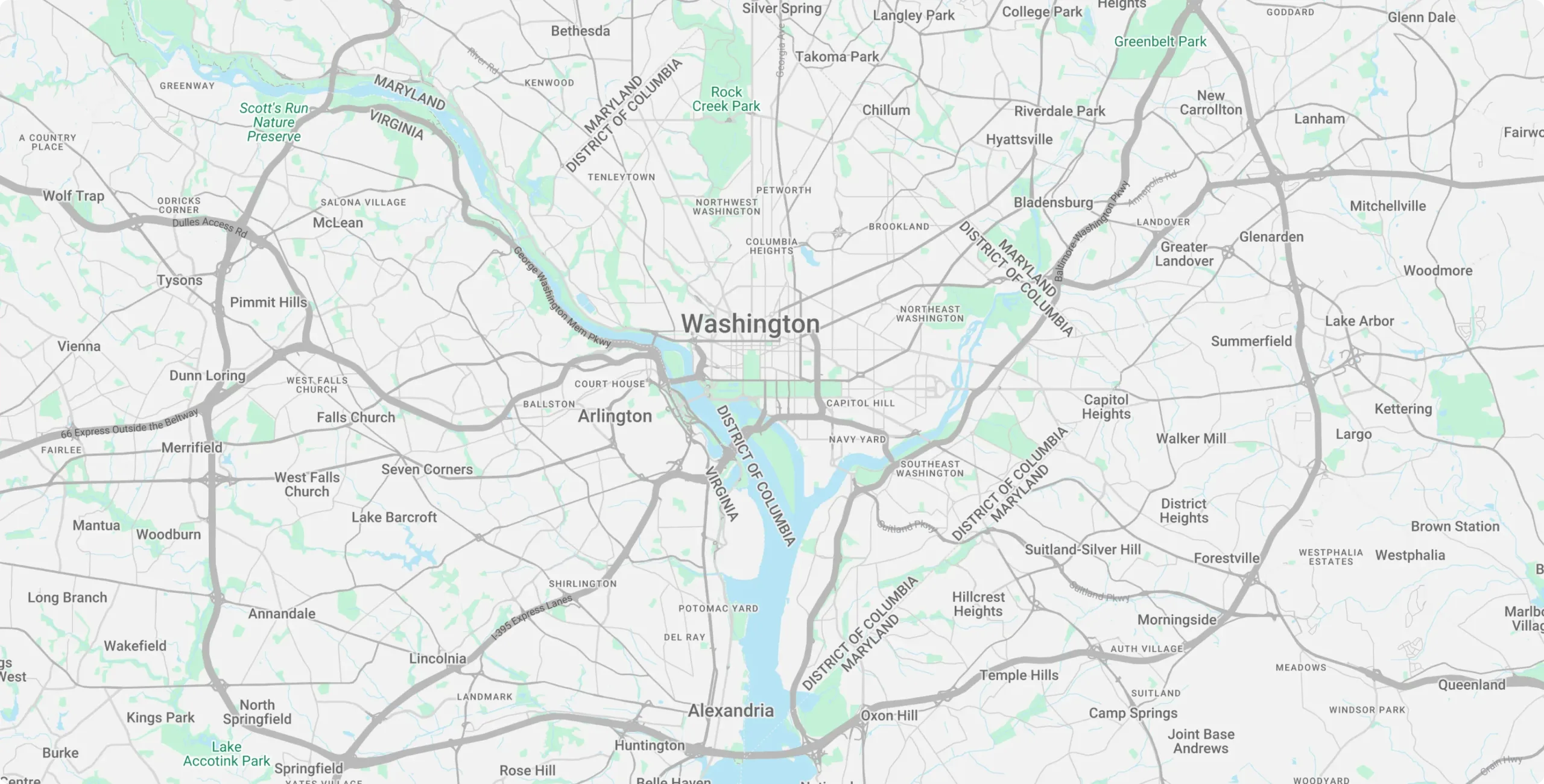
AREAS WE SERVE
At FloodTech USA, we specialize in comprehensive solutions for all your water-related concerns. From precision leak detection and water damage repair to mold remediation, sealing, resurfacing, and full-scale restoration services—our certified team delivers dependable results with unmatched professionalism.
PROTECTING PROPERTY, RESTORING PEACE OF MIND
At FloodTech USA, our team of certified home and commercial restoration specialists brings over 30 years of combined expertise in water damage mitigation, mold remediation, fire and smoke restoration, and structural recovery. Every technician on our crew is fully trained, licensed, and committed to delivering prompt, professional, and compassionate service during your most difficult times.
We know that emergencies don’t wait for business hours. That’s why our restoration services are available around the clock—24 hours a day, 7 days a week, 365 days a year. Whether it’s a burst pipe in the middle of the night or fire damage over a holiday weekend, we’re ready to respond immediately to protect your property and begin the recovery process without delay.