

Mold Mitigation Tysons VA
Mold is one of those problems that often starts quietly and escalates quickly. In Tysons, VA—a community known for its modern developments, high-rise residences, commercial buildings, and fast-paced growth—mold can become a serious issue before property owners realize what’s happening. Behind walls, beneath flooring, inside HVAC systems, or deep within commercial structures, mold thrives in moisture-rich environments and spreads without warning.
That’s why professional Mold Mitigation is not just a service—it’s a necessity.
FloodTech USA provides comprehensive Mold Mitigation services throughout Tysons, VA, helping homeowners, property managers, and business owners protect their investments, indoor air quality, and long-term property value. Whether you’re facing visible mold growth, unexplained odors, water damage from storms, or health concerns tied to indoor air, our experienced team delivers solutions designed to last.
This page is your complete guide to mold mitigation in Tysons. We’ll explain what mold mitigation is, why it matters, what causes mold locally, how FloodTech USA handles mitigation, and what steps you can take to prevent mold from returning.
WHY FLOODTECH USA?
WE’RE HERE FOR YOU
24 HOURS A DAY, 7 DAYS A WEEK.

What Is Mold Mitigation and Why It Matters
Mold mitigation is a structured, professional process designed to identify, contain, remove, and prevent mold growth within a building. Unlike basic cleaning or surface-level treatments, proper Mold Mitigation addresses the source of moisture that allows mold to grow and ensures spores are safely removed without spreading.
In Tysons, mold mitigation is especially important because mold often develops in hidden or high-traffic environments—office buildings, mixed-use developments, condos, apartments, and upscale homes with complex HVAC systems. When mold is ignored or improperly handled, it can lead to:
- Structural damage to walls, ceilings, and framing
- Deterioration of drywall, insulation, and flooring
- Poor indoor air quality
- Respiratory and allergy-related health issues
- Reduced property value
- Costly repairs and renovations
Ignoring mold doesn’t make it disappear. In fact, mold growth accelerates when moisture remains present. Professional Mold Mitigation ensures the problem is resolved at its core—not just covered up.
Why Mold Is a Common Problem in Tysons, VA
Tysons presents unique mold challenges due to its climate, construction styles, and building density. Understanding these factors helps explain why mold mitigation is so frequently needed in the area.
High Humidity in Northern Virginia
Tysons experiences elevated humidity levels, particularly in late spring and summer. When indoor humidity rises above safe levels, condensation forms on walls, windows, ductwork, and ceilings—creating ideal conditions for mold growth.
Storms and Heavy Rainfall
Severe storms and prolonged rain can lead to:
- Roof leaks
- Window and façade water intrusion
- Flooded parking garages and basements
- Foundation seepage
Even brief water exposure can initiate mold growth within 24 to 48 hours.
Plumbing and Appliance Leaks
High-rise buildings and large homes in Tysons often have extensive plumbing systems. A single slow leak behind a wall or under flooring can remain hidden for weeks, allowing mold to spread unnoticed.
Modern Construction and Airtight Buildings
Newer buildings are designed for energy efficiency, which often means tighter construction. Without proper ventilation, moisture becomes trapped indoors, increasing the risk of mold.
HVAC Condensation
Large HVAC systems commonly found in commercial buildings and luxury residences can accumulate condensation, especially if not properly maintained. This moisture can lead to mold growth inside ducts and air handlers.
FloodTech USA’s Mold Mitigation Services in Tysons, VA
FloodTech USA offers full-service Mold Mitigation for residential and commercial properties in Tysons. Our approach is methodical, thorough, and compliant with industry standards.
Step 1: Comprehensive Mold Inspection
Every project begins with a detailed inspection. Our technicians assess:
- Visible mold growth
- Hidden mold behind walls and ceilings
- Moisture levels in building materials
- HVAC systems and ductwork
- Basements, crawl spaces, and utility rooms
Using moisture meters, infrared imaging, and industry-approved diagnostic tools, we locate mold and identify the moisture source driving growth.
Step 2: Containment and Safety Protocols
Mold spores spread easily if disturbed. To prevent cross-contamination, FloodTech USA uses:
- Containment barriers
- Negative air pressure systems
- HEPA air scrubbers
- Protective equipment for technicians
This keeps unaffected areas safe while mitigation is underway.
Step 3: Mold Removal and Remediation
Depending on severity, Mold Mitigation may involve:
- HEPA vacuuming of affected surfaces
- Antimicrobial and antifungal treatments
- Removal of contaminated drywall, insulation, or flooring
- Specialized cleaning of structural components
All removal methods meet EPA and IICRC guidelines.
Step 4: Drying and Moisture Control
Mold cannot return without moisture. We use:
- Commercial-grade dehumidifiers
- Air movers
- Targeted drying systems
Moisture levels are carefully monitored until the environment is stable.
Step 5: Prevention and Restoration Planning
Once Mold Mitigation is complete, we provide guidance on preventing future growth. When needed, FloodTech USA coordinates restoration services to return your property to its original condition.
Signs You May Need Mold Mitigation in Tysons, VA
Mold problems aren’t always obvious. Some of the most common warning signs include:
- Visible mold on walls, ceilings, or flooring
- Persistent musty or earthy odors
- Unexplained respiratory symptoms or allergies
- Recent water damage or flooding
- Warped drywall or bubbling paint
- Increased humidity or condensation indoors
Early detection is critical. The sooner mold mitigation begins, the less damage occurs.
Health Risks Associated With Mold Exposure
Mold exposure can affect individuals differently, but common health concerns include:
- Coughing and wheezing
- Nasal congestion
- Eye and skin irritation
- Asthma flare-ups
- Headaches and fatigue
In office environments, mold can lead to employee discomfort, absenteeism, and decreased productivity. Professional Mold Mitigation helps restore healthy indoor air quality.
Local Mold Mitigation Case Studies in Northern Virginia
Luxury Condo Mold Mitigation in Tysons
A Tysons condo owner noticed persistent odors despite regular cleaning. FloodTech USA identified hidden mold behind bathroom walls caused by condensation from poor ventilation. After mitigation and airflow improvements, air quality improved dramatically.
Commercial Office Mold Mitigation
A Tysons office building experienced employee complaints of headaches and allergies. Mold was discovered in HVAC ductwork. Our team safely removed contamination and restored indoor air quality without disrupting daily operations.
Townhome Basement Mold Removal
After storm-related water intrusion, mold developed behind finished basement walls. FloodTech USA removed contaminated materials, dried the space, and implemented moisture control measures.
Preventive Measures to Avoid Mold Growth
Prevention is one of the most effective strategies for reducing mold risk in Tysons properties.
Control Indoor Humidity
Maintain humidity levels between 30% and 50%. Dehumidifiers are especially helpful in basements and enclosed spaces.
Address Leaks Immediately
Even small leaks can cause significant mold growth if ignored.
Improve Ventilation
Use exhaust fans in bathrooms, kitchens, and laundry areas. Ensure HVAC systems are serviced regularly.
Schedule Routine Inspections
Regular inspections help catch moisture issues early.
DIY vs Professional Mold Mitigation
While small surface mold may be manageable, widespread or hidden mold requires professional Mold Mitigation to ensure safety and effectiveness.
Choosing a Trusted Mold Mitigation Provider in Tysons, VA
FloodTech USA is a trusted choice for Mold Mitigation because we prioritize quality, safety, and transparency.
- Local expertise in Northern Virginia
- Rapid response times
- Trained and certified technicians
- Advanced equipment and technology
- Clear communication throughout the process
- Strong focus on customer satisfaction
We treat every property with care and professionalism.
Health Risks of Hidden Mold in Tysons, VA Homes
Hidden mold is a growing concern for homeowners in Tysons, VA, especially in modern residences, high-rise condominiums, and tightly sealed homes designed for energy efficiency. Unlike visible mold, which often triggers immediate attention, hidden mold can exist for months or even years without being noticed. During that time, it can quietly affect indoor air quality and pose serious health risks to those living inside the home.
Tysons’ humid climate, combined with frequent storms and complex building systems, creates ideal conditions for mold growth. When moisture becomes trapped behind walls, under flooring, or inside HVAC systems, mold can thrive out of sight. Understanding the health risks associated with hidden mold is essential for protecting your household and maintaining a safe living environment.
How Hidden Mold Develops in Tysons Homes
Hidden mold typically begins with excess moisture that goes unnoticed. Small plumbing leaks, condensation from air conditioning systems, roof damage, or past water intrusion can all provide the moisture mold needs to grow. In Tysons homes, especially multi-story buildings and condos, shared walls and mechanical systems can allow moisture to spread beyond a single unit.
Because mold does not require light to grow, it often develops inside wall cavities, behind cabinets, beneath carpeting, or within insulation. HVAC systems are another common source of hidden mold, as condensation can accumulate inside ductwork and air handlers. Once mold spores become airborne, they circulate throughout the home, increasing exposure even when the mold itself is not visible.
Impact on Indoor Air Quality
One of the most significant health risks of hidden mold is its effect on indoor air quality. Mold releases microscopic spores and fragments into the air, which are easily inhaled during everyday activities. In Tysons homes where windows remain closed for much of the year due to climate control, these spores can accumulate indoors.
Poor indoor air quality caused by mold can lead to chronic respiratory irritation, persistent coughing, and a general feeling of discomfort inside the home. Over time, prolonged exposure can worsen symptoms and make the living environment increasingly unhealthy.
Respiratory Issues and Breathing Difficulties
Hidden mold exposure is closely linked to respiratory problems. Inhaling mold spores can irritate the airways, leading to symptoms such as coughing, wheezing, shortness of breath, and throat irritation. These symptoms may be mild at first but can intensify with continued exposure.
Individuals with asthma, chronic bronchitis, or other respiratory conditions are particularly vulnerable. Mold exposure can trigger asthma attacks and make respiratory conditions more difficult to manage. Even healthy individuals may experience breathing discomfort after long-term exposure to elevated mold levels.
Allergic Reactions and Sensitivities
Many people are allergic or sensitive to mold without realizing it. Hidden mold can cause ongoing allergic reactions that are often mistaken for seasonal allergies or colds. Common symptoms include sneezing, nasal congestion, itchy or watery eyes, sinus pressure, and skin irritation.
In Tysons, where pollen allergies are already common, mold exposure can compound symptoms and make relief more difficult. Children and older adults are especially susceptible, as their immune systems may respond more strongly to allergens.
Asthma Development and Worsening Symptoms
Hidden mold does not only aggravate existing asthma; it may also contribute to the development of asthma, particularly in children. Studies have shown that prolonged exposure to moldy environments increases the likelihood of respiratory conditions developing over time.
In Tysons homes with persistent moisture problems, children exposed to hidden mold may face long-term breathing issues that can impact daily activities, sleep quality, and overall health. Addressing mold early is critical for protecting developing lungs.
Effects on the Immune System
Continuous exposure to hidden mold places ongoing stress on the immune system. The body is forced to constantly react to airborne spores, which can lead to chronic inflammation and reduced immune efficiency.
People with weakened immune systems, such as older people or individuals undergoing medical treatments, may experience more severe symptoms. Fatigue, frequent infections, and prolonged recovery times can sometimes be linked to long-term mold exposure.
In some cases, mold-related immune responses can mimic other illnesses, making diagnosis and treatment more complicated.
Neurological and Cognitive Symptoms
Although less commonly discussed, hidden mold exposure may also affect neurological and cognitive health. Some individuals report headaches, dizziness, difficulty concentrating, and memory problems when exposed to mold-contaminated environments.
These symptoms are often subtle and may be attributed to stress, lack of sleep, or other lifestyle factors. However, when they occur primarily at home and improve when leaving the environment, hidden mold should be considered as a possible cause.
For those working remotely in Tysons homes, ongoing exposure can interfere with productivity and mental clarity.
Skin and Eye Irritation
Hidden mold can cause skin and eye irritation even without direct contact. Airborne spores may trigger rashes, itching, redness, or hives. Eye symptoms such as redness, burning, and excessive tearing are also common.
Because these symptoms can be intermittent, homeowners may not immediately associate them with mold. Paying attention to patterns, such as symptoms worsening at home, can help identify hidden mold as a potential issue.
Risks for Children, Older People, and Pets
Certain groups are more vulnerable to the health effects of hidden mold. Children breathe more air relative to their body size, increasing their exposure to airborne spores. Older people may have reduced immune function, making it harder to cope with prolonged exposure.
Pets are also at risk, as they spend time close to floors, carpets, and crawl spaces where mold spores may be concentrated. In Tysons households, unexplained respiratory issues or behavioral changes in pets can sometimes be linked to hidden mold.
Emotional and Mental Well-Being
Living with unexplained health symptoms can take a toll on emotional well-being. Chronic discomfort, poor sleep, and ongoing irritation can contribute to stress, anxiety, and frustration.
When hidden mold is identified and addressed, many homeowners report improvements not only in physical symptoms but also in mood and overall quality of life. A healthier indoor environment supports both mental and physical well-being.
Importance of Professional Mold Mitigation
Hidden mold is difficult to detect and remove without professional expertise. Surface cleaning does not address mold growing behind walls or inside HVAC systems, and improper handling can increase exposure.
Professional mold mitigation in Tysons uses specialized equipment to locate hidden mold, safely remove contamination, and correct moisture issues. This comprehensive approach protects both health and property.
Protecting Your Home and Health
The health risks of hidden mold should never be ignored. What begins as a minor moisture issue can evolve into a serious health concern if left untreated. In Tysons, VA, where environmental conditions often support mold growth, proactive inspections and timely mold mitigation are essential.
If your household is experiencing unexplained health symptoms, persistent odors, or signs of moisture, taking action early can make a meaningful difference. Protecting your health starts with ensuring your home is a safe, clean, and mold-free environment.
Advanced Technology and Equipment for Mold Mitigation in Tysons, VA Homes
Mold mitigation has advanced significantly in recent years, moving far beyond simple cleaning or surface treatments. In Tysons, VA, where modern construction, high-rise living, and complex mechanical systems are common, effective mold mitigation requires a sophisticated approach. Advanced technology and specialized equipment allow professionals to locate hidden mold, control airborne spores, and resolve moisture problems with precision. Understanding the tools used in professional mold mitigation helps homeowners recognize why expert intervention is often necessary for long-term results.
The Importance of Technology in Modern Mold Mitigation
Mold growth is rarely confined to what can be seen. In Tysons homes, mold often develops behind walls, under flooring, inside insulation, or within HVAC systems. Advanced technology enables professionals to assess the full extent of contamination and design a targeted mitigation plan.
By using specialized equipment, mold mitigation professionals reduce unnecessary demolition, limit disruption, and ensure mold is addressed thoroughly. Technology-driven mitigation also improves safety by minimizing exposure to airborne spores during the removal process.
Moisture Detection and Assessment Tools
Accurate moisture detection is the foundation of effective mold mitigation. Mold cannot grow without moisture, so identifying damp areas is critical.
Moisture meters are widely used to measure the moisture content of building materials such as drywall, wood, and concrete. These tools provide immediate readings that help technicians locate areas where mold may be developing, even if surfaces appear dry.
Thermal imaging cameras are another essential diagnostic tool. By detecting temperature variations, thermal imaging reveals hidden moisture behind walls, ceilings, and floors. In Tysons homes with complex layouts or multi-level construction, thermal imaging allows for non-invasive inspections that save time and preserve structural integrity.
Air Sampling and Indoor Air Quality Equipment
Advanced mold mitigation often involves evaluating indoor air quality. Mold spores are microscopic and can circulate throughout a home, even when mold growth is hidden.
Air sampling devices collect airborne particles to determine spore concentrations and identify mold types. This information helps professionals assess the severity of contamination and determine the most effective mitigation strategy. Air sampling is especially valuable in Tysons homes where residents experience unexplained health symptoms or persistent odors.
During mitigation, continuous air monitoring equipment may be used to ensure containment measures are working effectively and that spores are not spreading to unaffected areas.
Containment Systems and Negative Air Technology
Preventing mold spores from spreading is a critical component of professional mold mitigation. Advanced containment systems isolate contaminated areas and protect the rest of the home.
Physical containment typically involves heavy-duty plastic barriers that seal off affected spaces. Within this sealed environment, negative air machines are used to create controlled airflow. These machines draw air into the containment area and filter it through HEPA filters, preventing spores from escaping.
Negative air technology is particularly important in Tysons homes with open floor plans or shared ventilation systems, where airborne contaminants can spread quickly if not properly controlled.
HEPA Filtration and Air Scrubbing Equipment
High-efficiency particulate air, or HEPA, filtration is a cornerstone of advanced mold mitigation. HEPA filters are designed to capture extremely small particles, including mold spores, dust, and other airborne contaminants.
HEPA air scrubbers continuously filter the air during mitigation, reducing spore levels and improving indoor air quality. In Tysons homes, air scrubbers are often used both during and after mold removal to provide an added layer of protection.
Portable HEPA vacuums are used to clean surfaces, debris, and materials without releasing spores back into the environment. Unlike standard household vacuums, HEPA vacuums ensure safe and effective cleanup.
Antimicrobial Application Technology
Advanced mold mitigation often includes the application of professional-grade antimicrobial solutions designed to eliminate mold and inhibit future growth. These treatments are applied using specialized equipment that ensures even coverage and proper penetration.
Sprayers, foggers, and foam applicators allow technicians to deliver treatments to surfaces, cavities, and hard-to-reach areas. In Tysons homes with extensive mold growth or confined spaces, these application methods help ensure thorough treatment.
It is important to note that antimicrobial treatments are most effective when combined with proper removal of contaminated materials and moisture control.
Drying and Dehumidification Equipment
Drying is a critical step in mold mitigation, as residual moisture can lead to regrowth. Advanced drying equipment helps restore proper humidity levels and eliminate hidden moisture.
Industrial-grade dehumidifiers are capable of extracting large volumes of moisture from the air and building materials. These units are far more powerful than residential dehumidifiers and are essential for addressing moisture issues in basements, crawl spaces, and large living areas common in Tysons homes.
Air movers increase airflow across wet surfaces, accelerating evaporation. When used strategically, air movers help dry walls, floors, and structural components efficiently.
Specialized Equipment for Crawl Spaces and Attics
Crawl spaces and attics present unique challenges for mold mitigation due to limited access, low clearance, and restricted airflow. Specialized equipment is used to address mold in these areas safely and effectively.
Low-profile air movers and compact dehumidifiers are designed to operate in tight spaces while still providing effective drying. Encapsulation materials may be installed in crawl spaces to create moisture barriers that reduce long-term mold risk.
In attics, ventilation improvements and targeted drying equipment help manage condensation caused by temperature differences between indoor and outdoor air. These solutions are particularly important in Tysons, where seasonal weather changes can contribute to moisture buildup.
HVAC System Mold Mitigation Technology
HVAC systems can distribute mold spores throughout a home if contamination is present. Advanced mold mitigation technology is used to address mold within ductwork and air handling units.
HEPA-filtered negative air machines capture spores during HVAC cleaning, while specialized brushes and vacuums remove mold and debris without damaging components. In some cases, antimicrobial treatments are applied to inhibit future growth.
Addressing HVAC-related mold is essential for maintaining indoor air quality and preventing recurring contamination in Tysons homes.
The Role of Professional Expertise
While advanced technology is critical, it must be used correctly to be effective. Professional mold mitigation specialists are trained to interpret data from moisture meters, thermal imaging, and air sampling equipment.
Expertise allows technicians to select the right tools for each situation and adjust strategies as conditions change. In Tysons homes with complex structures and systems, professional judgment ensures that mold mitigation is both thorough and efficient.
Long-Term Benefits of Advanced Mold Mitigation
Advanced technology and equipment provide long-term benefits by addressing mold comprehensively and preventing recurrence. Improved indoor air quality, reduced moisture levels, and protected structural materials contribute to a healthier and more durable home.
For homeowners in Tysons, VA, investing in professional mold mitigation supported by advanced technology ensures that mold issues are resolved properly. The result is lasting protection, improved comfort, and peace of mind knowing that the home is safeguarded against future mold growth.
Seasonal Mold Risks in Tysons, VA Homes and How to Prevent Them
Mold problems in Tysons, VA rarely develop overnight. They are often the result of seasonal changes that affect moisture levels, ventilation, and indoor air quality. Because Tysons experiences humid summers, wet springs, fluctuating fall temperatures, and cold winters with heavy indoor heating, mold risks shift throughout the year. Understanding how each season contributes to mold growth allows homeowners to take proactive steps to protect their properties before problems arise.
Seasonal awareness is one of the most effective tools for mold prevention. By adjusting maintenance routines and moisture control strategies throughout the year, homeowners in Tysons can significantly reduce the likelihood of mold growth and costly remediation.
Why Seasonal Conditions Influence Mold Growth
Mold thrives in environments where moisture, warmth, and organic materials are present. Seasonal weather patterns influence all of these factors. Rainfall increases moisture intrusion, humidity affects indoor air, and temperature changes lead to condensation on building surfaces.
In Tysons homes, modern construction and energy-efficient designs can unintentionally trap moisture indoors. When seasonal changes are combined with limited ventilation, mold can grow in hidden areas such as wall cavities, basements, and HVAC systems. Recognizing these seasonal influences is the first step toward effective prevention.
Spring Mold Risks in Tysons Homes
Spring in Tysons brings increased rainfall, rising humidity, and lingering moisture from winter conditions. These factors make spring one of the most common times for mold problems to begin.
Basements and lower levels are particularly vulnerable during spring. Saturated soil around foundations can lead to seepage through cracks or porous materials. If moisture is not addressed quickly, mold can begin growing behind walls or beneath flooring.
Spring prevention strategies include inspecting foundations for signs of dampness, ensuring gutters and downspouts direct water away from the home, and checking sump pumps for proper operation. Addressing small water issues early can prevent mold from taking hold as temperatures rise.
Summer Mold Risks and Prevention
Summer presents the highest mold risk for many Tysons homes due to elevated humidity and frequent storms. Warm air holds more moisture, and when that moisture becomes trapped indoors, mold can spread rapidly.
Air conditioning systems play a key role during summer months. While they help control temperature, poorly maintained systems can contribute to mold growth through condensation buildup, clogged drain lines, or dirty filters. HVAC systems can also distribute mold spores throughout the home if contamination occurs.
Bathrooms, kitchens, laundry rooms, and basements are common problem areas during summer. Daily activities such as cooking, showering, and washing clothes introduce additional moisture into the air.
To prevent summer mold, homeowners should maintain indoor humidity levels between 30 and 50 percent. Using dehumidifiers in damp areas, running exhaust fans consistently, and scheduling regular HVAC maintenance can significantly reduce risk.
Fall Mold Concerns in Tysons Homes
Fall brings cooler temperatures, increased rainfall, and fluctuating indoor and outdoor conditions. These changes often lead to condensation forming on windows, walls, and pipes, especially in homes that are not yet using heating systems consistently.
During fall, many homeowners close windows to keep out cool air, reducing natural ventilation. This trapped moisture can create an ideal environment for mold growth.
Leaves and debris can clog gutters, causing water to back up and enter the home. Regular gutter cleaning is an essential fall maintenance task.
Homeowners should also inspect attics during fall, as temperature differences between indoor and outdoor air can cause condensation on roof decking. Proper insulation and ventilation are key to preventing mold in these spaces.
Winter Mold Risks and Prevention
Winter mold risks are often underestimated. In Tysons, cold outdoor temperatures combined with indoor heating can create condensation issues, particularly on windows, exterior walls, and poorly insulated areas.
Humidifiers are commonly used during winter to improve comfort, but excessive indoor humidity can contribute to mold growth. Moisture may accumulate behind walls or under flooring if humidity levels are not carefully monitored.
Snow and ice buildup around the home can lead to water intrusion when melting occurs. If drainage is inadequate, this moisture can enter basements or crawl spaces.
Preventing winter mold involves maintaining balanced indoor humidity, sealing air leaks, improving insulation, and ensuring proper airflow throughout the home. Monitoring humidity levels and adjusting humidifier settings can help prevent excess moisture.
Areas Most Affected by Seasonal Mold
Certain areas of Tysons homes are consistently more susceptible to seasonal mold growth due to moisture exposure and limited airflow.
Basements and crawl spaces are high-risk areas throughout the year, particularly during wet seasons. Bathrooms and kitchens experience frequent moisture and require proper ventilation.
Attics are vulnerable during transitional seasons when temperature differences cause condensation. HVAC systems can spread mold spores if moisture issues are present.
Regular inspections of these areas help catch problems early and reduce the likelihood of widespread mold growth.
The Importance of Preventive Maintenance
Preventive maintenance is one of the most effective ways to manage seasonal mold risks. Routine inspections, timely repairs, and proper ventilation help maintain a dry and stable indoor environment.
Checking for leaks after storms, servicing HVAC systems before peak seasons, and maintaining drainage around the home all contribute to mold prevention. Small maintenance tasks can have a significant impact on reducing long-term risk.
Homeowners in Tysons should also pay attention to changes in odor, air quality, or indoor comfort, as these can signal moisture issues related to seasonal conditions.
When Professional Mold Services Are Needed
While many preventive measures can be handled by homeowners, professional assistance may be necessary when mold persists or water damage is extensive. Seasonal mold problems often require specialized equipment and expertise to fully address hidden growth and moisture sources.
Professional mold mitigation services can identify problem areas, implement effective solutions, and provide guidance on long-term prevention. In Tysons homes, professional involvement is especially valuable for complex structures and shared systems.
Year-Round Mold Prevention for Tysons Homes
Preventing mold in Tysons, VA requires a year-round approach that adapts to seasonal changes. By understanding how each season affects moisture and ventilation, homeowners can take proactive steps to protect their properties.
Consistent maintenance, humidity control, and early intervention create a healthier indoor environment and reduce the likelihood of mold-related issues. Seasonal awareness combined with preventive strategies helps ensure Tysons homes remain safe, comfortable, and mold-free throughout the year.
Economic Benefits of Timely Mold Mitigation in Tysons, VA Homes
Mold is often first associated with health concerns, but its financial impact on homeowners in Tysons, VA can be just as serious. When mold problems are ignored or addressed too late, the resulting costs can escalate quickly. Timely mold mitigation is not only a protective measure for indoor air quality and safety, but also a strategic financial decision that helps homeowners protect their investment, reduce long-term expenses, and avoid unexpected losses.
Understanding the economic advantages of early mold mitigation allows Tysons homeowners to make informed choices that safeguard both their property and their financial stability.
Preventing Small Problems from Becoming Major Expenses
Mold typically begins with a minor moisture issue such as a small plumbing leak, condensation, or brief water intrusion. When addressed early, mold mitigation is often limited in scope and cost. Localized treatment and moisture control can resolve the issue before significant damage occurs.
If mold is allowed to spread, it can affect walls, ceilings, insulation, and flooring. Structural components may deteriorate over time, leading to extensive repairs or reconstruction. In Tysons homes, where property values are high and construction is often complex, repair costs can escalate rapidly.
Timely mold mitigation prevents these small issues from developing into major financial burdens.
Preserving Property Value in a Competitive Market
Property value is one of the most important financial assets for homeowners in Tysons. Mold issues, whether active or documented in the past, can negatively impact resale value and buyer confidence.
During home inspections, signs of mold or water damage often raise red flags for potential buyers. Even when remediation has been completed, unresolved concerns can lead to reduced offers or prolonged time on the market.
Early mold mitigation helps preserve property value by preventing visible damage and providing documentation that issues were addressed professionally. Homes that demonstrate proactive maintenance are more attractive to buyers and tend to retain their value more effectively.
Avoiding Costly Structural Repairs
One of the most expensive consequences of prolonged mold growth is structural damage. Mold feeds on organic materials such as wood and drywall, weakening these components over time.
Repairing structural damage often involves demolition, material replacement, and labor-intensive work. In some cases, homeowners may need to temporarily relocate during repairs, adding to overall costs.
By addressing mold early through professional mitigation, homeowners protect the structural integrity of their homes and avoid costly repairs that could have been prevented.
Reducing Ongoing Maintenance Costs
Unresolved mold problems can lead to recurring maintenance issues. Moisture that remains in the home may cause repeated mold growth, requiring frequent cleaning, monitoring, and minor repairs.
Timely mold mitigation addresses both the mold and the underlying moisture source. By resolving the root cause, homeowners reduce the likelihood of recurring problems and the need for repeated maintenance.
Over time, this leads to significant cost savings and a more predictable maintenance budget.
Improving Energy Efficiency and Lowering Utility Bills
Mold-related moisture issues can negatively impact a home’s energy efficiency. Damp insulation loses its ability to regulate temperature effectively, forcing heating and cooling systems to work harder.
In Tysons, where seasonal temperature changes require both heating and air conditioning, reduced energy efficiency can lead to higher utility bills year-round.
Timely mold mitigation helps restore proper insulation performance and control moisture levels. Improved energy efficiency translates into lower monthly utility costs and reduced strain on HVAC systems.
Minimizing Health-Related Expenses
Health-related costs are an often-overlooked economic factor of mold exposure. Mold can contribute to respiratory issues, allergies, and other health problems that may require medical treatment.
Doctor visits, medications, and missed workdays all carry financial implications. Families in Tysons, especially those with children or older people, may experience ongoing healthcare expenses if mold exposure is not addressed.
By improving indoor air quality through timely mold mitigation, homeowners can reduce these indirect costs and support overall household well-being.
Protecting Rental Income and Investment Properties
For homeowners who rent out properties in Tysons, mold issues can directly affect rental income. Tenants may request rent reductions, break leases, or pursue legal action if mold compromises habitability.
Prompt mold mitigation helps landlords maintain compliance with housing standards and protect their investment. It also reduces vacancy periods caused by extensive repairs or tenant dissatisfaction.
Well-maintained, mold-free rental properties tend to attract long-term tenants and generate more stable income.
Avoiding Insurance Complications
Insurance coverage for mold-related damage often depends on how quickly the issue is reported and addressed. Delayed action may result in denied claims or limited coverage.
Timely mold mitigation demonstrates responsible property management and can support insurance claims when water damage or mold is involved. Homeowners who act quickly are more likely to receive assistance for covered repairs.
In Tysons, where weather-related water damage is common, early intervention can make a significant difference in insurance outcomes.
Enhancing Peace of Mind and Financial Predictability
Unexpected mold-related expenses can disrupt household budgets and create stress. Timely mold mitigation provides peace of mind by reducing uncertainty and preventing sudden, costly repairs.
Knowing that a home is protected from mold-related damage allows homeowners to plan financially with greater confidence. This stability is especially valuable in high-value housing markets like Tysons.
Long-Term Return on Investment
Mold mitigation should be viewed as an investment rather than an expense. The cost of early intervention is typically far less than the financial impact of delayed action.
By preventing extensive damage, preserving property value, improving energy efficiency, and reducing health-related expenses, homeowners realize a strong return on investment over time.
Making a Smart Financial Choice
Timely mold mitigation is one of the most cost-effective decisions a homeowner can make. It protects the structure of the home, supports long-term value, and minimizes financial risk.
For homeowners in Tysons, VA, addressing mold early ensures that minor issues remain manageable rather than becoming expensive problems. The economic benefits extend beyond immediate savings, contributing to long-term financial security and confidence in one of life’s most significant investments.
Long-Term Property Protection Strategies Through Professional Mold Mitigation in Tysons, VA Homes
Protecting a home over the long term requires more than surface-level maintenance. In Tysons, VA, where high humidity, frequent storms, and modern construction intersect, mold poses a persistent risk to residential properties. Professional mold mitigation is a critical strategy for safeguarding homes against structural damage, declining property value, and recurring moisture-related issues. When approached correctly, mold mitigation becomes a long-term investment in the durability, safety, and performance of a home.
Understanding how professional mold mitigation contributes to long-term property protection helps homeowners make proactive decisions that prevent future problems rather than reacting to costly damage.
Mold as a Long-Term Threat to Property Integrity
Mold is a living organism that feeds on organic materials commonly found in homes, including drywall, wood framing, insulation, and flooring. When moisture is present, mold can spread beneath surfaces and into structural components, often without visible warning signs.
In Tysons homes, mold frequently develops in basements, crawl spaces, wall cavities, and attics where moisture and limited airflow coexist. Left untreated, mold gradually weakens materials, accelerates decay, and compromises structural integrity. Professional mold mitigation interrupts this process early, preserving the home’s core components and preventing long-term deterioration.
Comprehensive Property Assessment and Early Detection
Effective long-term protection begins with accurate assessment. Professional mold mitigation involves identifying both visible and hidden mold, as well as the moisture sources driving growth.
Using advanced tools such as moisture meters and thermal imaging, professionals can detect damp areas behind walls, under flooring, and within insulation. This level of precision is essential in Tysons homes, which often feature complex layouts, multiple levels, and integrated mechanical systems.
Early detection allows for targeted intervention, minimizing damage and reducing the scope of repairs needed to protect the property over time.
Eliminating Root Causes for Lasting Results
Removing mold alone is not enough to ensure long-term protection. Professional mold mitigation focuses on identifying and correcting the underlying causes of moisture that allow mold to thrive.
Common moisture sources in Tysons homes include plumbing leaks, roof damage, foundation seepage, condensation from HVAC systems, and inadequate ventilation. Mitigation strategies may involve repairing leaks, improving airflow, sealing entry points, or installing moisture control solutions.
By eliminating these root causes, professional mitigation reduces the likelihood of recurring mold problems and provides lasting protection for the property.
Controlled Containment and Precision Removal
Containment is a key component of professional mold mitigation. Proper containment prevents mold spores from spreading to unaffected areas during removal, which is essential for preserving the rest of the home.
Advanced containment systems isolate contaminated areas and use controlled air pressure to manage airborne particles. This allows technicians to remove affected materials precisely, preserving as much of the home’s structure as possible.
Precision removal supports long-term property protection by limiting unnecessary demolition and reducing the risk of cross-contamination.
Material-Specific Mitigation Strategies
Different building materials respond differently to mold exposure. Professional mold mitigation involves selecting appropriate techniques based on the materials involved.
Porous materials such as drywall, insulation, and carpeting may require removal if mold penetration is extensive. Non-porous materials like concrete and certain woods can often be cleaned and treated effectively.
This material-specific approach ensures mold is addressed thoroughly while preserving valuable structural components. In Tysons homes, which often incorporate a mix of modern and traditional materials, tailored strategies are essential for long-term protection.
Moisture Management and Environmental Stability
Long-term mold prevention depends on maintaining a stable indoor environment. Professional mold mitigation includes strategies to control humidity and manage moisture throughout the home.
Dehumidification systems, improved ventilation, and drainage solutions help regulate indoor moisture levels. In basements and crawl spaces common in Tysons homes, moisture barriers or encapsulation may be recommended to reduce ongoing risk.
Stabilizing the indoor environment protects building materials from moisture-related damage and supports long-term durability.
HVAC System Protection and Maintenance
HVAC systems play a significant role in mold prevention and property protection. Mold within ductwork or air handling units can spread spores throughout the home and contribute to hidden contamination.
Professional mold mitigation addresses HVAC-related mold through careful cleaning, filtration, and moisture control. Improving airflow and reducing condensation within the system helps prevent future growth.
Maintaining a clean and efficient HVAC system supports indoor air quality, protects mechanical components, and contributes to the long-term performance of the home.
Preventive Planning and Ongoing Monitoring
Long-term property protection does not end once mold is removed. Professional mold mitigation often includes recommendations for ongoing monitoring and preventive maintenance.
Regular inspections, moisture monitoring, and seasonal maintenance help identify potential issues before they escalate. In Tysons, where weather conditions can change rapidly, proactive planning is essential for sustained protection.
Establishing a preventive strategy reduces the likelihood of future mold outbreaks and supports long-term property stability.
Preserving Property Value Over Time
Property value is closely linked to condition and maintenance history. Homes with unresolved or recurring mold issues may experience reduced value and increased difficulty during resale.
Professional mold mitigation provides documentation that mold issues were addressed properly and responsibly. This can be a valuable asset when selling a home or refinancing.
In Tysons’ competitive real estate market, demonstrating proactive mold management helps preserve long-term property value and buyer confidence.
Reducing Long-Term Repair and Maintenance Costs
By preventing mold-related deterioration, professional mold mitigation reduces the need for repeated repairs and extensive renovations. Addressing mold early and comprehensively helps homeowners avoid ongoing maintenance expenses associated with moisture damage.
Over time, the savings from reduced repair needs can be substantial, making professional mold mitigation a cost-effective strategy for long-term protection.
Creating a Healthier and More Resilient Home
Long-term property protection extends beyond structural integrity. It also involves creating a healthy living environment that supports the well-being of occupants.
Mold-free homes offer improved indoor air quality, reduced health risks, and greater overall comfort. Professional mold mitigation ensures that protection reaches both visible and hidden areas where mold can cause the most harm.
A Strategic Investment for Tysons Homeowners
For homeowners in Tysons, VA, professional mold mitigation is a strategic investment in long-term property protection. By addressing mold comprehensively, correcting moisture issues, and implementing preventive measures, homeowners can safeguard their homes against future damage.
Through expertise, advanced technology, and proactive planning, professional mold mitigation provides lasting benefits. The result is a resilient, durable home that maintains its value and offers peace of mind for years to come.
Frequently Asked Questions About Mold Mitigation
What is mold mitigation?
Mold mitigation is the process of controlling, removing, and preventing mold growth by addressing moisture sources and safely removing contamination.
How long does mold mitigation take?
Most projects take between one and five days, depending on severity.
Is mold dangerous?
Yes. Mold exposure can cause respiratory and allergy-related health issues.
Can mold return after mitigation?
Proper Mold Mitigation combined with moisture control greatly reduces recurrence risk.
Do you work with insurance companies?
Yes. FloodTech USA assists with documentation when applicable.
Is mold mitigation disruptive?
Our containment methods minimize disruption and protect unaffected areas.
Mold problems don’t resolve themselves—and waiting only makes them worse. FloodTech USA provides trusted Mold Mitigation in Tysons, VA, helping protect your property, health, and peace of mind.
Whether you need an inspection, emergency service, or long-term prevention plan, our team is ready to help.
Contact FloodTech USA today to schedule your mold inspection or consultation.
Breathe easier knowing your property is in expert hands.
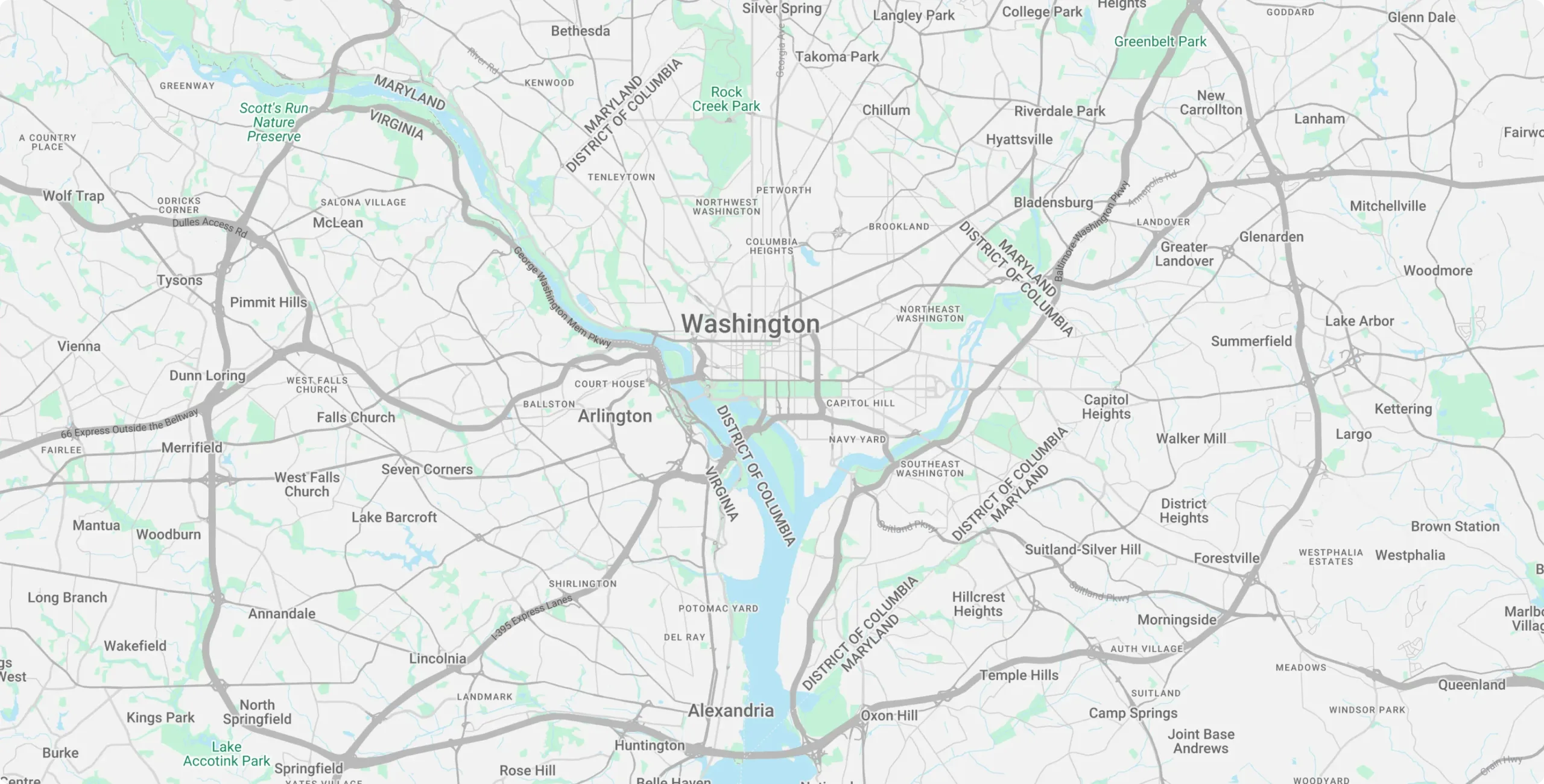
AREAS WE SERVE
At FloodTech USA, we specialize in comprehensive solutions for all your water-related concerns. From precision leak detection and water damage repair to mold remediation, sealing, resurfacing, and full-scale restoration services—our certified team delivers dependable results with unmatched professionalism.
PROTECTING PROPERTY, RESTORING PEACE OF MIND
At FloodTech USA, our team of certified home and commercial restoration specialists brings over 30 years of combined expertise in water damage mitigation, mold remediation, fire and smoke restoration, and structural recovery. Every technician on our crew is fully trained, licensed, and committed to delivering prompt, professional, and compassionate service during your most difficult times.
We know that emergencies don’t wait for business hours. That’s why our restoration services are available around the clock—24 hours a day, 7 days a week, 365 days a year. Whether it’s a burst pipe in the middle of the night or fire damage over a holiday weekend, we’re ready to respond immediately to protect your property and begin the recovery process without delay.