Sewage Cleanup Alexandria VA
Few property emergencies are as overwhelming—or as dangerous—as a sewage backup. When sewage enters a home or business in Alexandria, VA, it brings more than unpleasant odors and visible mess. Sewage contains bacteria, viruses, parasites, and toxic contaminants that pose serious health risks to occupants and can cause extensive structural damage if not handled correctly.
Sewage Cleanup is a specialized restoration service focused on safely removing sewage, disinfecting affected areas, and restoring properties to a clean, healthy condition. This process requires professional training, protective equipment, and strict safety protocols. Attempting to clean sewage without proper expertise can expose individuals to serious illness and worsen contamination.
FloodTech USA provides expert sewage cleanup services throughout Alexandria, VA. Our team understands that sewage emergencies are stressful, urgent, and deeply disruptive. That’s why we respond quickly, communicate clearly, and restore thoroughly—always prioritizing health, safety, and peace of mind.
Whether the issue involves a basement sewage backup, a blocked sewer line, or storm-related overflow, FloodTech USA delivers reliable sewage cleanup services designed to protect both people and property. Delaying professional cleanup can lead to mold growth, structural deterioration, lingering odors, and long-term health concerns. Our goal is to stop damage at its source and restore your space safely and completely.
WHY FLOODTECH USA?
WE’RE HERE FOR YOU
24 HOURS A DAY, 7 DAYS A WEEK.
What Sewage Cleanup Is and Why It’s Critical
Sewage cleanup is the professional process of removing wastewater contamination caused by sewer backups, drain overflows, or septic system failures. Unlike clean water damage, sewage is classified as Category 3 water, the most hazardous type of water intrusion.
Why Sewage Is Extremely Dangerous
Sewage contains a wide range of harmful contaminants, including:
- Bacteria such as E. coli and Salmonella
- Viruses and parasites
- Fecal matter and organic waste
- Toxic gases and chemical residues
Exposure to sewage can cause respiratory illness, gastrointestinal infections, skin irritation, and more severe health issues, especially for children, older people, and individuals with weakened immune systems.
Why Professional Sewage Cleanup Is Essential
Sewage contamination spreads quickly. It seeps into flooring, walls, insulation, furniture, and HVAC systems. Household cleaning products and DIY methods cannot properly disinfect or remove contamination.
Professional sewage cleanup ensures:
- Safe removal of contaminated materials
- Proper disinfection and sanitation
- Odor elimination
- Protection against mold and bacterial growth
- Compliance with health and safety standards
FloodTech USA uses industry-approved procedures to handle sewage safely and restore Alexandria properties with care and precision.
Health Risks of Sewage Exposure in Alexandria Homes and Businesses
Sewage exposure is not just unpleasant—it is a serious health hazard.
Short-Term Health Risks
Direct contact with sewage can lead to immediate symptoms such as nausea, vomiting, diarrhea, headaches, dizziness, and skin rashes. Inhalation of airborne contaminants may irritate the respiratory system.
Long-Term Health Concerns
If sewage contamination is not fully removed, lingering bacteria and mold can cause chronic respiratory problems, allergic reactions, and ongoing illness. Improper cleanup can allow pathogens to remain hidden in walls, floors, and air systems.
Workplace and Commercial Health Risks
For businesses in Alexandria, sewage exposure creates serious liability risks. Employees, customers, and tenants may be exposed to unsafe conditions if cleanup is not handled professionally and promptly.
Common Causes of Sewage Problems in Virginia Homes and Businesses
Understanding the most common causes of sewage issues helps property owners recognize warning signs and act quickly.
Sewer Line Blockages
Clogs caused by grease, wipes, paper products, or foreign objects are a leading cause of sewage backups. Over time, these materials restrict flow and force sewage back into the property.
Aging Sewer Infrastructure
Many Alexandria properties rely on older sewer lines that may be cracked, corroded, or collapsed. Aging pipes are more susceptible to backups and failures.
Tree Root Intrusion
Tree roots naturally seek moisture and can infiltrate sewer lines through small cracks. Once inside, roots grow and block wastewater flow.
Heavy Rainfall and Storm Surges
Excessive rainfall can overwhelm municipal sewer systems, causing sewage to back up into basements and lower levels.
Septic System Failures
Improper maintenance, full tanks, or system malfunctions can cause septic sewage to overflow into homes or yards.
Improper Plumbing Installation
Incorrectly installed plumbing systems or illegal connections can disrupt wastewater flow and increase the risk of sewage backups.
Emergency Response and Safety Assessment
Sewage emergencies require immediate action. FloodTech USA offers 24/7 emergency sewage cleanup services in Alexandria.
Site Safety Evaluation
Our technicians identify hazards such as contaminated standing water, structural risks, and electrical dangers before cleanup begins.
Containment and Protection
Affected areas are isolated to prevent cross-contamination. Protective barriers and negative air pressure may be used to contain airborne contaminants.
Sewage Removal and Contaminated Material Extraction
Safe Removal of Sewage Waste
Using specialized pumps and extraction equipment, sewage is safely removed from floors, drains, basements, and crawl spaces.
Removal of Contaminated Materials
Porous materials such as carpet, padding, drywall, insulation, and certain furnishings may need to be removed if contaminated. This step is critical to prevent lingering health risks.
Deep Cleaning, Sanitization, and Disinfection
Industrial-Grade Cleaning Agents
FloodTech USA uses EPA-approved disinfectants designed specifically for biohazard cleanup. These products neutralize bacteria, viruses, and harmful pathogens.
Surface and Structural Sanitization
All affected surfaces, including floors, walls, framing, and fixtures, are thoroughly cleaned and sanitized.
Odor Neutralization
Advanced deodorization techniques eliminate sewage odors at the source, not just masking them.
Drying and Moisture Control
Sewage backups often involve significant moisture that must be removed to prevent mold growth.
Professional Drying Equipment
Industrial air movers and dehumidifiers are used to dry affected areas completely.
Moisture Monitoring
Moisture levels are continuously monitored to ensure all hidden dampness is eliminated before restoration begins.
Restoration and Repair
Structural Repairs
FloodTech USA repairs or replaces damaged drywall, flooring, trim, and other building materials.
Final Inspection and Clearance
A final inspection ensures all contamination has been removed and the property is safe for occupancy.
Advanced Equipment Used for Sewage Cleanup
FloodTech USA invests in specialized equipment to ensure thorough and safe sewage cleanup.
- High-capacity extraction pumps
- Industrial air movers and dehumidifiers
- HEPA air filtration systems
- Antimicrobial fogging equipment
- Personal protective equipment for technicians
This technology allows us to address both visible sewage and hidden contamination effectively.
Signs You Need Professional Sewage Cleanup
Sewage issues are not always obvious. Warning signs include:
- Foul or persistent sewer odors
- Water backing up into sinks, tubs, or floor drains
- Gurgling sounds from plumbing fixtures
- Sewage visible on floors or in basements
- Slow drains throughout the property
- Unexplained moisture near drains or toilets
If any of these signs appear, professional sewage cleanup is essential.
Local Sewage Cleanup Case Studies in Alexandria, VA
Basement Sewage Backup After Heavy Rain
An Alexandria homeowner experienced a severe basement sewage backup after a storm overwhelmed the sewer system. FloodTech USA responded immediately, removed contaminated materials, disinfected the area, and restored the basement safely.
Commercial Sewer Line Failure
A retail business in Alexandria suffered a sewer line failure that forced temporary closure. FloodTech USA completed sewage cleanup overnight, allowing the business to reopen quickly and safely.
Multi-Unit Property Sewage Overflow
A multi-family property experienced a sewage overflow affecting multiple units. FloodTech USA coordinated cleanup across all affected areas while maintaining safety and clear communication with tenants.
Preventive Measures and Maintenance Tips for Alexandria Properties
While sewage emergencies cannot always be prevented, proactive maintenance reduces risk.
Regular Sewer Line Inspections
Professional inspections identify cracks, blockages, and root intrusion early.
Proper Waste Disposal Practices
Avoid flushing wipes, grease, and non-biodegradable items down drains.
Tree Root Management
Managing landscaping near sewer lines reduces root intrusion risk.
Backflow Prevention Devices
Installing backflow valves helps prevent sewage from reversing into the property during system overloads.
Routine Septic Maintenance
For septic systems, regular pumping and inspections are essential.
Choosing a Trusted Sewage Cleanup Provider in Alexandria, VA
Not all restoration companies are qualified to handle sewage cleanup.
What to Look For
- 24/7 emergency availability
- Biohazard cleanup training
- Proper protective equipment
- Advanced disinfection methods
- Experience with sewage restoration
FloodTech USA meets all these criteria and is trusted by Alexandria property owners for safe, professional sewage cleanup.
Health Risks and Hazards of Sewage Exposure in Alexandria, VA
Sewage exposure is one of the most serious and dangerous issues that can affect homes and businesses in Alexandria, VA. When sewage backs up into a property, it introduces harmful contaminants that pose immediate and long-term health risks. Unlike clean water damage, sewage is classified as highly contaminated wastewater and requires professional handling to ensure safety.
Understanding the health risks associated with sewage exposure helps property owners recognize why immediate and professional sewage cleanup is critical. Bacteria, viruses, parasites, and toxic substances found in sewage can spread rapidly throughout a property, contaminating surfaces, air, and building materials.
What Makes Sewage So Hazardous
Sewage contains a mixture of wastewater from toilets, sinks, showers, and sometimes industrial or commercial sources. This wastewater carries biological and chemical contaminants that make it extremely dangerous.
Category 3 Water and Biohazard Classification
In the restoration industry, sewage is classified as Category 3 water, the most hazardous type of water damage. Category 3 water contains pathogens and toxins that can cause serious illness or infection upon contact or inhalation.
Rapid Contamination Spread
Once sewage enters a home or business, it spreads quickly through porous materials such as carpet, drywall, wood, and insulation. This allows contaminants to move beyond the visible sewage, increasing exposure risks.
Bacteria Commonly Found in Sewage
Bacteria are one of the primary health threats present in sewage contamination.
E. coli and Salmonella
- coli and Salmonella are commonly found in sewage and can cause severe gastrointestinal illness. Symptoms may include diarrhea, vomiting, abdominal pain, and fever. In severe cases, these infections can lead to dehydration and hospitalization.
Campylobacter and Shigella
These bacteria can cause intestinal infections and are particularly dangerous for children, older individuals, and those with weakened immune systems. Exposure can occur through direct contact or contaminated surfaces.
Staphylococcus and Other Harmful Bacteria
Sewage can also carry bacteria that cause skin infections and respiratory issues. Open cuts or abrasions increase the risk of infection.
Viruses Present in Sewage Contamination
Viruses in sewage pose additional health concerns due to their ability to spread easily and survive on surfaces.
Norovirus and Rotavirus
Norovirus and Rotavirus are highly contagious viruses commonly found in sewage. They cause severe gastrointestinal illness and can spread rapidly in homes, workplaces, and commercial settings.
Hepatitis A
Hepatitis A virus can be present in sewage and causes liver infection. Symptoms include fatigue, nausea, jaundice, and abdominal pain. The virus can survive on contaminated surfaces for extended periods.
Respiratory Virus Exposure
Some viruses in sewage can become airborne when wastewater dries or is disturbed, increasing the risk of inhalation-related illnesses.
Parasites and Microorganisms in Sewage
In addition to bacteria and viruses, sewage often contains parasites that pose serious health risks.
Giardia and Cryptosporidium
These parasites can cause severe gastrointestinal illness when ingested or inhaled. Symptoms may persist for weeks and require medical treatment.
Worms and Other Parasitic Organisms
Certain parasitic organisms found in sewage can infect humans through skin contact or ingestion, leading to long-term health complications.
Airborne Contaminants and Odor Hazards
Sewage exposure is not limited to direct contact. Airborne contaminants present significant risks.
Aerosolized Pathogens
When sewage dries or is disturbed during cleanup, harmful microorganisms can become airborne. Breathing contaminated air increases the risk of respiratory infections.
Toxic Gases and Odors
Sewage can release gases such as methane and hydrogen sulfide. These gases can cause headaches, dizziness, nausea, and in high concentrations, serious respiratory issues.
Health Risks of Sewage Exposure in Homes
Residential sewage exposure can affect every member of a household.
Increased Risk for Children and Older Individuals
Children and older people are more vulnerable to infections due to weaker immune systems. Sewage exposure in homes poses a significant risk to these groups.
Hidden Contamination in Living Spaces
Sewage can contaminate carpets, furniture, toys, and bedding. Without professional sewage cleanup, bacteria and viruses may remain hidden in the home.
Long-Term Indoor Air Quality Issues
Improper cleanup can result in lingering contaminants that affect indoor air quality, leading to ongoing respiratory issues.
Health Hazards of Sewage Exposure in Businesses
Commercial properties face unique challenges when sewage contamination occurs.
Employee and Customer Health Risks
Sewage exposure in workplaces, restaurants, retail spaces, and offices can endanger employees and customers, increasing the risk of illness outbreaks.
Regulatory and Liability Concerns
Businesses in Alexandria may face health code violations, fines, or legal action if sewage contamination is not addressed properly and promptly.
Operational Disruptions
Sewage contamination often forces temporary closure until professional cleanup is completed, resulting in lost revenue and reputational damage.
Structural and Material Contamination Risks
Sewage does not only affect health; it also compromises building materials.
Absorption Into Porous Materials
Porous materials such as drywall, wood, and insulation absorb sewage, allowing bacteria and viruses to thrive deep within the structure.
Mold Growth Triggered by Sewage
The moisture and organic matter in sewage create ideal conditions for mold growth. Mold exposure adds additional health risks.
Electrical and Mechanical System Contamination
Sewage exposure can affect electrical systems, HVAC components, and plumbing, increasing safety hazards.
Why DIY Sewage Cleanup Is Dangerous
Attempting to clean sewage without professional training and equipment significantly increases health risks.
Inadequate Protective Equipment
Household gloves and masks do not provide sufficient protection against sewage pathogens.
Incomplete Disinfection
DIY cleaning methods cannot fully disinfect contaminated materials or reach hidden areas.
Increased Risk of Illness
Without proper containment and sanitation, DIY cleanup can spread contamination throughout the property.
The Role of Professional Sewage Cleanup in Health Protection
Professional sewage cleanup is essential for eliminating health hazards safely.
Proper Containment and Removal
Professionals isolate contaminated areas and remove sewage safely, preventing cross-contamination.
Advanced Disinfection Techniques
Industrial-grade disinfectants and equipment eliminate bacteria, viruses, and parasites effectively.
Safe Restoration of Living and Working Spaces
Professional sewage cleanup ensures the property is safe for re-occupancy and long-term use.
Recognizing When Sewage Exposure Requires Immediate Action
Certain signs indicate serious sewage exposure that requires professional intervention.
Strong Sewer Odors
Persistent foul odors suggest contamination that may not be visible.
Visible Sewage or Wastewater
Any visible sewage is a serious health hazard.
Unexplained Illness Symptoms
Repeated gastrointestinal or respiratory symptoms among occupants may indicate hidden contamination.
Protecting Health in Alexandria, VA Through Proper Sewage Cleanup
Sewage exposure poses severe health risks to homes and businesses in Alexandria, VA. Bacteria, viruses, parasites, and toxic contaminants spread quickly and can cause serious illness if not addressed properly. Professional sewage cleanup is the safest and most effective way to protect health, restore cleanliness, and prevent long-term damage.
By understanding the hazards of sewage exposure and acting quickly, property owners can safeguard their families, employees, and customers from unnecessary health risks.
Emergency Response and Rapid Sewage Removal in Alexandria, VA
A sewage incident is one of the most urgent and hazardous property emergencies a homeowner or business owner in Alexandria, VA can face. Whether caused by a sewer backup, drain overflow, storm surge, or septic failure, sewage exposure poses immediate health risks and can quickly contaminate large areas of a property. Knowing how to respond in the first moments after a sewage incident is critical to protecting people, limiting damage, and ensuring safe recovery.
Emergency response and rapid sewage removal focus on stopping the spread of contamination, safeguarding occupants, and initiating professional cleanup as soon as possible. The steps taken immediately after a sewage incident can significantly impact health outcomes, restoration costs, and the overall recovery timeline.
Understanding the Urgency of a Sewage Emergency
Sewage is classified as highly contaminated wastewater and must be treated as a biohazard. Unlike clean water leaks, sewage contains bacteria, viruses, parasites, and toxic substances that can cause serious illness through contact or inhalation.
Why Sewage Requires Immediate Action
Once sewage enters a home or business, it spreads rapidly into floors, walls, furniture, and air systems. The longer it remains, the more extensive the contamination becomes. Rapid response helps prevent mold growth, structural damage, and widespread health hazards.
Common Triggers for Emergency Sewage Situations
In Alexandria, sewage emergencies often result from heavy rainfall overwhelming sewer systems, aging pipes collapsing, tree root intrusion, or blocked drain lines. Regardless of the cause, immediate response is essential.
Step One: Prioritize Personal Safety Above All Else
The first and most important step after a sewage incident is ensuring the safety of everyone in the building.
Evacuating Contaminated Areas
Anyone inside the affected area should leave immediately. Children, older individuals, and pets are especially vulnerable to sewage-related illnesses and should be kept far from contaminated spaces.
Avoiding Direct Contact With Sewage
Do not touch sewage or contaminated materials with bare hands. Even brief contact can expose individuals to harmful pathogens. Avoid walking through sewage-contaminated areas if possible.
Shutting Off Utilities When Safe
If sewage is near electrical outlets or appliances, turn off electricity at the main breaker if it can be done safely. Gas lines should also be shut off if there is any concern about damage.
Step Two: Stop the Source of the Sewage if Possible
Containing the sewage source helps prevent further contamination.
Halting Water Usage Immediately
Stop using sinks, toilets, dishwashers, and washing machines to avoid pushing more wastewater into the system. Continued water use can worsen backups.
Identifying Obvious Plumbing Failures
If a visible plumbing issue such as a broken pipe or overflowing drain is present, note the location but avoid attempting repairs without proper protective equipment.
Contacting a Licensed Plumber When Necessary
In some cases, a plumber may be required to address the underlying cause of the sewage backup. However, cleanup should not be delayed while waiting for repairs.
Step Three: Isolate the Affected Area to Prevent Spread
Sewage contamination spreads easily through foot traffic and airflow.
Closing Doors and Blocking Entry Points
Seal off contaminated rooms by closing doors and placing barriers if available. This helps prevent sewage from spreading to clean areas.
Turning Off HVAC Systems
Heating and cooling systems can circulate contaminated air throughout the property. Turn off HVAC systems to limit airborne spread of pathogens.
Keeping Others Away From the Area
Post warnings or communicate clearly to ensure no one accidentally enters contaminated spaces.
Step Four: Document the Sewage Damage Safely
Proper documentation supports insurance claims and restoration planning.
Taking Photos and Videos From a Safe Distance
If it can be done safely, take photos and videos of the sewage damage without entering contaminated areas. Capture both wide shots and close-ups.
Recording Affected Areas and Materials
Note which rooms, surfaces, and materials appear contaminated. This information helps restoration professionals assess the scope of cleanup.
Saving Documentation Securely
Keep all records organized and accessible for insurance providers and restoration teams.
Step Five: Avoid DIY Sewage Cleanup Attempts
Attempting to clean sewage without professional training and equipment is extremely dangerous.
Why Household Cleaning Is Not Enough
Standard disinfectants, mops, and vacuums cannot eliminate sewage pathogens. In fact, using improper tools can spread contamination further.
Risks of Inadequate Protective Gear
Household gloves and masks do not provide sufficient protection against airborne bacteria, viruses, and toxic gases released by sewage.
Increased Health Risks With Improper Cleanup
DIY cleanup often leaves hidden contamination behind, increasing the risk of illness and long-term indoor air quality problems.
Step Six: Contact Professional Emergency Sewage Cleanup Services
Professional sewage cleanup is the safest and most effective way to handle a sewage emergency.
Why Rapid Professional Response Matters
Trained technicians arrive with proper protective equipment, containment tools, and specialized extraction systems. Rapid response limits damage and protects health.
What Emergency Sewage Cleanup Involves
Professional sewage cleanup includes safe removal of sewage, disposal of contaminated materials, deep cleaning, disinfection, deodorization, and drying.
Choosing a Local Alexandria Provider
Local sewage cleanup professionals understand Alexandria’s sewer infrastructure, building styles, and common causes of sewage incidents, allowing for faster and more effective response.
Step Seven: Allow Professionals to Perform Rapid Sewage Removal
Once professionals arrive, it is important to allow them to manage the cleanup process fully.
Safe Extraction of Sewage Waste
High-powered pumps and extraction tools are used to remove sewage quickly and safely, minimizing further contamination.
Removal of Contaminated Materials
Porous materials such as carpet, padding, drywall, and insulation are often removed because they cannot be safely disinfected.
Thorough Sanitization and Disinfection
Industrial-grade disinfectants are applied to eliminate bacteria, viruses, and parasites from all affected surfaces.
Step Eight: Support Drying and Dehumidification Efforts
Sewage incidents introduce significant moisture that must be addressed.
Preventing Mold Growth
Professional drying equipment removes moisture from floors, walls, and air, reducing the risk of mold growth.
Monitoring Moisture Levels
Restoration teams monitor moisture levels to ensure affected areas are completely dry before repairs begin.
Step Nine: Plan for Repairs and Safe Restoration
After sewage removal and disinfection, restoration begins.
Structural and Cosmetic Repairs
Repairs may include replacing drywall, flooring, trim, and other materials removed during cleanup.
Ensuring the Property Is Safe for Re-Occupancy
Final inspections confirm that all contamination has been eliminated and the space is safe to use again.
Special Considerations for Businesses in Alexandria
Commercial sewage incidents require additional emergency planning.
Protecting Employees and Customers
Businesses must keep employees and customers away from contaminated areas until cleanup is complete.
Minimizing Operational Downtime
Rapid sewage removal and restoration help businesses reopen quickly while maintaining health and safety standards.
Meeting Health and Regulatory Requirements
Professional sewage cleanup helps businesses comply with local health codes and avoid penalties.
Long-Term Benefits of Immediate Sewage Response
Responding quickly to a sewage incident reduces health risks, limits property damage, and lowers restoration costs.
Reduced Spread of Contamination
Rapid action prevents sewage from spreading deeper into the structure.
Faster and Safer Recovery
Professional response leads to faster cleanup and safer restoration.
Protection of Property Value
Proper sewage cleanup preserves the long-term value of Alexandria homes and businesses.
Acting Quickly After a Sewage Emergency in Alexandria, VA
Sewage incidents require calm, informed action. By prioritizing safety, isolating the affected area, documenting damage, and contacting professional emergency sewage cleanup services, property owners in Alexandria, VA can protect health and begin recovery safely.
Rapid sewage removal is not just about cleanup—it is about restoring a safe, healthy environment for families, employees, and customers. Acting quickly makes all the difference.
Sewage Cleanup Equipment and Techniques Used in Alexandria, VA
Sewage cleanup is one of the most complex and hazardous forms of property restoration. In Alexandria, VA, sewage incidents often result from aging sewer lines, heavy rainfall, system blockages, or infrastructure overload. When sewage enters a home or business, it introduces dangerous contaminants that require specialized equipment, strict safety protocols, and trained professionals to remove safely.
FloodTech USA uses advanced sewage cleanup equipment and proven professional techniques to ensure contamination is fully removed and properties are restored to a clean, healthy condition. Proper tools and methods are critical not only for effective cleanup, but also for protecting the health of occupants and restoration technicians.
Why Specialized Sewage Cleanup Equipment Is Essential
Sewage is classified as Category 3 water, meaning it contains high levels of bacteria, viruses, parasites, and toxic substances. Standard cleaning tools and household disinfectants are not sufficient to handle this level of contamination.
Professional sewage cleanup equipment is designed to safely extract contaminated water, prevent cross-contamination, neutralize pathogens, and restore affected materials. Without these tools, harmful microorganisms can remain hidden in building materials and air systems.
Personal Protective Equipment for Sewage Cleanup Safety
Safety is the foundation of every sewage cleanup project. FloodTech USA technicians use professional-grade personal protective equipment to prevent exposure to biohazards.
Full-Body Protective Suits
Technicians wear disposable or reusable full-body suits that create a barrier between skin and contaminants. These suits prevent direct contact with sewage and reduce the risk of cross-contamination.
Respiratory Protection and Masks
Sewage cleanup often releases airborne bacteria, viruses, and toxic gases. Respirators and high-grade masks protect technicians from inhaling hazardous particles and fumes.
Gloves, Boots, and Eye Protection
Chemical-resistant gloves, waterproof boots, and protective eyewear are essential when handling sewage-contaminated materials. This gear prevents pathogens from entering through cuts, skin contact, or the eyes.
High-Capacity Sewage Extraction Equipment
Rapid removal of sewage is critical to limiting contamination and damage.
Industrial Sewage Pumps
FloodTech USA uses high-capacity pumps designed to remove large volumes of contaminated water quickly. These pumps are essential for basements, crawl spaces, and commercial properties with significant sewage accumulation.
Specialized Wet Extraction Units
Professional wet vacuums and extraction units are designed specifically for hazardous water removal. Unlike household vacuums, these machines safely contain contaminated water and prevent aerosolization of pathogens.
Controlled Disposal Methods
Extracted sewage is handled and disposed of according to health and environmental regulations, ensuring no secondary contamination occurs.
Containment and Isolation Equipment
Preventing the spread of sewage contamination is just as important as removing it.
Physical Containment Barriers
FloodTech USA uses plastic sheeting, zip walls, and containment systems to isolate affected areas. This prevents sewage from spreading to clean parts of the property.
Negative Air Pressure Systems
Negative air machines help control airflow during cleanup, ensuring contaminated air does not move into unaffected spaces. This is especially important in multi-room homes and commercial buildings.
Advanced Cleaning and Disinfection Equipment
Once sewage is removed, thorough cleaning and disinfection are essential.
Industrial-Grade Disinfectant Sprayers
FloodTech USA uses professional sprayers to apply EPA-approved disinfectants evenly across all contaminated surfaces. These disinfectants are designed to kill bacteria, viruses, and parasites commonly found in sewage.
Antimicrobial Fogging Equipment
Fogging equipment disperses antimicrobial solutions into the air and hard-to-reach spaces, such as wall cavities and tight corners. This ensures comprehensive sanitation beyond surface-level cleaning.
Specialized Surface Cleaning Tools
Rotary scrubbers, steam cleaners, and specialized brushes are used to clean non-porous surfaces thoroughly and safely.
Odor Removal and Air Purification Technology
Sewage odors are not only unpleasant but often indicate lingering contamination.
Air Scrubbers and HEPA Filtration
Air scrubbers equipped with HEPA filters capture airborne particles, bacteria, and odors during and after cleanup. This improves indoor air quality and protects occupants.
Odor Neutralization Equipment
FloodTech USA uses professional deodorization techniques that neutralize odors at the molecular level rather than masking them with fragrances.
Ozone and Hydroxyl Technologies When Appropriate
In certain situations, advanced odor control technologies may be used to eliminate persistent sewage odors safely and effectively.
Moisture Detection and Drying Equipment
Sewage incidents almost always involve moisture that must be removed to prevent mold growth.
Moisture Meters and Thermal Imaging
Technicians use moisture meters and thermal imaging cameras to detect hidden moisture behind walls, under floors, and within ceilings. These tools help identify areas that require drying.
Industrial Air Movers
High-powered air movers create controlled airflow that accelerates evaporation from wet materials. Strategic placement ensures efficient drying without spreading contaminants.
Commercial Dehumidifiers
Professional dehumidifiers remove excess moisture from the air, stabilizing humidity levels and preventing secondary damage such as mold growth.
Techniques for Removing Contaminated Materials Safely
Some materials cannot be safely disinfected after sewage exposure.
Selective Demolition Methods
FloodTech USA carefully removes contaminated drywall, insulation, carpeting, padding, and baseboards using controlled techniques that minimize spread of pathogens.
Bagging and Sealing Contaminated Debris
All contaminated materials are sealed in heavy-duty bags before removal to prevent cross-contamination during disposal.
Safe Transport and Disposal
Materials are transported and disposed of in compliance with local and environmental regulations.
Professional Sewage Cleanup Techniques Used by FloodTech USA
Equipment alone is not enough. Proper techniques ensure effective and safe cleanup.
Step-by-Step Decontamination Procedures
FloodTech USA follows industry-approved protocols that include assessment, containment, extraction, disinfection, drying, and restoration.
Preventing Cross-Contamination
Technicians move from clean areas to contaminated areas strategically, changing protective gear as needed to prevent spreading pathogens.
Continuous Monitoring and Quality Control
Moisture levels, sanitation effectiveness, and air quality are monitored throughout the cleanup process to ensure complete decontamination.
Specialized Equipment for Commercial Sewage Cleanup
Commercial properties in Alexandria often require additional equipment and coordination.
Large-Scale Extraction Systems
Commercial-grade pumps and extractors handle higher volumes of sewage quickly, reducing downtime.
Multi-Zone Containment Systems
Large buildings may require multiple containment zones to isolate affected areas while allowing other areas to remain operational.
Compliance and Documentation Tools
FloodTech USA uses detailed documentation tools to support health inspections, insurance claims, and regulatory compliance.
Why Professional Equipment Makes a Critical Difference
Using professional sewage cleanup equipment significantly reduces health risks and ensures complete restoration.
Elimination of Hidden Contamination
Advanced tools locate and remove contamination that would otherwise remain hidden in walls, floors, and air systems.
Faster and Safer Recovery
Professional equipment speeds up cleanup while maintaining safety standards.
Long-Term Protection for Properties
Thorough decontamination prevents recurring odors, mold growth, and future health concerns.
Sewage Cleanup Equipment as a Foundation for Health and Safety
In Alexandria, VA, sewage cleanup is not a task that can be handled with basic tools or shortcuts. Advanced equipment, proper safety gear, and professional techniques are essential for protecting health and restoring properties safely.
FloodTech USA’s investment in state-of-the-art sewage cleanup equipment and proven methods ensures that Alexandria homes and businesses receive thorough, compliant, and effective restoration. When sewage contamination occurs, professional tools and expertise make all the difference.
Insurance Coverage and Cost Considerations for Sewage Cleanup in Alexandria, VA
Sewage cleanup is one of the most challenging and costly property emergencies homeowners and business owners in Alexandria, VA can face. Beyond the immediate health risks and disruption, many people worry about how much cleanup and restoration will cost and whether insurance will help cover the expenses. Understanding insurance coverage and cost considerations is essential for making informed decisions and avoiding unnecessary financial stress.
Sewage cleanup costs can vary widely depending on the severity of the contamination, the size of the affected area, and the level of restoration required. Knowing how insurance policies typically handle sewage damage, what costs to expect, and how to manage claims can help Alexandria property owners recover more smoothly.
Understanding Sewage Cleanup Costs in Alexandria
The cost of sewage cleanup depends on several factors related to the extent of damage and the complexity of the cleanup process.
Severity and Scope of Contamination
Minor sewage overflows limited to a small area may require less extensive cleanup, while large-scale backups affecting multiple rooms or floors require more time, equipment, and labor. The greater the contamination, the higher the cost.
Size and Type of Property
Larger properties generally require more resources for cleanup and restoration. Commercial buildings often involve higher costs due to larger square footage, specialized equipment, and regulatory requirements.
Materials Affected by Sewage
Porous materials such as carpet, drywall, insulation, and furniture often cannot be salvaged after sewage exposure and must be removed and replaced. Non-porous materials may be cleaned and disinfected, affecting overall costs.
Time Sensitivity and Emergency Response
Emergency response services, especially after hours or during severe weather, may increase costs. However, prompt action often reduces long-term damage and expenses.
Common Sewage Cleanup Expenses Homeowners and Businesses Face
Sewage cleanup involves more than just removing visible wastewater.
Emergency Response and Assessment
Initial inspections, safety evaluations, and containment measures are essential for safe cleanup and contribute to overall costs.
Sewage Extraction and Waste Removal
Professional extraction equipment and proper disposal of contaminated sewage are necessary and regulated, affecting expenses.
Cleaning, Disinfection, and Odor Removal
Industrial-grade disinfectants, antimicrobial treatments, and odor elimination methods are required to neutralize harmful pathogens.
Drying and Dehumidification
Professional drying equipment helps prevent mold growth and structural damage, adding to the total cost.
Repairs and Restoration
Replacing contaminated materials, repairing damaged structures, and restoring finishes are often the most significant cost components.
How Insurance Coverage Typically Applies to Sewage Cleanup
Insurance coverage for sewage cleanup depends on the cause of the incident and the specific policy terms.
Sewage Backup Coverage in Homeowners Policies
Some homeowners insurance policies include optional sewer or drain backup coverage. This coverage may help pay for sewage cleanup and related repairs, subject to coverage limits.
What Is Often Covered
Insurance may cover damage caused by sudden and accidental sewer backups, including cleanup, disinfection, and restoration of affected areas.
Common Coverage Exclusions
Damage resulting from long-term neglect, lack of maintenance, or pre-existing plumbing issues may not be covered. Flood-related sewage damage often requires separate flood insurance.
Commercial Insurance Considerations for Sewage Damage
Businesses in Alexandria face unique insurance considerations.
Commercial Property Insurance
Commercial property policies may include coverage for sewage damage, but coverage limits and exclusions vary. Reviewing policy details is essential.
Business Interruption Coverage
Some commercial policies include business interruption coverage, which may help offset lost income during cleanup and restoration.
Liability and Compliance Concerns
Businesses may face additional costs related to health code compliance, inspections, and potential liability if sewage exposure affects employees or customers.
Steps to Take Immediately to Protect Insurance Coverage
The actions taken immediately after a sewage incident can impact insurance claim outcomes.
Notifying Your Insurance Provider Promptly
Most policies require timely notification of damage. Delays may complicate or limit coverage.
Preventing Additional Damage
Policyholders are usually required to take reasonable steps to prevent further damage. Temporary measures such as stopping water flow and isolating affected areas help demonstrate compliance.
Documenting the Damage Thoroughly
Photos, videos, and written descriptions of the damage support insurance claims and help establish the scope of contamination.
Filing a Sewage Cleanup Insurance Claim in Alexandria
Filing a claim correctly helps avoid delays and disputes.
Providing Accurate and Detailed Information
Clear descriptions of what happened, when it occurred, and what areas were affected help insurers evaluate claims more efficiently.
Keeping Organized Records
Maintain records of communications, claim numbers, invoices, and receipts related to cleanup and repairs.
Working With Adjusters During Inspections
Be present during inspections when possible and point out all affected areas to ensure nothing is overlooked.
Understanding Deductibles, Limits, and Out-of-Pocket Costs
Insurance coverage rarely pays 100 percent of sewage cleanup costs.
Policy Deductibles
Deductibles must be paid by the policyholder before coverage applies. Understanding your deductible helps set expectations.
Coverage Limits
Sewer backup endorsements often have coverage limits that may not cover all expenses. Knowing these limits helps plan for potential out-of-pocket costs.
Depreciation and Replacement Costs
Some policies account for depreciation when determining payouts. Replacement cost coverage may provide higher reimbursement.
Managing Costs When Insurance Coverage Is Limited
When insurance coverage is limited or unavailable, cost management becomes especially important.
Prioritizing Health and Safety
Cleanup should focus first on eliminating health hazards, even if some repairs must be phased over time.
Exploring Financing or Payment Options
Some restoration companies offer payment plans or financing options to help manage expenses.
Preventing Future Sewage Incidents
Investing in preventive measures, such as sewer line inspections or backflow prevention devices, helps reduce the risk of repeat incidents and future costs.
How Professional Sewage Cleanup Services Support Insurance Claims
Working with experienced sewage cleanup professionals can help streamline the insurance process.
Detailed Documentation and Reporting
Professional cleanup companies provide detailed reports, photos, and moisture readings that support insurance claims.
Accurate Scope of Work
Clear documentation helps insurers understand the full extent of contamination and required restoration.
Reducing the Risk of Claim Disputes
Professional cleanup ensures work meets industry standards, reducing the likelihood of disputes over coverage or repair quality.
Long-Term Financial Benefits of Proper Sewage Cleanup
Investing in professional sewage cleanup offers long-term financial protection.
Avoiding Repeat Damage and Health Issues
Thorough cleanup prevents lingering contamination that could cause future health problems or additional damage.
Preserving Property Value
Proper restoration helps maintain property value and marketability.
Reducing Liability Risks
For businesses, professional cleanup helps protect against legal and regulatory issues related to health and safety.
Preparing for Future Sewage Cleanup Costs and Claims
Preparation helps reduce stress during future incidents.
Reviewing Insurance Coverage Regularly
Annual policy reviews ensure adequate coverage for sewage-related risks.
Maintaining Plumbing and Sewer Systems
Routine maintenance reduces the likelihood of costly sewage emergencies.
Keeping Emergency Contacts Ready
Having insurance and restoration contact information readily available saves time during emergencies.
Navigating Sewage Cleanup Costs With Confidence in Alexandria, VA
Sewage cleanup involves both health and financial considerations. By understanding insurance coverage, managing costs carefully, and working with professional cleanup services, homeowners and businesses in Alexandria, VA can navigate sewage emergencies more confidently.
Taking the right steps before, during, and after a sewage incident helps protect both your health and your finances, ensuring a safer and more effective recovery.
Preventing Future Sewage Issues in Alexandria, VA
Recurring sewage problems can be stressful, expensive, and hazardous for homeowners and business owners in Alexandria, VA. After experiencing a sewage backup or overflow, many property owners understandably worry about it happening again. The good news is that proactive maintenance, routine inspections, and strategic infrastructure upgrades can significantly reduce the risk of future sewage incidents.
Preventing sewage issues requires a combination of proper plumbing habits, regular system evaluations, and long-term planning. Taking these steps not only protects property and health but also helps avoid costly cleanup and restoration in the future.
Understanding Why Sewage Problems Recur
To prevent future sewage issues, it is important to understand why they happen in the first place.
Aging Sewer Infrastructure in Alexandria
Many Alexandria properties rely on older sewer lines that may be decades old. Over time, pipes can corrode, crack, or collapse, increasing the risk of blockages and backups.
Tree Root Intrusion
Tree roots are a common cause of recurring sewage problems. Roots seek moisture and can infiltrate small cracks in sewer lines, growing over time and restricting wastewater flow.
Improper Waste Disposal Habits
Flushing non-biodegradable items such as wipes, paper towels, grease, and hygiene products can cause frequent clogs that lead to sewage backups.
Increased System Strain During Heavy Rain
Storms and heavy rainfall can overwhelm sewer systems, especially when combined with existing blockages or damaged pipes.
Routine Plumbing Maintenance to Prevent Sewage Backups
Regular maintenance is one of the most effective ways to prevent sewage issues.
Scheduling Professional Drain Cleaning
Professional drain cleaning removes buildup that accumulates over time in sewer lines. Routine cleaning helps maintain proper flow and reduces the risk of blockages.
Monitoring Slow Drains and Gurgling Sounds
Slow drains, bubbling toilets, or gurgling noises often indicate early signs of sewer line issues. Addressing these warning signs promptly helps prevent larger problems.
Maintaining Proper Ventilation
Plumbing vents allow sewer gases to escape and maintain pressure balance. Blocked or damaged vents can contribute to drainage issues and odors.
Sewer Line Inspections and Early Detection
Regular sewer line inspections are critical for identifying hidden problems before they escalate.
Video Camera Sewer Inspections
Modern camera inspections allow professionals to view the interior of sewer lines without excavation. These inspections can identify cracks, blockages, root intrusion, and pipe deterioration.
Identifying Structural Weak Points
Inspections help locate areas where pipes are weakened or misaligned, allowing for targeted repairs before failure occurs.
Establishing an Inspection Schedule
Properties with older sewer lines benefit from periodic inspections, especially after major storms or previous sewage incidents.
Preventing Tree Root Damage to Sewer Lines
Managing landscaping around sewer lines is essential in Alexandria, where mature trees are common.
Identifying Tree Locations Near Sewer Lines
Knowing where sewer lines run in relation to trees helps assess risk. Property owners can consult utility maps or professionals to locate underground lines.
Root Management Solutions
Root barriers, regular trimming, and targeted treatments can help limit root growth near sewer pipes.
Considering Pipe Replacement for Severe Root Issues
In cases of recurring root intrusion, replacing damaged sections of pipe with modern materials may be the most effective long-term solution.
Installing Backflow Prevention Devices
Backflow prevention devices play a key role in preventing sewage from reversing into properties.
How Backflow Valves Work
Backflow valves allow wastewater to exit the property but prevent it from flowing back in during system overloads or blockages.
Ideal Applications for Backflow Prevention
Homes with basements, properties at lower elevations, and commercial buildings often benefit most from backflow prevention devices.
Professional Installation and Maintenance
Backflow devices must be installed correctly and inspected periodically to ensure proper operation.
Septic System Maintenance and Prevention
For properties using septic systems, routine maintenance is essential.
Regular Septic Tank Pumping
Septic tanks should be pumped regularly to prevent overfilling and overflow. Pumping schedules depend on system size and usage.
Inspecting Drain Fields
Drain fields should be inspected for signs of saturation or failure, such as pooling water or foul odors.
Avoiding Excessive Water Usage
Limiting water usage during peak times helps prevent system overload.
Infrastructure Upgrades to Reduce Sewage Risks
Investing in infrastructure upgrades can provide long-term protection against sewage issues.
Replacing Old Sewer Pipes
Older clay or cast-iron pipes are more prone to damage. Replacing them with modern materials improves durability and flow efficiency.
Improving Property Drainage Systems
Upgrading drainage systems helps manage stormwater and reduce pressure on sewer lines.
Upgrading Plumbing Fixtures
Water-efficient fixtures reduce strain on plumbing systems and lower the risk of backups.
Preventive Measures for Commercial Properties in Alexandria
Businesses face additional challenges due to higher usage and regulatory requirements.
Establishing Maintenance Programs
Regular inspections and maintenance programs help businesses identify issues early and stay compliant with health regulations.
Training Staff on Proper Waste Disposal
Educating employees about what should and should not be flushed or drained helps prevent internal blockages.
Planning for Emergency Response
Having an emergency plan ensures quick action if sewage issues arise, minimizing downtime.
Insurance and Financial Considerations for Prevention
Preventive measures can also reduce financial risk.
Reviewing Insurance Coverage
Understanding sewage-related coverage helps property owners prepare for potential incidents.
Documenting Maintenance and Upgrades
Keeping records of inspections and upgrades supports insurance claims and demonstrates responsible property management.
Evaluating Long-Term Cost Savings
Preventive maintenance often costs less than repeated sewage cleanup and restoration.
Environmental and Health Benefits of Sewage Prevention
Preventing sewage issues benefits more than just property owners.
Protecting Indoor Air Quality
Preventing sewage backups helps maintain healthy indoor environments.
Reducing Environmental Contamination
Proper sewer system maintenance helps protect local waterways and ecosystems.
Enhancing Community Health and Safety
Reducing sewage incidents contributes to safer neighborhoods and commercial areas in Alexandria.
Building a Proactive Sewage Prevention Plan in Alexandria, VA
Preventing future sewage issues requires a proactive approach that combines regular maintenance, professional inspections, and strategic upgrades. For homeowners and businesses in Alexandria, VA, taking these steps reduces the risk of recurring problems, protects health, and preserves property value.
By investing in prevention today, property owners can avoid the disruption, expense, and health risks associated with sewage emergencies and enjoy greater peace of mind for years to come.
Frequently Asked Questions About Sewage Cleanup
Is sewage cleanup dangerous?
Yes. Sewage contains harmful pathogens and must be handled by trained professionals.
How fast should sewage cleanup begin?
Immediately. Delays increase health risks and property damage.
Can sewage cause mold?
Yes. Moisture and organic waste create ideal mold growth conditions.
Does insurance cover sewage cleanup?
Coverage depends on the cause and policy details. Documentation is important.
How long does sewage cleanup take?
Timelines vary depending on severity, typically ranging from a few days to several weeks.
Can you stay in the property during cleanup?
In many cases, temporary relocation is recommended for safety.
Do you handle commercial sewage cleanup?
Yes. FloodTech USA serves both residential and commercial properties.
When sewage contamination affects your home or business, you need a restoration partner you can trust. FloodTech USA provides fast, safe, and thorough Sewage Cleanup services throughout Alexandria, VA. Our trained professionals are available 24/7 to respond to emergencies, protect health, and restore properties completely.
Do not attempt to clean sewage on your own.
Contact FloodTech USA today to schedule an inspection or request emergency sewage cleanup services in Alexandria, Virginia.
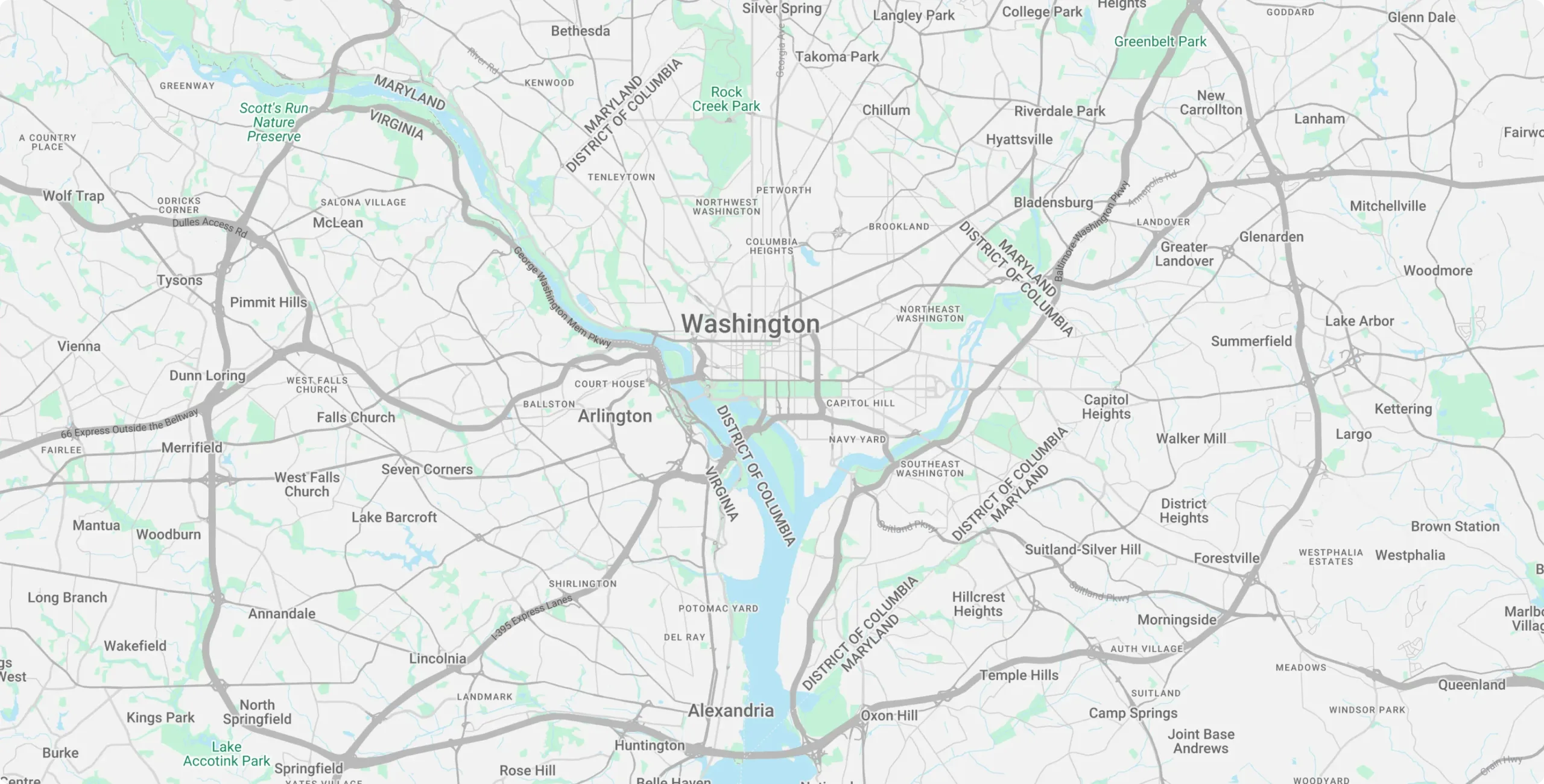
AREAS WE SERVE
At FloodTech USA, we specialize in comprehensive solutions for all your water-related concerns. From precision leak detection and water damage repair to mold remediation, sealing, resurfacing, and full-scale restoration services—our certified team delivers dependable results with unmatched professionalism.
PROTECTING PROPERTY, RESTORING PEACE OF MIND
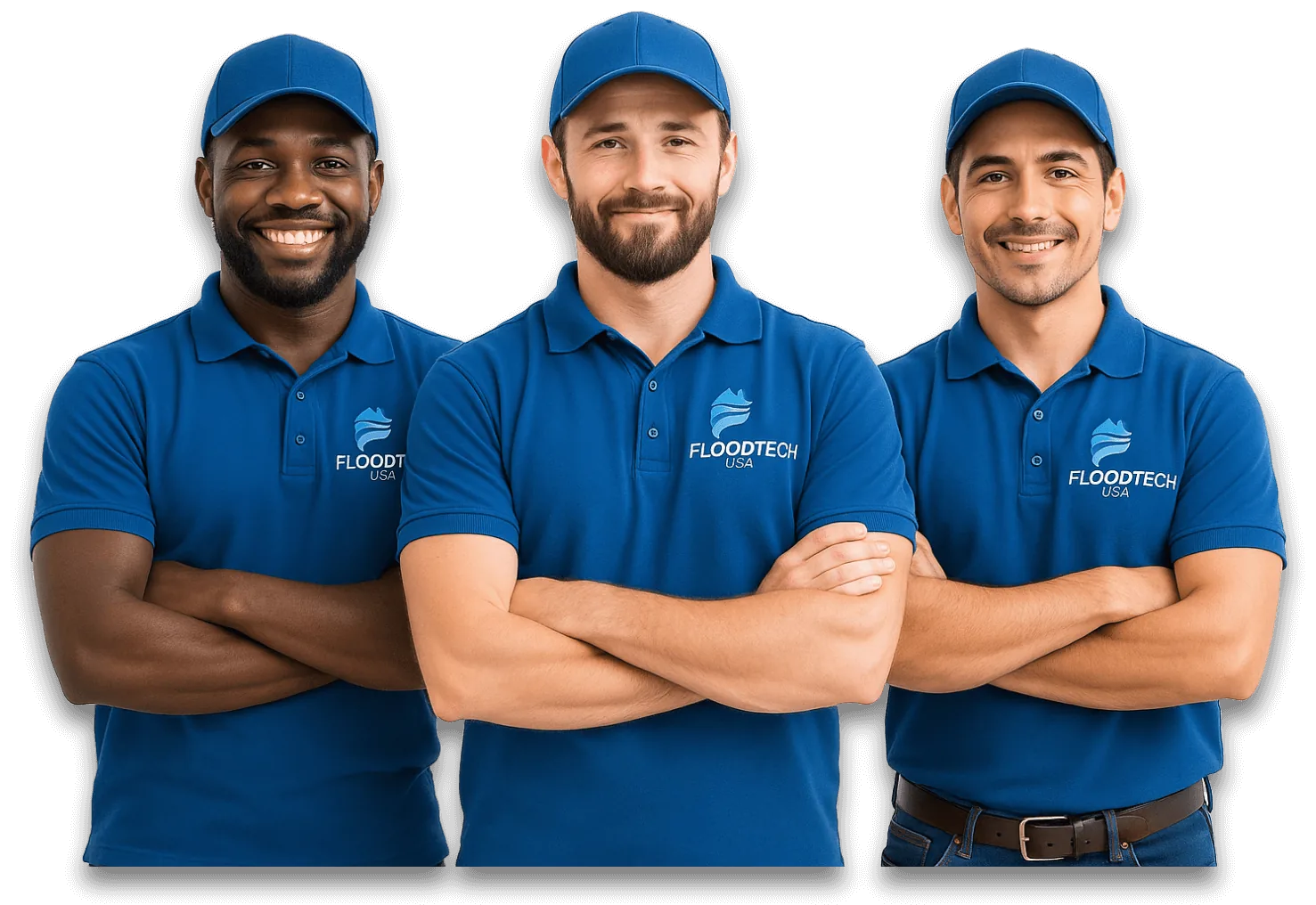
At FloodTech USA, our team of certified home and commercial restoration specialists brings over 30 years of combined expertise in water damage mitigation, mold remediation, fire and smoke restoration, and structural recovery. Every technician on our crew is fully trained, licensed, and committed to delivering prompt, professional, and compassionate service during your most difficult times.
We know that emergencies don’t wait for business hours. That’s why our restoration services are available around the clock—24 hours a day, 7 days a week, 365 days a year. Whether it’s a burst pipe in the middle of the night or fire damage over a holiday weekend, we’re ready to respond immediately to protect your property and begin the recovery process without delay.