


Storm Damage Restoration Herndon VA
Storms are an unavoidable part of life in Northern Virginia, and Herndon is no exception. From powerful summer thunderstorms and torrential rain to winter ice storms and strong winds, severe weather can cause sudden and overwhelming damage to homes and businesses. When a storm hits, the aftermath can feel chaotic—roof leaks, fallen trees, flooded basements, and structural concerns all demand immediate attention. This is where professional Storm Damage Restoration becomes essential.
Storm damage restoration is the process of assessing storm-related damage, securing the property, removing debris and water, repairing affected areas, and restoring the building to a safe, livable condition. It is not simply about cleaning up visible messes. Hidden moisture, compromised structural elements, and safety hazards often remain long after the storm clouds clear.
FloodTech USA proudly provides comprehensive storm damage restoration services throughout Herndon, VA. Our team understands that storm damage is not just a property issue—it is an emotional experience that disrupts daily life, creates uncertainty, and demands fast, reliable solutions. That is why we respond quickly, communicate clearly, and restore thoroughly.
Delaying storm damage restoration can lead to serious long-term problems, including mold growth, structural deterioration, and escalating repair costs. Even damage that appears minor can worsen rapidly if water intrusion or structural instability is left unaddressed. FloodTech USA combines advanced restoration technology, proven processes, and local expertise to help Herndon property owners recover safely and confidently.
WHY FLOODTECH USA?
WE’RE HERE FOR YOU
24 HOURS A DAY, 7 DAYS A WEEK.
What Storm Damage Restoration Is and Why Prompt Action Matters
Storm damage restoration is a specialized service designed to address the wide range of damage caused by severe weather events. In Herndon, storms often involve a combination of wind, rain, debris, and power disruptions, creating complex restoration needs.
The Scope of Storm Damage Restoration
Professional storm damage restoration includes:
- Emergency response and safety assessment
- Temporary stabilization such as board-up and roof tarping
- Debris removal and cleanup
- Water extraction and drying
- Structural repairs and reconstruction
- Mold prevention and environmental safety
- Final inspection and restoration completion
Each step plays a critical role in preventing secondary damage and ensuring the property is safe for occupants.
Why Immediate Response Is Critical
Time is one of the most important factors after storm damage. Water can begin to penetrate walls, insulation, and flooring within minutes. Mold can start growing within 24 to 48 hours. Structural components weakened by wind or impact may deteriorate further if not stabilized.
Prompt storm damage restoration helps:
- Prevent mold and bacterial growth
- Reduce repair costs
- Protect structural integrity
- Restore safe living and working conditions
- Preserve property value
FloodTech USA’s 24/7 emergency response ensures Herndon property owners get help when they need it most.
Common Causes of Storm Damage in Virginia Homes and Businesses
Storm damage in Herndon, VA can result from many different weather-related events. Understanding the most common causes helps property owners recognize risks and respond appropriately.
Heavy Rainfall and Flash Flooding
Herndon experiences intense rainstorms, especially during spring and summer. When rainfall overwhelms drainage systems or saturated soil cannot absorb more water, flooding can occur. Water may enter properties through basements, crawl spaces, foundation cracks, or ground-level doors.
High Winds and Wind-Driven Rain
Strong winds can tear off shingles, damage siding, and break windows. Wind-driven rain often forces water into small openings in the building envelope, leading to hidden interior damage.
Fallen Trees and Storm Debris
Mature trees and saturated soil increase the risk of falling trees and large branches. Impact damage can compromise roofs, walls, windows, and structural framing.
Hail Damage
Hailstorms can damage roofing materials, gutters, siding, and windows. Even when hail damage is not immediately visible, it can weaken materials and lead to future leaks.
Winter Storms and Ice Damage
Snow and ice storms can cause roof stress, ice dams, frozen pipes, and water intrusion during thawing. Ice buildup can also damage gutters and roofing systems.
Power Outages and Electrical Hazards
Storms often cause power disruptions, increasing the risk of electrical damage when water intrusion is present.
Emergency Response and Initial Damage Assessment
Storm restoration begins with rapid response. FloodTech USA is available 24/7 to respond to storm damage emergencies in Herndon.
Safety Evaluation
Our technicians identify immediate safety hazards such as structural instability, electrical risks, and standing water. Protecting occupants and responders is always the top priority.
Comprehensive Damage Inspection
We assess both visible and hidden damage, using advanced moisture detection tools to identify water intrusion behind walls, under floors, and within ceilings.
Property Stabilization and Safety Measures
Before cleanup and repairs begin, the property must be stabilized to prevent further damage.
Emergency Board-Up Services
Broken windows, doors, and openings are boarded up to secure the property and prevent weather exposure or unauthorized entry.
Temporary Roof Tarping
Damaged roofs are tarped to prevent additional water intrusion while permanent repairs are planned.
Structural Support
If necessary, temporary supports are installed to stabilize walls, ceilings, or roofs until full repairs can be completed.
Debris Removal and Storm Cleanup
Storm debris creates safety hazards and prevents proper restoration if not removed promptly.
Exterior Debris Removal
Fallen branches, trees, and damaged exterior materials are cleared carefully to prevent further damage.
Interior Cleanup
Damaged drywall, insulation, flooring, and other materials may be removed to prevent mold growth and allow for proper drying.
Water Extraction and Drying After Storm Damage
Water intrusion is one of the most damaging consequences of storms.
High-Powered Water Extraction
FloodTech USA uses industrial pumps and extractors to remove standing water quickly from basements, crawl spaces, and interior areas.
Advanced Drying and Dehumidification
Professional air movers and dehumidifiers are strategically placed to dry structural materials thoroughly and reduce humidity levels.
Continuous Moisture Monitoring
Moisture levels are monitored throughout the process to ensure complete drying before repairs begin.
Structural Repairs and Property Restoration
Once the property is dry and stable, restoration moves into the repair phase.
Roof, Siding, and Exterior Repairs
Damaged roofing, siding, flashing, and windows are repaired or replaced to restore the building envelope.
Interior Reconstruction
Interior restoration may include drywall replacement, flooring repair, painting, cabinetry repair, and fixture replacement.
Final Inspection and Quality Control
A final inspection ensures all storm damage has been addressed and restoration meets FloodTech USA’s quality standards.
Advanced Equipment and Technology Used by FloodTech USA
FloodTech USA invests in modern restoration technology to deliver superior results for Herndon clients.
- Infrared moisture detection cameras
- Industrial-grade air movers and dehumidifiers
- High-capacity water extraction units
- HEPA air filtration systems
- Professional board-up and tarping materials
This equipment allows us to locate hidden damage, accelerate drying, and restore properties efficiently.
Signs You Need Professional Storm Damage Restoration
Not all storm damage is obvious. Warning signs that indicate the need for storm damage restoration include:
- Roof leaks or missing shingles
- Water stains on ceilings or walls
- Warped floors or bubbling drywall
- Musty odors or increased humidity
- Cracks in walls or foundations
- Fallen trees or large debris near structures
- Visible mold or mildew
If any of these signs are present after a storm, professional storm damage restoration is strongly recommended.
Local Storm Damage Restoration Case Studies in Herndon, VA
Residential Roof and Water Damage After Thunderstorm
A Herndon homeowner experienced roof damage and interior leaks after a severe thunderstorm. FloodTech USA provided emergency tarping, water extraction, drying, and full repairs, preventing mold growth.
Commercial Property Wind Damage Restoration
High winds damaged siding and windows at a Herndon office building. Our team secured the property, repaired exterior damage, and restored interior areas with minimal business disruption.
Basement Flooding From Heavy Rainfall
After prolonged rainfall, a Herndon basement flooded due to drainage issues. FloodTech USA performed water extraction, drying, and recommended preventive upgrades to reduce future risk.
Preventive Measures and Maintenance Tips for Herndon Properties
While storms cannot be prevented, proactive maintenance reduces damage risk.
Roof and Exterior Inspections
Routine inspections identify weak points before storms occur.
Gutter and Drainage Maintenance
Keeping gutters clean and directing water away from foundations reduces flood risk.
Tree Trimming and Landscaping
Removing dead or overhanging branches reduces the risk of storm-related impact damage.
Window and Door Sealing
Proper sealing helps prevent wind-driven rain from entering the property.
Emergency Preparedness Planning
Having a plan in place helps property owners respond quickly and safely after storms.
Choosing a Trusted Storm Damage Restoration Provider in Herndon, VA
Selecting the right restoration company is critical.
What to Look For
- 24/7 emergency availability
- Experience with storm damage restoration
- Advanced equipment and trained technicians
- Local knowledge of Herndon, VA
- Clear communication and documentation
FloodTech USA meets these criteria and is committed to dependable, high-quality restoration services.
Common Storm Damage in Herndon, VA Homes and Businesses
Storms are a regular occurrence in Herndon, VA, and while many weather events pass with minimal impact, severe storms can cause extensive damage to both residential and commercial properties. Heavy rainfall, high winds, winter storms, and occasional hail events create a wide range of risks that can affect roofs, foundations, interiors, and structural components. Understanding the most common types of storm damage helps property owners recognize problems early and take appropriate action.
In Herndon, storm damage often involves more than just visible destruction. Water intrusion, weakened materials, and hidden damage can develop quickly if restoration is delayed. Roof leaks, fallen trees, flooding, and structural damage are among the most frequent and serious storm-related issues in the area.
Roof Leaks and Roof System Damage After Storms
Roof damage is one of the most common and costly forms of storm damage in Herndon homes and businesses. Because the roof is the primary barrier against weather, even small issues can lead to major interior damage.
Wind-Damaged Shingles and Roofing Materials
Strong winds can lift, crack, or tear away shingles and roofing panels. Once roofing materials are compromised, rainwater can easily penetrate the roof system. In many cases, roof leaks may not be immediately noticeable and may worsen during subsequent storms.
Hail Damage and Surface Deterioration
Hailstorms can cause dents, cracks, and granule loss on shingles and other roofing materials. While hail damage does not always cause immediate leaks, it weakens the roof and increases the likelihood of future water intrusion.
Flashing and Seal Failures
Flashing around chimneys, vents, skylights, and roof edges is especially vulnerable during storms. Damaged flashing creates entry points for water, leading to hidden leaks that can affect ceilings, walls, and insulation.
Fallen Trees and Storm Debris Damage
Fallen trees and flying debris are a major cause of storm damage in Herndon, particularly during high winds and heavy rain when soil becomes saturated.
Tree Impact on Homes and Businesses
Large branches or entire trees can fall onto roofs, siding, decks, vehicles, and fences. Tree impact often causes immediate structural damage, roof breaches, and broken windows. Even if the visible damage appears limited, the force of impact can weaken framing and roof supports.
Damage From Flying Debris
Loose outdoor items such as branches, patio furniture, construction materials, and signage can become dangerous projectiles during storms. Flying debris can crack siding, shatter windows, and puncture roofing materials, allowing water to enter the structure.
Safety Hazards and Blocked Access
Fallen trees and debris can block driveways, entrances, and walkways, creating safety hazards and limiting access to the property. Professional debris removal is often necessary to restore safe conditions.
Flooding and Water Intrusion After Storms
Flooding is one of the most destructive forms of storm damage affecting Herndon properties. Heavy rainfall and overwhelmed drainage systems can lead to rapid water intrusion.
Basement and Crawl Space Flooding
Basements and crawl spaces are especially vulnerable to flooding in Herndon. When soil becomes saturated, hydrostatic pressure can force water through foundation walls, cracks, and floor joints. Flooded lower levels often lead to widespread moisture issues throughout the structure.
Interior Water Damage From Roof Leaks
Roof damage frequently allows water to drip into ceilings, walls, and insulation. Water can travel far from the original entry point, damaging drywall, electrical systems, and structural components. This type of damage is often hidden and continues to worsen if not addressed.
Commercial Flooding Challenges
Commercial properties in Herndon often face additional flooding risks due to large roof surfaces, flat roofs, and expansive paved areas. Flooding can damage inventory, equipment, and interior finishes while disrupting business operations.
Structural Damage Caused by Severe Weather
Structural damage is one of the most serious consequences of storms in Herndon. It can compromise the safety and integrity of a building if not addressed promptly.
Foundation Cracks and Shifting
Excessive rainfall and saturated soil can cause ground movement around foundations, leading to cracks or shifting. These issues can allow water intrusion and weaken the overall stability of the building.
Wall and Framing Damage
High winds, fallen trees, and debris impact can damage exterior walls and internal framing. Structural components may be weakened or displaced, requiring professional assessment and repair.
Roof Truss and Support Damage
Storms that combine high winds with heavy rain or snow can place significant stress on roof trusses and supports. Structural roof damage may not always be visible but can pose serious safety risks if left unaddressed.
Hidden Storm Damage That Develops Over Time
Not all storm damage is immediately visible. Hidden damage can continue to develop long after the storm has passed.
Moisture Trapped Behind Walls and Ceilings
Water that enters through roof leaks or exterior cracks can become trapped inside walls and ceilings. Over time, this moisture can cause mold growth, rot, and deterioration of building materials.
Saturated Insulation and Reduced Energy Efficiency
Wet insulation loses its effectiveness and can hold moisture against structural components. This increases the risk of long-term damage and higher energy costs.
Electrical System Concerns
Water intrusion can affect wiring, outlets, and electrical panels. Electrical damage may not be immediately apparent but can create serious safety hazards.
Differences Between Residential and Commercial Storm Damage
While both homes and businesses in Herndon are affected by storms, commercial properties often face unique challenges.
Larger Roof Areas and Flat Roof Systems
Commercial buildings typically have larger roof surfaces that are more susceptible to wind and water damage. Flat roofs can allow water to pool, increasing the risk of leaks.
Business Interruption and Financial Impact
Storm damage can force businesses to close temporarily, resulting in lost revenue and operational disruptions. Prompt restoration helps minimize downtime.
Code and Safety Compliance
Commercial storm damage restoration often must meet stricter building codes and safety standards, making professional services essential.
Why Prompt Storm Damage Restoration Is Critical in Herndon
Storm damage does not resolve on its own. Delaying restoration can lead to more extensive damage, higher repair costs, and increased safety risks.
Preventing Secondary Damage
Water intrusion can quickly lead to mold growth, wood rot, and structural weakening. Prompt restoration helps prevent these secondary issues.
Preserving Property Value
Addressing storm damage early helps protect the long-term value of homes and businesses in Herndon.
Ensuring Occupant Safety
Structural instability, wet materials, and electrical hazards pose serious risks. Professional storm damage restoration ensures properties are safe to occupy.
When to Seek Professional Storm Damage Restoration
If you notice roof leaks, fallen trees, flooding, or signs of structural damage after a storm, it is important to seek professional help immediately. Storm damage restoration professionals have the tools, experience, and training needed to assess damage, secure the property, and complete repairs safely.
For homeowners and business owners in Herndon, professional storm damage restoration provides peace of mind and a clear path to recovery after severe weather.
Emergency Storm Response and Safety Measures in Herndon, VA
Severe storms can strike Herndon, VA with little warning, leaving behind dangerous conditions and property damage that require immediate attention. High winds, heavy rain, flooding, fallen trees, and power outages can create serious risks for homeowners, families, employees, and business owners. Knowing how to respond quickly and safely after a storm is critical to protecting people and minimizing property damage.
Emergency storm response focuses first on safety and stabilization, followed by actions that prevent additional damage. The steps taken in the hours immediately following a storm often determine how quickly and successfully recovery can begin.
Prioritizing Personal Safety During and After a Storm
The most important aspect of emergency storm response is protecting people. Storm damage can leave behind hazards that are not always obvious.
Avoiding Immediate Hazards
Downed power lines, broken glass, unstable structures, and standing water can be extremely dangerous. Individuals should avoid entering damaged areas until it is confirmed they are safe. Floodwater may conceal sharp objects or electrical hazards.
Electrical Safety After Storms
If water has entered a building, avoid touching electrical outlets, appliances, or breaker panels. If it is safe to do so, shut off power at the main breaker. Any suspected electrical damage should be addressed by professionals.
Using Protective Gear
When inspecting damage or moving through affected areas, wearing sturdy shoes, gloves, and protective clothing helps reduce the risk of injury from debris or contaminated water.
Assessing Storm Damage Without Putting Yourself at Risk
A cautious assessment helps identify urgent issues while keeping safety a priority.
Inspecting From a Safe Distance
Initial inspections should be done from outside the structure whenever possible. Look for visible roof damage, fallen trees, broken windows, and sagging or leaning areas. Avoid climbing onto roofs or entering heavily damaged spaces.
Recognizing Signs of Structural Instability
Cracks in walls, sagging ceilings, doors that no longer close properly, or shifting foundations may indicate structural damage. These signs require professional evaluation before re-entry.
Identifying Water Intrusion
Visible flooding, damp areas, or water stains suggest water intrusion. Early identification helps prevent secondary damage such as mold growth.
Securing the Property to Prevent Further Damage
Once immediate safety concerns are addressed, securing the property helps prevent additional damage and unauthorized access.
Boarding Up Broken Windows and Doors
Broken windows and doors expose interiors to weather, pests, and theft. Temporary board-up measures help stabilize the property and protect belongings.
Temporary Roof Protection
If the roof has been damaged, covering affected areas with tarps helps prevent further water intrusion, especially if more storms are expected.
Restricting Access to Unsafe Areas
Damaged sections of the property should be clearly marked and restricted to prevent injuries to occupants or visitors.
Managing Flooding and Water Exposure Safely
Flooding is a common consequence of storms in Herndon and must be handled carefully to avoid health risks.
Avoiding Direct Contact With Floodwater
Floodwater may contain sewage, chemicals, and harmful bacteria. Direct contact should be avoided whenever possible, and protective gear should be worn if contact is unavoidable.
Improving Ventilation When Safe
If conditions allow, opening windows and doors can help reduce humidity and begin the drying process. Ventilation should only occur when there is no ongoing risk from weather or electrical hazards.
Documenting Water Damage
Photographs and videos should be taken before cleanup begins, if it is safe to do so. Documentation is important for insurance claims and restoration planning.
Emergency Response for Commercial Properties in Herndon
Businesses face additional challenges during emergency storm response due to higher occupancy and operational demands.
Ensuring Employee and Customer Safety
Employees and customers should be accounted for and kept away from damaged areas. Clear communication helps prevent confusion and accidents.
Implementing Emergency Protocols
Businesses should follow established emergency response plans, including evacuation procedures and communication protocols.
Protecting Inventory and Equipment
If safe, moving inventory and equipment away from water-damaged areas helps reduce losses and speed up recovery.
Handling Fallen Trees and Storm Debris Safely
Fallen trees and debris are common after storms and present significant hazards.
Avoiding DIY Debris Removal
Attempting to remove fallen trees or large debris without proper equipment can be dangerous. Trees may be under tension or entangled with power lines.
Maintaining Safe Distances
Blocked areas should be avoided until debris is removed by trained professionals.
Preventing Secondary Damage
Leaving debris in contact with structures can trap moisture and cause additional damage. Prompt professional removal helps prevent further deterioration.
Addressing Power Outages and Utility Hazards
Storms often disrupt utilities, creating additional safety concerns.
Safe Generator Use
Generators should only be used outdoors and away from doors and windows to prevent carbon monoxide poisoning. Extension cords and fuel should be handled carefully.
Reporting Utility Damage
Downed power lines, gas leaks, or water main breaks should be reported immediately to utility providers. Never attempt to handle utility repairs independently.
Conserving Resources During Outages
Limiting power and water usage helps manage resources during extended outages and supports quicker restoration.
Communicating With Emergency Services and Insurance Providers
Clear communication supports a smoother recovery process.
Contacting Emergency Services When Needed
If there are injuries, gas leaks, or immediate safety threats, emergency services should be contacted right away.
Notifying Insurance Companies Promptly
Insurance providers should be notified as soon as possible to begin the claims process. Early reporting helps prevent delays.
Keeping Records of Emergency Actions
Maintaining records of temporary repairs, expenses, and communications helps support insurance claims and reimbursement.
Knowing When to Call Professional Emergency Storm Response Services
Some storm damage situations require professional expertise to ensure safety and proper restoration.
Signs Professional Help Is Needed
Severe flooding, structural damage, roof breaches, and electrical hazards should be addressed by trained storm restoration professionals.
Benefits of Professional Emergency Response
Professional teams have the equipment and training needed to secure properties, remove hazards, and begin restoration safely.
Preparing for the Next Steps After Emergency Response
Once immediate dangers are addressed, planning for full restoration becomes the priority.
Scheduling Professional Inspections
Detailed inspections help identify hidden damage and determine the scope of restoration work.
Preventing Secondary Damage
Prompt drying and cleanup help prevent mold growth and structural deterioration.
Supporting a Smooth Recovery Process
Clear planning and professional support help property owners recover more efficiently.
The Importance of Emergency Preparedness in Herndon, VA
Emergency storm response is most effective when property owners are prepared. Knowing what steps to take and who to call helps reduce stress and improve outcomes during severe weather.
For homeowners and businesses in Herndon, understanding emergency storm response and safety measures protects lives, property, and long-term well-being. Taking immediate, informed action after storms helps ensure a safer and faster recovery.
FloodTech USA’s Storm Restoration Techniques in Herndon, VA
Severe storms in Herndon, VA can leave behind complex damage that requires more than basic cleanup. Heavy rain, strong winds, fallen trees, flooding, and debris often affect multiple areas of a property at once. Once the storm has passed, restoring safety and functionality depends on a structured, professional restoration process that addresses both visible damage and hidden risks.
FloodTech USA specializes in comprehensive storm restoration techniques designed to protect people, stabilize properties, and restore homes and businesses efficiently. From emergency cleanup and water extraction to structural repairs and stabilization, FloodTech USA follows proven methods that support long-term recovery and peace of mind for Herndon property owners.
Rapid Emergency Response and Damage Assessment
Storm restoration begins with a fast and organized response. FloodTech USA provides emergency storm restoration services throughout Herndon to address damage as soon as conditions are safe.
Prioritizing Safety and Risk Identification
The first step is identifying immediate safety hazards such as unstable structures, electrical risks, standing water, and debris. Protecting occupants and responders is always the top priority.
Comprehensive Damage Evaluation
FloodTech USA conducts a thorough inspection of the property, documenting roof damage, water intrusion, structural concerns, and debris impact. Advanced moisture detection tools help identify hidden water damage behind walls, beneath floors, and inside ceilings.
Post-Storm Cleanup and Debris Removal
Cleanup is a critical part of storm restoration and lays the foundation for all repairs.
Exterior Debris Removal
Fallen branches, trees, roofing materials, and storm debris are carefully removed to restore safe access to the property. Clearing exterior debris allows technicians to inspect siding, windows, roofs, and foundations more effectively.
Interior Cleanup of Damaged Materials
Inside the property, storm-damaged materials such as wet drywall, insulation, flooring, and ceiling components may need to be removed. Removing compromised materials helps prevent mold growth and allows for thorough drying.
Professional Water Extraction After Storm Damage
Water intrusion is one of the most destructive effects of storms. FloodTech USA uses professional water extraction techniques to limit damage and speed recovery.
Rapid Removal of Standing Water
High-powered pumps and extraction units are used to remove standing water from basements, crawl spaces, and interior rooms. Quick water removal reduces saturation of building materials and lowers the risk of secondary damage.
Targeted Moisture Removal
Water often spreads into carpets, padding, subfloors, and wall cavities. Specialized extraction tools are used to remove moisture from these areas, even when water is not visible on the surface.
Advanced Drying and Dehumidification Techniques
Once water extraction is complete, drying the structure thoroughly is essential.
Strategic Airflow Placement
Industrial air movers are placed strategically to create controlled airflow across wet surfaces. This accelerates evaporation from walls, floors, and structural components.
Commercial-Grade Dehumidification
Powerful dehumidifiers remove excess moisture from the air, helping stabilize indoor humidity levels and support faster drying of materials.
Ongoing Moisture Monitoring
FloodTech USA monitors moisture levels throughout the drying process. Adjustments are made as needed to ensure all affected materials return to safe moisture levels before repairs begin.
Property Stabilization and Temporary Protection Measures
Storm-damaged properties often require stabilization to prevent further damage and ensure safety.
Emergency Board-Up Services
Broken windows, doors, and wall openings are boarded up to protect interiors from weather exposure, pests, and unauthorized entry.
Temporary Roof Tarping
If roofing materials have been damaged or removed, tarps are installed to prevent additional water intrusion while permanent repairs are planned.
Structural Support and Reinforcement
In cases of significant damage, temporary supports may be installed to stabilize walls, ceilings, or roof sections until full reconstruction can be completed safely.
Structural Repairs and Restoration Work
After cleanup, drying, and stabilization, FloodTech USA begins the repair and restoration phase.
Roof, Siding, and Exterior Repairs
Damaged roofing, flashing, siding, and windows are repaired or replaced to restore the building envelope and protect against future storms.
Interior Repairs and Reconstruction
Interior restoration may include drywall replacement, flooring repair, painting, cabinet restoration, and fixture replacement. All work is completed with attention to quality and durability.
Restoring Pre-Storm Condition
FloodTech USA’s goal is to return the property to its pre-storm condition, ensuring safety, comfort, and functionality.
Mold Prevention and Environmental Safety
Storm-related water damage creates ideal conditions for mold growth if not addressed quickly.
Preventive Treatments
When appropriate, antimicrobial treatments are applied to inhibit mold and bacterial growth during and after the drying process.
Indoor Air Quality Protection
Air filtration equipment may be used to capture airborne particles and contaminants, helping maintain healthy indoor air during restoration.
Storm Restoration for Residential Properties in Herndon
Homes require a personalized approach to storm restoration.
Protecting Personal Belongings
FloodTech USA takes care to salvage and protect furniture, belongings, and finishes whenever possible.
Minimizing Disruption for Families
Restoration plans are designed to minimize disruption to daily life while ensuring thorough repairs and safety.
Storm Restoration for Commercial Properties in Herndon
Commercial storm restoration often involves larger spaces and tighter timelines.
Reducing Business Downtime
FloodTech USA works efficiently to restore commercial properties so businesses can resume operations as quickly as possible.
Managing Large-Scale Restoration Projects
From offices to retail spaces, FloodTech USA coordinates complex restoration projects with careful planning and clear communication.
Insurance Documentation and Restoration Support
Storm restoration often involves insurance claims.
Detailed Documentation of Damage and Repairs
FloodTech USA provides detailed documentation, including photos, moisture readings, and repair summaries, to support insurance claims.
Supporting a Smooth Claims Process
While FloodTech USA does not act as an insurance provider, their thorough documentation helps streamline communication with insurance companies.
Why Professional Storm Restoration Techniques Matter
Storm restoration requires more than basic cleanup. Professional techniques ensure that hidden damage is addressed, safety risks are minimized, and repairs are completed correctly.
FloodTech USA’s storm restoration techniques are designed to protect property value, prevent future problems, and provide long-term peace of mind for Herndon property owners.
Why Herndon Property Owners Trust FloodTech USA
FloodTech USA is committed to helping Herndon homeowners and businesses recover after storms with professionalism, care, and expertise. Their storm restoration techniques focus on thorough cleanup, effective water extraction, quality repairs, and property stabilization.
When storms cause damage, having a trusted restoration partner makes all the difference. FloodTech USA delivers reliable storm restoration services that help Herndon properties recover safely and efficiently.
Working With Insurance for Storm Damage Claims in Herndon, VA
Storm damage can turn daily life upside down for homeowners and business owners in Herndon, VA. After severe weather, you may be facing roof leaks, flooding, fallen trees, or structural damage—all while trying to understand what your insurance will cover. The insurance claims process can feel confusing and stressful, especially when quick decisions are required during an already overwhelming time.
Knowing how to work with insurance companies after storm damage helps protect your financial interests and ensures your property is restored properly. With the right approach, clear documentation, and timely action, storm damage insurance claims can move forward more smoothly and with fewer surprises.
Understanding Storm Damage Insurance Coverage in Herndon
Before filing a claim, it’s important to understand how storm damage coverage typically works and what factors may affect your claim.
Storm Damage That Is Commonly Covered
Most homeowners and commercial insurance policies cover sudden and accidental storm-related damage. This often includes wind damage, hail damage, roof leaks caused by storms, and damage from fallen trees or flying debris. Interior water damage resulting from storm-related roof or window damage is also commonly covered.
Flooding and Special Coverage Considerations
Flooding caused by rising groundwater or external water sources is usually not covered under standard policies. Separate flood insurance is typically required. Understanding whether your damage qualifies as storm-related water intrusion or flooding is essential when filing a claim.
Why Policy Details Matter
Every insurance policy is different. Deductibles, coverage limits, exclusions, and depreciation terms all affect claim outcomes. Reviewing your policy helps set realistic expectations and allows you to communicate more effectively with your insurer.
Immediate Steps to Take After Storm Damage Occurs
The actions you take immediately after a storm can significantly impact your insurance claim.
Putting Safety First
Before inspecting damage, make sure the property is safe to enter. Avoid downed power lines, standing water, broken glass, and unstable structures. Safety should always be the top priority.
Preventing Additional Damage
Most insurance policies require policyholders to take reasonable steps to prevent further damage. Temporary measures such as tarping a damaged roof or boarding up broken windows help protect the property and demonstrate compliance with policy requirements.
Documenting Storm Damage Thoroughly
Take clear photos and videos of all visible damage as soon as it is safe to do so. Capture wide shots and close-ups, and document both exterior and interior damage. Thorough documentation strengthens your insurance claim.
Filing a Storm Damage Insurance Claim in Herndon
Filing your claim promptly and accurately helps avoid delays and complications.
Contacting Your Insurance Provider Quickly
Notify your insurance company as soon as possible after storm damage occurs. Provide basic information about the storm event and the type of damage sustained.
Providing Clear and Accurate Information
When describing the damage, stick to observable facts and avoid speculation. Clear, consistent information helps insurers process claims more efficiently.
Keeping Claim Records Organized
Maintain a file with your claim number, adjuster contact information, emails, notes from phone calls, and copies of all documentation. Staying organized reduces stress and confusion throughout the process.
Working With Insurance Adjusters During Storm Damage Claims
Insurance adjusters play a key role in determining coverage and claim payouts.
Preparing for the Adjuster’s Inspection
Before the adjuster arrives, organize your photos, documentation, and any repair estimates you have received. Make a list of all damaged areas to ensure nothing is overlooked.
Walking Through the Property Together
If possible, accompany the adjuster during the inspection. Point out all areas of damage, including less obvious issues such as water stains, warped materials, or signs of structural stress.
Asking Questions and Clarifying Next Steps
Do not hesitate to ask questions about the inspection findings or claim process. Understanding what the adjuster documents helps you anticipate coverage decisions and timelines.
Reviewing Insurance Estimates and Coverage Decisions
After the inspection, the insurance company will issue a scope of work and estimate.
Checking for Missing or Incomplete Items
Review the insurer’s estimate carefully to ensure all damaged areas and necessary repairs are included. Missing items can result in incomplete restoration.
Understanding Deductibles and Depreciation
Insurance payouts may be reduced by deductibles and depreciation, depending on your policy. Understanding these factors helps explain settlement amounts and avoid confusion.
Requesting Clarifications or Revisions
If you believe something was overlooked or underestimated, you can request clarification or additional review. Supporting documentation strengthens your request.
Managing Costs During Storm Damage Restoration
Storm damage can be costly, but careful planning helps control expenses.
Avoiding Permanent Repairs Too Soon
Temporary repairs are encouraged, but permanent repairs should generally wait until the claim is approved unless safety requires immediate action. This helps avoid coverage disputes.
Saving Receipts and Invoices
Keep receipts for emergency repairs, temporary materials, and related expenses. These costs may be reimbursable under your policy.
Understanding Out-of-Pocket Expenses
Some costs may not be covered by insurance. Understanding these potential expenses helps you plan financially and avoid surprises.
Storm Damage Insurance Claims for Commercial Properties in Herndon
Commercial storm damage claims often involve additional considerations.
Business Interruption Coverage
Some commercial policies include business interruption coverage. Documentation of downtime, lost revenue, and restoration timelines may be required.
Coordinating Repairs With Operations
Efficient restoration planning helps minimize business disruptions. Clear communication with insurers supports faster claim resolution.
Common Challenges in Storm Damage Insurance Claims
Even well-documented claims can face challenges.
Disputes Over the Cause of Damage
Coverage often depends on whether damage is considered storm-related or due to pre-existing conditions. Clear documentation helps support your claim.
Delays in Claim Processing
Incomplete paperwork or unclear estimates can slow claim approval. Staying organized and responsive helps keep the process moving.
Partial Coverage or Denials
If coverage is limited or denied, review the explanation carefully and gather additional documentation if needed. Appeals may be possible in certain situations.
How Professional Restoration Services Can Support Insurance Claims
Working with professional storm restoration services can help support your insurance claim.
Detailed Damage Documentation
Restoration professionals provide thorough assessments, moisture readings, and documentation that help demonstrate the full extent of storm damage.
Proper Repairs That Meet Industry Standards
Professional restoration ensures repairs are completed correctly, reducing the risk of future issues and claim disputes.
Preparing in Advance for Future Storm Damage Claims
Preparation makes future claims easier and less stressful.
Reviewing Insurance Coverage Regularly
Annual policy reviews ensure coverage keeps pace with property value and changing risks.
Keeping Updated Property Records
Photos and documentation of your property’s condition before storms help support future claims.
Knowing Who to Contact After Storms
Having contact information for insurance providers and restoration professionals readily available saves time during emergencies.
Navigating Storm Damage Claims With Confidence in Herndon, VA
Working with insurance after storm damage can feel overwhelming, but understanding the process helps property owners in Herndon protect their interests and recover more efficiently. By acting quickly, documenting thoroughly, and communicating clearly, homeowners and businesses can improve claim outcomes and reduce delays.
With the right preparation and approach, storm damage insurance claims become a manageable part of recovery rather than an added burden.
Preventive Storm Preparedness in Herndon, VA
Storms are a regular reality for homeowners and businesses in Herndon, VA. From powerful summer thunderstorms and heavy rainfall to winter ice storms and high winds, severe weather can cause sudden and costly damage if properties are not properly prepared. While storms cannot be prevented, the impact they have can be significantly reduced through proactive storm preparedness.
Preventive storm preparedness involves strengthening structures, maintaining key systems, and planning ahead so that when severe weather strikes, people and property are protected. Taking these steps before storms occur helps reduce damage, improve safety, and speed up recovery after the storm passes.
Understanding Storm Risks in Herndon
Effective preparedness begins with understanding the specific storm risks faced by the Herndon area.
Common Storm Types Affecting Herndon
Herndon experiences a variety of storm events throughout the year, including heavy rainstorms, high winds, hail, winter snow and ice, and remnants of hurricanes moving inland. Each type of storm brings different threats, such as flooding, roof damage, fallen trees, and power outages.
How Local Conditions Increase Storm Impact
Mature trees, mixed residential and commercial development, and varying terrain all influence how storms affect Herndon properties. Older homes and buildings may also be more vulnerable due to aging roofs, plumbing systems, and foundations.
Storm-Proofing Homes and Businesses in Herndon
Storm-proofing strengthens a property’s ability to withstand severe weather and reduces the likelihood of major damage.
Reinforcing Roofs and Roof Components
The roof is one of the most critical areas to protect. Regular inspections help identify loose shingles, cracked flashing, or weakened seals. Addressing minor roof issues early reduces the risk of leaks and interior water damage during storms.
Securing Windows and Doors
High winds and wind-driven rain can force water through gaps around windows and doors. Sealing gaps with weatherstripping and caulking improves protection. Storm-rated windows or shutters provide additional defense during severe weather.
Strengthening Siding and Exterior Surfaces
Loose siding or exterior panels can be torn away by strong winds, exposing the building to water intrusion. Securing and repairing siding helps maintain a weather-tight exterior.
Tree Management and Landscaping for Storm Safety
Landscaping plays a major role in preventing storm damage, especially in tree-rich areas like Herndon.
Regular Tree Trimming and Inspection
Overhanging branches and weak limbs pose a serious risk during storms. Routine trimming reduces the likelihood of branches falling onto roofs, vehicles, or power lines.
Removing Dead or Diseased Trees
Dead or diseased trees are more likely to fail during high winds or heavy rain. Removing these trees proactively helps prevent severe property damage and safety hazards.
Improving Yard Drainage
Proper grading and drainage direct rainwater away from the foundation. Installing drainage solutions helps prevent pooling and flooding during heavy storms.
Preventing Flooding and Water Intrusion
Flooding and water damage are among the most common storm-related issues in Herndon.
Maintaining Gutters and Downspouts
Clogged gutters can cause water to overflow and pool near the foundation. Regular cleaning ensures rainwater is directed away from the building.
Installing and Maintaining Sump Pumps
Basements and crawl spaces benefit from sump pumps that manage groundwater. Backup systems provide added protection during power outages.
Sealing Foundations and Crawl Spaces
Cracks in foundations and crawl space walls allow water intrusion during heavy rain. Sealing these areas helps reduce flood risk and moisture problems.
Routine Maintenance for Storm Readiness
Consistent maintenance strengthens a property’s overall resilience against storms.
Inspecting Plumbing and Drainage Systems
Leaking or blocked plumbing systems can worsen storm-related water damage. Regular inspections help identify issues before storms occur.
Servicing HVAC Systems
Proper HVAC maintenance prevents condensation-related water damage and ensures systems function during extreme weather.
Checking Electrical Systems
Storms place stress on electrical systems. Regular inspections help identify potential hazards and improve safety during power fluctuations.
Preparing for Power Outages and Utility Disruptions
Storms frequently cause power outages in Herndon, making preparation essential.
Using Generators Safely
Generators provide backup power but must be used correctly. They should always be operated outdoors and away from windows and doors to prevent carbon monoxide exposure.
Protecting Electrical Equipment
Surge protectors help safeguard electronics and appliances from power surges during storms and outages.
Planning for Extended Outages
Emergency supplies such as flashlights, batteries, and non-perishable food help maintain safety and comfort during prolonged outages.
Creating an Emergency Storm Response Plan
Preparedness includes knowing exactly what to do when a storm occurs.
Developing Clear Communication Plans
Families and employees should know how to communicate during emergencies. Designated contacts and meeting points reduce confusion.
Establishing Shelter and Evacuation Procedures
Knowing when and where to seek shelter helps protect occupants during severe weather events.
Assigning Roles and Responsibilities
Clear responsibilities ensure quick and organized responses during emergencies, especially in commercial properties.
Storm Preparedness for Commercial Properties in Herndon
Businesses face additional challenges during storms due to larger properties and operational responsibilities.
Protecting Inventory and Equipment
Elevating or relocating inventory and equipment away from flood-prone areas reduces potential losses.
Training Employees on Storm Safety
Employee training ensures everyone understands emergency procedures and safety protocols.
Maintaining Business Continuity Plans
Business continuity plans help organizations resume operations more quickly after storms.
Preparing Insurance and Documentation in Advance
Preparation also involves organizing important records before storms occur.
Reviewing Insurance Coverage Regularly
Annual insurance reviews ensure adequate coverage for storm-related risks.
Documenting Property Condition
Updated photos and maintenance records help support future insurance claims.
Keeping Emergency Contacts Accessible
Having contact information for utilities, insurance providers, and restoration professionals readily available saves valuable time after storms.
Long-Term Benefits of Preventive Storm Preparedness
Investing in preparedness offers lasting advantages for Herndon property owners.
Reduced Damage and Repair Costs
Prepared properties are less likely to suffer severe storm damage, reducing repair expenses.
Faster Recovery After Storms
Preparedness allows for quicker response and smoother recovery.
Increased Safety and Peace of Mind
Knowing your property is ready provides confidence during severe weather.
Building Storm-Ready Properties in Herndon, VA
Preventive storm preparedness is an ongoing process that combines storm-proofing, routine maintenance, and proactive disaster planning. For homeowners and businesses in Herndon, VA, these efforts help protect people, property, and long-term investments.
By preparing before storms occur, property owners can face severe weather with greater confidence, safety, and resilience.
Frequently Asked Questions About Storm Damage Restoration
What is storm damage restoration?
Storm damage restoration involves assessing, cleaning, repairing, and restoring properties damaged by severe weather.
How quickly should storm damage restoration begin?
As soon as possible to prevent secondary damage such as mold growth.
Does FloodTech USA work with insurance companies?
Yes. We provide documentation to help support insurance claims.
Can storm damage lead to mold growth?
Yes. Mold can begin growing within 24 to 48 hours of water exposure.
How long does storm damage restoration take?
Timelines vary depending on damage severity, from days to several weeks.
Do you handle residential and commercial properties?
Yes. FloodTech USA restores both homes and businesses in Herndon.
Is emergency roof tarping available?
Yes. We provide emergency tarping and board-up services.
When storms damage your home or business, you need a restoration partner you can trust. FloodTech USA provides fast, professional, and compassionate Storm Damage Restoration services throughout Herndon, VA. Our experienced team is available 24/7 to respond to emergencies, secure properties, and restore them safely.
Do not wait—storm damage worsens over time.
Contact FloodTech USA today to schedule an inspection or request emergency storm damage restoration services in Herndon, Virginia.
AREAS WE SERVE
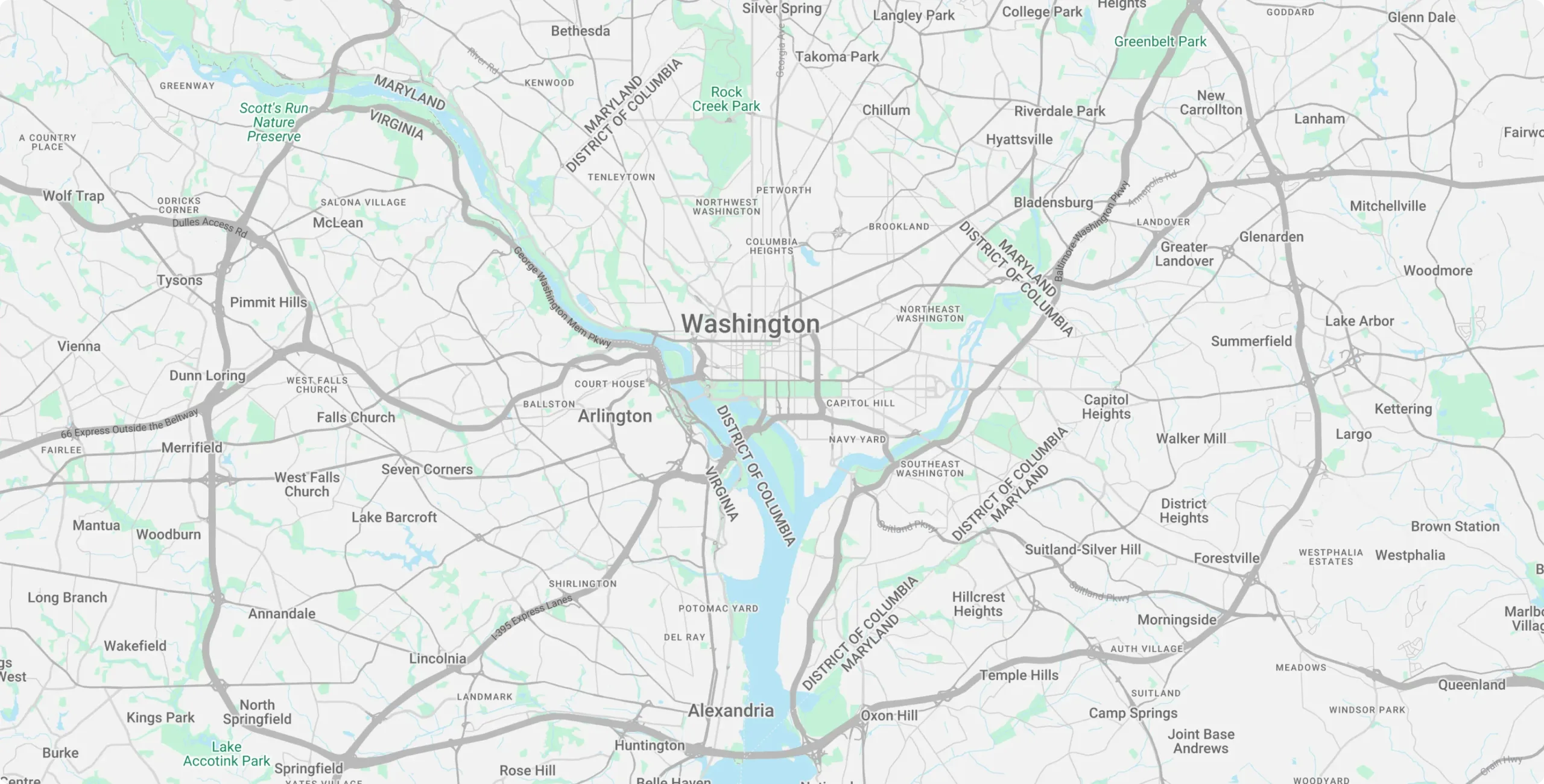
At FloodTech USA, we specialize in comprehensive solutions for all your water-related concerns. From precision leak detection and water damage repair to mold remediation, sealing, resurfacing, and full-scale restoration services—our certified team delivers dependable results with unmatched professionalism.
PROTECTING PROPERTY, RESTORING PEACE OF MIND
At FloodTech USA, our team of certified home and commercial restoration specialists brings over 30 years of combined expertise in water damage mitigation, mold remediation, fire and smoke restoration, and structural recovery. Every technician on our crew is fully trained, licensed, and committed to delivering prompt, professional, and compassionate service during your most difficult times.
We know that emergencies don’t wait for business hours. That’s why our restoration services are available around the clock—24 hours a day, 7 days a week, 365 days a year. Whether it’s a burst pipe in the middle of the night or fire damage over a holiday weekend, we’re ready to respond immediately to protect your property and begin the recovery process without delay.