
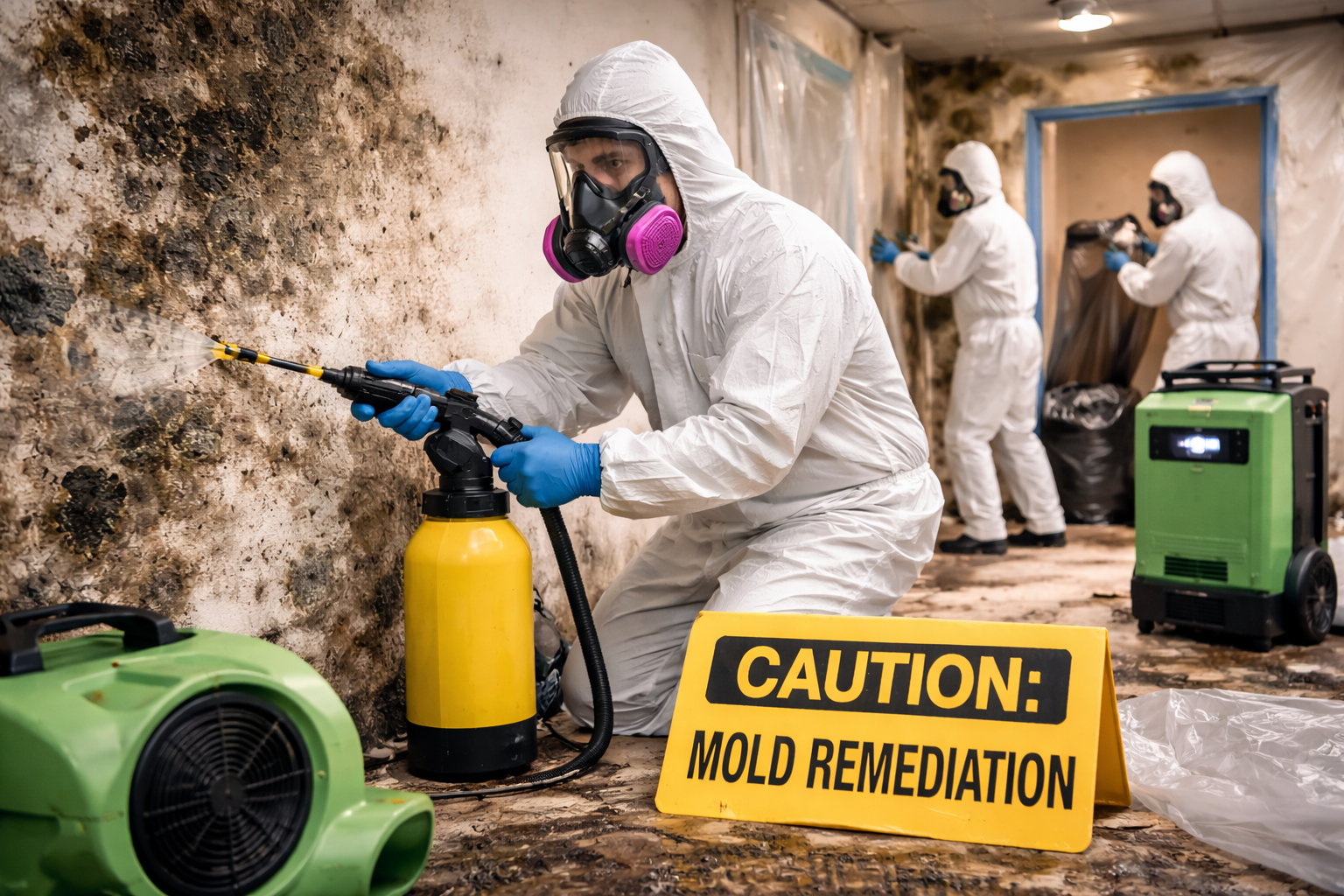
Mold can begin growing within 24 to 48 hours after a water intrusion, yet many homeowners and business owners delay taking action because the damage appears minor. A small stain on a wall, a musty smell in the basement, or a little discoloration around a window may not seem urgent. Unfortunately, these early signs often indicate a much larger problem hidden behind drywall, under flooring, or inside insulation.
If left untreated, mold can spread throughout a property, damage building materials, affect indoor air quality, and lead to expensive repairs. Acting quickly can save thousands of dollars while helping protect the health of everyone inside the building.
Whether you’re dealing with a recent leak, storm damage, or unexplained moisture, understanding why mold remediation services are important can help you make informed decisions before the problem becomes more severe.
Why Mold Grows So Quickly
Mold thrives wherever moisture, warmth, and organic materials are present. Even a minor plumbing leak or elevated humidity can create ideal conditions for mold growth.
Common causes include:
- Roof leaks
- Burst or leaking pipes
- Appliance leaks
- Flooding
- Basement moisture
- Poor ventilation
- HVAC condensation
- High indoor humidity
Because mold spores naturally exist in the air, eliminating moisture is the key to preventing widespread growth. Once moisture remains for more than a day or two, mold colonies can begin developing in areas that aren’t immediately visible.
According to the U.S. Environmental Protection Agency (EPA), controlling moisture is the most effective way to prevent mold growth in homes and commercial buildings. Learn more from the EPA’s guide on mold cleanup.
The Hidden Costs of Waiting
Many property owners assume mold can wait until a convenient time. Unfortunately, waiting often makes the situation significantly worse.
Structural Damage
Mold feeds on materials commonly used in construction, including:
- Drywall
- Wood framing
- Ceiling tiles
- Carpeting
- Insulation
- Furniture
Over time, these materials weaken and may require complete replacement instead of simple cleaning.
What could have been a small remediation project may eventually require reconstruction.
Higher Restoration Costs
The longer mold spreads, the larger the affected area becomes.
Instead of treating one room, remediation professionals may need to address:
- Multiple rooms
- HVAC systems
- Wall cavities
- Crawl spaces
- Attics
- Flooring systems
Larger contamination means additional labor, specialized equipment, and longer project timelines.
Prompt action almost always costs less than delaying repairs.
Indoor Air Quality Problems
Mold spores become airborne easily.
As they circulate through a property’s ventilation system, they can spread into previously unaffected rooms.
Poor indoor air quality may contribute to:
- Musty odors
- Irritated eyes
- Sneezing
- Coughing
- Respiratory discomfort
- Allergy symptoms
Children, older adults, and individuals with asthma or weakened immune systems may be particularly sensitive to mold exposure.
Reduced Property Value
Visible mold or evidence of previous water damage can discourage buyers during a home sale.
Home inspections frequently uncover mold issues that require remediation before closing.
Addressing mold promptly helps preserve both the appearance and value of your property.
Warning Signs You Should Never Ignore
Not every mold problem is obvious.
Watch for these common warning signs:
- Persistent musty smells
- Water stains on ceilings or walls
- Peeling paint
- Bubbling drywall
- Black, green, white, or gray discoloration
- Increased allergy symptoms indoors
- Recent flooding or plumbing leaks
- Condensation around windows
- Damp basements
If you notice any of these signs, scheduling an inspection quickly can help limit the damage.
What Professional Mold Remediation Services Include
Many people think mold removal simply involves spraying bleach.
Professional remediation is much more thorough.
Inspection and Moisture Detection
Professionals begin by locating both visible and hidden mold while identifying the moisture source that allowed it to grow.
Advanced tools may include:
- Moisture meters
- Infrared cameras
- Humidity measurements
Finding the source is critical because mold will usually return if the moisture problem isn’t corrected.
Containment
Before cleanup begins, affected areas are isolated using containment barriers and negative air pressure when necessary.
This helps prevent spores from spreading throughout the rest of the building.
Safe Mold Removal
Damaged materials may require removal depending on the extent of contamination.
Professionals safely remove affected:
- Drywall
- Carpet
- Insulation
- Ceiling materials
- Wood components
Specialized equipment helps reduce airborne spores during the process.
Cleaning and Air Filtration
HEPA vacuums and commercial air scrubbers capture microscopic mold spores.
Surfaces are cleaned using professional-grade antimicrobial treatments designed for restoration work.
Drying the Property
Complete drying is one of the most important steps.
Industrial dehumidifiers and air movers help remove excess moisture that could otherwise support future mold growth.
Restoration
Once remediation is complete, damaged building materials can be repaired or replaced.
Depending on the damage, restoration may include:
- Drywall replacement
- Painting
- Flooring installation
- Trim repair
- Structural repairs
Why DIY Mold Cleanup Often Falls Short
Small surface mold may appear easy to clean, but DIY methods rarely solve the underlying problem.
Common mistakes include:
- Treating only visible mold
- Ignoring hidden moisture
- Using household cleaners that don’t remove contamination
- Spreading spores during cleaning
- Failing to dry affected materials completely
Professional mold removal and remediation services address both the mold and the conditions that allowed it to grow.
Why Potomac Properties Face Mold Risks
Potomac experiences humid summers, seasonal storms, and occasional heavy rainfall that increase moisture levels around homes and commercial buildings.
Many properties also feature:
- Finished basements
- Crawl spaces
- Mature landscaping
- Older plumbing systems
These factors can create hidden moisture problems that remain unnoticed for weeks or months.
Routine inspections after storms, plumbing leaks, or flooding can help identify mold before extensive damage develops.
When to Search for Mold Remediation Services Near Me
You shouldn’t wait until mold becomes visible throughout your property.
Search for mold remediation services near me if:
- Your basement flooded
- A pipe burst
- Your roof leaked
- You notice a persistent musty odor
- Water damage occurred recently
- Indoor humidity stays consistently high
- Family members experience unexplained allergy symptoms indoors
Early intervention is often the most cost-effective solution.
Choosing Professional Mold Remediation Services
Not every restoration company offers the same level of expertise.
When comparing providers, consider whether they:
- Perform complete moisture inspections
- Address the source of water intrusion
- Use professional containment procedures
- Utilize HEPA filtration equipment
- Provide drying and restoration services
- Offer emergency response when needed
Experienced restoration professionals understand that successful remediation involves much more than simply removing visible mold.
Protect Your Home Before Mold Spreads
The cost of waiting almost always exceeds the cost of acting early.
Prompt remediation helps:
- Reduce repair expenses
- Protect structural materials
- Improve indoor air quality
- Prevent mold from spreading
- Restore your property’s safety and comfort
If you suspect mold after a leak, flood, or moisture problem, scheduling an inspection immediately can prevent a much larger restoration project later.
For expert mold removal and remediation services in Potomac, MD, FloodTech USA provides prompt inspections, moisture detection, remediation, and restoration to help protect your home or business. Learn more about our mold remediation services here: https://floodtechusa.com/services/mold-remediation-removal/
Frequently Asked Questions
1. What are mold remediation services?
Mold remediation services involve identifying mold growth, containing contaminated areas, removing affected materials when necessary, cleaning surfaces, improving air quality, eliminating excess moisture, and restoring damaged areas to help prevent mold from returning.
2. How do I know if I need professional mold remediation services?
If you’ve experienced flooding, plumbing leaks, roof leaks, persistent musty odors, visible mold growth, or unexplained moisture, professional remediation is recommended. Hidden mold can spread behind walls even when only small areas are visible.
3. Are mold remediation services near me better than handling mold myself?
Professional remediation addresses the moisture source, contains airborne spores, uses specialized equipment, and performs thorough drying. DIY cleaning often removes only surface mold without addressing hidden contamination.
4. How long do mold removal and remediation services take?
The timeline depends on the size of the affected area and the extent of the damage. Smaller projects may take one to three days, while larger remediation and restoration projects can require a week or longer.
5. Can mold return after professional remediation?
Mold can return if moisture problems are not corrected. Professional mold remediation services focus on identifying and eliminating the source of moisture while thoroughly drying the property, greatly reducing the likelihood of future mold growth.