
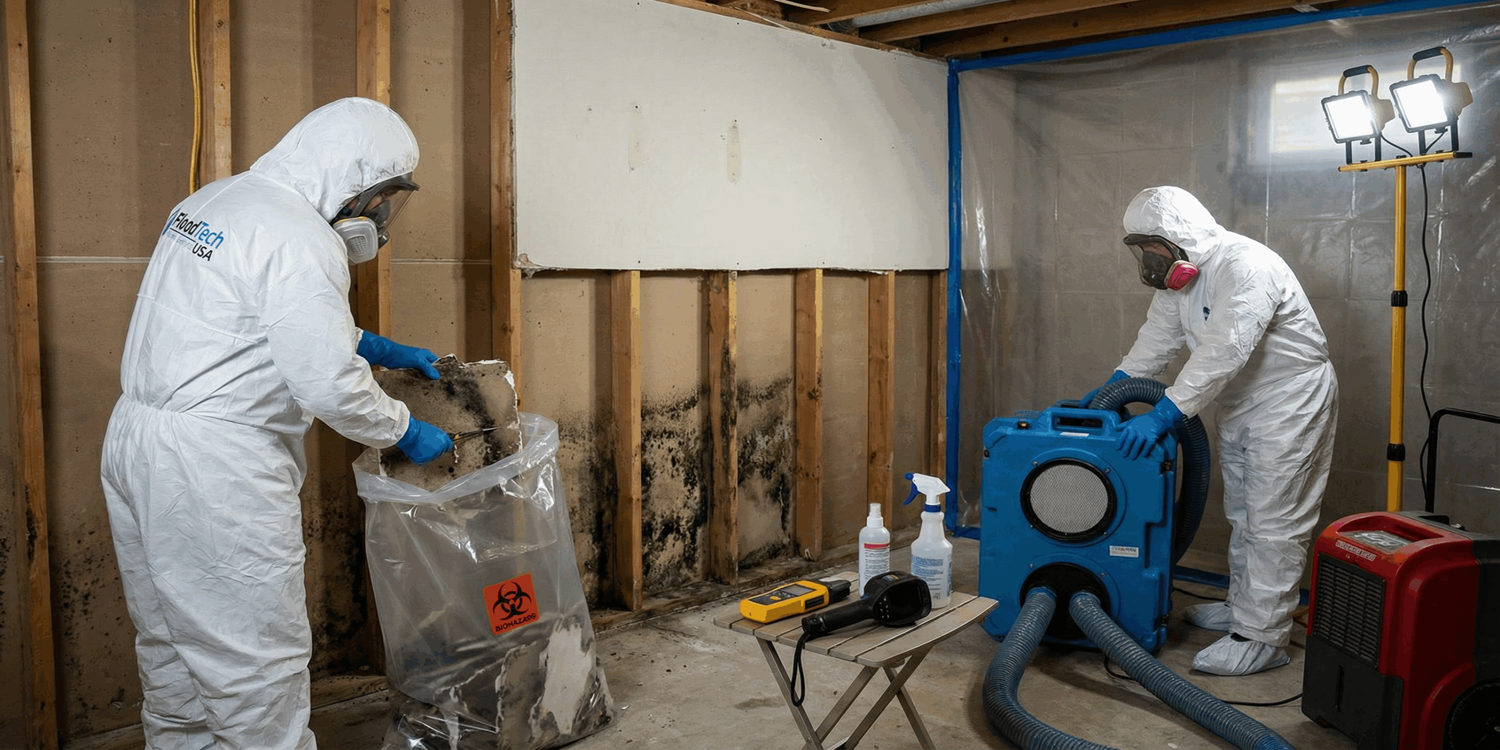
Mold can develop silently behind walls, under flooring, inside attics, and in other hidden areas of your property. While a small patch of visible mold may seem harmless, mold growth often signals a larger moisture problem that requires immediate attention.
If you’ve been searching for mold remediation services near me, it’s important to understand the signs of mold infestation and why professional intervention is often necessary. In this guide, we’ll cover the most common warning signs, the risks of delaying treatment, and how professional mold remediation services can help restore a safe and healthy environment.
Why Mold Growth Should Never Be Ignored
Mold thrives in damp, humid environments and spreads through airborne spores. Once established, it can quickly expand throughout a property, affecting indoor air quality and causing damage to building materials.
Common causes of mold growth include:
- Water leaks from plumbing or roofing systems
- Flooding and storm damage
- Poor ventilation
- High indoor humidity
- Condensation around windows and HVAC systems
- Hidden moisture behind walls or under flooring
The longer the mold remains untreated, the more extensive and expensive the damage can become.
Warning Signs That You May Need Mold Remediation Services
1. Persistent Musty Odors
One of the earliest indicators of hidden mold is a strong, musty smell.
Even if you cannot see mold growth, a lingering earthy odor often suggests that mold is developing behind walls, under carpets, inside crawl spaces, or within HVAC systems.
If cleaning and deodorizing fail to eliminate the smell, it’s time to contact professionals for an inspection.
2. Visible Mold Growth
Visible mold is the most obvious sign that remediation is needed.
Mold can appear as:
- Black spots
- Green patches
- White fuzzy growth
- Brown or gray discoloration
It may grow on:
- Drywall
- Ceilings
- Flooring
- Wood framing
- Insulation
- Furniture
Many property owners attempt DIY cleanup, but surface cleaning rarely addresses the underlying moisture source or hidden contamination.
3. Recent Water Damage or Flooding
Any property that has experienced flooding, leaks, or water intrusion is at increased risk for mold growth.
Mold can begin developing within 24 to 48 hours after water exposure.
If your home has recently suffered water damage, consider scheduling an inspection even if mold is not yet visible. FloodTech USA’s water damage restoration team can help identify moisture issues before mold becomes a larger problem.
Learn more about preventing long-term damage after flooding by reading our guide on water damage restoration and recovery on the FloodTech USA website.
4. Unexplained Health Symptoms
Mold exposure can contribute to a variety of health concerns, particularly for individuals with allergies, asthma, or weakened immune systems.
Potential symptoms include:
- Sneezing
- Coughing
- Nasal congestion
- Eye irritation
- Skin irritation
- Headaches
- Respiratory discomfort
If symptoms improve when you leave the property and return when you come back, mold contamination may be a contributing factor.
5. Peeling Paint or Bubbling Walls
Paint that peels, bubbles, or cracks may indicate excess moisture trapped behind walls.
Because mold requires moisture to grow, damaged wall surfaces often signal conditions that support mold development.
A professional inspection can determine whether hidden mold is present.
6. Staining on Walls or Ceilings
Water stains frequently indicate roof leaks, plumbing issues, or previous flooding.
Common warning signs include:
- Brown rings on ceilings
- Yellow discoloration
- Dark patches on the walls
- Warped drywall
These stains often accompany hidden mold growth and should never be ignored.
7. Increased Humidity Levels
High indoor humidity creates ideal conditions for mold growth.
Warning signs include:
- Condensation on windows
- Damp rooms
- Persistent moisture in bathrooms
- Sticky indoor air
Maintaining humidity below 60% can help reduce mold risks, but existing mold problems typically require professional treatment.
Why DIY Mold Removal Often Fails
Many homeowners attempt to remove mold using household cleaners or bleach. Unfortunately, DIY methods frequently address only the visible portion of the problem.
Mold often spreads into:
- Drywall cavities
- Insulation
- Subfloors
- HVAC systems
- Structural framing
Without proper containment and removal techniques, disturbing mold can release spores into the air and worsen contamination.
According to the U.S. Environmental Protection Agency (EPA), extensive mold contamination should be handled by trained professionals who can safely remove affected materials and address moisture sources.
What Professional Mold Remediation Services Include
Professional mold remediation is a comprehensive process designed to eliminate contamination and prevent recurrence.
Inspection and Assessment
Experts identify:
- Visible mold growth
- Hidden contamination
- Moisture sources
- Areas requiring containment
Moisture Detection
Specialized equipment helps locate hidden water intrusion behind walls and flooring.
Containment Procedures
Containment barriers help prevent spores from spreading to unaffected areas.
Air Filtration
HEPA filtration systems remove airborne mold spores during remediation.
Mold Removal and Cleaning
Professionals safely remove contaminated materials and thoroughly clean affected surfaces.
Restoration and Prevention
After remediation, repairs may include:
- Drywall replacement
- Flooring restoration
- Insulation replacement
- Moisture control improvements
This complete approach is why property owners trust professional mold remediation services rather than temporary DIY solutions.
When to Search for Mold Remediation Services Near Me
You should immediately seek mold remediation services near me if:
- Mold covers more than a small isolated area
- You smell mold but cannot locate it
- Water damage recently occurred
- Household members experience unexplained respiratory symptoms
- Mold repeatedly returns after cleaning
- You notice widespread staining or moisture issues
Early intervention can significantly reduce restoration costs and minimize health risks.
Choosing the Right Mold Removal and Remediation Services
Not all restoration companies offer the same level of expertise.
Look for providers that offer:
- Comprehensive mold inspections
- Water damage restoration services
- Advanced moisture detection equipment
- Containment and HEPA filtration systems
- Experienced remediation technicians
- Emergency response capabilities
FloodTech USA provides professional assessment, remediation, and restoration solutions to help property owners recover safely from mold contamination and moisture-related damage.
Final Thoughts
Mold problems rarely resolve on their own. Whether you’ve noticed musty odors, visible growth, recent water damage, or unexplained health symptoms, taking action early can protect both your property and your health.
Professional mold remediation services identify the root cause of contamination, eliminate mold safely, and help prevent future outbreaks. If you suspect mold in your home or business, don’t wait until the problem worsens. Working with experienced mold removal and remediation services can save you significant time, expense, and stress in the long run.
Frequently Asked Questions
1. What is the difference between mold removal and mold remediation services?
Mold removal focuses on eliminating visible mold, while mold remediation services address the underlying moisture source, contain contamination, clean affected areas, and help prevent future growth.
2. How much do professional mold remediation services cost?
Costs vary based on the size of the affected area, extent of contamination, and necessary repairs. A professional inspection is the best way to obtain an accurate estimate.
3. How long does mold remediation take?
Most residential projects take anywhere from one to several days, depending on the severity of contamination and the amount of restoration work required.
4. Can I stay in my home during mold remediation?
It depends on the scope of the project. For larger contamination areas, temporary relocation may be recommended to reduce exposure to airborne spores.
5. How do I find reliable mold remediation services near me?
Look for experienced restoration companies with positive reviews, proper certifications, advanced equipment, and a proven process for inspection, containment, remediation, and restoration.