


Water Damage Restoration in Annandale, VA
Water damage can happen without warning and escalate faster than most property owners expect. A small plumbing leak, an overflowing appliance, or heavy rainfall can quickly lead to structural deterioration, damaged flooring, soaked drywall, and potential mold growth. In Annandale, VA, where residential and commercial properties range from older mid-century homes to modern townhouses and commercial developments, water intrusion is a year-round concern.
FloodTech USA provides professional water damage restoration in Annandale, VA with fast emergency response, advanced drying technology, and complete structural restoration. Our team understands how water behaves once it enters a building—how it travels behind walls, seeps beneath flooring, saturates insulation, and weakens structural components. We act quickly to stop the damage at its source, remove moisture completely, and restore your property safely and thoroughly.
Every water loss is different. That’s why we create customized restoration plans tailored to the property, materials involved, and severity of the damage. Our goal is not only to remove water, but to protect the long-term integrity of your home or business.
WHY FLOODTECH USA?
WE’RE HERE FOR YOU
24 HOURS A DAY, 7 DAYS A WEEK.

Water Damage Risks in Annandale, VA
Annandale properties face a variety of environmental and structural conditions that increase the risk of water damage. Understanding these risks helps property owners appreciate the importance of fast, professional restoration.
Seasonal Rainfall and Storm Activity
Northern Virginia experiences significant rainfall throughout the year. Heavy storms can overwhelm drainage systems, clog gutters, and cause water intrusion through roofs, foundations, and window wells. Sudden downpours increase the likelihood of basement flooding and crawlspace moisture buildup.
Aging Plumbing Systems
Many homes in Annandale were built decades ago and may still rely on original plumbing systems. Aging pipes, corroded fittings, and outdated supply lines are common causes of interior water damage. Even newer homes are not immune, as installation errors and material defects can lead to unexpected failures.
Winter Freeze and Pipe Bursts
Cold snaps during winter months create conditions for frozen pipes. When water inside pipes freezes, it expands and can rupture plumbing lines. Once temperatures rise and pipes thaw, significant flooding can occur inside walls, ceilings, and floors.
Foundation and Drainage Challenges
Improper grading, clogged exterior drains, and aging waterproofing systems allow groundwater to seep into basements. Concrete foundations, while durable, are porous and can absorb moisture over time.
Because water damage often begins out of sight, early professional assessment is critical. What appears minor on the surface may indicate deeper saturation behind structural components.
Common Causes of Water Damage in Annandale Properties
FloodTech USA responds to a wide range of water damage situations across Annandale. While every case is unique, the most common causes include:
Burst or Leaking Pipes
Supply line failures can release large volumes of water in minutes. Even small pinhole leaks can cause hidden structural damage if left undetected.
Appliance Failures
Water heaters, washing machines, dishwashers, and refrigerators rely on water connections that can deteriorate over time. A ruptured hose can flood an entire level of a home quickly.
Roof Leaks
Damaged shingles, compromised flashing, or clogged gutters allow rainwater to penetrate attic spaces and ceilings.
Basement Water Intrusion
Heavy rainfall and poor drainage systems often lead to water accumulation in basements and crawlspaces.
Sump Pump Malfunctions
When sump pumps fail during storms, basements can flood rapidly, especially in homes below grade.
No matter the cause, immediate mitigation is essential to prevent further structural damage and mold growth.
24/7 Emergency Water Damage Restoration in Annandale
Water emergencies do not wait for business hours. That’s why FloodTech USA provides 24/7 emergency water damage restoration in Annandale, VA.
The first 24 hours are critical. During this time:
- Water spreads through porous materials
- Drywall absorbs moisture and weakens
- Wood begins to swell
- Mold can begin forming within 24–48 hours
Our emergency response process includes:
- Rapid dispatch and on-site arrival
- Thorough inspection and moisture mapping
- Identification and stoppage of the water source
- Immediate containment to prevent spread
- High-powered water extraction
- Setup of professional drying equipment
Fast action dramatically reduces repair costs and structural impact.
Professional Water Extraction Services
Standing water must be removed immediately to minimize damage. FloodTech USA uses commercial-grade pumps and extraction systems capable of removing large volumes of water quickly.
Our water extraction services include:
- Basement water removal
- Carpet and pad extraction
- Subfloor water removal
- Crawlspace water extraction
- Water removal from hard surfaces and tile
Removing visible water is only the beginning. Hidden moisture often remains trapped beneath flooring and inside wall cavities. Our equipment and expertise ensure complete extraction before drying begins.
Structural Drying and Dehumidification
After extraction, controlled drying is essential. Proper structural drying prevents warping, cracking, and microbial growth.
Our drying process includes:
- Strategic placement of industrial air movers
- Commercial dehumidifiers to control humidity levels
- Moisture meter readings to track progress
- Thermal imaging to detect hidden saturation
- Daily monitoring and equipment adjustments
We follow industry-standard drying protocols to restore materials to safe moisture levels before repairs begin.
How Water Affects Building Materials
Understanding how water impacts construction materials allows for precise restoration.
Drywall
Absorbs moisture rapidly and often requires removal if saturated.
Hardwood Flooring
Swells, cups, and separates when exposed to water.
Laminate Flooring
Typically unsalvageable once moisture penetrates seams.
Carpet and Padding
Can harbor bacteria and mold if not dried immediately.
Insulation
Loses effectiveness when wet and often must be replaced.
Wood Framing
Can warp and weaken if moisture remains trapped.
Each material requires a targeted approach to maximize salvage and ensure long-term stability.
Categories of Water Damage
Water damage is classified into three categories:
Category 1 – Clean Water
From sanitary sources like broken supply lines. Less contamination risk but still requires immediate drying.
Category 2 – Gray Water
Contains contaminants from appliances or minor sewage. Requires disinfection and removal of porous materials.
Category 3 – Black Water
Highly contaminated water from sewage or floodwaters. Requires extensive removal, cleaning, and sanitation.
Correct classification determines restoration methods and safety protocols.
The Water Damage Restoration Timeline
Every project varies, but a general timeline includes:
Day 1: Emergency Response
Inspection, water extraction, and drying setup.
Days 2–5: Structural Drying
Moisture monitoring and removal of unsalvageable materials.
Days 5–10: Cleaning and Sanitization
Surface cleaning and antimicrobial treatments.
Days 7–30+: Repairs
Drywall replacement, flooring installation, painting, and finishing.
Prompt response shortens this timeline significantly.
What Happens If Water Damage Is Ignored
Delaying restoration can lead to:
- Structural weakening
- Mold growth
- Electrical hazards
- Persistent odors
- Increased repair costs
- Insurance claim complications
Water does not evaporate harmlessly from enclosed building materials. Without professional drying, moisture remains trapped and continues causing damage.
Residential Water Damage Restoration in Annandale
FloodTech USA helps homeowners restore:
- Basements
- Kitchens
- Bathrooms
- Living rooms
- Attics
- Crawlspaces
We work carefully to protect your belongings while restoring structural components efficiently.
Commercial Water Damage Restoration
Water damage can disrupt business operations and revenue. We restore:
- Office buildings
- Retail spaces
- Medical offices
- Schools
- Restaurants
- Multi-unit properties
Our team prioritizes minimizing downtime while ensuring safe, code-compliant restoration.
Preventing Future Water Damage
Prevention strategies include:
- Regular plumbing inspections
- Roof and gutter maintenance
- Foundation grading improvements
- Installing leak detection systems
- Maintaining sump pumps
- Monitoring water pressure
Proactive maintenance reduces risk and long-term costs.
Why Fast Response Matters
Fast response helps:
- Limit structural damage
- Prevent mold growth
- Reduce repair costs
- Protect property value
- Shorten business downtime
Time is the single most important factor in water damage restoration.
How Hidden Water Damage Impacts Structural Integrity Over Time
Hidden water damage does more than stain drywall or create surface-level cosmetic issues. When moisture remains trapped inside a structure for an extended period, it gradually weakens the very components that keep a home or commercial building stable and safe. In Annandale properties—especially those with wood framing and layered construction assemblies—this type of deterioration can become a serious concern if not addressed promptly.
Water affects materials at a structural level. Even slow, undetected leaks can compromise framing, subfloors, support beams, and load-bearing walls. The damage often progresses quietly, only becoming obvious when visible sagging, cracking, or shifting occurs.
Wood Framing and Load-Bearing Components
Most residential structures in Annandale rely on wood framing systems. While wood is strong and durable under normal conditions, prolonged moisture exposure changes its physical properties.
When wood absorbs water, it expands. As it dries unevenly, it contracts. This repeated expansion and contraction can lead to:
- Warping and twisting of studs and joists
- Splitting or cracking of beams
- Loss of dimensional stability
- Nail and fastener loosening
Over time, wood that remains damp becomes vulnerable to rot. Fungal decay breaks down the cellulose fibers that give wood its strength. Once structural rot sets in, affected components often require replacement rather than repair.
Hidden leaks inside walls or beneath flooring can therefore weaken the structural framework long before visible signs appear.
Subfloor Deterioration and Floor Instability
Subfloors are particularly susceptible to hidden water damage. Because they sit beneath finished flooring materials, moisture can remain trapped against them for extended periods.
Prolonged exposure can cause:
- Delamination of plywood subfloors
- Soft or spongy areas underfoot
- Uneven floor surfaces
- Structural sagging between joists
In severe cases, weakened subfloors may no longer provide adequate support for flooring materials or heavy furnishings. What may begin as minor moisture intrusion can eventually require extensive floor system reconstruction.
Ceiling and Attic Structural Damage
Roof leaks are one of the most common sources of hidden water damage affecting structural components. Water entering through compromised roofing materials often travels along rafters and decking before dripping onto ceilings below.
If left untreated, this can lead to:
- Deterioration of roof decking
- Weakened rafters
- Insulation collapse
- Ceiling drywall failure
Because attic spaces are rarely inspected closely, damage can continue for months before being discovered. Structural compromise at the roof level can affect the entire building envelope.
Foundation and Structural Shifting
Water intrusion around foundations can also impact structural stability. Concrete may appear solid, but it is porous and susceptible to moisture penetration. When soil surrounding a foundation becomes saturated, hydrostatic pressure increases.
Over time, this pressure can cause:
- Foundation cracks
- Wall bowing
- Uneven settling
- Structural shifting
Moisture-related foundation issues often start small but can escalate into costly structural repairs if not addressed early.
Metal Components and Corrosion
Structural systems rely not only on wood and concrete but also on metal fasteners, brackets, anchors, and supports. Persistent moisture accelerates corrosion, weakening these essential connectors.
Rust and corrosion can result in:
- Reduced load-bearing capacity
- Loose framing connections
- Compromised structural joints
Although these components are small compared to beams and studs, their failure can have significant consequences for overall structural integrity.
Gradual Compromise vs. Sudden Failure
One of the most dangerous aspects of hidden water damage is its gradual nature. Structural weakening rarely happens overnight. Instead, it progresses slowly, often unnoticed, until symptoms become visible.
Property owners may observe:
- Doors and windows sticking
- Cracks forming in drywall
- Sloping floors
- Gaps appearing around trim
By the time these signs emerge, underlying structural components may already be compromised.
Why Early Detection Protects Structural Safety
Professional moisture detection and timely restoration play a critical role in preserving structural integrity. Identifying hidden leaks early allows for:
- Targeted drying before rot develops
- Limited material removal
- Prevention of long-term framing damage
- Reduced reconstruction costs
Ignoring hidden water damage increases the likelihood that structural repairs will be required later.
Long-Term Protection for Annandale Properties
Annandale’s seasonal weather changes, aging infrastructure, and diverse building styles make proactive structural protection especially important. Even minor leaks should be evaluated carefully to ensure they have not affected load-bearing systems or foundational elements.
Hidden water damage is not just a cosmetic issue. It is a structural threat that can undermine the safety, stability, and value of a property over time. Addressing moisture concerns early protects both the building and the people who rely on it every day.
The True Cost of Delayed Water Damage Restoration
When water damage occurs, many property owners hesitate before calling for professional help. Some assume the damage will dry on its own. Others worry about the cost of restoration and decide to wait. Unfortunately, delaying water damage restoration almost always leads to significantly higher expenses, more extensive repairs, and increased health and structural risks.
In Annandale, VA, where homes and commercial properties experience seasonal storms, aging plumbing systems, and fluctuating humidity levels, fast response is critical. The longer water remains inside a structure, the more destructive and expensive the consequences become. Understanding the true cost of delay helps property owners make informed decisions that protect both their buildings and their finances.
Moisture Spreads Faster Than You Think
Water does not stay in one place. Once it enters a building, it travels through porous materials such as drywall, insulation, wood framing, and subfloors. Even a small leak can affect a much larger area than initially visible.
Within minutes, water begins seeping into surrounding materials. Within hours, it can spread behind walls and under flooring. Within days, it can saturate structural components and create an ideal environment for mold growth.
Delaying restoration allows:
- Deeper saturation of materials
- Expansion of the affected area
- Increased material removal requirements
- Longer drying timelines
What may have been resolved with targeted drying can quickly escalate into a large-scale restoration project involving demolition and reconstruction.
Structural Damage Becomes More Severe
One of the most significant costs of delayed water damage restoration is structural deterioration. Building materials are not designed to remain wet for extended periods. As moisture lingers, materials begin to weaken.
Wood framing absorbs water and swells. As it dries unevenly, it can warp or crack. Prolonged moisture exposure can lead to rot, which compromises structural strength. Subfloors may soften and lose their load-bearing capacity. Drywall can crumble and separate from framing.
When restoration is delayed, repairs often shift from drying and minor material replacement to structural rebuilding. The cost difference between mitigation and reconstruction can be substantial.
Mold Growth Adds Significant Expense
Mold can begin developing within 24 to 48 hours after water intrusion. When restoration is delayed, mold remediation often becomes necessary in addition to water damage repair.
Mold remediation adds cost because it requires:
- Containment of affected areas
- HEPA air filtration
- Removal of contaminated materials
- Specialized cleaning procedures
- Post-remediation verification
What started as clean water damage may evolve into a situation involving both structural drying and mold removal. This dual restoration process increases labor, materials, and overall project complexity.
Preventing mold growth through immediate drying is far less expensive than remediating an established mold problem.
Flooring Replacement Costs Increase
Flooring materials are particularly vulnerable to moisture. Hardwood floors can cup, crown, and separate when exposed to water. Laminate flooring swells quickly and is often unsalvageable. Carpet padding absorbs moisture and can harbor bacteria and odors.
When water damage is addressed immediately, some flooring materials may be dried and restored. However, delays often result in:
- Complete hardwood replacement
- Subfloor repairs
- Tile removal due to trapped moisture
- Carpet and pad disposal
Replacing entire flooring systems costs significantly more than early drying and salvage efforts.
Electrical and Mechanical System Damage
Water intrusion near electrical systems presents both safety hazards and financial consequences. Moisture can corrode wiring, outlets, breaker panels, and appliances.
Delayed restoration increases the likelihood of:
- Electrical short circuits
- Appliance failure
- HVAC contamination
- Corrosion of mechanical components
Repairing or replacing electrical and mechanical systems adds unexpected costs that often exceed the original water damage repair estimate.
Insurance Complications and Reduced Coverage
Insurance policies typically require property owners to act promptly to mitigate damage. Delaying restoration may result in insurance complications.
Potential issues include:
- Reduced claim payouts due to secondary damage
- Denial of coverage for mold growth caused by neglect
- Disputes over the extent of preventable damage
- Increased out-of-pocket expenses
Insurance providers expect policyholders to take reasonable steps to prevent further damage. Waiting too long can jeopardize coverage and increase financial responsibility.
Business Interruption Losses
For commercial properties in Annandale, delayed water damage restoration affects more than the building itself. It disrupts operations and revenue.
Extended downtime can lead to:
- Lost sales
- Canceled appointments
- Employee displacement
- Inventory damage
- Customer dissatisfaction
The longer restoration is postponed, the longer a business may remain partially or fully closed. Immediate professional mitigation minimizes downtime and protects business continuity.
Odor Removal Becomes More Complex
When water sits for extended periods, odors develop. Damp insulation, wet drywall, and saturated carpeting create musty smells that are difficult to eliminate.
Addressing odor at an early stage often requires only proper drying and cleaning. However, prolonged moisture exposure can necessitate:
- Removal of odor-absorbing materials
- Deep structural cleaning
- Advanced deodorization treatments
These additional steps increase both time and cost.
Long-Term Property Value Decline
Unresolved water damage can affect resale value. Home inspectors and potential buyers are trained to identify signs of past water intrusion. Stains, warped materials, and musty odors raise red flags.
Even if cosmetic repairs are made, hidden moisture damage may surface later during inspection. This can result in:
- Required disclosures
- Price reductions
- Lost buyer confidence
- Failed sales transactions
Proper and timely restoration protects long-term property value and prevents lingering concerns about structural integrity.
Small Problems Become Major Projects
One of the most overlooked costs of delayed restoration is escalation. A minor plumbing leak affecting a single wall may require minimal drywall removal and drying if addressed quickly. Left untreated, that same leak can spread into adjacent rooms, saturate insulation, and affect flooring.
Escalation often leads to:
- Larger demolition areas
- Increased labor hours
- Higher material replacement costs
- Extended restoration timelines
Early intervention almost always costs less than comprehensive reconstruction.
The Emotional and Practical Toll
Beyond financial considerations, delayed water damage restoration creates stress and disruption. Living or working in a damp environment is uncomfortable and concerning. The uncertainty of hidden damage can weigh heavily on property owners.
Prompt professional restoration provides:
- Clear assessment of damage
- Structured drying timelines
- Documented progress
- Peace of mind
Waiting often prolongs uncertainty and increases anxiety about the extent of damage.
Prevention Is More Affordable Than Reconstruction
The true cost of delayed water damage restoration is not just the repair bill. It includes structural compromise, health risks, insurance challenges, business interruption, and potential property value loss.
Professional water damage restoration focuses on:
- Rapid water extraction
- Controlled structural drying
- Moisture monitoring
- Preventing secondary damage
Addressing water intrusion immediately preserves materials, reduces risk, and limits expenses.
In Annandale, VA, where weather patterns and aging infrastructure contribute to water damage risks, fast action is the most cost-effective strategy. Acting quickly protects your structure, your investment, and the people inside the building.
Delaying restoration rarely saves money. In nearly every case, it increases the total cost. Prompt professional water damage restoration is not just a repair decision—it is a financial safeguard that prevents minor issues from becoming major losses.
Hidden Water Damage: Signs You Should Never Ignore
Water damage does not always appear as standing water on the floor or a ceiling actively dripping. In many homes and commercial properties, the most destructive moisture problems develop quietly behind walls, under flooring, and inside structural cavities. Hidden water damage can continue for weeks or even months before obvious symptoms emerge. By the time visible signs appear, restoration may require far more extensive repairs.
Understanding the subtle warning signs of hidden water damage allows property owners to take fast action and minimize long-term consequences. Professional water damage restoration is most effective when moisture is identified early, before it spreads and compromises structural materials.
Why Hidden Water Damage Is So Serious
Water moves quickly through porous materials. Drywall, insulation, wood framing, and subfloors absorb moisture and allow it to travel beyond the original source. Even a small leak inside a wall can saturate a much larger area than expected.
When hidden moisture is not addressed promptly, it can lead to:
- Structural weakening
- Mold growth
- Electrical hazards
- Flooring deterioration
- Indoor air quality issues
Water damage restoration is not just about removing visible water. It is about identifying and eliminating moisture wherever it has traveled. The earlier the signs are recognized, the easier and more cost-effective the restoration process will be.
Persistent Musty Odors
One of the earliest and most common signs of hidden water damage is a musty smell. If an area of your home or business consistently smells damp or earthy despite cleaning, moisture may be trapped somewhere out of sight.
Musty odors often indicate:
- Wet insulation inside walls
- Damp subflooring beneath flooring materials
- Moisture accumulation in crawlspaces
- Early mold development
Odors typically intensify in humid weather or when HVAC systems circulate air. Even without visible staining, persistent smells warrant professional moisture detection. Water damage restoration professionals use specialized tools to locate hidden moisture sources before they escalate.
Bubbling or Peeling Paint and Wallpaper
Paint and wallpaper adhere tightly to dry surfaces. When moisture builds up behind drywall, it pushes outward and disrupts the bond between the surface and the finish.
Warning signs include:
- Bubbling paint
- Peeling wallpaper
- Blistered wall surfaces
- Cracking or flaking finishes
These symptoms often signal a slow plumbing leak, roof intrusion, or condensation problem inside wall cavities. Cosmetic repairs alone will not solve the issue. Without proper water damage restoration, moisture will continue to weaken the underlying materials.
Discoloration on Walls and Ceilings
Water stains are one of the most recognizable indicators of hidden damage. Yellow, brown, or darkened spots on ceilings or walls suggest that moisture has traveled through building materials.
Common sources include:
- Leaking pipes inside upper floors
- Roof leaks
- Overflowing appliances
- HVAC condensation line failures
Even small stains should not be ignored. Stains that expand after rainfall or plumbing use often indicate an active leak. Professional restoration involves identifying the source, extracting moisture, and drying affected structural components to prevent further spread.
Warped or Uneven Flooring
Flooring materials react quickly to hidden moisture. Hardwood floors may begin to cup or crown as boards expand and contract unevenly. Laminate flooring often swells at seams when exposed to water beneath the surface.
Other signs include:
- Soft or spongy spots when walking
- Loose or shifting tiles
- Carpet that feels damp or unusually cool
- Buckling floorboards
Water often accumulates beneath finished flooring and saturates the subfloor. Without professional water damage restoration, hidden moisture can weaken structural supports and require full flooring replacement.
Unexplained Increase in Water Bills
A sudden rise in your water bill without increased usage can signal a hidden plumbing leak. Pipes located inside walls, under slabs, or in ceilings may leak slowly without obvious flooding.
Over time, even minor leaks can release significant amounts of water into surrounding materials. Early detection and professional restoration can prevent widespread structural damage and mold growth.
If you notice higher utility costs along with other subtle warning signs, prompt inspection is essential.
Mold Growth in Isolated Areas
Visible mold often appears in corners, along baseboards, near vents, or around plumbing fixtures. While mold may seem localized, it typically indicates excess moisture somewhere nearby.
Recurring mold growth after cleaning is a strong indicator that hidden water damage remains unresolved. Professional water damage restoration includes moisture mapping and drying to eliminate the source of mold-friendly conditions.
Ignoring mold allows spores to spread and can lead to more complex remediation later.
Condensation and Elevated Indoor Humidity
Persistent condensation on windows or walls may indicate excessive indoor humidity caused by hidden moisture. Damp insulation or saturated structural components can raise humidity levels throughout the building.
High humidity contributes to:
- Wood swelling
- Paint damage
- Mold growth
- HVAC strain
Water damage restoration professionals use hygrometers and moisture meters to measure environmental conditions and determine whether hidden moisture is affecting indoor air quality.
Sounds of Dripping or Running Water
Unusual sounds behind walls or above ceilings should never be dismissed. Dripping, trickling, or faint water movement when fixtures are off may signal a concealed leak.
Even slow drips can cause long-term damage if left untreated. Professional restoration specialists can perform targeted inspections to locate leaks without unnecessary demolition.
Cracking or Shifting Drywall
As moisture weakens drywall and framing, subtle structural changes may appear. You might notice:
- Hairline cracks expanding over time
- Separation between walls and ceilings
- Gaps around trim or molding
- Doors and windows sticking
These symptoms can result from prolonged moisture exposure weakening structural supports. Early restoration helps prevent more extensive reconstruction.
Why Professional Water Damage Restoration Is Essential
Hidden water damage cannot always be detected with the naked eye. Professional water damage restoration relies on specialized tools such as:
- Thermal imaging cameras
- Non-invasive moisture meters
- Infrared scanning technology
- Hygrometers for humidity measurement
These tools allow restoration professionals to identify moisture inside walls, under flooring, and within structural cavities without unnecessary demolition.
Restoration involves more than drying surfaces. It includes:
- Water extraction
- Controlled structural drying
- Monitoring moisture levels
- Preventing mold growth
- Repairing damaged materials
Comprehensive restoration ensures that hidden moisture does not continue to compromise the building.
The Risk of Waiting
Delaying action when hidden water damage is suspected increases the likelihood of:
- Structural deterioration
- Mold remediation costs
- Flooring replacement
- Insurance complications
- Reduced property value
Early intervention typically limits damage to a smaller area, reducing repair time and cost. Waiting allows moisture to spread, turning a manageable issue into a major restoration project.
Protecting Your Property
Hidden water damage thrives in silence. It often begins with small leaks, condensation issues, or minor roof intrusion. Recognizing the warning signs and seeking professional water damage restoration promptly protects your home or business from long-term structural and financial consequences.
Moisture does not resolve itself. Acting quickly when subtle symptoms appear ensures that damage is contained, materials are preserved whenever possible, and indoor environments remain safe and healthy.
Understanding the signs you should never ignore is the first step toward preventing minor moisture problems from becoming costly structural repairs.
The Importance of Professional Moisture Mapping in Water Damage Restoration
One of the most critical yet overlooked components of effective water damage restoration is professional moisture mapping. Many property owners assume that once standing water is removed and surfaces appear dry, the problem has been resolved. In reality, moisture often spreads far beyond what is visible. Without precise detection and documentation, hidden water can remain trapped inside structural materials and cause long-term damage.
Moisture mapping is a systematic process used by water damage restoration professionals to identify, measure, and track moisture levels throughout a structure. It ensures that no affected area is overlooked and that drying efforts are targeted, efficient, and complete.
Why Visual Inspection Is Not Enough
Water travels through building materials in unpredictable ways. It can move downward due to gravity, sideways through porous materials, and even upward through capillary action. A leak in one area may affect multiple rooms or levels of a property.
Relying solely on visual inspection can result in:
- Missed wet insulation inside walls
- Undetected moisture beneath flooring
- Saturated subfloors hidden under tile or laminate
- Damp framing behind drywall
Professional water damage restoration requires more than surface-level observation. Moisture mapping provides the data needed to make informed restoration decisions.
Tools Used in Moisture Mapping
Restoration specialists use advanced equipment to locate and measure hidden moisture accurately. These tools allow technicians to detect water intrusion without unnecessary demolition.
Common moisture mapping equipment includes:
- Thermal imaging cameras to identify temperature variations caused by moisture
- Non-invasive moisture meters to scan walls and floors
- Pin-type moisture meters for precise material readings
- Hygrometers to measure indoor humidity levels
- Psychrometric tools to calculate drying conditions
These technologies allow restoration teams to create a detailed map of affected areas and determine the full extent of the damage.
Creating a Drying Plan Based on Data
Once moisture levels are documented, restoration professionals develop a targeted drying strategy. This plan includes:
- Strategic placement of air movers
- Proper sizing and positioning of dehumidifiers
- Containment of affected areas
- Removal of unsalvageable materials
Without moisture mapping, drying equipment may be placed incorrectly or insufficiently, leading to incomplete drying and potential future problems.
Accurate data ensures that every affected material receives the appropriate level of airflow and humidity control.
Monitoring Progress Throughout the Restoration Process
Moisture mapping is not a one-time procedure. It continues throughout the drying phase. Technicians perform daily readings to monitor progress and adjust equipment as needed.
Ongoing monitoring allows professionals to:
- Confirm that materials are drying properly
- Identify areas that require additional attention
- Prevent over-drying or secondary damage
- Document restoration progress for insurance purposes
This structured approach reduces guesswork and shortens overall restoration timelines.
Preventing Secondary Damage
Incomplete drying is one of the leading causes of secondary damage after a water loss. If moisture remains trapped inside structural materials, it can lead to:
- Mold growth
- Wood warping and cracking
- Persistent odors
- Structural weakening
- Future insurance disputes
Professional moisture mapping ensures that all materials reach safe moisture levels before repairs begin. This step protects both the structural integrity of the property and the health of its occupants.
Supporting Insurance Documentation
Accurate documentation is a critical part of water damage restoration. Moisture mapping provides measurable evidence of:
- The extent of the initial damage
- The effectiveness of drying efforts
- Compliance with industry standards
Detailed records help streamline insurance claims and demonstrate that proper mitigation steps were taken to prevent further damage.
Why Moisture Mapping Protects Long-Term Property Value
Water damage restoration is not just about immediate repairs. It is about ensuring long-term durability. Hidden moisture that goes undetected can resurface months later as mold growth, flooring failure, or structural cracking.
By using professional moisture mapping, restoration teams confirm that the property is fully dry before reconstruction begins. This reduces the likelihood of future issues and protects long-term property value.
The Difference Between DIY Drying and Professional Restoration
Household fans and basic dehumidifiers may remove surface moisture, but they cannot detect hidden water inside walls or under floors. Without moisture mapping, property owners have no reliable way to confirm whether materials are truly dry.
Professional water damage restoration combines advanced detection tools with structured drying protocols. This ensures that restoration is complete—not just cosmetic.
Moisture mapping transforms water damage restoration from a reactive process into a controlled, data-driven solution. By identifying every affected area and monitoring drying progress precisely, restoration professionals prevent minor water events from becoming recurring structural problems.
When water damage occurs, thorough detection is just as important as extraction. Proper moisture mapping ensures that the restoration process addresses the full scope of the damage, protects structural integrity, and restores the property safely and completely.
Why Annandale Property Owners Choose FloodTech USA
- 24/7 emergency service
- IICRC-certified technicians
- Advanced drying technology
- Full-service restoration
- Residential and commercial expertise
- Local knowledge of Annandale properties
- Transparent communication
We focus solely on delivering thorough, professional water damage restoration services.
Serving Annandale, VA
FloodTech USA proudly serves homeowners and businesses throughout Annandale and surrounding Fairfax County communities. Our local presence allows for rapid response and familiarity with area construction styles and water damage risks.
Frequently Asked Questions
How quickly should water damage be addressed?
Immediately. The first 24 hours are critical to prevent mold growth and structural deterioration.
Can I dry water damage myself?
Small surface spills may be manageable, but structural water damage requires professional equipment and moisture detection tools to ensure complete drying.
Does homeowners insurance cover water damage?
Coverage depends on the cause of the loss. Sudden and accidental water damage is often covered. We help document and coordinate with your insurer.
How long does water damage restoration take?
Most drying processes take 3–5 days. Full repairs may take several weeks depending on severity.
Will mold grow after water damage?
Mold can begin developing within 24–48 hours if moisture remains. Professional drying significantly reduces this risk.
Do you offer 24/7 emergency service?
Yes. We provide round-the-clock emergency water damage restoration in Annandale, VA.
Call FloodTech USA for Water Damage Restoration in Annandale, VA
When water damage threatens your home or business, immediate action makes all the difference. FloodTech USA provides expert water damage restoration in Annandale, VA with rapid response, advanced drying equipment, and complete structural repair services.
Call now for 24/7 emergency assistance or schedule a free inspection today.
The sooner restoration begins, the more we can save.
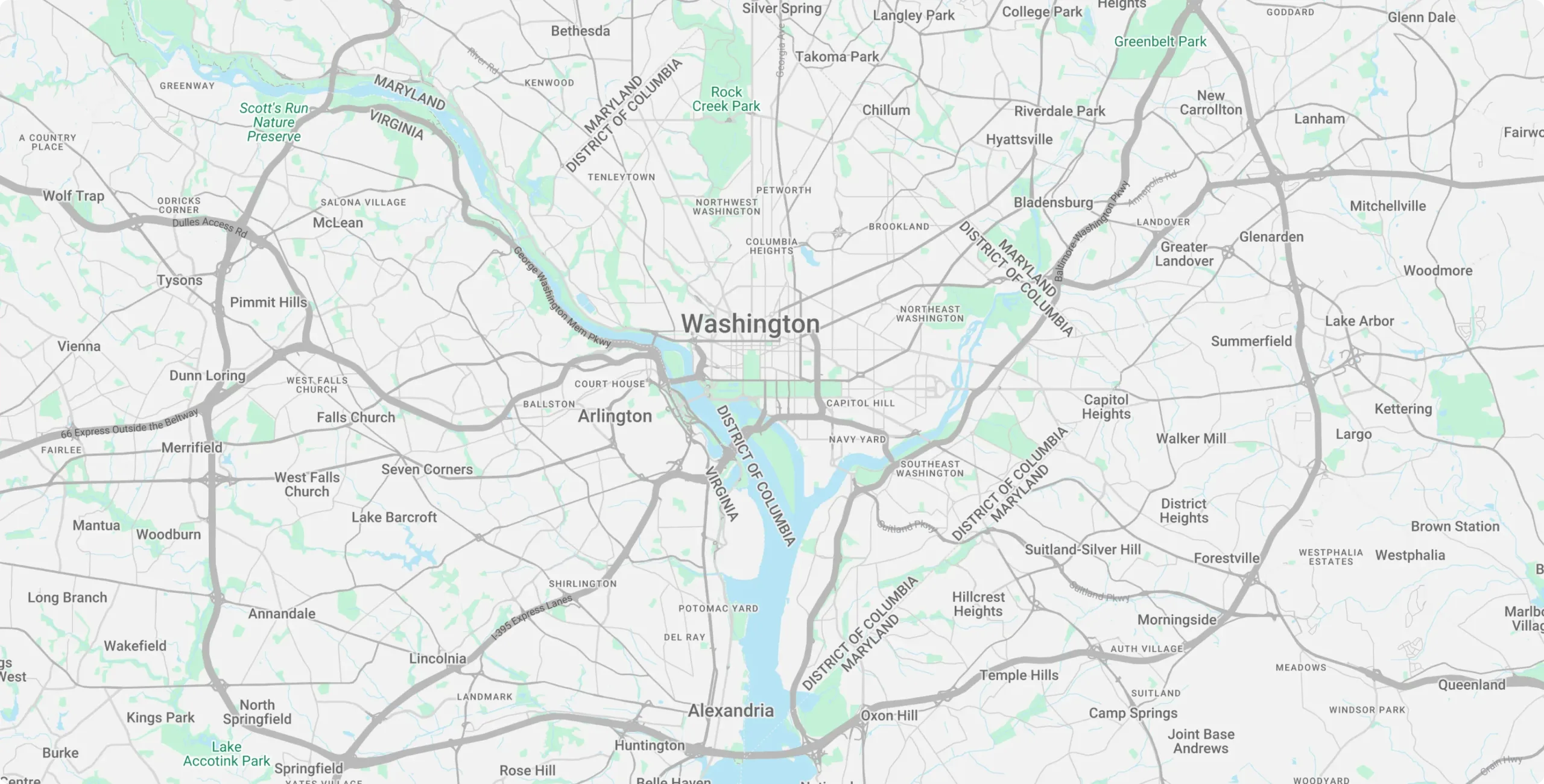
AREAS WE SERVE
At FloodTech USA, we specialize in comprehensive solutions for all your water-related concerns. From precision leak detection and water damage repair to mold remediation, sealing, resurfacing, and full-scale restoration services—our certified team delivers dependable results with unmatched professionalism.
PROTECTING PROPERTY, RESTORING PEACE OF MIND
At FloodTech USA, our team of certified home and commercial restoration specialists brings over 30 years of combined expertise in water damage mitigation, mold remediation, fire and smoke restoration, and structural recovery. Every technician on our crew is fully trained, licensed, and committed to delivering prompt, professional, and compassionate service during your most difficult times.
We know that emergencies don’t wait for business hours. That’s why our restoration services are available around the clock—24 hours a day, 7 days a week, 365 days a year. Whether it’s a burst pipe in the middle of the night or fire damage over a holiday weekend, we’re ready to respond immediately to protect your property and begin the recovery process without delay.