


Water Damage Restoration in Arlington, VA
Water damage can disrupt your home or business without warning. In Arlington, VA, aging plumbing systems, seasonal storms, high-density residential buildings, and multi-level properties all increase the risk of unexpected water intrusion. Whether the cause is a burst pipe, appliance failure, overflowing fixture, or storm-related flooding, water moves quickly through building materials and can create serious structural and indoor air quality issues if not addressed immediately.
FloodTech USA provides professional water damage restoration in Arlington, VA, with 24/7 emergency response, advanced moisture detection, commercial-grade drying systems, and full structural repairs. Our focus is singular: complete, thorough water damage restoration performed correctly the first time.
We do not offer generalized cleanup services or surface-level drying. We deliver structured, science-based water damage mitigation and restoration designed to remove moisture at its source, prevent long-term damage, and return properties to safe, pre-loss condition.
WHY FLOODTECH USA?
WE’RE HERE FOR YOU
24 HOURS A DAY, 7 DAYS A WEEK.

Professional Water Damage Restoration Services in Arlington
Water damage restoration is not just about removing visible water. It requires a methodical process that identifies hidden moisture, stabilizes affected materials, and restores structural integrity.
Our water damage restoration services in Arlington include:
Water extraction and removal
Structural drying and dehumidification
Moisture mapping and detection
Removal of unsalvageable materials
Cleaning and sanitizing affected areas
Odor control and air filtration
Drywall, flooring, and structural repairs
Full reconstruction when required
Every project begins with a detailed assessment and ends only when moisture levels meet industry standards for dryness and safety.
Why Water Damage Is a Serious Issue in Arlington Properties
Arlington contains a wide mix of historic homes, mid-century residences, townhomes, condominiums, apartment buildings, and commercial facilities. Each property type presents unique water damage challenges.
Older homes often have aging supply lines and plumbing connections prone to failure. Multi-unit buildings can experience water migration between floors and shared walls. Flat or low-slope roofs can contribute to interior leaks during heavy rain. Basements and lower-level spaces are vulnerable to groundwater intrusion.
Water damage in Arlington properties can:
Weaken framing and subfloors
Compromise drywall and insulation
Damage hardwood, laminate, and tile flooring
Create conditions for mold growth
Reduce indoor air quality
Impact electrical systems
Immediate response and proper drying are essential to preventing these outcomes.
24/7 Emergency Water Damage Restoration in Arlington, VA
Water damage does not wait for business hours. When water enters a property, every minute matters.
FloodTech USA offers 24/7 emergency water damage restoration in Arlington. Our rapid response helps:
Stop active water intrusion
Limit the spread of moisture
Reduce material damage
Prevent mold growth
Lower overall restoration costs
Upon arrival, our technicians perform an on-site inspection, identify the source, assess the category of water, and begin immediate mitigation.
Immediate Steps During Emergency Response
Our emergency process includes:
Inspection and moisture detection
Water shutoff assistance if necessary
Safety evaluation
Water extraction
Containment of affected areas
Deployment of drying equipment
Early action significantly improves restoration outcomes.
Water Extraction and Removal Services
The first physical step in water damage restoration is removing standing water. Water spreads rapidly across floors and seeps into porous materials, including carpet, wood, drywall, and insulation.
We use commercial-grade extraction equipment to remove water from:
Basements
Bathrooms
Kitchens
Living areas
Commercial spaces
Utility rooms
High-capacity pumps and vacuums allow us to remove large volumes of water quickly, reducing saturation and preventing deeper structural absorption.
Why Fast Water Extraction Matters
The longer water remains in place, the more it:
Soaks into framing
Weakens drywall
Damages subfloors
Increases humidity levels
Promotes microbial growth
Fast extraction shortens the drying timeline and reduces secondary damage.
Structural Drying and Dehumidification
After standing water is removed, moisture remains inside walls, ceilings, flooring systems, and framing. Structural drying is one of the most critical phases of professional water damage restoration.
We use:
Commercial air movers
Low-grain refrigerant dehumidifiers
Desiccant dehumidification systems when needed
Moisture meters
Thermal imaging cameras
This equipment allows us to create controlled airflow and humidity reduction that pulls moisture from materials evenly and thoroughly.
Moisture Mapping and Monitoring
Drying is monitored daily using calibrated instruments. We track moisture levels inside:
Drywall
Subfloors
Framing
Concrete slabs
Ceiling cavities
Drying continues until readings confirm materials have returned to acceptable moisture levels.
Categories of Water Damage
Not all water damage is the same. The source of the water determines safety protocols and restoration procedures.
Category 1 Clean Water
Clean water originates from sanitary sources such as:
Broken supply lines
Burst pipes
Overflowing sinks without contamination
Appliance supply line leaks
While initially less hazardous, clean water can quickly degrade if left untreated.
Category 2 Gray Water
Gray water contains contaminants and may pose health risks. Common sources include:
Washing machine overflows
Dishwasher discharge
Toilet overflows without solid waste
Gray water requires disinfection and often removal of porous materials.
Category 3 Black Water
Black water is highly contaminated and may contain harmful bacteria or pathogens. Sources include:
Sewage backups
Groundwater flooding
Toilet overflows with waste
Black water damage requires strict containment, removal of affected materials, and thorough sanitation.
Removal of Damaged Materials
Some materials cannot be salvaged once saturated. Removing compromised materials allows the structure to dry properly and prevents mold growth.
Materials that may require removal include:
Saturated drywall
Insulation
Carpet padding
Warped laminate flooring
Damaged cabinetry
Our goal is to remove only what is necessary while preserving salvageable components whenever possible.
Cleaning, Sanitizing, and Odor Control
After drying and material removal, affected surfaces must be properly cleaned and treated.
We perform:
Surface cleaning with professional-grade solutions
Application of antimicrobial treatments
Air scrubbing using HEPA filtration
Deodorization to eliminate moisture-related odors
This step ensures the property is not only dry but safe and clean.
Structural Repairs and Reconstruction
Water damage restoration does not end with drying. Once mitigation is complete, we restore the affected areas to pre-loss condition.
Repair services include:
Drywall installation and finishing
Flooring replacement
Trim and baseboard repair
Ceiling restoration
Cabinet replacement
Painting
By managing both mitigation and repairs, we maintain quality control throughout the entire process.
The Water Damage Restoration Timeline
Each project is unique, but most water damage restoration projects follow a general timeline.
Day 1: Emergency Response and Extraction
Inspection
Water removal
Initial equipment setup
Days 2–4: Drying and Monitoring
Continuous drying
Daily moisture checks
Equipment adjustments
Days 3–7: Material Removal and Cleaning
Removal of unsalvageable materials
Surface cleaning
Sanitizing
Final Phase: Repairs and Reconstruction
Drywall and flooring installation
Painting and finishing
Final inspection
Larger or more complex projects may require additional time depending on the extent of damage.
What Happens If Water Damage Is Ignored
Delaying professional water damage restoration can lead to serious consequences.
Structural Deterioration
Prolonged moisture weakens:
Wood framing
Subfloors
Ceiling structures
Over time, this can compromise stability.
Mold Growth
Mold can begin developing within 24 to 48 hours in damp conditions. Once established, it spreads rapidly.
Electrical Hazards
Water exposure near wiring increases the risk of shorts and fire hazards.
Increased Repair Costs
Small issues often become major reconstruction projects when ignored.
Prompt professional intervention prevents these escalating problems.
Water Damage Restoration for Homes in Arlington
Residential water damage disrupts daily life and creates immediate stress. Our team works efficiently to restore:
Single-family homes
Townhomes
Condominiums
Apartments
We tailor drying and repair plans to the specific layout and materials of each home.
Commercial Water Damage Restoration in Arlington
Water damage in commercial buildings can interrupt operations and affect employees and customers.
We provide restoration services for:
Office buildings
Retail spaces
Restaurants
Medical offices
Multi-unit residential buildings
Our team works efficiently to minimize downtime while ensuring complete drying and restoration.
Preventing Future Water Damage
While not all water damage can be prevented, proactive measures reduce risk.
Routine Plumbing Maintenance
Inspect supply lines
Replace aging hoses
Monitor water pressure
Roof and Drainage Care
Clean gutters
Inspect flashing
Ensure proper drainage away from foundations
Appliance Monitoring
Replace hoses regularly
Check for leaks behind appliances
Moisture Monitoring Systems
Smart leak detection systems can provide early warning of water intrusion.
Serving All of Arlington, VA
We provide water damage restoration throughout Arlington, including:
Ballston
Clarendon
Rosslyn
Crystal City
Pentagon City
Shirlington
Courthouse
Lyon Village
Our team understands the building styles and infrastructure common throughout Arlington and Northern Virginia.
Hidden Water Damage: Signs You Should Never Ignore
Hidden water damage is one of the most destructive problems a property owner can face. Unlike sudden flooding or a burst pipe that leaves visible standing water, hidden water damage develops quietly behind walls, under flooring, inside ceilings, and beneath foundations. By the time obvious symptoms appear, moisture may have already compromised structural materials and created conditions for mold growth.
Water damage restoration professionals frequently encounter properties where a small, unnoticed leak led to extensive repairs. Recognizing the early warning signs of hidden moisture can make the difference between a minor mitigation project and a major reconstruction.
Below are the most important signs of hidden water damage you should never ignore and why fast water damage restoration is critical when they appear.
Unexplained Stains on Walls or Ceilings
One of the most common indicators of hidden water damage is discoloration on walls or ceilings. These stains may appear yellow, brown, or copper-toned and often expand gradually over time.
What Causes Water Stains
Water stains typically develop when moisture accumulates behind drywall due to:
Leaking plumbing lines
Roof leaks
Bathroom or kitchen fixture failures
HVAC condensation issues
Even if the stain dries temporarily, the underlying moisture source may still be active.
Why Stains Signal a Bigger Problem
Drywall absorbs water quickly and weakens internally long before surface damage becomes severe. A stain means water has already penetrated building materials. Without professional water damage restoration, the moisture can spread into framing and insulation, increasing the risk of structural damage and mold.
Peeling Paint or Bubbling Wallpaper
Paint and wallpaper are designed to adhere tightly to drywall. When moisture accumulates behind the surface, adhesion weakens.
Signs to Watch For
Paint bubbling or blistering
Wallpaper separating at seams
Flaking or cracking finishes
Soft or spongy drywall beneath paint
These symptoms often indicate water trapped inside wall cavities.
The Restoration Concern
Surface repairs alone will not solve the issue. Simply repainting over peeling areas traps moisture inside the wall, allowing deterioration to continue. Water damage restoration requires identifying the source, removing moisture, and ensuring internal materials are completely dry before repairs are made.
Musty or Persistent Damp Odors
A musty smell is one of the clearest warning signs of hidden moisture. Even when surfaces appear dry, lingering odors often indicate microbial growth inside concealed areas.
Where Odors Commonly Originate
Inside wall cavities
Under flooring systems
In crawlspaces or basements
Within insulation
Inside HVAC ductwork
Moisture trapped in porous materials creates the perfect environment for mold and bacteria.
Why Odor Means Action Is Needed
Odors do not disappear on their own. Masking them with air fresheners does not address the root problem. Professional water damage restoration includes moisture detection and proper drying to eliminate the conditions causing the smell.
Warped or Buckling Flooring
Flooring materials respond quickly to moisture exposure. Even small leaks beneath the surface can cause visible changes over time.
Hardwood Flooring Changes
Cupping, where board edges rise
Crowning, where board centers lift
Gaps between planks
Soft or unstable sections
Laminate and Engineered Flooring Issues
Swelling at seams
Surface bubbling
Board separation
These symptoms often indicate water intrusion below the visible flooring layer.
Subfloor Damage Risks
Moisture frequently collects in subfloors before surface damage becomes obvious. Without water damage restoration, prolonged exposure can weaken structural supports and lead to expensive replacement.
Soft or Sagging Ceilings
Ceilings often reveal hidden leaks from upper levels or roof systems.
Warning Signs
Bulging drywall
Sagging sections
Cracking near corners
Dripping water during heavy rain
Ceiling materials weaken rapidly under moisture weight.
Structural Concerns
A sagging ceiling can collapse if not addressed. Water damage restoration professionals evaluate the extent of saturation, safely remove compromised materials, and dry the surrounding structure to prevent further damage.
Unexplained Increase in Utility Bills
Hidden plumbing leaks may not produce visible water, but they often cause noticeable spikes in water usage.
Potential Causes
Leaking supply lines inside walls
Small pipe fractures
Loose plumbing fittings
Running fixtures behind finished surfaces
Even minor leaks can waste significant water over time.
Why Investigation Is Critical
An unexplained increase in your water bill may indicate a hidden leak that requires immediate attention. Water damage restoration teams use moisture detection equipment to locate concealed leaks and prevent structural deterioration.
Visible Mold Growth
Mold often appears as small black, green, or gray spots on walls, ceilings, or baseboards. However, visible mold usually indicates more extensive hidden growth.
Why Mold Follows Water Damage
Mold spores require moisture and organic material to grow. When water damage is not properly addressed, mold can develop within 24 to 48 hours.
The Importance of Restoration
Removing visible mold without addressing underlying moisture is ineffective. Water damage restoration focuses on eliminating moisture sources and drying affected materials to prevent recurring growth.
Cracked or Deteriorating Caulk and Grout
Bathrooms and kitchens are high-risk areas for hidden water damage. Damaged caulk or grout can allow water to seep into walls and subfloors.
Common Areas of Concern
Around bathtubs and showers
Behind sinks
Along backsplashes
At tile seams
Hidden Consequences
Water entering behind tile may remain undetected for months. Over time, it can damage framing and create mold conditions. Professional water damage restoration ensures moisture is identified and properly dried.
Basement or Crawlspace Dampness
Basements and crawlspaces are especially vulnerable to hidden water intrusion.
Warning Signs
Damp air
Efflorescence on foundation walls
Condensation on pipes
Soft spots near foundation edges
Groundwater infiltration and foundation cracks can introduce slow, persistent moisture.
Structural and Air Quality Risks
Moisture in lower levels can migrate upward, affecting the entire property. Water damage restoration addresses both visible dampness and hidden saturation within foundation materials.
Electrical Irregularities
Water exposure near wiring or outlets may produce subtle warning signs.
Indicators
Flickering lights
Tripped breakers
Buzzing sounds from outlets
Corrosion around electrical panels
Moisture behind walls can compromise wiring insulation.
Safety First
Electrical issues combined with water damage present serious hazards. Restoration professionals coordinate safe evaluations while addressing moisture inside wall cavities.
Why Hidden Water Damage Requires Professional Restoration
Hidden water damage rarely resolves on its own. Surface drying, household fans, or cosmetic repairs often leave moisture trapped inside building materials.
Professional water damage restoration includes:
Advanced moisture detection
Thermal imaging to locate hidden saturation
Controlled structural drying
Removal of compromised materials
Sanitizing and odor control
Verification of dryness through documented readings
Restoration is not complete until moisture levels return to safe standards.
The Cost of Ignoring Early Warning Signs
Ignoring hidden water damage can lead to:
Structural wood rot
Subfloor collapse
Widespread mold growth
Declining indoor air quality
Electrical hazards
Extensive reconstruction
What may begin as a minor leak can escalate into a costly restoration project if not handled quickly and correctly.
When to Call for Water Damage Restoration
If you notice any of the warning signs described above, do not wait for visible flooding to appear. Early professional assessment can prevent small issues from becoming major structural concerns.
Water damage restoration specialists are trained to:
Identify hidden moisture
Determine the source of intrusion
Develop a targeted drying plan
Restore affected materials safely
Prompt action protects both the structure and the health of occupants.
Hidden water damage often hides in plain sight. Stains, odors, warped flooring, rising utility bills, and subtle material changes are signals that moisture may be present where it should not be. Ignoring these signs allows water to continue damaging structural components and increasing restoration costs.
Recognizing early indicators and seeking professional water damage restoration ensures your property is properly dried, repaired, and protected from long-term damage.
Hidden Water Damage: Signs You Should Never Ignore
Hidden water damage is one of the most destructive problems a property owner can face. Unlike sudden flooding or a burst pipe that leaves visible standing water, hidden water damage develops quietly behind walls, under flooring, inside ceilings, and beneath foundations. By the time obvious symptoms appear, moisture may have already compromised structural materials and created conditions for mold growth.
Water damage restoration professionals frequently encounter properties where a small, unnoticed leak led to extensive repairs. Recognizing the early warning signs of hidden moisture can make the difference between a minor mitigation project and a major reconstruction.
Below are the most important signs of hidden water damage you should never ignore and why fast water damage restoration is critical when they appear.
Unexplained Stains on Walls or Ceilings
One of the most common indicators of hidden water damage is discoloration on walls or ceilings. These stains may appear yellow, brown, or copper-toned and often expand gradually over time.
What Causes Water Stains
Water stains typically develop when moisture accumulates behind drywall due to:
Leaking plumbing lines
Roof leaks
Bathroom or kitchen fixture failures
HVAC condensation issues
Even if the stain dries temporarily, the underlying moisture source may still be active.
Why Stains Signal a Bigger Problem
Drywall absorbs water quickly and weakens internally long before surface damage becomes severe. A stain means water has already penetrated building materials. Without professional water damage restoration, the moisture can spread into framing and insulation, increasing the risk of structural damage and mold.
Peeling Paint or Bubbling Wallpaper
Paint and wallpaper are designed to adhere tightly to drywall. When moisture accumulates behind the surface, adhesion weakens.
Signs to Watch For
Paint bubbling or blistering
Wallpaper separating at seams
Flaking or cracking finishes
Soft or spongy drywall beneath paint
These symptoms often indicate water trapped inside wall cavities.
The Restoration Concern
Surface repairs alone will not solve the issue. Simply repainting over peeling areas traps moisture inside the wall, allowing deterioration to continue. Water damage restoration requires identifying the source, removing moisture, and ensuring internal materials are completely dry before repairs are made.
Musty or Persistent Damp Odors
A musty smell is one of the clearest warning signs of hidden moisture. Even when surfaces appear dry, lingering odors often indicate microbial growth inside concealed areas.
Where Odors Commonly Originate
Inside wall cavities
Under flooring systems
In crawlspaces or basements
Within insulation
Inside HVAC ductwork
Moisture trapped in porous materials creates the perfect environment for mold and bacteria.
Why Odor Means Action Is Needed
Odors do not disappear on their own. Masking them with air fresheners does not address the root problem. Professional water damage restoration includes moisture detection and proper drying to eliminate the conditions causing the smell.
Warped or Buckling Flooring
Flooring materials respond quickly to moisture exposure. Even small leaks beneath the surface can cause visible changes over time.
Hardwood Flooring Changes
Cupping, where board edges rise
Crowning, where board centers lift
Gaps between planks
Soft or unstable sections
Laminate and Engineered Flooring Issues
Swelling at seams
Surface bubbling
Board separation
These symptoms often indicate water intrusion below the visible flooring layer.
Subfloor Damage Risks
Moisture frequently collects in subfloors before surface damage becomes obvious. Without water damage restoration, prolonged exposure can weaken structural supports and lead to expensive replacement.
Soft or Sagging Ceilings
Ceilings often reveal hidden leaks from upper levels or roof systems.
Warning Signs
Bulging drywall
Sagging sections
Cracking near corners
Dripping water during heavy rain
Ceiling materials weaken rapidly under moisture weight.
Structural Concerns
A sagging ceiling can collapse if not addressed. Water damage restoration professionals evaluate the extent of saturation, safely remove compromised materials, and dry the surrounding structure to prevent further damage.
Unexplained Increase in Utility Bills
Hidden plumbing leaks may not produce visible water, but they often cause noticeable spikes in water usage.
Potential Causes
Leaking supply lines inside walls
Small pipe fractures
Loose plumbing fittings
Running fixtures behind finished surfaces
Even minor leaks can waste significant water over time.
Why Investigation Is Critical
An unexplained increase in your water bill may indicate a hidden leak that requires immediate attention. Water damage restoration teams use moisture detection equipment to locate concealed leaks and prevent structural deterioration.
Visible Mold Growth
Mold often appears as small black, green, or gray spots on walls, ceilings, or baseboards. However, visible mold usually indicates more extensive hidden growth.
Why Mold Follows Water Damage
Mold spores require moisture and organic material to grow. When water damage is not properly addressed, mold can develop within 24 to 48 hours.
The Importance of Restoration
Removing visible mold without addressing underlying moisture is ineffective. Water damage restoration focuses on eliminating moisture sources and drying affected materials to prevent recurring growth.
Cracked or Deteriorating Caulk and Grout
Bathrooms and kitchens are high-risk areas for hidden water damage. Damaged caulk or grout can allow water to seep into walls and subfloors.
Common Areas of Concern
Around bathtubs and showers
Behind sinks
Along backsplashes
At tile seams
Hidden Consequences
Water entering behind tile may remain undetected for months. Over time, it can damage framing and create mold conditions. Professional water damage restoration ensures moisture is identified and properly dried.
Basement or Crawlspace Dampness
Basements and crawlspaces are especially vulnerable to hidden water intrusion.
Warning Signs
Damp air
Efflorescence on foundation walls
Condensation on pipes
Soft spots near foundation edges
Groundwater infiltration and foundation cracks can introduce slow, persistent moisture.
Structural and Air Quality Risks
Moisture in lower levels can migrate upward, affecting the entire property. Water damage restoration addresses both visible dampness and hidden saturation within foundation materials.
Electrical Irregularities
Water exposure near wiring or outlets may produce subtle warning signs.
Indicators
Flickering lights
Tripped breakers
Buzzing sounds from outlets
Corrosion around electrical panels
Moisture behind walls can compromise wiring insulation.
Safety First
Electrical issues combined with water damage present serious hazards. Restoration professionals coordinate safe evaluations while addressing moisture inside wall cavities.
Why Hidden Water Damage Requires Professional Restoration
Hidden water damage rarely resolves on its own. Surface drying, household fans, or cosmetic repairs often leave moisture trapped inside building materials.
Professional water damage restoration includes:
Advanced moisture detection
Thermal imaging to locate hidden saturation
Controlled structural drying
Removal of compromised materials
Sanitizing and odor control
Verification of dryness through documented readings
Restoration is not complete until moisture levels return to safe standards.
The Cost of Ignoring Early Warning Signs
Ignoring hidden water damage can lead to:
Structural wood rot
Subfloor collapse
Widespread mold growth
Declining indoor air quality
Electrical hazards
Extensive reconstruction
What may begin as a minor leak can escalate into a costly restoration project if not handled quickly and correctly.
When to Call for Water Damage Restoration
If you notice any of the warning signs described above, do not wait for visible flooding to appear. Early professional assessment can prevent small issues from becoming major structural concerns.
Water damage restoration specialists are trained to:
Identify hidden moisture
Determine the source of intrusion
Develop a targeted drying plan
Restore affected materials safely
Prompt action protects both the structure and the health of occupants.
Hidden water damage often hides in plain sight. Stains, odors, warped flooring, rising utility bills, and subtle material changes are signals that moisture may be present where it should not be. Ignoring these signs allows water to continue damaging structural components and increasing restoration costs.
Recognizing early indicators and seeking professional water damage restoration ensures your property is properly dried, repaired, and protected from long-term damage.
Write 1000 words for: The True Cost of Delayed Water Damage Restoration while focusing on water damage restoration; include h2, h3 and h4 headings only but do not include lines. NO LINES!
The True Cost of Delayed Water Damage Restoration
Water damage rarely feels convenient, but delaying restoration can dramatically increase both financial and structural consequences. What begins as a minor leak, small ceiling stain, or damp section of flooring can quickly escalate into widespread material failure, mold growth, and costly reconstruction.
Many property owners hesitate to act immediately because the damage does not appear severe. Unfortunately, water does not remain contained. It spreads through porous materials, seeps into hidden cavities, and weakens structural components long before visible signs worsen. Understanding the true cost of delayed water damage restoration helps clarify why rapid professional intervention is essential.
Water Spreads Faster Than Most People Realize
Water does not stay in one place. It follows gravity, wicks into porous materials, and migrates laterally across surfaces.
How Moisture Moves Through a Structure
When water enters a property, it can:
Travel behind drywall
Soak into insulation
Spread beneath flooring
Penetrate subfloors
Absorb into framing
Even a slow leak can saturate large areas over time. The longer moisture remains untreated, the greater the affected area becomes.
Increased Mitigation Scope
If water damage restoration begins immediately, technicians can often limit the affected materials. When restoration is delayed, more drywall, flooring, insulation, and structural elements may require removal and replacement.
What could have been a targeted drying project often becomes a full-scale demolition and rebuild.
Structural Damage Becomes More Severe Over Time
Water weakens structural components gradually. Materials may appear stable on the surface while deteriorating internally.
Wood Rot and Framing Weakness
Wood framing absorbs moisture and holds it. Over time, this can lead to:
Warping
Swelling
Loss of load-bearing strength
Fungal decay
Once rot sets in, structural repairs become far more complex and expensive than simple drying.
Subfloor and Floor System Failure
Subfloors are especially vulnerable to prolonged moisture exposure. Delayed water damage restoration may result in:
Soft or spongy flooring
Loose tiles
Buckled hardwood
Structural instability
Replacing subfloor systems is significantly more costly than drying them promptly.
Mold Growth Adds Significant Expense
One of the most expensive consequences of delayed water damage restoration is mold growth. Mold can begin developing within 24 to 48 hours in damp conditions.
Why Mold Develops Quickly
Mold spores exist naturally in indoor environments. When moisture is introduced and not removed, spores attach to:
Drywall paper backing
Wood framing
Carpet padding
Insulation
Within days, colonies can expand behind walls and beneath floors.
The Financial Impact of Mold Remediation
Once mold is present, restoration requires:
Containment barriers
HEPA air filtration
Removal of contaminated materials
Thorough cleaning and disinfection
Post-remediation verification
Mold remediation significantly increases restoration costs compared to simple water extraction and drying.
Hidden Moisture Leads to Hidden Damage
A common mistake property owners make is assuming that once surfaces appear dry, the problem is resolved.
Surface Drying Is Not Structural Drying
Without professional equipment, moisture may remain inside:
Wall cavities
Ceiling spaces
Subfloors
Insulation
Trapped moisture continues damaging materials long after visible water disappears.
Escalating Repair Costs
Delaying professional water damage restoration allows hidden moisture to expand the damage footprint. What might have been limited to one room can spread to adjacent walls and floors, increasing labor, materials, and reconstruction time.
Electrical and Safety Hazards Increase
Water intrusion near electrical systems creates serious safety risks.
Moisture and Wiring
Water exposure can:
Corrode wiring
Damage insulation
Create short circuits
Increase fire risk
These hazards may not appear immediately but can develop over time if moisture is not addressed.
Liability and Risk
For commercial property owners, delayed water damage restoration can create liability issues if unsafe conditions result in injury. Addressing moisture promptly protects both occupants and property owners.
Insurance Complications From Delayed Action
Many insurance policies require property owners to take reasonable steps to mitigate damage.
The Importance of Prompt Mitigation
If water damage is reported days or weeks after discovery, insurers may question:
Why restoration was delayed
Whether additional damage resulted from neglect
If mitigation efforts were sufficient
Failure to act quickly can complicate or reduce claim payouts.
Documentation Matters
Professional water damage restoration includes detailed documentation, moisture readings, and photographs. Delaying service reduces the ability to provide accurate records and may affect claim outcomes.
Increased Downtime for Businesses
For commercial properties, time is money. Delayed restoration often means longer closures and lost revenue.
Operational Disruption
Water damage can interrupt:
Office operations
Retail activity
Restaurant service
Medical appointments
The longer moisture remains unaddressed, the longer repairs will take.
Reputation Impact
Extended closures or visible damage can impact customer trust. Rapid water damage restoration minimizes downtime and preserves business continuity.
Damage to Personal Property and Contents
Furniture, electronics, documents, and inventory are vulnerable to water exposure.
Salvage vs Replacement
Immediate restoration increases the likelihood of salvaging:
Area rugs
Upholstered furniture
Important records
Retail merchandise
Delays often result in irreversible damage, requiring full replacement.
Sentimental and Operational Loss
For homeowners, sentimental items may be irreplaceable. For businesses, damaged inventory directly affects revenue. Acting quickly improves restoration success rates.
Escalating Reconstruction Costs
What begins as a mitigation project can evolve into major reconstruction if restoration is postponed.
From Drying to Demolition
Early water damage restoration may require:
Extraction
Drying equipment
Minor drywall repairs
Delayed response can require:
Full drywall removal
Floor system replacement
Framing repair
Cabinet replacement
Extensive painting and finishing
The financial difference between mitigation and reconstruction can be substantial.
Indoor Air Quality Declines Over Time
Moist environments contribute to poor indoor air quality.
Airborne Contaminants
Damp materials release:
Microbial particles
Musty odors
Allergens
HVAC systems can circulate these contaminants throughout the property.
Health-Related Costs
Poor indoor air quality may lead to:
Respiratory irritation
Allergy symptoms
Headaches
Discomfort for occupants
Addressing water damage promptly helps maintain a healthy indoor environment.
Emotional and Stress Costs
Beyond financial concerns, delayed water damage restoration creates prolonged stress.
Living in an Unstable Environment
Unresolved water damage can leave property owners feeling uncertain about:
Structural safety
Mold presence
Hidden damage
The longer the issue lingers, the greater the anxiety surrounding repairs and expenses.
Faster Resolution Means Faster Peace of Mind
Prompt professional restoration provides clarity, defined timelines, and a clear path toward full recovery.
Why Immediate Water Damage Restoration Saves Money
Professional water damage restoration is not simply an expense. It is an investment in preventing larger losses.
Key Benefits of Acting Quickly
Reduced material removal
Lower risk of mold growth
Shorter drying timelines
Lower reconstruction costs
Improved insurance documentation
Faster return to normal use
Early intervention limits the scope of damage and stabilizes the property before secondary issues develop.
The Real Cost Is Waiting
The true cost of delayed water damage restoration extends far beyond visible water. It includes structural deterioration, mold remediation, increased insurance complications, longer downtime, and higher reconstruction expenses.
Water damage does not pause while decisions are delayed. Moisture continues to move, materials continue to weaken, and risks continue to grow.
Acting immediately with professional water damage restoration protects structural integrity, reduces financial impact, and restores properties safely and efficiently. When it comes to water damage, waiting is often the most expensive choice.
Why Choose FloodTech USA for Water Damage Restoration in Arlington
Property owners trust FloodTech USA because we focus exclusively on thorough water damage restoration.
We provide:
24/7 emergency response
Professional-grade extraction equipment
Advanced drying systems
Detailed moisture monitoring
Complete structural repairs
Clear communication throughout the project
Our approach prioritizes safety, accuracy, and long-term results.
Frequently Asked Questions
How quickly should water damage be addressed?
Immediately. The first 24 hours are critical for limiting structural damage and preventing mold growth.
Can water damage cause mold?
Yes. Mold can begin developing within 24 to 48 hours if moisture is not properly removed.
Do you handle both water removal and repairs?
Yes. We manage the entire water damage restoration process, from extraction and drying to final repairs.
Is all water damage considered an emergency?
Yes. Even small leaks can lead to hidden moisture and long-term structural damage if left untreated.
Call FloodTech USA for Water Damage Restoration in Arlington, VA
Water damage requires immediate, professional attention. FloodTech USA provides trusted water damage restoration in Arlington, VA, with rapid response, advanced drying techniques, and complete structural repairs.
If your home or business has experienced water damage, contact FloodTech USA for 24/7 emergency service and a comprehensive on-site assessment.
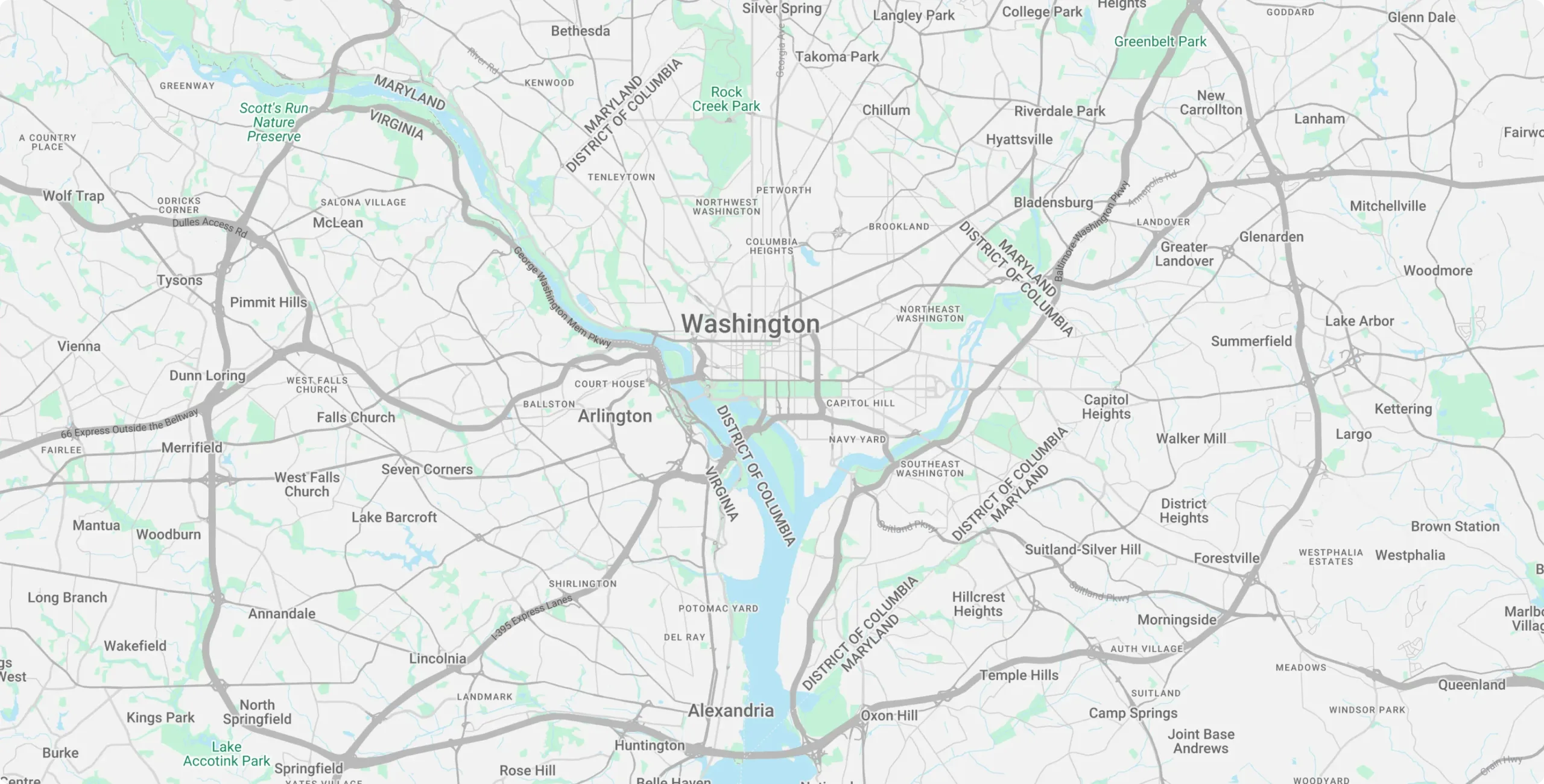
AREAS WE SERVE
At FloodTech USA, we specialize in comprehensive solutions for all your water-related concerns. From precision leak detection and water damage repair to mold remediation, sealing, resurfacing, and full-scale restoration services—our certified team delivers dependable results with unmatched professionalism.
PROTECTING PROPERTY, RESTORING PEACE OF MIND
At FloodTech USA, our team of certified home and commercial restoration specialists brings over 30 years of combined expertise in water damage mitigation, mold remediation, fire and smoke restoration, and structural recovery. Every technician on our crew is fully trained, licensed, and committed to delivering prompt, professional, and compassionate service during your most difficult times.
We know that emergencies don’t wait for business hours. That’s why our restoration services are available around the clock—24 hours a day, 7 days a week, 365 days a year. Whether it’s a burst pipe in the middle of the night or fire damage over a holiday weekend, we’re ready to respond immediately to protect your property and begin the recovery process without delay.