


Water Damage Restoration in Bethesda, MD
Water damage can change everything in a matter of minutes. A supply line bursts, a water heater fails, a washing machine hose loosens, or rainwater finds a path through a roof seam—and suddenly your home or business in Bethesda is dealing with soaked flooring, damaged drywall, and moisture that’s already moving into places you can’t see.
In Bethesda, MD, water damage scenarios are especially common because the area blends older homes with aging plumbing, renovated townhomes with finished basements, high-rise condos with shared infrastructure, and busy commercial properties that rely on complex mechanical systems. No matter the building type, the core issue is the same: water spreads fast, it hides easily, and it keeps causing damage until it’s professionally removed and the structure is dried correctly.
FloodTech USA provides water damage restoration in Bethesda, MD with a clear goal: stop the loss, control the moisture, prevent secondary damage, and restore the property to a safe, stable condition. We don’t treat water damage like a cosmetic cleanup. We treat it like a structural and environmental problem that requires fast action, accurate detection, controlled drying, and skilled repairs.
WHY FLOODTECH USA?
WE’RE HERE FOR YOU
24 HOURS A DAY, 7 DAYS A WEEK.

Water Damage Restoration in Bethesda Requires More Than “Drying Things Out”
A common misconception is that water damage is solved once the visible water is gone. In reality, the most expensive and disruptive problems often come from the moisture you don’t see—water trapped beneath flooring, inside wall cavities, behind cabinets, and in insulation.
Why hidden moisture matters
Hidden moisture can lead to:
Ongoing material breakdown
Drywall can soften and crumble, wood can warp, and subfloors can weaken even after surfaces look “dry.”
Odors that won’t go away
That musty smell often comes from moisture lingering in porous materials and enclosed cavities.
Elevated humidity and uncomfortable indoor conditions
If the building is drying unevenly, indoor humidity can stay high and spread dampness into adjacent rooms.
Mold risk
Mold can begin developing within 24–48 hours when moisture is left behind. In Bethesda’s seasonal humidity, the risk can increase if drying is incomplete or delayed.
FloodTech USA uses professional moisture detection and controlled drying methods to verify that the structure is truly drying—not just the surface.
Water Damage Risks Common to Bethesda Properties
Bethesda has a wide range of property types, and each comes with its own water damage patterns. Understanding local building layouts helps restoration move faster and more accurately.
Older homes with aging plumbing
Many established neighborhoods include homes with older supply lines, fittings, and shutoff valves that may fail without warning.
Finished basements and lower-level living areas
Basements are common in Bethesda and are frequently finished into family rooms, offices, gyms, and guest spaces. Lower levels are vulnerable to rapid saturation, especially in carpeted or laminate areas.
High-rise condos and multi-unit buildings
Shared plumbing lines, stacked bathrooms, and mechanical rooms can lead to water losses that affect multiple units. Water can travel vertically and laterally, impacting ceilings, walls, and adjacent spaces.
Modern renovations with layered materials
New finishes often include multiple layers—engineered flooring, underlayment, soundproofing, and composite cabinetry—that can trap moisture and slow drying if not addressed correctly.
Seasonal weather shifts
Heavy rainfall can drive water intrusion through exterior weak points, and sudden cold snaps can contribute to frozen pipe failures. Even when the initial event is short, the moisture impact can linger.
Common Causes of Water Damage in Bethesda, MD
Water losses in Bethesda usually fall into a few main categories, and each requires a slightly different approach for extraction, drying, and repair planning.
Plumbing failures and leaks
Common plumbing-related causes include:
- Burst or leaking supply lines
- Pin-hole leaks and slow pipe seepage
- Failed shutoff valves and worn fittings
- Leaks under sinks and behind toilets
- Bathroom plumbing leaks that migrate under tile or into adjacent rooms
Appliance-related water damage
Appliance failures often release water for extended periods before they’re noticed:
- Water heater leaks or tank failures
- Washing machine hose failures
- Dishwasher supply line or drain leaks
- Refrigerator ice maker line leaks
Drain and overflow incidents
Even “minor” overflows can create significant saturation:
- Overflowing tubs or sinks
- Toilet overflows
- Clogged drains that back up into bathrooms or kitchens
- HVAC condensate drain backups that soak ceilings or floors
Roof and exterior water intrusion
Water may enter from above or through exterior pathways:
- Roof leaks around flashing, vents, or skylights
- Wind-driven rain entering through gaps
- Water intrusion around windows and doors
- Water movement into basements through foundation cracks or seepage routes
No matter the cause, professional restoration starts with stabilizing the conditions and controlling moisture movement immediately.
24/7 Emergency Water Damage Response in Bethesda
Water damage doesn’t schedule itself. FloodTech USA provides 24/7 water damage response in Bethesda, MD because fast response reduces the scope of damage and improves the odds of saving materials.
What our emergency response focuses on
Our initial response is designed to:
- Stop ongoing water release when possible
- Reduce spread into adjacent rooms or units
- Begin rapid extraction of standing water
- Start moisture mapping to locate hidden wet areas
- Establish a drying plan that matches the structure and materials
Why the first hours matter
The first 24 hours are critical because:
- Water continues to wick into drywall, baseboards, and framing
- Flooring systems can swell and separate
- Humidity rises quickly and spreads dampness
- Microbial growth risk increases as materials remain wet
Fast response helps keep restoration focused and prevents a small loss from becoming a major rebuild.
The FloodTech USA Water Damage Restoration Process
Every water damage event is different, but professional restoration follows a structured workflow. This structure prevents missed moisture, shortens downtime, and supports reliable repairs.
Step 1: Inspection, moisture mapping, and documentation
We begin with a full assessment to determine:
- Source and type of water loss
- How far water has traveled
- Which materials are affected and at what depth
- Which areas require immediate containment
- The safest and most effective drying approach
Moisture detection tools we use
- Moisture meters for materials and surfaces
- Thermal imaging to identify temperature patterns consistent with moisture
- Hygrometers to measure ambient humidity and drying conditions
This step helps ensure we treat the full scope of damage, including hidden moisture.
Step 2: Water extraction
Standing water must be removed quickly to reduce saturation and accelerate drying.
Where extraction commonly occurs
- Basements and lower levels
- Bathrooms and laundry areas
- Kitchens, utility rooms, and mechanical spaces
- Commercial floor spaces and corridors
- Condo units where water has migrated beneath flooring
Extraction equipment we may deploy
- High-capacity pumps for heavy water volume
- Commercial wet vacuums for detailed removal
- Specialized extraction tools for carpets and padding when appropriate
Step 3: Controlled structural drying and dehumidification
After extraction, the main job is drying the structure completely and evenly.
Why controlled drying is essential
Drying is not just “air movement.” It’s a balance of:
- Airflow placement and direction
- Dehumidification capacity
- Temperature and humidity control
- Daily monitoring and adjustment
Drying equipment used during restoration
- Commercial air movers positioned to move moisture out of materials
- Professional dehumidifiers to pull moisture from the air and speed evaporation
- Targeted drying methods for cavities, subfloors, and enclosed spaces when required
Step 4: Selective removal of unsalvageable materials when necessary
Some materials can be dried successfully. Others must be removed, especially if they’re saturated for too long or exposed to contaminated water.
Materials commonly evaluated for removal
- Swollen drywall and insulation
- Saturated carpet padding
- Composite cabinetry and toe kicks
- Warped engineered flooring or laminate
- Baseboards and trims that have wicked moisture
Removal is never done casually. The goal is to remove only what must be removed so drying can be completed properly and repairs remain clean and durable.
Step 5: Cleaning, sanitation, and odor control
Once moisture is controlled, affected areas are cleaned and treated to restore a safe indoor environment.
What this step addresses
- Residues left by water movement through the structure
- Odors caused by moisture and wet materials
- Surface cleanliness after removal and drying
- Targeted antimicrobial application when appropriate to inhibit microbial growth
This is especially important when water has contacted building cavities, porous materials, or high-humidity enclosed spaces.
Step 6: Repairs and reconstruction
Water damage restoration isn’t complete until the property is put back together correctly.
Common repair and rebuild work after water damage
- Drywall replacement and finishing
- Ceiling repairs after upper-level leaks
- Flooring repair or replacement
- Baseboards, trim, and paint restoration
- Cabinet and built-in replacement when needed
- Subfloor repair and stabilization
- Reassembly after selective removal
FloodTech USA manages mitigation and repairs as a unified process, which helps prevent gaps in scope and ensures the final result matches the drying plan.
Professional Drying in Bethesda: What “Fully Dry” Really Means
A structure is not considered dry because the air feels less humid or the surface looks normal. Proper drying is verified with readings.
Moisture verification and daily monitoring
During the drying phase, our team:
- Takes moisture readings at consistent points
- Tracks humidity and drying progress
- Adjusts equipment placement for even drying
- Confirms that materials reach appropriate dry standards before rebuild begins
Why some areas take longer to dry
Drying time depends on:
- Material type (drywall vs. framing vs. subfloor)
- Layered assemblies (tile over underlayment over subfloor)
- Water volume and duration of exposure
- Ambient temperature and humidity
- Airflow limitations in enclosed areas
The right approach is not to “over-fan” a room. It’s to dry strategically, monitor professionally, and verify completion.
Bethesda Building Materials and How Water Affects Them
Bethesda properties include a wide mix of construction eras and styles. Water behaves differently in different materials, and understanding those differences helps prevent missed moisture and failed repairs.
Drywall and interior wall assemblies
Drywall absorbs water quickly and loses strength as it becomes saturated. Even when paint looks intact, moisture may remain behind the surface.
Common drywall-related water damage issues
- Softening and crumbling
- Bubbling paint and joint tape failure
- Moisture trapped in wall cavities
- Increased mold risk in paper backing if moisture persists
Flooring systems
Flooring is one of the most visible areas impacted, but the most important part is often beneath the finish layer.
Hardwood flooring
Hardwood can cup, crown, or buckle as it expands with moisture. If moisture reaches the subfloor, the problem may extend beyond the visible planks.
Engineered wood and laminate
These products often swell at seams and delaminate when exposed to water, especially if water reaches the core.
Tile and stone
Tile may resist surface water, but moisture can move through grout lines and become trapped below. Over time, this can loosen tiles and damage underlying layers.
Carpet and padding
Carpet fibers may dry, but padding can remain saturated and hold moisture against the subfloor, increasing odor and microbial risk if not addressed properly.
Wood framing and structural components
Wood framing can absorb and hold moisture for extended periods, especially in enclosed cavities. If drying is incomplete, warping and long-term deterioration can occur.
Insulation
Insulation often becomes a moisture reservoir.
Fiberglass insulation
Wet fiberglass loses insulating value and can hold moisture against framing and drywall.
Cellulose insulation
Cellulose can compact when wet and create uneven cavities that are difficult to dry completely.
Ceilings and upper-level water losses
Ceilings often show staining or sagging after plumbing leaks or overflows from upper levels. Water can spread across joist bays and affect broader areas than the visible stain suggests.
Cabinetry and interior finishes
Many cabinets and built-ins use composite materials that swell and degrade when wet. Even small leaks under a sink can compromise toe kicks, side panels, and bases.
Electrical considerations
Water near outlets, wiring pathways, and fixtures can create safety risks. Restoration includes careful evaluation and appropriate coordination before systems are returned to service.
Categories of Water Damage: Clean, Gray, and Black Water
Not all water damage is the same. The category of water influences the safety approach, what can be saved, and how cleaning is handled.
Clean water
Clean water begins as a sanitary source such as:
- Burst supply lines
- Pipe leaks
- Overflowing tubs or sinks without contaminants
- Appliance supply line leaks
Clean water can become more contaminated over time as it contacts building materials and environments. Fast restoration helps preserve more materials and reduces complications.
Gray water
Gray water may contain contaminants and can come from:
- Washing machine discharge
- Dishwasher overflow
- Sump pump issues
- Toilet overflow involving urine (without solid waste)
- Water that has been sitting and absorbing contaminants
Gray water situations typically require more careful cleaning and selective removal of porous materials.
Black water
Black water is highly contaminated and may come from:
- Sewage backups
- Toilet overflow with solid waste
- Floodwater from outside sources
- Groundwater intrusion carrying contaminants
- Water that has been standing long enough to support heavy microbial growth
Black water events require strict safety protocols, specialized cleaning, and more aggressive removal of affected materials.
Why classification matters
Correct classification determines:
- Safety procedures during restoration
- What materials can be dried and restored
- How cleaning and sanitation are performed
- The overall scope and timeline
FloodTech USA evaluates water conditions carefully so restoration matches the real risk level inside the structure.
What Happens If Water Damage Is Ignored or Improperly Handled
Water damage rarely stays the same. It typically expands, intensifies, and becomes more expensive to correct.
Moisture keeps traveling
Water migrates through porous materials and along framing, often spreading well beyond the visible wet zone.
Structural materials weaken over time
- Wood can warp and lose stability
- Subfloors can soften
- Drywall can become brittle or collapse if compromised
- Fasteners and connectors can corrode
Odors and indoor air quality issues increase
Even without visible mold, persistent dampness can cause musty odors and discomfort, especially in enclosed spaces like basements or condo units with limited ventilation.
Repairs become larger and more invasive
What could have been selective drying and limited repairs can become:
- Larger demolition to access trapped moisture
- Broader floor replacement
- More extensive drywall and insulation removal
- Longer disruption for occupants or businesses
DIY drying often misses what matters
Household fans and basic dehumidifiers can help with comfort, but they rarely:
- Detect hidden moisture accurately
- Provide controlled drying across assemblies
- Verify dryness with documented readings
Professional restoration focuses on complete drying and verification, not just improved appearance.
The Water Damage Restoration Timeline: What to Expect in Bethesda
Every project is different, but a realistic timeline helps reduce stress and uncertainty.
Immediate response and initial stabilization
The first phase includes:
- Inspection and moisture mapping
- Water extraction
- Containment and drying plan setup
This is often completed within the first day, depending on severity.
Drying and dehumidification
Drying typically takes several days and depends on:
- How long materials were wet
- The volume of water
- Material density and layering
- Indoor humidity and temperature
Daily monitoring helps keep drying efficient and avoids delays.
Repairs and rebuild
Repairs can range from minor to extensive. The timeline depends on:
- The number of rooms affected
- Flooring availability and installation requirements
- Drywall finishing and paint cure times
- Cabinet or trim replacement complexity
FloodTech USA coordinates the process so rebuild begins only when the structure is truly ready.
Residential Water Damage Restoration in Bethesda
Homes in Bethesda range from historic properties to newer builds, and each has different materials, layouts, and moisture behavior. FloodTech USA tailors the restoration plan to your home’s construction and the specific water loss.
Residential scenarios we commonly restore
- Basement water damage affecting finished living areas
- Kitchen leaks under cabinets and appliances
- Bathroom overflows and plumbing failures
- Ceiling leaks from upstairs bathrooms
- Laundry room hose failures
- Water heater leaks in utility rooms
Protecting livability during restoration
When possible, we:
- Isolate affected areas to reduce disruption
- Use controlled airflow to avoid spreading dampness into clean areas
- Focus on clear communication so you know what’s happening each day
Commercial Water Damage Restoration in Bethesda
Water damage in commercial spaces often requires fast stabilization to reduce downtime, protect inventory, and keep operations moving safely.
Commercial properties we frequently support
- Office buildings
- Retail spaces
- Restaurants and service businesses
- Medical and dental offices
- Multi-unit residential buildings and common areas
- Schools and municipal facilities
Commercial priorities during restoration
- Rapid extraction and moisture control
- Clear documentation and daily communication
- Safety-focused drying plans that account for occupants and staff
- Efficient repair coordination to restore functionality
In commercial settings, speed matters—but so does correctness. A rushed, incomplete dry-out can cause future interruptions and repeat repairs.
How FloodTech USA Prevents Secondary Damage During Restoration
Secondary damage is the extra damage that happens because moisture wasn’t controlled properly. FloodTech USA prioritizes prevention during every phase.
Moisture containment
We limit moisture movement to reduce spread into adjacent rooms, units, or floors.
Verified drying
We monitor and document moisture levels rather than guessing.
Controlled equipment strategy
We place equipment to dry assemblies evenly, not just the most visible surfaces.
Material-specific decisions
We decide what can be dried and what must be removed based on:
- Water category
- Material type
- Saturation depth
- Time exposed
- Safety considerations
Why Fast, Local Response Matters in Bethesda
Bethesda properties often include finished interiors, dense housing, and layered building assemblies. In these environments, water can move quickly and hide easily.
Delays can lead to
- More demolition to access trapped moisture
- Larger flooring replacements
- Longer drying time due to deeper saturation
- Higher overall restoration cost
- Extended disruption for families or businesses
Fast response doesn’t just reduce visible damage—it reduces hidden expansion that drives major rebuilds.
How Hidden Water Damage Impacts Structural Integrity Over Time
Hidden water damage is one of the most destructive forms of moisture intrusion because it works quietly. A small leak behind a wall, slow seepage under flooring, or condensation trapped in a ceiling cavity can continue for weeks or months without obvious signs. While visible water damage often triggers immediate cleanup, concealed moisture allows structural materials to degrade gradually, expanding the scope of damage and increasing restoration complexity. In water damage restoration, identifying and correcting hidden moisture is essential because structural integrity depends on materials staying dry, stable, and properly supported.
Why hidden water damage is different from visible water damage
Visible water damage usually creates clear warning signs: pooling water, warped floors, stained ceilings, or wet drywall. Hidden water damage spreads behind finishes and inside assemblies, where evaporation is limited and airflow is restricted. Because the moisture remains trapped, materials stay damp longer, and long-term deterioration becomes far more likely.
Hidden moisture spreads through building pathways
Water rarely stays where it starts. It moves through porous materials like drywall, wood, grout lines, and insulation. It can also travel along framing, pipes, wiring routes, and subfloor seams. In many cases, the original leak source is confined to a small area, but the hidden moisture footprint grows larger over time, affecting multiple structural elements.
Dry-looking surfaces can still hide dangerous saturation
A wall may feel dry to the touch while the cavity behind it remains wet. Flooring may look intact while moisture sits beneath the underlayment or inside the subfloor. This is why professional water damage restoration relies on moisture detection tools and verification readings, not visual inspection alone.
The structural chain reaction caused by long-term moisture
Structural integrity is not just about one material failing. Buildings function as systems. When hidden water damage persists, it can affect multiple components that work together to support loads, maintain alignment, and resist movement.
Loss of material strength and load-bearing reliability
Moisture changes the physical properties of building materials. Over time, the ability of structural components to hold weight and stay stable can decline.
Wood framing becomes weaker as moisture lingers
Wood is strong when it’s dry, but prolonged moisture exposure can cause swelling, distortion, and gradual strength loss. Even before visible rot appears, damp wood can begin to warp or twist. This movement can shift fasteners, loosen connections, and change how loads transfer through studs, joists, and beams.
Warping creates uneven stress points
When framing warps, it can push against drywall, cause nail pops, create cracks, and shift door frames. These are not just cosmetic issues. They signal movement that may continue until moisture is removed and the structure is stabilized.
Persistent dampness can lead to rot and structural decay
If moisture remains long enough, wood-destroying fungi can establish and begin breaking down the wood fiber structure. Rot reduces load capacity and can compromise framing members that are meant to support floors, walls, or roof loads. Water damage restoration is designed to stop this progression by drying materials to safe levels and removing components that can’t be restored.
Subfloors soften and lose stability
Subfloors are a critical structural layer that supports finished flooring and distributes weight across joists. Hidden moisture under tile, laminate, or carpet can cause subfloors to swell, delaminate, or soften. Over time, this can lead to spongy floors, squeaks, uneven surfaces, and eventual failure that requires removal and replacement.
Small leaks can cause large floor-system problems
A slow leak from a dishwasher line or toilet seal might only show minor surface signs at first. But if moisture remains in the subfloor, the damage can spread outward under the finish flooring, increasing the repair footprint significantly.
Metal fasteners and connectors deteriorate in damp environments
Many structural systems rely on metal components: nails, screws, brackets, joist hangers, straps, and anchors. High moisture levels accelerate corrosion, weakening the connections that hold assemblies together.
Corrosion weakens structural joints
A joint is often the most critical point in a structural system. If a connector corrodes, it may lose strength, loosen over time, or fail under stress. In long-term hidden water damage cases, restoring structural integrity may require not only drying and rebuilding materials, but also replacing compromised connectors.
Moisture can create hidden electrical and mechanical risks
While electrical concerns are primarily safety-related, moisture around wiring pathways and junction points can also affect structural areas by forcing invasive access later. Proper water damage restoration aims to address moisture early to prevent escalating repairs that require cutting into structural assemblies.
How hidden water damage destabilizes walls, ceilings, and support systems
Hidden water damage doesn’t just affect the material that got wet. It affects how that material interacts with adjacent components.
Drywall and wall systems lose rigidity and alignment
Drywall is not structural framing, but it contributes to wall rigidity and stability as part of the wall assembly. When drywall becomes saturated and stays damp, it softens and can crumble or sag.
Wet drywall contributes to wall deformation
As drywall loses integrity, it may bow, bubble, or separate from studs. This can reveal framing movement and moisture expansion. If insulation and studs behind drywall remain wet, the wall assembly becomes a high-risk area for long-term damage.
Hidden moisture behind walls can spread horizontally
Water can travel laterally through drywall paper, base plates, and insulation. By the time staining appears, the wet area may already include multiple stud bays. Restoration professionals use moisture mapping to identify the full spread.
Ceilings become structurally risky when moisture accumulates above
Hidden leaks from upper-level plumbing, HVAC drain lines, or roof intrusion often pool above ceilings. This creates two major problems: added weight and weakened ceiling materials.
Moisture adds weight that can lead to collapse
Water-saturated drywall becomes heavy and can sag or fall, especially if water continues to accumulate in ceiling cavities. Even if collapse doesn’t occur, the ceiling assembly may require removal to dry safely and to access hidden wet framing.
Ceiling cavity moisture can damage joists and insulation
Because airflow above ceilings is limited, moisture can linger longer. Wet insulation can hold dampness against joists and other structural components, increasing the risk of warping, microbial growth, and long-term deterioration.
The compounding role of humidity and trapped moisture
One of the biggest reasons hidden water damage impacts structural integrity over time is that trapped moisture creates a persistent humid micro-environment. Even if the leak is small, the enclosed space stays damp, and drying may never occur naturally.
Moisture cycling causes repeated expansion and contraction
Materials expand when they absorb moisture and contract when they dry. Hidden water damage often causes uneven cycling: one side of a material stays damp while another side dries. This creates stress, movement, and gradual failure.
Flooring buckles as moisture redistributes
A floor system may look fine initially, then begin to cup, crown, or separate weeks later as moisture moves and evaporates unevenly. This delayed failure is common when water damage is cleaned superficially without full structural drying.
Wall assemblies shift and crack over time
When framing swells and then dries irregularly, walls can shift slightly. Small shifts can create cracks, gaps, and misalignment that grow worse until moisture is controlled and repairs restore stability.
Why professional water damage restoration protects structural integrity
Stopping hidden water damage is not about making a property look normal. It’s about returning materials to stable moisture conditions and ensuring assemblies are safe, dry, and structurally sound.
Moisture detection is the foundation of proper restoration
Professional restoration teams use tools and techniques to locate hidden moisture, such as:
- Moisture meters to measure saturation in materials
- Thermal imaging to identify moisture patterns behind surfaces
- Hygrometers to assess humidity conditions and drying progress
Without these tools, hidden water damage is frequently missed, and structural deterioration continues.
Controlled drying prevents long-term material breakdown
Drying must be strategic and verified. Professional drying involves:
- Proper air movement placement to encourage evaporation
- Dehumidification to remove moisture from the environment
- Daily monitoring to confirm progress and adjust equipment
- Verification readings to confirm materials return to safe levels
Selective removal prevents compromised materials from staying in place
Sometimes materials cannot be restored safely, especially after extended exposure. Removing unsalvageable components allows the structure to dry fully and prevents future instability. Rebuilding then occurs on a stable foundation rather than over hidden damage.
Repairs restore the structure, not just the surface
A complete restoration approach includes:
- Replacing damaged drywall and insulation
- Repairing or replacing weakened subfloors
- Addressing framing concerns when necessary
- Restoring finishes only after the structure is dry and stable
Long-term consequences when hidden water damage isn’t restored correctly
When hidden water damage is ignored or improperly handled, structural integrity problems can escalate into larger failures:
- Floors become unstable and uneven
- Walls shift and develop recurring cracks
- Ceiling assemblies weaken and may collapse
- Framing loses strength due to prolonged dampness
- Repair scope grows from targeted fixes to full-area reconstruction
Hidden water damage is one of the most significant threats to structural integrity because it stays active out of sight. The longer moisture remains trapped in walls, floors, ceilings, and structural assemblies, the more likely materials are to warp, weaken, and fail. Professional water damage restoration protects long-term structural stability by detecting hidden moisture, drying thoroughly, removing compromised materials when necessary, and rebuilding only after the structure is verified dry. When restoration is done correctly, it stops the chain reaction early and preserves the strength, safety, and value of the property over time.
Why Bethesda Property Owners Choose FloodTech USA for Water Damage Restoration
When you’re dealing with water damage, you want a team that shows up ready, explains what’s happening, and restores the property the right way.
What clients value about FloodTech USA
- 24/7 emergency response
- Water damage restoration specialists focused on moisture control and structural drying
- Advanced detection tools for hidden moisture
- Professional drying plans with daily monitoring
- Full repairs and reconstruction coordinated with the mitigation plan
- Clear documentation for insurance claim support
- Detailed estimates and straightforward communication
Serving Bethesda and Nearby Communities
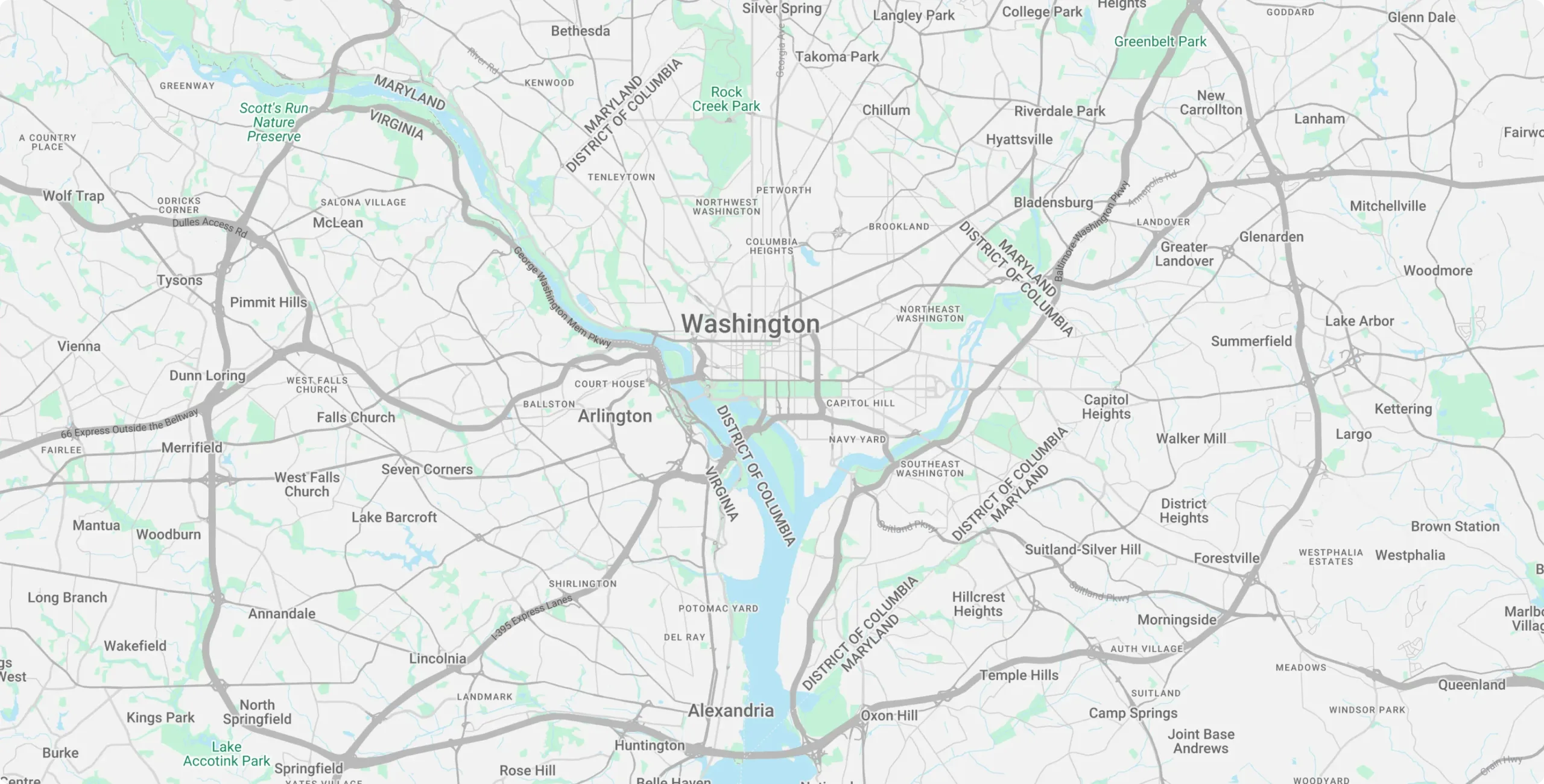
FloodTech USA provides water damage restoration services in Bethesda, MD and surrounding areas. Our local familiarity helps us respond quickly and work effectively across the region’s diverse property types—from older single-family homes to condos, offices, and mixed-use buildings.
Frequently Asked Questions
How quickly should water damage be addressed
Immediately. The first 24 hours are critical for preventing mold and structural damage.
Can you work with my insurance company
Yes. We regularly coordinate with insurance providers and assist throughout the claims process.
Is water damage always an emergency
Yes. Even small leaks can cause serious hidden damage if left untreated.
Do you handle repairs after drying
Yes. We manage the entire restoration process, including repairs and reconstruction.
What should I do first when I discover water damage
If it’s safe, shut off the water source and avoid any areas where electrical hazards may exist. Then contact a professional water damage restoration team right away so extraction and drying can begin before moisture spreads further.
How long does the drying process usually take
Drying often takes several days, depending on the amount of water, how long it was present, and the materials affected. Professional monitoring confirms when materials have returned to acceptable dry levels.
Can you dry water under floors and behind walls
Yes. Professional restoration is designed to detect and address hidden moisture. The approach depends on the material type, saturation level, and the best method to dry the assembly safely and thoroughly.
Will my floors and drywall always need to be replaced
Not always. Some materials can be dried and restored if addressed quickly and if conditions allow. Other materials—especially those that have swollen, delaminated, or absorbed contaminated water—may require removal and replacement for safety and durability.
Call FloodTech USA for Water Damage Restoration in Bethesda, MD
When water damage affects your home or business, response time and drying accuracy matter. FloodTech USA provides water damage restoration in Bethesda, MD with 24/7 emergency response, professional extraction, verified structural drying, moisture control to reduce mold risk, and complete repairs that restore the property fully—not just superficially.
Call FloodTech USA today for 24/7 emergency service or to schedule your free on-site inspection.
AREAS WE SERVE
At FloodTech USA, we specialize in comprehensive solutions for all your water-related concerns. From precision leak detection and water damage repair to mold remediation, sealing, resurfacing, and full-scale restoration services—our certified team delivers dependable results with unmatched professionalism.
PROTECTING PROPERTY, RESTORING PEACE OF MIND
At FloodTech USA, our team of certified home and commercial restoration specialists brings over 30 years of combined expertise in water damage mitigation, mold remediation, fire and smoke restoration, and structural recovery. Every technician on our crew is fully trained, licensed, and committed to delivering prompt, professional, and compassionate service during your most difficult times.
We know that emergencies don’t wait for business hours. That’s why our restoration services are available around the clock—24 hours a day, 7 days a week, 365 days a year. Whether it’s a burst pipe in the middle of the night or fire damage over a holiday weekend, we’re ready to respond immediately to protect your property and begin the recovery process without delay.