


Water Damage Restoration in Burke, VA
Water damage can turn from a manageable inconvenience into a major property problem faster than most people expect. In Burke, VA—where established neighborhoods, finished basements, wooded lots, and a wide range of home ages sit alongside unpredictable Mid-Atlantic weather—water has plenty of ways to enter a structure and plenty of hidden pathways once it’s inside. A burst supply line, a failing water heater, an overflowing toilet, a roof leak during heavy rain, or slow seepage into a lower level can impact flooring, drywall, insulation, framing, and indoor air conditions long before the full extent of damage is visible.
FloodTech USA provides water damage restoration in Burke, VA with one clear priority: restore your property the right way, not the fastest-looking way. That means fast emergency response, complete water extraction, precise moisture detection, controlled structural drying, careful cleaning and odor control when needed, and full repairs and reconstruction to bring the property back to pre-loss condition. Water damage is not just “wet carpet” or “a stain on the ceiling.” It’s a structural and environmental event that requires professional equipment, detailed documentation, and a methodical plan.
If you’re dealing with water in your home or business in Burke, FloodTech USA is ready 24/7 to stop the spread, protect the structure, and guide the restoration from the first call through the final repairs.
WHY FLOODTECH USA?
WE’RE HERE FOR YOU
24 HOURS A DAY, 7 DAYS A WEEK.

Water Damage in Burke, VA: Why Local Conditions Matter
Burke’s character is part of what makes it such a desirable community—mature trees, established subdivisions, rolling terrain, and homes built across multiple decades. Those same features can also increase the risk of water damage in specific ways.
Common property features in Burke that influence water damage
Finished basements and lower levels
Many Burke homes include finished basements, split-level designs, or lower-level family rooms. Lower elevations are naturally more vulnerable to water intrusion, whether from plumbing failures above, sump pump issues, or exterior water pressure after heavy rain.
Older plumbing systems and supply lines
Homes built in earlier decades may still have aging shutoff valves, worn supply lines, older fittings, and piping that has experienced years of temperature cycles and water pressure stress. Even small weaknesses can become sudden failures.
Tree cover and seasonal debris
Tree-lined streets and wooded lots are beautiful, but they can contribute to gutter clogs, downspout blockages, and drainage issues. Water that should be directed away from the foundation can end up pooling near walls, seeping into cracks, or finding pathways into crawlspaces and basements.
Weather swings and winter freezing
Northern Virginia’s winter temperature changes can stress plumbing systems. Freezing and thawing cycles can cause pipes to freeze, expand, and rupture—sometimes only becoming apparent after the ice melts and water flow resumes.
Why water damage in Burke often becomes “hidden damage”
Water follows gravity, but it also travels sideways through porous materials and along framing members. Moisture can migrate into wall cavities, under baseboards, beneath flooring, and through insulation. That’s why professional water damage restoration isn’t just about removing visible water—it’s about finding and removing the water you can’t see.
Signs You May Have Water Damage (Even If You Don’t See Standing Water)
Not all water damage announces itself with a flooded room. In many Burke properties, the first signs are subtle. If you notice any of the following, it’s smart to schedule a professional assessment before the damage spreads.
Early warning signs of water damage
Visual indicators
- Discoloration or staining on ceilings or walls
- Bubbling paint, peeling wallpaper, or soft drywall
- Warped baseboards, swelling trim, or separating joints
- Cupping, crowning, or buckling in hardwood floors
- Darkened grout lines or loose tiles
Texture and structural changes
- Spongy or soft flooring
- Sagging ceilings
- Doors that suddenly stick or won’t close properly
- Flooring that feels uneven or “raised”
Smell and indoor air changes
- Musty odors that persist even after cleaning
- Increased humidity indoors
- Odors that intensify when HVAC runs
- A “damp basement” smell that wasn’t there before
Utility and appliance clues
- Unexplained increase in water bill
- Water heater pan dampness
- Washing machine hose moisture or corrosion
- Moisture at dishwasher kickplates or under sinks
Catching water damage early often reduces demolition, lowers restoration costs, and shortens downtime.
Common Causes of Water Damage in Burke, VA Homes and Businesses
FloodTech USA responds to water damage incidents across Burke every week, and most fall into a few common categories. Knowing these causes helps you act quickly and avoid repeat losses.
Plumbing-related water damage
- Burst or leaking supply lines
- Pin-hole leaks and slow pipe seepage
- Failed shutoff valves or worn fittings
- Leaks inside walls from bathroom or kitchen plumbing
- Pipe joint failures in older plumbing systems
Appliance and mechanical failures
- Water heater leaks or tank failures
- Washing machine hose ruptures
- Dishwasher leaks and float failures
- Refrigerator ice maker line leaks
- HVAC condensate line clogs and pan overflows
Bathroom and fixture overflows
- Overflowing toilets
- Tub and sink overflows
- Clogged drains that back up into living spaces
- Loose seals around toilets leading to slow subfloor saturation
Basement and lower-level intrusion
- Foundation seepage after heavy rain
- Sump pump failures or overwhelmed pumps
- Water intrusion at window wells
- Poor exterior drainage or downspouts dumping water near foundation
Roof and exterior water entry
- Roof leaks during storms
- Damaged flashing around chimneys and vents
- Ice-related roof issues leading to interior leaks
- Exterior wall penetrations that allow water behind siding
No matter the source, the restoration goal is the same: stop the water, remove it completely, dry the structure to safe moisture levels, and repair properly.
24/7 Emergency Water Damage Response in Burke
Water damage is time-sensitive. The first hours matter because water spreads quickly, materials begin to swell, and indoor humidity rises. FloodTech USA offers 24/7 emergency water damage restoration in Burke, VA so you can get help right away—days, nights, weekends, and holidays.
What happens when you call FloodTech USA
Immediate intake and guidance
We’ll ask a few quick questions to understand the situation and help you take safe first steps, such as shutting off the water supply if possible and avoiding electrical hazards.
Rapid on-site arrival
A trained crew arrives with equipment ready for extraction, moisture detection, and drying setup.
Fast action to limit spread
The sooner we extract water and stabilize humidity, the more we can often save—especially flooring, trim, and structural components that would otherwise become unsalvageable.
Why fast response changes the outcome
- Less water migration into walls and subfloors
- Reduced risk of mold growth from lingering moisture
- Lower probability of structural warping and material failure
- Faster drying timelines and less demolition
- Better documentation for insurance claims
The FloodTech USA Water Damage Restoration Process
Effective water damage restoration is not a single step—it’s a controlled sequence. FloodTech USA follows a structured process designed to protect the structure, confirm dryness with measurements, and rebuild with quality.
Step 1: Inspection, moisture mapping, and documentation
We begin with a comprehensive assessment, including:
Moisture detection and mapping
- Moisture meters for materials like drywall and wood
- Thermal imaging to identify temperature differences that can indicate hidden moisture
- Room-by-room moisture mapping to locate water migration paths
Scope definition
We identify:
- The source and type of water
- Areas affected directly and indirectly
- Materials likely to be compromised
- Safety concerns, including electrical risks
Documentation
We document conditions with notes, moisture readings, and photos. This is essential for accurate restoration planning and insurance support.
Step 2: Water source control and containment
Before extraction, we help confirm that the water source is stopped (or advise on steps to stop it). We may also set containment strategies to keep affected areas isolated and to control airflow so moisture doesn’t spread further.
Step 3: Water extraction
Removing standing water quickly reduces saturation and improves drying efficiency.
Equipment used for extraction
- High-powered pumps for heavy standing water
- Commercial wet vacuums for surface water
- Specialized extraction tools for carpets when salvageable
Where extraction typically occurs
- Basements and lower levels
- Kitchens, bathrooms, laundry rooms
- Hallways and shared spaces
- Commercial suites and common areas
Step 4: Controlled structural drying and dehumidification
Drying is a science, not guesswork. FloodTech USA sets up drying based on the materials involved, the volume of water, and the layout of the property.
Air movers
Air movers create controlled airflow across wet materials to speed evaporation.
Dehumidifiers
Dehumidifiers remove moisture from the air so evaporation can continue efficiently. Without dehumidification, moisture stays trapped in the environment and drying stalls.
Monitoring and adjustments
We return regularly to:
- Measure moisture content in materials
- Track drying progress
- Adjust equipment placement and count
- Confirm when materials reach safe, stable levels
Step 5: Selective removal of unsalvageable materials
Some materials cannot be saved depending on saturation level, water category, and exposure time. When removal is required, we do it strategically so the structure can dry fully.
Common removals include:
- Saturated drywall sections
- Wet insulation
- Carpet padding when it cannot be dried safely
- Swollen laminate or compromised engineered flooring
- Baseboards and trim when needed for airflow and drying
Step 6: Cleaning, antimicrobial application, and odor control (as needed)
Water events often create odors even when water is clean, simply because moisture activates organic residues in materials. When appropriate, we apply cleaning and antimicrobial products to help inhibit microbial growth during drying and to support a healthier indoor environment.
Odor control may include:
- Targeted cleaning of affected surfaces
- Professional deodorization methods when odors persist
- Replacement of odor-trapping porous materials when required
Step 7: Repairs and reconstruction
Once the property is clean and dry, we rebuild.
Repairs may include:
- Drywall installation and finishing
- Painting and texture matching
- Flooring repair or replacement
- Trim, baseboards, and door casing
- Cabinet and vanity replacement when damaged
- Ceiling repairs after leaks
- Subfloor repairs and stabilization
Because FloodTech USA manages mitigation and repairs, you avoid gaps between contractors and reduce the risk of incomplete restoration.
Understanding Water Categories: Clean, Gray, and Black Water
Water type affects safety procedures, cleaning requirements, and which materials can be saved. FloodTech USA evaluates the water source and classifies it to guide the restoration approach.
Clean water
Clean water typically comes from sanitary sources such as:
- Broken supply lines
- Certain appliance supply leaks
- Overflow from sinks or tubs without contaminants
Even clean water becomes a problem if left too long. Within 24–48 hours, clean water can degrade as it contacts building materials and environmental contaminants.
Gray water
Gray water may contain contaminants and can cause illness if ingested or through prolonged contact. Sources can include:
- Dishwasher discharge
- Washing machine overflow
- Toilet overflow with urine only (no solid waste)
- Some sump pump discharges depending on conditions
Gray water generally requires more aggressive cleaning and selective material removal.
Black water
Black water is heavily contaminated and can contain harmful pathogens. It may come from:
- Sewage backups
- Toilet overflows with solid waste
- Floodwater from outside sources
- Water that has been stagnant long enough to become highly contaminated
Black water restoration requires strict safety procedures and typically involves removal of porous materials exposed to contamination.
How Water Affects Burke Building Materials
Burke homes often combine original construction with modern updates. That means water can affect different rooms and materials in different ways—even within the same house. FloodTech USA evaluates materials individually instead of using a one-size-fits-all approach.
Drywall and wall cavities
Drywall absorbs water quickly, and the paper backing can support microbial growth when damp. Even if the wall looks dry, moisture may remain inside cavities, affecting:
- Stud bays
- Insulation
- Electrical pathways
- Adjacent rooms through shared wall spaces
When appropriate, we use measured drying techniques. When not appropriate, we remove affected sections to dry framing safely.
Flooring and subfloors
Hardwood
Hardwood can cup, crown, or buckle depending on saturation and drying method. The subfloor beneath hardwood is often the bigger concern because trapped moisture can lead to delayed movement and long-term instability.
Engineered wood and laminate
Many engineered products swell at seams or delaminate when wet. Replacement is often required if water penetrates core layers.
Tile and stone
Tile may resist surface water, but moisture can travel through grout and accumulate beneath the tile, compromising underlayment and subfloor materials.
Carpet and padding
Carpet can sometimes be cleaned and dried depending on water type and exposure time, but padding often holds moisture and can become an odor source, making replacement common.
Wood framing and structural components
Wood can retain moisture long after surfaces feel dry. Improper drying can lead to:
- Warping and swelling
- Reduced structural strength
- Long-term deterioration
- Increased risk of microbial growth in hidden areas
Measured structural drying prevents “cosmetic dryness” that hides deeper problems.
Insulation
Wet insulation often loses its effectiveness and can trap moisture against framing.
- Fiberglass commonly requires removal when saturated
- Cellulose tends to hold water and compact
- Spray foam may resist water better, but surrounding materials can still trap moisture
Cabinets, vanities, and built-ins
Particleboard and MDF swell rapidly when exposed to water. Solid wood may sometimes be salvageable, but many composite cabinets require replacement after significant saturation.
Ceilings and overhead leaks
Ceiling stains and bubbling paint may indicate water pooling above the drywall. This can become a safety risk if saturation increases and drywall loses strength. We inspect overhead spaces carefully, control the source, and restore ceiling assemblies properly.
Why DIY Drying Often Fails (Even When the Room Looks Better)
It’s completely understandable to want to handle water damage yourself—especially if it seems limited. The problem is that water damage is usually bigger than what you can see. DIY drying often misses:
Hidden moisture under floors and behind walls
Household fans move air, but they don’t remove moisture from the air at a rate comparable to professional dehumidifiers. Without dehumidification, evaporation slows and moisture stays trapped.
Moisture pockets that cause delayed damage
A room can look fine for weeks, then suddenly show:
- Floor buckling
- Baseboard separation
- Paint bubbling
- Odors that return
- Mold-like growth in corners or behind furniture
Incomplete documentation
If you plan to file an insurance claim, professional documentation (moisture readings, photos, and drying logs) can be critical.
FloodTech USA focuses on verified dryness—not “it seems dry.”
What to Do in the First Hour After Discovering Water Damage
If you discover water damage in Burke, these steps can help reduce risk before professional help arrives.
Immediate steps you can take safely
Stop the water source if possible
Shut off the local valve for the fixture or the main water supply if needed.
Avoid electrical hazards
If water is near outlets, appliances, or electrical panels, do not enter the area until power is confirmed safe. If necessary, contact your utility or an electrician for guidance.
Move valuables to a dry area
Relocate electronics, documents, and items that can be damaged by moisture.
If it’s safe, limit spread
Use towels or a wet/dry vacuum for small surface water. Avoid running household fans if water category is unknown or if it could spread contaminants.
Call FloodTech USA
Fast response matters. Even if the water looks minor, a professional moisture check can prevent bigger damage.
The Water Damage Restoration Timeline: What to Expect
Every loss is different, but most projects follow a predictable timeline.
Day 1: Assessment, extraction, and drying setup
- Moisture mapping and documentation
- Water extraction
- Installation of drying equipment
- Initial containment and stabilization
Days 2–4: Structural drying and monitoring
- Daily or scheduled monitoring
- Equipment adjustments based on readings
- Continued dehumidification and airflow control
- Selective removal if drying reveals trapped moisture
Days 3–7 (varies): Verification and preparation for repairs
- Final moisture checks
- Cleaning and odor control as needed
- Planning for repairs and material selection
Repairs and reconstruction: Varies by scope
Minor repairs may take a few days. Larger rebuilds can take longer depending on:
- Flooring scope
- Cabinet and drywall needs
- Material availability
- Insurance approvals (when applicable)
FloodTech USA keeps communication clear so you understand what’s happening, what’s next, and how long each phase typically takes.
Residential Water Damage Restoration in Burke, VA
Water damage disrupts daily life and can make parts of a home unusable. FloodTech USA restores homes across Burke with plans tailored to the home’s layout, materials, and level of damage.
Types of residences we restore
- Single-family homes
- Townhomes and duplexes
- Condominiums and apartments
- Split-level and mid-century homes
- Homes with finished basements and lower levels
What residential owners often need most
Clear guidance
Homeowners want to know what can be saved, what must be removed, and what the timeline looks like.
Protection of unaffected spaces
We take steps to reduce disruption and keep unaffected rooms protected whenever possible.
A complete path back to normal
Drying alone isn’t enough. FloodTech USA manages the full restoration through repairs so you can return to a finished, livable space.
Commercial Water Damage Restoration in Burke, VA
For businesses, water damage threatens operations, safety, and revenue. FloodTech USA provides commercial water damage restoration designed to reduce downtime and restore functionality efficiently.
Commercial properties we commonly serve
- Office suites and professional buildings
- Retail spaces and storefronts
- Restaurants and food-service areas (water-focused restoration only)
- Medical and dental offices
- Schools, churches, and community facilities
- Multi-unit buildings and common areas
Commercial restoration priorities
Minimizing interruption
We work to stabilize affected areas quickly and plan repairs to support your operational needs where possible.
Documentation and communication
Commercial losses often involve multiple stakeholders. We provide clear updates, documented readings, and organized scope notes.
Safety and indoor conditions
Controlling humidity and verifying dryness supports safer conditions for staff and customers.
Preventing Mold During Water Damage Restoration
Mold is not a separate “extra” concern during water damage—it’s a common consequence when moisture is not removed quickly and completely. In Burke’s warm, humid seasons, moisture can create conditions for microbial growth in a short window.
How FloodTech USA helps reduce mold risk
- Fast extraction and drying setup
- Controlled humidity reduction through professional dehumidification
- Moisture monitoring to confirm progress
- Targeted antimicrobial applications when appropriate
- Strategic removal of materials that cannot be dried safely
The best mold prevention is verified drying and moisture control.
Why Water Damage Should Be Treated as an Emergency
Even small water events can become costly when left alone. Water keeps moving, materials keep absorbing, and indoor conditions change quickly.
What can happen when water damage is ignored
Hidden moisture spreads
Water migrates into adjacent rooms, wall cavities, and under flooring.
Structural integrity declines
Subfloors soften, framing stays damp, and materials lose strength.
Costs rise
The longer water sits, the more demolition and reconstruction is usually required.
Indoor comfort drops
Humidity increases and odors appear, especially in basements and enclosed spaces.
FloodTech USA treats water damage with urgency because that’s what protects property value and reduces long-term disruption.
How FloodTech USA Restores Burke Properties “Correctly the First Time”
Property owners in Burke often call us after experiencing:
- A leak that was “fixed” but damage returned
- A dried area that later developed odors or floor movement
- Water that spread behind walls unnoticed
- A rushed cleanup that didn’t include moisture verification
FloodTech USA focuses on:
Accuracy
We measure moisture, we map it, and we verify dryness before closing out mitigation.
Accountability
You get clear communication, documented steps, and a defined scope that matches what the structure actually needs.
Complete restoration
We don’t stop at extraction and drying. We restore through repairs so the job is truly finished.
Local familiarity
We understand Burke’s home styles, common basement layouts, and neighborhood conditions that influence how water travels through structures.
Preventing Future Water Damage in Burke, VA
While not every water event is preventable, many are. Prevention reduces emergency calls, protects finished spaces, and preserves long-term property value.
Plumbing prevention
Replace aging supply lines
Braided supply lines and older hoses can fail without warning. Replace them proactively.
Know your shutoff valves
Make sure key shutoffs work and that household members know where they are.
Watch water pressure
High pressure strains fittings and increases leak risk over time.
Appliance protection
- Replace washing machine hoses on schedule
- Monitor water heaters for corrosion and slow leaks
- Don’t ignore small drips under sinks or behind appliances
Exterior drainage and roof care
- Clean gutters regularly, especially in tree-heavy areas
- Ensure downspouts discharge away from the foundation
- Inspect roof flashing and penetrations after storms
- Maintain window wells and exterior grading to reduce pooling
Basement readiness
- Test sump pumps regularly
- Consider battery backup if your property relies on a pump
- Use a dehumidifier in humid seasons to reduce baseline moisture
Smart leak detection
Water sensors and automatic shutoff devices can catch leaks early—especially helpful for finished basements and multi-bathroom homes.
The Importance of Professional Moisture Mapping in Water Damage Restoration
Moisture mapping is one of the most important steps in water damage restoration because water rarely stays where you can see it. A flooded bathroom may look contained to the tile floor, but moisture can travel under baseboards, into drywall, beneath flooring systems, and through structural cavities. Without professional moisture mapping, it’s easy to dry what’s visible while leaving hidden moisture behind—setting the stage for ongoing damage, odors, material failure, and repeat restoration costs.
Professional moisture mapping is the process of detecting, measuring, documenting, and tracking moisture conditions throughout a property after a water loss. It gives restoration teams a factual picture of where water has migrated and how deeply it has affected materials. It also provides a roadmap for extraction, drying, monitoring, and repairs. In short: moisture mapping turns water damage restoration from guesswork into a controlled, verifiable process.
Why Moisture Mapping Is the Foundation of Proper Water Damage Restoration
Water damage restoration isn’t just about removing standing water. It’s about restoring the structure to a stable, dry, pre-loss condition. Moisture mapping supports that goal in three ways: it identifies the full scope of affected materials, it guides equipment placement for effective drying, and it validates when drying is truly complete.
Water moves in hidden pathways
Water can wick upward through drywall, spread laterally through subfloors, and follow framing or plumbing chases. In multi-level buildings, it can move downward and then reappear far from the original leak. Moisture mapping helps locate those pathways before they become expensive surprises.
Surface dryness is not structural dryness
A floor can feel dry to the touch while the underlayment beneath it remains saturated. Paint can look intact while insulation behind the wall is still wet. Professional mapping finds moisture that a quick glance can’t.
Drying plans must match the actual damage
Every water loss is different. Moisture mapping ensures the restoration plan is customized to the property and the water event, rather than based on assumptions.
What “Professional Moisture Mapping” Actually Means
Moisture mapping is more than taking a few readings. It is a structured approach that combines tools, measurement strategies, documentation practices, and ongoing verification.
Establishing the moisture “footprint”
Technicians begin by identifying the full affected area—the moisture footprint. This includes both visibly wet zones and adjacent materials where water likely migrated. Mapping often extends beyond the room where the water was discovered.
Comparing wet materials to dry baseline readings
One of the most overlooked elements of moisture mapping is understanding what “dry” looks like in that specific structure. Restoration professionals often collect dry standard readings from unaffected materials of the same type. This baseline improves accuracy and prevents premature declarations that a space is dry.
Creating a documented plan for drying and monitoring
Mapping is recorded and updated over time. This documentation becomes the reference point for where equipment is placed, what materials are being dried, and when the structure has returned to safe moisture levels.
Tools Used for Moisture Mapping in Water Damage Restoration
Professional moisture mapping relies on specialized equipment designed to detect moisture inside materials, not just on surfaces. Each tool plays a different role in locating and confirming water migration.
Moisture meters
Moisture meters measure moisture content in materials like wood, drywall, and certain flooring systems. Depending on the situation, professionals may use different meter types.
Pin-type meters
Pin meters use probes that penetrate the surface to provide a direct reading. They are especially useful for wood framing, trim, and subflooring where precise moisture content matters.
Pinless meters
Pinless meters scan moisture through a surface without puncturing it. They are valuable for quickly surveying large areas of drywall or flooring and identifying zones that require deeper investigation.
Thermal imaging cameras
Thermal imaging helps locate temperature differentials that may indicate evaporative cooling from moisture. This can reveal moisture patterns behind walls, under floors, or in ceilings where direct access is limited. Thermal imaging is most effective when paired with meter readings to confirm moisture presence.
Hygrometers and psychrometric measurements
Hygrometers measure ambient conditions such as relative humidity and temperature, which directly influence drying. Professionals often track these numbers to ensure dehumidification and airflow are achieving measurable progress.
How Moisture Mapping Improves Drying Results
Drying is not simply running fans. Drying is about controlling airflow, humidity, and evaporation in a way that removes moisture from the structure efficiently without causing secondary damage.
Equipment placement becomes strategic, not random
Moisture mapping identifies where drying equipment should be placed and how many units are needed. Air movers positioned incorrectly can create dead zones where moisture remains trapped. Dehumidifiers sized incorrectly may fail to reduce humidity enough to support drying.
Drying boundaries are defined clearly
Mapping prevents under-drying by ensuring the full affected area is included. It also prevents over-drying by limiting equipment and demolition to materials that truly need it. Both outcomes matter—under-drying leads to lingering damage, while over-drying can increase cost and disruption.
Progress can be tracked objectively
When you have mapped readings from day one, follow-up readings can show whether moisture levels are dropping as expected. If drying stalls, the team can adjust the plan early instead of discovering problems after repairs begin.
Moisture Mapping Helps Prevent Secondary Damage
The biggest long-term risks after a water event often come from what happens after the obvious water is gone. Moisture mapping reduces those risks by ensuring hidden moisture is not ignored.
Material warping and failure
Wood floors can buckle weeks after a leak if moisture remains beneath them. Cabinet bases can swell and delaminate. Drywall can soften and lose integrity. Moisture mapping helps confirm that materials are dry through their full thickness, not just on the surface.
Odors that return after “cleanup”
Musty smells often come from trapped moisture in porous materials or cavities. If a room smells fine during drying but the odor returns later, it’s often because moisture remained in a hidden zone. Mapping reduces the chance of odor recurrence by validating that moisture has been fully removed.
Extended disruption due to repeat work
When hidden moisture is missed, repairs may need to be reopened—walls removed again, flooring replaced again, and drying restarted. Professional mapping helps prevent rework and protects the integrity of completed repairs.
Moisture Mapping Supports Smarter Repair Decisions
Water damage restoration often includes selective removal of materials. Moisture mapping informs those decisions so restoration is thorough but not unnecessarily invasive.
Identifying what can be dried versus what must be removed
Not every wet material must be removed. In some situations, drywall or hardwood may be salvageable if the water source is clean, response is fast, and drying is verified. Moisture mapping provides the data that supports safe salvage decisions.
Protecting structural components
If framing moisture remains elevated, rebuilding too soon can trap moisture behind new drywall or insulation. Mapping ensures repairs start only after the structure is ready, which helps prevent future damage behind finished surfaces.
Preventing premature cosmetic fixes
Painting a stain or replacing a baseboard without addressing moisture in the wall behind it often leads to recurring damage. Moisture mapping helps ensure restoration addresses the cause and the full moisture path, not just the visible symptom.
Moisture Mapping and Verification: What “Dry” Really Means
A proper restoration doesn’t end when the water is extracted. It ends when materials return to acceptable moisture levels and the structure is stable for rebuilding.
Drying goals are measurable
Moisture mapping provides target readings based on dry standards and material types. This is the difference between saying “it feels dry” and proving that the structure is dry.
Final moisture checks protect the rebuild
Before repairs begin, technicians verify that key materials—subfloors, framing, drywall edges, and affected cavities—are within acceptable ranges. This helps prevent trapped moisture that can compromise new finishes.
Why Professional Moisture Mapping Matters for Homeowners and Property Managers
Water damage is stressful, and property owners want confidence that restoration is complete. Moisture mapping provides that confidence because it is evidence-based.
Better communication and transparency
A documented moisture map makes it easier to explain what was affected, what was done, and why certain areas needed drying or removal. It gives clarity during a time that can otherwise feel uncertain.
Reduced long-term risk
The goal isn’t just to restore appearance. It’s to restore the structure so it performs normally again. Moisture mapping reduces the risk of future issues tied to hidden moisture.
A restoration process you can trust
Professional moisture mapping helps ensure the restoration is complete the first time—reducing the chance of repeat damage, delayed material failure, and additional disruption.
Water damage restoration succeeds when it is accurate, controlled, and verified. Professional moisture mapping is the step that makes that possible. It identifies the true scope of water intrusion, guides effective drying, protects repair decisions, and confirms that the structure is ready to be rebuilt. Without it, restoration becomes a surface-level effort that can leave hidden moisture behind.
If you want water damage restoration done correctly, moisture mapping is not optional—it is essential. It’s how professionals ensure the property is not just “dry enough to look good,” but dry enough to be safe, stable, and ready for lasting repairs.
Serving Burke and Nearby Fairfax County Communities
FloodTech USA provides water damage restoration in Burke and surrounding areas in Fairfax County. Our local presence supports faster response and practical decisions based on the way homes are built in this region.
Frequently Asked Questions
How quickly should water damage be addressed?
Immediately. The first 24 hours are critical. Fast extraction and drying reduce structural damage and significantly lower the risk of microbial growth.
Can you work with my insurance company?
Yes. We regularly coordinate with insurance providers and can assist with documentation, moisture readings, photos, and communication support throughout the claim process.
Is water damage always an emergency?
Yes. Even a small leak can cause serious hidden damage if it reaches wall cavities, subfloors, insulation, or framing. Water damage is time-sensitive by nature.
Do you handle repairs after drying?
Yes. FloodTech USA manages the entire restoration process, including repairs and reconstruction. That includes drywall, flooring, trim, ceilings, and other rebuild work necessary to return the property to pre-loss condition.
Call FloodTech USA for Water Damage Restoration in Burke, VA
When water damage affects your home or business, experience and precision matter. FloodTech USA delivers trusted water damage restoration in Burke, VA with 24/7 emergency response, professional extraction, measured structural drying, mold-prevention-focused moisture control, and complete repairs.
Call FloodTech USA now for emergency service anytime, or schedule your free on-site inspection to assess water damage and prevent it from getting worse.
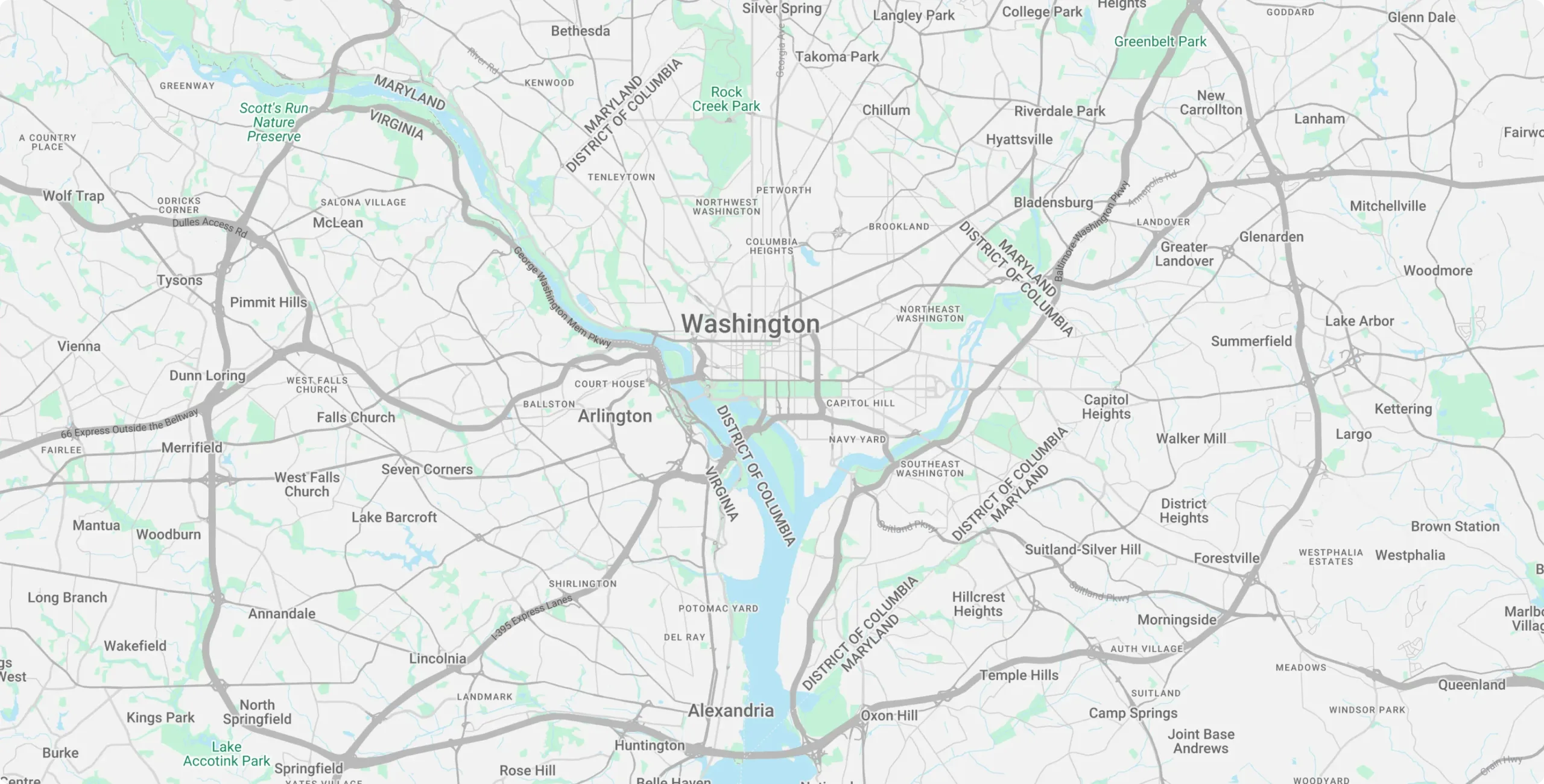
AREAS WE SERVE
At FloodTech USA, we specialize in comprehensive solutions for all your water-related concerns. From precision leak detection and water damage repair to mold remediation, sealing, resurfacing, and full-scale restoration services—our certified team delivers dependable results with unmatched professionalism.
PROTECTING PROPERTY, RESTORING PEACE OF MIND
At FloodTech USA, our team of certified home and commercial restoration specialists brings over 30 years of combined expertise in water damage mitigation, mold remediation, fire and smoke restoration, and structural recovery. Every technician on our crew is fully trained, licensed, and committed to delivering prompt, professional, and compassionate service during your most difficult times.
We know that emergencies don’t wait for business hours. That’s why our restoration services are available around the clock—24 hours a day, 7 days a week, 365 days a year. Whether it’s a burst pipe in the middle of the night or fire damage over a holiday weekend, we’re ready to respond immediately to protect your property and begin the recovery process without delay.