


Water Damage Restoration in Chantilly, VA
Water damage can change a normal day into an urgent situation in minutes. A supply line splits, a water heater fails, an upstairs bathroom overflows, or wind-driven rain finds a weak point in a roof system. What begins as a puddle can quickly turn into soaked drywall, swollen flooring, trapped moisture behind baseboards, and humidity spreading through the entire building. In Chantilly, VA, where homes range from older builds to newer developments and businesses rely on complex plumbing and HVAC systems, water losses are common and often more extensive than they first appear.
FloodTech USA provides professional water damage restoration in Chantilly, VA with one goal: dry the structure correctly, prevent secondary damage, and restore the property safely back to a stable, usable condition. That means we don’t treat water damage like a surface-level cleanup. We treat it as a moisture-control and building-restoration project. We focus on stopping the loss, extracting water, mapping moisture, drying the structure with the right equipment, verifying dryness with documented readings, and then completing repairs so you can move forward.
This page is dedicated only to water damage restoration in Chantilly. You’ll find detailed information about how water damage spreads, what professional restoration includes, what to expect on the timeline, and how FloodTech USA approaches each step from emergency response through final repairs.
WHY FLOODTECH USA?
WE’RE HERE FOR YOU
24 HOURS A DAY, 7 DAYS A WEEK.

Why Water Damage Is a Real Risk in Chantilly Properties
Water damage risk in Chantilly isn’t tied to just one type of property or one season. It comes from the mix of building styles, the way modern systems distribute water through multiple levels, and the fact that many water problems stay hidden until materials start to fail.
Common Chantilly water-damage risk factors
Heavy rainfall and runoff
Storms can overwhelm gutters, downspouts, and drainage paths. Water can pool near foundations and work its way into basements or lower levels through small cracks, joints, or poorly sealed penetrations.
Finished basements and lower levels
Finished basements increase the amount of drywall, flooring, trim, and insulation that can be affected by even a small seepage event. Basements also dry more slowly due to lower airflow and naturally higher humidity.
Multi-bathroom layouts and second-floor plumbing
Many homes and townhomes rely on supply lines and drain lines traveling through ceilings and wall cavities. An overflow or a small pipe leak upstairs can soak insulation and drywall below before it’s noticed.
Appliances with water connections
Dishwashers, washing machines, refrigerators with ice makers, and water heaters can leak slowly or fail suddenly. A small drip can run behind cabinets and under flooring for days, saturating materials without obvious surface water.
HVAC condensate and drain issues
Condensate lines can clog and pans can overflow, introducing water in attics, utility closets, and mechanical rooms. Even when the water is “clean,” prolonged dampness can create widespread moisture problems.
Winter freezing followed by thawing
Frozen pipes can split and leak when temperatures rise. These events can release large volumes of water quickly, especially in wall cavities where the leak may not be immediately visible.
Common Causes of Water Damage in Chantilly, VA
Water damage tends to fall into a few repeatable patterns. Understanding the source helps guide the restoration approach, because the category of water, the materials affected, and the duration of exposure all influence what must be dried, what must be removed, and how cleaning is handled.
Frequent water-damage sources we respond to
Burst or leaking supply lines
A sudden burst can flood rooms rapidly. Even a pinhole leak can saturate subfloors and framing over time.
Broken, frozen, or aging pipes
Older fittings, corrosion, or freeze-related splits can fail with little warning.
Overflowing tubs, sinks, and toilets
Overflows often spread across finished floors and into baseboards and adjacent rooms, then wick up drywall.
Drain backups
Backed-up drains can introduce contaminated water into bathrooms, basements, and utility spaces, requiring more intensive cleaning and material removal.
Sump pump failures
When a sump pump fails during heavy rain, water can collect quickly in lower levels and spread beneath flooring systems.
Roof leaks and flashing failures
A roof leak can soak attic insulation and ceiling systems, often spreading across a wide area before staining appears below.
Water heater and appliance leaks
Water heaters can release large amounts of water fast. Appliance leaks frequently run under cabinets and behind walls, making detection harder.
HVAC drainage issues
Clogged condensate lines and overflowing pans can cause repeated wetting in the same area, leading to chronic moisture.
24/7 Emergency Water Damage Response in Chantilly
Water damage doesn’t wait for business hours. The first hours matter because water keeps moving through porous materials and humidity rises quickly. FloodTech USA provides 24/7 emergency response in Chantilly so you can start mitigation as soon as possible.
What happens during an emergency water-damage call
Rapid arrival and safety-first assessment
We start by identifying immediate hazards such as wet electrical areas, ceilings that may be holding water, slipping risks, and contamination concerns.
Help stopping the source when possible
If the water source is active, we help locate shutoffs and identify the likely origin so the loss doesn’t continue. If specialized plumbing repair is required, we coordinate the next steps while mitigation begins.
Containment and damage-limiting steps
We use practical containment methods to keep water from spreading into unaffected areas, which reduces overall drying time and repair scope.
Immediate water extraction
Standing water is removed first. Extraction reduces the amount of moisture available to soak deeper into materials and improves the effectiveness of the drying system.
Moisture mapping and documentation
We use professional moisture meters and thermal imaging where appropriate to locate moisture beyond what’s visible. This mapping guides equipment placement and supports documentation for the restoration file.
Water Damage Categories: Clean, Gray, and Black Water
Professional restoration isn’t just about “how wet” an area is. It’s also about what type of water is involved, because the category affects health risk, cleaning requirements, and whether porous materials can be saved.
Category 1: Clean water
Clean water originates from a sanitary source, such as a broken supply line, certain appliance leaks, or an overflow from a sink with no contaminants. Even clean water can become a problem if not addressed quickly, because bacteria and environmental exposure can change the category over time.
What clean water restoration typically focuses on
- Fast extraction and controlled drying
- Moisture verification in structural cavities
- Targeted removal only when materials can’t be dried to standard
Category 2: Gray water
Gray water contains a moderate level of contamination. It can come from washing machine discharge, dishwasher overflows, or certain toilet overflows that do not include solid waste. Gray water requires stricter cleaning, and porous materials often need removal because contamination can remain embedded even after drying.
What gray water restoration typically focuses on
- Safety protocols and controlled work zones
- Removal of affected porous materials when needed
- Thorough cleaning and sanitizing of remaining structure
- Odor control and indoor-environment stabilization
Category 3: Black water
Black water contains significant contamination and can include sewage backups, groundwater intrusion, and water that has contacted harmful contaminants. Black water losses require specialized handling. Many porous materials must be removed, and disinfection becomes a primary part of the restoration process.
Why black water must be handled professionally
Black water can contain pathogens and harmful microorganisms. Attempting cleanup without proper training and protective equipment can expose occupants and create cross-contamination throughout the property.
Why the water category can change
Even if water starts as clean, it can become gray or black depending on contact with dirt, building materials, and bacteria, or simply from sitting over time. This is one reason quick professional response matters: delays increase health risk and expand the scope of work.
The Real Problem Is Hidden Moisture
Most water losses are larger than they look. Water moves into wall cavities, under baseboards, beneath flooring, and into insulation. It also evaporates into the air, raising indoor humidity and creating conditions where moisture spreads to adjacent materials.
How moisture travels in a building
Wicking through porous materials
Drywall, wood, and many flooring systems pull water upward and outward. A small amount of water on the floor can wick into drywall edges, behind trim, and into cabinetry bases.
Migration beneath flooring
Water can flow under tile, laminate, and hardwood and settle in low spots. This is why visible water removal isn’t enough.
Trapped moisture in cavities
Moisture behind walls and under ceilings can remain for days without proper airflow and dehumidification, increasing the likelihood of secondary damage.
Why professional detection matters
If moisture remains trapped, it can lead to:
- Swelling, warping, and breakdown of building materials
- Persistent odors and elevated humidity
- Microbial growth risk within 24–48 hours
- Delayed flooring failure (buckling, cupping, delamination)
- Discoloration and paint failure
- Damage spreading into adjacent rooms
FloodTech USA uses moisture meters, hygrometers, and thermal imaging when appropriate to confirm where water is and to verify dryness over time.
Water Extraction: Removing Standing Water Fast
Extraction is the first major step in mitigation after safety and assessment. The faster standing water is removed, the more you reduce saturation and shorten drying time.
Where water commonly accumulates in Chantilly properties
- Basements and lower-level family rooms
- Bathrooms and kitchens
- Laundry rooms and utility areas
- Hallways where water runs from one room to another
- Commercial suites with shared plumbing walls
- Storage rooms and mechanical rooms
What professional extraction includes
High-capacity pumps for heavy water
For significant standing water, pumps remove volume quickly.
Commercial wet vacuums for detailed removal
Wet vacuums help remove water from edges, corners, and smaller spaces after bulk extraction.
Carpet and pad extraction methods
In some situations, carpet can be extracted and evaluated for salvage, while padding may require removal depending on saturation level and water category.
Focus on reducing saturation load
Extraction doesn’t replace drying. It reduces the amount of moisture that must be evaporated so the drying system can work efficiently.
Structural Drying and Dehumidification: Drying the Structure the Right Way
Drying is not just “blowing air around.” Effective water damage restoration uses a controlled system designed to evaporate moisture from materials and remove that moisture from the air so drying can continue.
The goals of professional drying
- Dry structural materials to an appropriate standard
- Control humidity to prevent secondary moisture absorption
- Prevent moisture from migrating into unaffected areas
- Verify progress with documented readings
- Reduce the chance of long-term odors and material failure
Equipment used in professional drying
Air movers
Air movers increase airflow across wet surfaces to speed evaporation. Placement matters. Too many in the wrong spots can push moisture into cavities; too few can slow drying.
Dehumidifiers
Dehumidifiers remove moisture from the air. This lowers humidity and allows more moisture to evaporate from damp materials without saturating the indoor environment.
Moisture meters and monitoring tools
We track moisture content in wood and drywall and measure relative humidity and temperature. Drying decisions are based on data, not guesswork.
Containment tools when needed
In some losses, controlling airflow and isolating the drying zone prevents moisture and odor migration.
Why “surface-dry” is not enough
A wall can look dry while moisture remains behind it. A floor can feel normal while the subfloor underneath is saturated. Proper restoration confirms dryness through readings and consistent monitoring.
How Water Affects Chantilly Building Materials
Chantilly properties include many common building materials that respond differently to water exposure. Restoration requires understanding which materials can be dried effectively and which typically require removal.
Drywall and interior walls
Drywall absorbs water quickly, and the paper facing can support microbial growth when damp. If the water category is contaminated or if the drywall has been wet long enough, removal is often necessary. In cleaner, shorter-duration events, controlled drying may be possible depending on saturation level and access.
Key drywall considerations
- Water often wicks upward from the bottom edge
- Insulation behind drywall may hold moisture longer
- Paint can hide dampness while moisture persists inside
Flooring systems
Different floors fail differently when wet.
Hardwood
Hardwood can cup, crown, or buckle as it absorbs and releases moisture. Drying must be carefully managed to reduce warping and prevent irreversible deformation.
Engineered wood and laminate
These materials often swell at seams and may delaminate after saturation. Replacement is common when core layers absorb water.
Tile and stone
Tile resists surface water, but water can travel through grout lines and sit beneath the tile, saturating underlayment or subfloor systems. This can loosen tiles over time if moisture isn’t addressed.
Carpet and padding
Carpet can sometimes be cleaned and dried in clean-water events if addressed immediately, but padding often holds water and may require removal. In contaminated-water events, removal is typically required for safety.
Wood framing and subfloors
Wood absorbs moisture and can remain damp deep inside. If moisture stays elevated, wood can warp and lose strength over time. Drying wood correctly takes monitoring, airflow management, and dehumidification.
Insulation
Insulation can trap moisture against framing and drywall, slowing drying and increasing risk of secondary issues.
Fiberglass
When wet, fiberglass loses performance and can hold moisture in cavities.
Cellulose
Cellulose can absorb water heavily and compact, often requiring removal.
Spray foam
Spray foam resists water more than other types, but surrounding materials can still be affected and moisture can remain trapped in adjacent assemblies.
Cabinets, trim, and built-ins
Many cabinets are made of particleboard or MDF, which swells and loses strength when wet. Solid wood trim may be salvageable with fast drying, but composite materials often require replacement after significant saturation.
Ceilings and overhead assemblies
Ceiling staining may be the first visible sign, but water can spread across joist bays and soak insulation before it becomes apparent. If a ceiling is holding water, the risk of collapse can increase. Controlled removal may be required to release trapped water and allow drying.
Mold Prevention as Part of Water Damage Restoration
Mold prevention is not a separate service in this context—it’s a standard part of responsible water damage restoration. The driving factor is moisture. If moisture is removed quickly and thoroughly, the risk drops significantly. If moisture is left behind, the risk increases.
Why mold risk rises quickly
Many indoor environments have the basic ingredients for microbial growth. When water elevates moisture in drywall, wood, and insulation, growth can begin within 24–48 hours under the right conditions.
What we do to reduce mold risk during restoration
- Rapid extraction and drying to reduce time-in-wet-materials
- Humidity control so moisture doesn’t linger in the air
- Targeted antimicrobial applications when appropriate
- Removal of materials that cannot be dried safely or that are contaminated
- Ongoing moisture verification to confirm the structure returns to a stable condition
The most effective “mold prevention” is disciplined drying with proper monitoring and documentation.
Cleaning, Sanitizing, and Odor Control After Water Damage
Even clean water can leave behind residues, and contaminated water requires thorough sanitizing. Odors are often caused by damp materials, bacteria, or trapped moisture. Cleaning and deodorization are key steps to returning a property to a comfortable, healthy environment.
Cleaning goals after a water loss
- Remove residues and contamination from surfaces
- Sanitize affected areas based on water category
- Address odors at the source, not just with masking products
- Support a dry, stable indoor environment
Odor control is about moisture control
Musty smells often mean moisture remains somewhere—beneath flooring, behind walls, or in porous contents. Eliminating odors depends on confirming dryness and removing materials that can’t be restored.
Contents and Belongings: What Happens to Furniture and Personal Items
Water damage doesn’t only affect the structure. Furniture, rugs, boxes, paper items, electronics, and personal belongings can be impacted quickly depending on how far water spreads.
How we approach affected contents
On-site evaluation
We help identify what appears salvageable and what may be beyond restoration based on saturation and water category.
Protection and staging
When needed, we move and protect items to allow extraction and drying access, reducing secondary damage and improving the restoration workflow.
Focus on preventing additional loss
Even if an item isn’t visibly soaked, elevated humidity can affect wood furniture and sensitive materials. Controlling the environment helps protect contents during restoration.
Water Damage Repairs and Reconstruction in Chantilly
Mitigation is the part that stops ongoing damage. Repairs are the part that restores the property to a finished, livable or usable condition. FloodTech USA provides full restoration support so you don’t have to coordinate multiple contractors while managing an emergency.
Common repairs after water damage
- Drywall replacement and finishing
- Baseboard and trim replacement
- Flooring repair or replacement where required
- Cabinet toe-kick and lower cabinet repairs or replacement
- Ceiling repairs after overhead leaks
- Painting and texture matching in affected areas
- Subfloor repair when swelling or breakdown occurs
- Rebuild of localized sections when removal was necessary for drying
Repair decisions are driven by drying results
A key restoration principle is that repairs should not start until moisture levels are verified and stable. Closing up damp cavities can trap moisture and create long-term issues. Proper documentation and final moisture checks help ensure repairs are built on a dry structure.
Residential Water Damage Restoration in Chantilly
When a home is affected by water, daily routines are disrupted. Bedrooms may be unusable, kitchens may be partially shut down, and families may need clear guidance on what happens next. FloodTech USA tailors residential restoration to the home’s construction and the specific loss.
Homes we commonly restore in Chantilly
- Single-family homes
- Townhomes and duplexes
- Condominiums and apartments
- Properties with finished basements
- Older homes with aging plumbing systems
- Newer builds with modern materials and multi-zone HVAC systems
What homeowners typically need most
Clear next steps
We explain what we found, what will happen first, and what to expect as drying progresses.
A plan that protects the home
We focus on controlling moisture so it doesn’t spread into unaffected rooms and so hidden dampness is addressed.
Documentation
We keep records of readings and progress so the restoration file reflects the work performed.
Repairs without confusion
Once drying is complete, we coordinate the repair scope so the home can return to normal as efficiently as possible.
Commercial Water Damage Restoration in Chantilly
Water losses in commercial spaces can disrupt operations, affect inventory, and create safety concerns for staff and customers. Commercial restoration requires careful planning to reduce downtime while still completing drying properly.
Commercial spaces we commonly serve
- Office buildings and suites
- Retail stores and shopping areas
- Restaurants and food-service spaces impacted by plumbing leaks (water-related only)
- Medical and dental offices
- Schools and municipal facilities
- Warehouses and light industrial buildings
What commercial restoration prioritizes
Business continuity
When possible, we phase work and isolate affected areas so parts of the space can remain usable.
Fast stabilization
Extraction and controlled drying begin quickly to minimize loss severity and reduce the repair scope.
Clear communication
Commercial projects often involve property managers, tenants, and insurance representatives. Consistent updates reduce confusion and support faster decisions.
Documentation for claims and compliance
Commercial losses often require detailed records of moisture readings, drying conditions, and the steps taken to stabilize the environment.
The Water Damage Restoration Timeline: What to Expect
Every loss is different, but most water damage restoration follows a consistent structure. Understanding the phases helps set realistic expectations.
Phase 1: Discovery and emergency stabilization
The moment water is discovered, the priority is to stop the source if possible and start mitigation. Early action reduces how far water spreads and how much material becomes saturated.
Phase 2: Inspection, moisture mapping, and classification
We determine:
- Where the water came from
- How long it likely ran or remained present
- Which materials and rooms are affected
- What category of water we’re dealing with
- What drying strategy fits the structure
Phase 3: Extraction and initial demolition if needed
Standing water is removed. If certain materials must be removed to allow drying or to address contamination, that work is performed in a controlled way so remaining structure can dry.
Phase 4: Drying and dehumidification with monitoring
This phase often takes several days. Equipment runs continuously, and readings are taken to track progress. Adjustments are made as needed to keep drying efficient and controlled.
Phase 5: Cleaning, sanitizing, and odor control
Based on the category of water and affected materials, cleaning and sanitizing are completed. Odor control methods focus on moisture removal and source elimination.
Phase 6: Repairs and reconstruction
After dryness is verified, repairs begin. The repair timeline depends on how much material was affected and what finishes need to be restored.
What can affect how long it takes
- Volume of water and how long it was present
- How many rooms and levels were affected
- Type of flooring and wall assemblies
- Water category and required cleaning/removal
- Indoor humidity and seasonal conditions
- Access constraints (built-ins, tight cavities, multi-unit layouts)
- Repair material availability and scope complexity
What Happens If Water Damage Is Ignored or Improperly Handled
It’s common to want to “wait and see” after a small leak, especially if the surface looks dry. But water damage often worsens quietly.
Hidden moisture expands the affected area
Moisture can move behind walls and under floors. By the time staining appears, a larger area may already be wet.
Materials weaken over time
Drywall can soften and crumble. Wood can warp and swell. Subfloors can break down and become uneven or unstable.
Odors and indoor discomfort persist
Musty smells often indicate moisture remains in cavities or porous materials. If humidity stays elevated, the building may feel damp even after visible water is gone.
Flooring failures can show up later
A floor that looks okay immediately after a leak may buckle or separate weeks later if moisture remained underneath.
Restoration becomes more invasive
The longer moisture remains, the more likely it is that additional removal is required to reach and dry hidden areas, increasing repair scope.
Why Fast Response Matters for Water Damage
Water doesn’t stop on its own. The longer moisture remains, the more likely it is that:
- Drywall and insulation become unsalvageable
- Flooring systems begin to deform
- Humidity spreads through the building
- Odors become embedded in porous materials
- Restoration requires larger removals and longer drying
Fast response helps reduce damage severity and keeps the project scope more contained.
Why Chantilly Property Owners Trust FloodTech USA
FloodTech USA is focused on doing water damage restoration the right way: accurate assessment, disciplined drying, clear documentation, and complete restoration through repairs.
What clients value in our approach
- 24/7 emergency response for Chantilly water losses
- Experienced restoration crews and professional drying equipment
- Moisture mapping and monitoring for hidden water
- Controlled extraction, drying, and stabilization processes
- Repair coordination to restore the property fully
- Clear communication and practical guidance during a stressful event
We understand how quickly water damage can escalate, and we build every project around the steps that protect the structure long-term.
Preventing Future Water Damage in Chantilly Properties
No plan eliminates every risk, but smart maintenance and early detection can reduce the chance of a major loss and help you catch problems before they spread.
Practical prevention steps for homeowners
Know where shutoffs are
Locate the main water shutoff and individual fixture shutoffs so you can stop water quickly in an emergency.
Inspect supply lines and connectors
Replace aging appliance hoses and watch for small drips at valves and fittings.
Monitor water heater condition
Water heaters often show warning signs before failing, including corrosion, small leaks, or inconsistent performance. Plan replacement before end-of-life failures.
Keep gutters and downspouts functioning
Ensure water is directed away from the foundation and that downspouts discharge to appropriate areas.
Pay attention to small signs
A musty smell, baseboard discoloration, minor ceiling staining, or flooring that feels slightly uneven can indicate hidden moisture.
Control humidity in lower levels
Basements benefit from consistent humidity control, especially during humid months.
Smart detection tools
Water sensors in key areas (near water heaters, under sinks, behind toilets, near laundry equipment) can alert you early. Early detection often prevents a small leak from becoming a full-room restoration.
Hidden Water Damage: Signs You Should Never Ignore
Hidden water damage is one of the most expensive problems a property owner can face because it rarely announces itself in a dramatic way. It often starts small: a slow drip under a sink, a minor roof leak during heavy rain, a pinhole in a supply line, or an HVAC condensate line that clogs and overflows. While the visible signs may seem minor, the real damage is frequently happening out of sight—behind drywall, under flooring, inside cabinets, and within insulation. By the time obvious stains or odors appear, moisture may have already spread into structural materials and created conditions that demand professional water damage restoration.
When water remains trapped in a building, it doesn’t “dry out on its own” in a safe or predictable way. Instead, moisture wicks into porous materials, humidity rises, and building assemblies begin to break down. The sooner hidden moisture is identified, extracted, and professionally dried, the more likely it is that you can avoid widespread demolition and costly repairs. Below are the signs of hidden water damage you should never ignore—and why each one matters from a restoration standpoint.
Why Hidden Water Damage Is So Dangerous
Hidden water damage is dangerous because it keeps moving. Water travels along framing, migrates beneath flooring, and soaks insulation that holds moisture against wood and drywall. Even after the surface feels dry, cavities can remain wet for days. That trapped moisture creates three major risks: structural deterioration, material failure, and microbial growth. Water damage restoration is designed to interrupt that cycle by locating moisture, removing water, controlling humidity, and verifying that materials are dry to an appropriate standard before repairs begin.
What “hidden” really means in a water loss
Hidden water damage can be present in wall cavities, beneath tile or hardwood, inside ceiling assemblies, behind baseboards, and under cabinetry. It may also be in crawlspaces and behind mechanical equipment where regular visibility is limited. Without moisture mapping tools—like meters and thermal imaging—many of these wet areas won’t be obvious until the damage becomes severe.
The Most Common Signs of Hidden Water Damage
Some signs are visual, some are sensory, and some show up as performance issues in the building. Any of these indicators should trigger a closer look—because if water is present, time is not on your side.
Persistent musty or damp odors
A musty smell is often one of the first warnings of hidden moisture. Odors develop when materials stay damp long enough for bacteria and other microorganisms to thrive. If you notice a lingering musty scent that doesn’t go away with cleaning or ventilation, it may be coming from behind walls, under flooring, or inside cabinets where moisture is trapped.
Why odor matters for restoration
Odor is a clue that conditions are staying wet. Professional water damage restoration focuses on identifying the moisture source and drying affected materials, because masking sprays or air fresheners do not solve the cause. If the structure is still damp, the smell will return—and the damage will continue.
Discoloration, staining, or “ghosting” on ceilings and walls
Water stains can look like yellow or brown rings, faint gray shadows, or irregular blotches. Ceilings often show the first visible signs of leaks from plumbing or roof systems, but staining may appear far away from the actual source due to how water travels through joist bays and insulation.
What restoration professionals look for
Staining tells you where water has been, not necessarily where it is now. Restoration requires moisture detection to find the true wet areas, because water may have spread laterally and saturated adjacent cavities even if only one spot is visible.
Bubbling, cracking, or peeling paint and wallpaper
When moisture gets behind painted surfaces, it breaks the bond between the paint and the wall. You may see bubbling, peeling edges, or paint that feels soft and uneven. Wallpaper can loosen at seams or develop ripples.
Why surface damage is a bigger warning than it appears
These surface changes often indicate that drywall or plaster beneath is damp. Water damage restoration addresses the internal moisture first—through extraction, dehumidification, and controlled drying—before cosmetic repairs are made. Repainting without drying is a common reason stains and peeling come back.
Warped flooring, soft spots, or shifting underfoot
Hidden water under flooring can cause boards to cup, crown, or separate. Laminate may swell at seams, and carpet may feel spongy. In bathrooms, kitchens, and laundry rooms, flooring changes are often tied to slow leaks that have been active for weeks.
The restoration risk beneath your feet
Subfloors can remain saturated even when the top layer looks “mostly okay.” If water damage restoration is delayed, subfloor materials can weaken, leading to larger tear-outs and more extensive repairs. Professional drying also helps prevent future flooring failure after a leak is resolved.
Baseboards that separate, swell, or discolor
Baseboards are often the first trim element affected because water wicks upward from the floor into drywall and wood. You might notice baseboards pulling away from the wall, swelling at corners, or paint discoloration near the bottom edge.
What this suggests about wall cavities
If baseboards are affected, there is a strong chance moisture is inside the wall cavity. Restoration teams often use moisture meters along the wall line to determine how high the water wicked and whether drywall or insulation needs removal for proper drying.
Doors that stick or frames that look slightly misaligned
Wood expands when it absorbs moisture. A door that suddenly sticks, rubs, or won’t latch properly can be a subtle sign of elevated humidity or hidden water in nearby framing. This is especially relevant near bathrooms, kitchens, and laundry areas.
Why this matters in water damage restoration
Changes in how doors operate can signal moisture in structural components. Restoration is not just drying surfaces—it’s about stabilizing the building materials so they don’t continue swelling, warping, or weakening over time.
Unexplained spikes in water bills or frequent plumbing sounds
If your water bill increases without a clear reason, or you hear water running when fixtures aren’t in use, you may have a hidden leak. Slow leaks are some of the most damaging because they can saturate materials gradually and remain unnoticed.
Restoration starts with stopping the source
Effective water damage restoration begins by identifying and stopping the water source. Then technicians map moisture, extract any standing water, and dry affected assemblies. Without stopping the source, drying efforts will be undermined.
Condensation and humidity that feels abnormal indoors
Rooms that suddenly feel more humid, windows that fog up more than usual, or persistent condensation on vents and ductwork can point to moisture issues. While condensation can be seasonal, unusual changes—especially localized to one area—may signal hidden water.
How restoration addresses humidity
Restoration teams use professional dehumidification to pull moisture out of the air and materials. If a space stays humid, materials may re-absorb moisture, slowing drying and increasing the risk of secondary damage.
Where Hidden Water Damage Often Hides
Knowing the high-risk zones can help you spot issues earlier.
Kitchens and bathrooms
Leaks under sinks, around toilets, behind dishwashers, and near tubs can run behind cabinets and under flooring.
Laundry rooms and utility closets
Washing machine hoses, floor drains, and water heater valves are common failure points.
Attics and ceilings
Roof leaks and HVAC condensate issues can soak insulation and spread across ceiling assemblies before staining appears.
Basements and crawlspaces
Foundation seepage, sump pump failures, and poor drainage can introduce moisture that wicks upward into finished areas.
What to Do If You Notice These Signs
If you suspect hidden water damage, acting quickly is the difference between a contained mitigation job and a major reconstruction project.
Reduce risk immediately
If safe, shut off the water supply to stop active leaks. Avoid using electrical outlets in wet areas and keep people off flooring that feels unstable or spongy.
Avoid “quick fixes” that hide the problem
Painting over stains, running household fans for a few hours, or replacing a small section of flooring without drying the subfloor can trap moisture and allow damage to continue unseen. Water damage restoration is effective when it is data-driven: moisture is located, removed, and verified dry before rebuilding.
Why Professional Water Damage Restoration Is the Smart Next Step
Hidden water damage requires more than cleanup. Professional restoration uses moisture detection tools, commercial extraction equipment, controlled airflow, and dehumidification to dry structural materials evenly and completely. Technicians monitor moisture content over time and document progress so repairs can be completed on a stable, dry foundation.
Ignoring warning signs—or treating them as cosmetic issues—often leads to higher costs, longer disruption, and more invasive repairs later. If you notice any of the signs above, treat it as a real water event and respond early. The faster hidden moisture is identified and properly dried, the more of your property can be saved and the faster you can return to normal.
Serving Chantilly and Nearby Areas
FloodTech USA serves Chantilly and surrounding Northern Virginia communities with rapid response and a strong understanding of local construction patterns and common water-loss scenarios. Local presence helps us arrive quickly and make informed decisions about drying and repair strategies that fit the property type.
Frequently Asked Questions
How quickly should water damage be addressed?
Immediately. The first 24 hours are critical. Water spreads, materials absorb moisture, and humidity rises quickly. Fast extraction and drying reduce the overall damage and help prevent secondary issues.
Can you work with my insurance company?
Yes. We regularly assist with the claims process by providing documentation, moisture readings, photos, and clear restoration records. Coverage depends on your policy and the cause of the loss, but professional documentation helps support the process.
Is water damage always an emergency?
Yes. Even small leaks can cause serious hidden damage. Water can move behind walls and under floors where it can remain undetected and continue affecting materials long after the surface looks dry.
Do you handle repairs after drying?
Yes. FloodTech USA can manage the full restoration process, including mitigation, drying, and repairs or reconstruction needed to return the property to a finished condition.
Call FloodTech USA for Water Damage Restoration in Chantilly, VA
If your home or business has water damage, speed and proper drying matter. FloodTech USA provides trusted water damage restoration in Chantilly, VA with 24/7 emergency response, professional extraction, accurate moisture detection, expert structural drying, mold prevention through moisture control, and complete repairs.
Call FloodTech USA today for emergency service or to schedule a free on-site inspection.
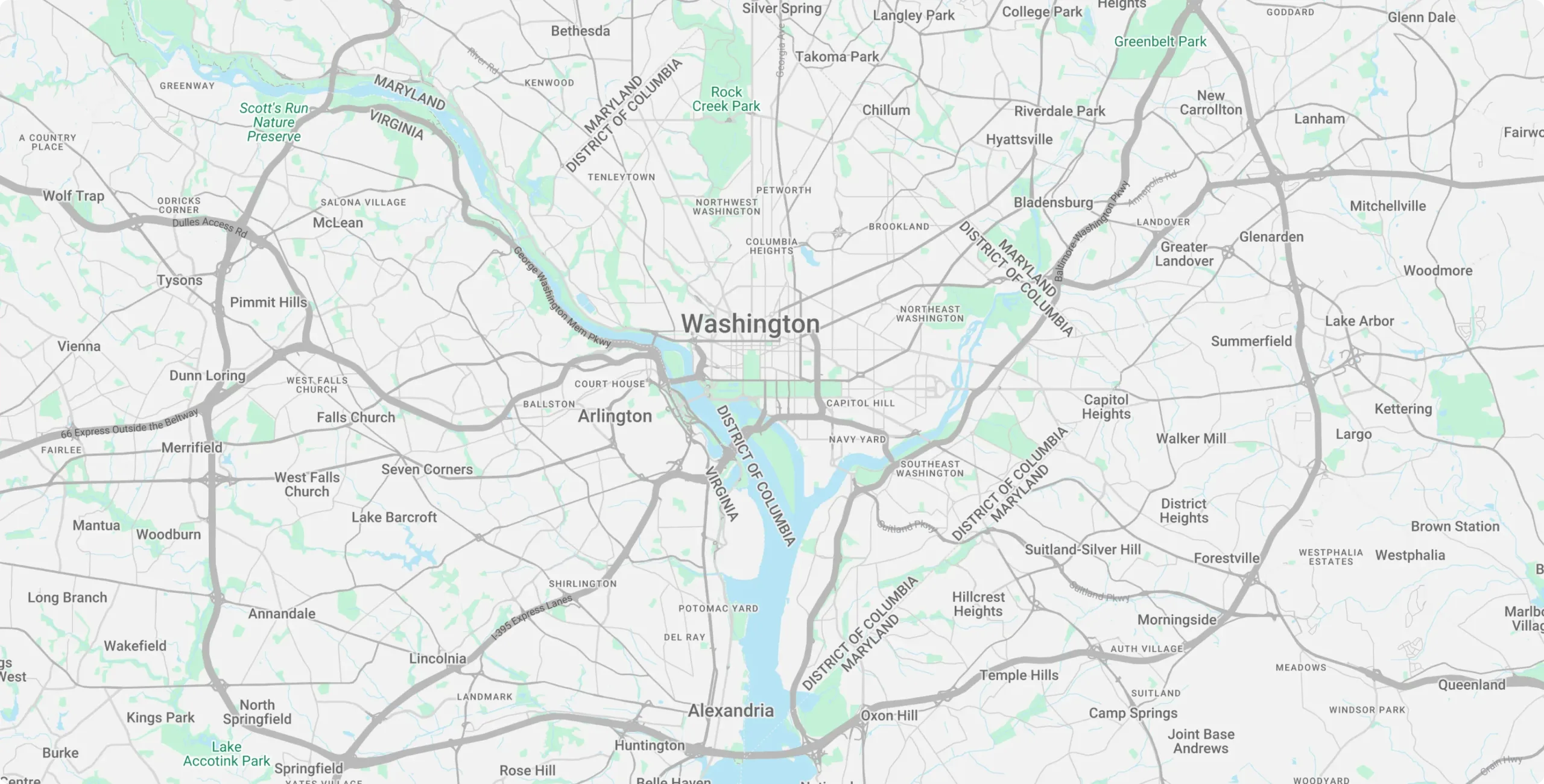
AREAS WE SERVE
At FloodTech USA, we specialize in comprehensive solutions for all your water-related concerns. From precision leak detection and water damage repair to mold remediation, sealing, resurfacing, and full-scale restoration services—our certified team delivers dependable results with unmatched professionalism.
PROTECTING PROPERTY, RESTORING PEACE OF MIND
At FloodTech USA, our team of certified home and commercial restoration specialists brings over 30 years of combined expertise in water damage mitigation, mold remediation, fire and smoke restoration, and structural recovery. Every technician on our crew is fully trained, licensed, and committed to delivering prompt, professional, and compassionate service during your most difficult times.
We know that emergencies don’t wait for business hours. That’s why our restoration services are available around the clock—24 hours a day, 7 days a week, 365 days a year. Whether it’s a burst pipe in the middle of the night or fire damage over a holiday weekend, we’re ready to respond immediately to protect your property and begin the recovery process without delay.