


Water Damage Restoration in Chevy Chase, MD
Water damage is one of the fastest-moving property emergencies you can face. It doesn’t take long for a small leak to become a saturated floor, a weakened ceiling, or a hidden moisture problem behind walls. In Chevy Chase, MD—where historic homes, luxury renovations, multi-level residences, condominiums, and commercial buildings exist side by side—water damage can be especially disruptive because many properties include finished basements, high-end materials, and older plumbing systems that are less forgiving when something goes wrong.
FloodTech USA provides professional water damage restoration in Chevy Chase, MD with one goal: stop the damage, remove moisture completely, and restore the property correctly. Water damage restoration is not just “drying what you can see.” It’s moisture detection, containment, extraction, structural drying, sanitation where needed, documentation, and repairs—performed in the right order and verified with professional measurements so the problem doesn’t come back later.
If you’re dealing with a burst pipe, an overflowing fixture, a water heater leak, a roof leak, or storm-driven intrusion, fast response matters. The longer moisture remains, the more likely you’ll see material swelling, staining, warping, odor, and microbial growth. FloodTech USA is ready 24/7 to respond in Chevy Chase with the equipment and experience to stabilize the situation and restore your home or business with confidence.
WHY FLOODTECH USA?
WE’RE HERE FOR YOU
24 HOURS A DAY, 7 DAYS A WEEK.

Why Water Damage Is a Serious Concern in Chevy Chase
Chevy Chase properties often combine classic construction with modern upgrades. That combination can be beautiful—but it can also increase risk during water events. Older pipe materials, complex remodels, multiple bathrooms, finished lower levels, custom millwork, and premium flooring can all be vulnerable when water spreads beyond the initial source.
Water also behaves differently depending on the structure. In townhomes, condominiums, and multi-unit buildings, water can move between floors and shared walls, affecting neighboring units quickly. In single-family homes, water commonly migrates into subfloors, wall cavities, insulation, and framing—areas that can remain wet long after the visible water is gone.
The biggest misconception about water damage
Many property owners assume that if the water is cleaned up and the surface feels dry, the emergency is over. In reality, moisture can remain trapped:
- Behind baseboards and drywall
- Under hardwood, laminate, or tile assemblies
- Inside insulation
- In subfloors and framing
- Around cabinetry toe-kicks and built-ins
- Inside ceiling cavities after an upstairs leak
FloodTech USA approaches every loss with professional moisture mapping and controlled drying so your restoration is based on measurements, not guesswork.
Water Damage Risks Common to Chevy Chase Properties
Every city has patterns in how water losses happen. In Chevy Chase, common risk factors include:
- Aging pipes, fittings, and supply lines in older homes
- Finished basements and lower-level living spaces that are vulnerable to seepage or plumbing breaks
- Heavy rain events that overwhelm drainage, gutters, or downspouts
- Foundation cracks or hydrostatic pressure that pushes moisture inward
- HVAC condensation issues, clogged condensate drains, or overflow from drain pans
- Winter freezes that lead to burst pipes and sudden interior flooding
- High-end interior finishes that can be damaged quickly by moisture migration
Water damage in this area is often a mix of visible impact and hidden moisture. That’s why an accurate, city-specific approach matters.
Common Causes of Water Damage in Chevy Chase, MD
Water damage can start in countless ways, but most losses fall into a few categories. FloodTech USA responds to water damage caused by:
- Burst or leaking supply lines
- Broken, corroded, or frozen pipes
- Overflowing sinks, tubs, toilets, or showers
- Water heater leaks and failures
- Dishwasher, washing machine, and refrigerator supply line leaks
- Roof leaks and flashing failures
- Storm-driven water intrusion around windows, doors, and exterior penetrations
- Sump pump failures and basement water accumulation
- HVAC leaks, clogged drain lines, and condensation-related moisture issues
How fast can a small leak become major damage?
Very fast. A slow supply line leak can saturate cabinetry and drywall without obvious puddling. An upstairs bathroom overflow can soak insulation and stain ceilings on lower levels within hours. Even “minor” water events can become expensive when moisture isn’t fully removed.
24/7 Emergency Water Damage Response in Chevy Chase
FloodTech USA offers 24/7 emergency response because water damage doesn’t wait for business hours. Whether it happens at midnight, during a holiday, or on a weekend, immediate action can make the difference between a controlled restoration and a much larger rebuild.
What our emergency response is designed to accomplish
A true emergency response has clear priorities:
- Stop the source (or help you identify where it’s coming from)
- Protect safety (electrical hazards, slipping risks, ceiling collapse potential)
- Prevent spread (containment and strategic water removal)
- Remove standing water quickly
- Identify hidden moisture with professional tools
- Begin controlled drying immediately
FloodTech USA arrives prepared with commercial equipment to begin mitigation right away, not “take a look” and return later.
What to do while you’re waiting for a restoration crew
If it is safe, you can take a few steps that reduce damage:
- Shut off the water at the nearest shutoff valve or main shutoff
- Avoid rooms with standing water near outlets or electrical panels
- Move small valuables, rugs, and personal items out of wet areas
- If you can do so safely, place towels or a bucket to reduce ongoing drips
- Do not run household fans in contaminated water situations
- Do not pull up flooring unless instructed—this can sometimes worsen damage or complicate drying
Once FloodTech USA is on site, we’ll take over stabilization and guide next steps.
Water Extraction in Chevy Chase Homes and Businesses
Standing water is where most people start—but it’s only one part of the loss. Professional extraction is crucial because the longer water sits, the deeper it saturates surrounding materials.
Emergency water removal
FloodTech USA uses high-powered extraction systems to remove water from:
- Basements and lower levels
- Bathrooms and kitchens
- Laundry rooms and utility spaces
- Living rooms, bedrooms, and hallways
- Commercial spaces, shared corridors, and common areas
Extraction isn’t just about speed. It’s about technique—removing water efficiently without pushing it into adjacent materials, and preparing the environment for effective drying.
Why “shop vac + towels” is rarely enough
Household cleanup may remove visible puddles, but it does not address the water that has already moved into:
- Carpet padding
- Subfloors
- Drywall and insulation
- Floor assemblies and transitions
- Wall cavities
- Stair structures
Professional extraction and drying are designed to eliminate moisture at the material level, not just the surface.
Structural Drying and Dehumidification
Drying is the most important phase of water damage restoration—and the phase most often done incorrectly by non-professionals. FloodTech USA uses a controlled drying system based on psychrometrics (the science of moisture movement) and verified moisture readings.
How professional drying works
After extraction, we set up a drying environment using:
- Commercial air movers positioned for optimal airflow patterns
- Professional dehumidifiers sized to the loss and the building’s conditions
- Moisture meters and thermal imaging for detection and verification
- Containment where needed to keep drying focused and efficient
Drying is not “set it and forget it.” We monitor conditions and adjust equipment placement to ensure materials dry evenly and thoroughly.
Moisture mapping and daily monitoring
Hidden moisture is the reason many water events turn into recurring problems. FloodTech USA performs moisture mapping to identify wet materials and track progress. Monitoring typically includes:
- Moisture readings in drywall, trim, framing, and subfloors
- Temperature and humidity tracking to optimize drying conditions
- Documentation to confirm drying goals are met before repairs begin
This approach protects your property from lingering moisture that can cause warping, odor, and long-term deterioration.
Water Damage Categories and Why They Matter
Not all water losses are the same. The source and level of contamination influence the safety approach and which materials can be saved.
Clean water
Clean water typically comes from a sanitary source such as a supply line or a fixture overflow that has not contacted contaminants. Even clean water can become a problem quickly if it isn’t dried thoroughly, because moisture creates conditions for microbial growth and material breakdown.
Gray water
Gray water may contain contaminants and requires more careful cleaning and selective material removal. Examples can include discharge from certain appliances or overflows involving used water. Restoration must include sanitation steps where appropriate.
Black water
Black water includes highly contaminated water and requires strict safety procedures, containment, and extensive cleaning. Materials impacted by heavily contaminated water often cannot be salvaged.
FloodTech USA evaluates the situation professionally and follows appropriate safety and restoration procedures for the conditions present on site.
How Water Affects Chevy Chase Building Materials
Chevy Chase properties feature a wide range of materials—from historic wood framing and plaster elements to modern drywall systems, engineered flooring, and high-end finishes. Water behaves differently depending on the material, and the correct restoration plan depends on understanding those differences.
Drywall and interior wall systems
Drywall absorbs moisture quickly and loses integrity when saturated. Even if the surface begins to dry, moisture can remain inside the wall cavity. FloodTech USA uses moisture detection to determine whether drywall can be dried safely or whether selective removal is necessary to ensure the structure is fully dry.
Why wall cavities matter
Moisture inside a wall can affect:
- Insulation
- Studs and framing
- Electrical penetrations and outlets
- Adjacent rooms through shared cavities
Drying strategies may include targeted airflow, controlled dehumidification, and selective access to prevent trapped moisture.
Flooring systems: hardwood, engineered wood, laminate, tile, carpet
Floor assemblies are among the most sensitive to water damage because moisture can become trapped beneath the surface layer.
Hardwood flooring
Hardwood can cup, crown, or buckle when water enters the wood fibers or subfloor below. Salvage depends on how quickly the event is addressed, the extent of saturation, and how the floor is installed.
Engineered wood and laminate
These materials often swell or delaminate when moisture reaches seams and core layers. Restoration decisions depend on moisture readings and whether swelling has compromised the material.
Tile and stone
Tile may resist surface water, but moisture can move through grout and collect beneath the tile, affecting underlayment or subfloor materials. Loose or hollow-sounding tile can indicate underlying damage.
Carpet and padding
Carpet fibers may dry, but padding often holds moisture and can become a long-term odor and contamination issue. FloodTech USA evaluates whether materials can be safely restored based on water category, time, and saturation.
Wood framing and substructures
Wood framing can absorb moisture and remain wet for extended periods. Long-duration moisture can lead to warping and weakening, particularly in concealed areas. Proper structural drying requires the right airflow, dehumidification, and verification.
Cabinets, vanities, and built-ins
Many cabinets include composite materials that swell and break down when wet. Toe-kicks and base panels often absorb water first. FloodTech USA assesses salvage potential and, when possible, supports drying and restoration efforts that preserve quality finishes—while also being realistic about when replacement is necessary for a reliable outcome.
Ceilings and upper-level water damage
Ceiling stains and sagging drywall often occur after bathroom overflows, plumbing failures, or roof leaks. Water can pool above ceilings and spread across joists, affecting a larger area than expected. Safety and moisture verification are crucial before ceilings are repaired.
The FloodTech USA Water Damage Restoration Process
Water damage restoration works best when it follows a structured plan. FloodTech USA uses a proven process to stabilize the property, remove moisture completely, and rebuild properly.
Step 1: Emergency inspection and moisture assessment
We determine:
- Where the water came from
- How far it traveled
- Which materials are affected
- What drying approach is required
- What safety measures are needed
This includes moisture detection in areas that look “fine” but may be wet beneath the surface.
Step 2: Water extraction and stabilization
We remove standing water and stabilize the environment. This includes protecting unaffected areas and preventing water migration into adjacent spaces.
Step 3: Controlled structural drying
We install drying and dehumidification equipment based on the structure and the moisture load. Drying is monitored and adjusted until target moisture levels are reached.
Step 4: Cleaning, sanitation, and odor control when needed
When the situation requires it, we clean and treat affected areas to support a safe, healthy interior environment and reduce odor.
Step 5: Repairs and reconstruction
Once drying is verified, we complete the restoration. This can include:
- Drywall replacement and finishing
- Flooring repair or replacement
- Trim and baseboard restoration
- Cabinetry-related repairs where appropriate
- Ceiling repairs
- Painting and final finish work
FloodTech USA focuses on continuity—so the transition from mitigation to repairs is smooth and you’re not left coordinating multiple contractors on your own.
Residential Water Damage Restoration in Chevy Chase
Water damage at home is more than a building problem—it affects routines, comfort, privacy, and safety. FloodTech USA provides residential water damage restoration for:
- Single-family homes
- Townhomes and duplexes
- Condominiums and apartments
- Historic residences and luxury properties
Restoring high-end interiors the right way
Chevy Chase homes often include materials that require careful handling during water losses:
- Hardwood flooring
- Stone surfaces and tilework
- Custom trim and built-ins
- Designer cabinetry and finishes
FloodTech USA approaches these properties with detailed moisture evaluation and material-aware restoration planning, prioritizing correct drying and quality repairs that protect long-term value.
Finished basements and lower-level spaces
Finished basements are common in the area and can be especially vulnerable because water tends to collect at the lowest point. Proper restoration for lower levels often includes:
- Rapid extraction to limit saturation
- Moisture detection at wall bases and behind finishes
- Focused drying for subfloors and framing
- Verification before rebuilding
Basement losses frequently look “contained” but hide moisture along perimeter walls and behind baseboards—areas FloodTech USA checks carefully.
Commercial Water Damage Restoration in Chevy Chase
Commercial water damage can disrupt operations, damage inventory, and create safety concerns for employees and customers. FloodTech USA supports commercial water damage restoration with an emphasis on minimizing downtime and restoring functionality efficiently.
We work with:
- Office buildings
- Retail spaces
- Medical and dental offices
- Professional service locations
- Multi-unit residential common areas and building-managed spaces
Business-focused restoration priorities
Commercial restoration often requires:
- Clear scheduling and communication
- Rapid stabilization to prevent expanded damage
- Moisture verification to protect tenant spaces and shared walls
- Documentation for property management and insurance processes
- Efficient repair planning to reopen spaces quickly
FloodTech USA understands that in commercial settings, restoration is not only about drying—it’s also about keeping the property usable and safe.
What Happens If Water Damage Is Ignored or Improperly Handled
Water damage rarely improves on its own. When moisture is not removed correctly, consequences typically expand over time.
Hidden moisture continues to spread
Water moves through porous materials and along structural pathways. A small area can become a multi-room loss as moisture migrates under flooring and into wall cavities.
Materials weaken gradually
Prolonged moisture exposure can cause:
- Softened drywall and damaged wall bases
- Warped framing and compromised subfloors
- Loose tile and failing adhesives
- Swelling and breakdown of cabinets and trim
Odor and indoor comfort issues develop
Even if “everything looks dry,” trapped moisture can cause persistent musty odors and uncomfortable humidity, especially in basements and closed-up rooms.
Repair costs increase
Early mitigation often saves materials. Delayed response often turns repairable components into replacement projects—expanding both scope and cost.
FloodTech USA’s approach is designed to prevent these long-term outcomes by fully addressing moisture from the beginning.
The Water Damage Restoration Timeline in Chevy Chase: What to Expect
Timelines vary based on how much water is involved, how quickly restoration begins, and what materials are affected. Still, most projects follow a consistent flow.
Day 1: Inspection, documentation, and extraction
The first day focuses on stabilization:
- Identify source and safety concerns
- Map moisture and document conditions
- Remove standing water
- Begin drying setup
Days 2–5: Drying, monitoring, and adjustments
Drying time depends on saturation, temperature, and building layout. During this phase, FloodTech USA monitors moisture readings and adjusts equipment to keep drying efficient.
After drying: Repairs and reconstruction
Once moisture targets are met, repairs begin. Minor repairs may take a few days. Larger rebuilds can take longer, especially when flooring, cabinetry, or multiple rooms are involved.
The most important part is not speed alone—it’s verified completion. Rebuilding before materials are dry is one of the most common causes of recurring damage.
Preventing Future Water Damage in Chevy Chase Properties
While FloodTech USA is always ready to respond, prevention reduces the likelihood of repeat losses. In Chevy Chase, a few proactive steps can make a major difference.
Plumbing maintenance and inspections
- Check exposed pipes for corrosion or staining
- Replace aging supply lines for sinks, toilets, and appliances
- Make sure shutoff valves work and are accessible
- Watch for changes in water pressure or unexplained moisture
Appliance awareness
- Replace washing machine hoses proactively
- Watch for slow leaks under dishwashers and refrigerators
- Plan replacement for older water heaters before failure
Roof and drainage upkeep
- Keep gutters clear, especially in tree-lined neighborhoods
- Ensure downspouts route water away from the foundation
- Inspect flashing and roof penetrations after storms
Basement moisture awareness
- Test sump pumps regularly
- Consider battery backup if you rely on a sump pump
- Address foundation cracks promptly
- Use dehumidification in humid seasons if needed
Smart leak detection
Water sensors and automatic shutoff devices can reduce damage by alerting you immediately when a leak starts—especially helpful for finished basements and higher-value interiors.
Why Fast Response Matters
Water damage continues to spread as long as moisture remains. Fast response helps reduce:
- Structural deterioration
- Flooring and finish damage
- Odor and lingering humidity
- The size of the affected area
- The overall repair scope
The first 24 hours are especially important because quick extraction and drying can significantly improve salvage potential.
Why Chevy Chase Property Owners Trust FloodTech USA
FloodTech USA is focused on water damage restoration done correctly—measured, documented, and completed with quality repairs.
What clients value about our approach
- 24/7 emergency response in Chevy Chase
- Professional-grade extraction and drying equipment
- Detailed moisture detection and verification
- Clear restoration plans based on real readings
- Full repairs and reconstruction after mitigation
- Documentation support to simplify the process
When you’re dealing with water damage, you don’t just need cleanup—you need a restoration plan that prevents future problems and returns the property to a stable, livable condition.
The True Cost of Delayed Water Damage Restoration
Delaying water damage restoration can feel tempting in the moment. Maybe the leak looks small, the water “seems” contained, or you believe a few fans and towels will handle it. In reality, water damage is rarely limited to what you can see. Moisture spreads through flooring layers, drywall, insulation, and framing, continuing to cause damage long after surfaces appear dry. The true cost of waiting is usually far higher than people expect—financially, structurally, and in terms of disruption to daily life or business operations.
Water damage restoration is most effective when it begins immediately. Fast professional response limits how far water travels, increases the chance of saving building materials, reduces the scope of repairs, and helps prevent secondary issues. When restoration is delayed, the damage expands, the restoration becomes more invasive, and the final bill climbs quickly.
Why water damage gets worse over time
Water follows gravity, pressure, and porous pathways. It seeps under baseboards, wicks into drywall, migrates beneath floors, and settles in low points such as basements, crawlspaces, and subfloor pockets. As time passes, moisture saturates deeper layers and spreads laterally into adjacent rooms.
What begins as a small affected area can become a multi-room project simply because moisture had time to travel. Delays also make it harder to salvage materials. Flooring that might have been saved with rapid extraction and controlled drying can warp and fail. Drywall that could have dried safely may soften, swell, or become structurally unsound. The longer materials stay wet, the more likely they are to require removal and replacement.
The “hidden damage” that drives up restoration costs
Hidden moisture is the main reason delayed restoration becomes expensive. Water often remains trapped behind walls, under flooring, inside insulation, and around cabinetry. When property owners delay professional water damage restoration, they usually focus on visible water and miss the moisture that matters most.
Professional restoration teams use moisture meters and thermal imaging to detect water in areas you can’t see. Without that equipment, it’s easy to assume the problem is solved while moisture continues to soak into structural materials. That hidden moisture can later lead to flooring separation, baseboard distortion, paint bubbling, ceiling stains, and structural weakening—long after the initial incident.
Direct Financial Costs That Grow With Every Delay
The longer water remains in a structure, the more expensive the work becomes. In many cases, the biggest jump in cost isn’t the water cleanup itself—it’s the additional demolition, reconstruction, and replacement required because the water had time to damage more materials.
Increased demolition and material removal
Early water damage restoration can sometimes preserve drywall, trim, flooring, and cabinets. When restoration is delayed, those materials often become unsalvageable. More removal means higher labor costs and more replacement materials.
Delayed restoration commonly leads to:
- More drywall removal to access wet wall cavities
- Expanded flooring removal due to swelling, warping, or delamination
- Cabinet base replacement when moisture saturates toe-kicks and composite panels
- Larger affected areas because water migrated under surfaces
Every additional square foot of removal adds labor, disposal, and rebuilding costs.
Longer equipment runtime and extended labor
Professional drying is a controlled process using commercial air movers and dehumidifiers. When moisture has been sitting for a longer time, materials are typically more saturated, and drying takes longer.
That extra time increases:
- Drying equipment runtime
- Monitoring visits and moisture checks
- Labor hours for resetting and repositioning equipment
- Time before repairs can begin
A fast response often shortens the overall project timeline. A delayed response almost always extends it.
Greater likelihood of full replacement instead of restoration
Restoration is cheaper than replacement. Drying and restoring a hardwood floor, for example, may be possible when addressed quickly and properly. But once boards buckle, crown, or separate, replacement becomes far more likely. The same is true for drywall, insulation, cabinetry, and certain floor assemblies.
The true cost of delaying water damage restoration is often the difference between saving and replacing materials.
Structural Costs: Damage You Can’t Ignore
Water damage doesn’t just “dry out” without consequences. Even if a structure eventually feels dry, moisture exposure can permanently change building materials and weaken systems designed to function in dry conditions.
Subfloor and framing deterioration
Subfloors can soften and lose strength after prolonged saturation. This can lead to uneven floors, squeaking, loosening of fasteners, and long-term instability. Wood framing can swell, warp, and hold moisture in hidden cavities, which can weaken structural integrity over time.
How delayed drying affects load-bearing areas
When moisture remains near load-bearing walls, joists, and structural connections, it can create long-term risks. Even when the visible area looks fine, moisture trapped in these components may continue to affect performance and stability. Proper water damage restoration includes moisture verification so structural materials are dried to safe levels before repairs and rebuilding occur.
Ceiling collapse risk after upstairs leaks
Water damage in ceilings is especially dangerous when delays occur. Water pooling above drywall adds weight. Over time, the drywall can sag, crack, and eventually collapse. Ceiling collapse creates safety hazards and dramatically increases repair costs, especially if insulation and electrical components are involved.
The Disruption Cost: Time, Stress, and Lost Productivity
The cost of water damage isn’t only what you pay contractors. Delayed restoration creates disruption that spreads into daily life, schedules, and business operations.
More rooms out of service for longer
When restoration begins immediately, it’s often possible to isolate the affected area and keep the rest of the property functional. When delays allow water to spread, more rooms can be impacted, leading to:
- More restricted access inside the home
- Longer periods of noise from equipment and construction
- Extended inability to use kitchens, bathrooms, or bedrooms
- Greater inconvenience for families and tenants
Business downtime and operational losses
For commercial properties, delayed water damage restoration can mean lost revenue. Water damage can impact flooring, walls, inventory storage, employee workspaces, and customer-facing areas. The longer a business waits, the more likely the damage expands and requires more extensive repairs—keeping the facility closed or partially operational for longer.
The hidden cost of a “temporary fix”
Some businesses try to avoid downtime by using temporary fixes and surface drying while continuing operations. The problem is that hidden moisture can remain active behind walls and beneath floors. That can lead to recurring damage, repeat shutdowns, and larger repairs later—often costing far more than a single, properly managed restoration.
Insurance and Claim Complications
Delays can create issues with insurance claims. Many policies require property owners to take reasonable steps to prevent further damage. When restoration is postponed, insurers may argue that additional damage resulted from neglect rather than the original incident.
Documentation matters from day one
Professional water damage restoration includes documentation such as moisture readings, photos, and drying logs. This record can help show that mitigation began promptly and that drying was completed correctly. When property owners wait too long, the timeline becomes harder to document, and the damage may appear more severe than the original cause would suggest.
Why Immediate Water Damage Restoration Saves Money Long-Term
Fast restoration is not just about speed—it’s about controlling moisture before it causes a cascade of damage. Immediate professional mitigation focuses on:
- Rapid extraction to limit saturation
- Moisture detection to identify hidden damage early
- Controlled drying and dehumidification to stabilize materials
- Verification that materials reach safe moisture levels before repairs
- Restoration planning that reduces demolition and replacement
When these steps start quickly, the affected footprint is often smaller, and the repair scope is more predictable. That reduces surprises, protects materials, and shortens downtime.
What “waiting a day” can change
Even a short delay can alter the entire project. Water that sits longer has more time to:
- Spread under floors and behind baseboards
- Saturate wall cavities and insulation
- Damage adhesives and flooring underlayment
- Create lingering odor and humidity issues
- Increase the chance that materials must be removed
Water damage restoration is one of those services where speed directly affects the final cost.
The true cost of delayed water damage restoration isn’t just the cleanup bill. It’s the expanded demolition, longer drying time, larger repair scope, increased disruption, and higher risk of long-term structural issues. Water moves quickly and damages quietly. By the time visible symptoms appear, moisture may already be deep inside building materials.
Professional water damage restoration is designed to stop the damage early, remove moisture completely, and restore the property safely. Acting immediately protects your structure, reduces repair costs, and helps you return to normal life or business operations faster.
How Hidden Water Damage Impacts Structural Integrity Over Time
Hidden water damage is one of the most underestimated threats to a property’s structural integrity. While visible flooding or standing water prompts immediate concern, moisture trapped behind walls, beneath floors, and inside ceilings often goes unnoticed for days, weeks, or even months. During that time, water continues to interact with building materials, slowly weakening the structure from within.
Water damage restoration is not only about drying what you can see. It is about identifying concealed moisture, stopping its spread, and restoring materials before long-term structural deterioration occurs. When hidden water damage is left untreated, the effects compound over time, increasing repair complexity and cost while reducing the stability and safety of the building.
Why Hidden Water Damage Is So Dangerous
Water naturally travels along the path of least resistance. It seeps into porous materials, flows along framing members, and collects in low points within walls and floors. Even after surfaces appear dry, moisture can remain trapped in insulation, subfloors, sill plates, joists, and wall cavities.
Unlike visible water damage, hidden moisture does not draw immediate attention. There may be no puddles, no dramatic stains, and no obvious warning signs. Yet inside the structure, wood fibers may be swelling, fasteners may be corroding, adhesives may be breaking down, and materials may be slowly losing strength.
Professional water damage restoration focuses on locating this concealed moisture through detailed inspection and moisture mapping. Without this step, structural weakening can continue long after the initial leak or water event seems resolved.
The Long-Term Impact on Wood Framing and Structural Components
Wood framing forms the backbone of most residential and many commercial structures. Studs, joists, beams, and subfloors rely on consistent dry conditions to maintain their strength and shape. When hidden moisture infiltrates these components, gradual deterioration begins.
Moisture Absorption and Wood Expansion
Wood is hygroscopic, meaning it absorbs and releases moisture depending on environmental conditions. When exposed to hidden water intrusion, wood fibers absorb moisture and swell. This expansion can cause:
- Warping of framing members
- Bowing of walls
- Uneven floors
- Misalignment of doors and windows
Over time, repeated cycles of moisture absorption and drying weaken the internal structure of the wood. Even if the surface dries, internal fibers may remain compromised.
How Subfloors Become Structurally Unstable
Subfloors are especially vulnerable because water often migrates beneath finished flooring and becomes trapped. Plywood and oriented strand board (OSB) absorb moisture and can delaminate or lose rigidity. As subfloors soften, floor systems may develop bounce, sagging, or squeaking.
When hidden water damage restoration is delayed, what might have required targeted drying can turn into full subfloor replacement and extensive reconstruction.
Rot and Fungal Deterioration
Prolonged moisture exposure creates conditions for fungal activity in wood. Structural rot develops gradually, breaking down the cellulose fibers that give wood its strength. This process does not happen overnight, but once it begins, it accelerates as long as moisture remains present.
Rot can affect:
- Sill plates along foundations
- Floor joists in basements or crawlspaces
- Roof decking after prolonged leaks
- Wall studs around plumbing penetrations
Water damage restoration professionals prioritize complete drying because even small areas of persistent moisture can eventually lead to structural rot that requires invasive repair.
Hidden Water Damage in Wall Systems
Walls are complex assemblies that include drywall, insulation, framing, wiring, and sometimes plumbing lines. When water enters a wall cavity, it often spreads vertically and laterally without visible signs on the surface.
Drywall and Insulation Breakdown
Drywall loses structural integrity when saturated. While minor exposure can sometimes be dried, prolonged hidden moisture weakens the gypsum core and softens the paper backing. Insulation, especially fiberglass and cellulose, can trap moisture against framing members, prolonging wet conditions inside the wall.
Over time, this combination leads to:
- Soft or crumbling drywall
- Nail pops and surface cracking
- Interior wall distortion
- Reduced insulation performance
Water damage restoration addresses wall cavities strategically, sometimes requiring selective access to ensure materials behind the surface are properly dried.
The Risk to Load-Bearing Walls
When hidden water damage affects load-bearing walls, the risk extends beyond cosmetic issues. Load-bearing components distribute structural weight throughout the building. Moisture-weakened studs or compromised connections can reduce the wall’s ability to carry loads effectively.
Although structural failure from water damage is typically gradual rather than sudden, long-term neglect can require major reinforcement or rebuilding of affected sections.
The Impact on Floor Systems and Structural Connections
Floor systems depend on stable joists, beams, and fasteners working together. Hidden moisture disrupts that stability over time.
Corrosion of Metal Fasteners and Connectors
Water does not only affect wood. Nails, screws, metal brackets, and structural connectors are vulnerable to corrosion when exposed to moisture. Rust weakens fasteners, reducing their holding power and compromising the strength of joints between structural components.
In multi-level buildings, this corrosion can impact stair systems, floor-to-wall connections, and framing joints that are critical to overall stability.
How Moisture Weakens Adhesives and Bonded Materials
Modern construction frequently relies on adhesives to secure flooring, subfloor panels, and laminated materials. Hidden moisture breaks down these adhesives, leading to separation between layers. Delamination in structural panels reduces their ability to distribute loads evenly, increasing stress on other components.
Water damage restoration includes removing moisture before these bonding systems fail, preserving the structural design of the building.
Ceiling Cavities and Upper-Level Structural Damage
Hidden water damage in ceilings is often caused by plumbing leaks, roof failures, or HVAC condensation issues. Water can pool above drywall and soak insulation and framing members.
Sagging and Gradual Structural Stress
When ceiling materials absorb water, they gain weight. Over time, this additional weight stresses fasteners and framing members. Even if collapse does not occur, the ceiling assembly can weaken, leading to cracking, sagging, and compromised connections.
If moisture remains in roof decking or attic framing, structural elements can warp or deteriorate, reducing the roof’s overall integrity.
Roof Decking and Long-Term Moisture Exposure
Roof decking that remains damp due to hidden leaks can lose rigidity and become soft. This may not be immediately visible from below, but it can reduce the roof’s ability to withstand environmental loads such as wind or snow. Water damage restoration following roof leaks must include thorough inspection and drying of attic spaces and decking materials.
Foundation Interfaces and Hidden Moisture
Hidden water damage at the intersection of foundation and framing systems can be especially serious. Sill plates and rim joists sit close to concrete foundations and are vulnerable to moisture intrusion from leaks or seepage.
The Slow Degradation of Sill Plates
When water repeatedly contacts sill plates, the wood can soften and deteriorate. Because sill plates anchor the structure to the foundation, their weakening affects the stability of exterior walls.
Water damage restoration professionals evaluate these areas carefully when addressing basement or lower-level water intrusion. Drying and stabilization at the foundation interface protect the long-term structural integrity of the building.
Why Professional Water Damage Restoration Is Critical
Hidden water damage rarely resolves on its own. Surface drying with household fans cannot remove moisture from inside walls, beneath floors, or within structural assemblies. Without professional intervention, moisture can remain active and continue causing gradual deterioration.
The Role of Moisture Detection Technology
Professional restoration teams use moisture meters, infrared imaging, and other diagnostic tools to locate hidden moisture. These tools allow technicians to identify affected materials even when no visible signs are present.
Controlled Drying to Protect Structural Materials
Water damage restoration involves more than airflow. Controlled drying balances temperature, humidity, and air movement to extract moisture from deep within structural materials. Monitoring ensures that drying continues until materials reach safe moisture levels, preventing future weakening.
The Long-Term Cost of Ignoring Hidden Damage
When hidden water damage is left untreated, structural repairs often become more invasive and expensive. What might have required targeted drying and minor repair can evolve into:
- Structural reinforcement of framing
- Subfloor and joist replacement
- Load-bearing wall reconstruction
- Roof decking replacement
- Foundation-related repairs
Beyond financial costs, prolonged structural weakening can reduce property value and create safety concerns.
Protecting Structural Integrity Through Immediate Action
Hidden water damage is a silent threat. It works gradually, weakening wood fibers, corroding fasteners, degrading adhesives, and destabilizing structural systems over time. Because the process is slow and often invisible, property owners may underestimate its impact until damage becomes severe.
Water damage restoration is the safeguard against this gradual deterioration. By identifying hidden moisture early, removing it completely, and verifying structural dryness before repairs, restoration professionals protect not only the appearance of a property but its structural integrity.
Prompt action preserves framing strength, floor stability, wall alignment, and roof performance. Addressing hidden water damage quickly ensures that small problems remain small—preventing long-term structural compromise and protecting the safety and value of the building for years to come.
Serving Chevy Chase and Nearby Communities
FloodTech USA proudly provides water damage restoration services in Chevy Chase, MD, with local responsiveness and restoration strategies that reflect the area’s construction styles and common water loss patterns.
Frequently Asked Questions
How quickly should water damage be addressed
Immediately. The first 24 hours are critical for limiting saturation, preventing hidden moisture from spreading, and reducing the likelihood of long-term material damage.
Can you work with my insurance company
Yes. We can provide documentation, moisture readings, and restoration details that support the claims process and help reduce delays.
Is water damage always an emergency
Yes. Even small leaks can create serious hidden damage behind walls or under floors. Water damage becomes more expensive the longer it’s left unaddressed.
Do you handle repairs after drying
Yes. FloodTech USA manages the full restoration process, including repairs and reconstruction, after drying is verified.
Call FloodTech USA for Water Damage Restoration in Chevy Chase, MD
When water damage impacts your home or business, speed and accuracy matter. FloodTech USA delivers professional water damage restoration in Chevy Chase, MD with 24/7 emergency response, advanced moisture detection, complete structural drying, and full repairs.
Call FloodTech USA today for emergency service or to schedule a free on-site inspection.
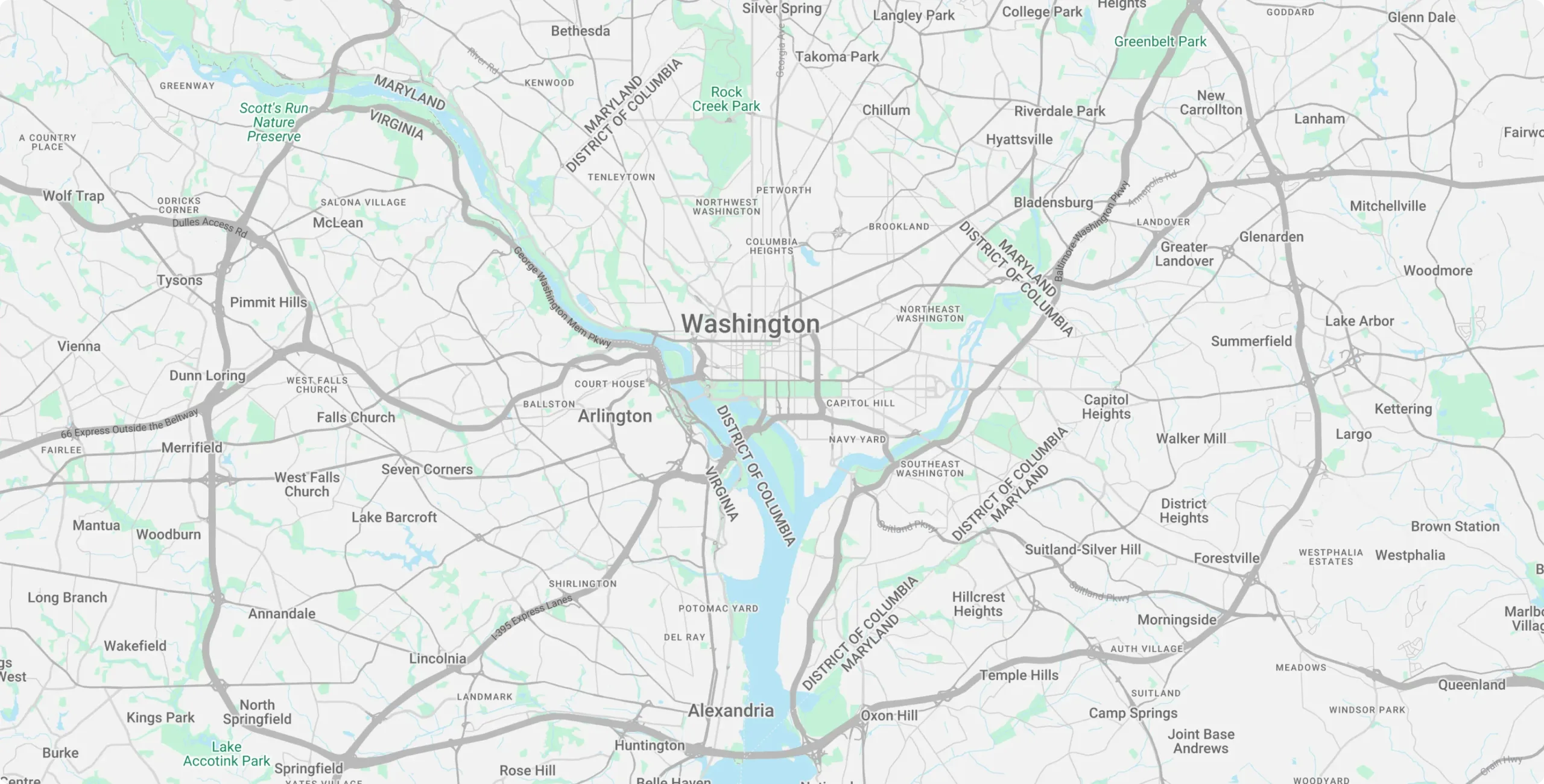
AREAS WE SERVE
At FloodTech USA, we specialize in comprehensive solutions for all your water-related concerns. From precision leak detection and water damage repair to mold remediation, sealing, resurfacing, and full-scale restoration services—our certified team delivers dependable results with unmatched professionalism.
PROTECTING PROPERTY, RESTORING PEACE OF MIND
At FloodTech USA, our team of certified home and commercial restoration specialists brings over 30 years of combined expertise in water damage mitigation, mold remediation, fire and smoke restoration, and structural recovery. Every technician on our crew is fully trained, licensed, and committed to delivering prompt, professional, and compassionate service during your most difficult times.
We know that emergencies don’t wait for business hours. That’s why our restoration services are available around the clock—24 hours a day, 7 days a week, 365 days a year. Whether it’s a burst pipe in the middle of the night or fire damage over a holiday weekend, we’re ready to respond immediately to protect your property and begin the recovery process without delay.