


Water Damage Restoration in Fairfax, VA
Water damage can disrupt your home or business in minutes, but the effects can linger for weeks or months if moisture is not removed correctly. In Fairfax, VA, properties range from older single-family homes with aging plumbing to modern condos, office buildings, and mixed-use spaces with complex mechanical systems. That variety means water damage shows up in different ways, spreads through different pathways, and requires restoration that’s tailored to the structure—not a one-size-fits-all approach.
FloodTech USA provides professional water damage restoration in Fairfax, VA with one goal: restore the property safely, thoroughly, and efficiently by controlling moisture at every stage. Water damage is not just “water on the floor.” It is moisture inside materials, humidity trapped in enclosed cavities, and water migration into adjacent rooms and structural systems. If the drying process is incomplete—or if the water source isn’t addressed—damage can return as warped flooring, weakened drywall, odors, and secondary deterioration that costs more to repair later.
This page is focused on water damage restoration in Fairfax: the causes we see most often, how water behaves inside Fairfax buildings, what professional drying actually involves, what to expect during the restoration timeline, and how to reduce the risk of another water event in the future. If you need urgent help, FloodTech USA offers 24/7 emergency response in Fairfax to extract water quickly, map moisture accurately, and begin a controlled drying plan designed to protect the structure and shorten downtime.
WHY FLOODTECH USA?
WE’RE HERE FOR YOU
24 HOURS A DAY, 7 DAYS A WEEK.

Water Damage Restoration in Fairfax Requires More Than Cleanup
Fairfax weather patterns, property layouts, and building materials can combine to create water damage that spreads invisibly. Finished basements, lower-level bedrooms, and remodeled bathrooms are common in the area, and these spaces often include layered flooring systems, insulation, and tightly sealed walls that hide moisture. A leak that seems “small” can saturate a subfloor, wick up drywall, and travel through wall cavities before you see clear signs.
Professional water damage restoration is a structured process that addresses:
Moisture removal from both visible and hidden areas
Standing water is only part of the loss. Moisture remains in materials long after surfaces look dry. Controlled drying focuses on the structure itself—drywall, framing, subfloors, insulation, and cavities—using professional equipment and measured moisture goals.
Prevention of secondary damage
Water can quickly lead to swelling, softening, delamination, corrosion, staining, and material failure if not handled early. In addition, high humidity and hidden moisture create conditions that can support microbial growth. FloodTech USA focuses on drying and moisture control to reduce the chance of secondary issues.
Restoration back to a stable, usable condition
Effective restoration is not “good enough to look better.” It means verifying the structure is dry to appropriate standards and then completing repairs so the property can return to normal use with confidence.
Water Damage Risks Common to Fairfax Properties
Fairfax includes established neighborhoods with older plumbing, as well as newer developments with modern materials that still respond poorly to moisture. Regardless of age, most Fairfax buildings share a few common water risk patterns.
Aging plumbing in older neighborhoods
Older supply lines, shutoff valves, and pipe joints can fail suddenly or develop slow leaks that cause prolonged moisture exposure inside walls and under floors. Even a small pinhole leak can create a large restoration scope when it stays hidden.
Finished basements and lower-level living spaces
Basements are common in Fairfax and frequently finished into family rooms, guest bedrooms, offices, or gyms. These spaces often include carpeting, drywall finishes, baseboards, and sometimes built-ins that can become saturated quickly. Lower-level areas also tend to trap humidity, which makes precise drying even more important.
Seasonal rain and stormwater runoff
Heavy rainfall can overwhelm exterior drainage, funnel water toward foundations, and increase seepage through cracks or penetrations. Water may enter beneath doors, through window wells, or along foundation joints, spreading across finished flooring systems.
HVAC condensation and drainage failures
Condensate lines, drain pans, and mechanical closets can become a source of water loss. Because HVAC systems operate in enclosed areas, moisture can spread into drywall, framing, and flooring before it’s detected.
Sudden cold snaps and pipe freezes
When temperatures drop quickly, supply lines can freeze and burst. The resulting water release can be significant, saturating multiple floors and traveling downward through ceilings, walls, and chases.
Multi-unit buildings and shared plumbing
Condos, apartments, and multi-tenant commercial buildings can experience water damage that originates from another unit or a common mechanical space. In these scenarios, water can travel through shared walls and ceilings, creating hidden moisture zones that require careful mapping.
Common Causes of Water Damage in Fairfax, VA
Water damage can start with a dramatic event—like a burst pipe—or a subtle issue—like a slow appliance leak. FloodTech USA responds to residential and commercial water losses throughout Fairfax, including:
Burst or leaking water supply lines
Supply lines can fail at fittings, behind walls, near shutoff valves, or at connections to sinks, toilets, and appliances. A small leak can saturate cabinetry toe-kicks, baseboards, and subfloors before you notice.
Broken or frozen pipes
Frozen pipes can split and then release water when they thaw. Pipe breaks may occur in walls, ceilings, crawlspaces, basements, or under slab penetrations.
Overflowing sinks, tubs, and toilets
Overflows often spread across multiple rooms, especially if the water crosses door thresholds and enters carpeted areas or adjacent rooms with different flooring types.
Drain line failures and backups
Drain and sewer line issues require careful handling due to contamination potential. Restoration may involve more intensive cleaning and selective removal of affected porous materials, depending on conditions.
Sump pump failures
Sump pumps can fail during heavy rain or power outages, allowing water to rise and spread across basement floors. If the basement is finished, the damage can move quickly into walls and flooring systems.
Roof leaks and flashing failures
Roof leaks often show up as ceiling stains, but the true moisture path can be larger than the visible area. Water can travel along trusses, insulation, and ceiling cavities before dripping into a room.
Water heater, dishwasher, and washing machine leaks
Appliance failures are common sources of water damage, especially when hoses degrade or internal components fail. These losses frequently affect adjacent cabinetry, drywall, and flooring transitions.
HVAC drainage and condensation issues
Clogged condensate drains, cracked pans, and humidity-related condensation can cause water to accumulate in mechanical closets and then wick into surrounding materials.
No matter the cause, the first priorities are to stop the water source when possible, protect safety, and begin professional extraction and drying quickly.
24/7 Emergency Water Damage Response in Fairfax
Water damage doesn’t follow a schedule. FloodTech USA offers 24/7 emergency water damage restoration response in Fairfax, VA to reduce damage and start recovery sooner.
What emergency response is designed to accomplish
Emergency response is about stabilization. The first hours after a water event determine how far water spreads and how much material becomes unsalvageable. Rapid action can reduce the need for extensive removal and can shorten the overall drying timeline.
What to expect when our team arrives
FloodTech USA emergency response typically includes:
Rapid on-site assessment
We identify the source (or likely source) of the water loss, the impacted areas, and the materials affected. We also look for safety concerns such as wet electrical zones, ceiling saturation, and slip hazards.
Assistance locating and shutting off water sources
If the water source is active, stopping it is urgent. Many property owners know where the main shutoff is, but not all do—especially in commercial properties or older homes. We help you locate the correct shutoff points when possible.
Containment to prevent further spread
Containment can include isolating wet areas, managing airflow pathways, and protecting unaffected rooms. The goal is to keep water and humidity from migrating farther than necessary.
Immediate water extraction
We remove standing water using professional extraction methods designed for volume and speed.
Initial moisture mapping and documentation
Moisture mapping uses specialized tools to identify wet zones behind walls and beneath floors. Documentation supports the restoration plan and can also help with insurance-related reporting.
Why the first 24 hours matter
Even “clean” water can become more problematic over time, and materials begin changing as soon as they absorb moisture. Drywall can swell, wood can expand, and adhesives can weaken. Fast extraction and controlled dehumidification reduce these impacts and help protect structural components.
The Water Damage Restoration Process FloodTech USA Uses in Fairfax
Professional restoration works best when it follows a clear system—one that starts with accurate assessment and ends with verified dryness and complete repairs. Here is how FloodTech USA approaches water damage restoration in Fairfax, VA.
Step 1: Inspection, moisture mapping, and scope planning
We begin by assessing:
Where the water originated
Knowing the origin helps determine how far water may have traveled and what materials are most vulnerable.
How long water has been present
Time affects absorption depth, drying requirements, and the likelihood of secondary deterioration.
Which rooms and materials are impacted
We check flooring transitions, baseboards, wall cavities, ceilings below wet zones, and adjacent rooms that may not show visible signs.
Moisture readings and thermal imaging
Moisture meters provide quantitative readings in materials. Thermal imaging can help locate temperature and moisture anomalies that indicate hidden water. These tools guide targeted drying and reduce guesswork.
Step 2: Water extraction and removal of bulk moisture
Standing water is removed quickly to prevent deeper saturation. Extraction methods are selected based on the amount of water, the flooring type, and the layout of the property.
Emergency water extraction areas we commonly address
In Fairfax properties, standing water often collects in:
- Basements and lower-level rooms
- Bathrooms and adjacent hallways
- Kitchens and dining areas near appliances
- Laundry rooms and utility spaces
- Commercial corridors, suites, and common areas
Step 3: Controlled structural drying and dehumidification
This is the core of water damage restoration. Drying is not just “blowing air.” It is a measured process that combines airflow, dehumidification, temperature control, and monitoring.
Air movers
Air movers increase evaporation by moving air across wet surfaces. Proper placement matters because airflow must reach wet zones without pushing moisture into unaffected areas.
Dehumidifiers
Dehumidifiers remove moisture from the air to keep evaporation working. Without dehumidification, humidity rises and drying slows dramatically.
Moisture monitoring and adjustments
Drying is adjusted based on actual readings. Equipment placement may change as materials dry at different rates. The goal is not just “dry enough to feel dry,” but dry enough to meet appropriate moisture targets for each material.
Step 4: Selective removal of materials when needed
Some materials can be dried successfully; others may require removal depending on saturation depth, condition, and the water situation.
Drywall decisions in Fairfax homes and offices
Drywall can absorb water quickly, especially near baseboards. If only the lower portion is affected and conditions allow, controlled drying methods may be used. In other cases, selective removal helps access cavities and accelerate structural drying.
Flooring and subfloor evaluation
Hardwood, engineered wood, laminate, and carpet systems all respond differently. Subfloors can retain moisture, which is why moisture readings are essential before deciding what can be saved.
Cabinetry and built-ins
Cabinets made of particleboard or MDF often swell when wet. Solid wood elements may be more salvageable if drying begins quickly, but each case depends on absorption and construction details.
Step 5: Cleaning, detail work, and odor control
Even when water is clean at the source, moisture can pull residues from building materials and create unpleasant odors. After drying, we clean affected surfaces and address odors at the source.
Why odors persist after water events
Odors often come from:
- Damp carpet padding
- Moisture trapped under flooring
- Wet drywall paper backing
- Stagnant humidity inside cavities
True odor control requires dryness verification and targeted cleaning, not masking agents.
Step 6: Repairs and reconstruction
FloodTech USA provides full repairs after mitigation so you do not have to coordinate multiple contractors. This helps maintain consistency and keeps the project moving.
Repairs may include:
- Drywall replacement and finishing
- Painting and trim restoration
- Flooring repair or replacement
- Baseboard and door casing replacement
- Ceiling repairs from upper-level leaks
- Subfloor stabilization and localized framing repairs when required
Step 7: Final verification and project closeout
A successful restoration ends with verification. We confirm moisture levels are within acceptable ranges and that repairs are completed to return the space to stable, normal use.
Professional Water Extraction and Drying in Fairfax
Water extraction and drying is where restoration succeeds or fails. Many water losses look manageable on the surface, but hidden moisture is what leads to long-term problems. FloodTech USA focuses on thorough moisture control because it protects your structure and reduces the chance of future issues.
Emergency water extraction: speed and strategy
Extraction is not only about removing water quickly. It is also about preventing spread. Water can migrate through seams, under baseboards, and into subfloor layers. Our approach prioritizes:
Fast removal of standing water
High-capacity extraction reduces contact time between water and porous materials.
Addressing trapped water in carpets and pads
Carpet can hold water in fibers and padding. Even after surface extraction, moisture remains below unless treated properly.
Identifying “low points” and migration pathways
Water follows gravity and easiest pathways. We check transitions between rooms, below stairwells, and around penetrations where water can move into cavities.
Structural drying: what “dry” actually means
A room can look dry while the wall cavity behind it remains wet. Structural drying means removing moisture from:
- Drywall cores and paper backing
- Studs and framing
- Insulation (when present)
- Subfloors and underlayment
- Ceiling cavities below leaks
- Base plates and hidden joints
Why controlled drying matters more than “more fans”
Too much airflow without dehumidification can increase humidity and spread moisture. Controlled drying balances airflow and moisture removal, and it is guided by measurements. This is especially important in Fairfax where seasonal humidity can slow drying if not managed.
How Water Moves Through Fairfax Buildings
Understanding how water travels helps explain why professional moisture mapping is so important. Water rarely stays where you first see it.
Wicking up walls and trim
Drywall and baseboards can wick moisture upward. You may see a stain line, bubbling paint, or softened baseboard corners, but moisture may extend higher than the visible line depending on time and material composition.
Traveling under floors
Water can move beneath:
- Hardwood and engineered wood
- Laminate planks
- Vinyl and sheet flooring edges
- Carpet transitions
- Tile assemblies through grout lines
Moisture can collect under flooring and remain hidden, which is why readings and targeted drying are essential.
Spreading through cavities
Wall cavities and ceiling cavities act like channels. Water can run along framing members, electrical penetrations, and plumbing chases, then appear far from the original source.
Dropping to lower levels
In multi-story homes and commercial buildings, water often travels down through:
- Ceiling drywall and light fixtures
- HVAC returns and chases
- Stairwell framing
- Plumbing walls that pass through multiple floors
Professional inspection checks lower levels even when visible water seems limited upstairs.
Fairfax Building Materials and How Water Affects Them
Fairfax properties include a mix of building eras and materials. Each material responds differently to water exposure, and those differences drive restoration decisions.
Drywall and interior wall systems
Drywall absorbs water quickly. Once saturated, it can lose strength, swell, and become unstable. Even when the surface appears dry, the core can remain wet. Drying and restoration decisions depend on saturation depth, time, and access for proper airflow.
H4 Signs drywall may be holding hidden moisture
- Softness near baseboards
- Bubbling paint or peeling texture
- Warped trim or lifted caulk lines
- Musty odor near walls
Flooring materials and subfloor systems
Fairfax homes often include a mix of hardwood, engineered wood, laminate, tile, carpet, and luxury vinyl. Water impacts each differently.
Hardwood flooring
Hardwood can cup, crown, or buckle as it absorbs moisture. The subfloor beneath hardwood may become wet as water migrates through seams or under edges.
Engineered wood and laminate
These materials often swell at seams when wet. Once swelling occurs, boards may not return to their original shape, and replacement can be necessary.
Tile and stone flooring
Tile surfaces resist water, but moisture can penetrate grout lines and collect underneath. That moisture can affect the subfloor, loosen tiles over time, and create hidden dampness.
Carpet and padding
Carpet can be cleaned and dried in some situations, but padding commonly retains moisture and odors. The longer it stays wet, the more likely it becomes a source of ongoing odor and deterioration.
Wood framing and structural components
Wood framing can retain moisture for extended periods. If drying is incomplete, framing may remain damp behind finished surfaces. The goal is to dry framing to stable moisture levels so it does not continue to release humidity into the structure.
Insulation and moisture retention
Insulation can trap moisture in wall cavities. Depending on the type, wet insulation may lose performance and slow structural drying. Proper restoration evaluates cavity conditions so drying is not blocked.
Ceilings and upper-level water damage
Ceilings often show stains or sagging when water from above saturates drywall. Ceiling cavities can spread water beyond the visible stain. Restoration requires careful assessment for structural safety and complete drying above the ceiling plane.
Cabinetry and built-ins
Many cabinets use composite materials that swell when wet. Early drying improves the chance of saving certain components, but restoration decisions depend on material composition, saturation, and construction.
Electrical considerations around water exposure
Water near outlets, fixtures, and wiring pathways can create safety risks. Drying plans account for electrical safety, and areas are approached cautiously until conditions are safe.
Categories of Water Damage: Clean, Gray, and Black Water
Not all water damage is the same. The type of water involved affects safety protocols, cleaning requirements, and material decisions. Professional restoration classifies water into categories commonly described as clean, gray, and black.
Clean water damage
Clean water originates from a sanitary source, such as a supply line or faucet. It can still cause major structural damage and must be addressed quickly because materials absorb moisture fast. Even clean water can become more problematic over time if it remains in the structure.
Gray water damage
Gray water contains a moderate level of contamination, often from appliances, washing machine discharge, or certain overflow situations. It requires more careful cleaning and may limit what porous materials can be safely saved, depending on exposure and conditions.
Black water damage
Black water involves high contamination and requires strict handling and cleaning protocols. The restoration approach prioritizes safety, selective removal of affected porous materials, and thorough cleaning to restore a healthy environment.
Why water category matters even if damage “looks small”
Two water losses that look identical on the surface can require different restoration steps depending on water conditions. Professional assessment helps ensure the restoration approach matches the reality of the loss.
Mold Prevention During Water Damage Restoration
This page is focused on water damage restoration, and mold prevention is part of doing water restoration correctly. Moisture control is the central strategy for reducing the likelihood of microbial growth.
How quickly moisture can become a problem
In many environments, moisture that remains in materials for extended periods can support microbial activity. That’s why the first 24–48 hours matter, and why controlled drying and dehumidification are essential.
How FloodTech USA supports mold prevention through restoration practices
Our approach includes:
Rapid extraction to reduce saturation time
Less time in contact with water reduces how deeply materials absorb moisture.
Controlled dehumidification to keep humidity low
Keeping indoor humidity controlled supports effective drying and reduces conditions that encourage microbial issues.
Antimicrobial applications when appropriate
In many water losses, applying professional antimicrobial products to affected areas is part of a comprehensive moisture-control plan.
Verification that materials reach appropriate dryness targets
Drying is not complete until readings confirm the structure is within appropriate moisture ranges.
What Happens If Water Damage Is Ignored or Improperly Handled
Water damage often starts quietly—a damp corner of carpet, a stain on the ceiling, a soft baseboard. The risk is that moisture continues working behind the scenes even when the surface looks better.
Hidden moisture continues to spread
Water migrates. It moves through porous materials, travels along framing, and settles in cavities. If moisture is not removed, the affected area expands.
Structural materials begin to deteriorate
Wet drywall weakens. Subfloors soften. Wood can warp. Adhesives can fail. Even small leaks can create expensive repair scopes if the damage is allowed to continue.
Flooring and finishes fail later
Hardwood can buckle weeks after a water event. Laminate can swell and separate. Paint can bubble after moisture cycles through walls. These delayed failures are common when drying is incomplete.
Indoor comfort and usability decline
Persistent humidity and damp materials can create odors and discomfort. In commercial spaces, that can impact operations and customer experience.
Repair costs increase over time
The longer water remains in materials, the more likely removal and reconstruction become necessary. Early mitigation is typically more efficient and less disruptive than delayed response.
The Water Damage Restoration Timeline: What to Expect in Fairfax
Every water loss is different, but most restoration projects follow a predictable sequence. Knowing the general timeline helps you plan around repairs, occupancy, and daily routines.
First hours: discovery, safety, and response
Once water damage is discovered, the first priorities are to stop the source (if possible), avoid electrical hazards, and begin professional mitigation. Early response reduces spread.
Day 1: inspection, extraction, and drying setup
Most projects begin with inspection and moisture mapping, followed by water extraction and the installation of drying and dehumidification equipment. The equipment is positioned based on readings and material conditions.
Days 2–5: controlled drying with monitoring
Drying often takes several days. During this phase, moisture readings guide equipment adjustments. Some materials dry faster than others, and hidden moisture zones may require targeted airflow or access points.
Material decisions during drying
As drying progresses, we evaluate what can be restored and what requires replacement. The aim is to protect the structure while avoiding unnecessary removal.
After drying: cleaning and preparation for repairs
Once the structure is dry, the space is cleaned and prepared for repairs. Odor control and detail cleaning are addressed at this stage.
Repairs and reconstruction: restoring the property to normal use
Repairs may take a few days for minor losses or longer for extensive projects. FloodTech USA manages repairs as part of the restoration process so you can move forward without coordinating multiple vendors.
Final verification and completion
Before closeout, we verify dryness and complete final checks so you have confidence the project is finished properly—not just cosmetically.
Residential Water Damage Restoration in Fairfax
Water damage at home is personal. It affects comfort, routines, and the spaces you rely on every day. FloodTech USA provides residential water damage restoration in Fairfax with careful attention to layout, finishes, and occupancy needs.
Homes we commonly restore in Fairfax
We work with:
- Single-family homes
- Townhomes and duplexes
- Condominiums and apartments
- Older homes with original plumbing and finishes
- Newer construction with modern materials
Water damage in kitchens
Kitchen water damage often involves cabinetry, toe-kicks, flooring transitions, and walls adjacent to dishwashers, sinks, or refrigerators. Water can travel under cabinets and into subfloors before it becomes visible. Restoration focuses on extraction, moisture mapping, and drying beneath and behind affected areas.
Water damage in bathrooms
Bathrooms contain multiple supply lines and fixtures. Water can spread through vanity bases, behind tub surrounds, and into adjacent rooms through flooring seams. Drying may require careful access planning to remove hidden moisture without over-demolition.
Water damage in basements
Basement water damage often impacts large floor areas quickly. Finished basements may include carpeting, drywall, and multiple rooms. Restoration requires rapid extraction, humidity control, and careful inspection of wall bases and concealed cavities.
Water damage in ceilings and upper floors
A leak above a ceiling can affect insulation, drywall, lighting fixtures, and adjacent rooms. The visible stain is rarely the whole story. Restoration includes mapping above the ceiling plane and drying structural members and cavity spaces.
Keeping the home livable during restoration
When possible, we plan drying and repairs to reduce disruption. Some areas may be contained to keep unaffected rooms usable. Clear communication helps you understand what rooms are affected, where equipment will run, and what the daily plan looks like.
Commercial Water Damage Restoration in Fairfax
Commercial water damage often involves more than repair. It can disrupt operations, delay services, and create safety concerns for staff and customers. FloodTech USA provides water damage restoration for Fairfax businesses with an emphasis on minimizing downtime and maintaining clear documentation.
Commercial properties we commonly serve
We restore water damage in:
- Office buildings and suites
- Retail stores and shopping centers
- Restaurants and food service areas
- Medical and dental offices
- Schools and community facilities
- Multi-unit residential common areas and management spaces
Business continuity and scheduling
Commercial restoration often requires phased work, after-hours equipment checks, and careful coordination to keep essential areas accessible. We plan drying and repairs with operations in mind, while still meeting the moisture-control goals needed for a proper restoration.
Documentation and communication
Commercial projects benefit from clear reporting, moisture logs, and photo documentation. This supports internal decision-making, property management coordination, and insurance claim processes when applicable.
Why Fast Response Matters for Water Damage in Fairfax
Water damage is time-sensitive because water keeps moving and materials keep absorbing. Rapid response can reduce the scope of removal, shorten drying time, and protect structural components.
Fast, professional restoration helps reduce the risk of:
Structural deterioration
Wood, drywall, and subfloors weaken with prolonged moisture exposure.
Increased repair costs
Small losses can become major reconstruction projects when moisture spreads.
Extended downtime
For businesses, every day matters. For homeowners, every delay can increase disruption.
Persistent odors and humidity issues
Odors are often a sign of trapped moisture. Proper drying prevents the conditions that cause them.
Preventing Future Water Damage in Fairfax Properties
After restoration, many property owners want to know how to reduce the chance of another water event. While no property is immune, strategic maintenance and upgrades can significantly lower risk.
Plumbing prevention steps
Inspect supply lines and valves
Check for corrosion, mineral buildup, and slow drips under sinks and behind toilets.
Replace aging hoses on appliances
Washing machine hoses and dishwasher lines should be replaced before they fail. Consider braided supply lines for added durability.
Monitor water pressure
High water pressure can strain pipes and fittings. A plumber can test pressure and recommend adjustments when necessary.
Basement and foundation awareness
Maintain exterior drainage
Keep gutters and downspouts clear, and ensure downspouts route water away from the foundation.
Watch for seepage signs
Efflorescence, damp corners, and recurring musty odors can indicate moisture intrusion pathways.
Test sump pumps
Test sump pumps before heavy rain seasons and consider battery backup options if your property depends on pumping.
Roof and attic prevention steps
Schedule periodic roof inspections
Damaged shingles, flashing issues, and penetrations can allow slow leaks that spread into ceiling cavities.
Keep attic ventilation balanced
Proper ventilation supports moisture management and reduces condensation-related issues that can contribute to water staining and dampness.
HVAC moisture prevention
Keep condensate drains clear
Clogged drains can overflow and damage mechanical closets and adjacent rooms.
Inspect drain pans and lines regularly
Small issues can create repeated moisture events. Routine maintenance helps keep systems operating as intended.
Smart leak detection options
Leak detection sensors can alert you early—especially helpful in finished basements, near water heaters, and under sinks. Early detection reduces how long water sits in materials.
Practical habits that reduce risk
- Know where the main water shutoff is located
- Check under sinks and around appliances periodically
- Don’t ignore small stains or musty odors
- Address slow leaks immediately, even if they seem minor
Prevention and fast response work together. The goal is to reduce the chance of water damage and minimize impact if it occurs again.
The Importance of Professional Moisture Mapping in Water Damage Restoration
Moisture mapping is one of the most important steps in professional water damage restoration because water rarely stays where you can see it. Even when standing water is removed and surfaces appear dry, moisture can remain trapped inside walls, beneath flooring, within insulation, and along structural framing. If that hidden moisture is not identified and addressed, the restoration may look successful at first but fail later through warped materials, lingering odors, recurring dampness, and avoidable rebuild costs.
Professional moisture mapping is the process of locating, measuring, documenting, and monitoring moisture throughout a structure after a water loss. It turns restoration from a guessing game into a controlled plan based on real data. Instead of drying “the room,” moisture mapping identifies exactly what building materials are wet, how far water traveled, and what it will take to return the structure to a stable, dry condition.
Why Water Damage Is Often Larger Than It Looks
Water damage commonly appears as a visible puddle, a stain on drywall, or damp carpet near an appliance. The problem is that water moves through structures in ways that are difficult to detect without the right tools.
Water migration through porous materials
Drywall, wood, subflooring, and insulation absorb water readily. Moisture can wick upward from a wet floor into walls, travel laterally behind baseboards, and spread into adjacent rooms through flooring seams and gaps. A small leak under a sink can turn into a multi-room drying project once water migrates beneath cabinetry and into wall cavities.
Water movement through cavities and pathways
Wall cavities, ceiling voids, plumbing chases, and HVAC penetrations create channels where water can travel away from the original source. By the time you notice a ceiling stain, the moisture may already be spread across the cavity above it, affecting insulation, framing, and multiple sections of drywall.
“Looks dry” is not the same as “is dry”
A room can feel dry to the touch while moisture remains deep inside materials. Surface evaporation often creates a false sense of progress, especially when household fans are used. Without measurement, it is easy to stop drying too early, leaving moisture behind that continues to damage the structure.
What Professional Moisture Mapping Actually Does
Moisture mapping is not a single reading in one spot. It is a structured process used throughout water damage restoration to define the scope, guide equipment placement, and confirm when drying is complete.
Establishing the wet zone boundaries
The first goal is to identify the true footprint of the water damage. Technicians inspect visible areas, then use instruments to locate moisture beyond what the eye can see. The wet zone boundary determines how far drying equipment must reach and where selective removal may be needed for access.
Measuring moisture in specific materials
Different materials hold and release moisture differently. Moisture mapping involves taking readings in multiple material types, such as drywall, wood trim, subflooring, and framing. These readings help determine how saturated materials are and how quickly they are responding to drying.
Documenting moisture conditions for decision-making
Moisture mapping creates a record of the loss. Documentation helps justify drying strategies, supports consistent monitoring, and provides clarity when multiple parties are involved. It also helps restoration teams communicate progress and explain why certain materials can be saved while others require replacement.
Monitoring drying progress over time
Drying is a process, not a moment. Moisture mapping continues throughout the project to confirm that moisture levels are decreasing as expected. If certain areas plateau, it signals that equipment placement needs to change or that hidden pockets of moisture require additional access.
Tools Used in Professional Moisture Mapping
Professional water damage restoration relies on specialized tools because hidden moisture cannot be reliably found with visual inspection alone.
Moisture meters
Moisture meters measure moisture content in materials. Depending on the situation, technicians may use non-invasive meters for scanning larger areas and pin-type meters for more precise readings. This helps identify which wall sections, flooring zones, or framing members are still wet.
Thermal imaging
Thermal imaging cameras detect temperature differences that can indicate moisture patterns. Wet materials often cool differently than dry materials due to evaporation, creating visible anomalies on thermal scans. Thermal imaging is especially useful for locating moisture behind drywall or under flooring without immediate demolition, but it is most effective when paired with meter verification.
Hygrometers and environmental monitoring
Drying performance depends on the environment. Hygrometers measure relative humidity, temperature, and other conditions that influence evaporation and dehumidification. Mapping includes tracking environmental data so drying can be adjusted for efficiency and to prevent humidity from spreading into unaffected areas.
How Moisture Mapping Improves the Quality of Water Damage Restoration
Moisture mapping is not just “extra information.” It directly influences whether restoration succeeds long-term.
More accurate drying equipment placement
Air movers and dehumidifiers work best when positioned based on actual moisture conditions. Moisture mapping tells technicians where airflow is needed most, where dehumidification demand is highest, and where barriers such as cabinets or closed cavities could trap moisture. With accurate mapping, drying becomes targeted and efficient instead of excessive or misdirected.
Preventing missed wet areas that lead to future damage
The most common reason water damage problems reappear is missed moisture. A section of damp base plate behind a wall, a wet subfloor beneath a threshold, or moisture under kitchen cabinetry can remain long after “cleanup” is finished. Moisture mapping reduces this risk by systematically checking likely migration routes.
Reducing unnecessary demolition
Moisture mapping helps avoid removing materials that can be successfully dried. Without mapping, some projects become overly invasive because technicians or property owners assume the worst. With professional readings and verification, restoration can focus removal only where needed for access, contamination concerns, or unsalvageable saturation.
Protecting structural materials and finishes
Water changes materials over time. Wood can warp, adhesives can fail, and drywall can lose strength. Moisture mapping helps restoration teams respond early—before these changes become permanent—by identifying areas that need immediate drying attention.
Moisture Mapping and the Decision to Remove or Restore Materials
One of the most valuable uses of moisture mapping is guiding material decisions. Restoration is not simply removing everything that got wet. It’s determining what can be restored safely and what must be replaced to protect the structure.
Drywall and wall cavities
Moisture mapping reveals how high water wicked up the wall and whether the cavity behind drywall is wet. If the cavity contains insulation, moisture mapping helps determine if drying is possible or if removal is needed to prevent trapped moisture.
Flooring and subfloor systems
Moisture mapping is essential for flooring decisions because water can sit under flooring long after the surface dries. Mapping helps identify whether a subfloor is wet, whether moisture is spreading under adjacent rooms, and whether controlled drying can stabilize materials or if replacement is inevitable.
Cabinets and built-ins
Cabinet bases and toe-kicks often hide moisture. Mapping around and beneath these areas helps determine if moisture is trapped against walls and subfloors. This prevents the common scenario where cabinets look fine at first but later develop swelling, odors, or material failure.
Moisture Mapping Supports Clear Restoration Timelines and Expectations
Water damage restoration feels uncertain when you can’t see progress. Moisture mapping provides measurable milestones.
Drying goals based on comparison readings
Professionals often establish target dryness by comparing affected areas to unaffected “dry standard” areas of the same material. This creates a realistic endpoint: restoration is complete when readings return to acceptable ranges, not when the room “seems okay.”
Adjustments that keep projects moving
When drying slows, moisture mapping identifies why. Maybe airflow isn’t reaching a cavity, or humidity is too high, or moisture is trapped under a layer. With mapping, changes can be made quickly to keep the restoration timeline on track.
Why DIY Drying Often Fails Without Moisture Mapping
Household fans and basic wet vacuums can remove some surface moisture, but they do not provide the measurement needed to confirm dryness. DIY drying often fails because:
Hidden moisture is overlooked
Most property owners do not have tools to check inside walls or beneath floors. Moisture remains, even when surfaces feel dry.
Humidity management is incomplete
Drying requires dehumidification, not just airflow. Without measuring humidity and material moisture levels, it’s easy to create conditions that slow drying or spread moisture.
Drying stops too early
Without a map and ongoing readings, people often stop drying once the visible water is gone. That’s when long-term issues begin.
Moisture Mapping Is a Core Standard of Professional Restoration
Professional water damage restoration is built around control and verification. Moisture mapping is the method that supports both. It identifies where water traveled, guides drying strategy, confirms progress, and verifies completion. Without it, restoration becomes guesswork, and guesswork is what leads to recurring odors, material failure, and costly rework.
In water damage restoration, the goal is not just to dry what you can see. It’s to restore the structure to a stable, dry condition with confidence that moisture is no longer trapped inside the building. Professional moisture mapping makes that possible by turning an invisible problem into measurable, manageable data—so restoration is thorough, efficient, and built to last.
Why Fairfax Property Owners Trust FloodTech USA
FloodTech USA focuses on water damage restoration in Fairfax with a process built on accuracy, accountability, and measurable moisture control.
What sets our restoration approach apart
24/7 emergency response with fast local arrival
Water damage is time-sensitive. Rapid response reduces spread and protects materials.
Professional, structured drying plans
We don’t rely on guesswork. Drying is guided by moisture mapping, equipment strategy, and monitoring.
Advanced moisture detection tools
Hidden moisture is the most common reason for future problems. Our approach identifies and addresses it early.
Full structural repairs and reconstruction
Mitigation and repairs belong together. Handling both helps keep the project consistent and efficient.
Residential and commercial experience
Fairfax includes every property type, and restoration plans must match the building.
Clear documentation
Moisture readings, photos, and progress notes support transparency and help simplify claim-related steps when applicable.
Serving Fairfax and Surrounding Communities
FloodTech USA serves Fairfax, VA and surrounding Northern Virginia communities. Local familiarity helps because building types, seasonal moisture patterns, and property layouts influence how water losses behave and how drying should be planned.
Frequently Asked Questions
How quickly should water damage be addressed
Immediately. The first 24 hours are critical for preventing deeper saturation, reducing the chance of secondary damage, and shortening the drying timeline.
Can you work with my insurance company
Yes. We regularly coordinate with insurance providers and can assist throughout the claims process with documentation, estimates, and communication support.
Is water damage always an emergency
Yes. Even small leaks can cause serious hidden damage if left untreated. Water can spread into walls, flooring systems, and cavities long before the visible area looks severe.
Do you handle repairs after drying
Yes. FloodTech USA manages the entire restoration process, including repairs and reconstruction, so the property can return to normal use without you juggling multiple contractors.
Call FloodTech USA for Water Damage Restoration in Fairfax, VA
When water damage affects your home or business, response time and drying accuracy matter. FloodTech USA delivers trusted water damage restoration in Fairfax, VA with 24/7 emergency response, professional extraction, expert drying, moisture verification, mold prevention through moisture control, and complete repairs.
Call FloodTech USA today for emergency service or to schedule your free on-site inspection.
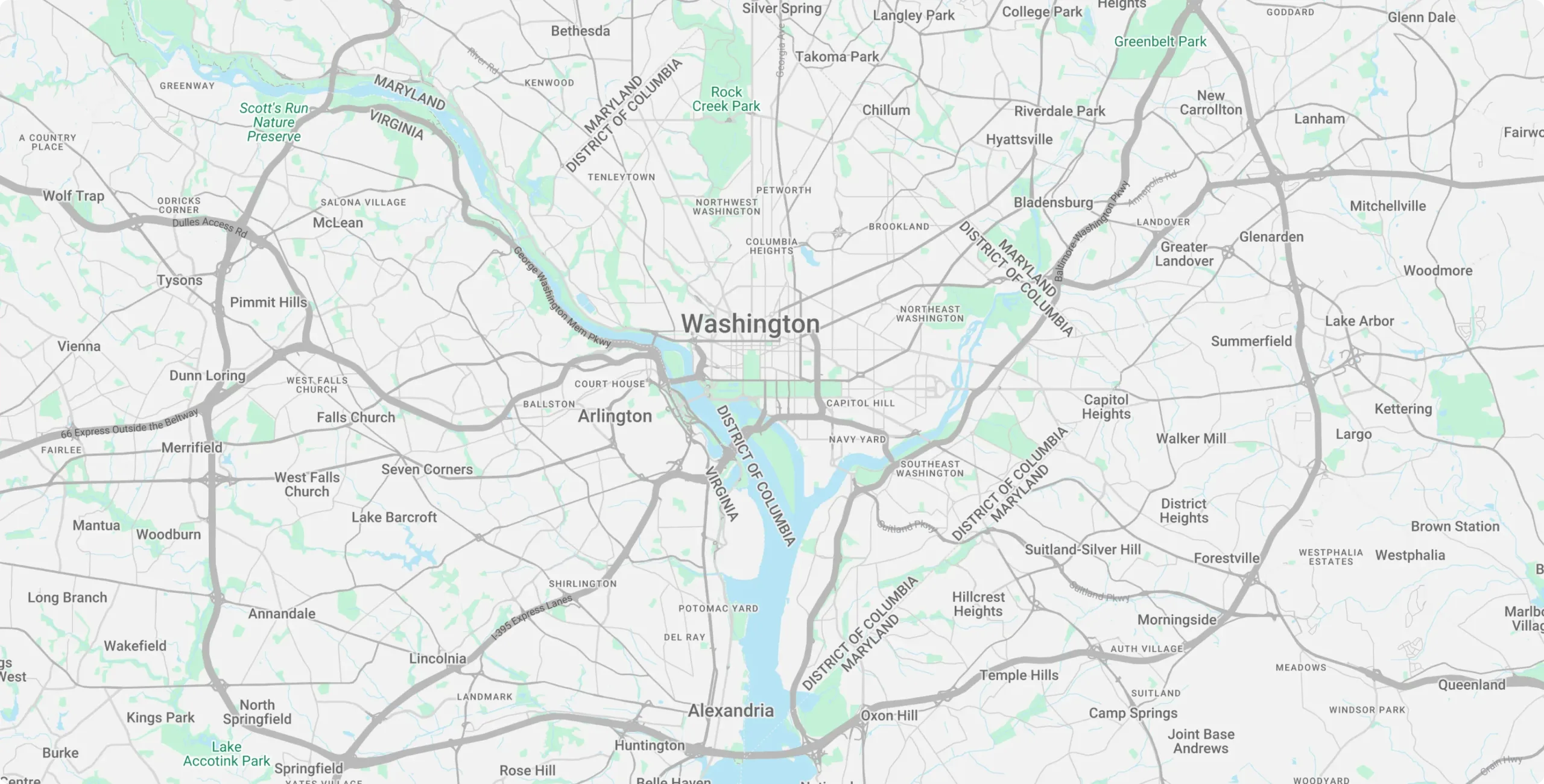
AREAS WE SERVE
At FloodTech USA, we specialize in comprehensive solutions for all your water-related concerns. From precision leak detection and water damage repair to mold remediation, sealing, resurfacing, and full-scale restoration services—our certified team delivers dependable results with unmatched professionalism.
PROTECTING PROPERTY, RESTORING PEACE OF MIND
At FloodTech USA, our team of certified home and commercial restoration specialists brings over 30 years of combined expertise in water damage mitigation, mold remediation, fire and smoke restoration, and structural recovery. Every technician on our crew is fully trained, licensed, and committed to delivering prompt, professional, and compassionate service during your most difficult times.
We know that emergencies don’t wait for business hours. That’s why our restoration services are available around the clock—24 hours a day, 7 days a week, 365 days a year. Whether it’s a burst pipe in the middle of the night or fire damage over a holiday weekend, we’re ready to respond immediately to protect your property and begin the recovery process without delay.