


Water Damage Restoration in Leesburg, VA
Water damage can affect any property in Leesburg, VA without warning. Whether caused by a burst pipe, storm-related intrusion, overflowing fixtures, or appliance failure, water can quickly spread throughout a structure and create serious problems. FloodTech USA provides professional water damage restoration in Leesburg, VA, helping homeowners and businesses respond quickly, limit damage, and restore their properties safely and efficiently.
When water enters a home or commercial building, time becomes a critical factor. Moisture begins penetrating flooring, drywall, insulation, and structural components immediately. Without proper intervention, the damage can escalate rapidly. Our team focuses exclusively on comprehensive water damage restoration, delivering fast response, thorough water removal, advanced drying, and complete structural restoration throughout Leesburg.
WHY FLOODTECH USA?
WE’RE HERE FOR YOU
24 HOURS A DAY, 7 DAYS A WEEK.

Professional Water Damage Restoration Services in Leesburg
Water damage restoration involves much more than removing visible water. Effective restoration requires a structured process that addresses both surface moisture and hidden water trapped within building materials. FloodTech USA follows a detailed restoration approach designed to return properties in Leesburg to safe, stable conditions.
Our water damage restoration services include emergency response, water extraction, moisture detection, structural drying, dehumidification, cleaning, sanitizing, and repairs. Every project is carefully assessed to determine the extent of the damage and to create a customized restoration plan.
Leesburg properties range from historic homes in established neighborhoods to modern residential communities and commercial buildings. Each property presents unique challenges when water damage occurs. Our team understands local construction styles and applies appropriate drying and restoration techniques based on the specific materials involved.
Common Causes of Water Damage in Leesburg, VA
Water damage in Leesburg can result from numerous sources. Identifying the cause is a critical step in preventing further damage and ensuring effective restoration.
Burst and Leaking Pipes
Plumbing failures are one of the leading causes of water damage in both residential and commercial properties. Pipes can burst due to age, corrosion, pressure buildup, or freezing temperatures during colder months. Even a small crack in a pipe can release significant amounts of water over time, especially if it goes unnoticed behind walls or beneath flooring.
Appliance Failures
Water heaters, washing machines, dishwashers, and refrigerators rely on water connections that can deteriorate over time. A failed hose or malfunctioning valve can release water quickly and affect surrounding floors, cabinets, and walls.
Overflowing Fixtures
Sinks, bathtubs, and toilets can overflow due to clogs, mechanical failures, or user error. If water spreads beyond tiled surfaces into adjacent rooms, it can soak into drywall and flooring materials.
Roof Leaks and Storm Intrusion
Heavy rainstorms in Leesburg can expose vulnerabilities in roofing systems. Missing shingles, damaged flashing, or deteriorated seals around vents and chimneys can allow water to enter attics and ceilings. Over time, roof leaks can damage insulation, wood framing, and interior finishes.
Basement Water Intrusion
Basements are particularly susceptible to water damage due to foundation cracks, poor drainage, or high groundwater levels. Water may seep through foundation walls or floors during periods of heavy rain, leading to persistent moisture problems.
Water Heater Leaks
Water heaters can corrode internally over time. A failed tank or loose connection can release large volumes of water into surrounding areas, especially if located in finished basements or utility rooms.
Regardless of the source, professional water damage restoration is essential to address both the immediate issue and any hidden moisture that may remain.
24/7 Emergency Water Damage Restoration in Leesburg
When water damage occurs, rapid response is critical. FloodTech USA provides 24/7 emergency water damage restoration in Leesburg, VA. Immediate action helps reduce structural damage, prevent mold growth, and minimize restoration costs.
Upon arrival, our team assesses the affected areas, identifies the water source, and begins mitigation efforts right away. Fast water extraction and stabilization reduce the risk of further deterioration.
The Water Damage Restoration Process
Restoring a property after water damage involves a systematic, multi-step process. Each stage is designed to eliminate moisture, protect structural integrity, and return the property to a safe condition.
Inspection and Assessment
The restoration process begins with a detailed inspection. Our technicians evaluate the extent of water intrusion, determine the category of water involved, and identify affected materials.
Advanced moisture detection equipment, including moisture meters and thermal imaging tools, helps locate hidden water behind walls, under flooring, and within structural components. This ensures no moisture pockets are overlooked.
Water Extraction
Removing standing water is the first critical step. Industrial-grade pumps and extraction equipment allow us to remove water quickly and efficiently from floors, carpets, and other affected areas.
Rapid water extraction limits further absorption into porous materials and helps stabilize the environment for drying.
Structural Drying and Dehumidification
After visible water is removed, drying begins. High-powered air movers promote evaporation, while commercial dehumidifiers remove excess moisture from the air.
Drying is carefully monitored to ensure all affected materials reach appropriate moisture levels. This phase typically lasts several days, depending on the severity of the damage and the types of materials involved.
Moisture Monitoring
Throughout the drying process, our technicians perform daily moisture readings. Adjustments to equipment placement are made as needed to ensure consistent and thorough drying.
Moisture monitoring helps prevent future problems caused by hidden dampness.
Cleaning and Sanitizing
Once drying is complete, affected areas are cleaned and sanitized. This step removes contaminants and helps eliminate odors caused by water exposure.
In cases involving contaminated water, additional disinfection measures are taken to ensure the environment is safe.
Repairs and Restoration
The final stage involves repairing or replacing damaged materials. This may include drywall replacement, flooring repair, painting, trim work, and other structural restoration tasks.
Our goal is to restore the property to its pre-damage condition efficiently and professionally.
Categories of Water Damage
Understanding the type of water involved in a damage event is essential for proper restoration.
Clean Water
Clean water originates from a sanitary source such as a broken supply line or appliance connection. While it does not initially pose health risks, it can quickly cause structural damage and may become contaminated if left untreated.
Gray Water
Gray water contains moderate contamination and may originate from appliances or plumbing fixtures. It requires careful cleaning and sanitation to prevent health risks.
Black Water
Black water is highly contaminated and may result from sewage backups or flooding from external sources. It requires extensive cleaning, disinfection, and removal of affected porous materials.
Professional classification ensures that appropriate restoration methods are used.
How Water Affects Building Materials in Leesburg
Different building materials respond differently to water exposure. Proper restoration depends on understanding these effects.
Drywall
Drywall absorbs water quickly, becoming soft and unstable. Prolonged exposure typically requires removal and replacement.
Hardwood Flooring
Wood flooring can swell, cup, and buckle when exposed to moisture. Immediate drying improves the chances of restoration.
Carpet and Padding
Carpet absorbs water rapidly. Padding beneath carpet often retains moisture and may need replacement if not dried quickly.
Wood Framing
Structural wood components can warp or rot when moisture remains trapped. Professional drying is essential to preserve structural integrity.
Insulation
Wet insulation loses its effectiveness and can harbor moisture. It often requires replacement after significant water exposure.
Consequences of Ignoring Water Damage
Delaying professional restoration can lead to serious complications.
Structural Deterioration
Prolonged moisture weakens wood, drywall, and other materials, increasing repair costs.
Mold Growth
Mold can begin developing within 24 to 48 hours of water exposure. Prompt drying helps prevent mold issues.
Electrical Hazards
Water can damage wiring and electrical systems, creating safety risks.
Increased Restoration Costs
The longer water damage remains untreated, the more extensive and costly repairs become.
Water Damage Restoration for Homes in Leesburg
Water damage in a home disrupts daily life and creates emotional stress. FloodTech USA works closely with homeowners in Leesburg to restore kitchens, bathrooms, basements, living areas, and other affected spaces.
Our team communicates clearly throughout the process, ensuring homeowners understand each step of the restoration.
Commercial Water Damage Restoration in Leesburg
Water damage can interrupt business operations and result in financial loss. We provide efficient water damage restoration for offices, retail spaces, and other commercial properties in Leesburg.
Our team works quickly to minimize downtime while maintaining safety and quality standards.
The Water Damage Restoration Timeline
Every water damage situation is unique, but most restoration projects follow a general timeline.
Day 1: Emergency Response and Extraction
Initial inspection and water removal begin immediately.
Days 2–4: Drying and Dehumidification
Drying equipment remains in place while moisture levels are monitored.
Days 5 and Beyond: Repairs and Restoration
Damaged materials are repaired or replaced once the structure is fully dry.
The exact timeline depends on the severity of the damage and the materials involved.
Preventing Future Water Damage in Leesburg
While not all water damage is preventable, proactive maintenance reduces risk.
Routine Plumbing Inspections
Regular inspections help identify leaks before they escalate.
Roof Maintenance
Addressing missing shingles or flashing prevents storm-related intrusion.
Drainage Management
Proper grading and gutter maintenance direct water away from foundations.
Monitoring Appliances
Replacing worn hoses and fittings helps prevent sudden failures.
Preventive measures protect both residential and commercial properties in Leesburg.
Why Prompt Water Damage Restoration Is Important
Acting quickly after water damage helps prevent structural weakening, mold growth, and escalating repair costs. Professional restoration ensures thorough drying and safe repairs.
How Hidden Water Damage Impacts Structural Integrity Over Time
Hidden water damage is one of the most serious threats to a building’s long-term stability. While visible flooding or standing water often prompts immediate action, concealed moisture behind walls, under flooring, or within structural components can quietly compromise a property over weeks, months, or even years. Without professional water damage restoration, this hidden moisture gradually weakens materials, reduces load-bearing capacity, and increases the risk of costly structural failure.
Water does not need to be dramatic or sudden to cause significant harm. A slow plumbing leak inside a wall cavity or minor roof intrusion in an attic can steadily saturate building materials. Because the damage is not immediately visible, it often goes unnoticed until major structural symptoms appear. By that time, restoration becomes more extensive and expensive.
Understanding how hidden water damage affects structural integrity highlights why thorough moisture detection and professional restoration are essential after any water intrusion event.
The Nature of Hidden Water Intrusion
Hidden water damage occurs when moisture penetrates areas that are not easily visible during a surface inspection. This may include wall cavities, ceiling voids, crawl spaces, insulation layers, subfloors, and structural framing.
Common Sources of Concealed Moisture
Hidden water often originates from small but persistent issues. Slow pipe leaks, improperly sealed windows, minor roof leaks, and appliance line drips can all release water gradually. Over time, that moisture spreads laterally and vertically, following gravity and absorption paths through porous materials.
Even condensation from HVAC systems can accumulate inside walls or ceilings, contributing to long-term moisture buildup. Because these sources may not produce obvious pooling or staining right away, structural damage can advance unnoticed.
Capillary Action and Material Absorption
Water spreads through building materials via capillary action. Porous materials such as drywall, wood, and concrete absorb moisture readily. Once water enters these materials, it can travel beyond the original point of intrusion.
Without professional drying, trapped moisture remains within these materials, slowly altering their physical properties and reducing their structural performance.
Effects on Wood Framing and Structural Supports
Wood is a primary structural component in many residential and commercial buildings. Floor joists, wall studs, roof trusses, and subfloors often rely on wood framing for support. Hidden moisture poses a significant threat to these elements.
Swelling and Warping
When wood absorbs moisture, it expands. This swelling can cause studs and joists to warp or bow, disrupting the alignment of walls and floors. Over time, these distortions can affect door frames, window openings, and overall structural geometry.
Even after surface drying, wood that was not properly dried internally may remain unstable.
Loss of Load-Bearing Capacity
Prolonged exposure to moisture weakens wood fibers. As the cellular structure of the wood breaks down, its ability to support weight diminishes. In severe cases, hidden rot develops, reducing the structural integrity of beams and supports.
Water damage restoration professionals use moisture meters and specialized drying equipment to ensure wood framing returns to safe moisture levels before repairs are completed.
Wood Rot and Decay
When moisture persists, fungi begin breaking down wood fibers. This process, commonly known as rot, gradually deteriorates structural components. Rot often begins in concealed areas, such as behind drywall or under flooring, where moisture remains trapped.
Left untreated, rotted framing may require partial reconstruction to restore structural stability.
Impact on Drywall and Interior Wall Systems
Drywall is highly susceptible to water absorption. Hidden water behind walls can cause significant internal deterioration before any visible signs appear.
Softening and Structural Weakness
When drywall absorbs moisture, it softens and loses rigidity. The gypsum core can begin to crumble, and fasteners may loosen. Over time, sections of wall may sag or crack as their structural integrity diminishes.
Water damage restoration includes evaluating whether drywall can be salvaged or must be removed to eliminate trapped moisture.
Hidden Mold Within Wall Cavities
Moist drywall combined with organic materials provides ideal conditions for mold growth. Mold weakens materials further while also affecting indoor air quality. Although mold is primarily a health concern, it also contributes to structural degradation when it spreads within framing systems.
Professional restoration addresses both moisture removal and contamination to prevent continued damage.
Subfloor and Flooring Compromise
Hidden water beneath finished flooring often goes undetected until visible buckling or unevenness occurs. By the time surface changes appear, structural layers beneath may already be compromised.
Delamination and Separation
Engineered wood flooring and subfloor panels can separate when exposed to prolonged moisture. Adhesives weaken, layers detach, and structural stability declines. Even concrete slabs can absorb water and transfer moisture upward into flooring materials.
Thorough drying of subfloors is critical to prevent ongoing deterioration.
Uneven Load Distribution
As subfloor materials warp or deteriorate, floors may become uneven. This can alter load distribution across joists and supports, placing additional stress on structural components.
Water damage restoration teams use specialized drying systems designed to reach beneath flooring materials and remove trapped moisture effectively.
Foundation and Concrete Degradation
Concrete is often perceived as impermeable, but it is porous and capable of absorbing water. Hidden moisture within concrete foundations and slabs can create long-term structural concerns.
Microcracking and Expansion
When moisture infiltrates concrete and temperature fluctuations occur, expansion and contraction can lead to microcracks. Over time, these small cracks may widen, compromising the foundation’s strength.
Proper water damage restoration includes addressing moisture intrusion at its source to protect foundational integrity.
Reinforcement Corrosion
Concrete foundations often contain steel reinforcement bars. Persistent moisture exposure can lead to corrosion of these reinforcements. As steel corrodes, it expands, causing internal pressure that further cracks the concrete.
Early detection and drying prevent these long-term structural effects.
Long-Term Structural Shifting
As multiple components weaken simultaneously, the overall structural system of a building can shift. Small changes in framing alignment, foundation stability, or floor levelness accumulate over time.
Wall and Ceiling Cracks
One of the first visible signs of long-term hidden water damage is cracking in walls or ceilings. These cracks often result from underlying structural movement caused by weakened framing or subfloor systems.
Door and Window Misalignment
When structural components warp or shift, door and window frames may become misaligned. Doors may stick or fail to latch properly, indicating deeper structural instability.
Addressing hidden moisture early through professional water damage restoration helps prevent these progressive structural changes.
Escalating Repair Costs Over Time
Hidden water damage rarely resolves on its own. As moisture remains trapped within structural elements, damage compounds.
From Minor Repairs to Major Reconstruction
What begins as a small leak requiring localized drying can escalate into widespread structural repair if ignored. Rotted framing, compromised subfloors, and foundation issues often require significant reconstruction.
Prompt water damage restoration limits the scope of repair and preserves structural components whenever possible.
Increased Risk of Secondary Damage
As structural elements weaken, they may expose other systems to damage. Electrical wiring, insulation, and HVAC components can become compromised as structural materials deteriorate.
Comprehensive restoration addresses all affected areas, preventing secondary structural failures.
The Role of Professional Water Damage Restoration
Hidden water damage requires more than visual inspection. Professional water damage restoration includes advanced moisture detection, controlled drying, and structural evaluation.
Moisture Mapping and Detection
Technicians use thermal imaging and moisture meters to identify concealed moisture. Moisture mapping ensures that all affected areas are addressed rather than only visible damage.
Controlled Structural Drying
Industrial air movers and dehumidifiers are strategically placed to remove moisture from framing, subfloors, and other hidden components. Drying is monitored to ensure materials return to safe moisture levels.
Preventing Long-Term Structural Deterioration
By eliminating moisture thoroughly, professional restoration protects structural integrity and prevents ongoing weakening. Early intervention preserves building materials and reduces the need for major repairs.
Protecting Structural Integrity Through Early Action
Hidden water damage is one of the most damaging forms of structural deterioration because it progresses quietly. Over time, trapped moisture weakens wood framing, degrades drywall, compromises subfloors, and stresses foundations. Without proper water damage restoration, these effects compound and threaten the overall stability of a building.
Recognizing the risks of concealed moisture and responding promptly with professional restoration services protects structural integrity, preserves property value, and ensures long-term safety. Acting early is the most effective way to prevent hidden water damage from turning into a major structural crisis.
The Importance of Professional Moisture Mapping in Water Damage Restoration
Water damage restoration is not simply about removing standing water and setting up drying equipment. One of the most critical and often overlooked components of successful restoration is professional moisture mapping. Moisture mapping is the systematic process of identifying, measuring, and documenting the presence of water within a structure, including areas where moisture is not visible to the naked eye.
Without accurate moisture mapping, water damage restoration efforts may only address surface-level problems while leaving hidden moisture trapped inside walls, floors, ceilings, and structural components. This residual moisture can lead to structural deterioration, mold growth, material failure, and recurring damage. Professional moisture mapping ensures that restoration is thorough, targeted, and effective from start to finish.
What Is Moisture Mapping in Water Damage Restoration
Moisture mapping is the process of detecting and recording moisture levels throughout an affected property to determine the full extent of water intrusion. It involves the use of specialized tools and systematic documentation to create a clear picture of where water has traveled and how deeply it has penetrated building materials.
Identifying Both Visible and Hidden Moisture
Water rarely stays confined to one area. It travels through porous materials, spreads beneath flooring, seeps into wall cavities, and migrates along structural framing. While visible staining or pooling may indicate the most obvious damage, hidden moisture often extends far beyond what can be seen.
Professional moisture mapping identifies these concealed pockets of water. By thoroughly scanning affected areas, restoration technicians can detect moisture inside drywall, under subfloors, behind cabinetry, and within insulation.
Establishing a Baseline for Drying
Before drying begins, technicians must understand the scope and severity of the water intrusion. Moisture mapping establishes baseline readings that indicate how saturated materials are at the start of restoration. These baseline measurements guide equipment placement and drying strategies.
Accurate mapping ensures that the drying process targets the right areas and that no moisture zones are overlooked.
Tools Used in Professional Moisture Mapping
Moisture mapping relies on advanced equipment designed specifically for water damage restoration. These tools allow technicians to detect moisture levels that are not visible on the surface.
Moisture Meters
Moisture meters measure the moisture content within materials such as wood, drywall, and concrete. Pin-type meters penetrate materials to provide internal readings, while non-invasive meters scan surfaces without causing damage.
These readings help determine whether materials can be dried in place or require removal.
Thermal Imaging Cameras
Thermal imaging cameras detect temperature variations within walls, ceilings, and floors. Areas containing moisture often appear cooler than dry areas due to evaporation. Thermal imaging allows technicians to identify hidden moisture patterns quickly and non-invasively.
While thermal imaging does not measure moisture content directly, it helps pinpoint areas that require further testing with moisture meters.
Hygrometers and Psychrometers
These instruments measure humidity levels in the air and calculate how moisture interacts with environmental conditions. Monitoring ambient humidity is essential for controlling the drying process and preventing secondary damage.
Together, these tools provide a comprehensive understanding of the moisture environment within a structure.
Why Surface Inspection Is Not Enough
Relying solely on visible signs of water damage can lead to incomplete restoration. Water frequently travels behind surfaces and accumulates in areas that appear dry externally.
The Risk of Incomplete Drying
If hidden moisture is not detected and dried properly, it can remain trapped inside structural components. Over time, this moisture weakens materials and creates conditions for mold growth.
Incomplete drying often results in recurring problems, such as warping floors, cracking drywall, musty odors, and structural instability.
Delayed Structural Deterioration
Moisture trapped within wood framing or subfloor systems gradually compromises structural integrity. Because the damage occurs out of sight, property owners may not realize the extent of deterioration until significant repairs are needed.
Professional moisture mapping eliminates guesswork and ensures that all affected areas are addressed during water damage restoration.
The Role of Moisture Mapping in Creating a Drying Plan
Effective water damage restoration requires a customized drying strategy. Moisture mapping provides the data needed to design that plan.
Determining Equipment Placement
Air movers and dehumidifiers must be strategically positioned to maximize airflow and moisture removal. Moisture mapping identifies the most saturated areas, guiding technicians in placing equipment where it will have the greatest impact.
Without accurate mapping, drying equipment may be concentrated in visible areas while hidden moisture remains untreated.
Adjusting Drying as Conditions Change
Moisture levels fluctuate throughout the drying process. Daily monitoring and updated moisture maps allow technicians to adjust equipment placement and airflow patterns as needed.
This adaptive approach ensures consistent progress and prevents over-drying or under-drying of specific materials.
Preventing Mold Growth Through Accurate Detection
One of the most significant risks associated with water damage is mold growth. Mold can begin developing within 24 to 48 hours when moisture remains present.
Identifying High-Risk Areas
Moisture mapping highlights areas with elevated moisture content, even if they appear dry on the surface. By targeting these zones early, restoration professionals can prevent mold colonies from forming inside wall cavities or beneath flooring.
Supporting Proper Sanitization
When contaminated water is involved, moisture mapping helps determine where cleaning and sanitization efforts should be concentrated. Identifying all affected areas ensures that microbial risks are fully addressed.
Preventing mold growth not only protects structural materials but also safeguards indoor air quality and occupant health.
Protecting Structural Integrity
Water weakens structural components over time. Professional moisture mapping plays a key role in preserving the stability of a building.
Safeguarding Wood Framing
Wood absorbs moisture quickly and can warp, swell, or rot if not dried properly. Moisture mapping ensures that framing members are thoroughly dried before repairs are completed.
Restoring wood to safe moisture levels maintains its load-bearing capacity and prevents long-term deterioration.
Preserving Subfloors and Structural Layers
Hidden moisture beneath flooring can compromise subfloors and adhesive systems. Moisture mapping allows technicians to identify damp areas beneath finished surfaces and apply specialized drying methods.
This approach reduces the likelihood of structural shifting or uneven flooring after restoration.
Documentation and Accountability
Moisture mapping also provides detailed documentation of the restoration process.
Recording Initial Conditions
Baseline moisture readings create a record of the property’s condition at the start of restoration. This documentation helps track progress and demonstrate that drying goals have been achieved.
Verifying Successful Drying
Final moisture readings confirm that materials have returned to acceptable moisture levels. This verification ensures that restoration meets professional standards and reduces the risk of future problems.
Accurate documentation provides peace of mind for property owners and supports transparency throughout the restoration process.
Reducing Long-Term Restoration Costs
Professional moisture mapping ultimately saves time and money by preventing incomplete drying and secondary damage.
Avoiding Repeat Damage
When hidden moisture is left untreated, recurring damage often follows. Warped floors, deteriorating drywall, and mold remediation can significantly increase costs.
Comprehensive moisture mapping prevents these setbacks by ensuring that the initial restoration is thorough.
Minimizing Material Removal
By identifying precisely where moisture is present, technicians can target affected areas without removing unnecessary materials. This precise approach reduces demolition and reconstruction costs.
The Difference Professional Expertise Makes
Moisture mapping requires training, experience, and specialized equipment. Professional water damage restoration teams understand how water behaves within structures and how to interpret moisture readings accurately.
Improper use of moisture detection tools can lead to false readings or missed areas. Skilled technicians combine technology with practical knowledge to create a complete and accurate moisture map.
Why Professional Moisture Mapping Is Essential in Water Damage Restoration
Moisture mapping is a foundational component of effective water damage restoration. It transforms the process from reactive cleanup to precise, data-driven recovery. By identifying hidden moisture, guiding drying strategies, preventing mold growth, and protecting structural integrity, professional moisture mapping ensures that restoration is complete and long-lasting.
Water damage does not always reveal its full extent immediately. Through detailed moisture mapping, restoration professionals uncover what cannot be seen, eliminate hidden risks, and restore properties to safe, stable conditions. Without this critical step, water damage restoration remains incomplete, leaving structures vulnerable to future deterioration.
Hidden Water Damage: Signs You Should Never Ignore
Hidden water damage is one of the most destructive and costly issues a property owner can face. Unlike obvious flooding or burst pipes that leave visible standing water, concealed moisture often develops quietly behind walls, under flooring, or within ceilings. Because it remains out of sight, it is frequently ignored until significant structural problems or mold growth appear. Understanding the warning signs of hidden water damage is essential for seeking professional water damage restoration before minor issues escalate into major repairs.
Water rarely stays confined to one area. It travels through porous materials, follows gravity, and spreads through structural systems. Even a slow drip behind a wall can compromise framing, drywall, and insulation over time. Identifying early indicators and acting quickly can prevent long-term structural damage and reduce restoration costs.
Why Hidden Water Damage Is So Dangerous
Hidden moisture creates ongoing deterioration that often worsens without immediate detection. Since the damage develops gradually, it may not trigger alarm until structural integrity is compromised.
Silent Structural Weakening
Moisture trapped inside wood framing, subfloors, or ceiling joists slowly weakens those materials. Wood absorbs water, swells, and may eventually rot. Over time, this reduces its load-bearing capacity. What begins as a minor leak can ultimately lead to sagging ceilings, uneven floors, or cracked walls.
Professional water damage restoration includes advanced moisture detection tools that locate hidden dampness before it causes irreversible structural failure.
Increased Risk of Mold Growth
Mold thrives in dark, damp, and enclosed spaces. Wall cavities, under-carpet padding, and attic insulation create ideal environments for mold colonies to develop when moisture is present. Mold can begin growing within 24 to 48 hours after water exposure.
Ignoring early signs of hidden water damage significantly increases the likelihood of mold contamination, which complicates restoration and impacts indoor air quality.
Musty or Persistent Odors
One of the earliest and most common signs of hidden water damage is a persistent musty smell.
Odors That Do Not Go Away
If a room smells damp or earthy despite cleaning and ventilation, trapped moisture may be present behind walls or under flooring. These odors often intensify during humid weather because increased moisture in the air activates hidden damp areas.
Masking the smell with air fresheners does not resolve the underlying issue. Professional water damage restoration identifies the moisture source and eliminates it completely.
Odor Concentration in Specific Areas
Pay attention to whether the odor is stronger near certain walls, cabinets, or floor sections. Concentrated smells often indicate localized hidden water intrusion.
Moisture mapping and inspection help determine the full extent of affected materials.
Discoloration and Staining
Water stains may appear gradually and often signal a larger hidden issue behind the surface.
Ceiling Stains
Brown or yellow discoloration on ceilings commonly indicates roof leaks or plumbing leaks from above. Even small stains can represent ongoing moisture accumulation within insulation and drywall.
Prompt water damage restoration prevents the damage from spreading to structural framing and additional ceiling areas.
Wall Streaking or Bubbling Paint
Peeling paint, bubbling finishes, or streaked walls often result from moisture trapped behind drywall. Water weakens adhesives and causes finishes to separate from the surface.
Ignoring these visual cues allows moisture to remain trapped and continue deteriorating wall systems.
Warping, Buckling, or Soft Flooring
Flooring materials are particularly sensitive to hidden water damage.
Hardwood Cupping or Buckling
Hardwood floors absorb moisture and expand. This expansion causes boards to cup, crown, or buckle. Even minor changes in floor level may indicate moisture beneath the surface.
Professional water damage restoration addresses not only visible floor damage but also the subfloor and underlying structural components.
Soft or Spongy Areas
If certain sections of flooring feel soft when walked on, hidden moisture may have weakened the subfloor beneath. Over time, this deterioration can lead to structural instability and costly repairs.
Drying equipment designed for subfloor systems can remove trapped moisture and prevent further weakening.
Cracks in Walls or Ceilings
Structural shifts caused by hidden water damage often manifest as cracking.
Hairline Cracks Expanding Over Time
While minor cracking may occur naturally due to settling, cracks that widen or multiply may signal moisture-related structural movement. Water-damaged framing can warp and shift, placing stress on drywall joints.
Addressing the moisture source is essential to prevent recurring cracking after cosmetic repairs.
Sagging Ceilings
A ceiling that appears bowed or sagging may indicate trapped water above. This condition can be dangerous, as saturated drywall becomes heavy and may collapse.
Immediate water damage restoration reduces the risk of ceiling failure and ensures structural safety.
Unexplained Increases in Utility Bills
Hidden water damage may be connected to plumbing leaks that go undetected for long periods.
Rising Water Bills
A sudden increase in water usage without a change in consumption habits may signal a concealed pipe leak. Even a slow drip can waste significant amounts of water over time.
Identifying and repairing leaks quickly prevents both structural damage and ongoing water loss.
Higher Energy Costs
Moisture trapped within insulation reduces its effectiveness. As insulation becomes damp, heating and cooling systems must work harder to maintain comfortable temperatures, leading to increased energy bills.
Professional drying restores insulation performance and improves energy efficiency.
Visible Mold Spots
Although mold is often hidden, visible patches can appear on walls, ceilings, or baseboards.
Small Spots Indicate Larger Problems
A small area of mold growth rarely exists in isolation. Visible mold may indicate extensive moisture trapped within adjacent materials.
Water damage restoration professionals investigate beyond surface mold to locate and eliminate the moisture source.
Repeated Mold Growth
If mold returns after cleaning, hidden moisture likely remains. Repeated surface cleaning without professional drying fails to address the underlying issue.
Thorough restoration prevents recurring contamination.
Peeling or Loose Baseboards
Baseboards often conceal moisture issues developing at floor level.
Swelling and Separation
When baseboards swell or pull away from walls, moisture may be present behind drywall or within subfloor systems. This subtle change can indicate ongoing water intrusion.
Removing affected sections and performing moisture mapping ensures complete drying.
Sounds of Dripping or Running Water
Unexplained sounds behind walls should never be ignored.
Dripping Within Wall Cavities
Hearing water dripping inside a wall, especially when no fixtures are in use, may indicate a pipe leak. Acting quickly limits water spread and structural impact.
Professional water damage restoration includes locating and addressing concealed plumbing failures.
The Importance of Immediate Water Damage Restoration
Recognizing these warning signs and responding promptly protects both property and occupants. Hidden water damage worsens over time, increasing structural risk and restoration complexity.
Preventing Structural Failure
Early detection and professional drying preserve wood framing, drywall systems, and subfloors. Removing trapped moisture prevents rot, warping, and load-bearing compromise.
Protecting Indoor Air Quality
Eliminating hidden moisture reduces the risk of mold growth and airborne contaminants. A dry structure supports healthier indoor conditions.
Reducing Long-Term Costs
Addressing hidden water damage early minimizes demolition, reconstruction, and mold remediation expenses. Thorough restoration resolves the issue completely rather than temporarily masking symptoms.
When to Call for Professional Help
If any of these signs are present, professional water damage restoration should be scheduled immediately. Even minor symptoms can indicate widespread hidden moisture.
Trained technicians use advanced moisture detection equipment, thermal imaging, and systematic drying techniques to uncover and eliminate hidden water damage. By addressing both visible and concealed moisture, restoration professionals protect structural integrity and ensure long-term stability.
Ignoring hidden water damage allows small issues to grow into serious structural concerns. Recognizing the warning signs and acting quickly ensures that water damage restoration is effective, comprehensive, and lasting.
Why Choose FloodTech USA for Water Damage Restoration in Leesburg
Property owners in Leesburg choose FloodTech USA for our focus on water damage restoration, rapid response times, advanced equipment, and experienced technicians.
We prioritize clear communication, detailed inspections, and quality workmanship on every project.
Frequently Asked Questions About Water Damage Restoration
How quickly should restoration begin after water damage?
Restoration should begin immediately. Fast response reduces structural damage and lowers the risk of mold growth.
Can FloodTech USA handle large water damage projects?
Yes. We are equipped to manage both minor leaks and major flooding events in residential and commercial properties.
Is professional restoration necessary for small water leaks?
Even small leaks can cause hidden moisture problems. A professional assessment ensures all affected areas are properly dried.
Contact FloodTech USA for Water Damage Restoration in Leesburg, VA
If your property has experienced water damage, immediate action is essential. FloodTech USA provides reliable, professional water damage restoration in Leesburg, VA. Our team is available to respond quickly, remove water, dry affected areas, and restore your property safely and efficiently.
Contact FloodTech USA today for emergency water damage restoration in Leesburg, VA.
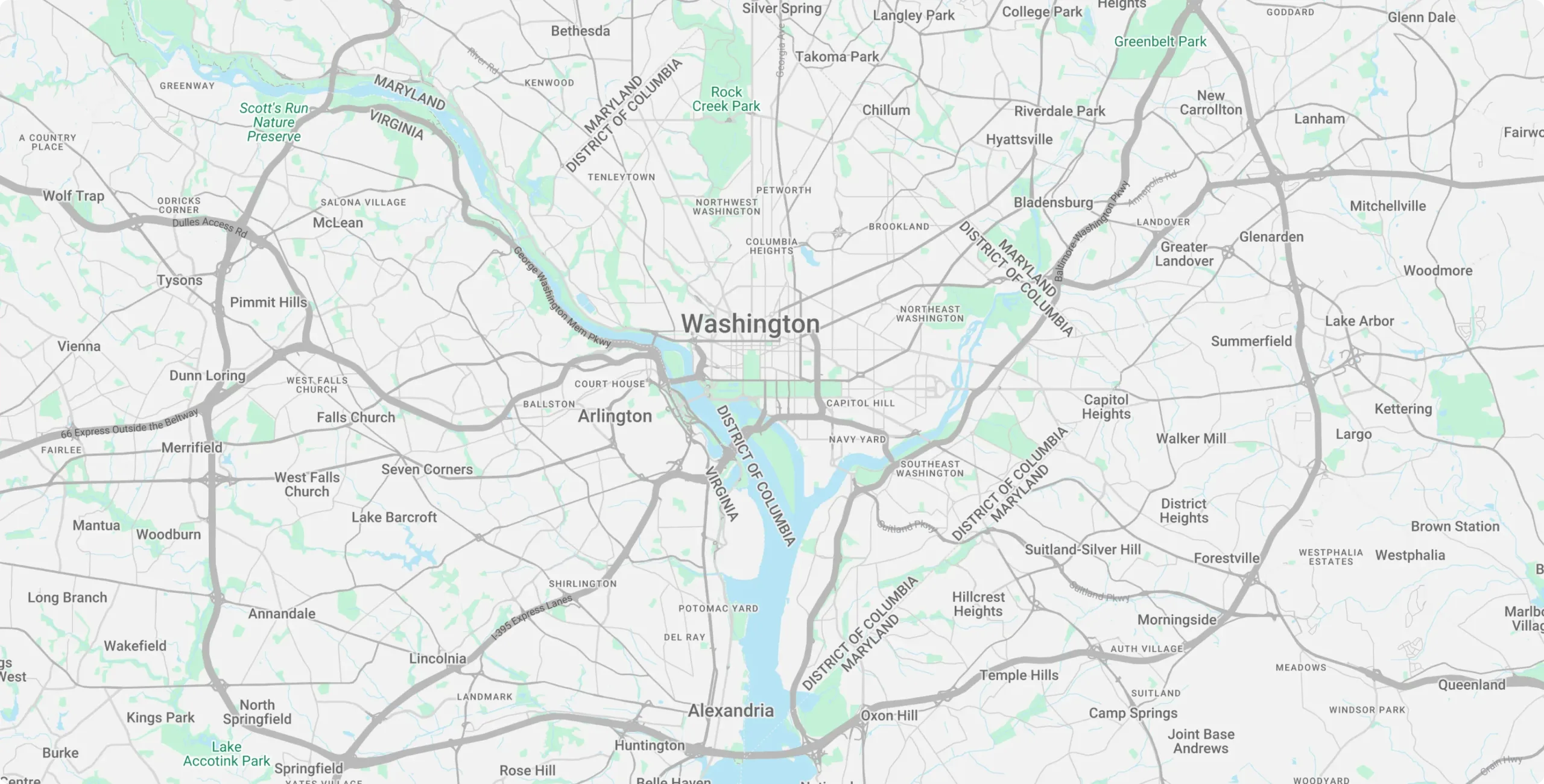
AREAS WE SERVE
At FloodTech USA, we specialize in comprehensive solutions for all your water-related concerns. From precision leak detection and water damage repair to mold remediation, sealing, resurfacing, and full-scale restoration services—our certified team delivers dependable results with unmatched professionalism.
PROTECTING PROPERTY, RESTORING PEACE OF MIND
At FloodTech USA, our team of certified home and commercial restoration specialists brings over 30 years of combined expertise in water damage mitigation, mold remediation, fire and smoke restoration, and structural recovery. Every technician on our crew is fully trained, licensed, and committed to delivering prompt, professional, and compassionate service during your most difficult times.
We know that emergencies don’t wait for business hours. That’s why our restoration services are available around the clock—24 hours a day, 7 days a week, 365 days a year. Whether it’s a burst pipe in the middle of the night or fire damage over a holiday weekend, we’re ready to respond immediately to protect your property and begin the recovery process without delay.