


Water Damage Restoration in McLean, VA
Water damage can disrupt homes and businesses in McLean, VA without warning. A burst pipe, appliance leak, basement flood, or storm-related intrusion can quickly affect walls, flooring, structural components, and personal property. When water is not addressed immediately and thoroughly, it can spread beyond visible areas and lead to structural deterioration, mold growth, and costly repairs.
FloodTech USA provides professional water damage restoration in McLean, VA, focused exclusively on water-related emergencies and recovery. Our team responds quickly, assesses damage carefully, and implements a structured restoration process designed to remove water, dry affected materials, and restore properties safely and efficiently. Whether the damage is minor or extensive, immediate and professional action is essential to protect your investment.
WHY FLOODTECH USA?
WE’RE HERE FOR YOU
24 HOURS A DAY, 7 DAYS A WEEK.

Professional Water Damage Restoration Services in McLean
Water damage restoration is a multi-step process that requires specialized equipment, training, and experience. It is not simply about removing visible water. True restoration addresses hidden moisture, structural impact, contamination risks, and long-term prevention.
FloodTech USA provides comprehensive water damage restoration in McLean that includes emergency response, water extraction, moisture detection, structural drying, sanitation, and repairs. Each project is handled with careful planning and attention to detail to ensure the property is returned to pre-damage condition whenever possible.
McLean properties often include high-value finishes, hardwood flooring, custom cabinetry, finished basements, and detailed architectural features. These materials require precision drying methods to reduce the risk of warping, swelling, or permanent damage. Our restoration approach is tailored to protect these investments while eliminating moisture completely.
Emergency Water Damage Response in McLean, VA
24/7 Rapid Response When Water Strikes
Water damage emergencies do not follow a schedule. Whether it occurs during the night, over a weekend, or during severe weather, immediate response is critical. FloodTech USA offers 24/7 emergency water damage restoration in McLean, VA.
When our team arrives, we quickly assess the source of the water, evaluate the extent of damage, and begin mitigation efforts immediately. Fast action helps prevent water from spreading further into walls, floors, and structural components.
Immediate Steps Taken During Emergency Response
During the initial phase of water damage restoration, our team focuses on:
- Identifying and stopping the source of water when possible
- Assessing affected areas and materials
- Evaluating safety concerns such as electrical hazards
- Beginning water extraction without delay
Early intervention significantly reduces long-term damage and helps preserve more of the structure and contents.
Common Causes of Water Damage in McLean Properties
Water damage can originate from a wide range of sources. In McLean, both residential and commercial properties face unique risks due to seasonal weather changes, aging infrastructure, and complex plumbing systems.
Burst or Leaking Pipes
Pipe failures are one of the most common causes of water damage. Pipes can burst due to freezing temperatures, corrosion, high water pressure, or age-related wear. Even a small crack can release significant amounts of water in a short time.
Appliance Failures
Washing machines, dishwashers, refrigerators, and water heaters rely on water connections that can fail unexpectedly. A ruptured hose or faulty connection can release water rapidly and cause widespread damage before it is discovered.
Overflowing Fixtures
Overflowing sinks, toilets, and bathtubs can flood floors and seep into lower levels. Even short-term overflows can saturate subflooring and drywall.
Basement Flooding
Basements are especially vulnerable to water intrusion from heavy rain, foundation cracks, sump pump failures, or groundwater seepage. Finished basements in McLean homes are particularly susceptible to costly damage.
Roof Leaks
Roof damage, deteriorated flashing, or clogged gutters can allow water to enter attics and ceilings. Roof leaks often go unnoticed until visible staining or sagging appears.
Understanding the cause of water damage allows for targeted restoration and helps prevent recurrence.
The Water Damage Restoration Process
Effective water damage restoration follows a structured timeline. Each phase is essential to ensure the property is fully dried, sanitized, and repaired.
Inspection and Damage Assessment
The restoration process begins with a detailed inspection. Technicians use moisture meters and thermal imaging tools to identify both visible and hidden moisture. This assessment determines the extent of water migration and identifies materials that can be saved versus those requiring removal.
Accurate assessment is critical for developing a clear restoration plan.
Water Extraction and Removal
Removing Standing Water Quickly
Standing water must be removed immediately to prevent further absorption into building materials. Industrial-grade pumps and extraction equipment are used to remove water efficiently.
The faster water is extracted, the less damage occurs to flooring, drywall, and structural components.
Addressing Hidden Moisture
Water does not remain confined to visible surfaces. It travels beneath flooring, behind walls, and into insulation. Specialized detection equipment ensures hidden moisture is located and addressed.
Drying and Dehumidification
After water removal, controlled drying begins.
Strategic Equipment Placement
High-powered air movers promote evaporation from surfaces, while industrial dehumidifiers remove moisture from the air. Equipment is strategically placed to create balanced airflow and maximize drying efficiency.
Daily Monitoring
Moisture levels are monitored regularly to track progress. Adjustments are made as needed to ensure materials dry evenly and completely. Proper monitoring prevents lingering moisture that could lead to mold growth or structural weakening.
Cleaning and Sanitization
Water damage can leave behind contaminants, debris, and odors. Cleaning and sanitization are essential components of the restoration process.
Surfaces are treated with appropriate cleaning solutions to ensure a safe and healthy indoor environment. Deodorization methods may also be applied to eliminate residual odors caused by moisture exposure.
Structural Repairs and Restoration
Once the property is fully dried and cleaned, repairs begin.
Repairing or Replacing Damaged Materials
Some materials can be restored through professional drying techniques, while others may require replacement. Drywall, insulation, flooring, and trim are evaluated carefully.
Restoring Interior Spaces
The goal of water damage restoration is to return the property to pre-loss condition. Repairs are performed with attention to detail to ensure structural integrity and visual consistency.
Water Damage and McLean Building Materials
Properties in McLean often feature premium construction materials that require careful handling during restoration.
Hardwood Flooring
Hardwood flooring is particularly vulnerable to water exposure. Moisture causes boards to swell, cup, or buckle. Rapid extraction and specialized drying mats can sometimes save hardwood flooring if addressed quickly.
Drywall and Insulation
Drywall absorbs water rapidly and may lose structural integrity. Wet insulation often requires removal to prevent mold growth and maintain energy efficiency.
Wood Framing
Structural wood framing can absorb moisture and weaken over time. Thorough drying is essential to preserve its strength and prevent rot.
Concrete Foundations
Although concrete is durable, it is porous and can retain moisture. Persistent dampness in basements may require extended drying and humidity control.
Understanding how water affects these materials ensures restoration methods are applied correctly.
Categories of Water Damage
Water damage is classified into three categories based on contamination level.
Clean Water
Clean water originates from sanitary sources such as broken supply lines or appliance leaks. Although initially less hazardous, clean water can become contaminated if left untreated.
Gray Water
Gray water contains moderate contamination and may come from washing machines, dishwashers, or minor fixture overflows. It requires careful cleaning and sanitization.
Black Water
Black water is highly contaminated and may contain harmful bacteria and pathogens. It commonly results from sewage backups or floodwaters. Professional handling is essential for safety.
Correct classification determines proper restoration procedures and safety protocols.
Consequences of Delayed Water Damage Restoration
Ignoring water damage or attempting incomplete cleanup can lead to serious consequences.
Structural Deterioration
Moisture weakens building materials over time, increasing the risk of warping, rot, and structural failure.
Mold Growth
Mold can begin developing within 24 to 48 hours. Once established, it spreads quickly and complicates restoration efforts.
Increased Repair Costs
Minor water damage can escalate into major reconstruction if not handled promptly. Early intervention minimizes financial impact.
Reduced Property Value
Unresolved water damage can affect resale value and lead to inspection issues during property transactions.
Prompt professional restoration protects both the structure and long-term investment.
Residential Water Damage Restoration in McLean
Water damage in a home disrupts daily life and creates significant stress. FloodTech USA works directly with homeowners in McLean to provide clear communication and efficient restoration services.
From kitchens and bathrooms to basements and living areas, each space is carefully evaluated and restored. Our team respects the property and works diligently to minimize disruption while delivering reliable results.
Commercial Water Damage Restoration in McLean
Water damage can halt business operations and impact revenue. Commercial properties require fast, organized restoration to reduce downtime.
FloodTech USA provides professional water damage restoration for offices, retail spaces, multi-unit properties, and other commercial facilities in McLean. Our structured process ensures safety, efficiency, and minimal interruption to operations.
The Importance of Professional Equipment and Expertise
Professional water damage restoration relies on specialized tools and training.
Advanced Moisture Detection
Thermal imaging cameras and moisture meters identify hidden water that cannot be seen with the naked eye.
Industrial Drying Equipment
High-capacity air movers and dehumidifiers create optimal drying conditions to remove moisture thoroughly.
Technical Knowledge
Proper drying requires understanding airflow, humidity control, and material response to moisture. Experience ensures each property receives the correct restoration approach.
Attempting to handle significant water damage without professional equipment often leaves moisture behind, leading to recurring issues.
Preventing Future Water Damage in McLean
While not all water damage can be prevented, proactive steps reduce risk.
Regular Plumbing Inspections
Routine inspections help identify leaks or worn components before failure occurs.
Roof and Gutter Maintenance
Maintaining roofs and drainage systems reduces the likelihood of rain-related intrusion.
Monitoring Water-Connected Appliances
Replacing aging hoses and installing automatic shutoff valves can prevent sudden appliance leaks.
Foundation and Basement Maintenance
Sealing cracks and ensuring proper drainage helps protect lower levels from water intrusion.
Preventive maintenance protects property value and reduces emergency risks.
The True Cost of Delayed Water Damage Restoration
Water damage can seem manageable at first glance. A small leak under a sink, minor basement flooding, or a ceiling stain from a roof issue may not appear urgent. However, delaying professional water damage restoration often leads to far greater consequences than property owners anticipate. What begins as a contained problem can quietly expand into structural deterioration, mold growth, safety hazards, and significant financial loss.
Understanding the true cost of delayed water damage restoration helps property owners make informed decisions and respond quickly when water intrusion occurs.
Why Immediate Water Damage Restoration Is Critical
Water spreads rapidly through porous materials such as drywall, wood, insulation, and flooring. Within minutes, it begins soaking into structural components. Within hours, it can migrate behind walls and beneath floors. Within days, it can compromise the integrity of the building itself.
Professional water damage restoration is designed to interrupt this progression. When restoration is delayed, the damage continues to develop unseen, increasing both the scope and cost of repairs.
Moisture Travels Farther Than You Think
Water rarely remains confined to the visible area. It follows gravity, seeps into cracks, and is absorbed by surrounding materials. A small leak on the second floor can impact ceilings, wall cavities, insulation, and flooring below. Without immediate extraction and drying, moisture continues spreading long after the original source is addressed.
The longer water sits, the more extensive the restoration process becomes.
Structural Damage and Long-Term Deterioration
One of the most significant costs of delayed water damage restoration is structural compromise. Building materials are not designed to remain saturated.
Wood Framing Weakens Over Time
Wood absorbs moisture quickly. Prolonged exposure leads to swelling, warping, and eventually rot. Structural framing inside walls, floors, and ceilings can lose strength gradually. This weakening may not be immediately visible but can create serious long-term issues.
Delaying water damage restoration increases the likelihood that structural components will require replacement rather than drying and stabilization.
Drywall and Interior Surfaces Deteriorate
Drywall is highly porous and vulnerable to water exposure. When wet for extended periods, it softens, sags, and loses integrity. Paint may bubble or peel, and seams may separate. What could have been dried and restored early may eventually require full removal and replacement.
This escalation significantly increases labor, materials, and repair timelines.
Flooring Damage Becomes Permanent
Hardwood floors may cup, buckle, or separate when exposed to prolonged moisture. Laminate flooring can swell and delaminate. Even tile installations can suffer subfloor damage beneath the surface.
Early water damage restoration may preserve flooring through controlled drying techniques. Delayed action often results in irreversible damage and costly replacement.
Mold Growth and Indoor Air Quality Concerns
Perhaps the most well-known consequence of delayed water damage restoration is mold growth. Mold thrives in damp environments and can begin developing within 24 to 48 hours after water exposure.
Mold Spreads Quickly
When moisture remains trapped in walls, insulation, or carpeting, mold spores activate and begin multiplying. Once established, mold colonies expand beyond the original wet area, affecting adjacent rooms and air circulation systems.
Mold remediation is far more complex and expensive than basic water extraction and drying. Delayed restoration allows mold to become a secondary problem layered on top of the initial water damage.
Airborne Contamination
Mold releases microscopic spores into the air. These spores can travel throughout the property, settling on surfaces and infiltrating HVAC systems. Indoor air quality declines, and occupants may begin noticing musty odors.
Increased airborne contaminants create health risks and require additional cleaning, filtration, and remediation efforts.
Health Risks Increase Over Time
Exposure to mold and moisture-related contaminants can lead to respiratory irritation, allergic reactions, headaches, and fatigue. Individuals with asthma, allergies, or compromised immune systems may experience more severe symptoms.
Delayed water damage restoration does not just affect property. It can also impact occupant health and comfort, adding another layer of cost and concern.
Financial Consequences of Waiting
The financial impact of delayed water damage restoration extends far beyond the initial leak or flood.
Repair Costs Escalate Rapidly
Addressing water damage early often limits repairs to targeted drying and minor restoration. When action is delayed, the affected area expands. Materials that could have been saved may require replacement. Structural repairs become more extensive. Mold remediation may be necessary.
The longer the delay, the higher the total cost of restoration.
Insurance Complications
Insurance providers typically expect property owners to take reasonable steps to mitigate damage. Delays or incomplete cleanup may complicate claims. If damage is determined to have worsened due to inaction, coverage disputes can arise.
Professional water damage restoration documentation helps demonstrate that proper mitigation occurred promptly.
Business Interruption Losses
For commercial properties, delayed water damage restoration can disrupt operations. Offices, retail stores, and other businesses may need to close temporarily. Lost productivity and revenue add to the financial burden.
Prompt restoration reduces downtime and helps businesses resume normal operations faster.
Hidden Moisture and Recurring Problems
One of the most deceptive aspects of water damage is hidden moisture. Surfaces may appear dry while water remains trapped beneath.
Incomplete Drying Leads to Recurrence
Without professional equipment such as moisture meters and industrial dehumidifiers, it is difficult to remove all moisture from structural components. Delayed or inadequate drying can leave residual dampness that leads to recurring mold growth or material deterioration.
Property owners may believe the issue has been resolved, only to discover new damage weeks or months later.
Odors and Persistent Dampness
Lingering moisture often produces musty odors that do not go away with surface cleaning. These odors indicate deeper problems within walls or flooring systems.
Addressing the issue promptly with comprehensive water damage restoration prevents these long-term nuisances.
Electrical and Safety Hazards
Water intrusion can create serious safety risks when it reaches electrical systems.
Corrosion and Equipment Failure
Moisture that contacts wiring, outlets, or electrical panels can cause corrosion and malfunction. Even after surfaces dry, internal components may remain compromised.
Delayed restoration increases the risk of short circuits, electrical fires, and equipment damage.
Structural Instability
Prolonged water exposure weakens ceilings, walls, and floors. Sagging drywall or warped framing can create physical hazards for occupants. Acting quickly reduces the likelihood of dangerous structural conditions.
Property Value and Long-Term Impact
Unresolved water damage can negatively affect property value. Stains, warped materials, and lingering odors make properties less attractive to buyers or tenants.
Disclosure and Inspection Concerns
During property transactions, previous water damage may be discovered through inspections. Evidence of improper or delayed restoration can raise concerns about hidden issues.
Professional water damage restoration helps protect resale value and maintain buyer confidence.
Long-Term Reputation for Commercial Spaces
For businesses, visible water damage or mold problems can affect reputation and customer trust. Maintaining a safe, clean environment is essential for long-term success.
The Cost of Stress and Disruption
Beyond financial and structural consequences, delayed water damage restoration creates ongoing stress for property owners.
Living or working in a damp, damaged environment disrupts daily routines. Uncertainty about hidden damage or health risks adds emotional strain. The longer restoration is postponed, the more disruptive and complex the recovery becomes.
Prompt professional action provides clarity, structure, and a clear path toward resolution.
Why Professional Water Damage Restoration Makes a Difference
Water damage restoration involves more than drying surfaces. It requires technical knowledge, specialized equipment, and careful monitoring.
Comprehensive Moisture Detection
Professional restoration teams use advanced tools to identify hidden moisture. This ensures all affected areas are addressed, not just the visible ones.
Controlled Drying and Monitoring
Industrial air movers and dehumidifiers create optimal drying conditions. Daily monitoring confirms that materials reach safe moisture levels before repairs begin.
Preventing Secondary Damage
By acting quickly, professional restoration prevents secondary issues such as mold growth, structural rot, and air quality deterioration.
Taking Immediate Action Protects Your Investment
The true cost of delayed water damage restoration includes structural damage, mold growth, health risks, financial strain, safety hazards, and reduced property value. What may seem like a minor inconvenience can evolve into a major restoration project if not handled promptly.
Immediate professional water damage restoration minimizes damage, reduces expenses, and restores properties efficiently. Acting quickly protects both the physical structure and the people who depend on it every day.
How Hidden Water Damage Impacts Structural Integrity Over Time
Water damage is not always dramatic or immediately visible. In many cases, the most serious threats to a property develop quietly behind walls, beneath flooring, or within ceilings. Hidden water damage can persist for weeks or even months without detection, slowly weakening structural components and increasing the scope of necessary repairs. Understanding how concealed moisture affects a building over time highlights the importance of professional water damage restoration.
Water does not need to flood a property to create structural risk. Even slow leaks or minor intrusions can compromise the integrity of framing, subfloors, and support systems when left unaddressed.
The Nature of Hidden Water Damage
Hidden water damage occurs when moisture infiltrates areas that are not immediately visible. This may happen after a pipe leak inside a wall, a roof leak above insulation, or water seeping beneath flooring materials.
Because these areas are concealed, the damage often progresses without obvious warning signs. By the time visible symptoms appear, structural deterioration may already be underway.
Why Moisture Spreads Beyond the Source
Water follows the path of least resistance. It can travel along framing members, seep into porous materials, and collect in low points within walls or floors. Gravity, capillary action, and building design all influence how moisture migrates.
Without professional water damage restoration, this hidden movement allows moisture to affect structural components far from the original leak.
How Water Affects Structural Materials
Different building materials respond to water exposure in different ways. Over time, prolonged moisture weakens their strength and stability.
Wood Framing and Structural Supports
Wood is widely used in residential and commercial construction for framing walls, floors, and roofs. While strong under normal conditions, wood is highly vulnerable to prolonged moisture exposure.
Swelling and Warping
When wood absorbs water, it expands. This swelling can cause framing members to warp or twist. As wood dries unevenly without proper restoration, it may remain distorted, leading to misaligned walls, uneven floors, or cracks in drywall.
Rot and Decay
Persistent moisture creates conditions for fungal growth within wood fibers. Over time, this leads to rot, which breaks down the structural integrity of framing. Rot weakens load-bearing components and can compromise the safety of the building.
Professional water damage restoration includes thorough drying of structural framing to prevent long-term deterioration.
Subflooring and Floor Systems
Subfloors provide foundational support for finished flooring materials. When hidden water seeps beneath tile, hardwood, or carpet, the subfloor absorbs moisture.
Delamination and Softening
Plywood and engineered subfloor materials can delaminate when exposed to prolonged moisture. Adhesive layers separate, reducing structural strength. Soft spots may develop, making floors feel unstable or uneven.
Progressive Weakening
As moisture remains trapped, subfloor materials lose rigidity. Over time, this can lead to sagging floors or structural instability that requires partial reconstruction.
Water damage restoration professionals use moisture detection tools to identify hidden water beneath flooring before these issues escalate.
Drywall and Interior Structural Systems
Drywall may not be considered structural in the same way as framing, but it contributes to wall stability and fire resistance. Hidden water damage behind drywall can create widespread deterioration.
Loss of Structural Support
Wet drywall softens and weakens. When it remains damp for extended periods, it may crumble or detach from framing. In multi-level structures, ceiling drywall can sag or collapse if saturated.
Hidden Framing Damage Behind Walls
Water that penetrates drywall often continues into wooden studs behind it. Without proper water damage restoration, framing damage may remain concealed until significant structural issues arise.
Concrete Foundations and Structural Slabs
Concrete is durable but porous. Hidden water intrusion through foundation walls or slabs can lead to long-term structural concerns.
Cracking and Expansion
Moisture entering concrete can contribute to cracking, especially in areas with temperature fluctuations. As water freezes and expands within small cracks, the damage worsens over time.
Reinforcement Corrosion
In reinforced concrete, hidden moisture can corrode embedded steel rebar. Corrosion weakens the structural capacity of the concrete, reducing its load-bearing strength.
Professional water damage restoration includes identifying moisture within foundation systems and implementing drying solutions to reduce long-term impact.
The Timeline of Structural Deterioration
Hidden water damage does not cause structural failure overnight. It progresses gradually, making early intervention essential.
Within the First 24 to 48 Hours
Moisture begins saturating porous materials. Wood absorbs water, drywall softens, and insulation becomes wet. Mold spores may begin activating in damp conditions.
At this stage, professional water damage restoration can often reverse damage through extraction and controlled drying.
After Several Days
Structural materials remain saturated. Wood swelling increases. Adhesives in flooring systems weaken. Mold growth accelerates.
Hidden water spreads further into adjacent areas, increasing the scope of restoration required.
After Weeks or Months
Prolonged moisture exposure leads to rot in wood framing, delamination in subfloors, corrosion in metal components, and potential foundation weakening. Structural repairs become more extensive and costly.
Delaying water damage restoration significantly increases the likelihood of reconstruction rather than simple drying and repair.
Hidden Water Damage and Load-Bearing Capacity
Structural integrity depends on the ability of load-bearing components to support weight safely. Hidden water damage undermines this capacity.
Compromised Beams and Joists
Floor joists and support beams that absorb moisture may lose strength gradually. Even slight reductions in load-bearing capacity can create long-term risk.
Over time, floors may sag or shift, and doors and windows may become misaligned due to structural movement.
Roof System Vulnerability
Hidden leaks in attic spaces can weaken rafters and trusses. As wood framing deteriorates, the roof’s ability to support weight from weather conditions decreases.
Water damage restoration that addresses attic moisture prevents gradual roof system compromise.
Increased Repair Complexity Over Time
The longer hidden water damage remains untreated, the more invasive repairs become.
From Drying to Demolition
Early-stage water damage restoration focuses on extraction and drying. When damage progresses, sections of walls, flooring, or structural framing may require removal and replacement.
Demolition increases labor, material costs, and project timelines.
Secondary Damage Complications
Hidden moisture often creates secondary issues such as mold growth and air quality concerns. Addressing these problems adds additional layers to the restoration process.
Comprehensive water damage restoration prevents these complications by eliminating moisture at its source.
The Role of Professional Water Damage Restoration
Hidden water damage cannot be resolved with surface drying alone. Professional restoration is essential for protecting structural integrity.
Advanced Moisture Detection Technology
Restoration professionals use thermal imaging cameras, moisture meters, and other specialized tools to locate concealed moisture within walls, floors, and ceilings.
Without these tools, hidden water may remain undetected.
Controlled Structural Drying
Industrial air movers and dehumidifiers create optimal drying environments. Technicians monitor moisture levels to ensure structural components reach safe dryness levels before repairs begin.
Preventing Long-Term Structural Risk
By removing moisture thoroughly and promptly, professional water damage restoration preserves load-bearing systems and prevents gradual deterioration.
Protecting Structural Integrity Through Early Action
Hidden water damage represents one of the greatest threats to a building’s long-term stability. Moisture trapped behind surfaces can silently weaken framing, subfloors, drywall, and foundations over time.
The true impact may not be visible until significant structural compromise has occurred. Acting quickly and investing in professional water damage restoration protects structural integrity, reduces repair costs, and ensures the property remains safe and stable for years to come.
Prompt detection, comprehensive drying, and expert restoration are the most effective defenses against the hidden dangers of water damage.
The Importance of Professional Moisture Mapping in Water Damage Restoration
Water damage restoration is far more complex than simply removing visible water and placing a few drying fans. Water has the ability to travel through building materials in unpredictable ways, spreading beneath floors, behind walls, and into structural cavities. Without a precise understanding of where moisture has migrated, restoration efforts can fall short. This is where professional moisture mapping plays a critical role.
Moisture mapping is a systematic process used during water damage restoration to detect, measure, and document the extent of water intrusion throughout a property. It allows restoration professionals to identify hidden moisture, create an effective drying plan, and verify that the structure has been returned to safe moisture levels before repairs are completed.
What Is Moisture Mapping in Water Damage Restoration
Moisture mapping is the process of inspecting a property using specialized tools to locate and measure moisture in structural materials. Rather than relying on visual cues alone, restoration technicians use advanced detection equipment to assess how deeply and how far water has spread.
Water damage is rarely confined to the area where it first appears. A small ceiling stain may indicate moisture traveling through insulation, framing, and drywall from an entirely different location. Moisture mapping ensures no affected area is overlooked.
Why Visual Inspections Are Not Enough
Surface drying can create the illusion that a property is fully restored. Floors may feel dry, and walls may appear normal, but moisture can remain trapped inside materials. Without professional moisture mapping, hidden dampness may continue to cause deterioration, mold growth, and structural weakening.
Visual inspections alone cannot determine internal moisture content. Only professional detection methods provide the data necessary for comprehensive water damage restoration.
How Water Travels Through Structures
Understanding how water behaves inside buildings highlights the importance of moisture mapping.
Capillary Action and Material Absorption
Porous materials such as drywall, wood, and concrete absorb water quickly. Once saturated, moisture spreads through capillary action, traveling vertically and horizontally through structural components.
This means water from a small plumbing leak can affect a much larger area than initially visible.
Gravity and Hidden Pathways
Water follows gravity, seeping downward into subfloors, wall cavities, and lower levels of a building. It may travel along framing members or collect in insulation, creating pockets of hidden saturation.
Moisture mapping identifies these pathways, allowing technicians to address all impacted areas during water damage restoration.
Tools Used in Professional Moisture Mapping
Professional water damage restoration relies on specialized equipment designed to detect hidden moisture accurately.
Moisture Meters
Moisture meters measure the moisture content within materials such as wood, drywall, and concrete. By comparing readings from affected and unaffected areas, technicians can determine the extent of water intrusion.
Pin-Type and Non-Invasive Options
Pin-type meters measure moisture by penetrating materials, while non-invasive meters use electromagnetic signals to detect moisture beneath surfaces. Both methods provide valuable data for mapping moisture spread.
Thermal Imaging Cameras
Thermal imaging cameras detect temperature differences within building materials. Moisture often creates cooler areas due to evaporation, which can be visualized using thermal technology.
While thermal imaging does not directly measure moisture content, it helps identify suspicious areas that require further testing.
Hygrometers and Psychrometric Tools
These tools measure humidity levels and air conditions within a space. Controlling humidity is essential for effective water damage restoration, and accurate readings guide drying equipment placement and performance.
The Role of Moisture Mapping in the Restoration Process
Moisture mapping is not a one-time activity. It plays a role throughout every phase of water damage restoration.
Initial Assessment and Damage Scope
At the beginning of a restoration project, technicians perform a comprehensive moisture map to determine how far water has traveled. This assessment identifies affected materials, hidden pockets of moisture, and areas requiring immediate attention.
Without this step, restoration efforts may be incomplete, leaving damp materials behind.
Developing a Targeted Drying Plan
Accurate moisture mapping allows professionals to design a customized drying strategy. Air movers, dehumidifiers, and other equipment are positioned based on moisture distribution, not guesswork.
This targeted approach improves efficiency and reduces overall drying time.
Ongoing Monitoring During Drying
Water damage restoration requires daily monitoring to track drying progress. Technicians revisit moisture readings regularly to ensure materials are drying at an appropriate rate.
If certain areas remain damp, equipment placement can be adjusted. This proactive approach prevents prolonged moisture exposure and secondary damage.
Final Verification Before Repairs
Before reconstruction or cosmetic repairs begin, moisture mapping confirms that structural materials have reached safe moisture levels.
Skipping this step can trap residual moisture inside walls or floors, leading to future mold growth or structural issues. Professional verification ensures the restoration process is complete.
Preventing Secondary Damage Through Moisture Mapping
One of the greatest benefits of professional moisture mapping is the prevention of secondary damage.
Mold Growth Prevention
Mold thrives in damp environments and can begin growing within 24 to 48 hours. Hidden moisture left behind during incomplete restoration creates ideal conditions for mold development.
Moisture mapping ensures all wet materials are identified and dried thoroughly, reducing the risk of mold colonization.
Protecting Indoor Air Quality
When moisture remains trapped, it contributes to musty odors and airborne contaminants. Proper detection and drying protect indoor air quality and create a healthier environment for occupants.
Structural Integrity Preservation
Wood framing, subflooring, and other structural components weaken over time when exposed to prolonged moisture. Moisture mapping allows technicians to detect hidden dampness before it causes long-term deterioration.
Early identification supports preservation rather than replacement.
Financial Benefits of Accurate Moisture Mapping
Professional moisture mapping is an investment that reduces overall restoration costs and prevents future expenses.
Avoiding Unnecessary Demolition
Without accurate data, restoration teams may remove materials unnecessarily to ensure moisture is addressed. Moisture mapping provides precise information, allowing for targeted removal only where needed.
This reduces labor costs and material waste.
Preventing Repeat Water Damage Restoration
Incomplete drying can lead to recurring problems weeks or months later. Repeat restoration efforts increase disruption and cost.
By ensuring complete drying from the start, moisture mapping minimizes the risk of recurring moisture issues.
Supporting Insurance Documentation
Detailed moisture readings and documentation provide clear evidence of the extent of damage and the effectiveness of restoration efforts. This information can support insurance claims and demonstrate responsible mitigation.
Moisture Mapping in Different Property Types
Both residential and commercial properties benefit from professional moisture mapping.
Residential Applications
Homes often contain hidden cavities, insulation, and finished basements where moisture can spread unnoticed. Moisture mapping helps protect hardwood floors, cabinetry, drywall, and structural framing.
Homeowners gain peace of mind knowing hidden water has been addressed completely.
Commercial and Large-Scale Properties
Commercial buildings may have complex layouts, multiple levels, and extensive HVAC systems. Moisture mapping ensures large spaces are dried uniformly and that water has not migrated into adjacent areas.
Accurate mapping minimizes business interruption and supports efficient restoration timelines.
Why Professional Expertise Matters
Moisture mapping requires more than just equipment. It demands training, experience, and an understanding of building science.
Interpreting Data Correctly
Moisture readings must be interpreted in context. Technicians compare readings to baseline moisture levels in unaffected areas to determine what is normal versus problematic.
Incorrect interpretation can lead to incomplete drying or unnecessary removal of materials.
Integrating Moisture Mapping With Drying Techniques
Professional restoration teams integrate moisture mapping data into a comprehensive drying plan. Equipment placement, airflow control, and humidity management are all guided by accurate readings.
This integration ensures effective and efficient water damage restoration.
Ensuring Complete Water Damage Restoration
Water damage restoration is only successful when all moisture has been removed and structural materials are returned to safe levels. Professional moisture mapping provides the roadmap for achieving this goal.
Without accurate detection and monitoring, hidden moisture may remain trapped inside walls, floors, or ceilings. Over time, this can lead to structural deterioration, mold growth, and costly repairs.
By investing in professional moisture mapping, property owners ensure that water damage restoration is thorough, precise, and long-lasting. It transforms restoration from surface-level drying into a scientifically guided process that protects the integrity, safety, and value of the property.
Why Choose FloodTech USA for Water Damage Restoration in McLean, VA
FloodTech USA focuses on delivering dependable water damage restoration services in McLean with professionalism and efficiency.
Property owners choose our team because we provide:
- 24/7 emergency response
- Thorough inspections and moisture detection
- Advanced water extraction and drying equipment
- Clear communication throughout the project
- Careful structural restoration and repairs
Every project is approached with attention to detail and commitment to quality.
Frequently Asked Questions About Water Damage Restoration
How quickly should water damage restoration begin?
Water damage restoration should begin as soon as possible. The first 24 to 48 hours are critical for minimizing structural damage and preventing mold growth.
Can small water leaks cause serious damage?
Yes. Even small leaks can lead to hidden moisture buildup inside walls and flooring. Over time, this can result in structural weakening and mold growth.
How long does water damage restoration take?
The timeline depends on the extent of damage, the amount of water involved, and the materials affected. Minor incidents may take a few days to dry, while larger projects may require additional time for repairs.
Is professional equipment necessary for drying?
Professional equipment is essential for thorough drying. Household fans and basic dehumidifiers cannot remove moisture from structural components effectively.
Will all water-damaged materials need to be replaced?
Not always. Many materials can be restored if drying begins quickly. The decision depends on the level of saturation and contamination.
Contact FloodTech USA for Water Damage Restoration in McLean, VA
If your property has experienced water damage, immediate action is essential. FloodTech USA provides professional water damage restoration in McLean, VA with fast response, advanced equipment, and experienced technicians.
Contact FloodTech USA today for emergency service or to schedule a water damage inspection. Protect your property and restore your space with confidence.
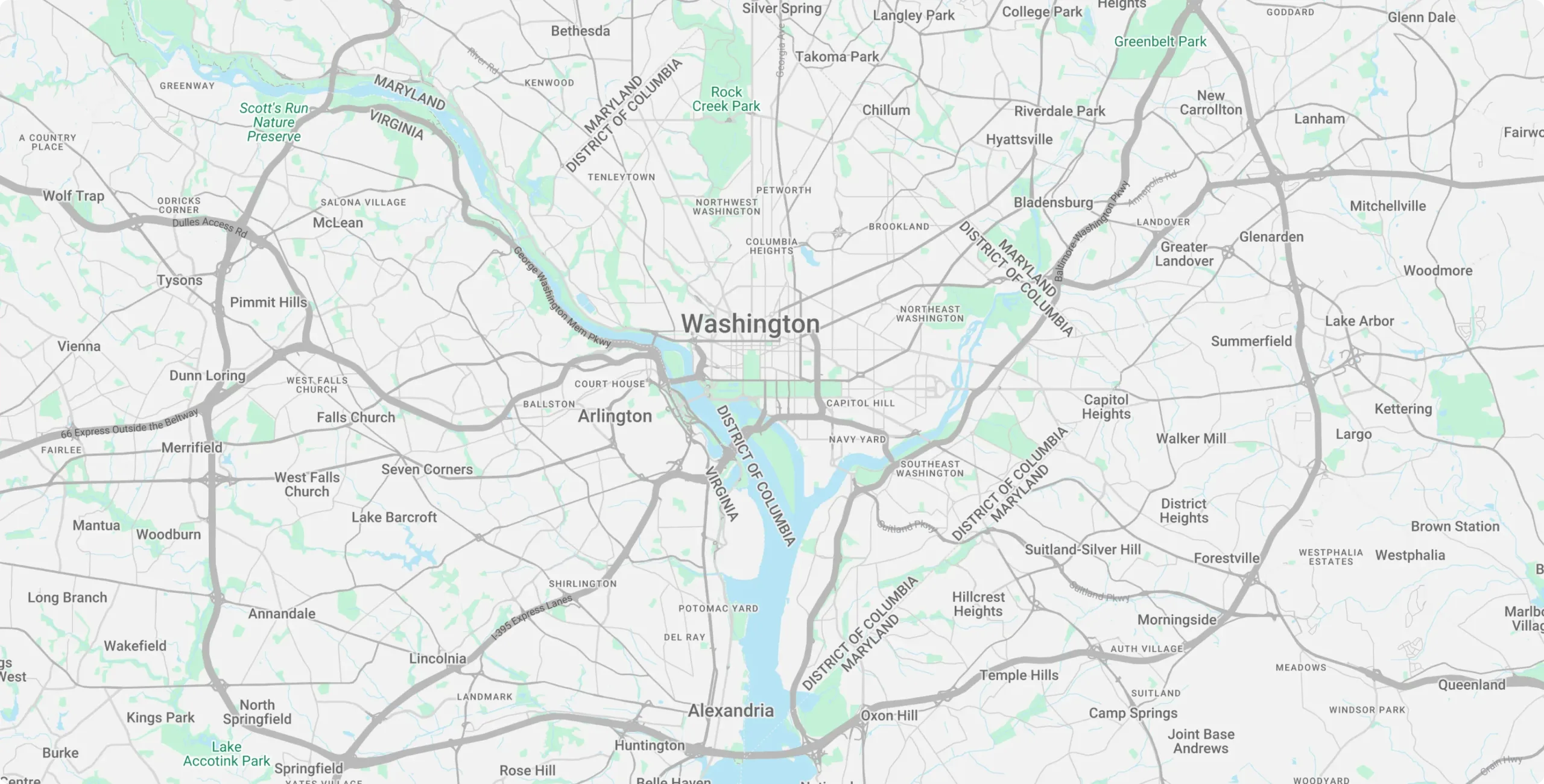
AREAS WE SERVE
At FloodTech USA, we specialize in comprehensive solutions for all your water-related concerns. From precision leak detection and water damage repair to mold remediation, sealing, resurfacing, and full-scale restoration services—our certified team delivers dependable results with unmatched professionalism.
PROTECTING PROPERTY, RESTORING PEACE OF MIND
At FloodTech USA, our team of certified home and commercial restoration specialists brings over 30 years of combined expertise in water damage mitigation, mold remediation, fire and smoke restoration, and structural recovery. Every technician on our crew is fully trained, licensed, and committed to delivering prompt, professional, and compassionate service during your most difficult times.
We know that emergencies don’t wait for business hours. That’s why our restoration services are available around the clock—24 hours a day, 7 days a week, 365 days a year. Whether it’s a burst pipe in the middle of the night or fire damage over a holiday weekend, we’re ready to respond immediately to protect your property and begin the recovery process without delay.