


Water Damage Restoration in Potomac, MD
Water damage can disrupt every part of your home or business in Potomac, MD. Whether the issue begins with a burst pipe, appliance failure, basement flooding, or storm-related intrusion, water spreads quickly and penetrates deeply into structural materials. Without immediate and professional attention, even a small leak can turn into a major restoration project.
FloodTech USA provides dedicated water damage restoration in Potomac, MD. Our services focus exclusively on water mitigation, structural drying, moisture removal, and complete restoration of water-damaged properties. We respond quickly, assess thoroughly, and restore carefully to protect the integrity of your property.
Our team understands the unique characteristics of Potomac homes and commercial buildings. From large custom residences with finished basements to professional office spaces and retail properties, we deliver tailored restoration plans designed to return your space to its pre-damage condition as efficiently as possible.
WHY FLOODTECH USA?
WE’RE HERE FOR YOU
24 HOURS A DAY, 7 DAYS A WEEK.

Professional Water Damage Restoration Services in Potomac
Water damage restoration is more than simply removing visible water. It is a detailed, step-by-step process designed to identify the source of water intrusion, stop further damage, extract water, dry structural materials, and restore affected areas safely.
At FloodTech USA, our water damage restoration services in Potomac include:
Emergency Response and On-Site Assessment
Time is critical when water damage occurs. Water can begin soaking into drywall, flooring, wood framing, and insulation within minutes. Within hours, materials may swell, warp, or deteriorate.
Our team provides rapid response services throughout Potomac, MD. Upon arrival, we:
- Inspect affected areas
- Identify the source of water intrusion when possible
- Evaluate the extent of structural and material damage
- Develop a clear and strategic restoration plan
A thorough initial assessment ensures that no hidden moisture or compromised materials are overlooked.
Water Extraction and Removal
The first physical step in restoration is removing standing water. Using commercial-grade extraction equipment and high-capacity pumps, we eliminate water from floors, carpets, basements, crawl spaces, and other affected areas.
Immediate extraction reduces:
- Structural weakening
- Material saturation
- The likelihood of secondary damage
- The risk of mold growth
Removing water quickly is one of the most important factors in minimizing long-term repair costs.
Advanced Moisture Detection
Visible water is only part of the problem. Moisture often travels behind walls, beneath flooring, inside insulation, and within framing systems.
We use advanced moisture detection tools to locate hidden moisture, including:
- Moisture meters
- Thermal imaging equipment
- Hygrometers
Identifying trapped moisture allows us to create a precise drying plan tailored to your specific property.
Structural Drying and Dehumidification
After extraction, controlled drying begins. Air movers and dehumidifiers are strategically placed to remove moisture from both materials and the surrounding air.
This stage includes:
- Continuous monitoring of humidity levels
- Adjusting equipment placement for optimal airflow
- Tracking moisture readings to confirm complete drying
Proper structural drying protects wood framing, drywall, subfloors, and other essential building components.
Repair and Restoration of Water-Damaged Areas
Once drying is complete, we address damaged materials. Depending on the severity of the incident, restoration may involve:
- Removing and replacing compromised drywall
- Repairing flooring
- Replacing damaged insulation
- Restoring trim and finishes
Our goal is to restore the affected areas so they are safe, stable, and fully functional again.
Common Causes of Water Damage in Potomac, MD
Water damage can occur for many reasons. In Potomac, some of the most common sources include plumbing failures, appliance malfunctions, and weather-related incidents.
Burst and Leaking Pipes
Temperature fluctuations, aging plumbing systems, and high water pressure can lead to burst or leaking pipes. When a pipe fails, water can spread quickly through walls, ceilings, and floors.
Water Heater Failures
Water heaters can leak due to corrosion, pressure buildup, or faulty valves. Because they often hold dozens of gallons of water, failures can result in significant flooding.
Appliance Leaks
Dishwashers, washing machines, and refrigerators with water lines are frequent sources of water intrusion. A small hose crack can release large volumes of water over time.
Basement Flooding
Many homes in Potomac feature finished or partially finished basements. Heavy rain, foundation cracks, and drainage issues can lead to water entering these lower-level spaces.
Roof Leaks
Damaged shingles, flashing failures, and aging roofing materials can allow water to enter attic spaces and interior ceilings.
Regardless of the source, immediate restoration reduces structural damage and preserves property value.
Water Damage in Potomac Homes
Potomac is known for its upscale residences, custom architectural details, and high-quality building materials. Water damage in these homes can affect:
- Hardwood flooring
- Custom cabinetry
- Detailed trim work
- Finished basements
- High-end fixtures and finishes
Each material requires specific drying and restoration techniques. Hardwood flooring, for example, may cup or buckle when exposed to moisture. Drywall can soften and lose structural integrity. Insulation can trap moisture and contribute to long-term problems if not removed.
FloodTech USA understands the importance of preserving valuable materials whenever possible. Our water damage restoration approach focuses on careful evaluation and precise restoration techniques.
Water Damage in Potomac Commercial Properties
Water damage in commercial spaces presents unique challenges. Offices, retail locations, and professional buildings often rely on uninterrupted operations.
When water damage occurs in a commercial property, it can result in:
- Business interruption
- Inventory damage
- Equipment exposure
- Structural compromise
Our team works efficiently to reduce downtime and restore operational safety. We coordinate restoration efforts carefully to help businesses resume normal activities as quickly as possible.
The Importance of Immediate Water Damage Restoration
Delaying restoration can significantly increase the severity of damage.
Structural Deterioration
Wood framing, drywall, and subflooring begin deteriorating when moisture remains present. Prolonged exposure weakens structural stability.
Material Warping and Swelling
Hardwood flooring and cabinetry can swell and distort. Doors and trim may shift out of alignment.
Secondary Damage
Water can travel beyond the initially affected area. What starts as a localized issue may expand into multiple rooms if not addressed promptly.
Increased Restoration Costs
The longer water remains in place, the more extensive repairs become. Acting quickly reduces the need for major reconstruction.
Prompt water damage restoration protects both the physical structure and the financial investment of your property.
Understanding the Water Damage Restoration Process
Every water damage scenario is unique. However, professional restoration typically follows a structured process to ensure complete recovery.
Inspection and Documentation
We begin by assessing the extent of the damage and documenting affected areas. This provides a clear roadmap for mitigation and restoration.
Water Removal
High-powered extraction equipment removes standing water quickly.
Targeted Drying
Air movers and dehumidifiers create controlled airflow to eliminate residual moisture.
Monitoring
Moisture readings are taken daily to confirm progress and prevent hidden dampness.
Restoration
Damaged materials are repaired or replaced as needed, returning the property to its original condition.
This methodical approach ensures that water damage is addressed thoroughly rather than superficially.
Protecting Structural Materials From Long-Term Damage
Different building materials respond differently to moisture.
Wood
Wood absorbs water quickly and can rot if not dried properly. Structural beams and framing require careful monitoring.
Drywall
Wet drywall often loses strength and may need removal to prevent further deterioration.
Flooring
Hardwood, laminate, and carpet each require specific drying methods to prevent permanent damage.
Insulation
Wet insulation must typically be replaced to restore energy efficiency and prevent moisture retention.
Professional water damage restoration ensures that each material is treated appropriately.
Signs You Need Water Damage Restoration in Potomac
Some signs of water damage are obvious, while others develop gradually.
Common warning signs include:
- Water stains on ceilings or walls
- Warped or buckled flooring
- Peeling paint
- Persistent damp odors
- Discoloration along baseboards
- Visible moisture or pooling water
If any of these signs appear, professional evaluation is recommended immediately.
Preventing Further Water Damage
While restoration addresses existing issues, proactive steps can reduce future risk.
Routine Plumbing Inspections
Checking pipes, fittings, and valves helps identify potential leaks before they escalate.
Appliance Maintenance
Inspecting hoses and connections reduces the likelihood of sudden failures.
Roof Maintenance
Regular roof inspections prevent water intrusion during storms.
Foundation and Drainage Monitoring
Ensuring proper drainage away from the home reduces basement flooding risks.
Preventative maintenance combined with professional restoration services provides long-term protection.
Why Choose FloodTech USA for Water Damage Restoration in Potomac, MD
FloodTech USA focuses exclusively on professional water damage restoration. Property owners choose our team because we provide:
Rapid Response
Quick arrival reduces damage progression.
Specialized Equipment
Commercial-grade extraction and drying equipment ensures thorough mitigation.
Experienced Technicians
Our team understands structural drying techniques and material-specific restoration methods.
Detailed Monitoring
We track moisture levels to confirm complete drying.
Clear Communication
We keep property owners informed throughout the entire process.
Every project is handled with professionalism, care, and attention to detail.
The Importance of Professional Moisture Mapping in Water Damage Restoration
Water damage restoration is a precise and technical process that goes far beyond removing visible standing water. One of the most critical components of effective restoration is professional moisture mapping. Moisture mapping allows restoration professionals to identify, track, and eliminate hidden moisture that may not be visible to the naked eye. Without it, water damage restoration efforts can be incomplete, leading to long-term structural issues and recurring problems.
Moisture mapping is a systematic method used during water damage restoration to detect moisture intrusion, define the boundaries of affected areas, and guide the drying process. It combines advanced technology, accurate documentation, and ongoing monitoring to ensure that every impacted material is addressed properly.
What Is Moisture Mapping?
Moisture mapping is the process of measuring and documenting moisture levels throughout a structure after water intrusion has occurred. It provides a visual and data-driven representation of how far water has spread within walls, floors, ceilings, and structural components.
During water damage restoration, moisture rarely stays confined to the area where the incident first occurred. Water can travel along framing, seep under flooring, move behind drywall, and penetrate insulation. Professional moisture mapping identifies these hidden pockets of moisture before they lead to further damage.
How Moisture Mapping Works
Moisture mapping begins with a comprehensive inspection of the affected property. Restoration professionals use specialized equipment to detect moisture in both visible and concealed areas. These tools may include moisture meters, thermal imaging cameras, and hygrometers.
Measurements are taken at multiple points throughout the affected space, including:
- Walls and ceilings
- Flooring and subflooring
- Baseboards and trim
- Structural framing
- Insulation cavities
The collected data is then documented to create a clear picture of moisture distribution within the property. This data becomes the foundation for the drying strategy.
Why Moisture Mapping Is Essential in Water Damage Restoration
Professional moisture mapping is essential because water damage is not always obvious. Even after standing water is removed, significant moisture can remain trapped inside building materials.
Identifying Hidden Moisture
One of the primary reasons moisture mapping is critical in water damage restoration is its ability to uncover hidden moisture. Water often migrates beyond the visibly wet area. For example, a burst pipe inside a wall may saturate insulation and framing long before drywall shows visible staining.
Without moisture mapping, these hidden areas may be overlooked. If moisture remains inside walls or beneath floors, it can weaken structural components and create ongoing problems.
Defining the Scope of Damage
Water damage restoration requires a clear understanding of how extensive the damage is. Moisture mapping defines the true boundaries of water intrusion. What may appear to be a small affected area on the surface can extend several feet beyond visible damage.
By accurately mapping moisture levels, restoration professionals can:
- Determine which materials can be dried
- Identify materials that require removal
- Develop a targeted and efficient drying plan
This prevents underestimating the severity of the situation.
Guiding Equipment Placement
Effective drying depends on proper equipment placement. Air movers and dehumidifiers must be positioned strategically to address areas of highest moisture concentration.
Moisture mapping provides the data needed to determine where equipment should be placed. Instead of guessing, technicians use precise readings to focus airflow and dehumidification efforts exactly where they are needed most.
Targeted Structural Drying
Structural drying is a key component of water damage restoration. Moisture mapping allows professionals to focus drying efforts on:
- Saturated framing
- Subfloors
- Wall cavities
- Ceiling assemblies
This targeted approach reduces drying time and ensures thorough moisture removal.
The Role of Moisture Mapping in Preventing Secondary Damage
Incomplete drying is one of the most common causes of recurring water damage issues. Moisture mapping plays a critical role in preventing secondary damage that can develop days or weeks after the initial incident.
Protecting Structural Integrity
When moisture remains inside structural components, materials such as wood and drywall begin to deteriorate. Wood can warp, swell, or weaken. Drywall can lose strength and crumble. Subflooring can soften and compromise flooring systems.
Moisture mapping ensures that all structural elements are dried to acceptable moisture levels before restoration is considered complete.
Supporting Long-Term Stability
Water damage restoration is not just about immediate cleanup. It is about restoring long-term stability to the property. Moisture mapping verifies that moisture content returns to normal levels consistent with unaffected areas of the building.
By comparing affected areas to dry baseline readings, professionals can confirm that the structure has been properly restored.
Monitoring Progress Throughout the Restoration Process
Moisture mapping is not a one-time activity. It is an ongoing process that continues throughout water damage restoration.
Establishing Baseline Readings
At the beginning of the restoration process, technicians take baseline readings in unaffected areas of the property. These readings establish what normal moisture levels should be for that specific building.
Baseline readings serve as a benchmark against which affected areas are measured.
Daily Moisture Tracking
During the drying process, moisture levels are checked regularly. Technicians update the moisture map to track progress and adjust drying equipment as needed.
If certain areas are not drying as expected, additional equipment can be added or repositioned to address those areas effectively.
Confirming Completion
Restoration is not complete until moisture readings return to acceptable levels. Moisture mapping provides documented proof that drying goals have been achieved.
This final verification ensures that hidden moisture is not left behind.
Enhancing Accuracy and Accountability in Water Damage Restoration
Professional moisture mapping enhances both accuracy and accountability in the restoration process.
Data-Driven Decision Making
Rather than relying on visual inspection alone, moisture mapping provides measurable data. This allows restoration professionals to make informed decisions about:
- Material removal
- Drying duration
- Equipment usage
- Restoration timelines
Data-driven decisions improve overall restoration outcomes.
Clear Documentation
Moisture mapping creates detailed documentation of moisture conditions before, during, and after restoration. This documentation demonstrates that proper drying procedures were followed and that the property was restored thoroughly.
Accurate records also provide transparency throughout the water damage restoration process.
The Limitations of Surface Drying Without Moisture Mapping
Attempting water damage restoration without professional moisture mapping can lead to incomplete results.
Surface-Level Drying Is Not Enough
Removing visible water and placing fans in a room may dry surfaces, but it does not guarantee that moisture inside walls or beneath flooring has been eliminated. Surface drying alone cannot detect or address hidden saturation.
Increased Risk of Ongoing Damage
If moisture remains trapped within structural materials, deterioration continues silently. Weeks later, property owners may notice new signs of damage, requiring additional restoration.
Professional moisture mapping eliminates this uncertainty by ensuring comprehensive moisture removal.
Why Professional Expertise Matters
Moisture mapping requires specialized training and experience. Knowing how to interpret moisture readings and understand material behavior is essential for effective water damage restoration.
Understanding Material-Specific Moisture Behavior
Different building materials respond differently to water exposure. Wood, drywall, concrete, and insulation each have unique absorption and drying characteristics.
Experienced professionals understand how to interpret moisture data in relation to these materials. This ensures that drying strategies are tailored appropriately.
Coordinating Comprehensive Restoration
Moisture mapping is one component of a larger restoration strategy. It works in conjunction with water extraction, structural drying, and repair efforts.
When performed correctly, moisture mapping strengthens every stage of the water damage restoration process, ensuring no area is overlooked.
Professional moisture mapping is one of the most important elements of successful water damage restoration. It identifies hidden moisture, defines the true scope of damage, guides drying strategies, and verifies that restoration is complete.
Without moisture mapping, water damage restoration efforts risk being incomplete, leaving behind unseen moisture that can compromise structural integrity over time. By using advanced technology and systematic documentation, restoration professionals ensure that properties are thoroughly dried and properly restored.
In water damage restoration, precision matters. Moisture mapping provides the accuracy, accountability, and confidence needed to protect a property from ongoing damage and ensure long-term stability.
Hidden Water Damage: Signs You Should Never Ignore
Water damage does not always begin with dramatic flooding or visible standing water. In many cases, the most serious structural problems develop quietly behind walls, beneath flooring, or above ceilings. Hidden water damage can continue for days or even weeks before obvious symptoms appear. By the time visible signs surface, significant deterioration may already be underway.
Understanding the early warning signs of concealed moisture is critical for protecting your home or commercial property. Prompt water damage restoration prevents minor issues from escalating into costly structural repairs. Recognizing hidden water damage early allows professionals to intervene quickly, remove trapped moisture, and restore affected materials before long-term damage occurs.
Why Hidden Water Damage Is So Dangerous
Hidden water damage is particularly destructive because it spreads silently. Water travels along the path of least resistance, seeping into porous materials such as drywall, insulation, wood framing, and subflooring.
Unlike obvious flooding, concealed moisture often remains undetected until materials begin to warp, stain, or deteriorate. Without professional water damage restoration, the following risks increase:
- Structural weakening
- Material breakdown
- Warped flooring and walls
- Persistent moisture issues
- Escalating repair costs
Early detection is the key to minimizing restoration time and preserving the integrity of the property.
Discoloration on Walls and Ceilings
One of the first visible indicators of hidden water damage is discoloration. Even faint stains should never be ignored.
Yellow or Brown Stains
Water stains often appear as yellow, tan, or brown patches on ceilings or walls. These marks may grow over time, indicating ongoing moisture intrusion.
Discoloration commonly results from:
- Slow plumbing leaks inside walls
- Roof leaks above ceilings
- Water intrusion from upper floors
- Condensation buildup
Although the surface may appear dry, moisture may still be trapped within structural components. Professional water damage restoration includes moisture mapping to identify how far the water has spread.
Bubbling or Peeling Paint
When moisture accumulates behind painted surfaces, it causes paint to bubble, blister, or peel. This occurs because water breaks the bond between the paint and the underlying drywall.
Peeling paint often signals prolonged moisture exposure. Addressing only the cosmetic damage without proper water damage restoration will not solve the underlying issue.
Warped or Buckled Flooring
Flooring materials are particularly sensitive to moisture. Hidden water beneath floors can cause visible distortion.
Hardwood Floor Cupping and Buckling
Hardwood flooring absorbs moisture quickly. When water seeps into the boards from below, the edges may rise higher than the center, a condition known as cupping. In more severe cases, boards may buckle or lift away from the subfloor.
This often indicates moisture trapped in:
- Subflooring
- Crawl spaces
- Concrete slabs
- Plumbing lines beneath floors
Without immediate water damage restoration, hardwood may sustain permanent damage.
Soft or Spongy Areas
If certain areas of flooring feel soft, unstable, or spongy underfoot, this may indicate water damage beneath the surface. Subflooring can weaken over time when exposed to hidden moisture.
Professional restoration includes removing moisture from subfloor layers and assessing structural integrity before further deterioration occurs.
Musty or Damp Odors
Unexplained odors are often one of the earliest indicators of hidden water damage.
Persistent Damp Smell
A musty or damp odor typically signals moisture accumulation in enclosed spaces such as wall cavities, under flooring, or in ceiling voids. Even if no visible water is present, the smell suggests trapped moisture.
These odors are often strongest in:
- Basements
- Bathrooms
- Laundry rooms
- Areas near plumbing fixtures
Ignoring persistent odors can allow hidden water damage to worsen. Water damage restoration professionals use specialized equipment to locate and eliminate moisture sources causing the smell.
Odors That Intensify Over Time
If the odor becomes stronger during humid weather or after rainfall, this may indicate ongoing water intrusion. Seasonal changes can amplify hidden moisture problems.
Addressing the issue promptly prevents continued structural exposure to damp conditions.
Unexplained Increase in Utility Bills
Hidden water damage can sometimes be detected through unusual changes in water usage.
Higher Water Bills
A sudden increase in your water bill without increased consumption may indicate a concealed plumbing leak. Pipes hidden within walls or beneath slabs can leak steadily for extended periods.
Even small leaks can release significant amounts of water over time. Professional water damage restoration teams can identify moisture accumulation caused by hidden plumbing failures.
Continuous Sound of Running Water
If you hear water running when no fixtures are in use, it may signal a leak behind walls or under floors. Immediate investigation reduces the risk of further structural damage.
Cracks in Walls or Ceiling Surfaces
Structural stress caused by hidden moisture can lead to visible cracking.
Hairline Cracks That Widen
As building materials absorb water, they expand. When they dry unevenly, they may contract and crack. Repeated moisture cycles can worsen these fractures.
Cracks near plumbing lines or beneath bathrooms may indicate concealed water damage that requires professional restoration.
Sagging Ceilings
A sagging ceiling is a serious warning sign. It may indicate water pooling above the ceiling surface due to a roof leak or plumbing issue.
This condition requires immediate water damage restoration to prevent collapse and further structural compromise.
Deteriorating Baseboards and Trim
Baseboards and trim are often early indicators of hidden water damage.
Swelling or Separation
When moisture enters wall cavities, it often settles near the bottom of walls. Baseboards may swell, warp, or separate from the wall surface.
This may signal:
- Slow plumbing leaks
- Foundation seepage
- Hidden wall saturation
Ignoring these signs allows moisture to continue affecting structural framing behind the walls.
Discoloration Along Lower Walls
Darkening or staining near the base of walls may indicate water intrusion from below. Professional moisture detection tools can confirm the extent of hidden damage.
Damp or Cold Spots on Walls
Unusual temperature differences may indicate concealed moisture.
Cool Areas on Drywall
Moisture retains cooler temperatures compared to dry materials. When touched, damp areas behind walls may feel noticeably cooler than surrounding surfaces.
This often points to hidden leaks or condensation buildup requiring professional water damage restoration.
Unusual Condensation Patterns
Excessive condensation on interior walls may suggest moisture trapped within wall assemblies. Proper assessment identifies whether water intrusion is present.
Water Sounds Inside Walls
Audible signs should never be overlooked.
Dripping or Trickling Noises
Hearing dripping, trickling, or faint water movement inside walls indicates an active leak. Immediate action is critical to prevent widespread damage.
Professional water damage restoration begins by identifying and addressing the source before moisture spreads further.
The Importance of Professional Water Damage Restoration
Hidden water damage cannot be fully addressed through surface-level repairs. Simply repainting stained walls or replacing warped flooring does not resolve the root problem.
Comprehensive Moisture Detection
Professional restoration includes advanced moisture mapping to locate concealed water within structural components. This ensures no area is overlooked.
Targeted Drying and Structural Restoration
Restoration professionals use specialized drying equipment to remove moisture from:
- Wall cavities
- Subfloors
- Framing systems
- Ceiling assemblies
Targeted structural drying protects the integrity of the building.
Preventing Escalating Repair Costs
Addressing hidden water damage early significantly reduces repair costs. Small leaks can evolve into major structural problems if ignored.
Water damage restoration restores affected areas to safe moisture levels and prevents recurring issues.
When to Call for Professional Help
If you notice any of the warning signs described above, it is important to seek professional assistance immediately. Delaying action increases the likelihood of structural deterioration and extended restoration timelines.
Water damage restoration specialists assess the full extent of hidden moisture, implement proper drying strategies, and restore damaged materials safely and efficiently.
Hidden water damage poses a serious threat to homes and commercial properties. Because it often develops quietly behind walls, under floors, or above ceilings, it can go unnoticed until significant structural damage has occurred.
Warning signs such as discoloration, warped flooring, musty odors, rising water bills, cracks, and soft spots should never be ignored. Each symptom may indicate concealed moisture that requires immediate professional attention.
Prompt water damage restoration is essential for protecting structural integrity, minimizing repair costs, and restoring the safety and stability of your property. Recognizing the early signs of hidden water damage ensures that small issues are resolved before they become major restoration challenges.
The True Cost of Delayed Water Damage Restoration
Water damage can begin as a small and manageable problem, but when restoration is delayed, the consequences can escalate quickly. Whether caused by a burst pipe, appliance malfunction, roof leak, or basement intrusion, water spreads rapidly through building materials. What may initially seem minor can turn into a complex and costly situation within days.
Understanding the true cost of delayed water damage restoration is essential for homeowners and property managers. Acting quickly not only reduces structural damage but also protects long-term property value and minimizes repair expenses.
How Water Spreads After Initial Intrusion
Water does not remain confined to the area where it first appears. It seeps into porous materials and travels along structural components.
Rapid Absorption Into Building Materials
Within minutes, water begins to absorb into:
- Drywall
- Wood framing
- Subflooring
- Insulation
- Baseboards and trim
These materials retain moisture, even after surface water appears to have dried. Without professional water damage restoration, trapped moisture continues to spread beneath the surface.
Expansion Beyond the Visible Area
Water often travels through wall cavities, beneath flooring systems, and into adjacent rooms. A leak in one area can affect multiple parts of a structure without immediate visible signs.
Delayed restoration allows this hidden moisture to expand, increasing the overall scope of damage.
Structural Damage and Deterioration
One of the most significant costs of postponing water damage restoration is structural deterioration. The longer moisture remains inside a building, the more it compromises core components.
Weakening of Wood Framing
Wood absorbs moisture quickly. When it remains saturated, it begins to swell and lose strength. Over time, prolonged exposure can lead to warping, cracking, and structural instability.
Load-bearing framing is especially vulnerable. Delayed water damage restoration increases the likelihood of needing extensive structural repairs rather than simple drying.
Compromised Drywall and Ceilings
Drywall softens when exposed to water. Within hours, it may begin to sag or bubble. After extended exposure, drywall loses its integrity and often requires removal and replacement.
Ceilings affected by hidden leaks can eventually sag or collapse if water damage restoration is not performed promptly.
Subfloor and Flooring Failure
Water that penetrates beneath flooring systems can cause subfloors to soften and weaken. Hardwood flooring may cup, buckle, or split. Laminate flooring can swell and delaminate.
Delaying restoration increases the chance that flooring systems will require full replacement rather than localized repair.
Escalating Repair Costs
One of the clearest consequences of delayed water damage restoration is increased financial impact.
Minor Repairs Become Major Projects
A small plumbing leak addressed immediately may only require limited drying and minor repairs. If ignored, that same leak can saturate surrounding materials, leading to:
- Widespread drywall replacement
- Flooring removal
- Structural repairs
- Extended drying time
The cost difference between early intervention and delayed restoration can be substantial.
Expanded Restoration Timeline
When water damage spreads, the restoration timeline increases. More materials must be dried, removed, or rebuilt. Extended restoration not only increases labor and material costs but may also disrupt daily life or business operations for longer periods.
Prompt water damage restoration minimizes both the scope and duration of repairs.
Damage to Interior Finishes and Personal Property
Beyond structural components, delayed restoration can damage interior finishes and belongings.
Warped Cabinets and Trim
Moisture exposure can cause cabinetry and decorative trim to swell and separate. These finishes often require replacement if water damage is not addressed quickly.
Upholstery and Soft Materials
Carpet, padding, and upholstered furniture absorb water rapidly. When left untreated, they may become permanently damaged and unsalvageable.
Professional water damage restoration increases the likelihood that certain materials can be dried and restored rather than discarded.
Electrical and Mechanical System Impact
Water and electrical systems do not mix safely. Delaying restoration increases the risk of long-term damage to essential building systems.
Electrical System Exposure
Water intrusion near outlets, wiring, or electrical panels can lead to corrosion and safety hazards. Even after visible moisture evaporates, hidden damage may remain.
Professional water damage restoration includes careful evaluation of affected areas to ensure safety and functionality.
HVAC System Compromise
Heating and cooling systems often run through basements, crawl spaces, and ceilings. When water infiltrates these areas, ductwork and mechanical components may be exposed to moisture.
Delayed restoration can reduce system efficiency and increase long-term repair costs.
Decreased Property Value
Property value is closely tied to structural integrity and overall condition. Water damage that is not addressed promptly can leave lasting effects that impact resale potential.
Visible Signs of Past Water Damage
Stains, warped flooring, and uneven surfaces may remain even after partial repairs. Prospective buyers often view visible water damage as a warning sign of larger hidden issues.
Prompt water damage restoration helps preserve the appearance and structural reliability of the property.
Documentation and Long-Term Concerns
When water damage restoration is performed professionally and immediately, documentation can demonstrate that the issue was resolved properly. Delayed restoration may raise concerns about lingering structural problems.
Protecting property value begins with swift and thorough action.
Increased Disruption to Daily Life
Beyond financial costs, delayed restoration often leads to greater inconvenience.
Extended Living or Business Disruptions
The more extensive the damage, the longer restoration takes. Families may need to vacate affected areas, and businesses may experience operational downtime.
Immediate water damage restoration shortens recovery time and reduces disruption.
Emotional and Practical Stress
Water damage is already stressful. Delaying action adds uncertainty and anxiety, especially as damage continues to spread.
Taking prompt action restores control and accelerates recovery.
The Compounding Effect of Time
Time is one of the most important factors in water damage restoration. Damage compounds rapidly.
First 24 Hours
Within the first day, water begins soaking into porous materials. Surfaces may start to swell or stain. Immediate water extraction and drying significantly limit damage during this critical window.
48 to 72 Hours
After two to three days, materials may deteriorate further. Structural components become more vulnerable. The likelihood of needing material replacement increases.
Beyond Several Days
When water damage restoration is delayed beyond several days, the scope of damage often expands significantly. Structural repairs become more extensive, and restoration costs rise accordingly.
Acting quickly prevents this compounding effect.
Why Professional Water Damage Restoration Matters
Delaying restoration sometimes occurs because property owners underestimate the severity of the issue or attempt temporary fixes.
Surface Drying Is Not Enough
Using household fans or towels may remove visible moisture, but it does not eliminate water trapped inside walls, subfloors, or framing systems.
Professional water damage restoration uses specialized equipment and moisture detection tools to ensure complete drying.
Comprehensive Assessment Prevents Future Issues
A professional restoration team conducts a thorough inspection to identify the full extent of water intrusion. Moisture mapping, targeted drying, and careful monitoring ensure that no hidden moisture remains.
This comprehensive approach prevents recurring damage and future repair expenses.
The Long-Term Financial Perspective
When evaluating the cost of water damage restoration, it is important to consider the long-term financial impact rather than only the immediate expense.
Lower Overall Repair Costs
Immediate restoration reduces the need for major reconstruction. Addressing issues early limits the number of materials affected and shortens drying time.
Protection of Structural Investment
A property represents a significant financial investment. Delayed water damage restoration jeopardizes that investment by allowing preventable damage to escalate.
Taking prompt action protects both the structure and its long-term value.
The true cost of delayed water damage restoration extends far beyond the initial leak or flooding event. Structural deterioration, escalating repair costs, damage to finishes and systems, reduced property value, and prolonged disruption all result from inaction.
Water spreads quickly and silently, penetrating deep into building materials. What begins as a manageable issue can evolve into a large-scale restoration project if not addressed immediately.
Professional water damage restoration provides rapid response, comprehensive moisture detection, targeted drying, and thorough repair. Acting quickly minimizes damage, reduces costs, and preserves the integrity of the property.
When water intrusion occurs, time is critical. Prompt restoration is not just a repair decision; it is a financial and structural safeguard that protects your property for years to come.
Frequently Asked Questions About Water Damage Restoration
How quickly should water damage restoration begin?
Water damage restoration should begin immediately. The sooner water is removed and drying starts, the lower the risk of structural damage and material deterioration.
How long does the water damage restoration process take?
The timeline varies depending on the severity of the damage. Minor incidents may require only a few days of drying, while more extensive cases can take longer due to structural repairs.
Can water-damaged materials always be saved?
Not always. Some materials, such as heavily saturated drywall or insulation, may require replacement. Our team evaluates each material individually to determine the most appropriate solution.
Is professional equipment necessary for proper drying?
Yes. Household fans and basic dehumidifiers are not powerful enough to dry structural materials thoroughly. Professional equipment is designed specifically for water damage restoration.
What should I do immediately after discovering water damage?
If it is safe to do so, stop the water source and avoid affected areas. Contact a professional water damage restoration company in Potomac, MD right away to begin mitigation.
Contact FloodTech USA for Water Damage Restoration in Potomac, MD
Water damage requires immediate attention and professional care. FloodTech USA provides comprehensive water damage restoration in Potomac, MD, delivering rapid response, thorough moisture removal, and complete structural restoration.
If your home or business has experienced water intrusion, do not delay. Contact FloodTech USA today for expert water damage restoration services in Potomac, MD and protect your property from further damage.
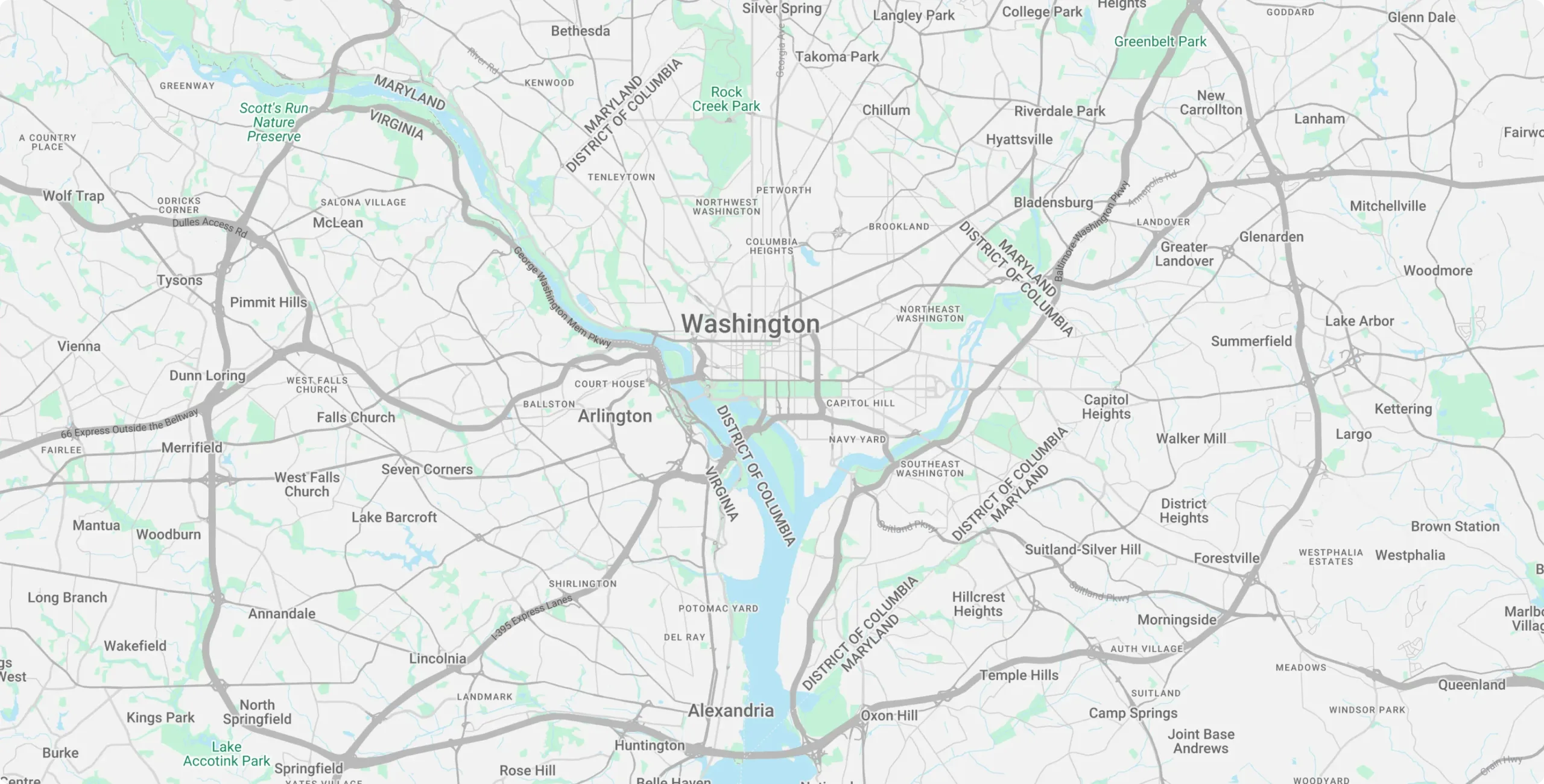
AREAS WE SERVE
At FloodTech USA, we specialize in comprehensive solutions for all your water-related concerns. From precision leak detection and water damage repair to mold remediation, sealing, resurfacing, and full-scale restoration services—our certified team delivers dependable results with unmatched professionalism.
PROTECTING PROPERTY, RESTORING PEACE OF MIND
At FloodTech USA, our team of certified home and commercial restoration specialists brings over 30 years of combined expertise in water damage mitigation, mold remediation, fire and smoke restoration, and structural recovery. Every technician on our crew is fully trained, licensed, and committed to delivering prompt, professional, and compassionate service during your most difficult times.
We know that emergencies don’t wait for business hours. That’s why our restoration services are available around the clock—24 hours a day, 7 days a week, 365 days a year. Whether it’s a burst pipe in the middle of the night or fire damage over a holiday weekend, we’re ready to respond immediately to protect your property and begin the recovery process without delay.