


Water Damage Restoration in Reston, VA
Water damage can affect any home or business in Reston, VA without warning. Whether caused by a burst pipe, appliance failure, storm-related intrusion, or an unexpected plumbing leak, water can spread quickly through walls, floors, and structural components. Without immediate and professional water damage restoration, moisture can lead to structural deterioration, mold growth, indoor air quality issues, and costly long-term repairs.
FloodTech USA provides professional water damage restoration in Reston, VA with a clear focus on rapid response, thorough water removal, complete structural drying, and full property restoration. Our team understands the urgency of water damage and works efficiently to minimize disruption, protect structural integrity, and restore your property safely.
We serve residential and commercial property owners throughout Reston with dependable water damage restoration solutions designed to address both visible damage and hidden moisture.
WHY FLOODTECH USA?
WE’RE HERE FOR YOU
24 HOURS A DAY, 7 DAYS A WEEK.

Comprehensive Water Damage Restoration in Reston
Water damage restoration is more than simply removing standing water. Moisture can penetrate deeply into building materials, often spreading beyond the immediately visible area. Effective restoration requires a structured process that includes assessment, extraction, drying, monitoring, cleaning, and repairs.
Our water damage restoration services in Reston, VA are designed to fully restore affected properties to their pre-damage condition while preventing future complications.
Immediate Response to Water Damage Emergencies
Time plays a critical role in limiting water damage. Within minutes, water can spread across flooring and into wall cavities. Within hours, drywall absorbs moisture and wood framing begins to swell. Within 24 to 48 hours, mold growth may begin.
FloodTech USA offers 24/7 emergency water damage restoration in Reston. Our rapid response team arrives promptly to assess the situation, identify the source of water intrusion, and begin mitigation immediately. Quick action reduces structural damage, lowers restoration costs, and helps prevent mold growth.
Detailed Water Damage Assessment
Every water damage situation in Reston is unique. We begin with a comprehensive inspection of the affected property to determine:
- The source of water intrusion
- The extent of water migration
- The category of water involved
- Materials affected
- Areas of hidden moisture
Using professional moisture detection equipment, we identify moisture behind walls, beneath flooring, and inside structural components. This detailed assessment ensures no area is overlooked.
Water Extraction and Removal
Removing standing water is the first major step in water damage restoration. Water can quickly saturate carpets, hardwood floors, drywall, and subflooring. The longer water remains, the greater the damage becomes.
Professional Water Extraction Equipment
FloodTech USA uses high-capacity pumps and industrial extraction systems to remove standing water quickly and efficiently. This equipment is far more powerful than consumer-grade tools and allows for faster mitigation.
Immediate extraction helps:
- Prevent structural weakening
- Reduce swelling and warping of materials
- Limit mold growth potential
- Minimize damage to personal belongings
Water removal is only the beginning. Even after visible water is gone, moisture can remain trapped within building materials.
Structural Drying and Dehumidification
Thorough drying is one of the most critical aspects of water damage restoration in Reston, VA. Moisture that remains inside walls or beneath flooring can continue causing damage long after surfaces appear dry.
Advanced Drying Techniques
We strategically place commercial-grade air movers and dehumidifiers throughout the affected areas. These systems:
- Increase airflow across wet surfaces
- Draw moisture from porous materials
- Remove humidity from indoor air
- Accelerate evaporation
Our technicians monitor moisture levels daily using calibrated moisture meters. Equipment placement is adjusted as needed to ensure consistent drying throughout the structure.
Hidden Moisture Detection
Water frequently migrates into concealed areas such as:
- Wall cavities
- Insulation
- Subflooring
- Ceiling voids
- Crawl spaces
Using advanced detection tools, we locate hidden moisture pockets and ensure they are properly dried. Incomplete drying is one of the primary causes of recurring water damage issues.
Repair and Restoration of Water-Damaged Materials
After drying is complete, the restoration phase begins. Water can compromise structural materials, interior finishes, and building systems.
Evaluating Salvageable Materials
Not all water-damaged materials require replacement. We carefully evaluate:
- Drywall
- Flooring
- Wood framing
- Trim and baseboards
- Cabinets
Materials that can be safely restored are preserved whenever possible to reduce costs and maintain the property’s original integrity.
Replacing Unsalvageable Components
In cases where materials are too severely damaged, replacement may be necessary. This often includes:
- Sections of drywall
- Flooring materials
- Insulation
- Damaged subflooring
Our goal is to restore the property seamlessly while maintaining structural stability and aesthetic consistency.
Mold Prevention During Water Damage Restoration
Mold growth is one of the most serious consequences of untreated water damage. Mold can begin developing within 24 to 48 hours in moist environments.
Proactive Mold Prevention Measures
As part of our water damage restoration in Reston, VA, we prioritize mold prevention by:
- Removing moisture completely
- Controlling humidity levels
- Treating affected areas when necessary
- Ensuring proper ventilation
By addressing moisture thoroughly, we significantly reduce the likelihood of mold growth.
Residential Water Damage Restoration in Reston
Homes in Reston range from single-family residences to townhomes and condominiums. Many properties include finished basements and modern construction materials that require specialized drying approaches.
Common Areas Affected in Homes
Water damage frequently impacts:
- Kitchens
- Bathrooms
- Basements
- Living rooms
- Bedrooms
- Laundry areas
Our residential water damage restoration services are designed to restore comfort and safety while minimizing disruption for homeowners.
We treat every home with care and maintain clear communication throughout the restoration process.
Commercial Water Damage Restoration in Reston
Water damage in commercial properties can disrupt operations and result in lost revenue. Offices, retail spaces, and multi-unit buildings require efficient restoration to minimize downtime.
Minimizing Business Interruption
Our commercial water damage restoration process focuses on:
- Rapid response
- Efficient drying
- Coordinated repairs
- Safe working conditions
We work closely with property managers and business owners to restore affected areas as quickly as possible.
Common Causes of Water Damage in Reston, VA
Water damage in Reston properties often results from:
- Burst or leaking pipes
- Water heater failures
- Appliance malfunctions
- Overflowing sinks or bathtubs
- Roof leaks
- Basement flooding
- Storm-related water intrusion
Identifying and stopping the source is essential to preventing further damage.
Categories of Water Damage
Water damage is classified into three primary categories based on contamination level.
Clean Water
Clean water originates from sanitary sources such as supply lines or rainwater at the point of entry. Although initially safe, it can quickly become contaminated if left untreated.
Gray Water
Gray water contains contaminants from appliances or plumbing systems. It may contain chemicals or organic material and requires careful handling.
Black Water
Black water is highly contaminated and may contain sewage, bacteria, or harmful pathogens. It requires strict safety procedures and extensive cleaning.
Accurate classification ensures proper restoration methods are applied.
Effects of Water Damage on Building Materials
Different materials react differently to water exposure.
Wood Framing
Wood absorbs water quickly, leading to swelling, warping, and potential rot if not dried properly.
Drywall
Drywall weakens when wet and often requires removal if saturated.
Flooring
Hardwood may buckle or cup, laminate may swell, and carpet padding often requires replacement.
Insulation
Wet insulation loses effectiveness and may harbor moisture if not removed.
Proper drying techniques are essential to preserve materials whenever possible.
Consequences of Delaying Water Damage Restoration
Ignoring water damage can lead to:
- Structural weakening
- Mold growth
- Poor indoor air quality
- Escalating repair costs
- Electrical hazards
- Persistent odors
Prompt professional water damage restoration prevents these long-term consequences.
Preventing Future Water Damage in Reston Properties
While not all water damage can be avoided, preventative steps help reduce risk.
Routine Plumbing Maintenance
Regular inspections of pipes, valves, and appliances can identify small leaks before they escalate.
Roof and Drainage Care
Maintaining roofs, gutters, and downspouts helps prevent storm-related intrusion.
Monitoring for Early Warning Signs
Discoloration, musty odors, or unexplained humidity may signal hidden moisture issues.
Proactive maintenance helps protect both residential and commercial properties in Reston.
Why Choose FloodTech USA for Water Damage Restoration in Reston, VA
Property owners in Reston rely on FloodTech USA because we provide:
- 24/7 emergency response
- Professional water extraction and drying
- Thorough inspections
- Complete restoration services
- Clear communication throughout the process
Our focus is exclusively on delivering high-quality water damage restoration that restores safety and peace of mind.
How Hidden Water Damage Impacts Structural Integrity Over Time
Hidden water damage is one of the most serious threats to a property’s long-term structural stability. Unlike visible flooding or obvious leaks, concealed moisture often spreads quietly behind walls, beneath flooring, and inside ceilings. By the time signs become noticeable, significant deterioration may already be underway. This is why professional water damage restoration is essential—not only to address visible water intrusion, but to detect and eliminate hidden moisture before it compromises structural integrity.
Water does not remain confined to one area. It follows gravity, seeps into porous materials, and travels along framing and subflooring. Over time, even small amounts of trapped moisture can weaken core structural components. Understanding how hidden water damage affects a building helps property owners recognize the importance of early intervention and comprehensive restoration.
How Water Travels Through a Structure
Water intrusion rarely affects only the surface where it first appears. It migrates through building materials in multiple directions, often reaching areas far beyond the original leak.
Capillary Action and Moisture Migration
Porous materials such as drywall, wood, and concrete absorb water through capillary action. This allows moisture to wick upward or outward from the original source. For example, a small plumbing leak inside a wall can spread into adjacent framing, insulation, and flooring without immediate visual signs.
As moisture spreads, it increases the area of saturation. Without professional water damage restoration techniques such as moisture mapping and thermal imaging, these hidden pockets often remain undetected.
Gravity and Structural Pathways
Water also follows gravity. Ceiling leaks can travel down through wall cavities and into lower floors. In multi-story properties, a leak on an upper level may cause hidden damage to structural components below before any staining appears.
Professional water damage restoration includes thorough inspection of all affected levels to ensure that moisture migration is fully addressed.
The Progressive Weakening of Structural Materials
Hidden moisture does not cause immediate collapse. Instead, it gradually weakens structural materials over time, leading to long-term damage that becomes increasingly expensive to repair.
Wood Framing Deterioration
Wood is a primary structural component in many residential and commercial properties. When exposed to hidden moisture, wood absorbs water and begins to swell.
Swelling and Warping
As wood fibers absorb moisture, they expand. This swelling can cause:
- Warped studs and joists
- Uneven floors
- Misaligned doors and windows
- Cracking in drywall
Over time, repeated moisture exposure leads to distortion that affects structural alignment.
Rot and Decay
If moisture remains trapped for extended periods, wood becomes vulnerable to rot. Fungal organisms break down wood fibers, reducing strength and load-bearing capacity. Structural rot often develops out of sight inside wall cavities or beneath flooring.
Water damage restoration professionals use moisture meters and invasive testing when necessary to determine whether structural wood can be dried or must be replaced.
Drywall and Interior Wall System Failure
Drywall is highly susceptible to hidden moisture. Even minor leaks can cause drywall to absorb water and weaken internally.
Loss of Structural Support
Wet drywall loses rigidity. It may sag between studs or crumble when touched. When hidden moisture persists, drywall anchors and fasteners can loosen, compromising wall stability.
Concealed Deterioration
Because drywall is painted and finished, moisture damage may remain hidden behind intact surfaces. Bubbling paint or slight discoloration may be the only visible indicators. Without professional restoration, interior wall systems can deteriorate significantly before the issue is discovered.
Subfloor and Flooring Instability
Hidden water damage beneath flooring is particularly dangerous because it affects both structural and aesthetic components.
Subfloor Saturation
Subflooring, often made of plywood or oriented strand board, absorbs water readily. As it swells, it may cause:
- Uneven walking surfaces
- Creaking floors
- Separation between boards
- Structural soft spots
If saturation continues, subfloor materials may weaken to the point of failure.
Flooring Material Damage
Hardwood flooring may cup, buckle, or separate due to hidden moisture below. Tile installations can loosen as adhesive bonds break down. Laminate flooring often swells internally, leading to irreversible damage.
Water damage restoration teams ensure that subfloor moisture levels are stabilized before reinstalling flooring materials to prevent recurring issues.
The Long-Term Impact on Foundations and Concrete
Concrete is often perceived as immune to water damage, but it is porous and susceptible to hidden moisture intrusion.
Moisture Absorption in Concrete
Concrete absorbs water through microscopic pores. When moisture accumulates within foundation walls or slabs, it can contribute to:
- Surface cracking
- Efflorescence
- Deterioration of reinforcing materials
Repeated wetting and drying cycles increase internal stress within the material.
Foundation Movement and Structural Stress
Hidden moisture around a foundation can affect soil stability. Expansive soils may swell when saturated and shrink when dry, creating movement beneath the structure. Over time, this can result in:
- Foundation cracks
- Uneven settling
- Structural misalignment
Professional water damage restoration includes addressing drainage issues and ensuring moisture levels around foundations are properly managed.
Hidden Water Damage and Metal Components
Structural systems often include metal fasteners, connectors, and support elements.
Corrosion of Fasteners and Connectors
When hidden moisture reaches metal components, corrosion begins. Rust weakens nails, screws, brackets, and structural connectors that hold framing together.
As corrosion progresses, load-bearing connections lose strength. This can compromise the overall integrity of walls, ceilings, and roofing systems.
Electrical System Risks
Moisture exposure to electrical wiring and panels increases the risk of short circuits and fire hazards. Even after surfaces appear dry, hidden moisture may remain inside electrical enclosures.
Water damage restoration professionals coordinate inspections to ensure electrical systems are safe before re-energizing affected areas.
The Compounding Effect of Mold Growth
Mold growth is both a consequence and an accelerant of structural damage.
Organic Material Breakdown
Mold feeds on organic materials such as wood and drywall paper backing. As mold colonies expand, they break down structural materials, further weakening them.
Hidden mold growth inside walls or beneath flooring can significantly accelerate material deterioration.
Increased Moisture Retention
Mold thrives in moist environments and can help retain moisture within building materials. This creates a cycle where moisture promotes mold growth, and mold growth maintains damp conditions.
Comprehensive water damage restoration breaks this cycle by removing moisture completely and addressing contaminated materials.
Why Professional Water Damage Restoration Is Critical
Hidden water damage requires specialized tools and expertise to detect and resolve effectively.
Moisture Detection Technology
Professional restoration teams use:
- Thermal imaging cameras
- Hygrometers
- Moisture meters
- Infrared scanning
These tools allow technicians to identify hidden moisture pockets that are not visible to the naked eye.
Controlled Drying and Monitoring
Drying is not simply about placing fans in a room. Controlled drying strategies are designed to:
- Prevent structural cracking
- Reduce rapid material shrinkage
- Balance humidity levels
- Protect unaffected areas
Daily monitoring ensures that moisture levels return to safe standards before reconstruction begins.
Preventing Recurring Structural Damage
Incomplete drying often leads to recurring issues. A surface may appear dry while subflooring or framing remains saturated. This hidden moisture continues weakening structural components over time.
Thorough water damage restoration eliminates residual moisture and stabilizes the structure before repairs are finalized.
The Financial Impact of Delayed Restoration
Hidden structural damage becomes more expensive to repair the longer it remains untreated.
Escalating Repair Costs
What begins as a small concealed leak can lead to:
- Full wall reconstruction
- Floor system replacement
- Structural reinforcement
- Foundation repairs
Early professional intervention significantly reduces these costs.
Protecting Long-Term Property Value
Structural integrity directly impacts property value. Undetected water damage can result in failed inspections, reduced resale value, and liability concerns.
Water damage restoration protects both the immediate safety of the structure and its long-term investment value.
Protecting Structural Integrity Through Early Action
Hidden water damage rarely resolves on its own. Moisture continues to spread, materials continue to weaken, and structural stability gradually declines.
Prompt, professional water damage restoration addresses hidden moisture before it compromises framing, flooring, foundations, and support systems. By combining advanced detection methods, controlled drying, and strategic repairs, restoration professionals help preserve structural integrity and prevent long-term deterioration.
Taking swift action after any water intrusion—no matter how minor it appears—is the most effective way to safeguard a property’s structural health over time.
The Importance of Professional Moisture Mapping in Water Damage Restoration
Water damage restoration is not simply about removing visible water and placing drying equipment in a room. One of the most critical and often overlooked components of successful restoration is professional moisture mapping. Moisture mapping is the systematic process of identifying, measuring, and documenting the presence and spread of water within a structure. Without it, hidden moisture can remain trapped inside walls, ceilings, subfloors, and structural components, leading to long-term damage.
Professional moisture mapping ensures that water damage restoration is thorough, precise, and effective. It prevents incomplete drying, reduces the risk of mold growth, and protects the structural integrity of a property.
What Is Moisture Mapping in Water Damage Restoration
Moisture mapping is a detailed inspection process used to determine the exact extent of water intrusion within a property. It involves using specialized equipment to detect moisture in both visible and concealed areas.
The Purpose of Moisture Mapping
The primary goal of moisture mapping is to create a clear picture of how far water has traveled. Water rarely stays confined to the surface where it first appears. It spreads through porous materials, along framing members, and beneath flooring systems.
Moisture mapping allows restoration professionals to:
- Identify all affected materials
- Locate hidden moisture pockets
- Determine the category and severity of damage
- Develop a targeted drying plan
- Monitor progress throughout restoration
Without proper mapping, restoration efforts may only address surface moisture, leaving deeper structural components saturated.
Why Visual Inspections Are Not Enough
Water damage often hides behind finished surfaces. Paint, tile, and flooring materials can conceal moisture that continues to degrade structural components. Visual inspections alone cannot accurately determine how deeply water has penetrated.
Professional moisture mapping uses technology to detect moisture beyond what the eye can see. This ensures no affected area is overlooked.
How Water Spreads Inside a Structure
Understanding moisture migration is essential to appreciating the importance of mapping during water damage restoration.
Capillary Action and Material Absorption
Building materials such as drywall, wood, and concrete are porous. When exposed to water, they absorb moisture through capillary action. This allows water to travel upward and outward from the original source.
A small plumbing leak inside a wall can lead to widespread moisture distribution throughout adjacent framing and insulation. Without moisture mapping, these hidden areas may remain undetected.
Horizontal and Vertical Migration
Water does not only move downward due to gravity. It also spreads horizontally across flooring systems and into adjoining rooms. Ceiling leaks can travel down through walls and affect lower levels of a property.
Professional moisture mapping identifies both vertical and horizontal spread, ensuring a comprehensive restoration plan.
Tools Used in Professional Moisture Mapping
Accurate moisture mapping relies on specialized equipment designed to measure and detect water within building materials.
Moisture Meters
Moisture meters measure the moisture content of materials such as wood and drywall. These devices help technicians determine whether materials can be dried or must be removed.
Pin-Type Moisture Meters
Pin-type meters use probes inserted into materials to measure internal moisture levels. They provide precise readings and are often used to assess framing and subflooring.
Non-Invasive Moisture Meters
Non-invasive meters scan surfaces without penetrating them. These tools are useful for quickly identifying large areas of moisture beneath finished surfaces.
Thermal Imaging Cameras
Thermal imaging cameras detect temperature differences that may indicate hidden moisture. Wet materials often appear cooler than dry ones due to evaporation.
While thermal imaging does not measure moisture directly, it helps restoration professionals identify areas that require further testing.
Hygrometers and Psychrometers
These devices measure humidity levels in the air. High indoor humidity often signals hidden moisture within structural components.
Monitoring humidity during water damage restoration ensures drying efforts are progressing effectively.
The Role of Moisture Mapping in Developing a Drying Plan
Moisture mapping is not just about detection. It forms the foundation for a strategic and efficient drying plan.
Targeted Equipment Placement
Once moisture levels are mapped, restoration professionals can strategically position air movers and dehumidifiers where they are most needed.
Without mapping, equipment may be placed incorrectly, leading to uneven drying and prolonged restoration timelines.
Preventing Over-Drying or Under-Drying
Controlled drying is essential in water damage restoration. Over-drying certain materials can cause cracking or warping, while under-drying leaves residual moisture behind.
Moisture mapping ensures drying is balanced and precise, protecting structural materials from further damage.
Monitoring Progress Throughout Restoration
Moisture mapping is not a one-time process. It continues throughout the restoration project to track drying progress.
Daily Moisture Readings
Restoration technicians take daily readings of affected materials to monitor improvements. These measurements confirm that moisture levels are decreasing as expected.
If drying stalls, equipment placement or airflow strategies can be adjusted accordingly.
Confirming Drying Goals Are Achieved
Every material has an acceptable moisture content range. Moisture mapping allows professionals to confirm when materials have returned to safe levels before reconstruction begins.
Skipping this step increases the risk of future structural problems.
Preventing Mold Growth Through Accurate Moisture Detection
Mold can begin developing within 24 to 48 hours of water exposure. Hidden moisture creates ideal conditions for mold growth inside walls and beneath flooring.
Eliminating Moisture at the Source
Moisture mapping identifies damp areas that could support mold development. By targeting these areas early, restoration professionals reduce the risk of contamination.
Breaking the Moisture-Mold Cycle
Mold not only thrives in moisture but also helps retain it. Without proper moisture mapping, undetected damp areas may continue fueling mold growth even after visible surfaces appear dry.
Professional water damage restoration includes moisture mapping to prevent long-term mold issues.
Protecting Structural Integrity with Thorough Mapping
Structural stability depends on dry, stable building materials.
Safeguarding Wood Framing
Wood framing loses strength when exposed to prolonged moisture. Mapping ensures that all framing components are properly dried before repairs are completed.
Preserving Subfloor and Flooring Systems
Hidden moisture beneath flooring can lead to buckling, soft spots, and structural weakening. Moisture mapping ensures subfloor systems are stabilized before reinstalling flooring materials.
Preventing Foundation Complications
Moisture mapping can also identify elevated moisture levels near foundation walls or slabs. Early detection allows for corrective measures before structural stress develops.
Supporting Insurance Documentation and Transparency
Professional moisture mapping provides detailed documentation of the extent of water damage.
Accurate Scope of Damage
Mapping results help establish the true scope of affected areas. This ensures that restoration plans are comprehensive and aligned with actual damage conditions.
Clear Communication
Detailed moisture reports allow property owners to understand the severity of the situation and the steps required for full restoration.
Documentation also supports insurance claims by demonstrating that thorough mitigation efforts were performed.
Reducing Long-Term Repair Costs
Incomplete drying often leads to recurring damage and expensive repairs.
Avoiding Secondary Damage
Hidden moisture left untreated can cause rot, mold growth, and structural weakening. Moisture mapping prevents these secondary issues by ensuring complete drying.
Shortening Restoration Timelines
Targeted drying based on accurate mapping reduces guesswork and accelerates the restoration process. Efficient drying minimizes disruption and lowers overall costs.
The Professional Advantage in Water Damage Restoration
Moisture mapping requires training, experience, and specialized equipment. Attempting to manage water damage without professional tools often results in overlooked moisture and incomplete restoration.
Professional water damage restoration teams understand how to interpret moisture readings, identify hidden risks, and adjust drying strategies accordingly. Their expertise ensures that every affected material is properly evaluated and treated.
Ensuring Long-Term Stability and Safety
The success of water damage restoration depends on more than removing standing water. Hidden moisture is one of the most significant threats to structural integrity and indoor air quality.
Professional moisture mapping provides the accuracy and accountability necessary for thorough restoration. By detecting concealed moisture, guiding targeted drying, and verifying successful results, moisture mapping protects both the structure and its occupants.
In water damage restoration, precision matters. Moisture mapping transforms restoration from surface-level cleanup into a comprehensive structural recovery process that safeguards the long-term stability, safety, and value of the property.
Hidden Water Damage: Signs You Should Never Ignore
Hidden water damage is one of the most destructive and costly problems a property owner can face. Unlike obvious flooding or standing water, hidden moisture develops quietly behind walls, beneath flooring, inside ceilings, and within structural components. By the time visible signs appear, the damage may already be extensive. Recognizing early warning signs and responding with professional water damage restoration can prevent serious structural deterioration, mold growth, and escalating repair costs.
Water rarely stays where it first appears. It spreads through porous materials, travels along framing, and seeps into concealed spaces. Understanding the subtle indicators of hidden water damage allows property owners to act quickly and protect their investment.
Why Hidden Water Damage Is So Dangerous
Water damage that remains out of sight often goes untreated for long periods. During that time, moisture continues to weaken building materials and create ideal conditions for mold growth.
Gradual Structural Deterioration
When moisture becomes trapped inside walls or beneath flooring, it slowly compromises wood framing, drywall, insulation, and subflooring. Over time, this leads to warping, swelling, and decay that weakens the structural integrity of the property.
Increased Restoration Costs
The longer hidden water damage goes undetected, the more extensive repairs become. What might have required localized drying and minor repairs can escalate into major reconstruction if ignored.
Professional water damage restoration addresses both visible damage and concealed moisture before long-term consequences develop.
Discoloration and Staining on Walls or Ceilings
One of the most common early signs of hidden water damage is discoloration. Even subtle changes in color can indicate moisture trapped behind surfaces.
Yellow or Brown Water Stains
Water stains often appear as yellow, brown, or copper-colored marks on ceilings or walls. These stains may grow larger over time as moisture continues spreading behind the surface.
Expanding Stain Patterns
If a stain increases in size or darkens after rainfall or plumbing use, it may signal an active leak. This is a strong indicator that professional water damage restoration is needed to identify and stop the source.
Peeling or Bubbling Paint
Moisture trapped beneath painted surfaces causes paint to bubble, blister, or peel away. This happens because water weakens the bond between paint and drywall.
Even if the surface dries temporarily, underlying moisture may still be present. Restoration professionals use moisture mapping to confirm whether the area is fully dry.
Musty or Unpleasant Odors
Persistent musty smells are often one of the first signs of hidden water damage. These odors typically develop in areas where moisture has remained for an extended period.
Odors That Do Not Disappear
If a musty smell lingers despite cleaning and ventilation, hidden moisture may be trapped inside walls, beneath floors, or within insulation.
Mold-Related Smells
Mold growth frequently accompanies hidden water damage. Even before mold becomes visible, its presence can produce a strong earthy or damp odor.
Professional water damage restoration includes identifying the moisture source, thoroughly drying affected materials, and addressing contamination.
Warped or Buckling Flooring
Flooring materials often reveal hidden water damage before walls do. Moisture trapped beneath the surface can cause noticeable changes.
Hardwood Cupping or Buckling
Hardwood flooring absorbs moisture from below. When subflooring becomes saturated, boards may cup at the edges or buckle upward.
Soft or Spongy Areas
Walking across a floor that feels soft, uneven, or spongy may indicate subfloor deterioration caused by hidden moisture.
Water damage restoration professionals inspect both flooring and subfloor systems to determine the full extent of damage.
Loose or Cracked Tiles
Tile floors may loosen or crack when moisture weakens the adhesive beneath them. This often signals water intrusion that has spread below the visible surface.
Sagging Ceilings or Walls
Sagging surfaces are a serious sign of advanced hidden water damage. Moisture accumulation inside drywall and insulation increases weight and weakens support.
Ceiling Bulges or Drooping Sections
A bulging ceiling may indicate water pooling above it. This condition requires immediate attention to prevent collapse.
Cracks Along Seams or Corners
Cracks in drywall joints or along corners may develop as moisture causes framing to shift or expand.
Water damage restoration teams assess structural safety before beginning drying and repairs.
Unexplained Increases in Utility Bills
Sometimes hidden water damage reveals itself through higher water bills.
Continuous Water Flow
A hidden plumbing leak inside a wall or beneath flooring may cause constant water flow, increasing monthly usage.
Early Leak Detection
If water bills rise unexpectedly, a professional inspection can identify concealed leaks before structural damage worsens.
Prompt restoration prevents both financial waste and material deterioration.
Mold Spots or Surface Growth
Visible mold often appears only after hidden moisture has been present for some time.
Small Dark Patches
Black, green, or gray spots on walls, ceilings, or baseboards may indicate mold growth resulting from hidden water damage.
Recurring Mold After Cleaning
If mold reappears after cleaning, the underlying moisture source has likely not been addressed.
Professional water damage restoration eliminates the moisture source and ensures affected materials are properly dried and treated.
Deteriorating Baseboards and Trim
Baseboards and trim are often early indicators of hidden water damage.
Swelling or Separation
Moisture absorbed into trim materials may cause swelling, warping, or separation from the wall.
Soft or Crumbling Material
If trim feels soft or begins crumbling, it may have sustained prolonged exposure to hidden moisture.
Restoration professionals inspect wall cavities behind trim to assess concealed damage.
Condensation and Excess Humidity
High indoor humidity can signal hidden water damage within walls or structural components.
Persistent Window Condensation
While occasional condensation is normal, excessive or recurring condensation may indicate elevated moisture levels inside the property.
Damp Indoor Environment
If indoor air feels consistently damp, hidden moisture may be present within insulation or framing.
Professional water damage restoration includes humidity control and thorough structural drying.
Electrical Issues and Corrosion
Hidden water damage can also affect electrical systems.
Flickering Lights or Tripped Breakers
Moisture inside walls can reach wiring and electrical components, causing intermittent issues.
Corrosion Around Electrical Fixtures
Visible rust or corrosion near outlets or light fixtures may indicate moisture exposure.
Electrical safety is a priority during water damage restoration to prevent hazards.
The Importance of Professional Water Damage Restoration
Ignoring signs of hidden water damage allows structural deterioration to continue unchecked. Professional water damage restoration goes beyond surface-level cleanup.
Advanced Moisture Detection
Restoration professionals use moisture meters, thermal imaging, and hygrometers to locate hidden moisture behind walls and beneath floors.
Controlled Structural Drying
Strategic placement of air movers and dehumidifiers ensures thorough drying without causing material stress.
Preventing Long-Term Structural Damage
By addressing moisture early, restoration protects framing, subflooring, insulation, and interior finishes from progressive weakening.
When to Act Immediately
Certain warning signs require urgent professional attention.
Rapidly Expanding Stains
Growing discoloration often signals active water intrusion.
Structural Instability
Sagging ceilings, soft floors, or shifting walls may indicate advanced damage.
Strong Persistent Odors
Musty smells that intensify over time suggest hidden moisture and possible mold growth.
In these situations, delaying water damage restoration increases risks to both the structure and its occupants.
Protecting Your Property From Hidden Damage
Hidden water damage rarely resolves on its own. Moisture continues spreading, weakening materials and creating conditions for mold.
Recognizing the early signs and contacting a professional water damage restoration team ensures that concealed moisture is detected, removed, and fully addressed. Swift action preserves structural integrity, improves indoor air quality, and prevents costly long-term repairs.
Water damage may begin quietly, but its impact grows over time. Acting at the first sign of trouble is the most effective way to protect your property and maintain its safety and value.
Frequently Asked Questions About Water Damage Restoration
How quickly should water damage restoration begin?
Water damage restoration should begin immediately. The sooner mitigation starts, the lower the risk of structural damage and mold growth.
How long does water damage restoration take?
The timeline depends on the extent of damage. Minor water damage may require several days for drying, while more extensive damage can take longer.
Can small leaks cause serious damage?
Yes. Even small leaks can allow moisture to spread behind walls or beneath floors, leading to hidden structural damage and mold growth.
Is professional water damage restoration necessary?
Professional restoration ensures complete water removal, proper drying, and safe repairs. Without professional equipment and expertise, moisture may remain hidden.
What areas of a property are most vulnerable to water damage?
Basements, bathrooms, kitchens, laundry rooms, and areas near plumbing fixtures are particularly vulnerable.
Contact FloodTech USA for Water Damage Restoration in Reston, VA
If your home or business has experienced water damage, immediate action is critical. FloodTech USA provides professional water damage restoration in Reston, VA with fast response times and comprehensive restoration solutions.
Contact our team today for emergency water damage restoration or to schedule an inspection. We are ready to help restore your property safely and efficiently.
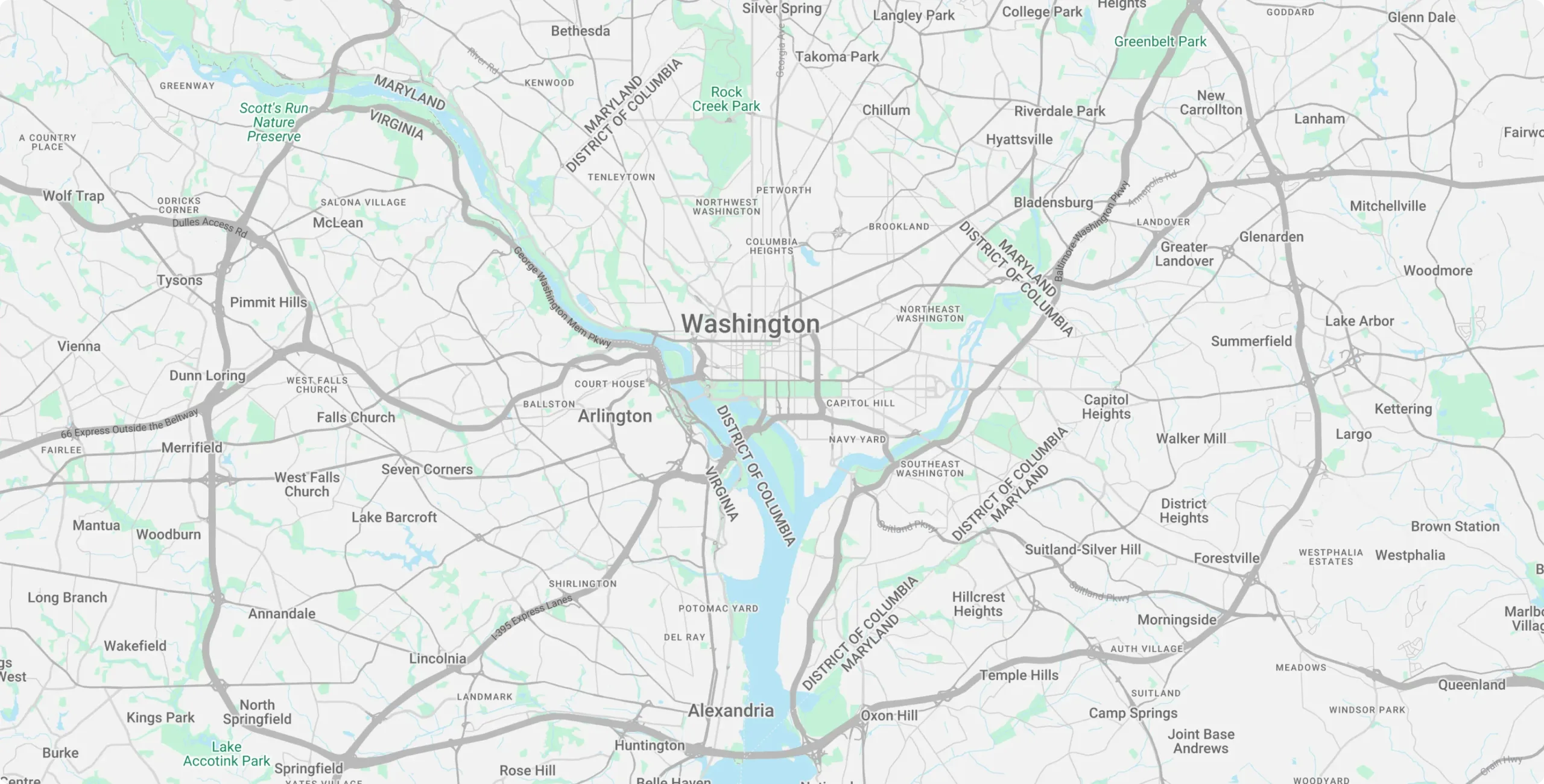
AREAS WE SERVE
At FloodTech USA, we specialize in comprehensive solutions for all your water-related concerns. From precision leak detection and water damage repair to mold remediation, sealing, resurfacing, and full-scale restoration services—our certified team delivers dependable results with unmatched professionalism.
PROTECTING PROPERTY, RESTORING PEACE OF MIND
At FloodTech USA, our team of certified home and commercial restoration specialists brings over 30 years of combined expertise in water damage mitigation, mold remediation, fire and smoke restoration, and structural recovery. Every technician on our crew is fully trained, licensed, and committed to delivering prompt, professional, and compassionate service during your most difficult times.
We know that emergencies don’t wait for business hours. That’s why our restoration services are available around the clock—24 hours a day, 7 days a week, 365 days a year. Whether it’s a burst pipe in the middle of the night or fire damage over a holiday weekend, we’re ready to respond immediately to protect your property and begin the recovery process without delay.