


Water Damage Restoration in Sterling, VA
Water damage can strike homes and businesses in Sterling, VA without warning. A burst pipe, appliance leak, heavy rainfall, or plumbing failure can release significant amounts of water into a property within minutes. Once water enters a structure, it spreads quickly through floors, walls, ceilings, and structural components. Without immediate and professional water damage restoration, moisture can lead to structural damage, mold growth, electrical hazards, and costly long-term repairs.
FloodTech USA provides professional water damage restoration in Sterling, VA with a focus on rapid response, complete water removal, thorough structural drying, and full property restoration. Our team understands the urgency of water damage situations and works efficiently to protect your property, minimize disruption, and restore safe living or working conditions.
We serve both residential and commercial property owners throughout Sterling with dependable, comprehensive water damage restoration solutions.
WHY FLOODTECH USA?
WE’RE HERE FOR YOU
24 HOURS A DAY, 7 DAYS A WEEK.

Professional Water Damage Restoration in Sterling
Water damage restoration involves far more than simply removing visible water. Moisture often travels beyond the initial source, penetrating porous materials and becoming trapped behind walls and beneath flooring. Proper restoration requires a structured and detailed approach to ensure that all affected areas are addressed.
Our water damage restoration services in Sterling, VA include:
- Emergency response and damage assessment
- Water extraction and removal
- Structural drying and dehumidification
- Moisture monitoring
- Cleaning and sanitation
- Repair and restoration of damaged materials
Each project is handled with precision and attention to detail to ensure a complete recovery.
24/7 Emergency Water Damage Response
Water damage is time-sensitive. Within minutes, water can saturate carpets and seep into subfloors. Within hours, drywall absorbs moisture and begins to weaken. Within 24 to 48 hours, mold growth may begin.
FloodTech USA offers 24/7 emergency water damage restoration in Sterling. Our rapid response team arrives promptly to assess the situation, identify the source of water intrusion, and begin immediate mitigation efforts. Quick action significantly reduces the extent of damage and helps control overall restoration costs.
Comprehensive Damage Inspection
Every water damage event is unique. We begin with a detailed inspection to determine:
- The source of water intrusion
- The extent of water migration
- The category of water involved
- Materials affected
- Areas of hidden moisture
Using advanced moisture detection equipment, we identify moisture within wall cavities, ceilings, flooring systems, and structural framing. This ensures that no affected area is overlooked.
Water Extraction and Removal
Standing water must be removed as quickly as possible to limit damage. Water can rapidly compromise drywall, hardwood floors, carpet, insulation, and structural wood components.
Advanced Water Extraction Equipment
FloodTech USA uses high-powered pumps and professional-grade extraction systems to remove standing water efficiently. This equipment allows for faster water removal compared to standard household tools.
Immediate water extraction helps:
- Prevent material swelling and warping
- Reduce structural stress
- Limit mold growth risk
- Protect personal belongings
Even after visible water is removed, moisture may still remain within building materials, requiring professional drying.
Structural Drying and Dehumidification
Complete structural drying is essential in any water damage restoration project. Surfaces may appear dry while moisture remains hidden beneath flooring or inside walls.
Controlled Drying Process
We deploy commercial air movers and dehumidifiers strategically throughout affected areas. These systems:
- Increase airflow across wet surfaces
- Extract moisture from porous materials
- Reduce indoor humidity
- Accelerate evaporation
Moisture levels are monitored daily using professional meters to confirm that materials are drying properly. Equipment placement is adjusted as needed to achieve uniform drying.
Addressing Hidden Moisture
Water frequently travels into concealed spaces such as:
- Subflooring
- Wall cavities
- Insulation
- Ceiling voids
- Crawl spaces
Our technicians locate and address hidden moisture to prevent ongoing damage and recurring problems.
Repair and Restoration of Water-Damaged Areas
After thorough drying, restoration efforts focus on repairing affected materials and restoring the property.
Evaluating Salvageable Materials
We carefully assess whether materials such as drywall, flooring, and trim can be safely restored. When possible, materials are preserved to reduce costs and maintain structural integrity.
Replacing Damaged Components
If materials are too heavily damaged, replacement may be necessary. This often includes:
- Removing sections of drywall
- Replacing damaged flooring
- Installing new insulation
- Repairing subflooring
Our goal is to return the property to its pre-damage condition efficiently and professionally.
Mold Prevention During Water Damage Restoration
Mold is one of the most serious consequences of untreated water damage. Mold can begin growing within 24 to 48 hours when moisture is present.
Preventing Mold Growth
As part of our water damage restoration services in Sterling, VA, we prioritize mold prevention through:
- Complete moisture removal
- Humidity control
- Targeted treatment of affected areas
- Proper ventilation management
Thorough drying significantly reduces the risk of mold development and helps maintain healthy indoor air quality.
Residential Water Damage Restoration in Sterling
Sterling, VA includes a variety of residential properties such as single-family homes, townhomes, condominiums, and apartments. Many homes feature finished basements and complex plumbing systems that require careful restoration.
Commonly Affected Areas in Homes
Water damage frequently impacts:
- Basements
- Kitchens
- Bathrooms
- Laundry rooms
- Living areas
- Bedrooms
Our residential water damage restoration services are designed to restore safety, comfort, and structural integrity while minimizing disruption to homeowners.
We treat every home with care and provide clear communication throughout the restoration process.
Commercial Water Damage Restoration in Sterling
Water damage in commercial properties can disrupt operations, damage inventory, and impact revenue. Offices, retail locations, warehouses, and multi-unit buildings require prompt and efficient restoration.
Minimizing Business Downtime
Our commercial water damage restoration services focus on:
- Rapid emergency response
- Efficient drying and restoration
- Safe working environments
- Coordinated repairs
We work closely with business owners and property managers to restore affected areas as quickly as possible while maintaining safety standards.
Common Causes of Water Damage in Sterling, VA
Water damage in Sterling properties commonly results from:
- Burst or leaking pipes
- Water heater failures
- Appliance malfunctions
- Overflowing sinks or bathtubs
- Roof leaks
- Storm-related water intrusion
- Basement flooding
Identifying and addressing the source of water is essential to prevent ongoing damage.
Categories of Water Damage
Water damage is classified into three categories based on contamination level.
Clean Water
Clean water originates from sanitary sources such as supply lines or rainwater at the point of entry. While initially safe, it can become contaminated if left untreated.
Gray Water
Gray water contains moderate contamination from appliances or plumbing systems and may contain chemicals or organic matter.
Black Water
Black water is highly contaminated and may contain sewage, bacteria, or harmful pathogens. It requires specialized handling and thorough sanitation.
Accurate classification ensures that proper safety and restoration protocols are followed.
How Water Damage Affects Building Materials
Different materials respond differently to water exposure.
Wood Components
Wood framing and flooring absorb water quickly, leading to swelling, warping, and potential rot if not dried properly.
Drywall
Drywall weakens when saturated and often requires removal if moisture levels remain high.
Flooring Materials
Hardwood can cup or buckle, laminate may swell, and carpet padding often requires replacement due to moisture retention.
Insulation
Wet insulation loses effectiveness and may contribute to hidden moisture issues if not removed.
Proper structural drying helps preserve materials whenever possible.
Risks of Delaying Water Damage Restoration
Ignoring or delaying water damage restoration can result in:
- Structural weakening
- Mold growth
- Electrical hazards
- Poor indoor air quality
- Increased repair costs
- Persistent odors
Prompt professional restoration significantly reduces these risks.
Preventing Future Water Damage in Sterling Properties
While not all water damage events can be prevented, proactive measures can reduce risk.
Routine Plumbing Maintenance
Regular inspections of pipes, valves, and appliances help identify leaks early.
Roof and Drainage Maintenance
Maintaining roofing systems and ensuring proper drainage reduces storm-related water intrusion.
Monitoring for Early Signs
Discoloration, musty smells, and unexplained humidity may indicate hidden moisture problems.
Taking preventative steps helps protect property value and long-term structural integrity.
Why Choose FloodTech USA for Water Damage Restoration in Sterling, VA
Property owners in Sterling choose FloodTech USA because we provide:
- 24/7 emergency service
- Professional water extraction and drying
- Thorough inspections
- Complete restoration solutions
- Clear and consistent communication
Our focus is on delivering reliable, high-quality water damage restoration services that protect both property and occupants.
The True Cost of Delayed Water Damage Restoration
Water damage is often underestimated in its early stages. A small leak under a sink, a minor roof drip, or a thin layer of water in a basement may not seem urgent. However, delaying professional water damage restoration can dramatically increase the overall cost of repairs, extend disruption, and create serious structural and health consequences. What begins as a manageable issue can quickly escalate into a complex and expensive restoration project.
Understanding the true cost of delayed water damage restoration helps property owners make informed decisions and take immediate action before minor damage becomes major loss.
How Water Damage Spreads Faster Than Expected
Water moves quickly and unpredictably through a structure. It follows gravity, seeps into porous materials, and travels along framing, insulation, and subflooring. Even when surface water appears limited, hidden moisture may already be spreading behind walls and beneath flooring.
The First 24 Hours
Within minutes of water intrusion, materials begin absorbing moisture. Carpets soak up water, drywall softens, and wood flooring starts expanding. In the first 24 hours:
- Paint may blister or peel
- Wood begins to swell
- Furniture absorbs moisture
- Metal components may begin corroding
If water damage restoration does not begin immediately, moisture continues migrating deeper into structural components.
48 Hours and Beyond
After 24 to 48 hours, mold growth becomes a significant concern. Moist environments provide ideal conditions for mold spores to develop and spread. At this stage:
- Drywall may require removal
- Insulation becomes saturated
- Structural wood may begin deteriorating
- Indoor air quality declines
The longer water remains untreated, the more extensive the restoration process becomes.
Structural Damage Increases Repair Costs
One of the most significant financial impacts of delaying water damage restoration is structural deterioration. Water weakens essential building components that support the integrity of a home or commercial property.
Damage to Wood Framing
Wood framing absorbs water quickly. When moisture remains trapped inside framing materials:
- Wood swells and warps
- Structural stability weakens
- Rot may begin developing
Repairing compromised framing requires extensive demolition and reconstruction, significantly increasing labor and material costs.
Compromised Drywall and Ceilings
Drywall is highly porous and loses structural integrity when wet. If drying does not occur quickly:
- Walls become soft and crumbly
- Ceilings may sag or collapse
- Hidden moisture fosters mold growth
Replacing drywall throughout multiple rooms is far more expensive than addressing water damage promptly.
Flooring Replacement Costs
Hardwood flooring can cup, buckle, and permanently warp if not dried immediately. Laminate flooring swells when moisture penetrates seams. Carpet padding retains moisture and often requires removal.
Delaying water damage restoration frequently results in full flooring replacement instead of localized repairs.
Mold Growth Adds Major Financial and Health Burdens
Mold remediation is one of the most costly consequences of delayed water damage restoration. Mold spreads quickly and can affect both structural materials and personal belongings.
Why Mold Develops So Quickly
Mold spores are naturally present in indoor environments. When moisture levels rise due to untreated water damage, spores activate and multiply. Within 48 hours, visible mold colonies may form on:
- Drywall
- Wood framing
- Carpet
- Insulation
- Ceiling tiles
Once mold spreads, restoration requires containment, removal of contaminated materials, and thorough cleaning.
Increased Remediation Costs
Mold remediation involves specialized procedures, protective equipment, and often the removal of large sections of affected materials. What could have been resolved with prompt drying now becomes a multi-phase restoration project.
In addition to structural repairs, mold remediation costs may include:
- Air filtration
- Decontamination
- Disposal of materials
- Post-remediation verification
The financial burden of mold remediation far exceeds the cost of immediate water damage restoration.
Electrical and Mechanical System Damage
Water intrusion does not only affect walls and floors. Electrical systems, HVAC units, and appliances are also vulnerable.
Electrical Hazards
When water reaches outlets, wiring, or breaker panels, corrosion and short circuits may occur. Even after visible moisture dries, hidden corrosion can compromise system safety.
Repairs may involve:
- Replacing wiring
- Installing new electrical panels
- Conducting safety inspections
Electrical damage increases restoration costs and creates ongoing safety risks if not properly addressed.
HVAC Contamination
Moisture entering HVAC systems can spread contaminants throughout the building. Mold spores and bacteria may circulate through ductwork, affecting indoor air quality.
Repairing or replacing damaged HVAC components adds another layer of expense that could have been avoided with early intervention.
Damage to Personal Property and Contents
Delaying water damage restoration also increases the likelihood of losing valuable personal belongings. Furniture, electronics, documents, and sentimental items are highly susceptible to water exposure.
Irreversible Damage to Furniture and Electronics
Wood furniture absorbs moisture and may warp or crack. Upholstered items trap water deep within cushions and padding. Electronics exposed to moisture may short circuit or corrode internally.
The longer water remains present, the less likely these items can be salvaged.
Loss of Important Documents and Valuables
Paper documents, photographs, and personal keepsakes are especially vulnerable. Immediate drying and content restoration can sometimes preserve them, but delays reduce recovery chances significantly.
Replacing damaged belongings adds to the overall financial cost of water damage.
Increased Insurance Complications
Insurance policies typically require property owners to take reasonable steps to mitigate damage. Delaying water damage restoration may be interpreted as neglect.
Risk of Claim Denials
If an insurance provider determines that damage worsened due to inaction, portions of a claim may be denied. This means property owners could be responsible for repairs that would have been covered with prompt mitigation.
Professional water damage restoration companies document the process thoroughly, helping support insurance claims and demonstrating timely action.
Business Interruption and Revenue Loss
For commercial properties, delayed water damage restoration can result in lost income and operational downtime.
Extended Closures
Water damage that spreads unchecked may require extensive demolition and reconstruction, forcing businesses to close for extended periods.
Reputational Impact
Visible water damage, odors, or mold issues can negatively affect customer perception. Acting quickly minimizes disruption and protects business continuity.
Escalating Restoration Timelines
The longer water damage is left untreated, the longer the overall restoration process will take.
From Minor Mitigation to Major Reconstruction
A small leak addressed within hours may require simple extraction and drying. The same leak ignored for several days may require:
- Mold remediation
- Removal of drywall
- Replacement of flooring
- Structural repairs
Extended timelines increase labor costs and prolong inconvenience.
Health Consequences Add Hidden Costs
Beyond structural and financial concerns, delayed water damage restoration poses health risks that carry indirect costs.
Poor Indoor Air Quality
Excess moisture contributes to high humidity and musty odors. Mold growth releases airborne spores that may trigger:
- Allergies
- Respiratory irritation
- Asthma symptoms
Medical expenses and reduced quality of life are hidden costs associated with untreated water damage.
Bacterial Contamination
If gray or black water is involved, exposure risks increase significantly. Contaminants can spread throughout a property when not promptly cleaned and disinfected.
Professional water damage restoration ensures proper sanitation and safe conditions.
The Financial Comparison: Immediate Action vs. Delay
When comparing costs, immediate water damage restoration is consistently more affordable than delayed intervention.
Early Restoration Costs
Prompt mitigation typically includes:
- Water extraction
- Structural drying
- Minor repairs
These services are focused and controlled, limiting overall expense.
Delayed Restoration Costs
Delays may result in:
- Mold remediation
- Major reconstruction
- Electrical repairs
- Full flooring replacement
- Extended labor and material expenses
The financial difference can be substantial, often multiplying initial repair costs several times over.
Protecting Your Property with Prompt Water Damage Restoration
The true cost of delayed water damage restoration extends far beyond visible repairs. Structural deterioration, mold growth, electrical hazards, damaged belongings, insurance complications, and health risks all contribute to escalating expenses.
Water damage rarely improves on its own. Moisture continues spreading, materials continue weakening, and risks continue increasing until proper restoration begins.
Taking immediate action protects structural integrity, preserves property value, reduces health risks, and keeps overall restoration costs manageable. Professional water damage restoration ensures thorough drying, proper repairs, and long-term protection for your home or business.
How Hidden Water Damage Impacts Structural Integrity Over Time
Hidden water damage is one of the most destructive forces affecting residential and commercial properties. Unlike visible flooding or obvious leaks, concealed moisture often develops quietly behind walls, beneath flooring, above ceilings, or inside structural cavities. Because it is not immediately noticeable, property owners may delay water damage restoration, allowing the problem to worsen over time.
Water does not remain confined to one area. It travels through porous materials, follows gravity along framing, and seeps into structural components. Without professional water damage restoration, hidden moisture can slowly compromise the integrity of an entire structure. Understanding how this process unfolds highlights why early detection and thorough drying are essential.
Where Hidden Water Damage Commonly Occurs
Water intrusion often begins in subtle ways. Small plumbing leaks, minor roof penetrations, appliance drips, or foundation seepage may not produce visible pooling. Instead, moisture accumulates gradually inside building materials.
Behind Walls and Inside Framing
When water enters wall cavities through pipe leaks or exterior cracks, it saturates drywall and wood framing. Because drywall can conceal moisture for extended periods, damage may progress long before stains or bubbling appear on the surface.
Slow Saturation of Structural Wood
Wood studs, plates, and supports absorb moisture steadily. As water content increases, the wood expands, distorts, and weakens. Over time, prolonged dampness leads to rot, which directly compromises load-bearing capacity.
Beneath Flooring Systems
Hidden water damage frequently spreads beneath hardwood, laminate, or tile flooring. Subflooring materials, often made of plywood or oriented strand board, are highly absorbent.
Subfloor Deterioration
As subflooring absorbs moisture, it swells and loses structural strength. This can lead to soft spots, uneven surfaces, and eventual failure. Flooring may begin to creak, shift, or separate, signaling deeper structural problems beneath the surface.
Above Ceilings and In Attic Spaces
Roof leaks often introduce moisture into attic insulation and ceiling cavities. Because these areas are rarely inspected daily, water damage may continue undetected for months.
Gradual Ceiling Weakening
Moisture trapped above ceilings can weaken drywall and framing supports. Over time, ceilings may sag or collapse if structural components deteriorate sufficiently.
The Progressive Nature of Structural Weakening
Hidden water damage does not cause immediate collapse in most cases. Instead, it weakens materials gradually. This progressive deterioration makes it particularly dangerous because the damage accumulates silently.
Moisture Absorption Changes Material Properties
Building materials are designed to perform under specific moisture conditions. When water content increases beyond normal levels, materials behave differently.
Wood Expansion and Warping
Wood expands as it absorbs moisture. Repeated cycles of absorption and drying cause warping, splitting, and cracking. Structural connections may loosen as materials shift out of alignment.
Fastener Corrosion
Metal fasteners, nails, and screws used to secure framing components can corrode when exposed to moisture. As corrosion progresses, the strength of connections between structural elements diminishes.
Rot and Decay in Load-Bearing Components
Prolonged moisture exposure encourages fungal decay in wood. Rot weakens wood fibers, reducing their ability to support weight.
Loss of Load Capacity
When structural beams or studs lose density due to rot, they cannot carry intended loads effectively. Floors may sag, walls may bow, and structural stress increases throughout the building.
Compounding Structural Stress
As one component weakens, adjacent elements bear additional load. This redistribution of stress accelerates deterioration in surrounding areas, amplifying the structural impact.
Hidden Moisture and Foundation Stability
While wood and drywall are highly vulnerable to hidden water damage, foundations are not immune. Concrete is porous and capable of absorbing moisture over time.
Water Intrusion Through Foundation Walls
Small cracks in foundation walls allow groundwater to seep into basements or crawl spaces. Even minor seepage can raise humidity levels significantly.
Expansion and Cracking
When water penetrates concrete and undergoes freeze-thaw cycles, expansion occurs within the material. This leads to widening cracks and surface spalling, gradually weakening the foundation.
Soil Instability Around Foundations
Hidden water damage may also affect the soil surrounding a structure.
Erosion and Settlement
Excess water can erode supporting soil or create uneven moisture conditions. As soil shifts, foundations may settle unevenly, resulting in structural misalignment and cracking.
Mold Growth as a Structural Threat
While mold is often discussed as a health concern, it also contributes to structural damage.
Organic Material Breakdown
Mold feeds on organic materials such as wood, drywall paper backing, and insulation. As colonies expand, they break down structural materials at a microscopic level.
Accelerated Deterioration
In areas of persistent hidden moisture, mold growth accelerates the weakening of materials already compromised by water absorption.
Increased Moisture Retention
Mold-infested materials often retain moisture longer, maintaining conditions that continue degrading structural components. Without proper water damage restoration, this cycle continues indefinitely.
Electrical and Mechanical System Compromise
Hidden water damage does not stop at structural materials. Electrical and mechanical systems embedded within walls and ceilings are also vulnerable.
Corrosion of Electrical Components
Moisture exposure leads to corrosion of wiring, junction boxes, and electrical connectors.
Reduced System Reliability
As corrosion spreads, electrical resistance increases, creating potential hazards and reducing system efficiency. Structural cavities containing compromised wiring may require extensive demolition for repair.
HVAC System Exposure
Moisture that enters ductwork or mechanical spaces can weaken structural supports and distribute humidity throughout the building.
Structural and Air Quality Impact
Increased humidity accelerates structural degradation while negatively affecting indoor air quality.
Long-Term Consequences of Ignoring Hidden Water Damage
When hidden water damage is not addressed through professional water damage restoration, long-term consequences become increasingly severe.
Escalating Repair Costs
Minor moisture intrusion that could have been resolved with localized drying may evolve into widespread structural reconstruction.
Demolition and Rebuilding
Severely weakened framing, subflooring, and ceilings often require removal and replacement. The longer moisture remains, the more extensive reconstruction becomes.
Reduced Property Value
Structural integrity directly affects property value. Undisclosed water damage history or visible signs of structural deterioration can lower resale value and complicate transactions.
Safety Risks to Occupants
Compromised structural elements increase the risk of:
- Floor collapse
- Ceiling failure
- Wall instability
These safety hazards underscore the importance of prompt water damage restoration.
The Role of Professional Water Damage Restoration
Addressing hidden water damage requires more than surface drying. Professional water damage restoration focuses on detecting and eliminating concealed moisture before it causes structural failure.
Advanced Moisture Detection
Restoration professionals use specialized tools to identify moisture inside walls, beneath flooring, and within structural components.
Accurate Assessment
Pinpointing hidden moisture ensures targeted drying efforts and prevents overlooked problem areas.
Controlled Structural Drying
Industrial air movers and dehumidifiers remove moisture from deep within materials.
Monitoring and Verification
Moisture levels are continuously measured to confirm that materials return to safe, stable conditions before reconstruction begins.
Repair and Reinforcement
When structural components are weakened, restoration professionals evaluate whether reinforcement or replacement is necessary.
Restoring Structural Stability
By addressing damage early, water damage restoration helps preserve load-bearing integrity and prevent long-term deterioration.
Preventing Structural Decline Through Early Action
Hidden water damage rarely resolves on its own. Moisture continues to migrate, materials continue to weaken, and structural stress continues to build. Over time, minor damage transforms into significant structural compromise.
Prompt water damage restoration interrupts this progression. By identifying hidden moisture, drying affected materials thoroughly, and repairing compromised components, restoration professionals protect the long-term stability of the structure.
Structural integrity depends on maintaining dry, stable building materials. When hidden water damage is addressed quickly and comprehensively, property owners avoid costly reconstruction and ensure their home or commercial building remains safe, sound, and secure for years to come.
The Importance of Professional Moisture Mapping in Water Damage Restoration
Water damage restoration is a precise and technical process that goes far beyond removing visible water. One of the most critical components of effective restoration is professional moisture mapping. Without it, hidden water can remain trapped inside structural materials, leading to long-term damage, mold growth, and costly repairs.
Moisture mapping is the systematic process of detecting, measuring, and documenting moisture levels throughout an affected property. It allows restoration professionals to identify the full extent of water intrusion, even in areas that appear dry on the surface. In water damage restoration, accuracy is everything. Missing even a small pocket of hidden moisture can compromise the entire restoration effort.
Understanding why professional moisture mapping is essential highlights its role in protecting structural integrity, indoor air quality, and long-term property value.
What Is Moisture Mapping in Water Damage Restoration
Moisture mapping is a structured diagnostic approach used to track the migration of water through a building. When water enters a structure, it does not remain in one place. It spreads along flooring, seeps into wall cavities, saturates insulation, and travels through framing materials.
Professional moisture mapping provides a clear picture of:
- The origin of water intrusion
- The direction water traveled
- The materials affected
- The level of saturation in each area
This information allows restoration teams to design a targeted drying plan rather than relying on guesswork.
The Science Behind Moisture Movement
Water follows predictable patterns based on gravity, material porosity, and structural layout.
Capillary Action in Building Materials
Porous materials such as drywall, wood, and concrete draw moisture upward through capillary action. This means water can rise above the visible water line, saturating areas that appear unaffected.
Horizontal and Vertical Migration
Water moves both horizontally across floors and vertically through walls. Without professional moisture mapping, restoration efforts may only address the most obvious areas, leaving hidden moisture behind.
Why Visual Inspection Is Not Enough
One of the biggest misconceptions in water damage restoration is that if surfaces look dry, the structure is dry. Unfortunately, this is rarely the case.
Hidden Moisture Behind Walls
Drywall can conceal significant moisture within wall cavities. Even when the outer surface feels dry, internal framing may remain saturated.
Structural Risks of Undetected Moisture
If hidden moisture remains untreated, wood framing may warp, rot, or lose strength over time. This gradual deterioration compromises structural stability.
Moisture Beneath Flooring Systems
Flooring materials often hide water in subflooring layers.
Subfloor Saturation
Hardwood, laminate, and tile may mask moisture trapped below. Without professional moisture mapping, these areas may not receive adequate drying, leading to buckling and long-term damage.
The Tools Used in Professional Moisture Mapping
Effective moisture mapping requires specialized equipment designed to detect moisture levels beyond what the human eye can see.
Moisture Meters
Moisture meters measure the percentage of moisture content within building materials.
Pin-Type Meters
Pin-type meters use small probes inserted into materials to measure internal moisture levels accurately.
Pinless Meters
Pinless meters scan surfaces without penetration, allowing for rapid evaluation of larger areas.
Thermal Imaging Cameras
Thermal imaging technology identifies temperature differences caused by moisture presence.
Identifying Cold Spots
Moisture retains temperature differently than dry materials. Thermal cameras highlight cold areas that may indicate hidden water intrusion.
Hygrometers and Humidity Sensors
Monitoring ambient humidity levels helps restoration professionals determine how moisture is affecting indoor air.
Controlling the Drying Environment
Accurate humidity readings allow technicians to adjust dehumidification equipment for optimal drying performance.
How Moisture Mapping Guides the Drying Process
Professional moisture mapping is not a one-time step. It is an ongoing process throughout water damage restoration.
Establishing a Baseline
At the beginning of restoration, technicians document initial moisture readings.
Creating a Moisture Map Diagram
Affected areas are recorded and categorized based on saturation levels. This serves as a roadmap for equipment placement and drying strategy.
Strategic Equipment Placement
Air movers and dehumidifiers must be placed precisely to maximize drying efficiency.
Targeting Saturated Areas
Moisture mapping ensures equipment is positioned where it will have the greatest impact rather than relying on general placement.
Monitoring Progress
As drying progresses, moisture levels are rechecked regularly.
Confirming Drying Goals
Restoration is not complete until materials return to acceptable moisture levels. Ongoing mapping verifies that no hidden pockets remain.
Preventing Secondary Damage Through Accurate Detection
One of the primary benefits of professional moisture mapping is preventing secondary damage.
Mold Growth Prevention
Mold can begin developing within 24 to 48 hours in moist environments.
Eliminating Hidden Dampness
By identifying and drying concealed moisture, moisture mapping significantly reduces the risk of mold growth.
Protecting Structural Components
Moisture weakens wood, drywall, and other structural materials.
Maintaining Structural Integrity
Early detection and thorough drying prevent gradual deterioration that could require costly reconstruction.
Reducing Overall Restoration Costs
While moisture mapping may seem like an additional step, it actually reduces long-term costs.
Avoiding Rework
Incomplete drying often leads to recurring issues that require additional repairs.
Preventing Return Visits
Accurate moisture mapping ensures the job is done correctly the first time, eliminating the need for repeated restoration efforts.
Minimizing Material Removal
Without proper assessment, unnecessary demolition may occur.
Targeted Restoration
Moisture mapping allows technicians to remove only materials that are truly unsalvageable, preserving unaffected areas.
Supporting Insurance Documentation
Professional moisture mapping provides documented evidence of the extent of water damage and the drying process.
Detailed Records of Moisture Levels
Insurance providers often require proof that mitigation efforts were thorough.
Demonstrating Proper Restoration
Documented moisture readings show that professional standards were followed and that the property was returned to safe moisture levels.
Ensuring Long-Term Indoor Air Quality
Hidden moisture can negatively impact indoor air quality even after visible surfaces appear dry.
Controlling Humidity Levels
Elevated indoor humidity contributes to mold growth and discomfort.
Balanced Environmental Conditions
Moisture mapping ensures that humidity levels are controlled throughout the drying process.
Preventing Odors
Persistent musty odors are often caused by hidden moisture.
Complete Drying Eliminates Odor Sources
By identifying and eliminating damp areas, professional moisture mapping helps prevent long-term odor issues.
The Risks of Skipping Professional Moisture Mapping
Failing to conduct professional moisture mapping can undermine the entire water damage restoration process.
Incomplete Drying
Hidden moisture pockets may remain undetected.
Structural Deterioration Over Time
Left untreated, these areas can lead to rot, warping, and material breakdown.
Recurring Water Damage Issues
Moisture trapped inside materials may resurface later.
Repeated Repairs
Recurring issues increase frustration, cost, and disruption.
The Role of Expertise in Moisture Mapping
Professional moisture mapping requires training and experience.
Interpreting Data Accurately
Moisture readings must be compared against normal baseline levels for specific materials.
Avoiding Misinterpretation
Experienced restoration professionals understand how to distinguish between surface dampness and deep structural saturation.
Adjusting Drying Strategies
As conditions change, drying strategies must be adapted.
Responsive Restoration Planning
Moisture mapping allows technicians to modify equipment placement and airflow for optimal results.
Why Professional Moisture Mapping Is Essential in Water Damage Restoration
Water damage restoration is only successful when every trace of excess moisture is removed. Hidden water is the greatest threat to long-term structural stability and indoor air quality. Professional moisture mapping eliminates guesswork by providing accurate, measurable data that guides the entire restoration process.
From initial assessment to final verification, moisture mapping ensures that:
- All affected areas are identified
- Drying equipment is used effectively
- Structural components are protected
- Mold growth is prevented
- Restoration is completed thoroughly
Without professional moisture mapping, water damage restoration remains incomplete. With it, property owners gain confidence that their home or business has been properly restored and protected against future complications.
In water damage restoration, precision determines success. Professional moisture mapping delivers that precision, safeguarding both the structure and the people who depend on it.
Frequently Asked Questions About Water Damage Restoration
How quickly should water damage restoration begin?
Water damage restoration should begin immediately to limit structural damage and prevent mold growth.
How long does the drying process take?
Drying timelines vary depending on the extent of water intrusion and materials affected. Minor incidents may take a few days, while larger events may take longer.
Can water damage return after restoration?
When properly handled by professionals using moisture detection equipment, water damage should not return. Complete drying is essential to prevent recurring issues.
Is professional restoration necessary for minor water damage?
Even minor water damage can hide moisture behind walls or beneath floors. Professional assessment ensures that all affected areas are addressed.
What should I do immediately after discovering water damage?
If safe to do so, shut off the water source and contact a professional water damage restoration company immediately.
Contact FloodTech USA for Water Damage Restoration in Sterling, VA
If your home or business in Sterling, VA has experienced water damage, immediate action is critical. FloodTech USA provides fast, reliable water damage restoration services designed to minimize damage and restore your property efficiently.
Contact our team today for emergency water damage restoration in Sterling, VA or to schedule an inspection. We are ready to help restore your property safely and professionally.
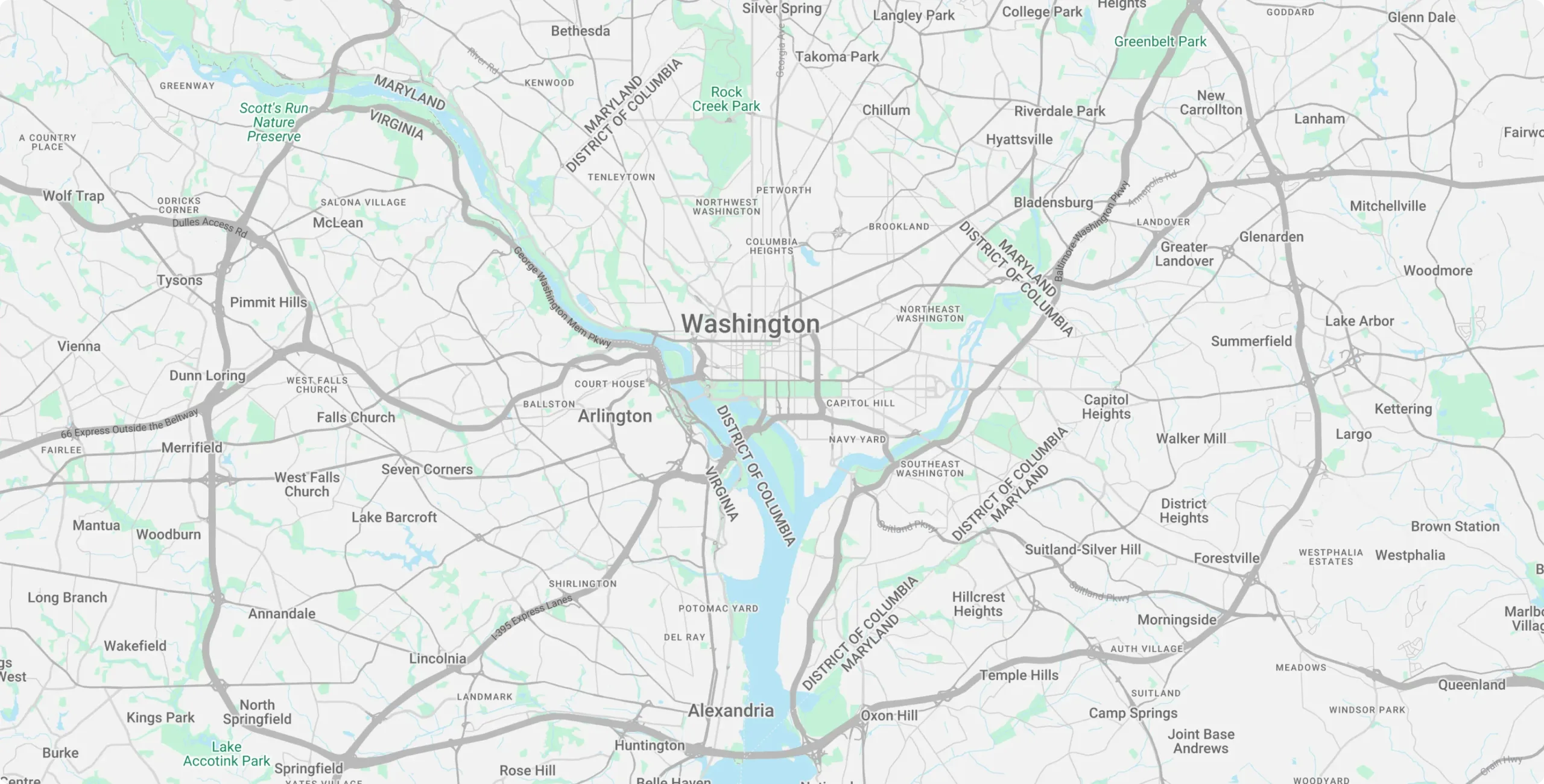
AREAS WE SERVE
At FloodTech USA, we specialize in comprehensive solutions for all your water-related concerns. From precision leak detection and water damage repair to mold remediation, sealing, resurfacing, and full-scale restoration services—our certified team delivers dependable results with unmatched professionalism.
PROTECTING PROPERTY, RESTORING PEACE OF MIND
At FloodTech USA, our team of certified home and commercial restoration specialists brings over 30 years of combined expertise in water damage mitigation, mold remediation, fire and smoke restoration, and structural recovery. Every technician on our crew is fully trained, licensed, and committed to delivering prompt, professional, and compassionate service during your most difficult times.
We know that emergencies don’t wait for business hours. That’s why our restoration services are available around the clock—24 hours a day, 7 days a week, 365 days a year. Whether it’s a burst pipe in the middle of the night or fire damage over a holiday weekend, we’re ready to respond immediately to protect your property and begin the recovery process without delay.