
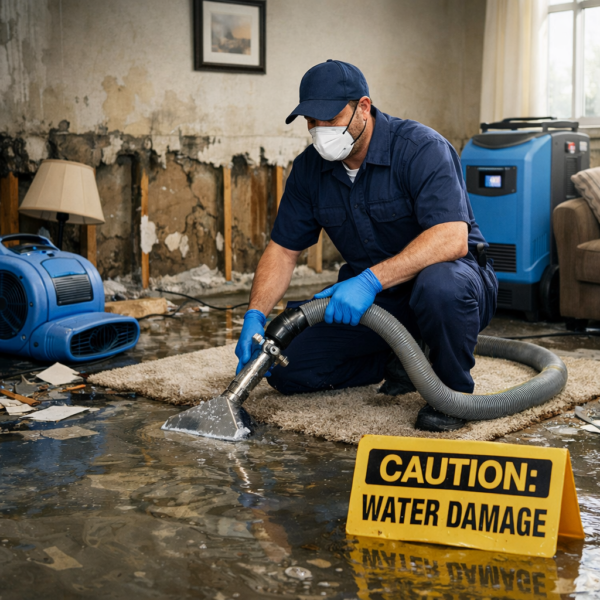
Water damage can happen without warning. A burst pipe, overflowing appliance, roof leak, or heavy rain can quickly leave your home or business with soaked floors, wet walls, and hidden moisture. While it may seem like a smart way to save money, attempting water damage restoration Vienna on your own often creates much larger problems than expected. What starts as a simple cleanup can turn into expensive structural repairs, mold remediation, and insurance complications.
Many property owners believe that towels, fans, and a rented wet vacuum are enough to handle water damage. Unfortunately, water rarely stays where you can see it. It seeps beneath flooring, inside drywall, into insulation, and behind cabinets, where moisture continues to cause damage long after visible water has disappeared.
Understanding why professional restoration matters can help you avoid unnecessary repair costs and protect your property for years to come.
DIY Water Cleanup Usually Misses Hidden Moisture
Removing standing water is only the first step.
Water naturally travels through porous building materials. Hardwood flooring, drywall, carpet padding, insulation, and framing can all absorb moisture quickly. Even when surfaces feel dry, moisture may still be trapped inside walls or beneath flooring.
Professional restoration teams use specialized equipment such as:
- Moisture meters
- Thermal imaging cameras
- Hygrometers
- Commercial-grade dehumidifiers
- High-capacity air movers
These tools locate moisture that cannot be seen with the naked eye and help verify that building materials have reached acceptable drying levels according to industry standards like the ANSI/IICRC S500 Water Damage Restoration Standard.
Without these inspections, hidden moisture often remains unnoticed until new problems develop weeks later.
Mold Can Begin Growing Faster Than Most People Realize
Time is critical after water damage.
Under the right conditions, mold can begin growing within 24 to 48 hours after materials become wet. Once mold starts spreading behind drywall or underneath flooring, cleanup becomes significantly more expensive.
Many DIY cleanups focus only on removing visible water without addressing moisture trapped inside the structure.
As mold develops, property owners may face:
- Damaged drywall
- Flooring replacement
- Insulation removal
- Poor indoor air quality
- Extended restoration timelines
The U.S. Environmental Protection Agency recommends drying affected materials as quickly as possible and addressing moisture completely to prevent mold growth.
Household Equipment Isn’t Designed for Structural Drying
Many homeowners rent fans or use portable dehumidifiers after a leak.
While these tools may help dry the surface, they typically cannot remove the deep moisture inside structural materials.
Professional drying equipment produces:
- Higher airflow volume
- Lower indoor humidity
- Continuous moisture monitoring
- Faster drying times
Technicians also adjust equipment placement daily based on moisture readings rather than simply letting fans run.
Improper drying can leave subfloors, framing, and drywall damp for days, allowing additional deterioration that increases repair costs.
Water Categories Affect How Cleanup Should Be Handled
Not all water damage is the same.
Industry standards classify water into different contamination categories based on the source.
Examples include:
Category 1 – Clean Water
Usually comes from:
- Broken supply lines
- Overflowing sinks
- Appliance leaks
Category 2 – Gray Water
May contain contaminants from:
- Dishwashers
- Washing machines
- Toilet overflows without sewage
Category 3 – Black Water
Highly contaminated water may come from:
- Sewage backups
- Floodwater
- Stormwater intrusion
Attempting to clean contaminated water without proper protective equipment can expose occupants to bacteria and other harmful contaminants. EPA and CDC guidance recommends extra precautions when dealing with contaminated floodwater and mold.
DIY Cleanup Can Make Insurance Claims More Difficult
Insurance companies often require documentation showing:
- Source of the water damage
- Moisture measurements
- Drying progress
- Photos of affected areas
- Restoration timeline
Professional restoration companies routinely document every stage of the drying process, making it easier to support insurance claims.
When property owners perform cleanup themselves before documenting the damage, insurers may have difficulty determining:
- The original extent of the loss
- Whether damage worsened over time
- Whether secondary damage resulted from delayed drying
Keeping detailed records from the beginning helps protect your claim.
Structural Damage Isn’t Always Immediately Visible
Water can quietly weaken building materials long before visible damage appears.
Over time, excess moisture may cause:
- Warped hardwood flooring
- Swollen cabinets
- Soft drywall
- Ceiling damage
- Wood rot
- Damaged subfloors
By the time these issues become noticeable, repairs often involve demolition and reconstruction instead of simple drying.
Professional inspections help identify these hidden concerns before they become major restoration projects.
Commercial Properties Face Even Greater Risks
Businesses often lose far more than building materials after water damage.
Extended downtime may result in:
- Lost revenue
- Interrupted operations
- Damaged inventory
- Employee safety concerns
- Customer inconvenience
Prompt commercial water damage restoration Vienna VA helps reduce business interruption by removing water quickly, thoroughly drying affected areas, and documenting restoration progress.
The faster commercial spaces return to normal operations, the lower the overall financial impact.
Professional Restoration Saves Money Over the Long Term
Hiring professionals may seem more expensive at first, but it often prevents much larger repair bills later.
Professional restoration focuses on:
- Immediate water extraction
- Moisture detection
- Structural drying
- Mold prevention
- Damage documentation
- Safe cleanup procedures
Addressing the entire problem instead of only visible water helps preserve flooring, drywall, insulation, and structural components that might otherwise require replacement.
When Should You Call a Water Damage Professional?
Professional restoration is recommended whenever:
- Water has been standing for several hours
- Drywall or flooring has become saturated
- Water entered walls or ceilings
- Floodwater or sewage is involved
- Mold has already appeared
- Large portions of the property are affected
The sooner drying begins, the greater the chance of minimizing permanent damage.
If you’re dealing with unexpected water damage, learning more about professional water damage restoration Vienna VA services can help you understand the proper restoration process and why early intervention matters.
Protect Your Property Before Small Problems Become Expensive Repairs
DIY cleanup can appear successful because standing water disappears quickly. However, moisture hidden inside building materials often continues causing damage long after the surface looks dry.
Choosing a trusted water damage restoration company Vienna VA allows your property to be properly inspected, dried, monitored, and restored using proven industry methods. Whether you’re facing a residential leak or need a dependable water damage restoration service Vienna VA for a larger commercial property, acting quickly helps reduce repair costs and prevents secondary damage.
When water damage occurs, FloodTech USA provides professional restoration solutions designed to protect your property, minimize disruption, and help restore your home or business as safely and efficiently as possible. Learn more about their professional water damage restoration services in Vienna, VA if you need experienced assistance.