
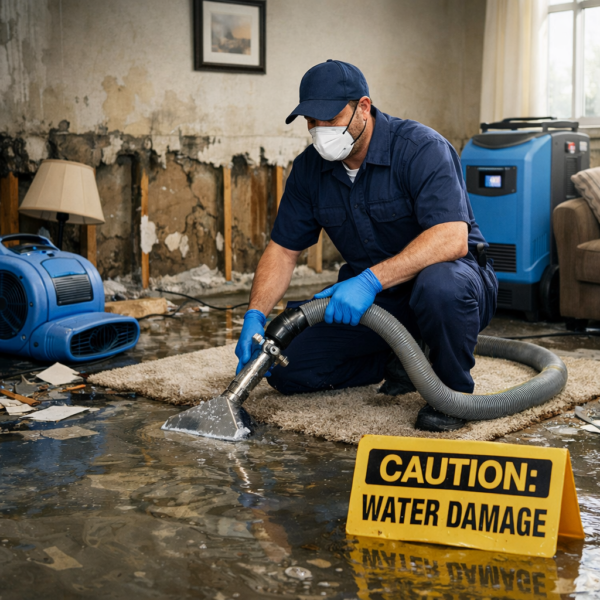
Water damage rarely gives property owners any warning. A burst pipe, overflowing appliance, heavy rainstorm, or sewage backup can leave your home or business dealing with standing water in just a matter of minutes. What may seem like a manageable mess can quickly turn into structural damage, mold growth, damaged belongings, and expensive repairs if not addressed immediately.
Understanding the water damage restoration process helps you make informed decisions during an emergency. Knowing what to expect also helps reduce stress while ensuring your property receives the right care from qualified professionals.
If you’re looking for a reliable water damage restoration service in Arlington VA, this guide explains each step of the restoration process, why every minute matters, and how professional restoration specialists help return your property to its pre-loss condition as safely and efficiently as possible.
Why Fast Water Damage Restoration Matters
Water continues causing damage long after the initial incident. Every passing hour increases the chances of permanent destruction.
Within the first few hours, you may experience:
- Water soaking drywall and insulation
- Hardwood flooring beginning to swell
- Furniture absorbing moisture
- Electrical hazards developing
After one to two days:
- Mold spores may begin growing
- Paint starts peeling
- Wood begins warping
- Odors develop
After several days:
- Structural materials weaken
- Mold spreads throughout the property
- Flooring may require replacement
- Repair costs increase significantly
According to the Federal Emergency Management Agency (FEMA), homeowners should begin drying flooded areas as soon as it is safe because mold can begin developing within 24 to 48 hours after water exposure.
This is why professional 24-Hour Emergency Response is one of the most important parts of successful restoration.
The Complete Water Damage Restoration Process
Every restoration project is different, but experienced professionals generally follow a proven process to minimize damage and restore the property efficiently.
Step 1: Emergency Contact and Immediate Response
The restoration process begins the moment you contact a restoration company.
A professional team gathers information such as:
- Source of the water
- Areas affected
- Approximate amount of water
- Whether electricity has been shut off
- Type of property
- Safety concerns
Companies offering 24-Hour Emergency Response dispatch technicians immediately because delaying restoration allows damage to worsen.
Fast response helps reduce:
- Structural deterioration
- Mold growth
- Restoration costs
- Business downtime
- Damage to personal belongings
Step 2: Property Inspection and Damage Assessment
Once technicians arrive, they perform a detailed inspection of the affected property.
This includes evaluating:
- Moisture levels
- Structural integrity
- Hidden water pockets
- Flooring damage
- Wall saturation
- Ceiling damage
- Cabinetry
- Crawl spaces
- Attics
- HVAC systems
Professional moisture meters, infrared cameras, and thermal imaging equipment allow technicians to locate water that cannot be seen with the naked eye.
The inspection also determines the category of water involved.
Category 1
Clean water from:
- Broken supply lines
- Overflowing sinks
- Rainwater entering through certain openings
Category 2
Gray water from:
- Washing machines
- Dishwashers
- Toilet overflows without waste
Category 3
Black water from:
- Sewage backups
- Floodwaters
- River overflow
- Storm surge
The water category determines the cleaning procedures and safety precautions required.
Step 3: Water Extraction
Removing standing water is the highest priority.
Professional restoration companies use commercial-grade equipment including:
- Truck-mounted extractors
- High-capacity pumps
- Portable extraction units
- Wet vacuums
The faster water is removed, the less damage occurs.
Professional extraction is significantly faster than consumer equipment and removes much more moisture from flooring, carpets, and structural materials.
Step 4: Moisture Detection
Visible water is only part of the problem.
Water often hides inside:
- Drywall
- Flooring
- Insulation
- Concrete
- Wood framing
- Cabinets
- Ceiling cavities
A skilled water damage restoration specialist carefully maps moisture throughout the building.
This step ensures hidden moisture isn’t overlooked, reducing the risk of future mold growth or structural damage.
Step 5: Drying and Dehumidification
Even after water extraction, building materials still contain moisture.
Industrial drying equipment is strategically placed throughout the property.
This commonly includes:
- Air movers
- Commercial dehumidifiers
- Desiccant dehumidifiers
- HEPA air scrubbers when necessary
Technicians monitor moisture levels daily and reposition equipment as drying progresses.
Drying timelines depend on factors such as:
- Amount of water
- Building materials
- Indoor humidity
- Temperature
- Air circulation
Professional drying often takes several days to complete properly.
Step 6: Cleaning and Sanitizing
Water damage often leaves behind bacteria, contaminants, odors, and debris.
Restoration professionals clean and sanitize affected areas using specialized products designed for water damage restoration.
Cleaning may include:
- Antimicrobial treatments
- Surface disinfection
- Odor removal
- Carpet cleaning
- Upholstery cleaning
- Content cleaning
- Air purification
If Category 2 or Category 3 water is involved, more extensive sanitation procedures are required.
Step 7: Mold Prevention
One major goal of the restoration process is preventing mold before it becomes a larger issue.
Preventive treatments may include:
- Antimicrobial applications
- Controlled drying
- Moisture monitoring
- HEPA filtration
Because mold can begin growing quickly after water exposure, prompt restoration significantly lowers the chances of needing mold remediation later.
Step 8: Repairs and Reconstruction
Once the property is completely dry, repairs begin.
Depending on the extent of damage, restoration may include:
- Drywall replacement
- Flooring replacement
- Ceiling repairs
- Trim installation
- Cabinet repairs
- Painting
- Structural repairs
Some projects require only minor cosmetic repairs, while others involve larger reconstruction efforts.
Why Professional Water Damage Restoration Is Better Than DIY Cleanup
Many homeowners attempt to clean up water damage themselves.
While removing visible water may seem straightforward, hidden moisture often remains trapped inside building materials.
Professional restoration offers advantages such as:
- Commercial-grade drying equipment
- Moisture mapping technology
- Mold prevention
- Faster drying
- Safer sanitation
- Structural expertise
- Insurance documentation
Attempting DIY restoration may actually increase long-term repair costs if moisture remains undetected.
What Makes a Good Water Damage Restoration Specialist?
Choosing the right restoration company can make a significant difference in both the quality of repairs and the speed of recovery.
Look for professionals who offer:
- 24-hour emergency availability
- Certified restoration technicians
- Advanced moisture detection equipment
- Insurance claim assistance
- Clear communication
- Comprehensive restoration services
- Local experience in Arlington, VA
An experienced water damage restoration specialist understands how local weather patterns, older homes, and commercial buildings affect restoration strategies.
When Should You Search for “Water Damage Restoration Services Near Me”?
Don’t wait until damage becomes severe.
Call professionals immediately if you notice:
- Standing water
- Ceiling leaks
- Burst pipes
- Flooded basements
- Sewage backups
- Wet carpets
- Water stains
- Musty odors
- Warped flooring
Searching for water damage restoration services near me or emergency water damage restoration near me as soon as damage occurs gives your property the best chance of a successful recovery.
Water Damage Prevention Tips
While emergencies can’t always be prevented, homeowners can reduce their risk by:
- Inspecting plumbing regularly
- Replacing aging water heaters
- Cleaning gutters
- Sealing foundation cracks
- Checking appliance hoses
- Installing leak detection systems
- Maintaining sump pumps
- Scheduling routine roof inspections
Routine maintenance often prevents expensive restoration projects.
Learn More About Water Damage
For additional information about preventing flood damage and protecting your property, the American Red Cross offers practical flood safety guidance:
https://www.redcross.org/get-help/how-to-prepare-for-emergencies/types-of-emergencies/flood.html
You can also read our related guide on hidden water damage and why early detection matters:
https://floodtechusa.com/blog/
If you need immediate assistance or want to learn more about our professional water damage restoration service, visit our Arlington service page:
https://floodtechusa.com/water-damage-restoration-arlington-va/
Frequently Asked Questions
1. How long does the water damage restoration process take?
Most residential projects take between three and seven days for drying, although complete restoration may require additional time depending on the severity of damage and the repairs needed. Larger commercial losses may take longer.
2. Why is a 24-Hour Emergency Response so important?
Water damage continues worsening every hour. A 24-Hour Emergency Response allows professionals to remove water quickly, begin drying immediately, and reduce the chances of mold growth, structural damage, and higher repair costs.
3. Should I search for emergency water damage restoration near me immediately after discovering water?
Yes. The sooner restoration specialists arrive, the greater the chance of saving flooring, drywall, furniture, and personal belongings. Immediate response also helps prevent hidden moisture from causing long-term issues.
4. Can I handle the water damage restoration process myself?
Minor spills can often be cleaned safely, but significant water damage usually requires professional equipment to detect hidden moisture and dry the property thoroughly. DIY cleanup may leave moisture behind, increasing the risk of mold and structural damage.
5. What should I look for in a water damage restoration service?
Choose a company that provides 24-hour emergency service, experienced restoration specialists, commercial-grade drying equipment, moisture detection technology, insurance claim assistance, and a proven restoration process from inspection through final repairs.
When water damage strikes, every minute truly counts. Acting quickly can help minimize structural damage, reduce repair costs, and prevent mold from taking hold. Understanding the complete water damage restoration process allows property owners to make informed decisions during stressful situations and highlights the value of working with trained professionals. If you need prompt, dependable restoration in Arlington, VA, FloodTech USA offers rapid emergency response and comprehensive restoration services to help protect your home or business when it matters most.