
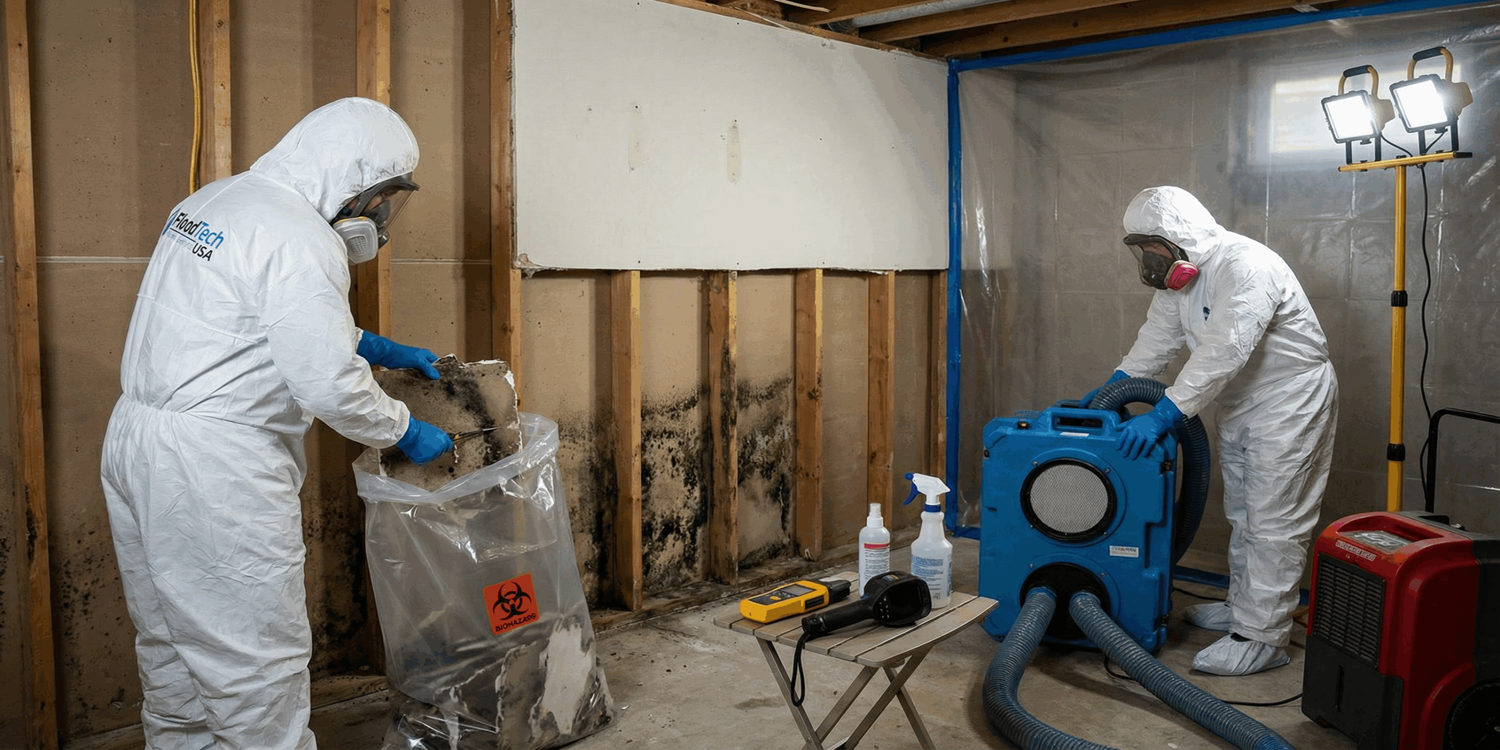
Mold can begin growing in as little as 24 to 48 hours after water enters your home. What starts as a small patch behind a wall or beneath flooring can quickly spread through building materials, affecting indoor air quality and increasing repair costs. For homeowners in Great Falls, VA, acting quickly after a leak, flood, or plumbing issue is one of the most effective ways to limit mold growth and protect both the property and the people living inside it.
If you’re searching for mold remediation services, it’s important to understand why time matters, what professionals do differently, and when a simple cleanup is no longer enough. This guide explains how mold spreads, why immediate action is essential, and what to expect from professional mold remediation services.
Why Mold Spreads So Quickly
Mold is a natural fungus that thrives wherever moisture and organic materials are present. Drywall, wood, insulation, carpeting, ceiling tiles, and even dust provide nutrients that allow mold colonies to grow.
Once moisture enters a home, mold spores already floating in the air settle onto damp surfaces and begin reproducing rapidly.
Several factors accelerate mold growth:
- High indoor humidity
- Hidden plumbing leaks
- Roof leaks
- Flooding
- Poor ventilation
- Condensation around windows and HVAC systems
Because mold releases microscopic spores into the air, colonies can spread from one room to another without being immediately visible.
According to the U.S. Environmental Protection Agency (EPA), mold should be addressed promptly because delaying cleanup allows growth to expand into additional building materials.
Common Causes of Mold Growth in Great Falls Homes
Homes throughout Great Falls can experience moisture problems from several sources.
Heavy Rain and Storm Damage
Northern Virginia receives seasonal storms that can damage roofs, windows, or foundations. Even minor water intrusion creates conditions for mold.
Burst or Leaking Pipes
Leaks hidden inside walls often remain unnoticed for weeks.
By the time stains appear, mold may already be growing behind drywall.
Basement Moisture
Finished basements are especially vulnerable because groundwater, foundation seepage, and humidity can keep materials damp.
HVAC Problems
Air conditioners produce condensation.
If drainage systems clog or ducts develop moisture buildup, mold may spread throughout the home’s ventilation system.
Appliance Leaks
Dishwashers, refrigerators, washing machines, and water heaters commonly develop slow leaks that homeowners may not discover immediately.
Why Immediate Mold Remediation Matters
Waiting even a few days can significantly increase the amount of contamination inside a home.
Fast action helps:
- Prevent mold from spreading into new rooms
- Reduce structural damage
- Lower restoration costs
- Improve indoor air quality
- Protect furniture and personal belongings
- Reduce exposure to allergens
The earlier professionals begin drying and remediation, the fewer materials typically need replacement.
How Mold Continues to Spread
Many homeowners assume mold only grows where they can see it.
Unfortunately, mold often spreads:
- Behind drywall
- Under flooring
- Inside insulation
- Beneath cabinets
- Inside crawl spaces
- Around HVAC systems
Every time air moves through the home, spores can travel into unaffected areas.
That’s why visible mold often represents only a small portion of the overall contamination.
What Professional Mold Remediation Services Include
Hiring professional mold remediation services involves much more than simply spraying cleaner on visible mold.
A complete remediation process follows industry standards designed to stop contamination at its source.
Step 1: Inspection
Professionals inspect the entire property to identify:
- Visible mold
- Hidden moisture
- Water damage
- Areas at risk
Moisture meters and thermal imaging cameras often help locate concealed water behind walls.
Step 2: Containment
Containment prevents spores from spreading into clean areas.
Technicians may use:
- Plastic barriers
- Negative air machines
- HEPA filtration
- Sealed work areas
Containment is one of the biggest differences between professional remediation and DIY cleanup.
Step 3: Moisture Removal
No remediation is complete without correcting the moisture source.
This may include repairing:
- Plumbing leaks
- Roof damage
- Foundation leaks
- HVAC condensation issues
Industrial drying equipment removes remaining moisture from structural materials.
Step 4: Mold Removal
Depending on the level of contamination, technicians may:
- Remove damaged drywall
- Replace insulation
- Clean structural framing
- Remove contaminated carpeting
- Dispose of heavily affected materials
Specialized cleaning methods remove mold while limiting airborne spores.
Step 5: Cleaning and Air Filtration
HEPA vacuums and air scrubbers remove microscopic spores from indoor air.
Professionals also clean salvageable materials using products appropriate for each surface.
Step 6: Restoration
After remediation is complete, damaged materials are repaired or replaced.
Restoration may include:
- Drywall replacement
- Flooring installation
- Painting
- Trim replacement
- Ceiling repairs
The goal is returning the home to its pre-loss condition.
Signs You Need Mold Removal and Remediation Services
Some mold problems are obvious.
Others remain hidden for months.
Common warning signs include:
Persistent Musty Odors
A damp, earthy smell often appears before mold becomes visible.
Water Stains
Brown ceiling stains or wall discoloration may indicate moisture behind surfaces.
Visible Mold
Black, green, white, or gray patches should always be investigated.
Allergy Symptoms Indoors
People may experience:
- Sneezing
- Nasal congestion
- Eye irritation
- Coughing
Symptoms often improve after leaving the home.
Previous Water Damage
If your home experienced flooding or leaks within the last year, hidden mold could already be developing.
Can You Remove Mold Yourself?
Small surface mold on non-porous materials may sometimes be cleaned safely.
However, DIY cleaning often misses:
- Hidden moisture
- Mold inside walls
- Airborne contamination
- Structural damage
Painting over mold or using bleach alone rarely solves the underlying problem.
Professional remediation addresses both the mold and the moisture source to reduce the chance of recurrence.
How to Prevent Mold After Water Damage
Prevention begins immediately after any water intrusion.
Homeowners should:
- Dry wet materials within 24–48 hours
- Repair leaks promptly
- Use dehumidifiers
- Improve ventilation
- Maintain HVAC systems
- Inspect roofs regularly
- Monitor basements for moisture
Regular home inspections can identify small problems before they become major restoration projects.
Why Choosing Local Mold Remediation Services Matters
If you’re searching online for mold remediation services near me, choosing a local company offers several advantages.
A local restoration team understands:
- Northern Virginia weather patterns
- Common construction materials
- Regional moisture issues
- Local building requirements
- Faster emergency response times
Quick arrival often makes the difference between minor remediation and extensive reconstruction.
FloodTech USA provides comprehensive mold removal and remediation services for homeowners throughout Great Falls, VA. Their experienced team responds quickly to identify moisture problems, contain mold growth, and restore affected areas safely. Learn more about their mold remediation services in Great Falls, VA here: https://floodtechusa.com/mold-remediation-great-falls-va/
For additional information about preventing mold after water damage, read this helpful guide from the Centers for Disease Control and Prevention (CDC):
https://www.cdc.gov/mold-health/about/index.html
Frequently Asked Questions
How quickly should mold remediation begin after water damage?
Ideally, remediation should begin within 24 to 48 hours after water damage occurs. The sooner moisture is removed, the lower the chance mold will spread throughout the home and require more extensive repairs.
What is included in professional mold remediation services?
Professional mold remediation services typically include inspection, moisture detection, containment, air filtration, mold removal, structural drying, cleaning, and restoration. The process also addresses the source of moisture to help prevent future mold growth.
How do I know if I need mold remediation services near me?
If you’ve experienced flooding, plumbing leaks, roof leaks, visible mold growth, musty odors, or ongoing allergy symptoms indoors, scheduling a professional inspection is recommended. Early evaluation can identify hidden mold before it spreads further.
Can mold come back after remediation?
Yes, mold can return if the moisture source is not corrected. Professional mold removal and remediation services focus on eliminating both the mold and the conditions that allowed it to grow, greatly reducing the risk of recurrence.
Is mold always visible?
No. Mold often grows behind drywall, under flooring, inside insulation, or within crawl spaces before becoming visible. A professional inspection can detect hidden moisture and mold that homeowners cannot easily see.
Protect Your Great Falls Home Before Mold Gets Worse
Mold spreads much faster than many homeowners realize, especially after water damage goes unnoticed. Acting quickly can prevent widespread contamination, reduce repair costs, and help maintain a healthier indoor environment. Whether you’ve discovered visible mold or suspect hidden moisture inside your home, addressing the problem early is the best way to limit damage. FloodTech USA provides trusted professional mold remediation services for homeowners in Great Falls, VA, delivering fast inspections, effective containment, and complete restoration to help protect your home from long-term mold problems.