
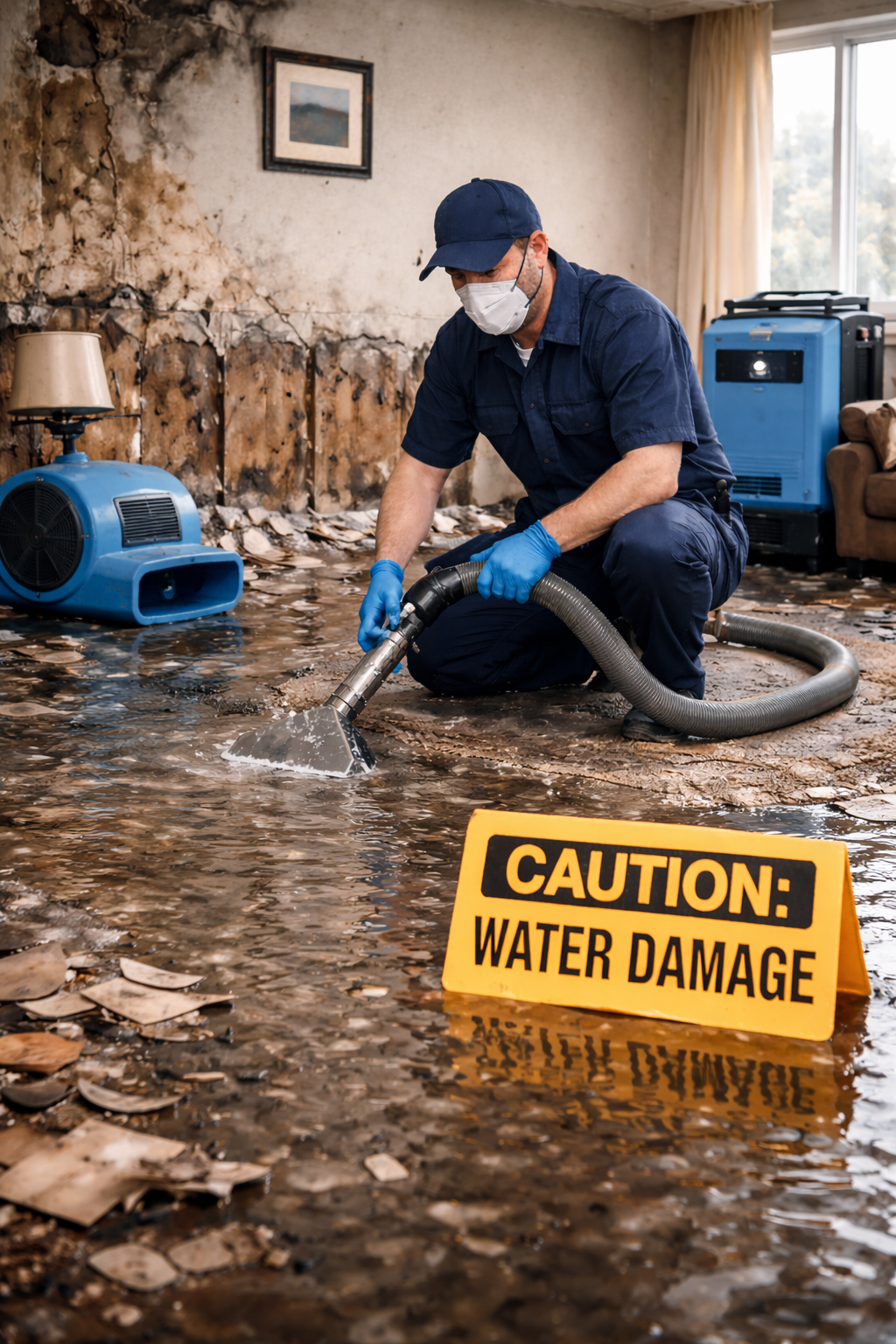
Water damage can happen without warning. A burst pipe, overflowing appliance, roof leak, or heavy storm can quickly leave your home or business with standing water and damaged materials. While the visible damage may seem manageable, the first 24 hours are often the most important period for limiting structural damage, mold growth, and expensive repairs.
Understanding the water damage restoration process helps property owners know what to expect when professionals arrive. Acting quickly with a trusted water damage restoration service can significantly reduce damage and speed up recovery.
Whether you’re dealing with a flooded basement, a leaking water heater, or storm-related flooding in Alexandria, VA, this guide explains exactly what happens during the first day after water damage occurs.
Why the First 24 Hours Matter
Water never stays in one place. Within minutes, it begins soaking into drywall, insulation, flooring, furniture, and structural framing. As moisture spreads, damage becomes more extensive.
During the first day, several problems can develop:
- Drywall starts absorbing moisture
- Hardwood flooring begins swelling
- Carpet padding traps water underneath
- Electrical systems may become unsafe
- Bacteria from contaminated water can spread
- Mold may begin developing within 24 to 48 hours under favorable conditions
This is why many property owners search for emergency water damage restoration near me immediately after discovering water damage.
A fast response helps save materials that might otherwise need replacement.
The Water Damage Restoration Process: Step by Step
Every property is different, but reputable restoration companies generally follow a proven process.
Step 1: 24-Hour Emergency Response
The first stage begins with immediate contact.
A professional restoration company gathers important information, including:
- Source of the water
- Type of water involved
- Areas affected
- Whether electricity has been shut off
- Approximate amount of standing water
A reliable 24-Hour Emergency Response team dispatches technicians immediately because every hour matters.
Upon arrival, technicians perform an initial walkthrough before beginning any work.
Step 2: Safety Inspection
Before removing water, restoration specialists inspect the property for hazards.
This inspection includes:
Electrical Safety
Standing water can energize outlets and wiring.
Power may need to remain off until the area is safe.
Structural Stability
Technicians inspect ceilings, flooring, and walls for signs of weakening.
Water Category Identification
Not all water is equally hazardous.
Professionals determine whether the water is:
- Category 1 (Clean Water)
- Category 2 (Gray Water)
- Category 3 (Black Water)
The category determines cleaning methods and whether materials must be removed.
Step 3: Damage Assessment
Next, technicians document all affected areas.
They use specialized equipment such as:
- Moisture meters
- Thermal imaging cameras
- Hygrometers
- Infrared scanners
These tools detect hidden moisture inside:
- Walls
- Ceilings
- Cabinets
- Flooring
- Crawl spaces
Hidden moisture often causes more damage than visible flooding.
Step 4: Water Extraction
Removing standing water is one of the most important steps.
Professionals use commercial equipment including:
- Truck-mounted extractors
- High-powered pumps
- Industrial wet vacuums
Fast extraction helps reduce:
- Structural damage
- Flooring damage
- Drywall deterioration
- Mold risk
Even if standing water appears gone, moisture usually remains trapped inside building materials.
Step 5: Removing Unsalvageable Materials
Not every material can be saved.
Depending on the water category, restoration specialists may remove:
- Saturated carpet padding
- Damaged drywall
- Wet insulation
- Baseboards
- Waterlogged ceiling materials
Removing heavily damaged materials allows the remaining structure to dry much faster.
Step 6: Structural Drying
This stage often continues beyond the first 24 hours but begins immediately.
Professionals position:
- Industrial air movers
- Commercial dehumidifiers
- HEPA air filtration systems (when needed)
Drying is carefully monitored throughout the process.
Rather than guessing, technicians measure moisture daily until acceptable levels are reached.
Step 7: Cleaning and Sanitizing
Water damage often leaves behind contaminants, odors, and bacteria.
Cleaning may include:
- Antimicrobial treatments
- Surface disinfection
- Odor removal
- HEPA vacuuming
- Air scrubbing
If sewage or floodwater entered the property, additional sanitation procedures are required.
Step 8: Documentation for Insurance
Professional restoration companies thoroughly document every step.
This typically includes:
- Moisture readings
- Photographs
- Equipment logs
- Drying reports
- Material removal records
Detailed documentation helps support insurance claims and demonstrates the extent of the damage.
What Homeowners Should Do Before Help Arrives
While waiting for a water damage restoration specialist, there are several safe actions you can take.
If it’s safe:
- Shut off the water source
- Turn off electricity to affected areas
- Move valuable belongings
- Remove lightweight furniture
- Place aluminum foil beneath furniture legs
- Take photographs for insurance
Avoid:
- Walking through standing water near electrical outlets
- Using household vacuums
- Entering rooms with sagging ceilings
- Attempting major demolition yourself
Common Causes of Water Damage in Alexandria, VA
Alexandria properties experience water damage from many sources.
Common causes include:
Burst Pipes
Winter freezing temperatures can cause pipes to rupture unexpectedly.
Heavy Rain
Strong storms may overwhelm drainage systems or expose roofing weaknesses.
Appliance Failures
Dishwashers, washing machines, and water heaters frequently develop leaks over time.
Roof Leaks
Damaged shingles and flashing allow water to enter attics and ceilings.
Plumbing Failures
Broken supply lines and clogged drains often create extensive indoor flooding.
Why Professional Equipment Makes a Difference
Many homeowners attempt drying with fans alone.
Unfortunately, household fans cannot remove hidden moisture inside walls or flooring.
Professional restoration companies use equipment specifically designed for water mitigation, including:
- High-capacity dehumidifiers
- Commercial air movers
- Moisture mapping tools
- Thermal imaging cameras
- Negative air machines
These tools shorten drying time while reducing the chance of mold growth.
Choosing the Right Water Damage Restoration Service
If you’re searching for water damage restoration services near me, choose a company that offers:
- 24-hour emergency availability
- Certified restoration technicians
- Advanced drying equipment
- Insurance claim assistance
- Clear communication
- Experience with residential and commercial properties
Working with experienced professionals helps minimize disruption while protecting your property’s long-term value.
If you need immediate assistance in Alexandria, FloodTech USA provides professional water damage restoration Alexandria VA services with rapid emergency response.
For additional guidance on preventing mold after flooding, the U.S. Environmental Protection Agency provides practical recommendations in its guide on mold cleanup and moisture control.
Frequently Asked Questions
1. How long does the water damage restoration process take?
The timeline depends on the amount of water, affected materials, and the size of the property. Water extraction usually begins immediately, while structural drying often takes three to five days. Repairs or reconstruction may require additional time depending on the severity of the damage.
2. What happens during a 24-Hour Emergency Response?
During a 24-Hour Emergency Response, technicians inspect the property, identify safety hazards, extract standing water, assess hidden moisture, begin structural drying, and document damage for insurance purposes. Acting quickly helps reduce further damage and limits the risk of mold growth.
3. When should I call a water damage restoration specialist?
You should contact a water damage restoration specialist as soon as you discover flooding, leaks, or water intrusion. Immediate professional intervention improves the chances of saving flooring, drywall, furniture, and structural materials.
4. Can I handle water damage cleanup myself?
Small spills can often be cleaned safely, but significant water damage requires professional equipment to detect hidden moisture and dry structural materials completely. DIY cleanup may leave moisture behind, increasing the risk of mold and additional damage.
5. How do I find reliable water damage restoration services near me?
Look for companies that provide 24-hour emergency service, certified technicians, commercial-grade drying equipment, insurance claim assistance, and experience with residential and commercial restoration. Reading customer reviews and verifying certifications can also help you choose a trusted provider.
Water damage spreads much faster than many property owners realize. The first 24 hours are critical for minimizing structural damage, preventing mold growth, and protecting your investment. Understanding the water damage restoration process allows you to act quickly and make informed decisions during a stressful situation.
If your Alexandria home or business experiences unexpected flooding or water intrusion, prompt professional assistance can make all the difference. FloodTech USA provides experienced restoration specialists, advanced drying equipment, and rapid emergency response to help restore your property safely and efficiently.