
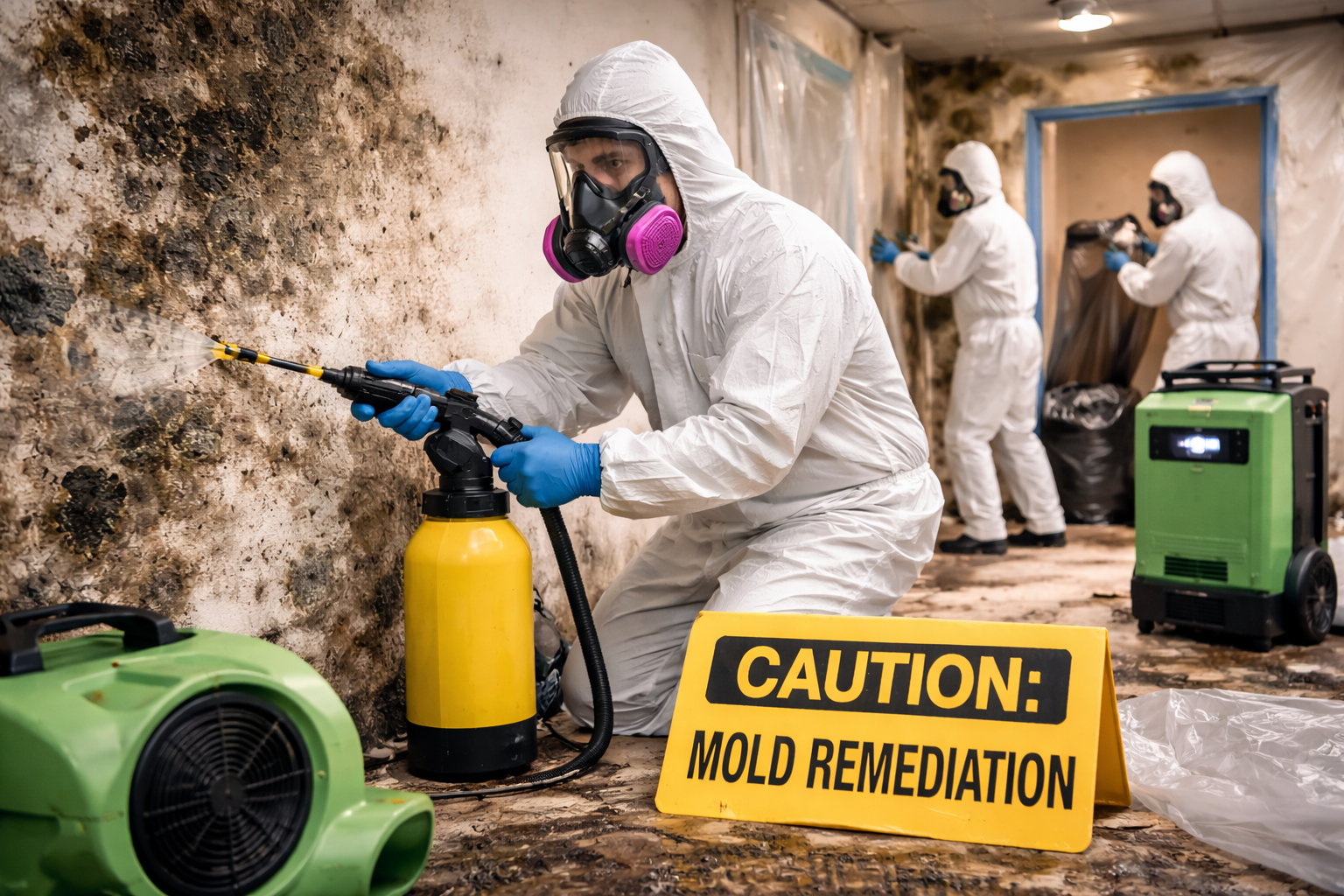
Mold is more than just an unpleasant stain on a wall or ceiling. It is often a sign of hidden moisture problems that can damage your property and affect indoor air quality. In Arlington, VA, where humid summers, seasonal storms, and plumbing leaks are common, mold can begin growing within 24 to 48 hours after water exposure.
Many homeowners try to clean mold themselves using bleach or household cleaners. While this may remove surface discoloration, it rarely solves the underlying problem. Hidden mold behind drywall, beneath flooring, or inside HVAC systems continues to spread if moisture remains.
Knowing when to call professional mold remediation services in Arlington, VA can save you from expensive repairs and potential health concerns. This guide explains the seven warning signs that indicate it’s time to seek expert assistance and what you can expect during the remediation process.
Why Mold Grows in Arlington Homes
Mold requires only three things to grow:
- Moisture
- Organic material such as drywall, wood, or insulation
- Moderate temperatures
Unfortunately, Arlington homes frequently experience conditions that encourage mold growth, including:
- Roof leaks after heavy storms
- Burst or leaking pipes
- Basement moisture
- Flooding
- Poor bathroom ventilation
- HVAC condensation
- Crawl space humidity
The U.S. Environmental Protection Agency (EPA) notes that controlling moisture is the most effective way to prevent mold growth.
7 Signs You Need Professional Mold Remediation Services Immediately
1. You Can Smell Mold but Can’t Find It
One of the earliest signs of hidden mold is a persistent musty odor.
If certain rooms smell damp despite regular cleaning, mold may be growing behind:
- Walls
- Cabinets
- Flooring
- Insulation
- HVAC ductwork
Hidden mold continues spreading long before it becomes visible.
Professional inspectors use moisture meters, thermal imaging, and specialized equipment to locate hidden contamination without unnecessary demolition.
2. Visible Mold Covers More Than a Small Area
Small spots of mold inside a shower may be manageable through routine cleaning.
However, if mold covers a larger section of drywall, ceiling, flooring, or multiple rooms, professional treatment is recommended.
Large infestations often indicate:
- Ongoing water intrusion
- Structural moisture
- Hidden colonies
Professionals remove contaminated materials safely while preventing spores from spreading throughout the property.
3. You Recently Experienced Water Damage
Water damage and mold almost always go together.
Common causes include:
- Burst pipes
- Appliance leaks
- Roof leaks
- Flooding
- Overflowing toilets
- Foundation seepage
Even if surfaces appear dry, moisture can remain trapped inside building materials.
According to the Institute of Inspection Cleaning and Restoration Certification (IICRC), rapid drying significantly reduces the risk of mold growth after water damage.
If your home experienced flooding or leaks within the past few days, scheduling mold removal and remediation services is a smart precaution.
4. Family Members Are Experiencing Persistent Allergy Symptoms
Mold exposure can affect indoor air quality.
Some people experience symptoms such as:
- Sneezing
- Nasal congestion
- Coughing
- Itchy eyes
- Headaches
- Skin irritation
Individuals with asthma or allergies may notice worsening symptoms indoors.
While mold affects everyone differently, ongoing respiratory discomfort combined with moisture problems should never be ignored.
Professional remediation removes contamination while addressing the moisture source.
5. Paint Is Bubbling or Walls Are Stained
Discoloration is not always caused by mold itself.
Moisture trapped behind walls may cause:
- Bubbling paint
- Peeling wallpaper
- Warped drywall
- Brown water stains
- Soft wall surfaces
These warning signs often indicate hidden leaks.
Ignoring them allows mold colonies to expand behind finished surfaces.
6. Your HVAC System Spreads Musty Odors
If your air conditioner or heating system produces a musty smell whenever it runs, mold may be growing inside:
- Air ducts
- Drain pans
- Evaporator coils
- Air handlers
HVAC systems can distribute mold spores throughout an entire home.
Professional remediation specialists inspect affected systems while containing contamination during cleanup.
7. Mold Keeps Returning After Cleaning
Many homeowners repeatedly clean the same mold spots without lasting success.
Recurring mold usually means:
- Moisture problems remain
- Hidden mold exists behind surfaces
- Spores continue spreading
Household bleach often removes surface staining but does not eliminate moisture trapped inside porous materials.
If mold returns after cleaning, it’s time for professional mold remediation services that address both the contamination and its source.
Why DIY Mold Removal Often Fails
Many internet tutorials recommend bleach as a solution.
While bleach can disinfect certain non-porous surfaces, it is not considered an effective solution for widespread mold contamination on porous building materials.
DIY methods typically fail because they:
- Do not locate hidden mold
- Leave moisture problems unresolved
- Spread airborne spores during cleaning
- Miss contaminated insulation or drywall
- Fail to prevent future growth
Large infestations require specialized containment and filtration equipment.
The EPA recommends professional remediation when mold growth is extensive or caused by contaminated water.
What Happens During Professional Mold Remediation?
Professional mold remediation services involve much more than cleaning visible mold.
Step 1: Inspection
Specialists identify:
- Moisture sources
- Mold growth
- Hidden contamination
- Water damage
Step 2: Containment
Affected areas are isolated using:
- Plastic barriers
- Negative air pressure
- HEPA filtration
Containment prevents spores from spreading throughout the property.
Step 3: Mold Removal
Depending on the damage, professionals may:
- Remove drywall
- Replace insulation
- Clean framing
- Dispose of contaminated materials safely
Step 4: HEPA Cleaning
Industrial HEPA vacuums capture microscopic spores that ordinary vacuums cannot.
Air scrubbers continuously filter indoor air during remediation.
Step 5: Drying
Industrial drying equipment removes remaining moisture from:
- Walls
- Flooring
- Structural framing
Step 6: Restoration
After remediation, damaged materials are repaired or replaced to restore your property.
If you’re searching for reliable mold remediation services near me, choosing experienced professionals ensures the job is completed safely and thoroughly.
FloodTech USA provides comprehensive mold remediation services that address both mold growth and the underlying moisture issues. Learn more about our mold remediation services in Arlington, VA and how we help protect homes and businesses throughout the area.
How to Prevent Mold From Returning
Removing mold is only part of the solution.
Long-term prevention includes:
Fix Water Leaks Quickly
Repair roof leaks, plumbing problems, and foundation cracks as soon as possible.
Reduce Indoor Humidity
Maintain indoor humidity below 50%.
A dehumidifier can help during Arlington’s humid months.
Improve Ventilation
Use exhaust fans in:
- Bathrooms
- Kitchens
- Laundry rooms
Inspect Your Home Regularly
Check for:
- Water stains
- Plumbing leaks
- Roof damage
- Basement moisture
Dry Water Damage Immediately
Prompt drying significantly reduces mold risk.
For additional guidance on preventing mold after water damage, the EPA offers practical recommendations in its guide on mold cleanup and moisture control: https://www.epa.gov/mold.
When Should You Call a Professional?
Do not wait until mold becomes visible throughout your home.
Call professionals if:
- You notice persistent musty odors
- Mold covers a large area
- Your home recently flooded
- Family members experience worsening allergy symptoms
- Mold keeps returning
- Water damage remains unresolved
- HVAC systems spread unpleasant odors
Early intervention often reduces repair costs while protecting indoor air quality.
Frequently Asked Questions
1. What are mold remediation services?
Mold remediation services involve identifying mold growth, containing affected areas, removing contaminated materials, cleaning surfaces with specialized equipment, drying moisture, and addressing the source of water intrusion to help prevent mold from returning.
2. How do I know if I need professional mold remediation services?
You should consider professional mold remediation services if you notice persistent musty odors, visible mold covering large areas, recurring mold after cleaning, recent water damage, or worsening allergy symptoms while indoors.
3. How long does mold remediation usually take?
Most residential mold remediation projects take between one and five days, depending on the size of the affected area, the extent of contamination, and whether structural repairs are required after mold removal.
4. Is mold remediation covered by homeowners insurance?
Coverage depends on your insurance policy and the cause of the mold. Mold resulting from a sudden covered event, such as a burst pipe, may be covered, while mold caused by long-term maintenance issues is often excluded. Review your policy or speak with your insurance provider.
5. Can mold return after remediation?
Mold can return if the underlying moisture problem is not corrected. Professional mold removal and remediation services focus on eliminating mold while identifying and repairing the source of moisture to reduce the risk of future growth.
Mold problems rarely improve on their own. What begins as a small patch on a wall can quickly spread behind drywall, under flooring, and into your HVAC system if the underlying moisture issue isn’t addressed. Recognizing the warning signs early allows you to act before mold causes more extensive property damage or affects your family’s comfort.
If you’re looking for trusted professional mold remediation services or searching online for mold remediation services near me, FloodTech USA provides thorough inspections, safe mold removal, moisture control, and complete restoration services for homes and businesses throughout Arlington, VA. Contact our team today to restore a healthier indoor environment before mold has the opportunity to spread further.